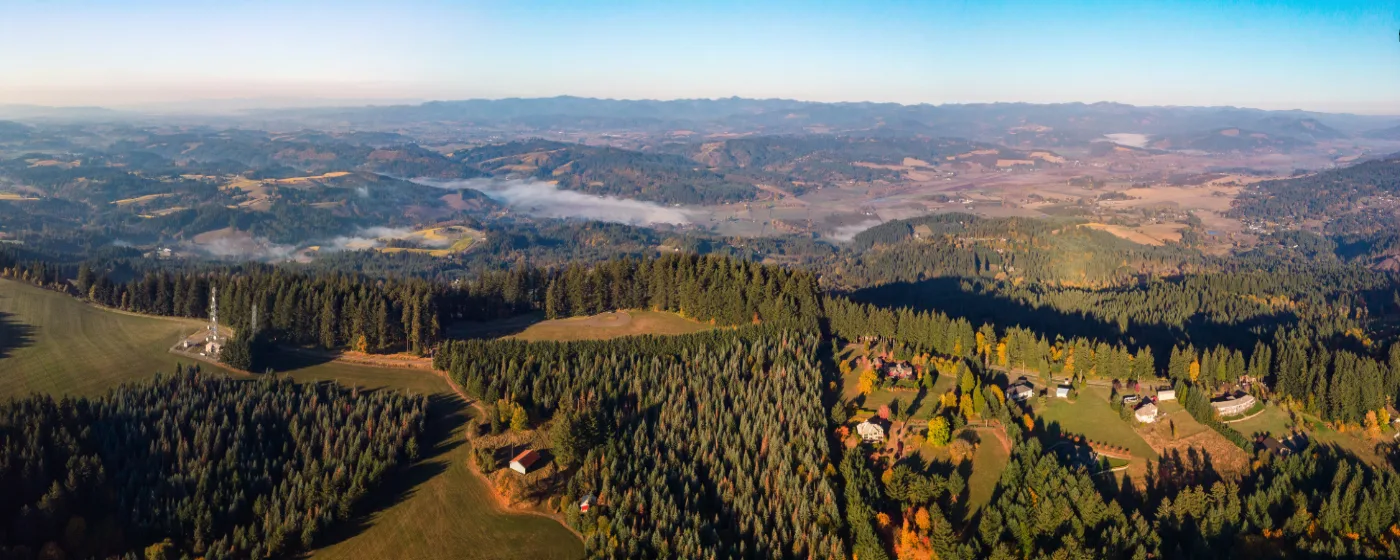
California was the single largest source state for Oregon inbound movers in the most recent United Van Lines national study, accounting for 22% of all arrivals. A lot of those people end up in the Portland metro's western suburbs — and Aloha, an unincorporated community of 52,389 people in Washington County, is where a surprising share of them land. It sits between Beaverton and Hillsboro, governed by Washington County rather than a city council of its own, and that unusual status quietly shapes everything from zoning to services. The Silicon Forest tech corridor — Intel, Nike — runs directly through the surrounding area, which is why so many Bay Area and Southern California engineers look at this zip code first.
The case for Aloha is easy to make on paper. The Beaverton School District 48J holds an A- rating, according to Niche, and the district reported 36,959 students enrolled in 2025-26. Oregon has no state sales tax at all. The Tualatin Hills Park & Recreation District, Oregon's largest special park district, covers 50 square miles and includes more than 95 park sites and 70 miles of trails — much of it accessible from Aloha's own neighborhoods. The median household income here is $101,934, and the community is one of the most racially diverse suburbs in Oregon, with a Latino population of 23.1% and an Asian population of 11.5%, which makes the transition less of a culture shock for Californians arriving from diverse metros.
Cost of living is where the headline numbers are, but the details matter more than the headline. Housing is the biggest single driver of the gap between California and Aloha costs, and the absence of California's statewide base sales tax rate of 7.25% shows up meaningfully in the monthly grocery and retail bill. The trade-off is that Oregon's income tax brackets compress quickly, which catches middle earners off guard. Health insurance premiums run noticeably below what most California residents were paying, though access to specialist care means planning around a broader regional network rather than a dense local one.
Whether you are pricing out a first home here or comparing Aloha against Beaverton and Hillsboro, the sections below cover the home price and tax picture head to head, what Californians routinely underestimate about Oregon taxes, the lifestyle adjustments that take the most getting used to, the outdoor and community life that makes people stay, and the honest reasons some California transplants eventually move on.
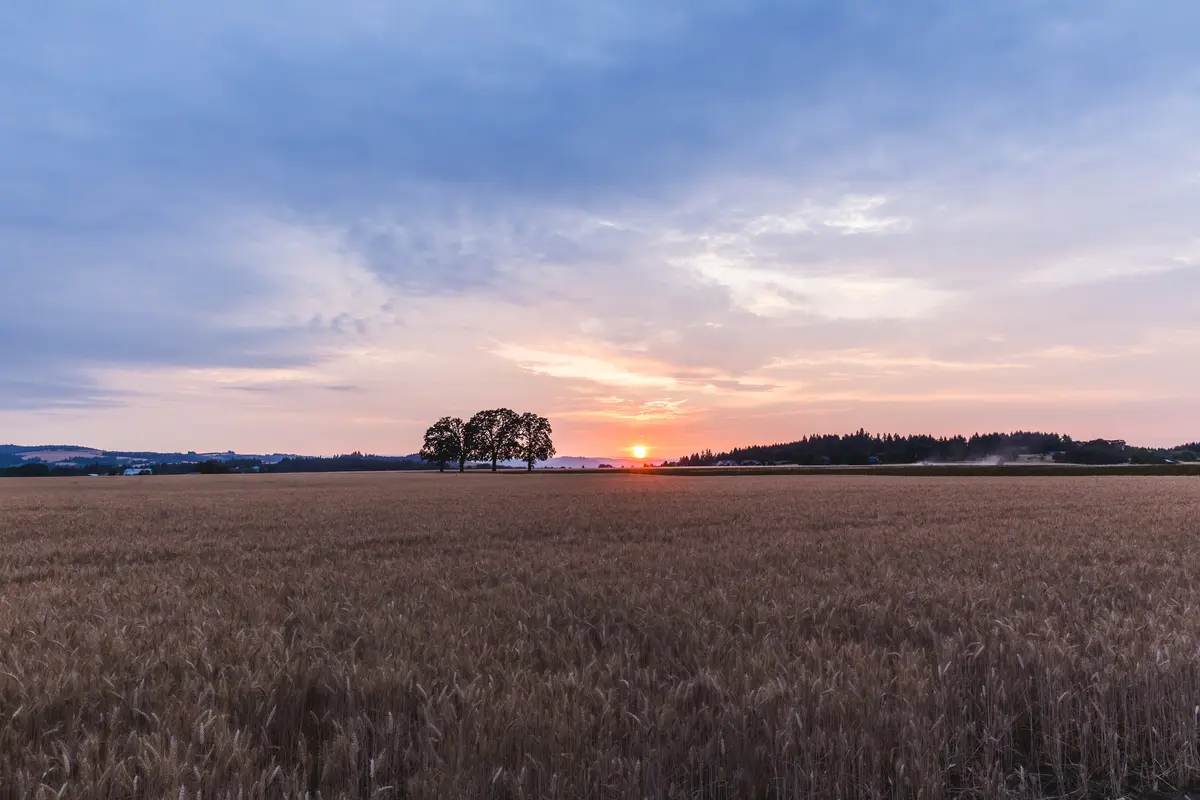
Home Price Reality: What Your California Equity Buys in Aloha
The number that moves most California buyers to action is simple: Aloha's typical home price was $493,280 (Zillow Home Value Index, May 2026). Against California's statewide typical home value of $773,735, that is a gap wide enough to shift a family's financial picture significantly — not just in the purchase price but in the down payment size, the long-term equity position, and the monthly breathing room.
Buyers arriving with California equity often find themselves in a different category of purchaser here entirely. A home sold in a mid-tier Southern California or Sacramento-area neighborhood frequently produces enough equity to buy in Aloha with a substantial down payment or — in some cases — outright. That equity advantage is real, but it works best when paired with an honest look at the full cost-of-living picture, because housing is only one line item.
It is worth knowing how Aloha compares within its own market. Homes in neighboring Beaverton and Hillsboro run somewhat higher than Aloha's typical price. If the price difference matters to your purchase decision, Aloha consistently represents the most accessible entry point among the three communities.
Property Tax: A Genuine Win Over California
Aloha's effective property tax rate sits at 0.84%. California's effective property tax rate of 0.71% is technically lower — but that number is somewhat misleading for active buyers. California's rate applies to assessed value, which is typically locked to a purchase price that last sold decades ago under Proposition 13 protections. A buyer purchasing a California home at today's prices pays tax on that full current price from day one, and the 0.71% on a $773,735 home is a larger annual bill than 0.84% on a $493,280 home.
The math works in Aloha's favor for new buyers. You pay a modestly higher rate on a meaningfully lower base — and Oregon has no Proposition 13 equivalent, but assessment growth limits under Oregon law do moderate future increases.
What the Equity Shift Feels Like After Six Months
California buyers frequently say the same thing about three to six months in: the lower payment feels real in a way the spreadsheet didn't fully convey. The monthly difference between carrying a California mortgage and an Aloha mortgage at similar down-payment percentages creates financial flexibility that compounds — toward retirement savings, toward college funds, toward the kind of discretionary spending that makes Pacific Northwest living enjoyable. What surprises people is not the size of the gap but how quickly they stop thinking about money the same way.
The Oregon Tax Picture: Where You Win, Where You Don't
Oregon's tax story has a twist that catches most California transplants unprepared, and it is worth understanding before you finalize a move.
Sales Tax: The Obvious Win
Oregon has no state sales tax, full stop. Every grocery run, every hardware store trip, every online purchase fulfilled in-state — none of it carries the surcharge Californians have paid their entire adult lives. Compared with California's statewide base sales tax rate of 7.25%, and considerably more in cities like Los Angeles and San Francisco where local additions stack on top, the absence of sales tax saves an average household thousands of dollars a year on everyday spending. Over a decade, that is a meaningful number.
Income Tax: Read This Before You Celebrate
Oregon's top state income tax rate of 9.9% sits well below California's top state income tax rate of 13.3%. That comparison gets quoted constantly in California-to-Oregon conversations, and it is accurate — but incomplete in a way that matters for most working families.
Oregon's brackets compress much faster than California's. The income-tax savings favor high earners most clearly; many middle-income households end up paying about the same in state income tax as they did in California, or modestly more. California's top rate of 13.3% applies only to the highest earners, and its lower brackets are gentler on middle-income households than Oregon's are. For most middle-income dual-income households, the sales-tax elimination is where the day-to-day savings actually come from — and that tends to offset the income-tax picture in practice.
The full breakdown lives on the cost of living page — worth reading before your accountant does.
The No-Tax Combination Oregon Uniquely Offers
What Oregon does offer that California does not is the combination of no sales tax and generally favorable treatment of certain retirement income. For retirees or buyers moving equity from a California sale, the full picture is covered on the retiring in Aloha page.

What Californians Get Wrong About Aloha (And Oregon Generally)
The Weather Is Not a Minor Adjustment
Every California transplant knows Oregon is wetter. What most underestimate is what 141 sunny days a year actually feels like from October through March when you have spent your life in a climate that averages twice that. Aloha's winters are not harsh by Pacific Northwest inland standards — temperatures rarely drop below freezing — but the persistent overcast and the drizzle are a psychological shift that takes most arrivals a full year to normalize.
People from coastal California often adapt faster than those from the Central Valley or Southern California interior, where sun is essentially constant. If you have never lived through five consecutive weeks without direct sunlight, budget for the adjustment. Many Californians who move out within two or three years cite the winters more than any other single factor.
Aloha Is Unincorporated — and That Is Not a Small Detail
Aloha has no mayor, no city council, and no city budget of its own. It is governed by Washington County, which means infrastructure decisions, zoning changes, and service levels all flow through a county government rather than a local one. For buyers accustomed to incorporated California cities with their own planning departments and community meetings, this feels different. There is no Aloha city hall to call. Some residents find this liberating — lower municipal overhead, less local bureaucracy. Others find it frustrating when a neighborhood concern has to navigate a county process.
The Diversity You Find Here
California buyers sometimes assume Oregon's suburbs are predominantly white and culturally thin compared with California metros. Aloha specifically defies that expectation. With a Latino population of 23.1% and an Asian population of 11.5%, and with minority-owned businesses making up 28.8% of all employer firms — well above Oregon's state average of 12.2% — Aloha is measurably more diverse than most Oregon communities its size. The Aloha Community Farmers' Market reflects that mix, and the restaurant scene includes genuinely varied options for a community of this scale.
Retail Is Not California Dense
The outer Portland suburbs are suburban — not in a pejorative sense, but in the practical sense that serious shopping trips often mean a drive. Oregon's lack of sales tax makes every purchase a minor win, but you will do more of your shopping online or plan larger errands around trips to neighboring Beaverton or Hillsboro than California city residents are accustomed to. This matters most in the first six months, when the instinct is still to walk or drive five minutes to a large retail cluster that simply may not be at that proximity.
Looking to buy in Aloha? Estimate your payment.
Enter your numbers to see an estimated monthly mortgage payment.
Estimate only. Excludes HOA fees and mortgage insurance. The interest rate above is a starting point, not a quoted rate — replace it with your own to see real numbers. Insurance is a flat placeholder, not a Aloha quote.
Day-to-Day Life in Aloha: What Actually Changes
The employer landscape for California tech workers is familiar territory. Intel's semiconductor manufacturing campus and Nike's footwear and apparel headquarters are both accessible via OR-8 (Tualatin Valley Highway), and a significant share of Aloha's workforce commutes in that direction. Portland itself is about 30 minutes from here on a clear morning — longer during peak commute hours. The pattern is similar to what Bay Area workers know from outer commutes in that region, though the scale and the congestion are smaller.
Outdoor Life: The Real Draw
Aloha's access to parks and trails is genuinely exceptional for a suburban community of its density. The Tualatin Hills Park & Recreation District covers the area with more than 95 park sites, eight swim centers, and 70 miles of trails. Rock Creek Trail is a local favorite for morning runs and commuter cycling. Cooper Mountain Nature Park sits at the edge of the community and offers native oak woodland habitat and ridge views that feel nothing like a typical suburb. Mountain View Champions Park, a 21.5-acre site, includes Oregon's first all-abilities athletic field — synthetic turf, lights, tennis courts, play equipment, and a community garden — which draws families across the district on weekends.
The Reserve Vineyards and Golf Club is the area's prestige outdoor anchor, described by Washington County tourism as one of the region's most prestigious courses. Jenkins Estate provides a quieter, more historical counterpoint — gardens and trails without the country-club character. For Californians moving from areas where outdoor access means a drive to a national park, having this density of options within a few miles of home is often the most pleasant surprise of the move.
Community Texture
Aloha skews toward homeowners and families with school-age children, with a layer of young tech professionals who chose it for the price point relative to Beaverton. The community leans politically liberal, which aligns with the broader Portland metro culture and will feel familiar to Californians from coastal markets. The Aloha Community Farmers' Market is the social center for many residents during the warmer months — a genuine gathering point rather than a tourist attraction. For places to explore when you land, the parks and recreation page has the full breakdown of what THPRD offers locally.
Honest Reasons California Transplants Sometimes Leave — and Why Most Stay
The people who move back to California — or to sunnier inland states — tend to cite a short list of honest grievances. The weather is first, always. The winters are genuinely hard if you have a strong physiological need for sun, and 141 sunny days a year is not a number to rationalize away if you are already prone to seasonal mood shifts. Most errands in Aloha mean a drive rather than a walk, and some Californians who moved from walkable urban neighborhoods find the adjustment to car-dependent daily life more significant than they anticipated.
The income tax surprise catches some buyers financially off-guard in year one, particularly those who modeled their Oregon move around the sales-tax savings without running the income-tax math. The net impact is positive for many households, but not universally, and a household that relocated expecting a large tax cut and discovered a modest net savings or approximate break-even can feel misled by the common narrative.
What Makes People Stay
Most California transplants who reach the three-year mark in Aloha do not leave. The combination of a manageable housing payment, no sales tax on everyday spending, access to genuinely impressive outdoor infrastructure, and proximity to a real metro — about 30 minutes to Portland — produces a quality of life that is difficult to replicate at a comparable price anywhere in California. The Silicon Forest employers mean career continuity for tech workers. The Beaverton School District, which holds an A- rating according to Niche, means parents with school-age children rarely feel they compromised on education to get the price point.
Families who came for the price and stayed for everything else is the dominant story in Aloha's California-transplant community. The living in Aloha guide covers the day-to-day rhythms, employers, and community texture in more depth — a useful read once the financial comparisons have landed.
Weekends and Local Favorites
Once you have settled in, Aloha's local scene rewards exploration. Nonna Emilia Ristorante Italiano is the kind of sit-down Italian that feels genuinely considered rather than chain-adjacent. The Coffee Station is where a significant share of the neighborhood's morning regulars land. The Aloha Community Farmers' Market draws a cross-section of the community that reflects Aloha's actual diversity — not a curated downtown market, but a genuinely local one. Cooper Mountain Nature Park, Rock Creek Trail, The Reserve Vineyards and Golf Club, and Jenkins Estate are the outdoor anchors that most residents work into regular rotation once they figure out which one fits their pace.
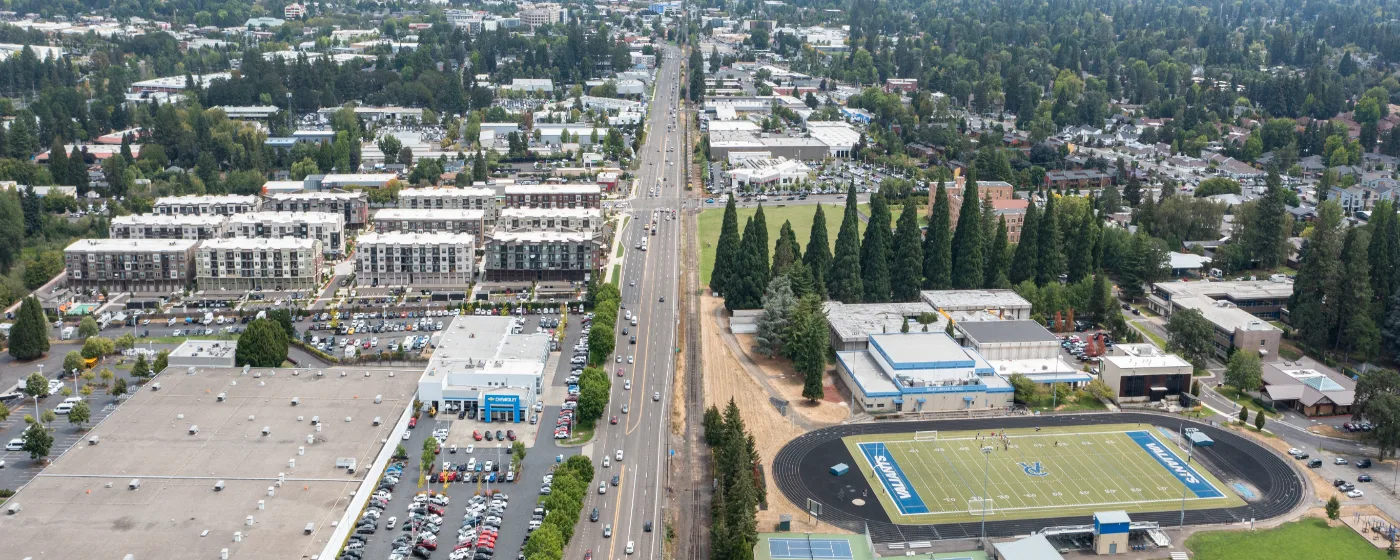
Local Expert Takeaway: Aloha is one of the few places in the Portland metro where California equity genuinely stretches — a $493,280 typical home price (May 2026 Zillow Home Value Index) against a well-rated school district, no state sales tax, and trail access through THPRD parks steps from most neighborhoods. The income tax math is more nuanced than the headline suggests, and the winters require a real adjustment. But for California buyers who run the full numbers honestly, Aloha tends to land near the top of the list.
Quick Takeaways & FAQs
✅ Oregon's complete absence of state sales tax saves the average household thousands of dollars annually compared with California's statewide base sales tax rate of 7.25%, and the savings show up immediately in everyday spending.
⚠️ Oregon's income tax brackets compress quickly, and many middle-income households will pay about the same in state income tax as they did in California or modestly more — the common narrative about Oregon's lower top rate leaves that part out.
📍 Aloha is an unincorporated community governed by Washington County rather than its own city council, which affects everything from zoning decisions to who you call when a neighborhood issue needs to be resolved.
How much cheaper are homes in Aloha compared with California?
Does Oregon really have an income tax advantage over California?
Is Aloha a good fit for California tech workers?
What should Californians know about Aloha's weather before moving?
How does Aloha compare with Beaverton and Hillsboro for California buyers?
Moving to Oregon?
Tell us what you need help with and we'll connect you with local resources.
