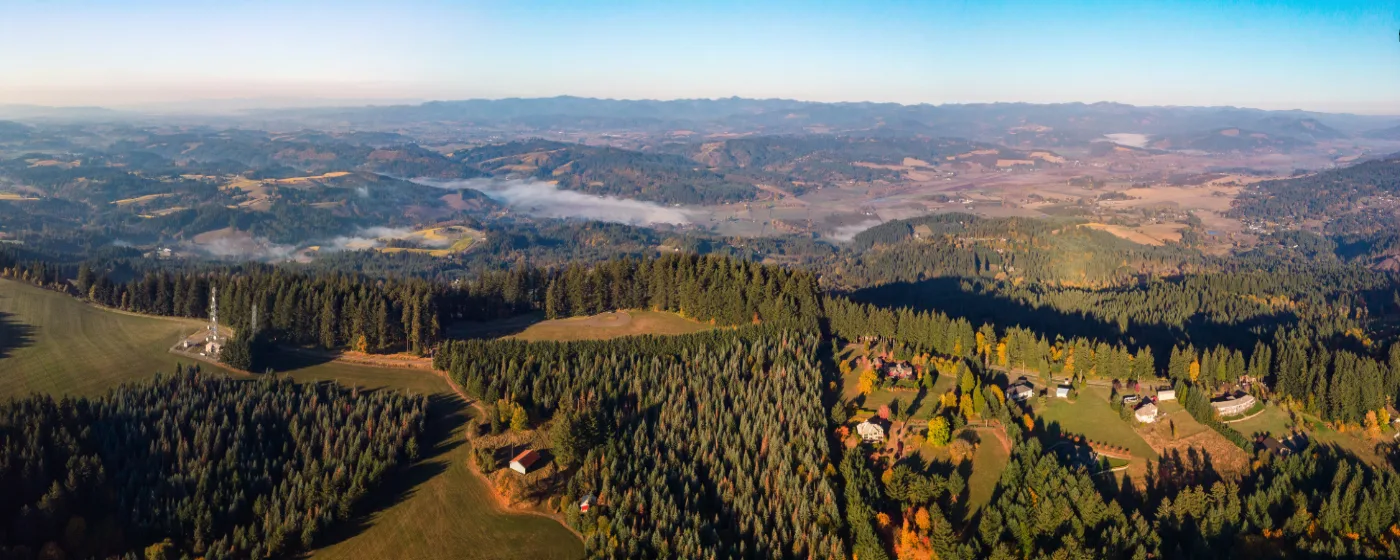
Aloha doesn't look like an outdoor recreation destination from OR-8, the commercial corridor most people drive through. But step off Tualatin Valley Highway and the picture changes fast. The Tualatin Hills Park & Recreation District — THPRD — manages approximately 1,500 acres of natural area across the region, and a meaningful share of that land sits right at Aloha's edge. For a community of 52,389 residents, that's a park system that punches well above what most Portland-area suburbs deliver.
What makes Aloha's outdoor offering genuinely interesting is the range. Cooper Mountain Nature Park is a 231-acre wildlife sanctuary with rare white oak woodlands and Willamette Valley prairie that ecologists consider among the most endangered habitats in the Pacific Northwest. The Rock Creek Trail is a paved multi-use greenway threading through wetlands and creek corridors, connecting neighborhoods to employment areas miles away. The Reserve Vineyards and Golf Club is a 36-hole championship facility with two courses designed by nationally recognized architects. These aren't generic suburban amenities — they're places people move here specifically to be near.
The honest caveat: Aloha gets only 141 sunny days a year. That shapes everything about how and when you use these parks. The trails along Rock Creek are stunning in spring and manageable in fall, but the rainy stretch from November through March takes real commitment to push through. Residents who get the most out of Aloha's green spaces are the ones who treat Pacific Northwest drizzle as a feature rather than a reason to stay inside.
Whether you're researching before a move or already under contract, the sections below cover Aloha's signature parks and natural areas, the trail network, aquatic and community recreation, and the seasonal rhythms that shape outdoor life here.
Cooper Mountain Nature Park: Aloha's Conservation Anchor
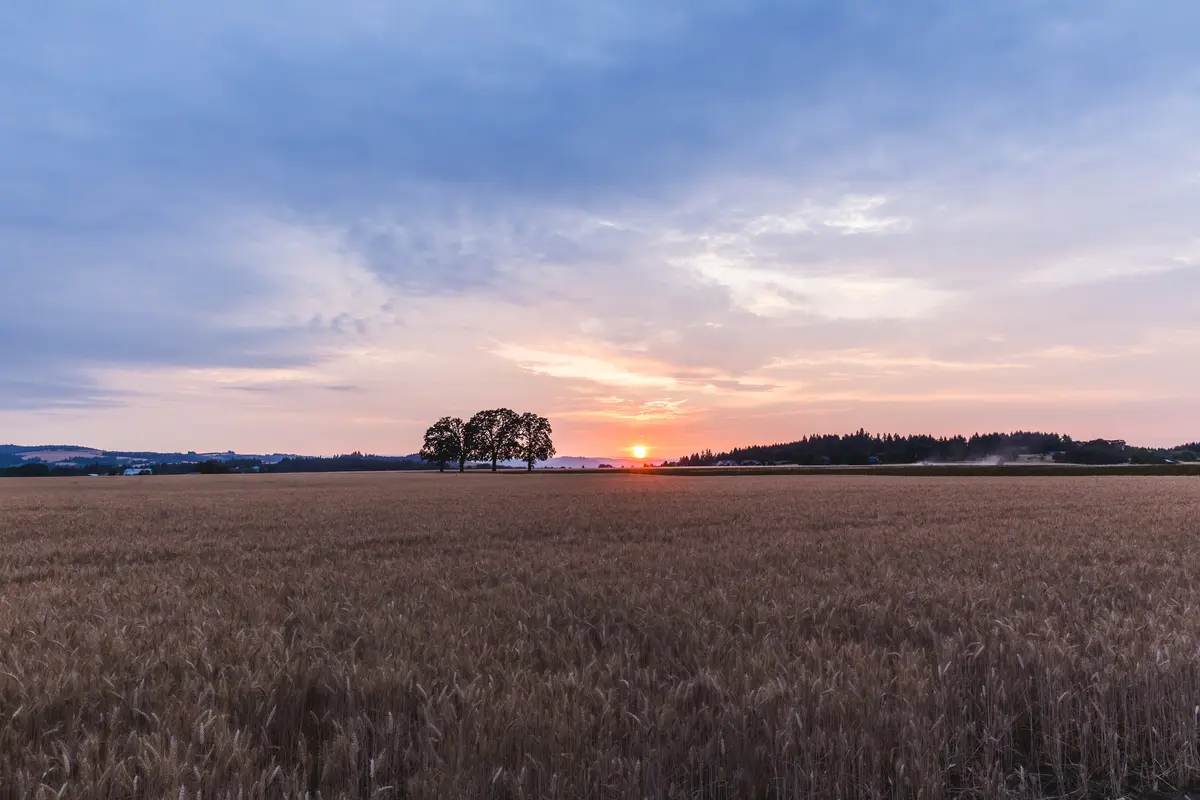
At 231 acres, Cooper Mountain Nature Park is the most ecologically significant green space within reach of Aloha residents — and one of the more unusual parks in the entire Portland metro. THPRD manages it in partnership with Metro, and the joint stewardship shows: this isn't a mowed field with a picnic shelter. It's a functioning wildlife habitat park where the land itself is the attraction.
The park's 3.5 miles of hiking trails move through three distinct ecosystems: conifer forest, upland prairie, and white oak woodland. The prairie and oak habitats are the headline. Upland prairie has nearly disappeared from the Willamette Valley, and the white oak woodlands at Cooper Mountain are among the most endangered ecological communities in the entire Pacific Northwest. In spring, the open meadows fill with native wildflowers — camas, checkermallow, and blue-eyed grass among them — in a way that surprises most visitors who expected just another tree-lined path.
Views from the upper trails reach the Chehalem Mountains and stretch across the Tualatin Valley. On a clear day — and clear days here are worth showing up for — the perspective is the best free vantage point in Washington County.
What to Know Before You Go
Cooper Mountain is a designated wildlife habitat park, which means no pets and no bicycles. That's not a bureaucratic inconvenience — it's why the park still has northern red-legged frogs, western gray squirrels, western bluebirds, great-horned owls, and red-tailed hawks. The no-dogs rule is the single most common complaint from newcomers. If you move to Aloha with a dog, you'll find other parks for daily walks; Cooper Mountain is the place you bring guests who want to understand what Western Oregon looked like before the subdivisions.
The infrastructure suits a range of visitors. A three-quarter-mile wheelchair-accessible loop runs from the main parking area. A nature-inspired playground makes the park workable with young children. The Cooper Mountain Nature House offers year-round environmental education programs — worth knowing for parents with school-age kids in the Beaverton School District. Picnic tables and a natural demonstration garden round out the amenities.
One thing the data doesn't tell you but regulars know: the park fills up on sunny spring weekends by mid-morning. Arriving early isn't just a preference — parking is limited, and the lot turns over slowly once it's full.
The Rock Creek Trail: Aloha's Everyday Greenway
Where Cooper Mountain asks you to drive to it and treat it as a destination, the Rock Creek Trail is woven into daily life. This paved, multi-use greenway follows Rock Creek through Washington County — threading woodlands, meadows, and wetlands — and genuinely connects residential neighborhoods to employment and shopping areas rather than just looping back on itself.
The full greenway corridor runs approximately 5.9 miles, though most locals experience it in segments rather than end-to-end. The most-used stretch runs from Orchard Park toward Orenco Woods Nature Park, a roughly 3.3-mile out-and-back route that uses both paved paths and wooden boardwalks. Along that segment, beavers and great blue herons are spotted regularly enough that spotting them stops feeling special after a few months. A rare Oregon white oak savanna along the route adds an ecological note that echoes what you'll find on Cooper Mountain — these savanna pockets are scattered across the Washington County landscape and the trail threads several of them.
Orchard Park as the Trail Hub
Orchard Park is the practical launch point for most Rock Creek Trail users. It offers parking, restrooms, picnic tables, a playground, and a disc golf course — enough to make it a self-contained destination on its own, not just a trailhead. Families with kids often split time between the playground and a casual trail walk, which is a reasonable way to spend a couple of hours on the kind of overcast morning that makes up most of Aloha's calendar.
The trail's utilitarian design — paved, flat, and wide enough for cyclists to pass walkers comfortably — makes it genuinely functional for commuting and errand-running, not just recreation. That's rarer than it sounds in the Portland suburbs. Cyclists heading toward employment centers along the OR-8 corridor use segments of this route regularly.
The honest friction: the trail's wetland sections mean standing water and soft ground alongside the boardwalks in winter. The path itself stays usable year-round, but winter runs and rides require accepting that you'll finish wet from the knees down on many days between November and March.
Golf, Aquatics, and Community Recreation
Not every resident wants trails and wildlife. Aloha's recreation picture also includes a championship golf facility and two distinct aquatic options — a combination that's unusual for an unincorporated community of this size.
The Reserve Vineyards and Golf Club
The Reserve Vineyards and Golf Club is a 36-hole facility that operates as both a private membership club and a public-access course — meaning you don't need a membership to play. The North Course was designed by Bob Cupp and the South Course by John Fought, and both routes move through rolling terrain, stands of timber, and creek corridors that make the Washington County landscape feel intentionally dramatic rather than incidental.
The facility has been recognized by national golf publications as one of the stronger public-access courses in the Pacific Northwest. For serious golfers, this is not just a local amenity; it's a facility that has stood up to external scrutiny and draws players from across the metro.
Jenkins Estate, also in the area, offers a different kind of outdoor draw — a historic property set in wooded grounds that attracts walkers and those looking for a quieter natural setting than the more trafficked parks.
Swim Centers and Aquatics
THPRD operates the Aloha Swim Center for local aquatic recreation, giving residents a close-in option without driving to a larger facility. For those who want more — pools, waterslides, fitness areas — the Conestoga Recreation & Aquatic Center is accessible nearby. The combination means Aloha residents have genuine aquatic options across a range of intensities, from lap swimming to recreational family use.
Aloha Community Park
Aloha Community Park functions as the social and civic center of outdoor recreation in the community. It anchors organized local sports and gathering in a way that the nature parks, with their quieter, habitat-preservation missions, aren't designed to. The Aloha Community Farmers' Market draws residents seasonally, adding a weekly social layer to the park's role that turns it into something more than just green space.
For youth sports and organized activities connected to the Beaverton School District, Aloha Community Park is typically where community-level programming converges. The park's role as a gathering anchor is part of what gives Aloha a community identity that the surrounding unincorporated landscape might otherwise make harder to find.
Looking to buy in Aloha? Estimate your payment.
Enter your numbers to see an estimated monthly mortgage payment.
Estimate only. Excludes HOA fees and mortgage insurance. The interest rate above is a starting point, not a quoted rate — replace it with your own to see real numbers. Insurance is a flat placeholder, not a Aloha quote.
Seasonal Rhythms: What Outdoor Life in Aloha Actually Looks Like
Aloha's 141 sunny days a year concentrate mostly from late May through September, and that compression shapes how residents use green space in ways newcomers from sunnier climates consistently underestimate. The park system is excellent; the weather windows for using it comfortably are shorter than they look on a calendar.
Spring: The Best Season Nobody Warns You About
April and May are when Cooper Mountain earns its reputation. The prairie wildflowers peak in late April through mid-May, the oak woodlands are in leaf, and the light — when it breaks through — hits the Tualatin Valley views in a way that makes the park feel larger than its 231 acres. Locals know this and show up for it. If you move to Aloha and miss the spring bloom at Cooper Mountain in your first year, you'll understand why your neighbors treat it as an annual event.
Spring is also when the Rock Creek Trail's wetland sections come alive. The beavers are active, the herons are nesting along the creek, and the white oak savanna sections flush green. It's the most dynamic the trail looks all year.
Summer: The Window Everyone Uses
Summer brings the reliable stretch for golf at The Reserve, longer evening walks on the Rock Creek Trail, and the Aloha Community Farmers' Market at its most active. With only 141 sunny days a year weighted toward this season, locals treat summer weekends as something to plan around rather than take for granted.
The swim centers see their heaviest use between late June and August. Families with school-age kids build routines around Aloha Swim Center in a way that functions as the local version of the neighborhood pool — a daily destination rather than an occasional outing.
Fall and Winter: The Real Test
Fall is underrated. October at Cooper Mountain, when the oaks turn and the summer crowds have thinned, is one of the better hikes in Washington County. The Rock Creek Trail stays runnable through November without the heat or the crowds.
Winter is the honest part of the picture. From late November through February, the trails are wet, the light is low, and the Cooper Mountain parking lot is often deserted. Residents who stay active through winter tend to anchor on the Conestoga Recreation & Aquatic Center for indoor options and treat the occasional clear December day at Cooper Mountain as a small gift rather than an expectation. The full commute and daily life picture covers how Aloha's weather shapes routines beyond recreation.
What surprises most people after six months here: they expected to use the parks more than they do in winter, and they expected to care less about the sunny days than they do. Both correct themselves by the second spring.
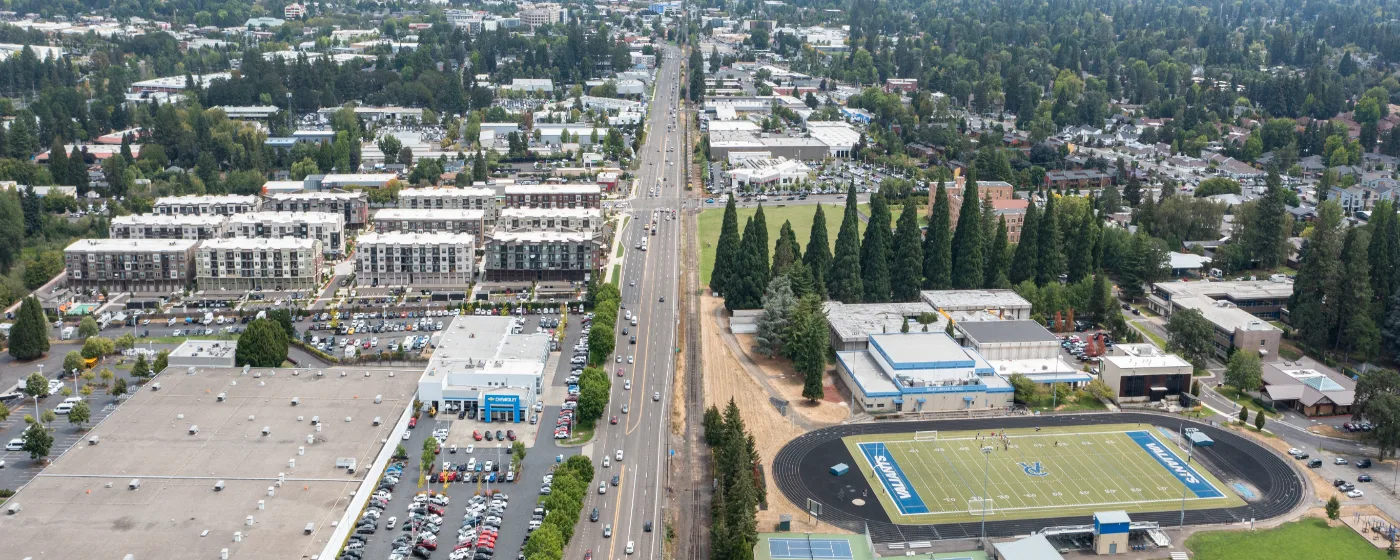
Local Expert Takeaway: Cooper Mountain Nature Park is the outdoor asset that genuinely differentiates Aloha from neighboring communities — 231 acres of rare prairie and white oak woodland within a short drive of most Aloha neighborhoods, managed as a wildlife habitat rather than a recreational field. The no-pets rule frustrates dog owners but is precisely why the ecology holds. Pair it with the Rock Creek Trail for everyday movement and The Reserve Vineyards for weekend golf, and Aloha's outdoor life is more complete than the drive down OR-8 would ever suggest.
Quick Takeaways & FAQs
✅ Cooper Mountain Nature Park's 231 acres of rare Willamette Valley prairie and white oak woodland make Aloha's nature access genuinely exceptional for a suburban community of 52,389 residents.
⚠️ With only 141 sunny days a year, the usable outdoor window is shorter than newcomers expect — winter trail use requires real commitment, and the summer season goes fast.
📍 Cooper Mountain Nature Park prohibits pets and bicycles to protect wildlife habitat — a rule that surprises dog owners who move here expecting a trail they can use daily with their animals.
Can I bring my dog to Cooper Mountain Nature Park?
Is the Rock Creek Trail paved and suitable for biking?
Is The Reserve Vineyards and Golf Club open to the public or members only?
What does Aloha's park and recreation management look like — is it the city or a separate district?
How does Aloha's outdoor recreation compare to Beaverton or Hillsboro?
Moving to Oregon?
Tell us what you need help with and we'll connect you with local resources.
