About Elizabeth
What Kind of City Is Gladstone, Really?
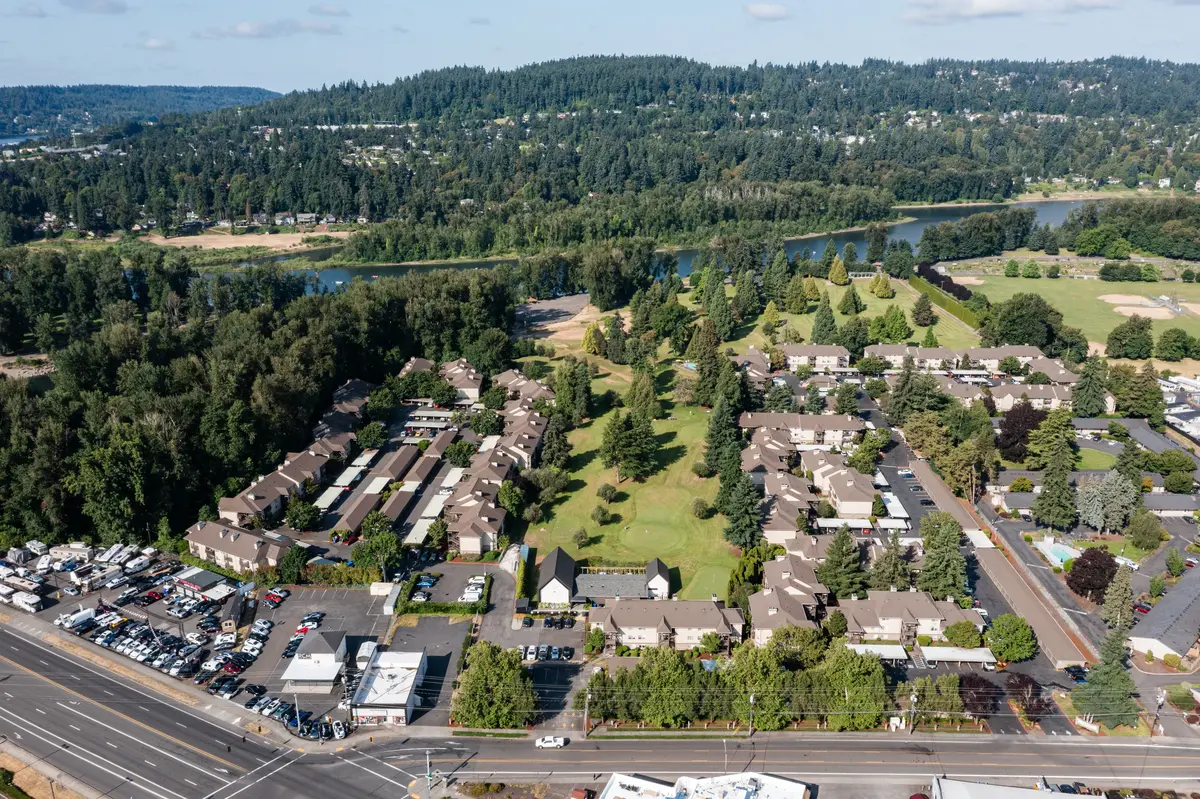
Gladstone covers just 2.4 square miles, which makes it one of the most compact cities in Clackamas County. That footprint is not a flaw — it's the defining feature. You get a city that feels finished rather than sprawling, with mature street trees, established lots, and neighbors who actually know each other.
It sits at the confluence of the Clackamas and Willamette rivers, and that geography shapes everything: the parks, the character of the neighborhoods closest to the water, and the due-diligence questions buyers need to ask. Homes near the confluence may carry FEMA flood zone designations, and I always advise buyers to verify flood zone status for any property close to the waterways before making an offer.
The city has a population of 11,898, which means the Community Festival, the movies in the park, and the Easter egg hunts the city puts on actually feel like community events — not just city programming that runs in the background. Residents cite these recurring gatherings as one of the things they didn't expect to care about and ended up valuing most.
The homeownership rate sits around 64–65%, which is consistent with a stable, established suburb rather than a transient rental market. The housing stock reflects the city's history: a significant share was built between 1940 and 1969, with some predating 1939. For buyers, that means mid-century character and mature lots — and a real need to budget for system updates, whether that's wiring, roofing, or both. New construction inside city limits is limited, and if you need a new build, Gladstone will probably send you toward Happy Valley instead.
The Geographic Reality
OR-99E, known locally as McLoughlin Boulevard, is the corridor that connects Gladstone to both Oregon City to the south and Milwaukie and Portland to the north. Almost every commute out of this city starts on it. Understanding where a home sits relative to that corridor — and relative to the river — is the first thing I map for any buyer considering this area.
Gladstone's Neighborhoods: What Each One Is Actually Like
Within a city of 2.4 square miles, neighborhood differences are real but compact. You're never far from the center — but where you land shapes what your daily life looks like in meaningful ways.
Sherwood Forest
This is the neighborhood buyers picture when they think of established Pacific Northwest suburban living: larger lots, tall firs, and a quieter residential feel. It attracts families with school-age children who want yard space and neighborhood stability. The housing stock leans older, so condition matters as much as location here.
Best for: Families Quiet
Ridgewood
Ridgewood sits at a slightly higher elevation and offers views toward the river corridor. It draws buyers who want the Gladstone address with a bit more separation from the commercial activity along McLoughlin. Homes here tend to be solid mid-century builds, and the neighborhood has a loyal repeat-buyer base — people who bought here a decade ago and stayed.
Best for: Views Privacy
Riverdale
Riverdale is where the proximity to the confluence becomes most tangible. Buyers drawn to river access, the Trolley Trail, and Meldrum Bar Park tend to concentrate here. The flood zone question is most relevant in this part of the city, so I always run the FEMA check before anyone gets emotionally attached to a property near the water.
Best for: Nature Views
River Run Village
River Run Village offers a slightly more compact, attached-home feel compared with the single-family-dominant neighborhoods farther from the water. It appeals to buyers who want lower maintenance without leaving the Gladstone footprint — including some first-time buyers and downsizers who still want easy river trail access.
Best for: First-Time Walkable
Downtown Gladstone / City Center
The city's commercial and civic core is compact and walkable by Gladstone's own standards. This is where you find coffee shops, local restaurants, and the kind of low-key street activity that makes a small city feel lived-in. Buyers who want to walk to coffee or grab dinner on foot without a car trip tend to prioritize proximity to this corridor.
Best for: Walkable Commuter
Webster Road / Gladstone Forest
This area has more of a tucked-in feel, with mature canopy and homes that sit off the main corridors. It's quieter and often attracts buyers who want the Gladstone school district without being close to the busier parts of the city. Housing conditions vary meaningfully here, so inspection findings carry extra weight.
Best for: Quiet Nature
Cason Road Area
This is often where buyers who get priced out of Sherwood Forest or Ridgewood land — and many of them end up preferring it. The lots are real, the character is established, and the price points tend to sit at the more accessible end of the Gladstone market. It rewards buyers who are willing to look past cosmetics and do some updating themselves.
Best for: Value First-Time
Schools in Gladstone: What the Numbers Tell You
Gladstone School District 115 is small and tightly knit — with 1,564 students enrolled in 2025-26, according to figures the Oregon Department of Education publishes. That size means your child will have the same teachers and peers across multiple years, which some families value deeply and others find limiting.
On 2024-25 state assessments, 30.7% of students reached math proficiency and 41% reached reading proficiency, according to figures the Oregon Department of Education publishes. I share these numbers because they're the ones you can verify yourself and compare to statewide benchmarks — not because they tell the whole story, but because they're the starting point for an honest conversation.
The district runs active OSAA athletics programs, and Friday night football at Gladstone High School draws a real crowd. The school's mascot — the Gladiators — is something kids here wear with genuine pride. It's the kind of district where the principal knows most students by name, and where a parent who shows up is actually noticed.
What I Tell Every Buyer With Kids
Anyone seriously considering a move to Gladstone should do their own due diligence on the schools: confirm the assigned school for your specific address directly with the district, and review the data the Oregon Department of Education publishes on their own site. School boundaries matter here — given the city's compact size, a block or two can occasionally shift which elementary school a child is assigned to. Verify before you close, not after.
Parents who've made the move to Gladstone for the school district tend to stay through the full K-12 run. That's the most honest signal I can give you about community satisfaction with the district.
Looking to buy in Gladstone? Estimate your payment.
Enter your numbers to see an estimated monthly mortgage payment.
Estimate only. Excludes HOA fees and mortgage insurance. The interest rate above is a starting point, not a quoted rate — replace it with your own to see real numbers. Insurance is a flat placeholder, not a Gladstone quote.
The Commute: What "about 20 minutes to Portland" Actually Means
The fact sheet says about 20 minutes to Portland, and that's accurate — under the right conditions. What buyers need to understand is that OR-99E is a surface highway, not a freeway, and peak-hour congestion through Milwaukie and the inner southeast corridor is real. The drive at 7:15 on a Tuesday morning is a meaningfully different experience than the drive at 10 a.m.
Most employed Gladstone residents commute out. The local job market is anchored by Gladstone School District 115, the City of Gladstone, and Clackamas County municipal services. For anything beyond those anchors — healthcare, retail, tech, professional services — you're driving. A regional medical center in Milwaukie, just up OR-99E, is a common employer for residents who want a shorter commute.
What Locals Know
Buyers who work in downtown Portland or the inner eastside tend to manage the OR-99E commute reasonably well. Buyers commuting to Beaverton, Hillsboro, or the westside tech corridor often find that Gladstone's location adds more friction than they anticipated — the river crossing and the surface-street approach to the westside make a meaningful difference in drive time. I always ask a buyer where they're actually going, not just whether Portland is close enough in the abstract.
Portland International Airport is about 18 miles from Gladstone — manageable for occasional travel, less so for weekly business fliers who need airport proximity to feel practical. Remote workers, meanwhile, find Gladstone genuinely suited to their needs: the parks and river access that commuters give up drive time to enjoy are right outside the door on a Tuesday morning.
Gladstone vs Nearby Cities
| City | Typical Home Price | Typical Rent | Cost vs Gladstone |
|---|---|---|---|
| Gladstone (this city) | $518,084 | $1,745/mo | — |
| Oregon City | $605,330 | $1,955/mo | 17% higher |
| Milwaukie | $522,702 | $1,749/mo | About the same |
| West Linn | $779,602 | $2,376/mo | 50% higher |
Source — home prices: Zillow ZHVI, July 2026; rent: Zillow ZORI, July 2026. Nearby-city figures are the same series, refreshed together.
The comparison I have most often with buyers is between Gladstone and Oregon City, because they sit close together on the map and serve a similar buyer profile. Oregon City carries a noticeably higher typical home price, and with that comes a wider range of shopping, dining, and services — plus a historic downtown that Gladstone doesn't try to replicate. What you give up in Oregon City is the compact, quieter character that Gladstone delivers. The buyers who choose Gladstone over Oregon City usually do so because they want the river corridor and the neighborhood feel without the commercial bustle.
Milwaukie is priced about the same as Gladstone and sits just to the north along OR-99E. The commute to Portland from Milwaukie is marginally shorter, and Milwaukie has been seeing more investment and development activity in recent years. Gladstone offers more of a settled, finished feel — Milwaukie feels slightly more in transition, which is an opportunity for some buyers and a question mark for others.
West Linn is the comparison that comes up most often with buyers who have a larger budget or are weighing school districts carefully. Typical home prices in West Linn run noticeably higher than in Gladstone — it's a meaningful gap, not a marginal one. West Linn offers excellent schools, newer housing stock, and a different community character. Gladstone buyers who looked at West Linn first are usually ones who decided the price premium wasn't justified by what they'd actually gain in their day-to-day life.
Happy Valley comes up for buyers who need more room or want new construction. Gladstone's small footprint means you won't find a new-build subdivision here. If that's the priority, Happy Valley delivers it — but at the cost of the riverfront character and the compact, walkable feel that Gladstone's long-term residents cite as the reason they've stayed.
What Buyers Discover After They Move In
The thing I hear most often from buyers at the six-month mark is that the community events surprised them. They moved here for the price point and the river access, and they didn't expect to end up at the Community Festival or the movies in the park. Gladstone's small size — 11,898 people in 2.4 square miles — creates a social density that larger suburbs can't manufacture. You run into neighbors at Meldrum Bar Park. You recognize faces at the coffee shops. It takes a few months, and then it feels like a place.
The Honest Downsides
a property crime rate of 28.5 per 1,000 residents runs above the state property crime rate of 24.5 per 1,000 — that's the number I share when buyers ask directly, and it's worth understanding. A violent crime rate of 3 per 1,000 residents sits below both the state rate of 3.3 per 1,000 and the national rate of 3.7 per 1,000, which is a meaningful distinction. Property crime in a river-corridor city often reflects vehicle break-ins near park access points more than neighborhood crime — but buyers should review the pattern for specific addresses rather than relying on the citywide average alone.
The housing stock age is the other thing buyers underestimate. A home built in 1955 that looks move-in ready on Zillow can carry a full list of deferred maintenance that only shows up in a thorough inspection. I push buyers hard on inspection contingencies here — not to create anxiety, but because the cost of skipping that step in a mid-century Oregon suburb is real.
And the flood zone question: if you're drawn to Riverdale or any property near the confluence, flood zone verification is not optional due diligence. It affects insurance cost, financing in some cases, and long-term resale — all things that matter more the longer you stay.
What Locals Actually Use
The Trolley Trail is the amenity that wins people over fastest. It runs through the city and connects to the broader regional trail network, and on a dry Saturday morning in October it draws the kind of crowd that tells you everything about who lives here. Meldrum Bar Park's 85 acres — boat ramp, floating dock, a 12-acre sports complex, wetlands, and a community garden with more than 130 individual plots — functions as the city's backyard in a way that parks in larger suburbs rarely do. Gladstone Nature Park and Dahl Beach Park fill out an outdoor amenity portfolio that is, by any honest measure, out of proportion to the city's size.
The typical home price of $518,084 as of July 2026 is the number that draws buyers in. What keeps them is everything that number doesn't say.
Final Advice From Elizabeth
Quick Takeaways & FAQs
✅ Gladstone's Meldrum Bar Park delivers 85 acres of riverfront — boat ramp, wetlands, sports fields, and a community garden — in a city of under 12,000 people.
⚠️ The typical home price of $518,084 (July 2026) sits below West Linn and most westside Portland suburbs, but mid-century housing stock means buyers should budget for real inspection and system-update costs.
📍 OR-99E (McLoughlin Boulevard) is the single artery that carries nearly every commute in and out of Gladstone — knowing how it performs during your actual commute window is more useful than the headline drive time.
What is the commute from Gladstone to Portland really like?
How are the schools in Gladstone School District 115?
Which Gladstone neighborhood is right for my family?
What does the typical home price actually buy you in Gladstone?
How does Gladstone compare to Oregon City or West Linn?
What surprises people most after they move to Gladstone?
What should I know about flood zones and water proximity in Gladstone?
Who ends up happiest after buying in Gladstone, and who tends to regret it?
Moving to Oregon?
Tell us what you need help with and we'll connect you with local resources.
