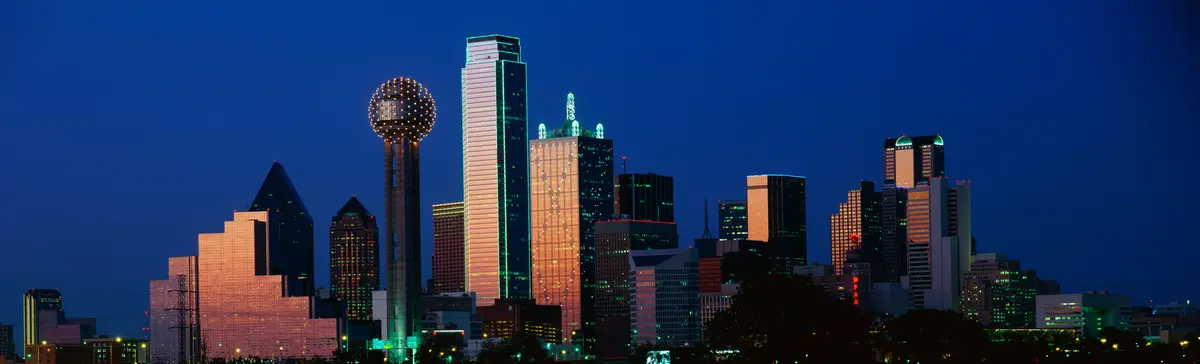
Is the Dallas-Fort Worth Metroplex a Good Place to Live?
You've probably heard that Texas doesn't have a state income tax, that DFW is one of the fastest-growing metro areas in the country, and that you can get more house here than almost anywhere else on the coasts. All of that is true. What the headlines skip is that the Dallas-Fort Worth Metroplex is not one place — it is a sprawling collection of genuinely different cities spread across more than a dozen counties, connected by a web of interstates and tollways, and shaped by local school districts that can raise or lower a home's value by a measurable margin depending on which side of a boundary line you land on. Getting that distinction right before you make an offer matters more here than almost anywhere else.
The economic backbone of this region is as diverse as its geography. American Airlines and BNSF Railway anchor Fort Worth's identity. AT&T, Texas Instruments, and Toyota Motor North America have planted major operations in Dallas, Plano, and the suburbs north of them. Lockheed Martin and Bell Textron keep Tarrant County tied to aerospace and defense. The school districts are a genuine draw: Frisco ISD, Carroll ISD in Southlake, Coppell ISD, and Plano ISD consistently attract families with school-age children willing to pay a premium to be inside those boundaries. People move here from California, the Pacific Northwest, and the Northeast for jobs, for space, and for a cost of living that remains well below what most major coastal metros demand.
Day-to-day life in the Metroplex is car-dependent in almost every city outside a handful of walkable pockets — Uptown Dallas, Sundance Square in Fort Worth, Historic Downtown McKinney, Southlake Town Square. DART light rail connects parts of Dallas, Plano, Garland, and Irving, but the majority of the region runs on freeways and tollways. The trade-off for that driving is space: backyards, master-planned communities with trails and ponds, lake access at places like Lewisville Lake, Lake Ray Hubbard, Lake Granbury, and Eagle Mountain Lake, and a cost of living that sits above Greater Houston and San Antonio but well below what most people relocating from the Hill Country or Austin Metro are used to paying. Summers are genuinely brutal — triple-digit heat is a fact of life from June through September — and hailstorms are not a seasonal footnote but a real cost of homeownership here.
Whether you are comparing the urban energy of Dallas to the cowboy culture of Fort Worth, weighing a master-planned Frisco neighborhood against an affordable Mesquite ranch home, or trying to figure out whether Granbury's small-town pace is worth the longer commute, the cities below break down everything you need to make an honest comparison.
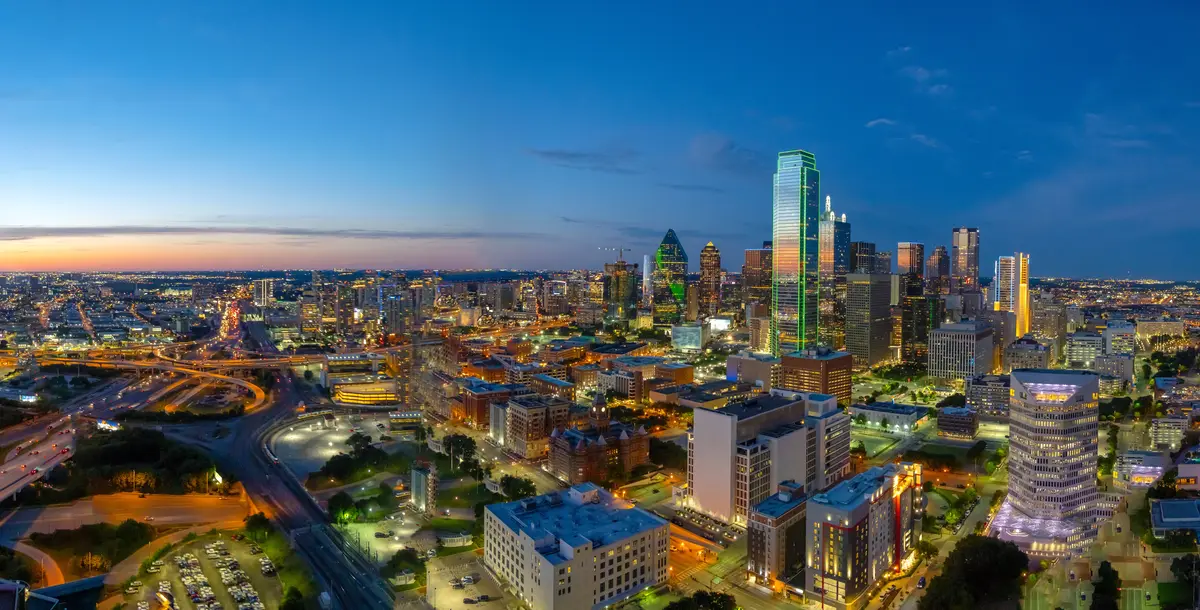
Explore All 71 Cities in the Dallas-Fort Worth Metroplex
Click into any city for the complete guide — neighborhoods, home prices, cost of living, pros & cons, schools, top employers, and mortgage help.
Dallas
Dallas is where the region's urban density, arts infrastructure, and corporate headquarters converge — the Dallas Arts District, Fair Park, and Klyde Warren Park are genuine civic anchors, not just tourism props. Neighborhoods like Uptown, Lakewood, Oak Cliff's Bishop Arts District, and the M Streets offer real walkable character that most Metroplex suburbs can't replicate. Home prices here sit toward the more affordable end of this region for a city its size, making it one of the few places where urban living and relative value can coexist.
Full Dallas Guide →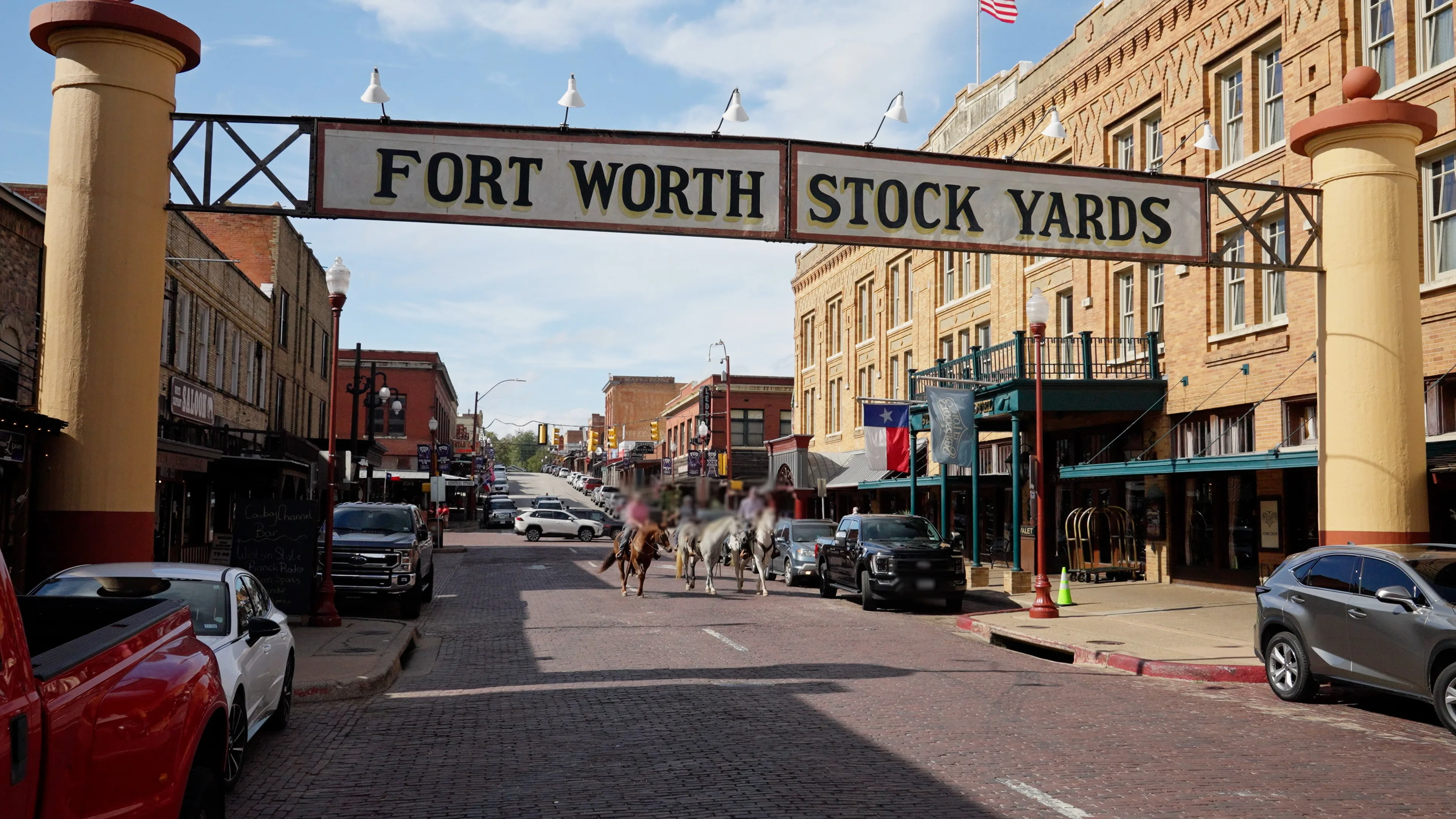
Fort Worth
Fort Worth earns its reputation as a city with an identity distinct from Dallas — the Stockyards, the Kimbell Art Museum, and Bass Performance Hall are not afterthoughts but the center of a genuine cultural scene. Neighborhoods like Fairmount, Mistletoe Heights, and Near Southside attract buyers who want older housing stock with real character at prices toward the more affordable end of this region. Aerospace and defense employers including Lockheed Martin Aeronautics and Bell Textron give the local economy a stability that isn't entirely tied to corporate relocation cycles.
Full Fort Worth Guide →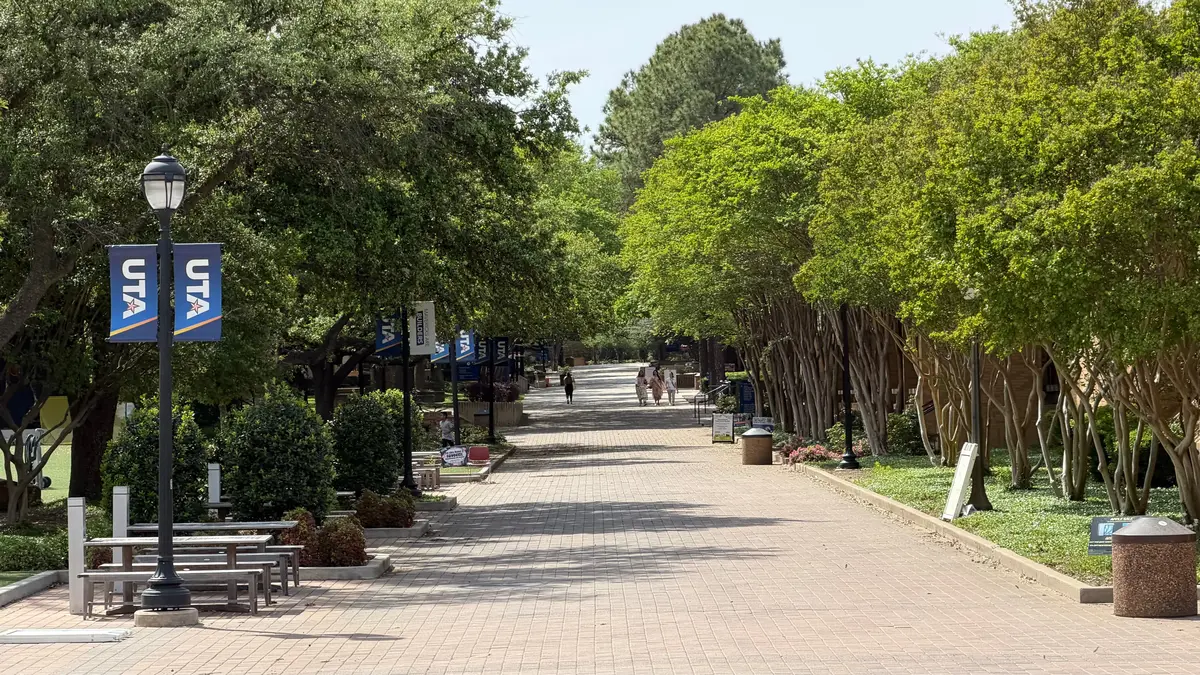
Arlington
Arlington sits squarely between Dallas and Fort Worth, and its identity is shaped by that midpoint geography — AT&T Stadium, Globe Life Field, and Six Flags Over Texas make it a genuine entertainment hub, while the University of Texas at Arlington and General Motors Arlington Assembly give it an economic base that goes beyond game days. Home prices land toward the more affordable end of this region, and the city's size means a wide range of neighborhood options from the master-planned Viridian community to more established south Arlington subdivisions. Most errands and commutes mean a car, which is worth factoring in before you buy.
Full Arlington Guide →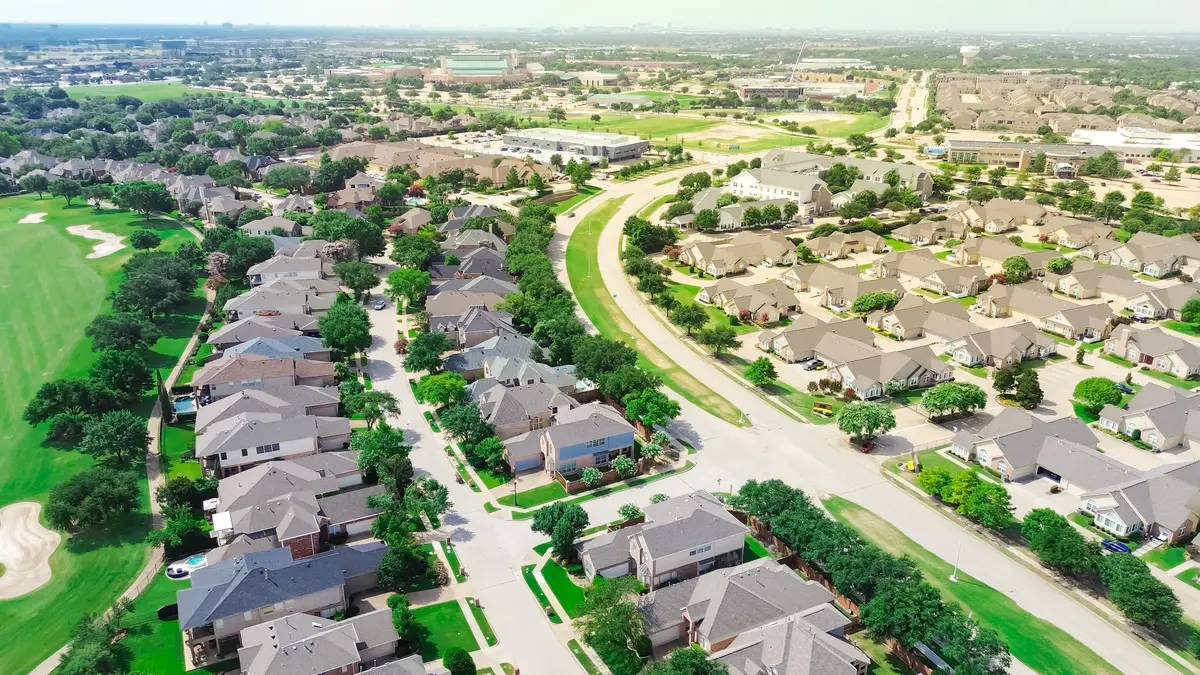
Plano
Plano is where a significant share of the region's corporate headquarters concentration has landed — Toyota Motor North America, JPMorgan Chase, Frito-Lay, and Liberty Mutual all have major operations here, which keeps the job market unusually dense for a suburb. Legacy West is a genuine live-work-shop district rather than a surface-lot strip mall, and neighborhoods like Willow Bend and Deerfield represent the established, tree-canopied side of what Plano offers. Prices sit toward the pricier end of this region, which reflects both the school district's reputation and the proximity to that corporate corridor.
Full Plano Guide →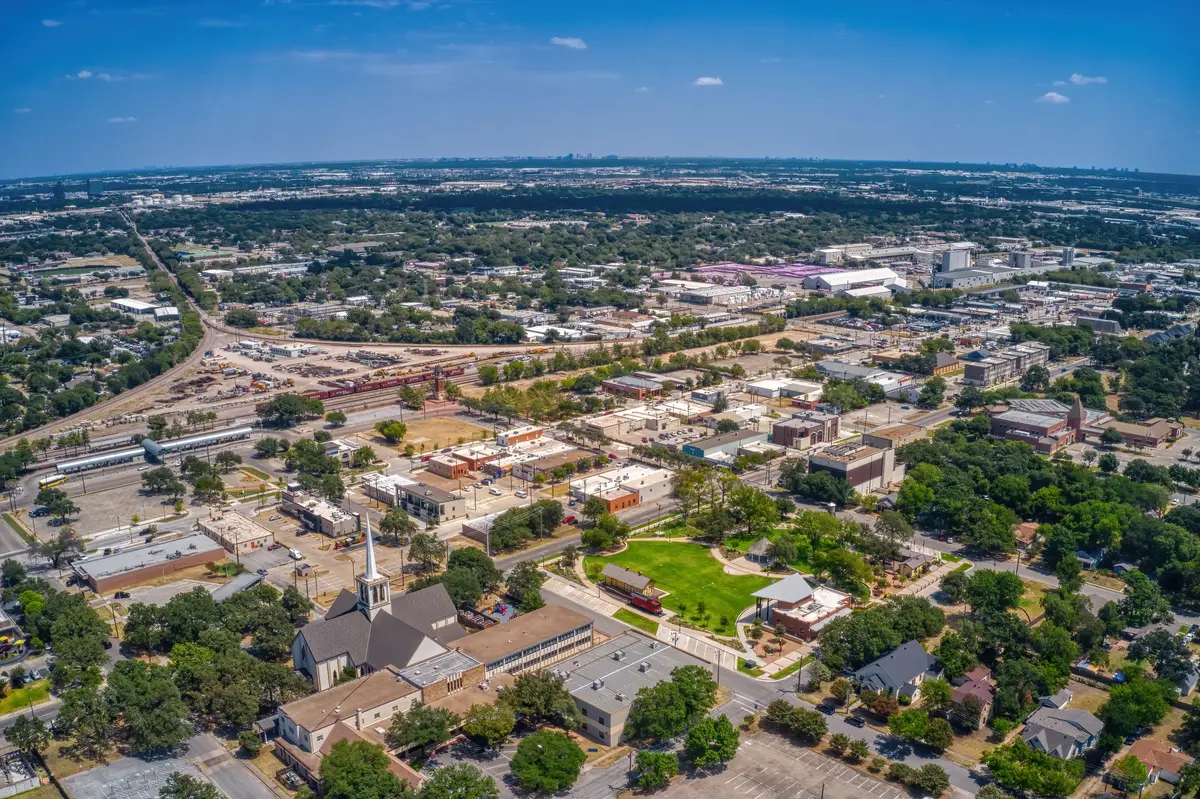
Irving
Irving's Las Colinas district — home to the iconic Mustangs of Las Colinas sculpture, Toyota Music Factory, and Lake Carolyn — gives it a polished urban-suburban identity that sets it apart from most mid-tier Metroplex cities. Fluor Corporation, Caterpillar, and Kimberly-Clark all operate here, and the proximity of Dallas Fort Worth International Airport (located in neighboring Grapevine) makes Irving a natural fit for frequent travelers and logistics-sector workers. Prices sit near the middle of this region, offering a reasonable entry point for buyers who want access to the region's main job corridors without paying Plano or Frisco prices.
Full Irving Guide →
Garland
Garland is one of the more affordable cities in the Dallas County portion of the Metroplex, with a diverse population and a manufacturing and logistics economy anchored by Kraft Heinz and a federal healthcare facility. The Firewheel Town Center gives the northeast side a retail anchor, and the Historic Downtown Garland Square is a quieter, older civic core that longtime residents tend to defend fiercely. Buyers who prioritize value over prestige and are comfortable with a car-dependent daily life will find the most here.
Full Garland Guide →
Frisco
Frisco has grown faster than almost any city in the region over the past generation, and the result is a city whose infrastructure — The Star, Omni PGA Frisco Resort, Toyota Stadium — feels built for a city twice its age. Keurig Dr Pepper and JPMorgan Chase (in nearby Plano) anchor the employment side, and Frisco ISD is consistently one of the draws families name first when explaining why they chose the city. Prices sit toward the pricier end of this region, a reflection of both the school district and the sheer volume of new master-planned construction that has set the price floor high.
Full Frisco Guide →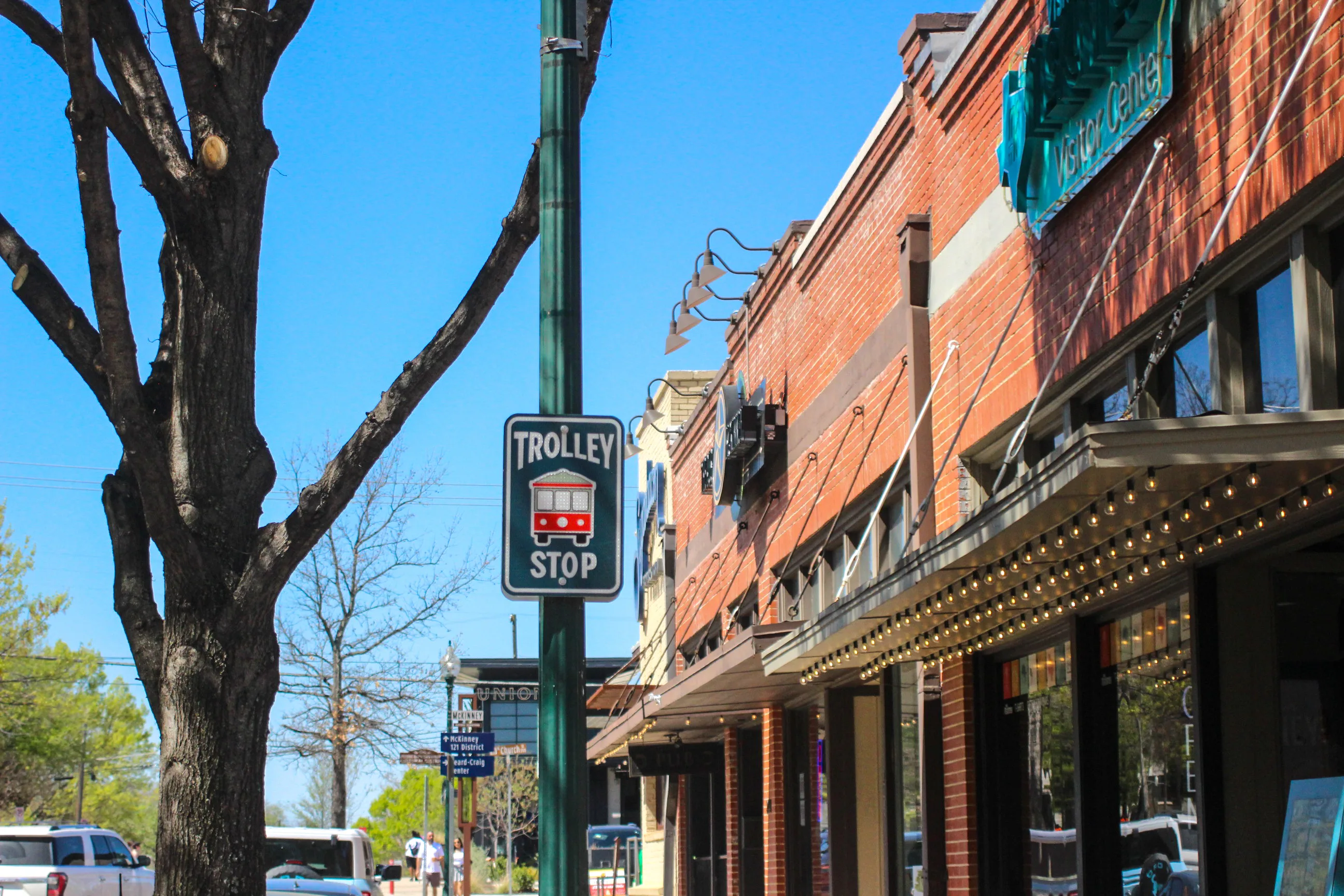
McKinney
McKinney pairs a genuinely historic downtown square — one of the most photographed in North Texas — with some of the region's largest master-planned communities in Stonebridge Ranch and Trinity Falls. Raytheon and Globe Life are among the major employers, and the city's position at the northern end of the US-75 corridor keeps it connected to the broader Collin County job market. Prices have moved toward the pricier end of this region as demand from families targeting McKinney ISD has pushed values up consistently.
Full McKinney Guide →
Grand Prairie
Grand Prairie sits at the geographic midpoint of the Metroplex and leans into its entertainment identity — Lone Star Park, Epic Waters Indoor Waterpark, and EpicCentral give it an amenity profile that larger neighbors can't match at this price point. Lockheed Martin Missiles and Fire Control and Airbus Helicopters both operate here, giving the city a defense and aerospace employment base that runs deeper than its entertainment reputation suggests. Home prices land near the middle of this region, making it one of the more accessible cities for buyers who want Tarrant or Dallas County access without the premium.
Full Grand Prairie Guide →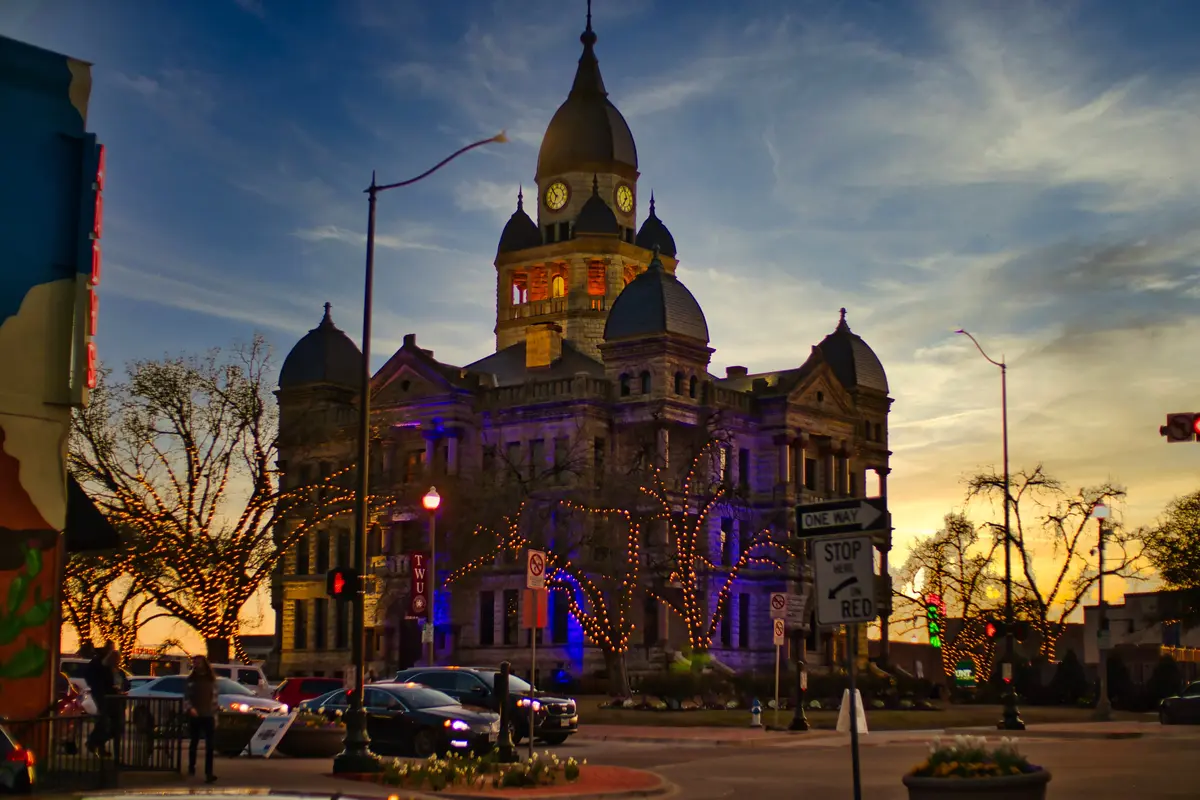
Denton
Denton is a university city in a way that shapes its entire character — the University of North Texas and Texas Woman's University together mean live music, independent businesses, and a demographic mix that no other Metroplex city quite replicates. Peterbilt Motors gives the city a manufacturing anchor, and the Historic Denton County Courthouse-on-the-Square is the kind of civic centerpiece that most newer suburbs are still trying to build. Prices sit near the middle of this region, and the tradeoff is a longer commute to the main Dallas employment corridors for buyers who work outside Denton.
Full Denton Guide →
Mesquite
Mesquite's identity is rooted in working-class Dallas County — the Mesquite Championship Rodeo is not a heritage attraction but a living institution, and the city's UPS, PepsiCo, and FedEx Ground presence reflects a logistics and distribution economy that keeps employment relatively stable. Home prices sit toward the more affordable end of this region, and Lake Ray Hubbard's proximity adds an outdoor recreation dimension that buyers focused purely on price often overlook. It is not a city with a lot of walkable retail, but buyers who prioritize space, value, and quick freeway access to Dallas tend to find what they need.
Full Mesquite Guide →
Lewisville
Lewisville has Lewisville Lake as its central geographic and recreational anchor, and the Old Town Lewisville Main Street Historic District gives the city a human-scaled core that most Denton County suburbs lack. A regional medical center and a medical device employer add a healthcare employment layer, and the city's position on I-35E keeps commute paths to both Dallas and Denton relatively direct. Prices sit near the middle of this region, and the variety of housing stock — from older ranch homes to newer master-planned subdivisions — makes it accessible across a wider range of buyer budgets.
Full Lewisville Guide →
Carrollton
Carrollton has one of the most culturally diverse commercial corridors in the region along the Old Denton Road corridor, sometimes called Koreatown, which gives the city a food and small-business scene unlike anything in the nearby suburbs. Cencora's pharmaceutical distribution headquarters and FASTSIGNS International's franchise operation represent the white-collar anchor of an otherwise varied employment base. Home prices sit near the middle of this region, and the DART light rail connection at the Trinity Mills station area makes it one of the few mid-tier suburbs where car-free commuting to Dallas is genuinely feasible.
Full Carrollton Guide →
Richardson
Richardson's Telecom Corridor gave the city its economic identity decades ago, and Blue Cross Blue Shield of Texas, State Farm, and the University of Texas at Dallas have kept that white-collar density intact. CityLine is a genuine transit-oriented mixed-use district rather than a rebrand of a surface parking lot, and neighborhoods like Canyon Creek and Sherrill Park offer mature tree canopy and established housing stock that newer Collin County suburbs simply don't have yet. Prices sit near the middle of this region, and buyers who prioritize commute efficiency along the US-75 corridor tend to find Richardson one of the best-value options on that axis.
Full Richardson Guide →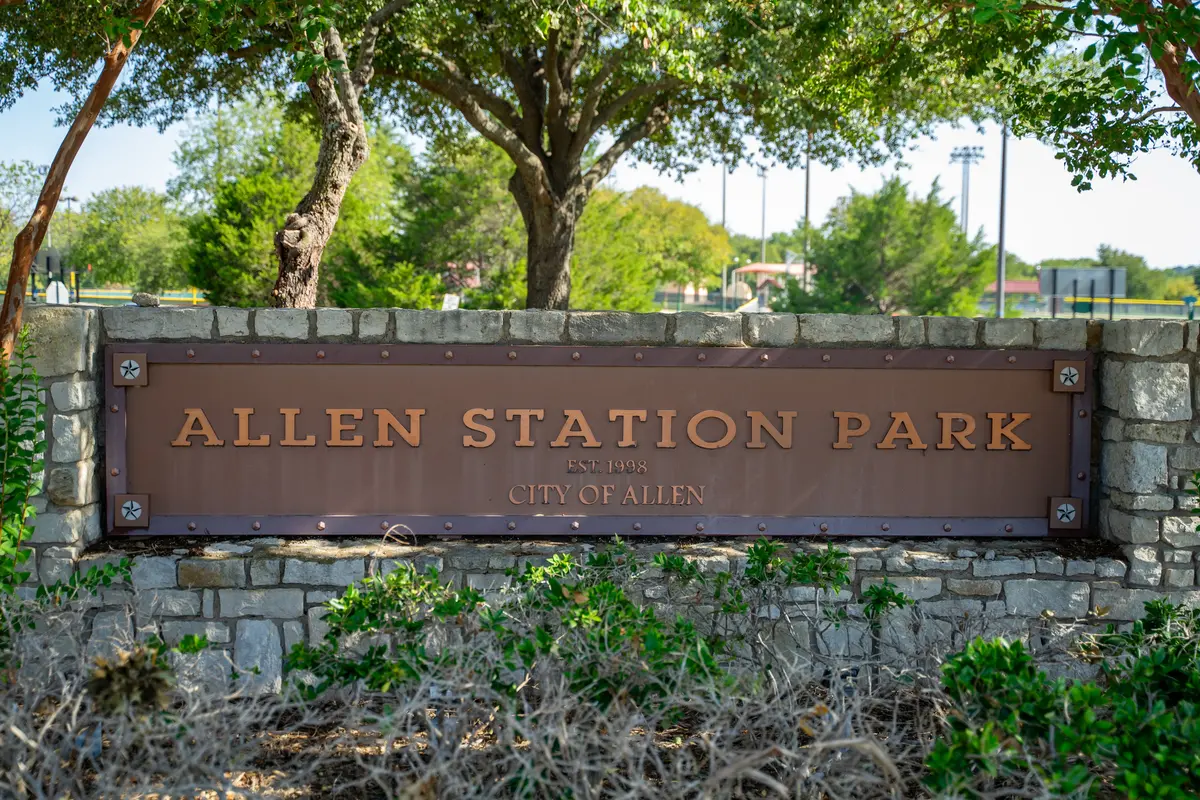
Allen
Allen is a Collin County city that has built its identity around Allen ISD — the high school's stadium became a national story, and the school district remains one of the primary reasons buyers choose Allen over nearby alternatives at a similar price point. Watters Creek at Montgomery Farm gives the city a walkable retail and dining district anchored by actual pedestrian infrastructure, which is rarer in this part of the Metroplex than it should be. Prices sit toward the pricier end of this region, consistent with the Collin County premium that school district reputation tends to command.
Full Allen Guide →
Mansfield
Mansfield sits in southern Tarrant County with a quieter, more residential pace than the cities closer to the core of the Metroplex — Mansfield ISD draws families who want a strong district without the Southlake or Frisco price tag. A regional medical center and Mouser Electronics are the primary local employment anchors, though many residents commute toward Arlington or Fort Worth. Prices sit toward the pricier end of this region for a mid-size city at this distance from the core, reflecting consistent demand from families who prioritize the school district and the master-planned community options in South Pointe and M3 Ranch.
Full Mansfield Guide →
Flower Mound
Flower Mound's namesake — a natural prairie mound that the town has protected as a landmark — captures something about the city's general disposition: it has resisted the kind of density that neighboring cities have absorbed and kept a suburban character that appeals to buyers who want acreage lots and trail systems alongside their subdivision. Lewisville ISD serves the city, and Twin Coves Park on Grapevine Lake is a genuine outdoor asset that lake-adjacent buyers weigh seriously. Prices sit toward the pricier end of this region, and buyers who compare Flower Mound to similarly priced Southlake are usually making a choice between two very different kinds of quiet.
Full Flower Mound Guide →
North Richland Hills
North Richland Hills is a Tarrant County mid-tier that punches above its weight on amenities — NRH2O Family Water Park and the Iron Horse Golf Course give it recreational infrastructure that smaller cities can't match, and HomeTown is a walkable mixed-use district that has been a genuine civic planning success. Birdville ISD and Keller ISD both serve portions of the city, which means school-boundary research is particularly important for buyers here. Prices sit near the middle of this region, making it a reasonable landing spot for buyers who want Tarrant County access without the Fort Worth or Southlake price premium.
Full North Richland Hills Guide →- Is North Richland Hills Safe? A Data-Backed Look
- Cost of Living in North Richland Hills
- Best Neighborhoods in North Richland Hills
- Schools in North Richland Hills: A Family Guide
- Parks & Recreation in North Richland Hills
- Retiring in North Richland Hills
- First-Time Homebuyer's Guide to North Richland Hills
- Moving to North Richland Hills from California
Celina
Celina is the north Collin County growth story of the current decade — Light Farms, Mustang Lakes, and Legacy Hills represent master-planned community development at a scale that has transformed what was a small agricultural town into one of the fastest-developing cities in the region. Celina ISD is a draw in itself, and the Historic Downtown Celina Square gives the city a civic identity that survives alongside the new construction. Prices sit toward the pricier end of this region, which reflects the premium buyers are willing to pay to be inside a growing district with new infrastructure.
Full Celina Guide →
Wylie
Wylie sits east of Plano along SH-78 and offers a middle-ground option for buyers who want Collin County access — and Wylie ISD — without paying the prices that Allen, Frisco, or McKinney command. Historic Downtown Wylie on Ballard Avenue has a genuine small-town character, and Lake Lavon to the east gives the city a recreational anchor that most comparable suburbs at this price point lack. Prices land near the middle of this region, and the trade-off is a longer drive to the main employment corridors along US-75.
Full Wylie Guide →
Little Elm
Little Elm has built an identity around its Lake Lewisville shoreline — Little Elm Beach and the Lakefront District give the city a weekend outdoor recreation draw that pulls residents from across the northern suburbs. Paloma Creek and Union Park are among the larger master-planned communities here, and Frisco ISD serves a portion of the city, which matters significantly to buyers with school-age children doing boundary research. Prices sit near the middle of this region, though the Frisco ISD boundary creates meaningful variation in demand across neighborhoods within the same city.
Full Little Elm Guide →
Euless
Euless benefits from its geography — positioned near Dallas Fort Worth International Airport (in neighboring Grapevine) and the main employment corridors of mid-Cities Tarrant County — in a way that makes it a practical choice for airport-sector workers and frequent travelers. Hurst-Euless-Bedford ISD serves the city, and Bear Creek Park is a well-used community anchor. Prices sit near the middle of this region, and buyers comparing Euless to Bedford or Haltom City are usually weighing commute position against housing stock vintage.
Full Euless Guide →
Burleson
Burleson is a Johnson County city that attracts buyers who want Fort Worth access without Fort Worth prices — Old Town Burleson's historic district gives it an established civic identity, and the I-35W corridor keeps the main Tarrant County employment centers within reach. Burleson ISD is a consistent draw for families, and the Chisholm Summit and Shannon Creek neighborhoods represent the newer master-planned side of a city that still has affordable older housing stock. Prices sit near the middle of this region for its size and county position.
Full Burleson Guide →
Desoto
DeSoto sits in southern Dallas County and offers some of the more affordable prices in a county where values can climb sharply closer to the city core. The city's identity has long been tied to DeSoto ISD — Eagle Stadium is one of the most recognizable symbols of that district's culture — and manufacturing employers including Carpenter Co. and SEW-Eurodrive provide a local employment base. Buyers who prioritize value and school district stability over walkability or retail density tend to find DeSoto a straightforward fit.
Full Desoto Guide →
Rockwall
Rockwall's position on Lake Ray Hubbard is its defining asset — The Harbor waterfront district is a genuine gathering place rather than an aspirational development, and the Historic Downtown Rockwall square gives the city a civic identity that most lake-adjacent suburbs lack. L3Harris Technologies and Bimbo Bakeries provide a diversified employment base, and Rockwall ISD draws consistent praise from families making the move out along I-30. Prices sit toward the pricier end of this region, reflecting both the lake access and the school district premium.
Full Rockwall Guide →
Grapevine
Grapevine's Historic Main Street District is one of the most successful small-city retail and hospitality corridors in the Metroplex — the Grapevine Vintage Railroad, Gaylord Texan Resort, and the city's wine trail give it a tourism and hospitality economy that funds public amenities most comparably sized cities can't afford. Grapevine-Colleyville ISD and Carroll ISD both serve the area, and the proximity to Dallas Fort Worth International Airport is a double-edged sword: convenient for travelers, meaningful as a noise factor depending on where you land. Prices sit toward the pricier end of this region.
Full Grapevine Guide →
Waxahachie
Waxahachie's Ellis County Courthouse is one of the most photographed courthouses in Texas, and the city's Historic Downtown District has enough Victorian architecture to make it a genuine destination rather than just a county seat. Owens Corning and Cardinal IG represent the manufacturing employment base, and I-35E keeps Fort Worth and Dallas both accessible, though the distance is real enough that most residents commute rather than working locally. Prices sit near the middle of this region, and buyers willing to make the drive are getting genuine character in the housing stock at a price that reflects the distance.
Full Waxahachie Guide →
Cedar Hill
Cedar Hill State Park and Joe Pool Lake give this Dallas County city one of the best outdoor recreation footprints in the southern Metroplex — Cedar Hill State Park is one of the most visited state parks in Texas, and the lake is the kind of asset that tends to anchor property values. Cedar Hill ISD serves the city, and Uptown Village provides a retail anchor. Prices sit toward the more affordable end of this region, making Cedar Hill one of the better value propositions in Dallas County for buyers who want parks and lake access without the Rockwall premium.
Full Cedar Hill Guide →
Bedford
Bedford is a mid-Cities Tarrant County city with a fully built-out residential character — most of what gets built here is infill rather than new master-planned construction, which gives it a stability that newer cities are still working toward. Hurst-Euless-Bedford ISD serves the city, and the proximity to Dallas Fort Worth International Airport (in neighboring Grapevine) keeps it relevant for aviation-sector workers. Prices sit near the middle of this region, and buyers comparing Bedford to Euless or Hurst are usually splitting differences in commute position and housing stock age.
Full Bedford Guide →
Midlothian
Midlothian's cement and steel manufacturing identity — Gerdau, Amrize, and Martin Marietta all operate here — coexists with a fast-growing residential side driven by buyers leaving southern Dallas County and northern Johnson County for Midlothian ISD. The city's newer master-planned neighborhoods like Shiloh Forest and Lawson Farms represent the residential growth story, while the industrial sector gives the local economy a durability that bedroom communities often lack. Prices sit toward the pricier end of this region for a mid-size city at this distance from the core, reflecting consistent demand from families targeting the school district.
Full Midlothian Guide →
The Colony
The Colony's Grandscape district — anchored by Nebraska Furniture Mart of Texas and Topgolf — has given the city a retail and entertainment destination draw that outpaces its size. Lewisville Lake's shoreline runs along the city's northern edge, and The Tribute golf community is the kind of amenity that tends to attract buyers who value lifestyle infrastructure alongside housing value. Prices sit near the middle of this region, and Lewisville ISD serves the city, which is a meaningful factor for families comparing The Colony to nearby Little Elm or Frisco.
Full The Colony Guide →
Keller
Keller is a Tarrant County suburb with a reputation built almost entirely on Keller ISD and on a residential character that has resisted the commercial density of nearby Fort Worth suburbs. Old Town Keller and Keller Town Center give the city a modest but genuine civic core, and Bear Creek Park is a well-used neighborhood anchor. Prices sit toward the pricier end of this region — buyers here are paying for the school district and the established neighborhood character, and most of them know it.
Full Keller Guide →
Prosper
Prosper has absorbed an extraordinary amount of growth in recent years, and Windsong Ranch and Star Trail represent the master-planned community model at its most fully realized — trails, amenity centers, and a cohesive streetscape that newer buyers tend to find immediately appealing. Prosper ISD has built a reputation that travels, and the Historic Downtown with its preserved grain silos gives the city a visual identity that separates it from the other fast-growing Collin County towns. Prices sit toward the pricier end of this region, consistent with the Collin County northern corridor premium.
Full Prosper Guide →
Haltom City
Haltom City is one of the more affordable cities in Tarrant County, and its position along I-820 keeps Fort Worth's employment centers accessible without requiring the price premium that inner-ring Fort Worth neighborhoods command. Tyson Foods and Nurse Assist are among the manufacturing employers, and Birdville ISD serves the city. Buyers who prioritize affordability and proximity to Fort Worth over newer construction or master-planned amenities tend to find Haltom City a practical fit.
Full Haltom City Guide →
Princeton
Princeton is one of the most affordable cities in Collin County, which is why it has drawn significant growth from buyers priced out of McKinney, Allen, and Frisco to the south. Princeton ISD serves the city, and Lavon Lake nearby adds a recreational dimension that buyers at this price point are often pleasantly surprised by. The trade-off is genuine: Princeton is far enough from the main US-75 employment corridor that commutes to Plano or Dallas are a real daily commitment, and the local employment base is thin enough that most residents work elsewhere.
Full Princeton Guide →
Forney
Forney has been absorbing growth from buyers who have exhausted their options in Mesquite and Garland and are willing to cross into Kaufman County for more space and newer construction at a lower price. Travis Ranch, Clements Ranch, and Devonshire are among the master-planned communities that have defined the growth wave, and Forney ISD is a consistent draw for families. Prices sit toward the more affordable end of this region, and the US-80 corridor is the primary commute path back toward Dallas — a drive that is manageable in off-peak hours and challenging during them.
Full Forney Guide →
Coppell
Coppell is a small Dallas County city with one of the highest-regarded school districts in the region — Coppell ISD draws buyers from across the Metroplex who are willing to pay a premium to be inside the boundary. Old Town Coppell's historic district and the Coppell Nature Park give the city a character that goes beyond the subdivision, and Amazon and Samsung Electronics America have logistics operations here that underpin the local economy. Prices sit toward the pricier end of this region, and buyers who compare Coppell to Irving or Carrollton are usually making an explicit choice to pay for the school district.
Full Coppell Guide →
Weatherford
Weatherford is Parker County's seat and the westernmost city most Metroplex buyers consider seriously — the Parker County Courthouse, Chandor Gardens, and the Weatherford Downtown Historic District give it a genuine small-city identity that the growth-front cities north of Fort Worth are still building toward. Weatherford College anchors the local education economy, and I-20 keeps Fort Worth accessible. Prices sit near the middle of this region, and buyers who choose Weatherford are usually trading commute time for space, quiet, and a place with an actual history.
Full Weatherford Guide →
Lancaster
Lancaster is a southern Dallas County city with some of the most affordable prices in the region, and a growing logistics economy anchored by Amazon and Walmart distribution operations that has brought employment closer to the residential base. Lancaster ISD serves the city, and Bear Creek Nature Park gives residents a meaningful green space anchor. Buyers prioritizing affordability in Dallas County will find the most options here, with the understanding that retail and dining options are limited locally and that most amenity trips require a drive.
Full Lancaster Guide →
Cleburne
Cleburne is Johnson County's seat and the main city for buyers who want small-town Texas life at the southwestern edge of the Metroplex's realistic commute range. Cleburne State Park and Lake Pat Cleburne give the city an outdoor recreation identity that its size alone wouldn't generate, and the Johnson County Courthouse anchors a Historic District that has maintained more of its original character than most comparable cities. Prices sit toward the more affordable end of this region, and the SH-121 Chisholm Trail Parkway connection to Fort Worth is the primary commute path for residents who work north.
Full Cleburne Guide →
Duncanville
Duncanville is a mid-size Dallas County city with an affordable price point and a proximity to US-67 and I-20 that keeps downtown Dallas accessible without requiring the price that closer-in neighborhoods command. Duncanville ISD is the primary institutional anchor, and the Duncanville Fieldhouse has given the city a regional athletic draw. Buyers comparing Duncanville to DeSoto or Cedar Hill are usually weighing price, commute position, and housing stock vintage in roughly equal measure.
Full Duncanville Guide →
Farmers Branch
Farmers Branch sits inside the loop formed by I-635 and I-35E, which gives it one of the better freeway positions of any mid-size city in Dallas County. Mercer Crossing is the city's newer mixed-use district, and the Farmers Branch Historical Park gives it a civic identity that its size and location don't always telegraph. Carrollton-Farmers Branch ISD serves the city, and a major academic medical center in neighboring Dallas is a nearby employment anchor for healthcare workers in the area. Prices sit near the middle of this region.
Full Farmers Branch Guide →- Is Farmers Branch Safe? A Data-Backed Look
- Cost of Living in Farmers Branch
- Best Neighborhoods in Farmers Branch
- Schools in Farmers Branch: A Family Guide
- Parks & Recreation in Farmers Branch
- Retiring in Farmers Branch
- First-Time Homebuyer's Guide to Farmers Branch
- Moving to Farmers Branch from California
Greenville
Greenville is the commercial center of Hunt County and sits far enough east along I-30 to feel genuinely separate from the suburban growth front — the Historic Downtown Greenville District, the Audie Murphy/American Cotton Museum, and a regional medical center give the city a self-contained identity. L3Harris Technologies and Innovation First International are the employers that keep Greenville on the radar for skilled workers in aerospace and robotics. Prices sit toward the more affordable end of this region, and buyers willing to accept a genuine commute to the Metroplex core get significantly more house for their dollar.
Full Greenville Guide →
Anna
Anna is a Collin County city in an early growth phase — West Crossing and Anna Town Square represent the newer master-planned development that has arrived as buyers push north along US-75 beyond McKinney. Anna ISD is the local school anchor, and a rehabilitation healthcare employer provides a local medical employment base. Prices sit near the middle of this region for now, though buyers who track the Collin County growth arc will recognize that Anna's position on the US-75 corridor puts it in the same development path that McKinney and Celina traveled a generation earlier.
Full Anna Guide →
Sachse
Sachse sits on the Collin-Dallas county line and is served by both Garland ISD and Wylie ISD depending on where you buy — that boundary distinction is one of the first things a buyer's agent will walk you through here, because it shapes both school options and resale dynamics. Woodbridge and the adjacent communities give the city a cohesive residential character, and the Muddy Creek Preserve is a genuine natural amenity. Prices sit near the middle of this region, and a local medical facility has added a healthcare anchor that the city previously lacked.
Full Sachse Guide →
Southlake
Southlake is the Metroplex city most buyers reference when they mean 'top school district, premium homes, planned town center' — Carroll ISD has a national reputation, Southlake Town Square is a legitimate walkable district, and the Bob Jones Nature Center and Preserve gives the city a natural amenity that most suburban cities at this price point can't match. Sabre Corporation is the major private employer, and Dallas Fort Worth International Airport (in neighboring Grapevine) is close enough to matter for frequent travelers. Prices sit toward the pricier end of this region, and buyers who choose Southlake are usually making an explicit long-term investment in the Carroll ISD boundary.
Full Southlake Guide →
Melissa
Melissa is one of the Collin County cities in the middle of its growth arc — Legacy Ranch and Milrany Ranch represent the master-planned wave that has arrived as the US-75 corridor has extended its demand northward, and Melissa ISD is developing the same kind of reputation that drove growth in Anna and Van Alstyne before it. The Z-Plex Texas Sports Village gives the city an athletic and event infrastructure that is unusual for a city its size. Prices sit near the middle of this region, with room to move as the growth story continues.
Full Melissa Guide →
Fate
Fate sits just west of Rockwall along I-30 and has grown as buyers seek Rockwall ISD access at prices that the city of Rockwall itself no longer consistently offers. Woodcreek and Chamberlain Crossing are among the newer master-planned communities, and the city's position on I-30 keeps downtown Dallas within a reasonable commute distance for most of the workday. Prices land near the middle of this region, and buyers here are usually making a calculated bet on the Rockwall County growth arc.
Full Fate Guide →
Royse City
Royse City is where Rockwall County's growth arc reaches its more affordable edge — Waterscape, Creekshaw, and Verandah have brought significant new construction to a city that was a quiet I-30 waypoint not long ago. Royse City ISD serves the city, and the Historic Main Street gives it a civic reference point that the newer subdivisions don't yet provide. Prices sit toward the more affordable end of this region, which is the primary draw for buyers who want Rockwall County access without the Rockwall or Fate premium.
Full Royse City Guide →
Balch Springs
Balch Springs is one of the most affordable cities in Dallas County, positioned between Mesquite and Dallas along I-20 and I-635 with a straightforward freeway connection to both. Amazon has a logistics presence here, and Mesquite ISD and Dallas ISD both serve portions of the city — school-boundary research is essential before buying. Buyers who are primarily motivated by maximizing square footage and minimizing price in Dallas County will find Balch Springs near the top of that list.
Full Balch Springs Guide →
Colleyville
Colleyville is a Tarrant County enclave that draws buyers who want Southlake adjacency and Grapevine-Colleyville ISD access at a slightly more accessible price point, though it remains firmly toward the pricier end of this region. The Colleyville Nature Center and Cotton Belt Trail give the city a quiet, green residential character that its neighbors with more commercial development can't quite replicate. Most residents commute — the city's employer base is primarily municipal and educational — and the proximity to Dallas Fort Worth International Airport (in neighboring Grapevine) is a consistent draw for aviation-sector households.
Full Colleyville Guide →
Ennis
Ennis is an Ellis County city with a manufacturing economy — GAF, Freshpet, and TAMKO Building Products all operate here — and a cultural identity tied to its Czech heritage and its annual Bluebonnet Trails festival, one of the most attended spring events in North Texas. Lake Bardwell and the Texas Motorplex add recreational and entertainment dimensions that most cities this size in the outer ring lack. Prices sit toward the more affordable end of this region, and I-45 keeps the Dallas corridor accessible.
Full Ennis Guide →
Corsicana
Corsicana is the seat of Navarro County and sits at the southeastern edge of the Metroplex's realistic commute range — Russell Stover Candies, Guardian Glass, and Kohl's Distribution Center represent a manufacturing and logistics economy that gives the city more employment self-sufficiency than most outer-ring cities. The Navarro County Courthouse, Collin Street Bakery, and the Warehouse Living Arts Center give the Historic Downtown a character that feels genuinely regional rather than Metroplex-adjacent. Prices sit toward the more affordable end of this region, and buyers who make the trade-off on commute get substantially more for their money.
Full Corsicana Guide →
Corinth
Corinth is a smaller Denton County city that sits between Lewisville and Denton on the I-35E corridor, which gives it strong freeway access in both directions without the price that the larger cities on that route command. Oakmont and its surrounding neighborhoods have a mature residential character, and Lewisville Lake is accessible nearby. Lake Dallas ISD and Denton ISD both serve the area, and prices sit near the middle of this region — Corinth tends to appeal to buyers who are splitting the commute difference between Dallas and Denton.
Full Corinth Guide →
Benbrook
Benbrook is a small Tarrant County city tucked along the western edge of Fort Worth with Benbrook Lake as its central identity — Dutch Branch Park and the lake's surrounding green space give it an outdoor character that inner-ring Fort Worth suburbs can't match. Fort Worth ISD serves the city, and Weatherford International is the primary private-sector employer. Prices sit near the middle of this region, and buyers who compare Benbrook to similarly priced parts of Fort Worth are usually trading walkability and retail access for lake proximity and a quieter residential pace.
Full Benbrook Guide →
Terrell
Terrell is a Kaufman County manufacturing city — Madix, Nucor Building Systems, and Oldcastle BuildingEnvelope all have significant operations here — and Historic Downtown Terrell Square and the Terrell Heritage Jail Museum give it a civic identity grounded in actual history rather than planned development. I-20 and US-80 keep the Mesquite and Dallas corridors accessible, and Terrell Municipal Airport, historically significant as a British Flying Training School site, is a piece of the city's identity that most residents mention. Prices sit toward the more affordable end of this region.
Full Terrell Guide →
Watauga
Watauga is a small Tarrant County city that functions primarily as a residential enclave between Fort Worth and the mid-Cities — Birdville ISD and Keller ISD both serve different parts of the city, which makes school-boundary research an early step for buyers. The city's tight residential character means most retail and employment needs are met by driving to neighboring cities, and the proximity to American Airlines Group operations (in Fort Worth) makes it a practical landing spot for aviation-sector workers. Prices sit toward the more affordable end of this region.
Full Watauga Guide →
Azle
Azle is a small Tarrant County city defined by its position on Eagle Mountain Lake — the lake community character, the SH-199 corridor into Fort Worth, and a price point that sits near the middle of this region make it a consistent draw for buyers who want lake access without the Rockwall or Granbury premium. Azle ISD serves the city, and a local outpatient healthcare facility gives residents care without a long drive. The honest trade-off is that Azle is far enough west that commutes to the main Metroplex employment corridors are real and daily.
Full Azle Guide →
Trophy Club
Trophy Club is a small Denton County city that exists almost entirely as a planned residential community — the Trophy Club Country Club's Ben Hogan-designed golf courses and Trophy Club Park on Grapevine Lake are the primary lifestyle anchors, and Northwest ISD serves the city. A regional medical center gives the area a local healthcare anchor, and the proximity to Charles Schwab (in neighboring Westlake) makes it a natural fit for buyers in the financial services sector. Prices sit toward the pricier end of this region, and the buyer profile skews heavily toward families who have made a deliberate choice to invest in the lifestyle infrastructure here.
Full Trophy Club Guide →
Granbury
Granbury is where the Metroplex's southwestern edge meets small-town Texas life — the Historic Granbury Square, the Granbury Opera House, and Hood County Courthouse give the city a walkable, historic downtown that most outer-ring cities envy. Lake Granbury is the primary recreational anchor, and Pecan Plantation and DeCordova Bend Estates are among the established lake-adjacent communities that draw buyers from across the region. Prices sit near the middle of this region for the access and amenities you get, and the honest catch is that Fort Worth is a real drive away — this is a lifestyle choice as much as a real estate decision.
Full Granbury Guide →
Fairview
Fairview is a small Collin County town that sits within the McKinney sphere without having McKinney's traffic and growth density — Lovejoy ISD is the primary draw, and Heritage Ranch Golf & Country Club gives the city an active adult community anchor that few cities its size can match. US-75 keeps the broader Collin County employment corridor accessible, and the Heard Natural Science Museum & Wildlife Sanctuary in neighboring McKinney is a nearby asset. Prices sit toward the pricier end of this region, reflecting the Lovejoy ISD premium and the deliberate low-density residential character.
Full Fairview Guide →
Kaufman
Kaufman is the seat of Kaufman County and the civic center for a county that has absorbed significant growth as buyers have pushed east from Dallas and Rockwall. A local hospital gives the city a healthcare anchor, and the historic downtown square around the Kaufman County Courthouse is a genuine gathering place for county residents. Prices sit toward the more affordable end of this region, and buyers who primarily work remotely or whose employment is in Kaufman County itself will find the city the most straightforward fit.
Full Kaufman Guide →
Aubrey
Aubrey sits in the northwestern corner of Denton County near Lake Ray Roberts, which gives it a recreational identity that the purely master-planned communities in this part of the county lack. Silverado and Sandbrock Ranch are among the larger new communities, and Aubrey ISD is the local school anchor. Prices sit near the middle of this region, and buyers comparing Aubrey to Celina or Prosper are usually choosing between a school district with a longer track record and one that is still building it.
Full Aubrey Guide →
Pilot Point
Pilot Point is a small Denton County town on Lake Ray Roberts with a Commercial Historic District that predates the master-planned growth wave by generations — cabinet manufacturing at Chandler Cabinets and Tri-Tex Cabinets gives the town a small manufacturing employment base, and Pilot Point ISD serves the school-age population. Prices sit near the middle of this region for a town this size and location, and buyers here are almost universally choosing pace and authenticity over convenience and amenity density.
Full Pilot Point Guide →
Van Alstyne
Van Alstyne sits at the northern end of the US-75 corridor in Grayson County, which puts it outside Collin County's price premium while keeping the US-75 commute path open for buyers who work in Plano or McKinney. Mantua Point and Georgetown have brought new master-planned construction to what was a quiet agricultural town, and Van Alstyne ISD is a growing district that has absorbed the new population steadily. Prices sit near the middle of this region, and the distance from the Metroplex core is the honest trade-off.
Full Van Alstyne Guide →
Crandall
Crandall is a small Kaufman County town at the affordable end of the Metroplex's realistic geography — Wildcat Ranch and Cartwright Ranch represent the newer residential growth, and Crandall ISD is the primary institutional anchor. The employment base is thin locally, and most residents commute toward Mesquite, Garland, or Dallas via US-175. Prices sit toward the more affordable end of this region, and buyers who choose Crandall are almost always making a straightforward calculation: maximize house size and minimize price, then build the commute tolerance.
Full Crandall Guide →
Willow Park
Willow Park is a small Parker County town along I-20 west of Fort Worth — The Shops at Willow Park and The District have given it more retail infrastructure than its size typically generates, and Aledo ISD is the primary draw for families who are also looking at Weatherford. Squaw Creek Golf Course gives residents a local recreational anchor, and the town's position on I-20 and US-80 keeps Fort Worth accessible. Prices sit near the middle of this region, and buyers comparing Willow Park to Weatherford are often splitting the difference between small-town identity and suburban convenience.
Full Willow Park Guide →
Justin
Justin is a small Denton County town in the growth path of the Northwest ISD corridor — Wildflower Ranch, Timberbrook, and The Preserve represent the newer master-planned development arriving as buyers push north and west from Keller and Roanoke. Northwest ISD is the school anchor, and the Historic Downtown gives the town a reference point that the newer subdivisions don't yet provide. Prices sit near the middle of this region, and Justin suits buyers who want large lots and a quieter pace while staying within Northwest ISD's boundary.
Full Justin Guide →
Argyle
Argyle is a small Denton County town with a deliberate residential character and Argyle ISD — one of the more consistently praised smaller districts in the region — as its central draw. Country Lakes and Canyon Oaks represent the established residential side, and Liberty Christian School adds a private education option that draws buyers from across the northern Metroplex. Prices sit toward the pricier end of this region, reflecting the school district premium and the town's successful resistance to the density that neighboring cities along I-35W have absorbed.
Full Argyle Guide →
McLendon-Chisholm
McLendon-Chisholm is a small Rockwall County town that sits on the quieter, rural fringe of a county that has otherwise absorbed significant growth — Rockwall ISD serves the city, and Sonoma Verde and Meraki represent the newer master-planned development that has arrived as Rockwall County values have pushed buyers east. Prices sit toward the pricier end of this region for a town this size, reflecting the Rockwall ISD draw and the appeal of a low-density residential environment within realistic commute range of Dallas via I-30.
Full McLendon-Chisholm Guide →- Is McLendon-Chisholm Safe? A Data-Backed Look
- Cost of Living in McLendon-Chisholm
- Best Neighborhoods in McLendon-Chisholm
- Schools in McLendon-Chisholm: A Family Guide
- Parks & Recreation in McLendon-Chisholm
- Retiring in McLendon-Chisholm
- First-Time Homebuyer's Guide to McLendon-Chisholm
- Moving to McLendon-Chisholm from California
Haslet
Haslet is a small Tarrant County town that has quietly become one of the region's more significant logistics hubs — Amazon's operations and the BNSF Alliance Intermodal Facility represent a level of industrial employment that is large relative to the town's residential size, and Fort Worth Alliance Airport borders the city. Northwest ISD serves the residential population, and Texas Motor Speedway is a nearby landmark. Prices sit near the middle of this region, and buyers here are usually workers in the Alliance corridor looking to minimize their commute by living close to where they work.
Full Haslet Guide →Compare Every City in Dallas-Fort Worth
Full ranked breakdowns across every city in the region — scored and compared side by side.
Dallas & North Suburbs
Mid-Cities
North Texas & Denton County
Southern DFW
East DFW
Fort Worth Suburbs
Local Expert Takeaway: In the Dallas-Fort Worth Metroplex, the most important decision is not which city looks best on paper — it is which school district boundary and which freeway corridor align with your actual work location, because getting those two things wrong is the most common and most expensive mistake relocating buyers make here.
Frequently Asked Questions
Which cities in the Dallas-Fort Worth Metroplex have the most affordable home prices?
Which city in the Dallas-Fort Worth Metroplex is the best fit for families prioritizing school districts?
Is the Dallas-Fort Worth Metroplex more expensive than other Texas regions?
Which part of the Metroplex is better — Dallas County, Tarrant County, or Collin County?
What do people moving to the Dallas-Fort Worth Metroplex from out of state consistently underestimate?
Helpful Texas Resources
Explore Other Texas Regions
the Dallas-Fort Worth Metroplex is one of 17 distinct regions that make up Texas. Each has its own climate, character, and housing market — explore them all.

The energy capital and the ring of master-planned communities, bayou suburbs and bay towns that grew up around it. 45 cities including Houston, Cypress, Klein.
Explore all 45 Greater Houston cities →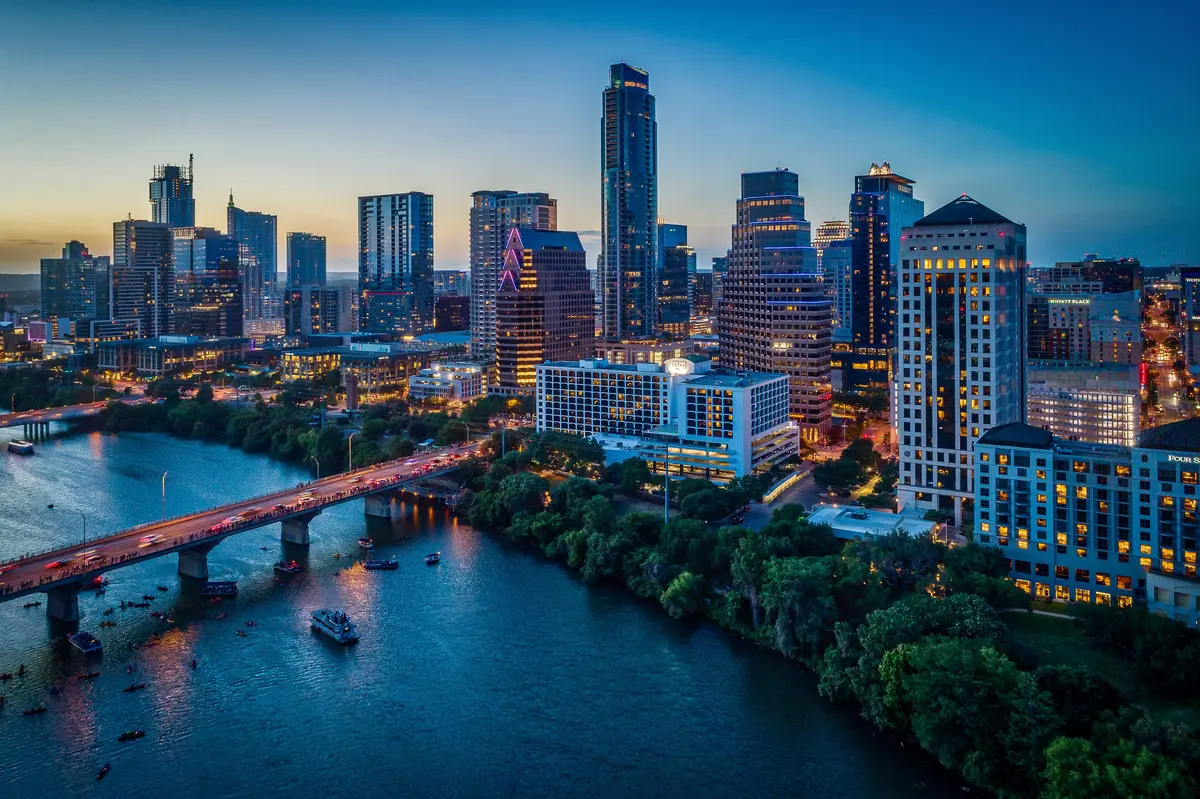
The state capital and the fast-growing corridor of suburbs running north and south of it along the interstate, out into the Colorado River hills. 21 cities including Austin, Round Rock, Georgetown.
Explore all 21 Austin Metro cities →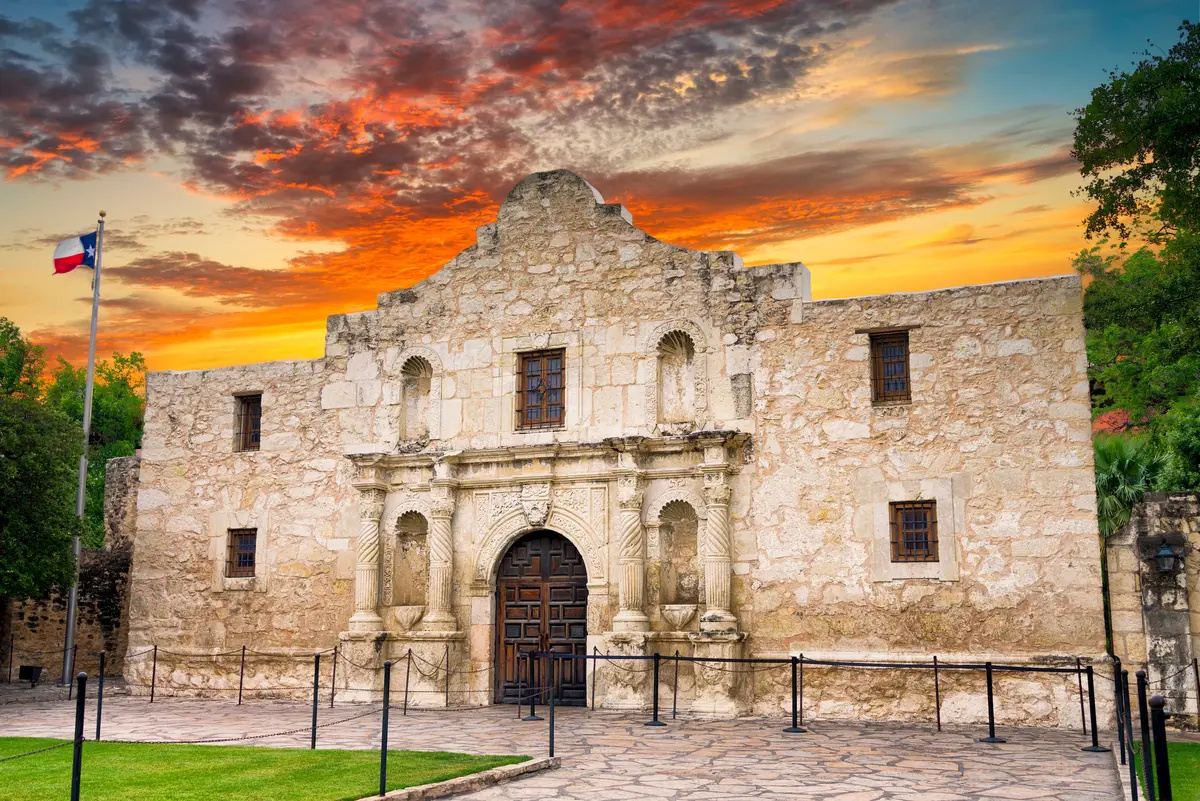
A deep-rooted Spanish colonial city ringed by military bases and the suburbs climbing north toward the Balcones Escarpment. 15 cities including San Antonio, New Braunfels, Schertz.
Explore all 15 San Antonio Metro cities →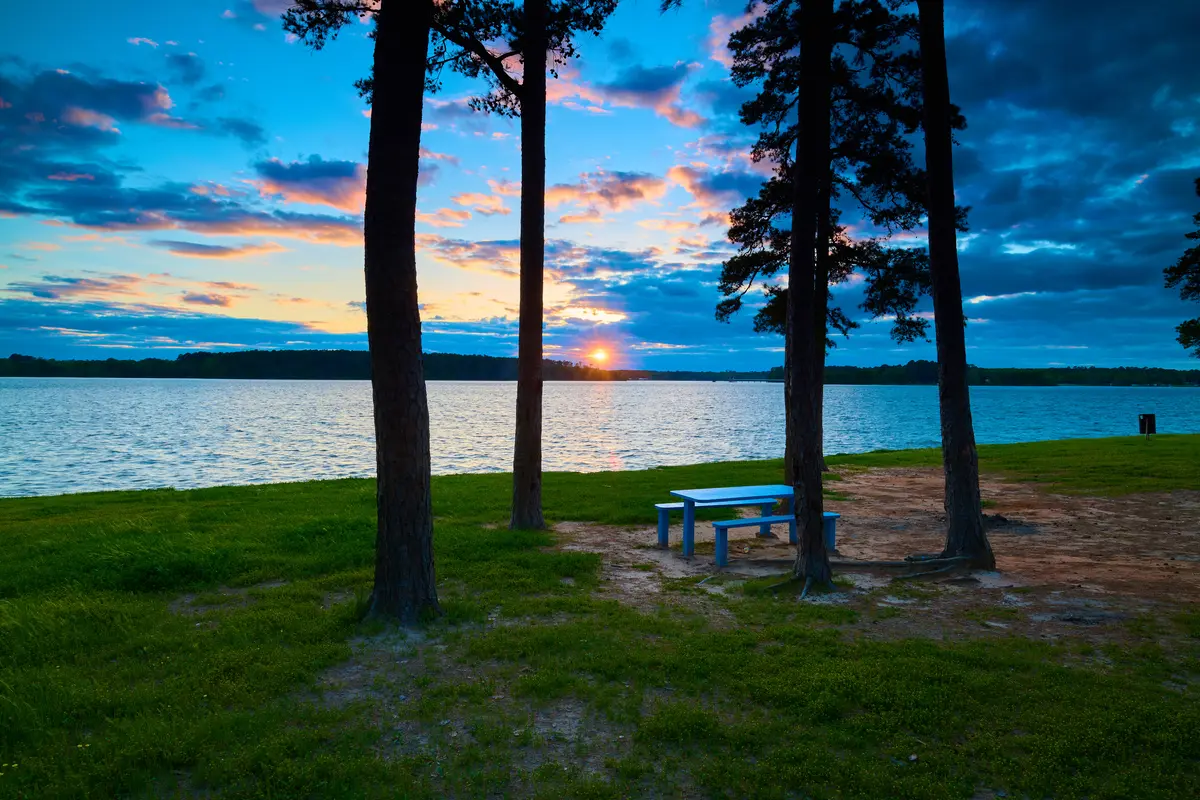
Pine forest, lakes and old county-seat towns across the wettest, greenest corner of the state. 13 cities including Tyler, Longview, Huntsville.
Explore all 13 East Texas cities →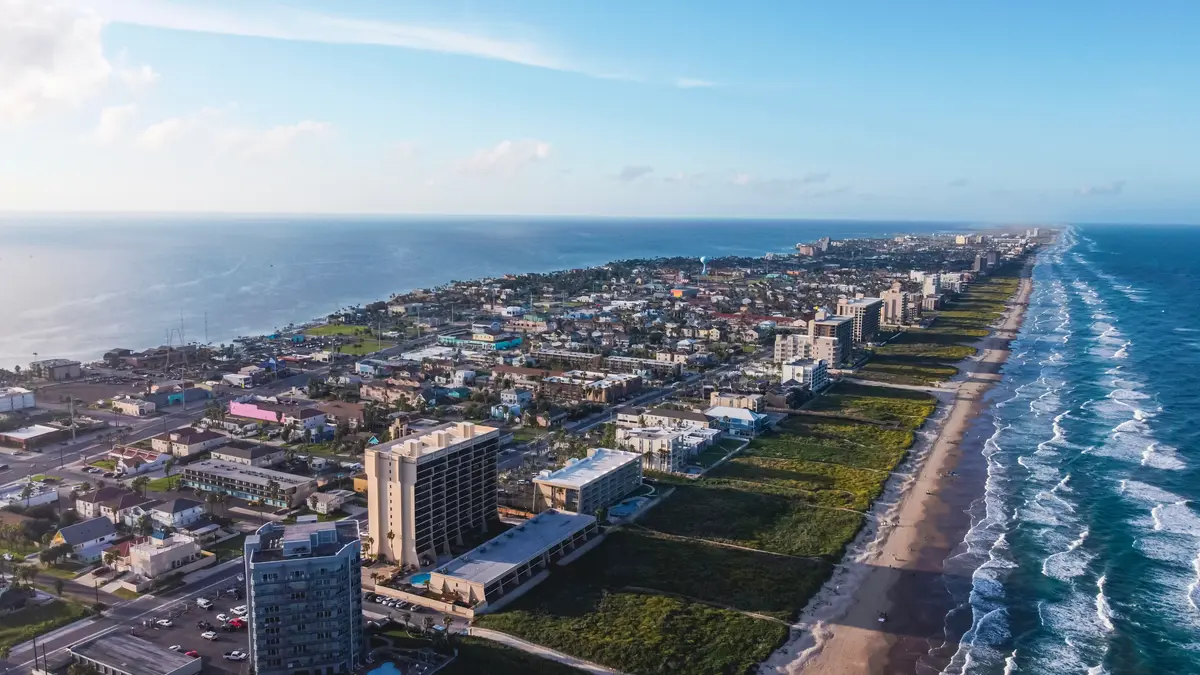
A bilingual, subtropical stretch of border cities and citrus country running from the river out to the Gulf beaches. 11 cities including Brownsville, McAllen, Edinburg.
Explore all 11 Rio Grande Valley cities →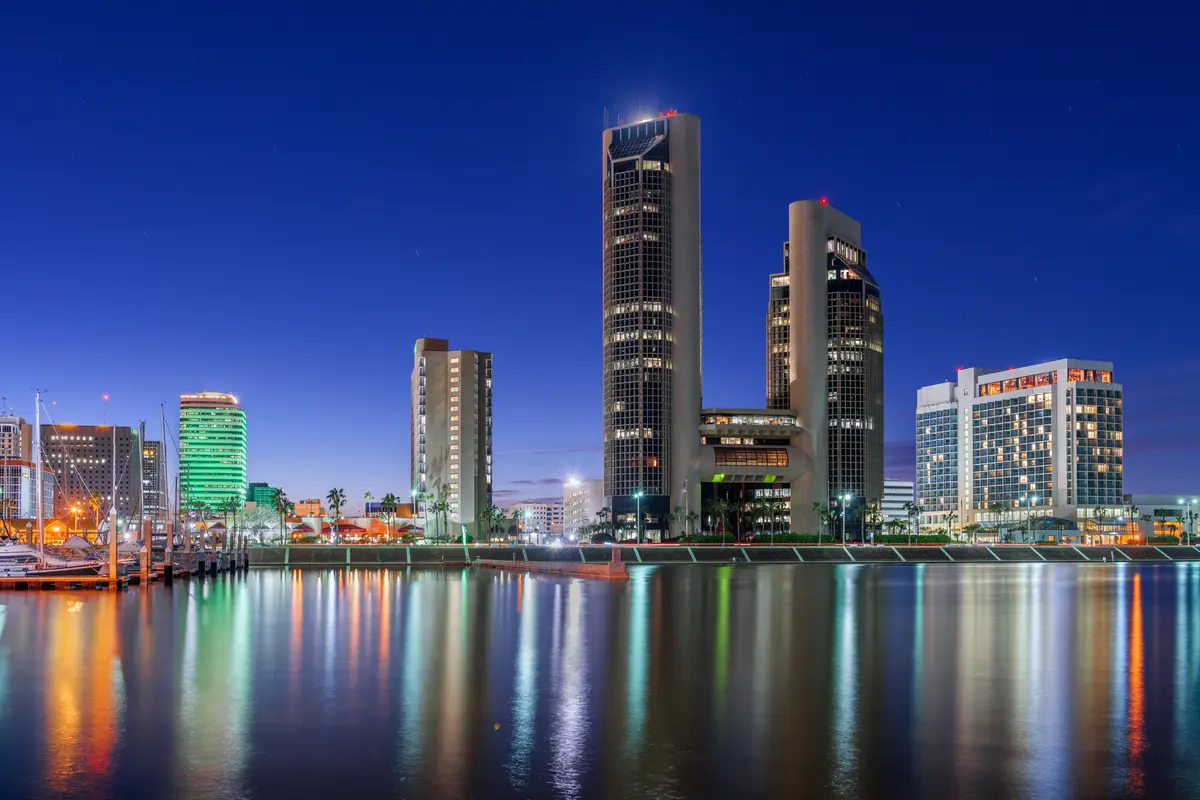
Bay-front cities, refinery towns and barrier-island beaches where the Gulf coast turns south. 7 cities including Corpus Christi, Victoria, Kingsville.
Explore all 7 Coastal Bend cities →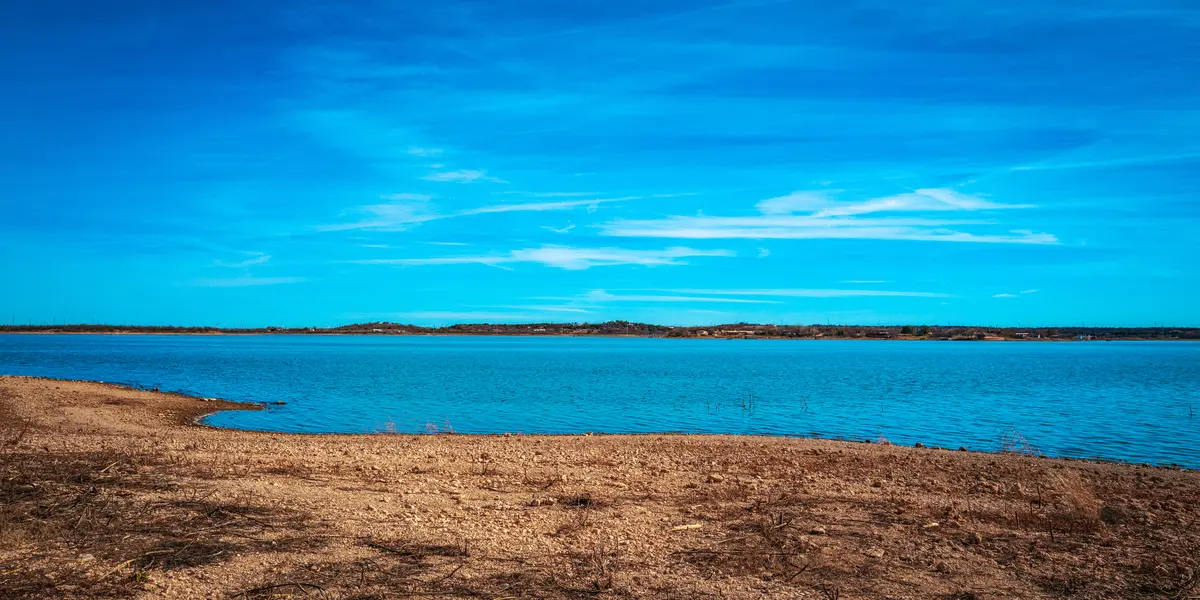
Ranching and university towns spread across the rolling plains of west central Texas. 6 cities including Abilene, San Angelo, Stephenville.
Explore all 6 Big Country cities →
University, hospital and Army-post towns strung along the interstate between the two biggest metros. 6 cities including Killeen, Waco, Temple.
Explore all 6 Waco-Killeen-Temple cities →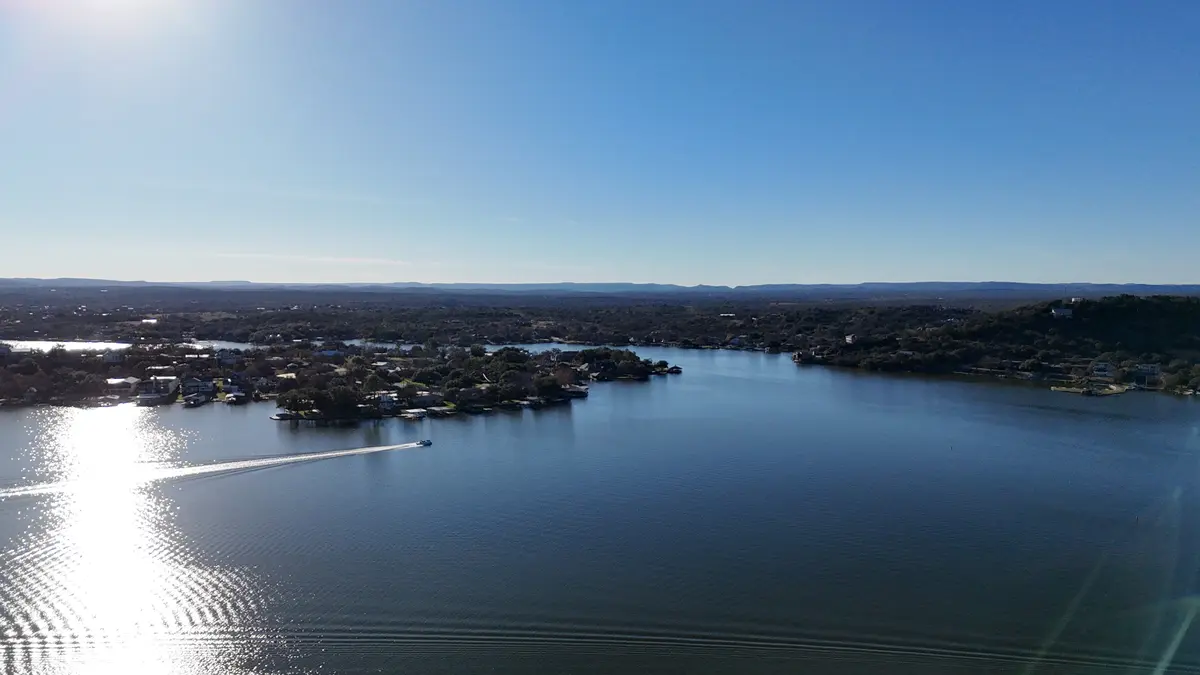
Limestone hills, spring-fed rivers, German heritage towns and the wineries that followed them. 5 cities including Kerrville, Uvalde, Fredericksburg.
Explore all 5 Hill Country cities →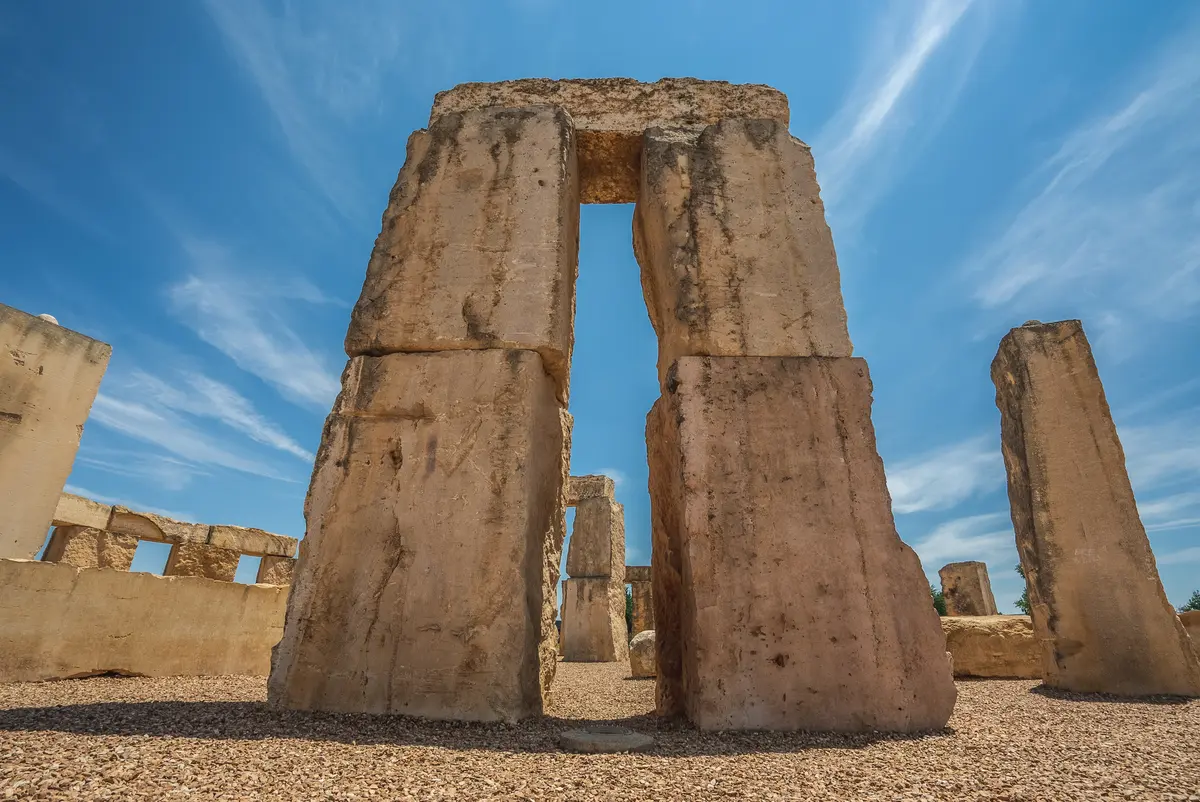
The oilfield cities of far West Texas, where the pay is high and the horizon is wide open. 4 cities including Midland, Odessa, Big Spring.
Explore all 4 Permian Basin cities →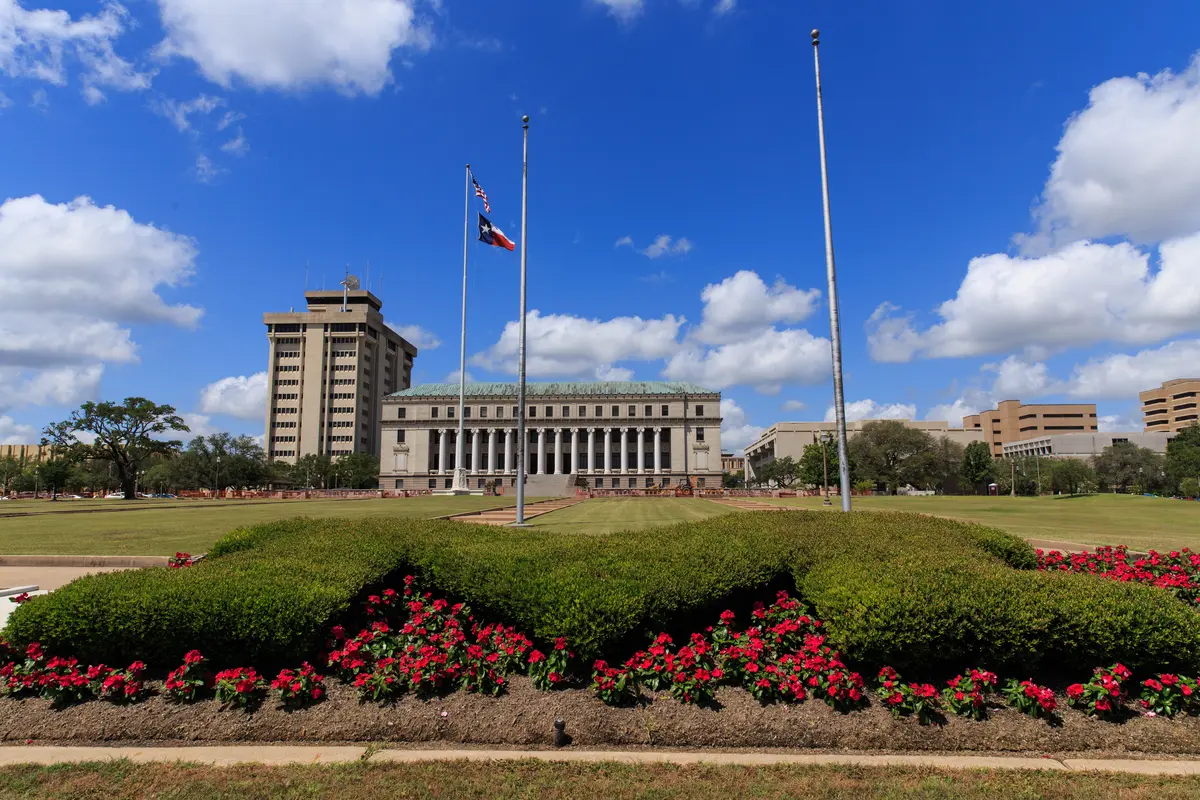
A university-driven pocket of Central Texas surrounded by river-bottom farmland and historic German and Czech settlements. 4 cities including College Station, Bryan, Brenham.
Explore all 4 Brazos Valley cities →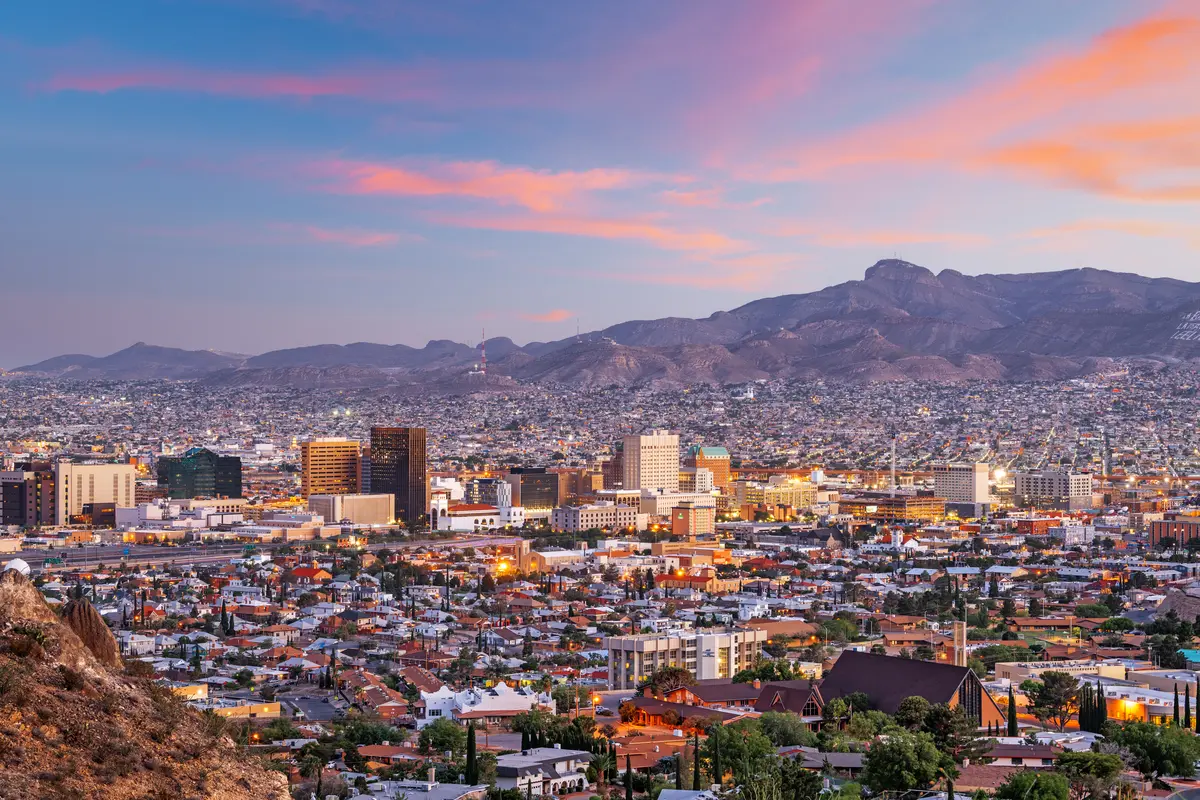
A high-desert border city in the far western corner of the state, closer to three other capitals than to its own. 4 cities including El Paso, Socorro, Horizon City.
Explore all 4 El Paso Borderplex cities →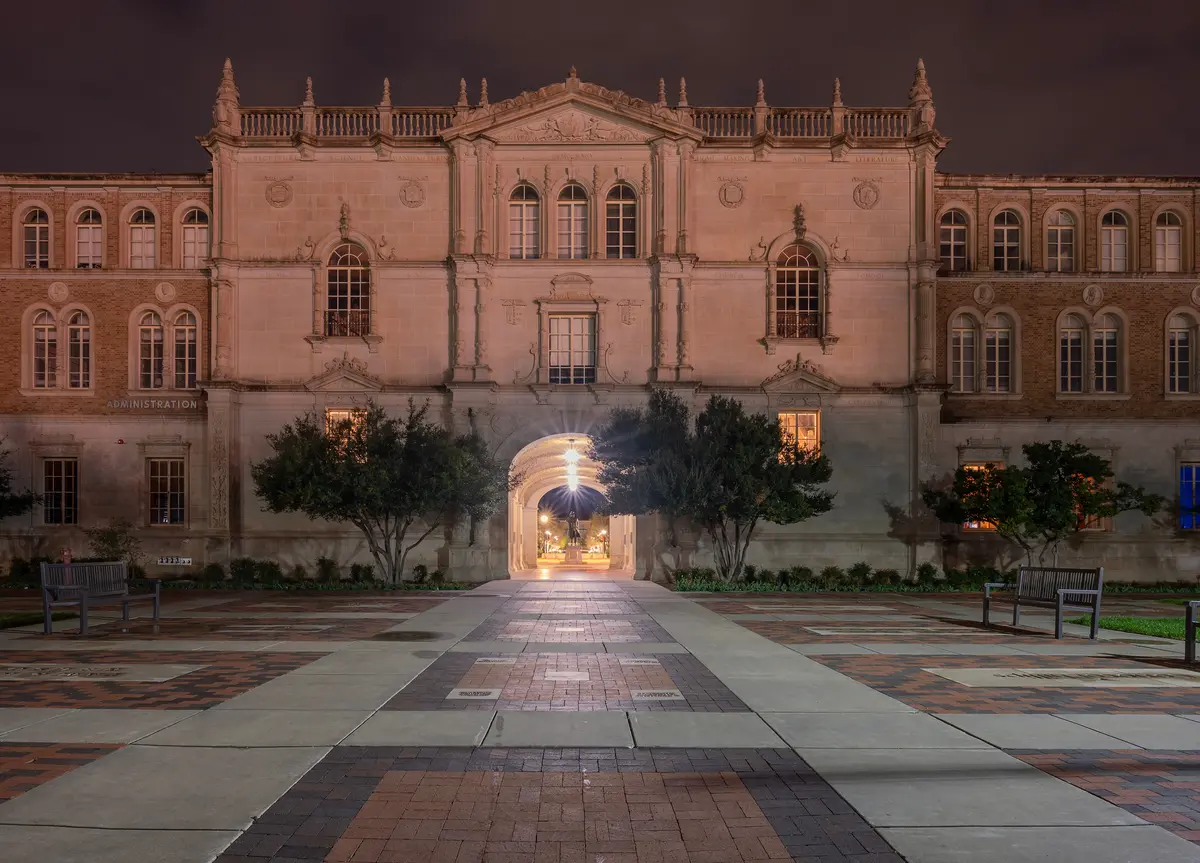
Flat, high, dry cotton and cattle country at the top of the state, anchored by two university cities. 3 cities including Lubbock, Amarillo, Plainview.
Explore all 3 Panhandle & South Plains cities →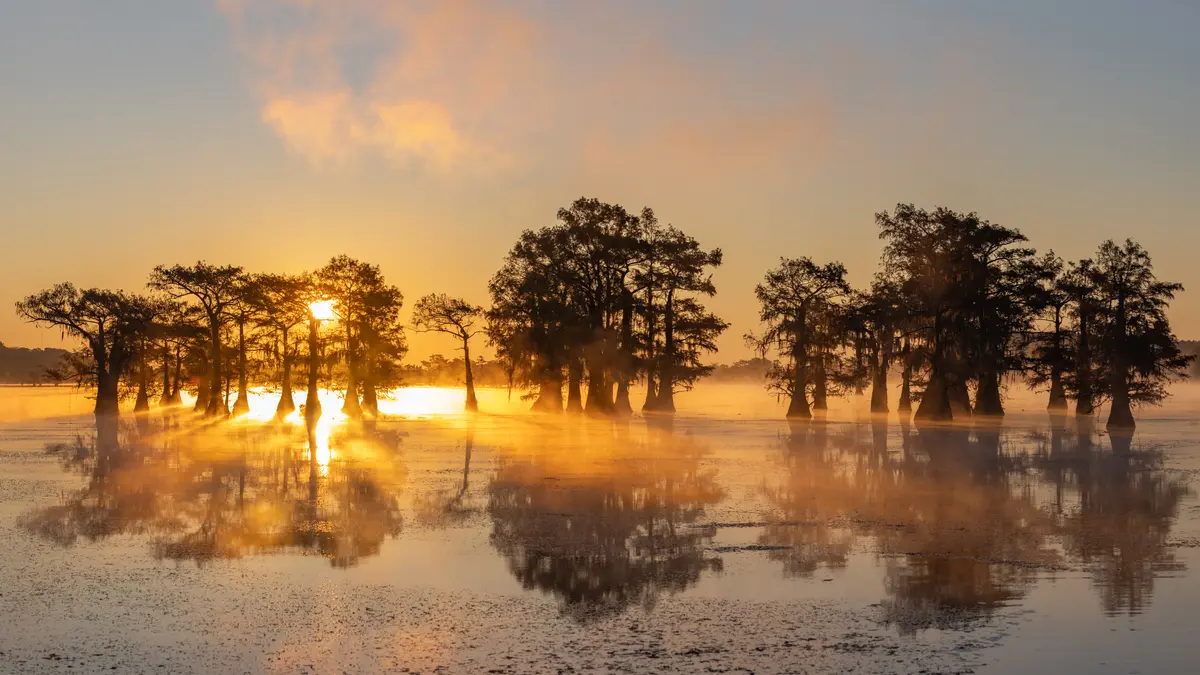
Refinery and shipping towns on the Louisiana line, where Texas starts to feel like the Deep South. 3 cities including Beaumont, Port Arthur, Port Neches.
Explore all 3 Golden Triangle cities →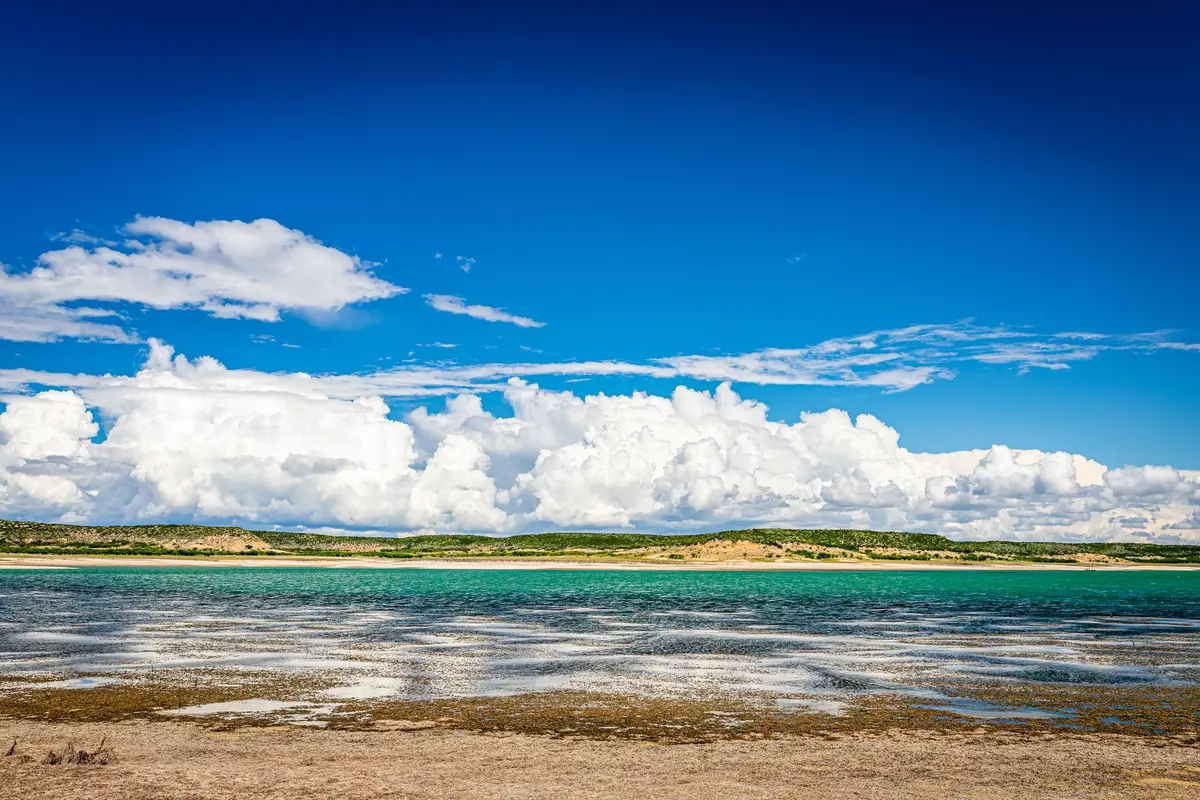
Inland port cities and desert river towns along the stretch of border between the Valley and the Big Bend. 3 cities including Laredo, Del Rio, Eagle Pass.
Explore all 3 Southwest Border Country cities →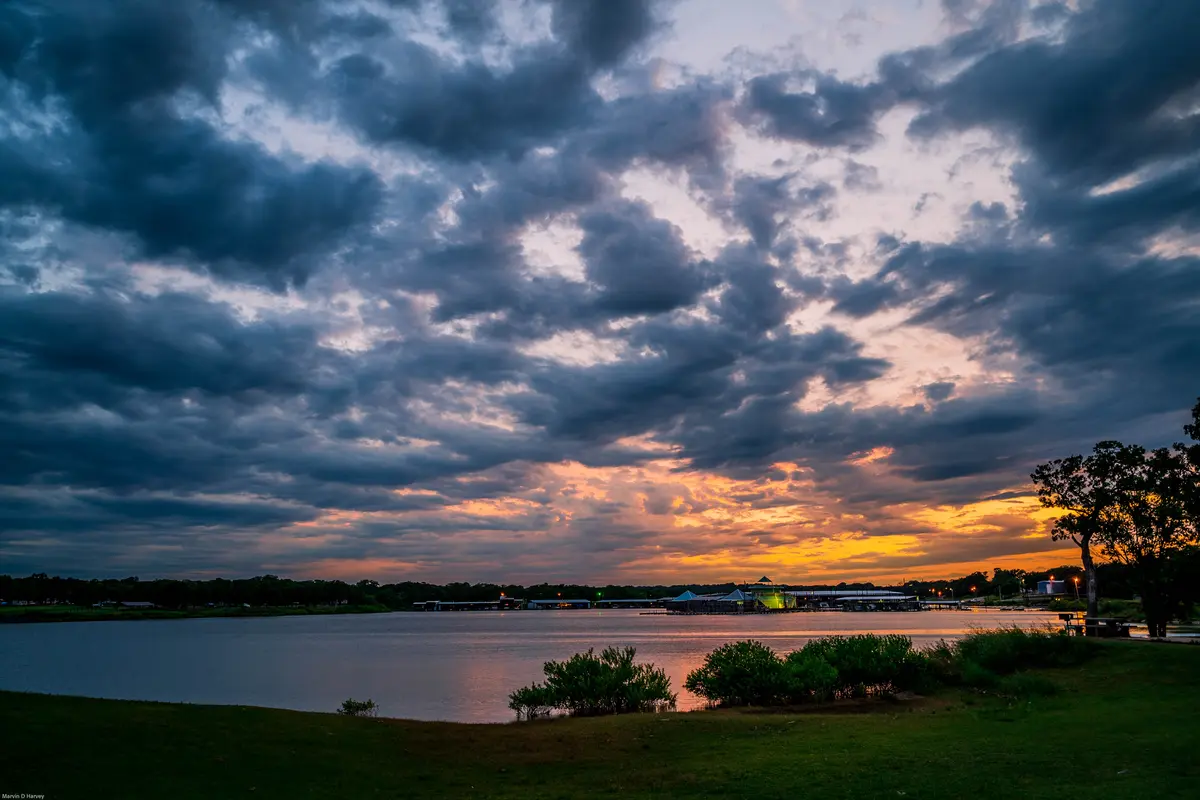
Independent small cities on the Red River plains, north and west of the Metroplex. 3 cities including Wichita Falls, Sherman, Denison.
Explore all 3 North Texas cities →Moving to Texas?
Tell us what you need help with and we'll connect you with local resources.
