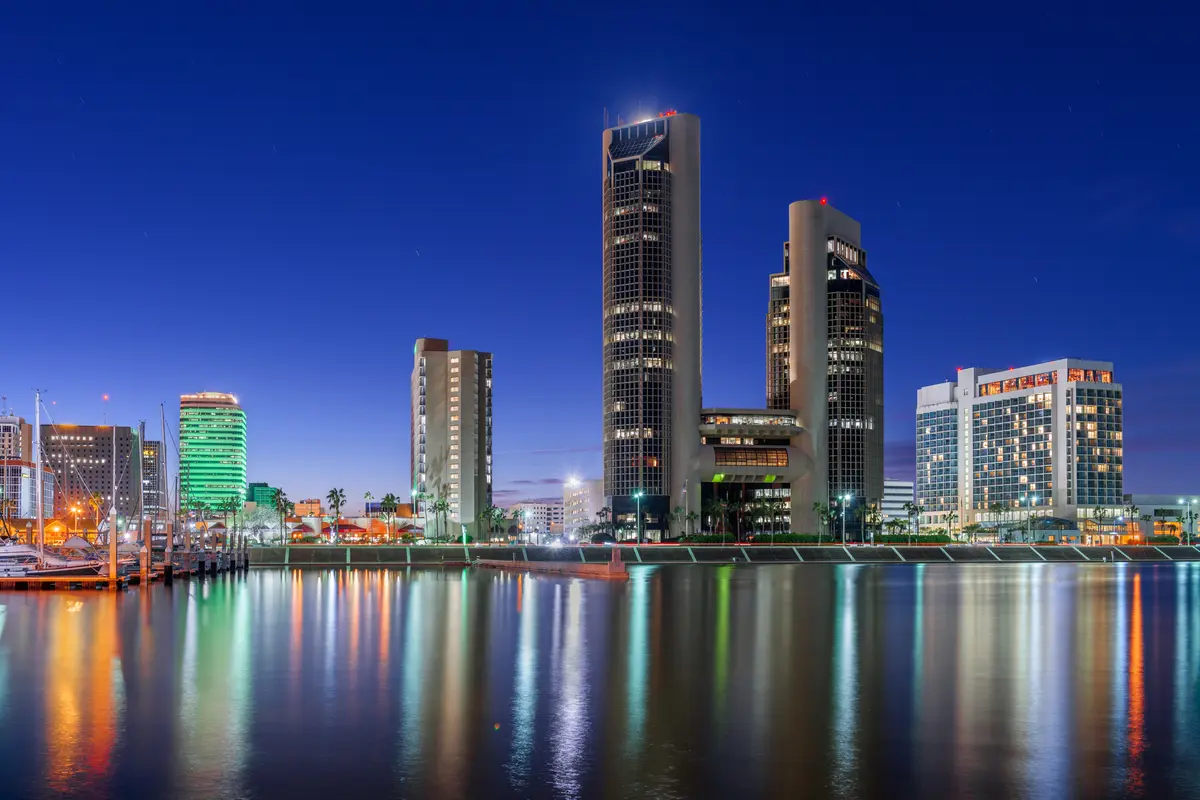
Is the Coastal Bend a Good Place to Live?
You're probably comparing the Coastal Bend to San Antonio or Houston right now, running the numbers on housing and telling yourself the Gulf Coast is just a bonus. What most spreadsheets don't capture is that this region operates on its own logic — part military town, part petrochemical corridor, part birding and beach destination, part working-class South Texas. The cities here are genuinely different from each other, not interchangeable suburbs of a single metro, and the one you choose will shape your daily life more than almost any other variable in the move.
The Coastal Bend's economy is built on a few honest pillars: the Naval Air Station in Corpus Christi draws active-duty families and contractors who cycle through on orders and sometimes stay for decades; Valero's refining operations and heavy manufacturers like Caterpillar and INVISTA anchor industrial employment in Victoria and along the bay; and the University of Texas Marine Science Institute in Port Aransas gives the region a quieter research identity that most people overlook entirely. King Ranch, one of the most storied ranching operations in North America, still shapes Kingsville's identity as visibly as Texas A&M University-Kingsville does. Wherever you land, the Gulf of Mexico is never far from the conversation.
On price, the Coastal Bend sits comfortably below the Hill Country, the Austin Metro, Dallas-Fort Worth, Greater Houston, and the San Antonio Metro — making it genuinely more within reach than most Texas regions that attract out-of-state attention. That said, the region is not uniform: waterfront communities like Port Aransas and Rockport sit toward the pricier end, while Robstown and Kingsville offer real affordability for buyers who don't need a bay address. The trade-off you'll hear from locals is that the Gulf Coast delivers on lifestyle — birding refuges, fishing, saltwater air, and a slower pace — but the summers are long, humid, and occasionally ended by a hurricane's landfall. Anyone who tells you otherwise has not spent an August here.
Whether you're weighing a military PCS, a refinery job offer, a retirement on the water, or a remote-work move where the view matters more than the commute, the cities below break down what each corner of the Coastal Bend is actually like — neighborhoods, employers, landmarks, and the honest reasons people stay or leave.
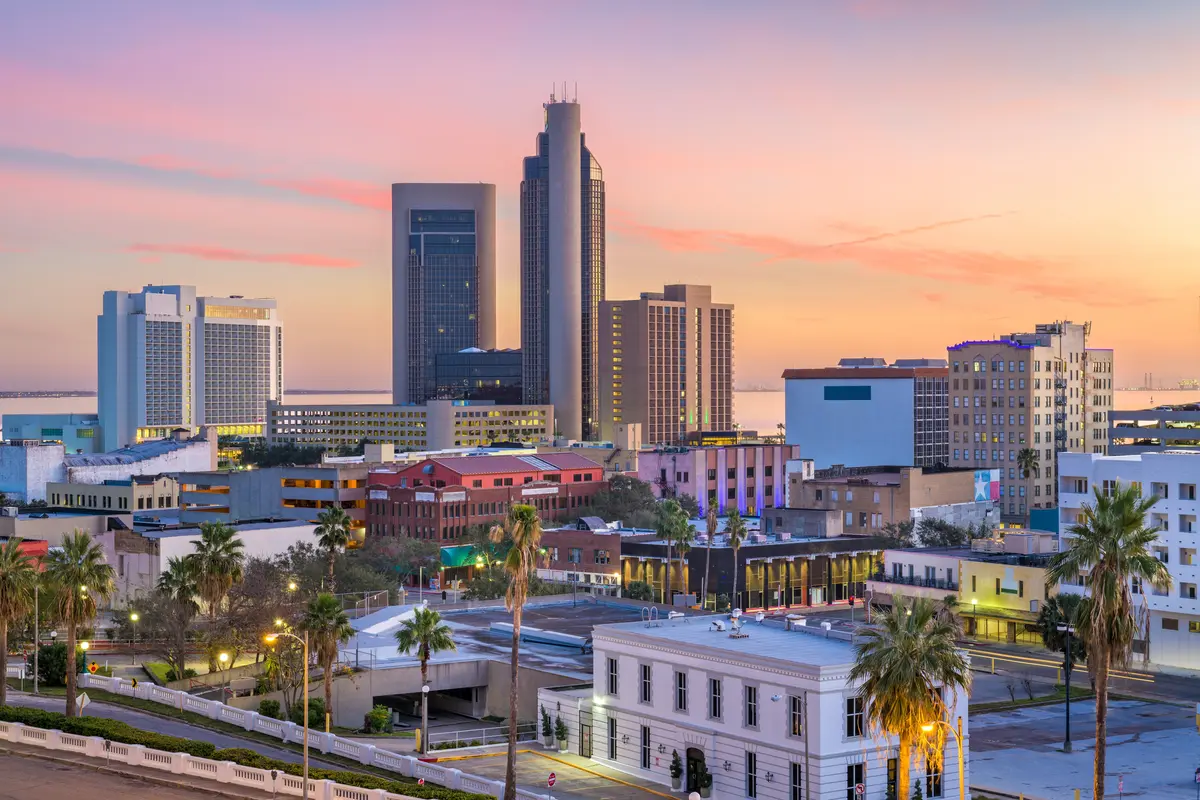
Explore All 7 Cities in the Coastal Bend
Click into any city for the complete guide — neighborhoods, home prices, cost of living, pros & cons, schools, top employers, and mortgage help.
Corpus Christi
Corpus Christi is where the Coastal Bend's economic weight lands — Naval Air Station Corpus Christi, the Army Depot, Valero's refineries, and full-service hospital care across multiple systems all share the same zip codes, and the city's size means a real range of neighborhoods from the bayfront elegance of Ocean Drive to the suburban spread of the Southside and the barrier-island character of North Padre Island. The USS Lexington Museum on the Bay and the Texas State Aquarium are civic anchors, not tourist afterthoughts, and the Selena Memorial draws visitors who treat it with the same reverence as any state monument. Sitting near the middle of this region on price, it is the logical starting point for anyone moving to the Coastal Bend who wants urban infrastructure without paying Hill Country or Austin Metro prices.
Full Corpus Christi Guide →- Is Corpus Christi Safe? A Data-Backed Look
- Cost of Living in Corpus Christi
- Best Neighborhoods in Corpus Christi
- Schools in Corpus Christi: A Family Guide
- Parks & Recreation in Corpus Christi
- Retiring in Corpus Christi
- First-Time Homebuyer's Guide to Corpus Christi
- Moving to Corpus Christi from California

Victoria
Victoria occupies an inland position in the Coastal Bend that gives it a different economic identity than the bay cities — Caterpillar's heavy manufacturing operation and INVISTA's chemical plant sit alongside two independent healthcare systems, creating a job base that does not depend on the Gulf. Riverside Park and the Texas Zoo anchor the city's civic life, and the Museum of the Coastal Bend gives the downtown a cultural anchor that smaller towns in the region cannot match. Near the middle of the region on price, Victoria appeals most to families and professionals who want a stable mid-size city without the coastal insurance premiums or the resort-town seasonal swings.
Full Victoria Guide →
Kingsville
Kingsville is defined by two institutions that most outsiders know separately but few realize share the same small city: King Ranch, the legendary working cattle operation whose museum draws visitors from across the state, and Texas A&M University-Kingsville, which gives the city a student population and research identity that punches above its size. Naval Air Station Kingsville adds a military layer that shapes the local rental market and keeps the economy from depending entirely on agriculture or education. Toward the more affordable end of the Coastal Bend, Kingsville suits buyers who want a genuine small-city feel, a real sense of South Texas ranching history, and housing costs that leave room in the budget.
Full Kingsville Guide →
Portland
Portland sits just across the bay from Corpus Christi and gives buyers something rare in this region: San Patricio County's smaller-town calm with easy access to a major city's job market, including the Naval Air Station Corpus Christi across the water. ArcelorMittal's steel manufacturing operation is the city's largest industrial employer, and Gregory-Portland ISD draws families who want a tight-knit district rather than the scale of Corpus Christi's schools. Toward the pricier end of the Coastal Bend, Portland is where buyers pay a premium for the bay-adjacent location and the suburban infrastructure of a city that has grown steadily on its own terms.
Full Portland Guide →
Rockport
Rockport is what happens when a working fishing harbor and an arts community decide to coexist in the same small city — the Texas Maritime Museum and the Rockport Center for the Arts sit within walking distance of Rockport Beach Park and the harbor, and the Fulton Mansion State Historic Site anchors the history of a coast that has been rebuilt more than once after major storms. The birding community alone treats Rockport as a destination, and the Leonabelle Turnbull Birding Center is why serious birders put this city on itineraries before almost anywhere else on the Gulf. Toward the pricier end of the region, Rockport rewards buyers who want a coastal lifestyle on a human scale — but anyone considering it needs to research hurricane preparedness seriously before making an offer.
Full Rockport Guide →
Robstown
Robstown is the Coastal Bend city that most relocating buyers overlook until they see what their budget can buy here — toward the more affordable end of the region, it offers real housing value within commuting range of Corpus Christi's job base at Naval Air Station Corpus Christi and beyond. The Tesla Lithium Refinery represents a newer industrial chapter for a city that has historically been tied to agriculture and the county fair circuit, anchored by the Richard M. Borchard Regional Fairgrounds and Fairgrounds Field. Robstown suits buyers who prioritize value and a tight-knit community over bay views and resort-town amenities.
Full Robstown Guide →
Port Aransas
Port Aransas is the Coastal Bend city that feels least like a place people live and most like a place people escaped to — the ferry crossing, Mustang Island State Park, Horace Caldwell Pier, and the Leonabelle Turnbull Birding Center all coexist with a permanent population that genuinely calls this barrier island home year-round. The University of Texas Marine Science Institute gives the town a research identity that surprises visitors who expected only vacation rentals and beach bars, and Roberts Point Park anchors the community side of a city that has to manage both full-time residents and heavy seasonal tourism. Toward the pricier end of the Coastal Bend, Port Aransas is the right choice only if you understand that island living means ferry logistics, coastal insurance realities, and a housing market shaped as much by investor demand as by local need.
Full Port Aransas Guide →Compare Every City in Coastal Bend
Full ranked breakdowns across every city in the region — scored and compared side by side.
Local Expert Takeaway: The Coastal Bend rewards buyers who come in knowing exactly which trade-off they can live with — because waterfront lifestyle, affordability, military community, industrial employment, and small-town ranching culture are all present here, just never in the same city at the same time.
Frequently Asked Questions
Which Coastal Bend city makes the most sense for a military family on PCS orders?
Is the Coastal Bend affordable compared to the rest of Texas?
How serious is hurricane risk in the Coastal Bend, and does it affect which city you choose?
Which city in the Coastal Bend is best for retirees?
Can you live in the Coastal Bend without working in Corpus Christi?
Helpful Texas Resources
Explore Other Texas Regions
the Coastal Bend is one of 17 distinct regions that make up Texas. Each has its own climate, character, and housing market — explore them all.
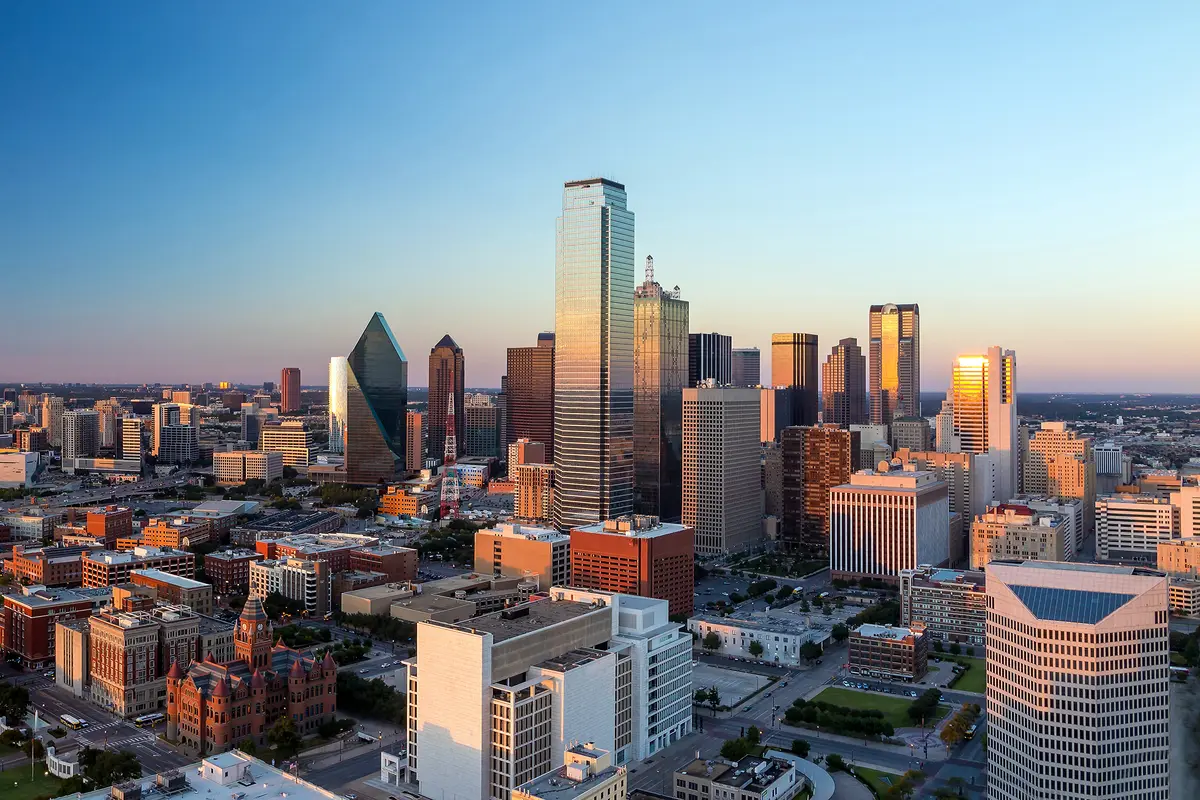
Two downtowns and the whole sweep of suburbs between and around them, from the Collin County job corridor to the ranch country west of Fort Worth. 71 cities including Dallas, Fort Worth, Arlington.
Explore all 71 Dallas-Fort Worth cities →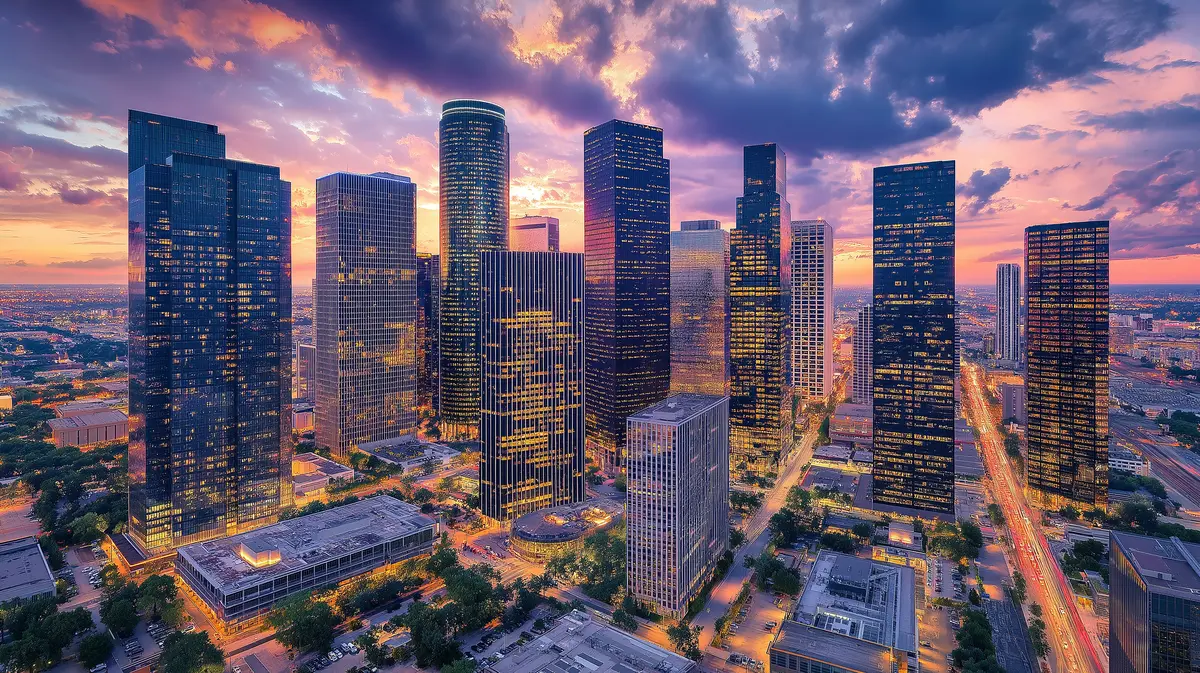
The energy capital and the ring of master-planned communities, bayou suburbs and bay towns that grew up around it. 45 cities including Houston, Cypress, Klein.
Explore all 45 Greater Houston cities →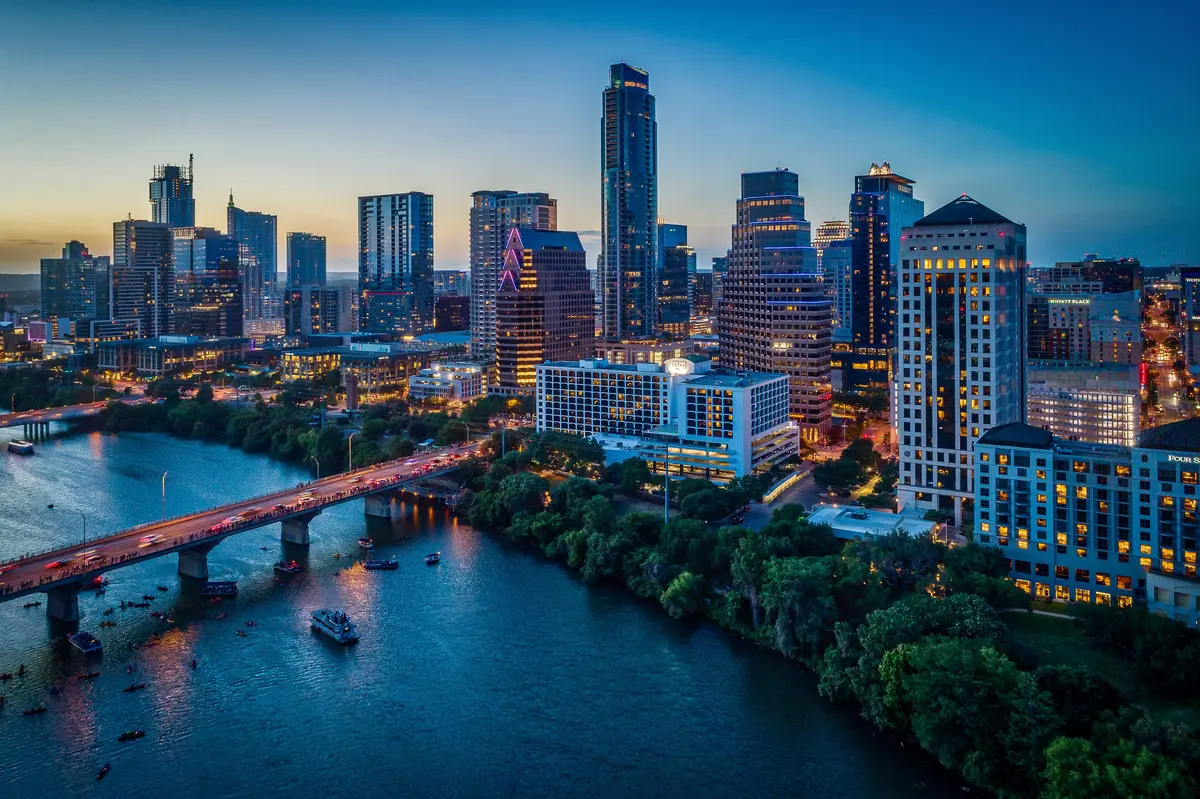
The state capital and the fast-growing corridor of suburbs running north and south of it along the interstate, out into the Colorado River hills. 21 cities including Austin, Round Rock, Georgetown.
Explore all 21 Austin Metro cities →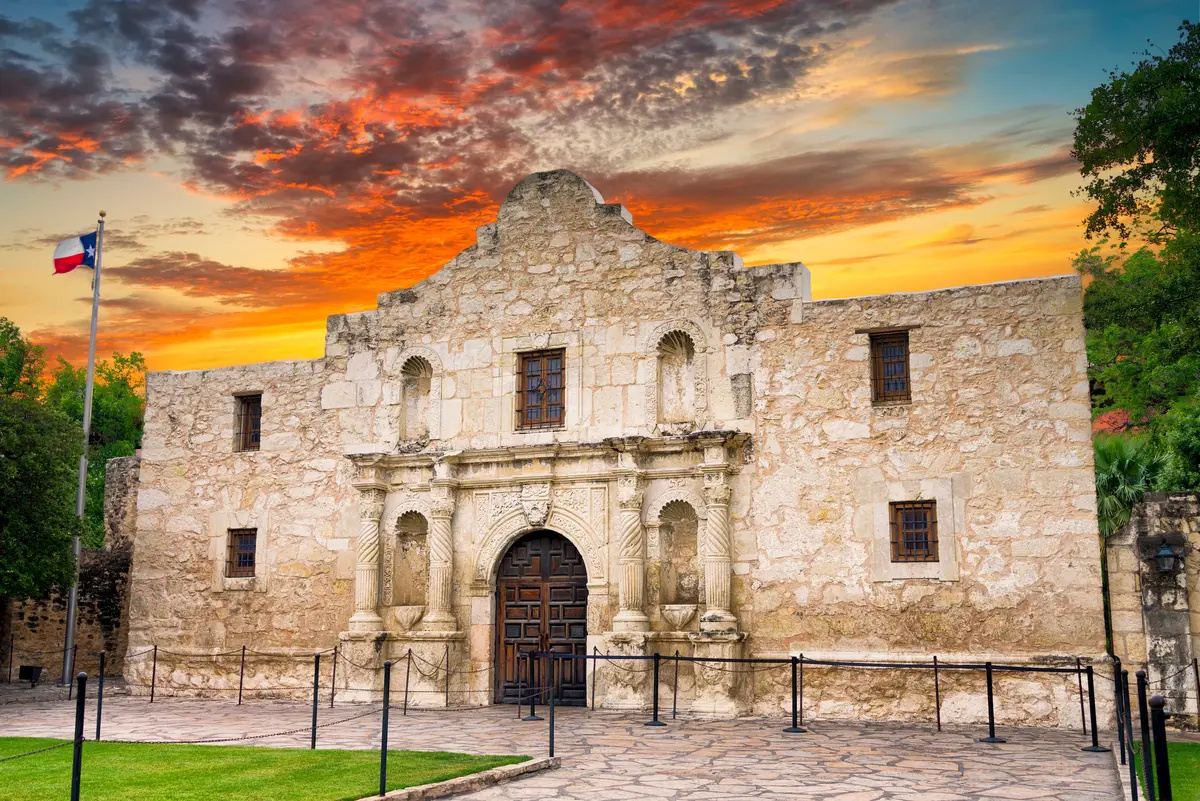
A deep-rooted Spanish colonial city ringed by military bases and the suburbs climbing north toward the Balcones Escarpment. 15 cities including San Antonio, New Braunfels, Schertz.
Explore all 15 San Antonio Metro cities →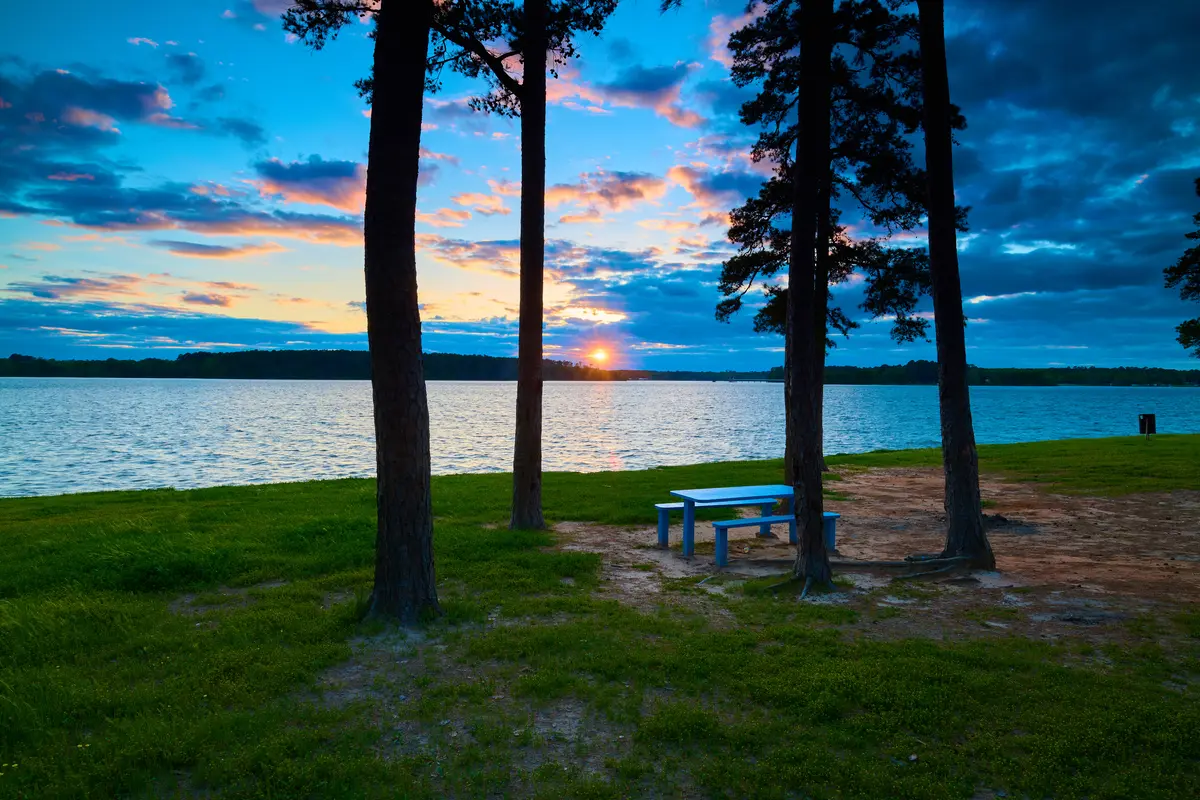
Pine forest, lakes and old county-seat towns across the wettest, greenest corner of the state. 13 cities including Tyler, Longview, Huntsville.
Explore all 13 East Texas cities →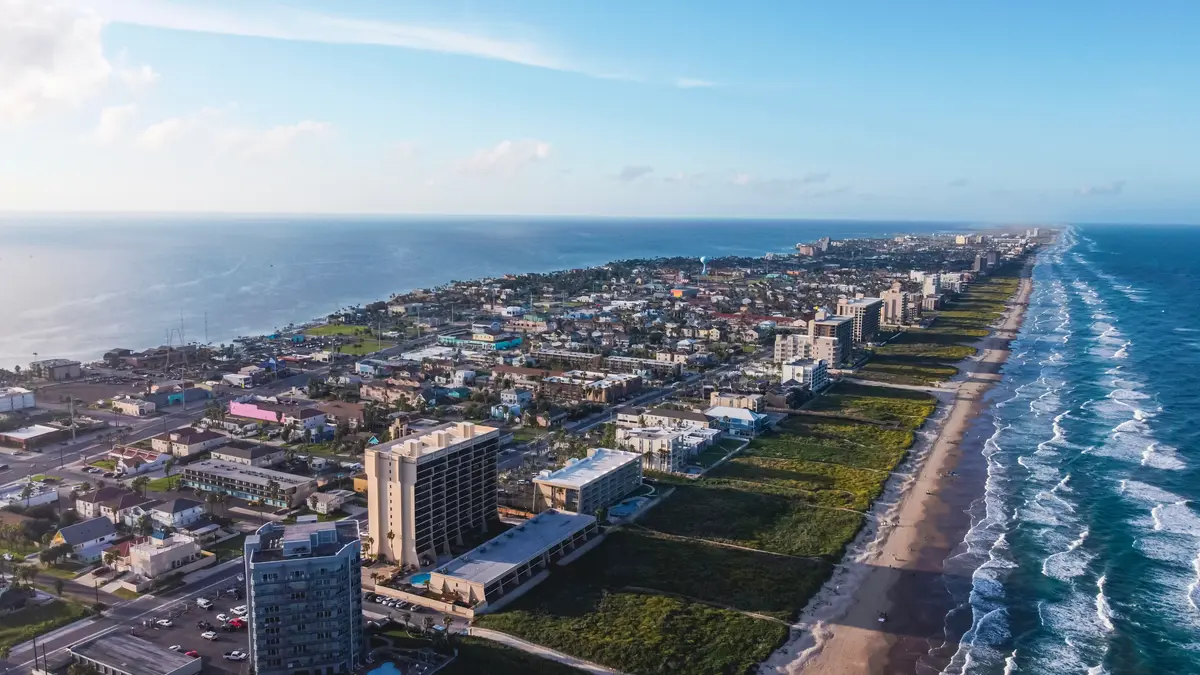
A bilingual, subtropical stretch of border cities and citrus country running from the river out to the Gulf beaches. 11 cities including Brownsville, McAllen, Edinburg.
Explore all 11 Rio Grande Valley cities →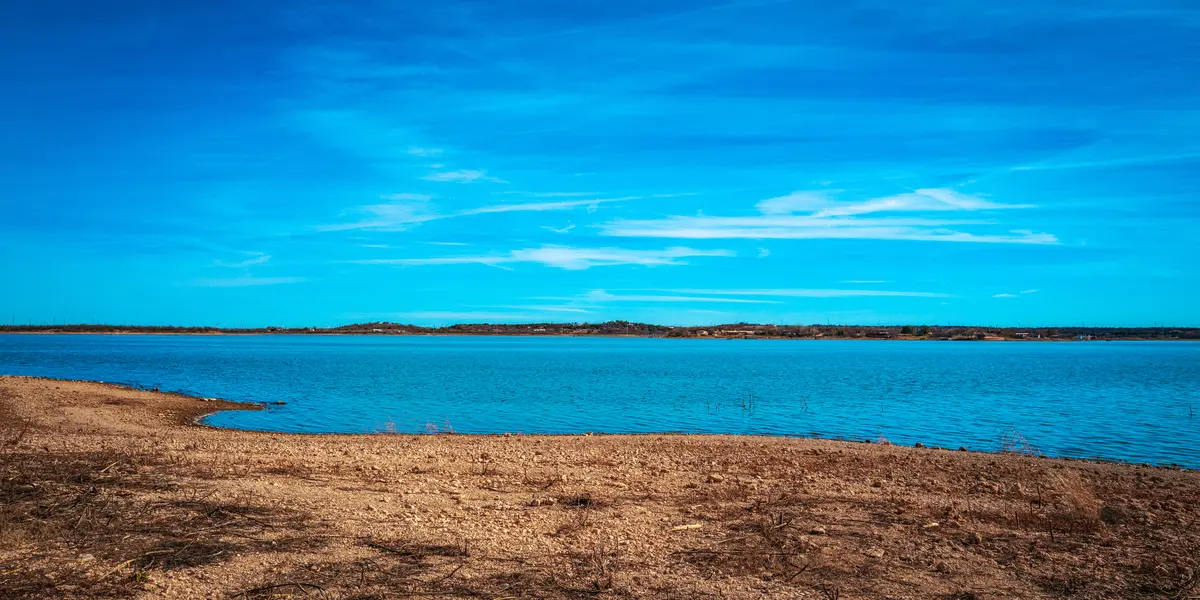
Ranching and university towns spread across the rolling plains of west central Texas. 6 cities including Abilene, San Angelo, Stephenville.
Explore all 6 Big Country cities →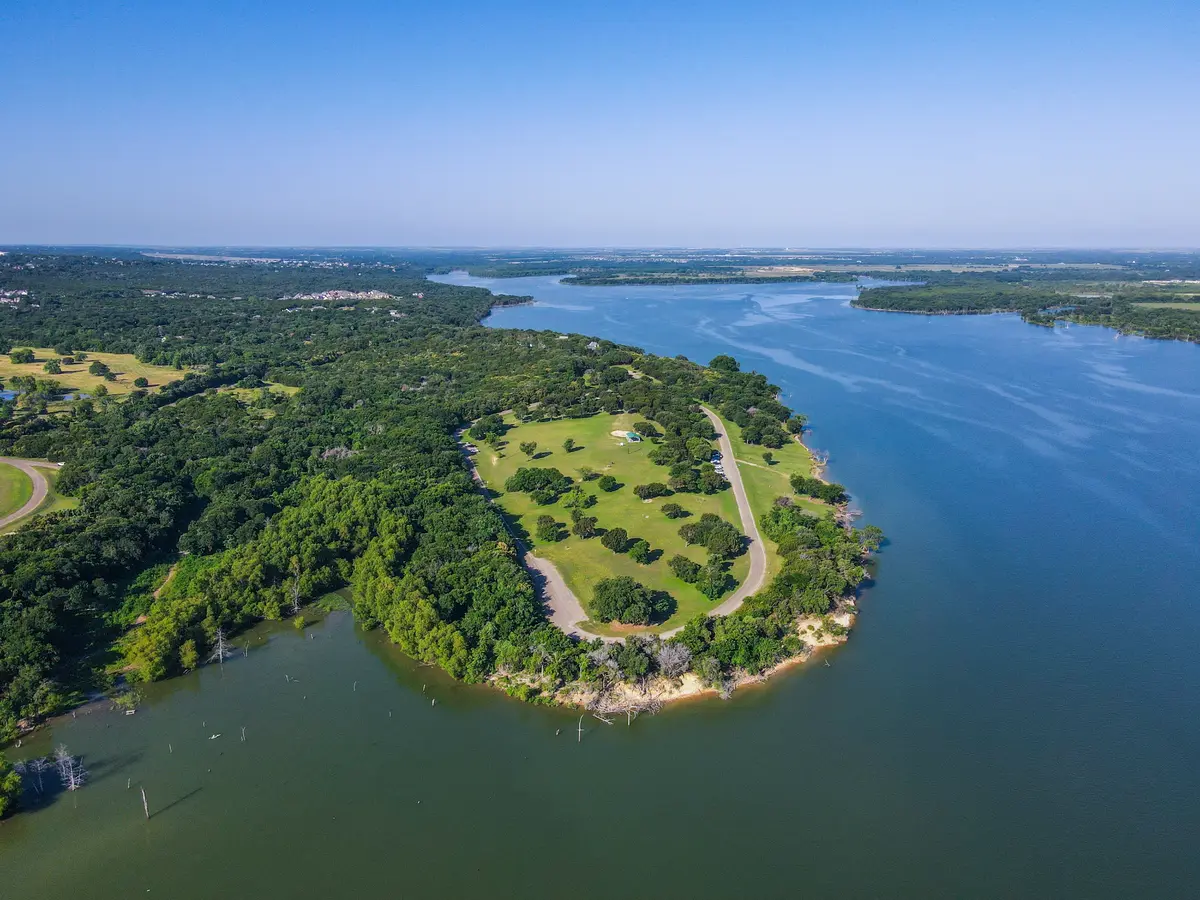
University, hospital and Army-post towns strung along the interstate between the two biggest metros. 6 cities including Killeen, Waco, Temple.
Explore all 6 Waco-Killeen-Temple cities →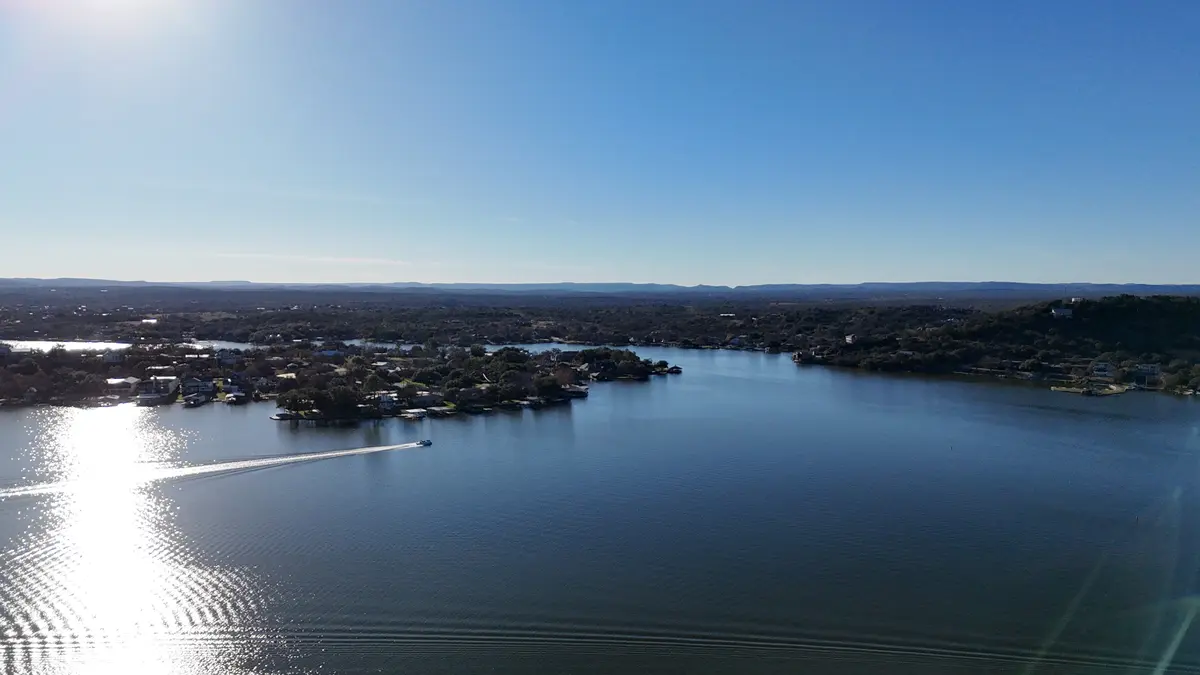
Limestone hills, spring-fed rivers, German heritage towns and the wineries that followed them. 5 cities including Kerrville, Uvalde, Fredericksburg.
Explore all 5 Hill Country cities →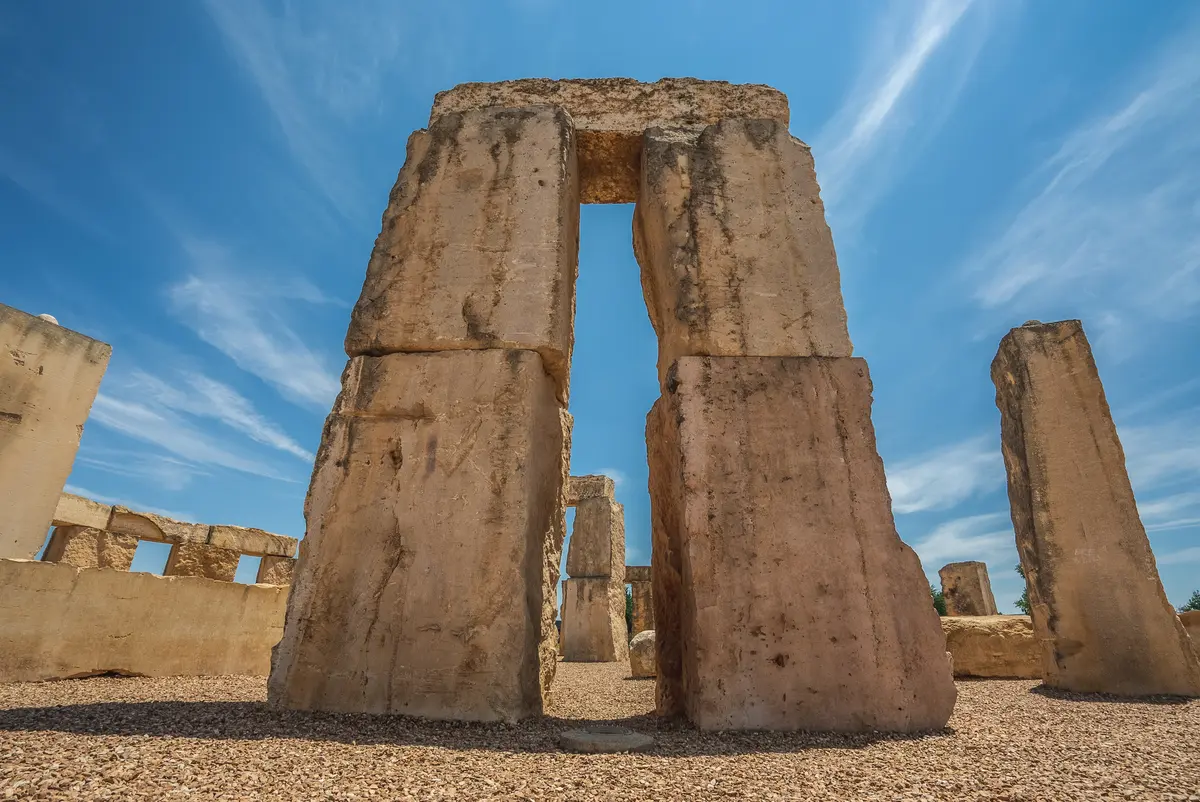
The oilfield cities of far West Texas, where the pay is high and the horizon is wide open. 4 cities including Midland, Odessa, Big Spring.
Explore all 4 Permian Basin cities →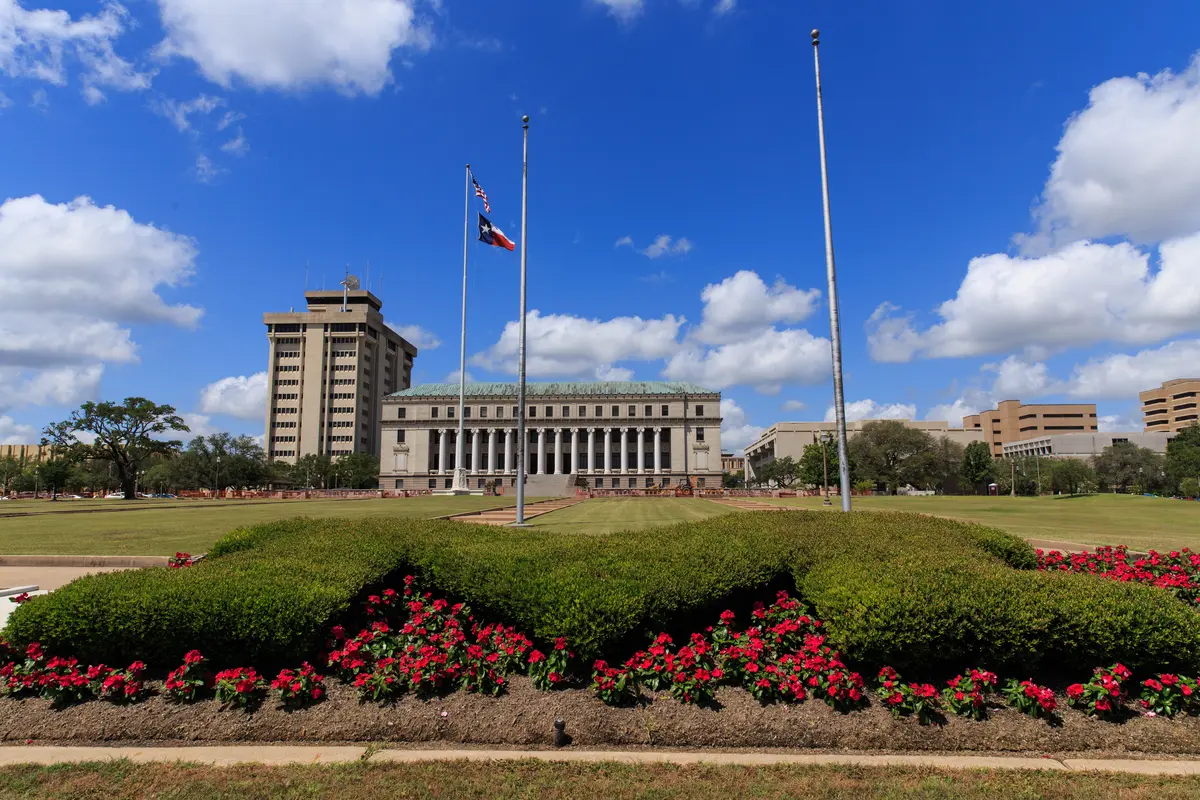
A university-driven pocket of Central Texas surrounded by river-bottom farmland and historic German and Czech settlements. 4 cities including College Station, Bryan, Brenham.
Explore all 4 Brazos Valley cities →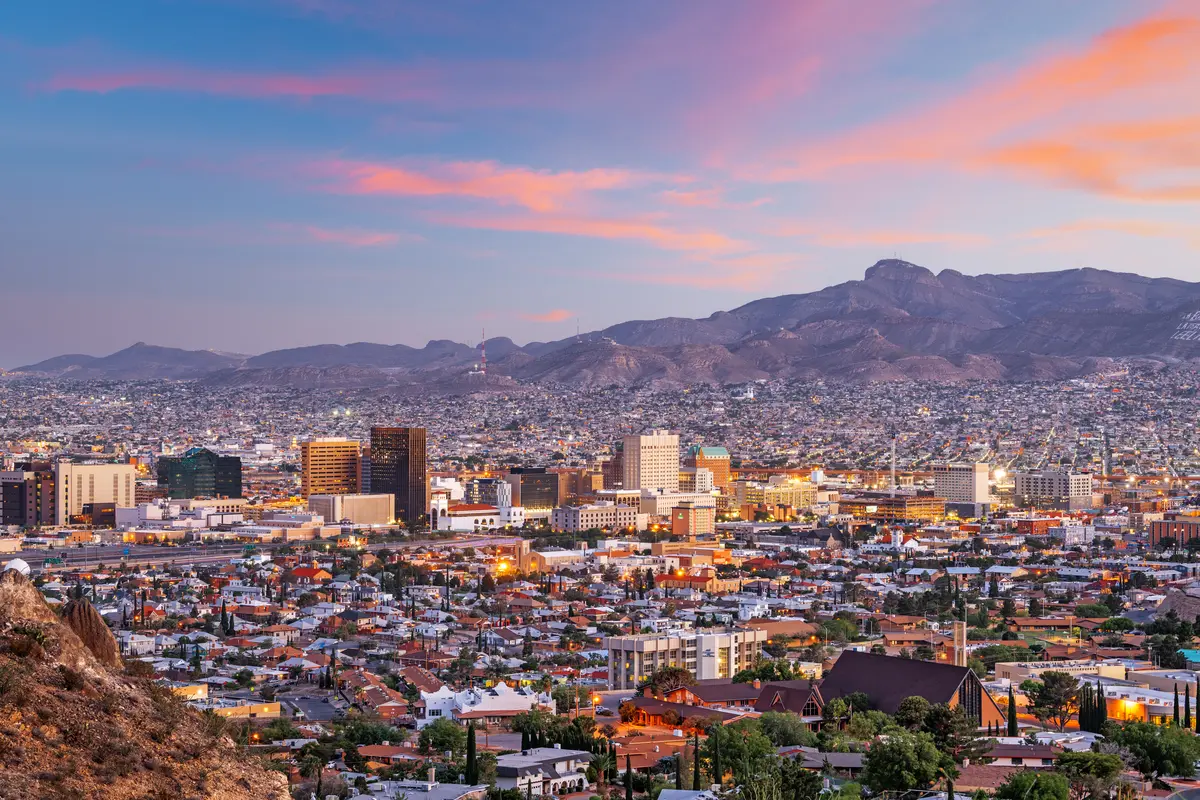
A high-desert border city in the far western corner of the state, closer to three other capitals than to its own. 4 cities including El Paso, Socorro, Horizon City.
Explore all 4 El Paso Borderplex cities →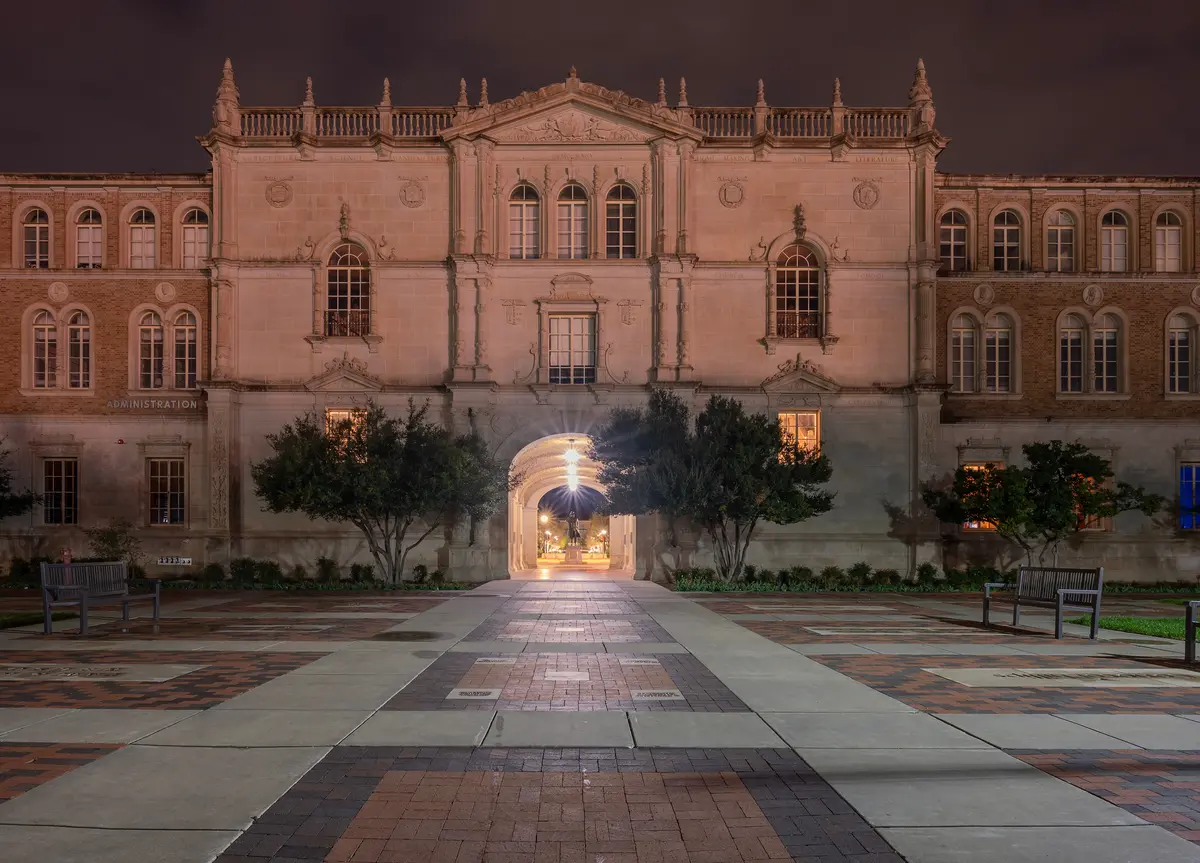
Flat, high, dry cotton and cattle country at the top of the state, anchored by two university cities. 3 cities including Lubbock, Amarillo, Plainview.
Explore all 3 Panhandle & South Plains cities →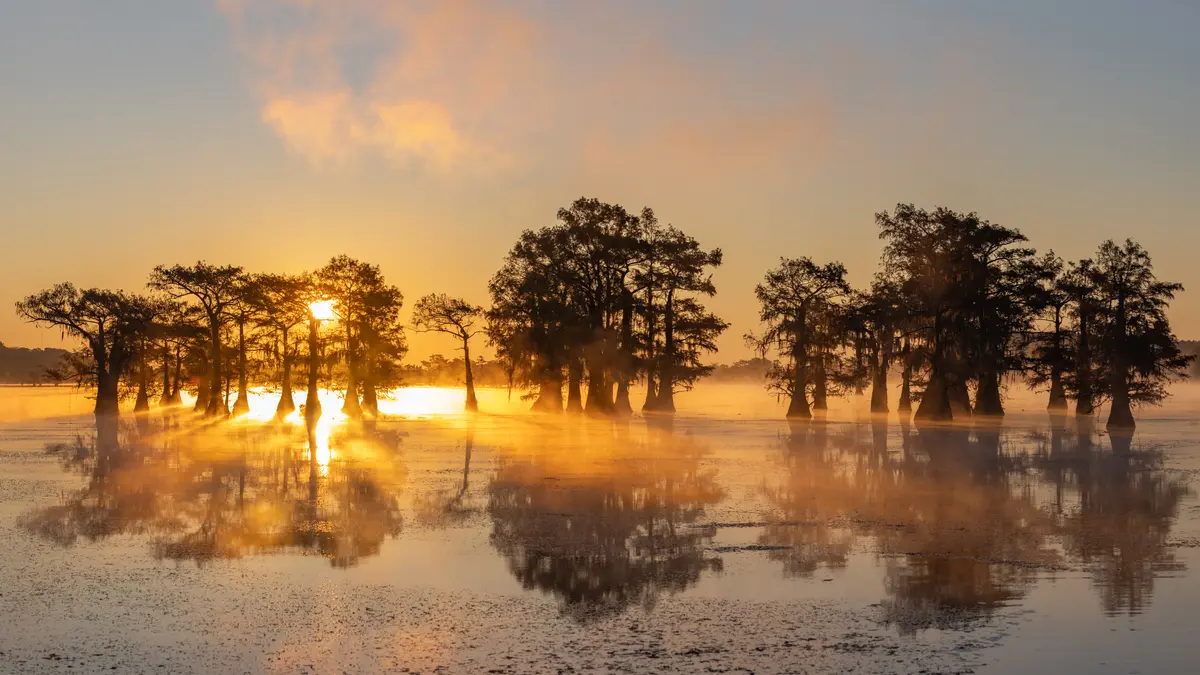
Refinery and shipping towns on the Louisiana line, where Texas starts to feel like the Deep South. 3 cities including Beaumont, Port Arthur, Port Neches.
Explore all 3 Golden Triangle cities →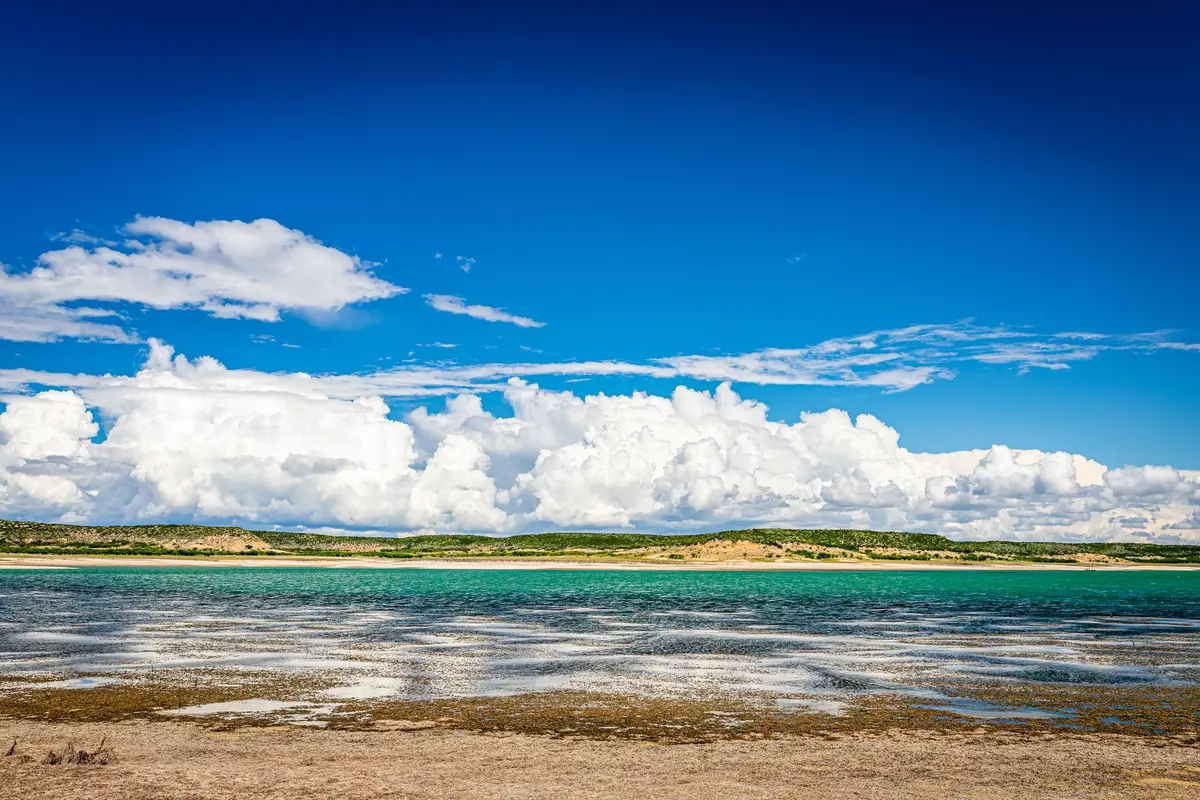
Inland port cities and desert river towns along the stretch of border between the Valley and the Big Bend. 3 cities including Laredo, Del Rio, Eagle Pass.
Explore all 3 Southwest Border Country cities →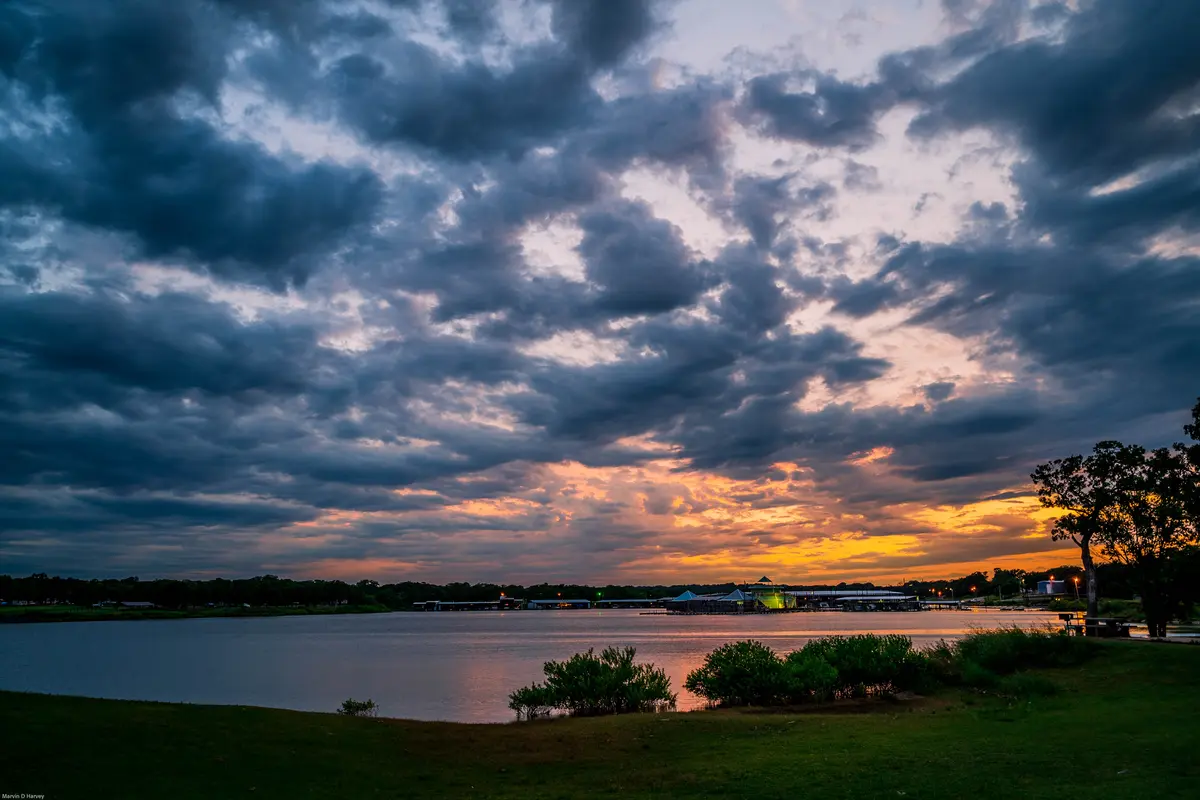
Independent small cities on the Red River plains, north and west of the Metroplex. 3 cities including Wichita Falls, Sherman, Denison.
Explore all 3 North Texas cities →Moving to Texas?
Tell us what you need help with and we'll connect you with local resources.
