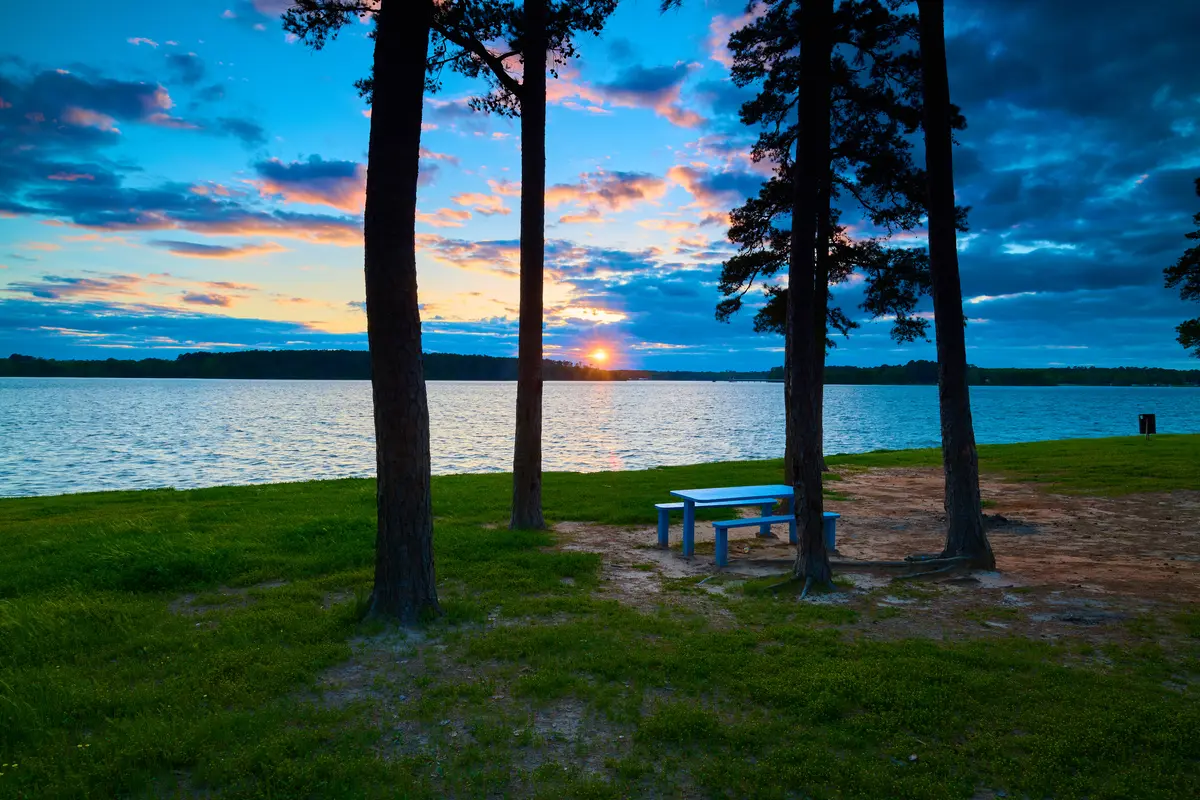
Is East Texas a Good Place to Live?
You've probably been priced out of the DFW suburbs, or you've done the math on Greater Houston and decided you'd rather own something than lease something. Someone mentioned East Texas. Maybe you drove through on I-20 heading to a family reunion and registered that the trees were tall, the houses were real, and the pace felt like it came from a different decade. That instinct is worth following — but East Texas is not one thing. It is a spread of genuinely distinct cities connected by pine forest, a shared sense of place, and a housing market that sits well below most of the state.
The backbone of daily life here is healthcare, manufacturing, education, and agriculture — not tech campuses or finance towers, but institutions with deep roots. UT Health East Texas and CHRISTUS Trinity Mother Frances anchor Tyler's economy the way Eastman Chemical anchors Longview's. Sam Houston State University defines Huntsville as firmly as the Texas Department of Criminal Justice does. Stephen F. Austin State University gives Nacogdoches its rhythm. These are college and hospital towns, company towns, county seats that take seriously the idea that a place should sustain the people who live in it. Families move here for the school districts, for the slower timeline, and for the chance to own a house with a yard without a mortgage that stretches the imagination.
On price, this region sits well toward the affordable end of Texas's regions — comfortably below the Austin Metro, Dallas-Fort Worth, Greater Houston, and the Hill Country. Within the region, Huntsville runs toward the pricier end, while Paris and Marshall offer some of the most within-reach prices you'll find in this part of the state. Tyler and Longview occupy the middle, where the widest range of housing stock sits. The trade-off is honest: you are trading proximity to a major metro's full amenity set for space, lower prices, and a community that is not being reshaped every eighteen months by new arrivals. Outdoor access — Huntsville State Park, Tyler State Park, the Piney Woods trail networks — is woven into daily life rather than a weekend destination you have to plan for.
Whether you're seriously considering a move or still in early research mode, the cities below break down what life in East Texas is actually like neighborhood by neighborhood — who each place suits, what the employers look like, where the friction shows up, and how the towns differ from each other in ways that matter to a buyer.

Explore All 13 Cities in East Texas
Click into any city for the complete guide — neighborhoods, home prices, cost of living, pros & cons, schools, top employers, and mortgage help.
Tyler
Tyler is the commercial and medical hub of East Texas, and it carries itself accordingly — the Tyler Municipal Rose Garden, the Azalea Historic District, and a dining and retail scene that draws the surrounding region in on weekends. UT Health East Texas and CHRISTUS Trinity Mother Frances together form the area's largest employment base, which means the city has a professional-class population that keeps neighborhoods like Hollytree and The Cascades well-maintained and competitive. Priced near the middle of the region, Tyler is the city most people in East Texas mean when they say they want options.
Full Tyler Guide →
Longview
Longview sits on I-20 with a job base that mixes heavy industry — Eastman Chemical's petrochemical operations, Trinity Industries' manufacturing — with the institutions you'd expect from a mid-size city. LeTourneau University gives the city a distinct engineering and aviation culture that shows up in the workforce and the community events calendar. Spring Hill and Pine Tree are the neighborhoods families tend to land in when school districts drive the decision; Downtown Longview has been quietly attracting investment, and the Longview Arboretum and Paul Boorman Trail give the city a greenway presence that surprises most newcomers.
Full Longview Guide →
Huntsville
Huntsville is unlike any other city in this region: Sam Houston State University and the Texas Department of Criminal Justice are both so large that together they functionally define the local economy, the housing market, and the social fabric. It sits toward the pricier end of East Texas, partly because of its position along I-45 and the resulting pressure from commuters within reach of the Houston metro. Elkins Lake and Texas Grand Ranch draw buyers who want established communities with amenities; Huntsville State Park, the Sam Houston Statue, and the Sam Houston Memorial Museum give the city a civic identity that is genuinely hard to find elsewhere in the Piney Woods.
Full Huntsville Guide →
Texarkana
Texarkana's core novelty — a city that straddles the Texas-Arkansas state line — is not just a trivia fact; it shapes everything from tax calculations to which set of services residents draw on. Red River Army Depot in Bowie County and Texas A&M University-Texarkana anchor stability on either side of the economy, while the Perot Theatre and Spring Lake Park give the city cultural and recreational infrastructure that a city this size doesn't always have. Priced near the middle of the region, it appeals to buyers who want an urban feel without metro-area price pressure and don't mind that a serious airport trip means planning ahead.
Full Texarkana Guide →
Lufkin
Lufkin is the heart of Angelina County and the natural service center for the national forests that surround it — the Texas Forestry Museum is not just a roadside attraction here, it reflects a genuine identity. Georgia-Pacific's manufacturing presence and Brookshire Brothers' regional operations give the city a more diversified job base than its size might suggest. Crown Colony is the neighborhood most buyers ask about first; the Ellen Trout Zoo and the Museum of East Texas give families reasons to stay local on a weekend rather than driving toward Tyler or Longview.
Full Lufkin Guide →
Nacogdoches
Nacogdoches makes a credible claim to being the oldest European-settled town in Texas, and that history is physical — the Old Stone Fort Museum, Millard's Crossing Historic Village, and the Washington Square Historic District are not just landmarks, they're the bones of the city's layout. Stephen F. Austin State University drives the population, the rental market, and a civic calendar that punches above the city's weight. Priced near the middle of the region, Nacogdoches suits buyers who want a genuine college-town atmosphere and the LaNana Creek Trail within walking distance, and who are comfortable with the trade-off that major retail and medical specialization mean a drive.
Full Nacogdoches Guide →
Paris
Paris, Texas — complete with a sixty-five-foot Eiffel Tower wearing a red cowboy hat — leans into its own mythology just enough to be charming rather than exhausting. Campbell Soup and Kimberly-Clark together give the city a manufacturing employment base that is unusually stable for a city of its size, and Paris Regional Health anchors the healthcare side. Priced toward the more affordable end of the region, Paris is the city that makes the most financial sense for a first-time buyer who wants a real downtown, genuine history, and space — and doesn't need to be within an easy drive of a major airport.
Full Paris Guide →
Marshall
Marshall is a small city with an outsized cultural footprint: the Michelson Museum of Art, Wiley College — whose debate team history became a film — and the Harrison County Courthouse make this feel like a place that has always taken its own significance seriously. East Texas Baptist University gives Marshall a residential university presence that moderates the rental market and keeps the city from skewing purely toward retirees and long-term homeowners. Priced toward the more affordable end of the region, Marshall sits on I-20 within reach of Longview, which is what most buyers need to know about its practical geography.
Full Marshall Guide →
Palestine
Palestine sits at the intersection of several major state routes and serves as Anderson County's seat in a way that keeps its downtown genuinely active rather than merely historic. The Texas State Railroad — a heritage steam railroad connecting Palestine to Rusk — is the kind of landmark that actually draws visitors rather than just being listed on a sign. Davey Dogwood Park makes spring in Palestine a specific experience that locals plan around. Wayne-Sanderson Farms and the Walmart Distribution Center provide the blue-collar employment backbone, while Palestine Independent School District is the city's largest institutional employer.
Full Palestine Guide →
Sulphur Springs
Sulphur Springs is a small city that has successfully built a commercial identity around dairy — the Southwest Dairy Museum is not incidental, Saputo Dairy Foods' regional operations are a real economic anchor here. Its position on I-30 between Dallas and Texarkana means a meaningful share of residents commute west rather than working locally, which keeps housing demand steadier than the city's size alone would suggest. The Hopkins County Courthouse square and Coleman Lake Park anchor the two poles of daily life — civic center and outdoor access — and the Downtown Square draws the kind of independent retail that smaller cities often lose.
Full Sulphur Springs Guide →- Is Sulphur Springs Safe? A Data-Backed Look
- Cost of Living in Sulphur Springs
- Best Neighborhoods in Sulphur Springs
- Schools in Sulphur Springs: A Family Guide
- Parks & Recreation in Sulphur Springs
- Retiring in Sulphur Springs
- First-Time Homebuyer's Guide to Sulphur Springs
- Moving to Sulphur Springs from California
Mount Pleasant
Mount Pleasant is a small manufacturing city that takes its industrial identity seriously: Priefert Manufacturing and Big Tex Trailers are not background employers, they are the reason the city has a stable working population. Its position on I-30 gives it the same commuter-corridor advantage as Sulphur Springs, and the historic Titus County Courthouse anchors a downtown that has held its form better than many comparably-sized East Texas cities. CHRISTUS Health's presence means healthcare access without a long drive, which matters more than most buyers realize until they need it.
Full Mount Pleasant Guide →- Is Mount Pleasant Safe? A Data-Backed Look
- Cost of Living in Mount Pleasant
- Best Neighborhoods in Mount Pleasant
- Schools in Mount Pleasant: A Family Guide
- Parks & Recreation in Mount Pleasant
- Retiring in Mount Pleasant
- First-Time Homebuyer's Guide to Mount Pleasant
- Moving to Mount Pleasant from California
Kilgore
Kilgore is where East Texas oil history is most viscerally present — the World's Richest Acre Park and the East Texas Oil Museum tell the story of the boom that once made this small patch of Gregg County the most productive oil field on earth. Kilgore College and the Texas Shakespeare Festival give the city a cultural dimension that surprises buyers who write it off as purely industrial, while Communications & Power Industries and Skeeter Products anchor a manufacturing base that has evolved well past the oil era. Priced near the middle of the region, Kilgore suits buyers who want Longview's job market within reach and don't need to be in the larger city itself.
Full Kilgore Guide →
Henderson
Henderson is Rusk County's seat and a small city that functions primarily as a county-services hub — the Rusk County Courthouse, the Depot Museum, and the Henderson Commercial Historic District give it the bones of a real downtown without the commercial density that Tyler or Longview offer. UT Health Henderson keeps healthcare access local, and the East Texas Multi-Use Facility provides a significant government employment anchor. Priced near the middle of the region, Henderson suits buyers looking for a quieter small-city life within reach of both Longview and the broader East Texas job market, with US-259 as the main artery connecting both directions.
Full Henderson Guide →Compare Every City in East Texas
Full ranked breakdowns across every city in the region — scored and compared side by side.
Local Expert Takeaway: East Texas rewards the buyer who is willing to trade metro-area convenience for genuine space, lower prices, and a community where the local hospital, university, or manufacturer has been the anchor for generations — but the cities here are different enough from each other that picking the right one matters more than picking the region.
Frequently Asked Questions
How does East Texas compare in cost to the rest of Texas?
Which East Texas city fits families with school-age children?
Do you need to commute out of East Texas for work, or is there a real local job market?
What's the honest trade-off of living in East Texas?
Which East Texas city is best for someone who wants a small-town feel without giving up too much?
Helpful Texas Resources
Explore Other Texas Regions
East Texas is one of 17 distinct regions that make up Texas. Each has its own climate, character, and housing market — explore them all.
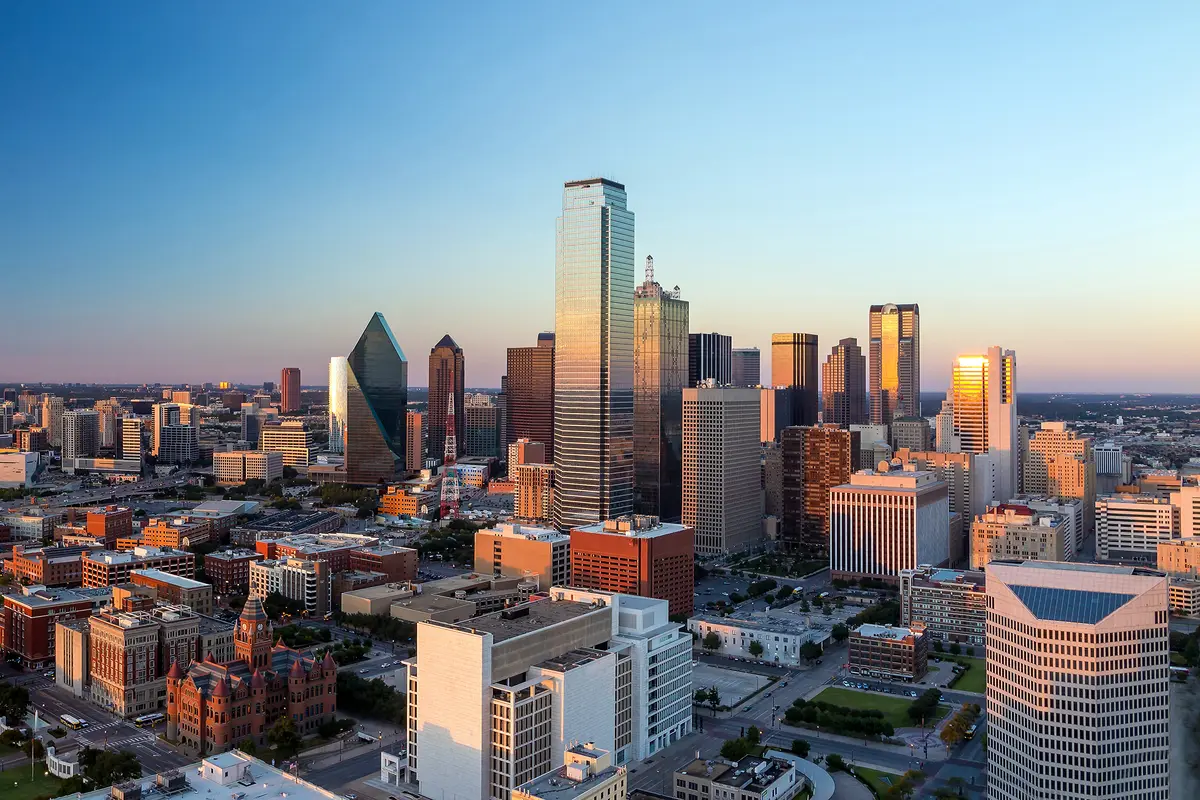
Two downtowns and the whole sweep of suburbs between and around them, from the Collin County job corridor to the ranch country west of Fort Worth. 71 cities including Dallas, Fort Worth, Arlington.
Explore all 71 Dallas-Fort Worth cities →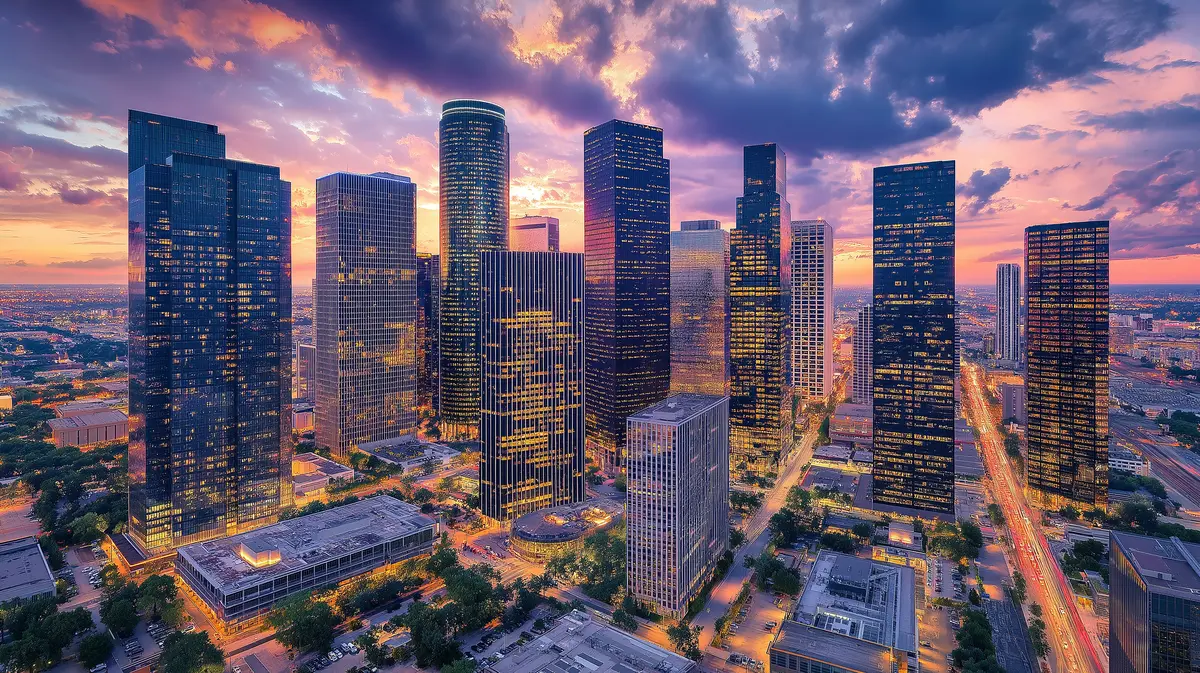
The energy capital and the ring of master-planned communities, bayou suburbs and bay towns that grew up around it. 45 cities including Houston, Cypress, Klein.
Explore all 45 Greater Houston cities →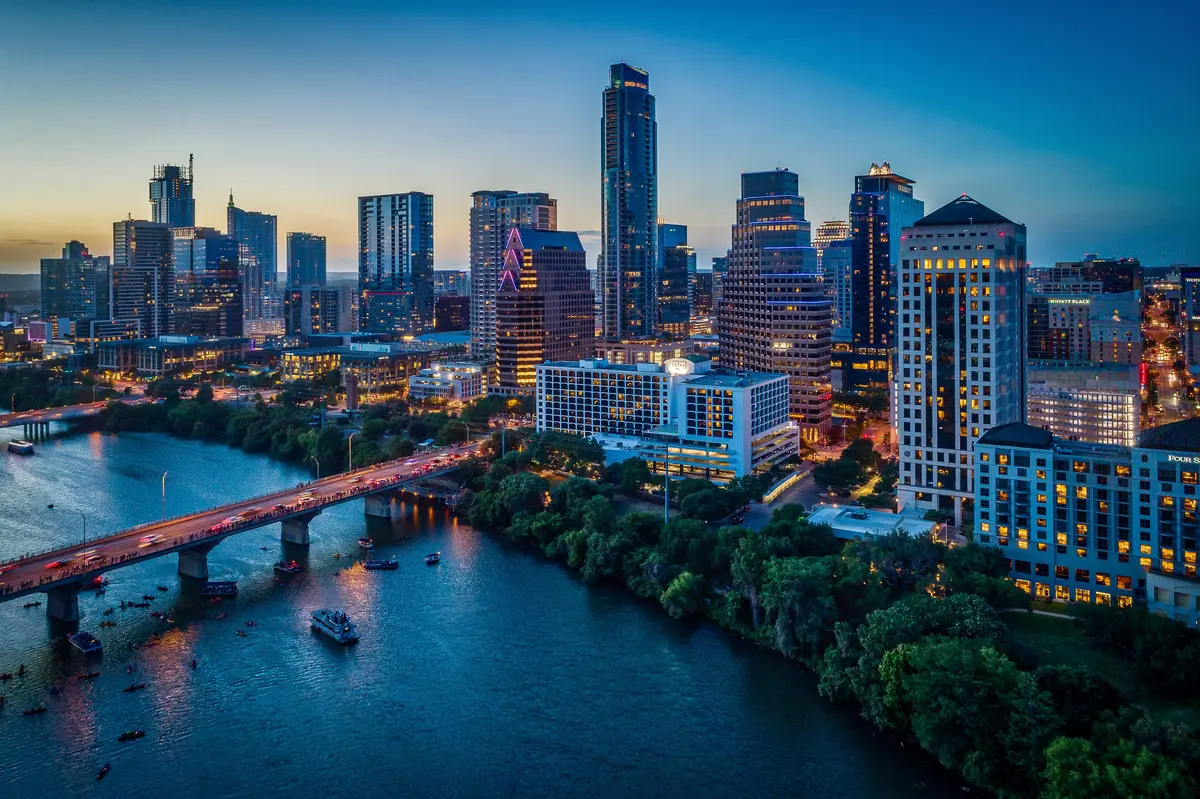
The state capital and the fast-growing corridor of suburbs running north and south of it along the interstate, out into the Colorado River hills. 21 cities including Austin, Round Rock, Georgetown.
Explore all 21 Austin Metro cities →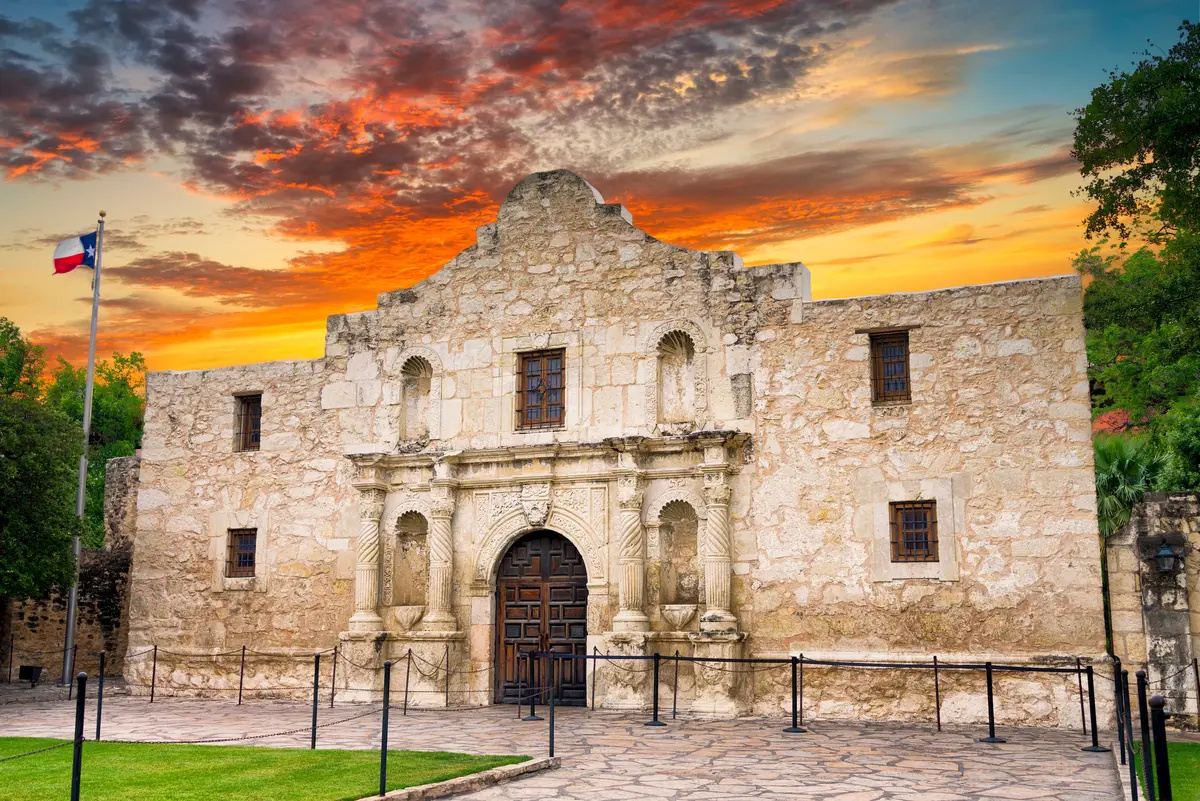
A deep-rooted Spanish colonial city ringed by military bases and the suburbs climbing north toward the Balcones Escarpment. 15 cities including San Antonio, New Braunfels, Schertz.
Explore all 15 San Antonio Metro cities →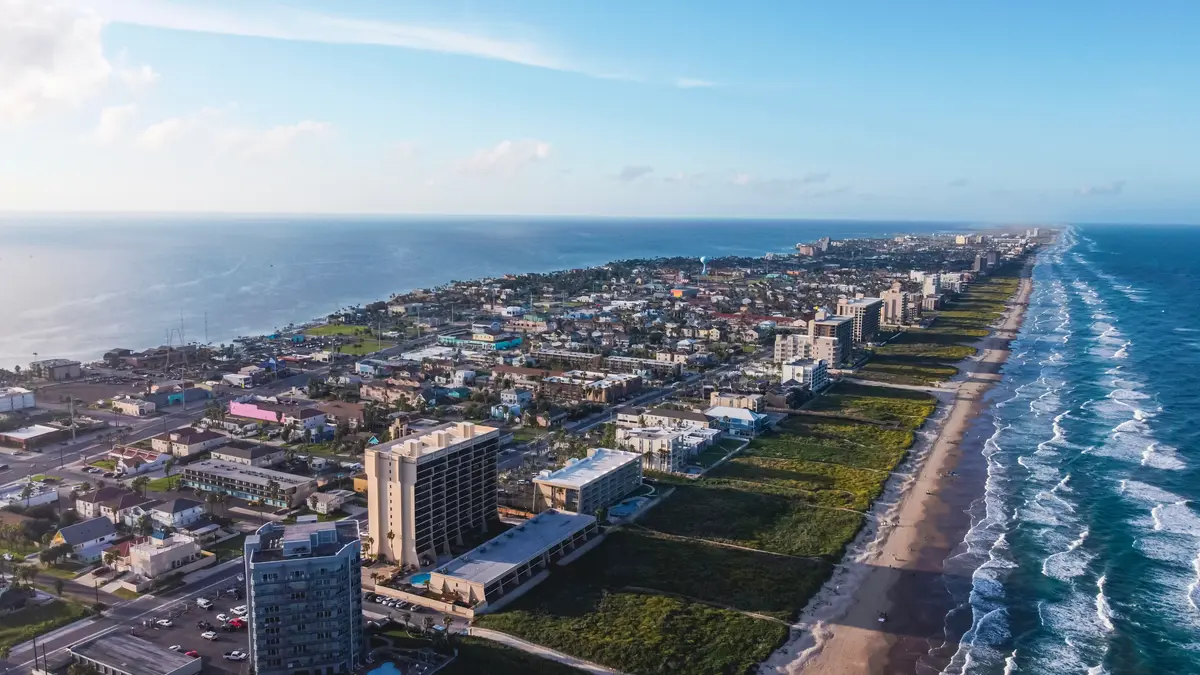
A bilingual, subtropical stretch of border cities and citrus country running from the river out to the Gulf beaches. 11 cities including Brownsville, McAllen, Edinburg.
Explore all 11 Rio Grande Valley cities →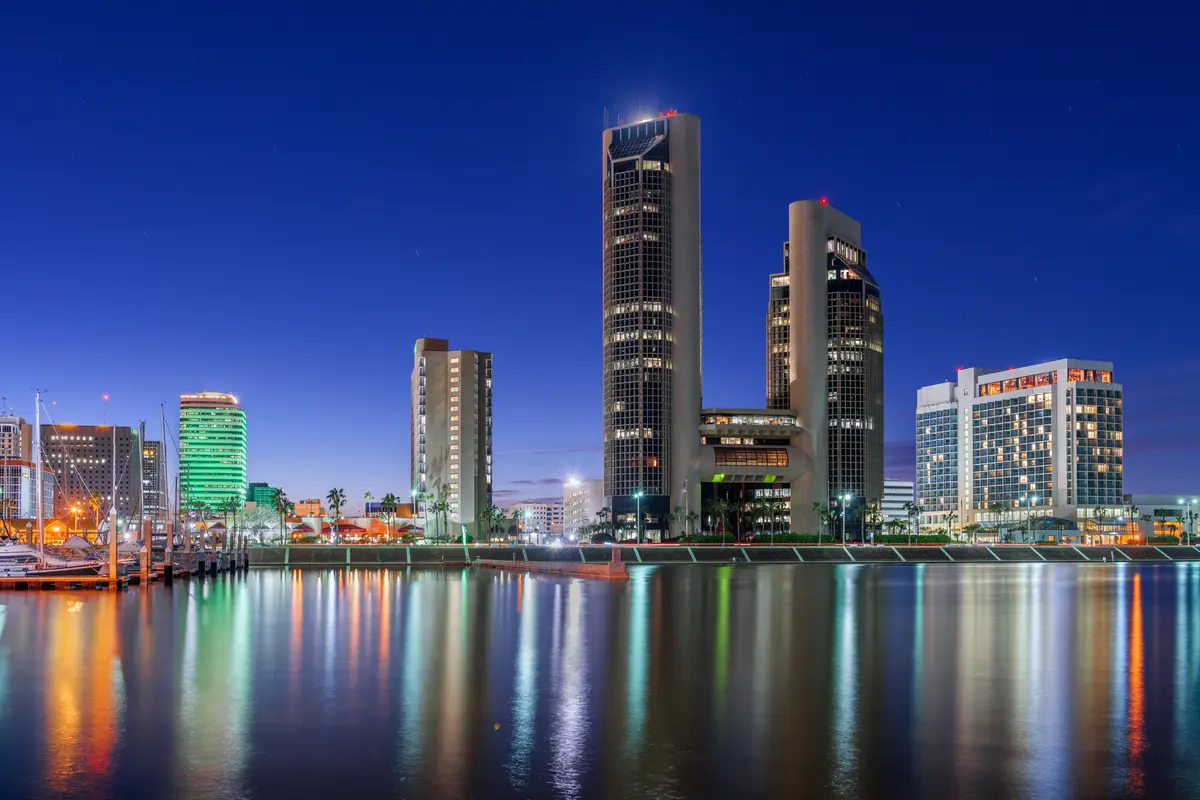
Bay-front cities, refinery towns and barrier-island beaches where the Gulf coast turns south. 7 cities including Corpus Christi, Victoria, Kingsville.
Explore all 7 Coastal Bend cities →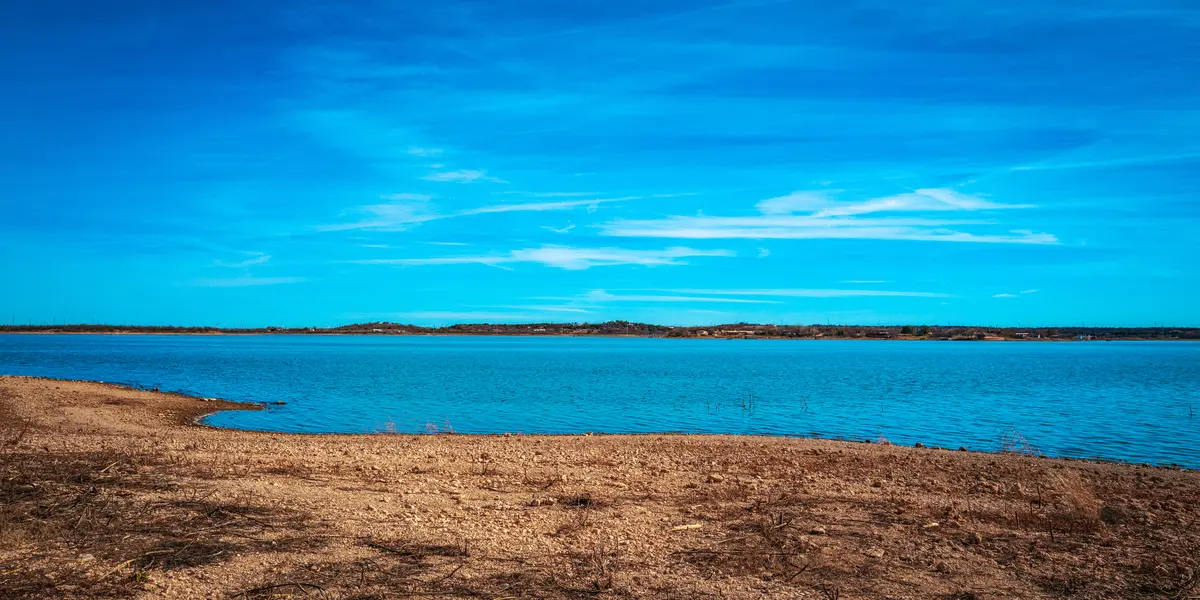
Ranching and university towns spread across the rolling plains of west central Texas. 6 cities including Abilene, San Angelo, Stephenville.
Explore all 6 Big Country cities →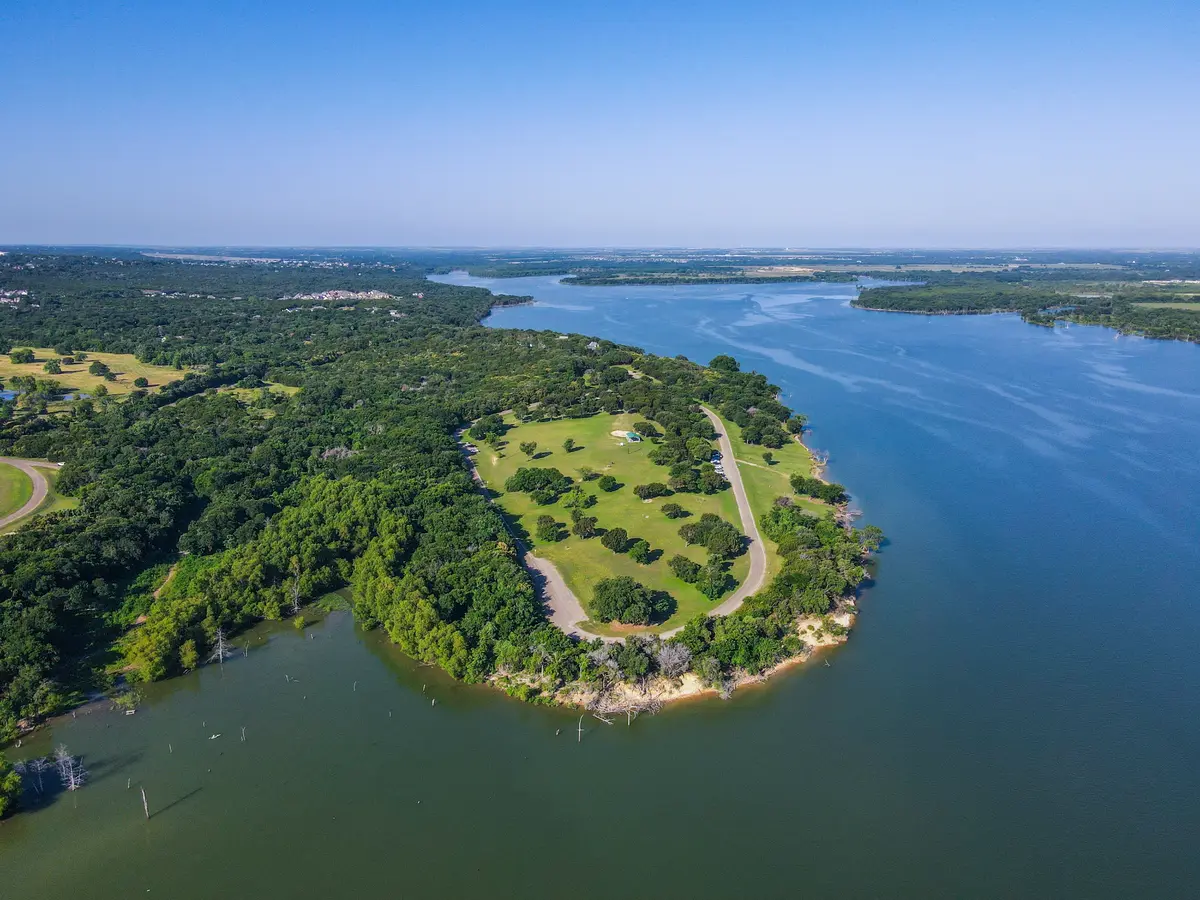
University, hospital and Army-post towns strung along the interstate between the two biggest metros. 6 cities including Killeen, Waco, Temple.
Explore all 6 Waco-Killeen-Temple cities →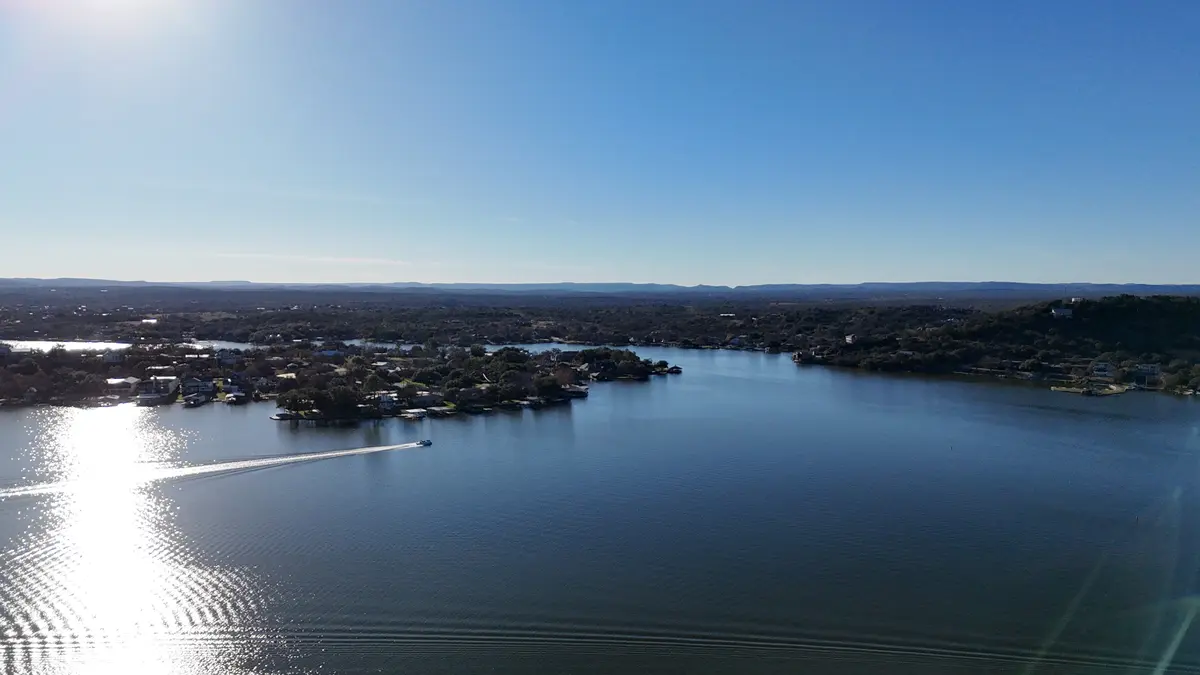
Limestone hills, spring-fed rivers, German heritage towns and the wineries that followed them. 5 cities including Kerrville, Uvalde, Fredericksburg.
Explore all 5 Hill Country cities →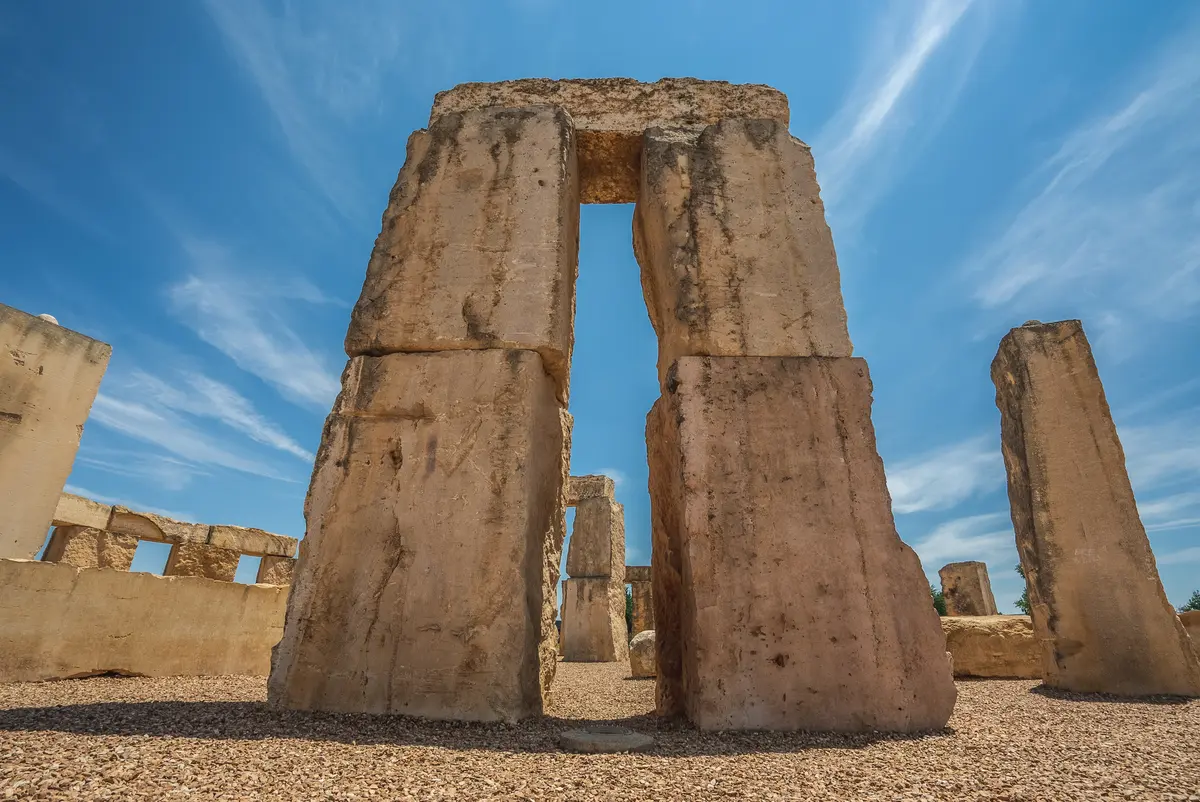
The oilfield cities of far West Texas, where the pay is high and the horizon is wide open. 4 cities including Midland, Odessa, Big Spring.
Explore all 4 Permian Basin cities →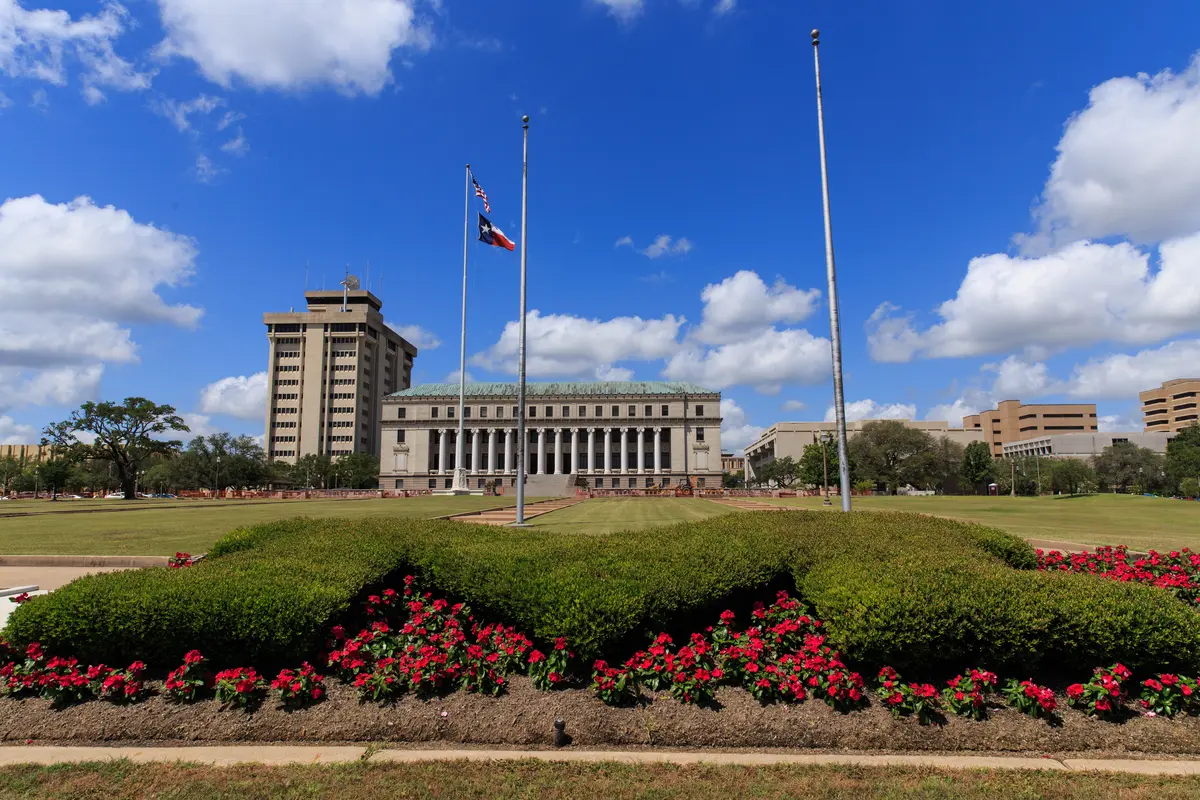
A university-driven pocket of Central Texas surrounded by river-bottom farmland and historic German and Czech settlements. 4 cities including College Station, Bryan, Brenham.
Explore all 4 Brazos Valley cities →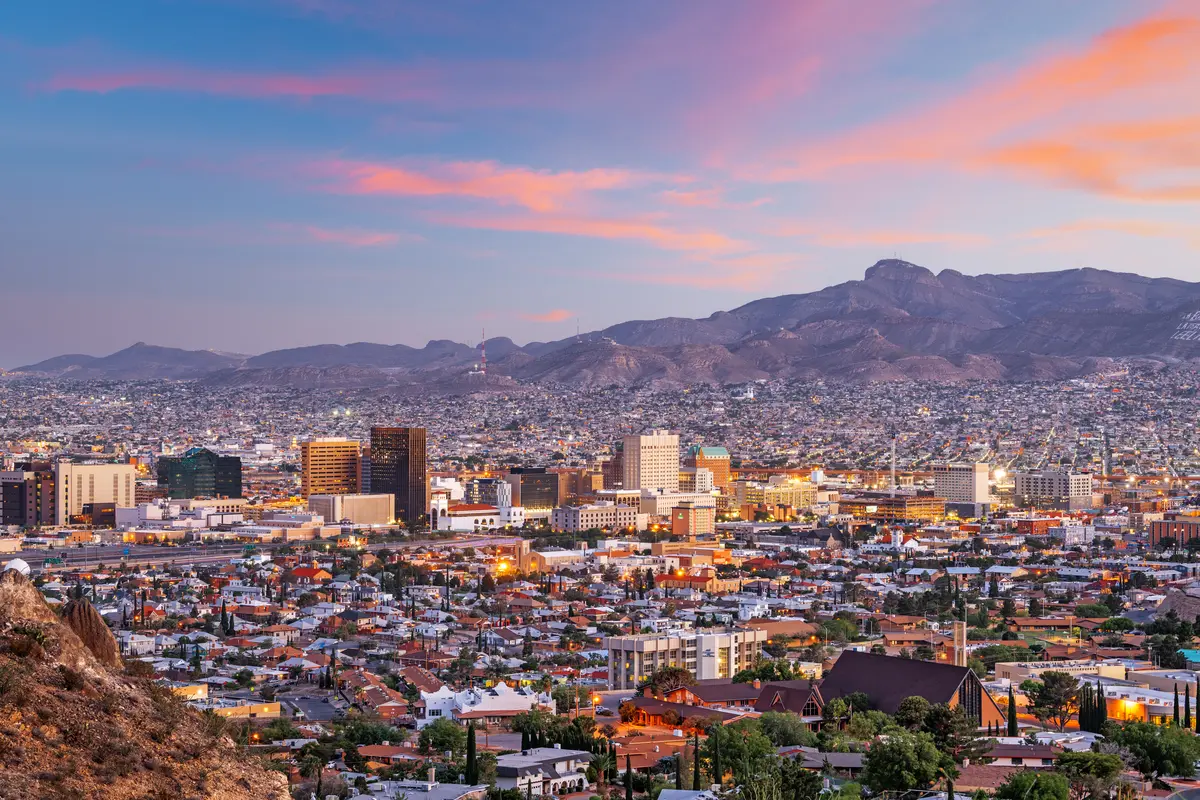
A high-desert border city in the far western corner of the state, closer to three other capitals than to its own. 4 cities including El Paso, Socorro, Horizon City.
Explore all 4 El Paso Borderplex cities →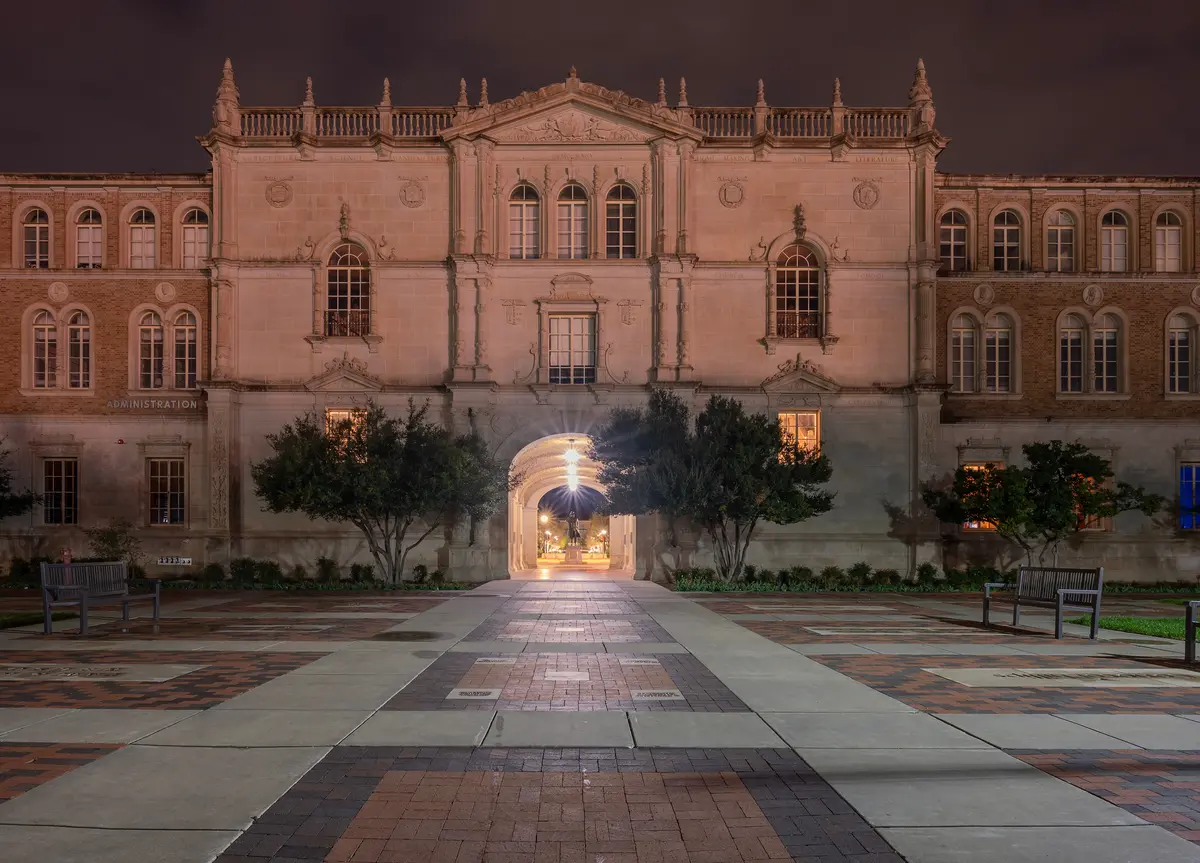
Flat, high, dry cotton and cattle country at the top of the state, anchored by two university cities. 3 cities including Lubbock, Amarillo, Plainview.
Explore all 3 Panhandle & South Plains cities →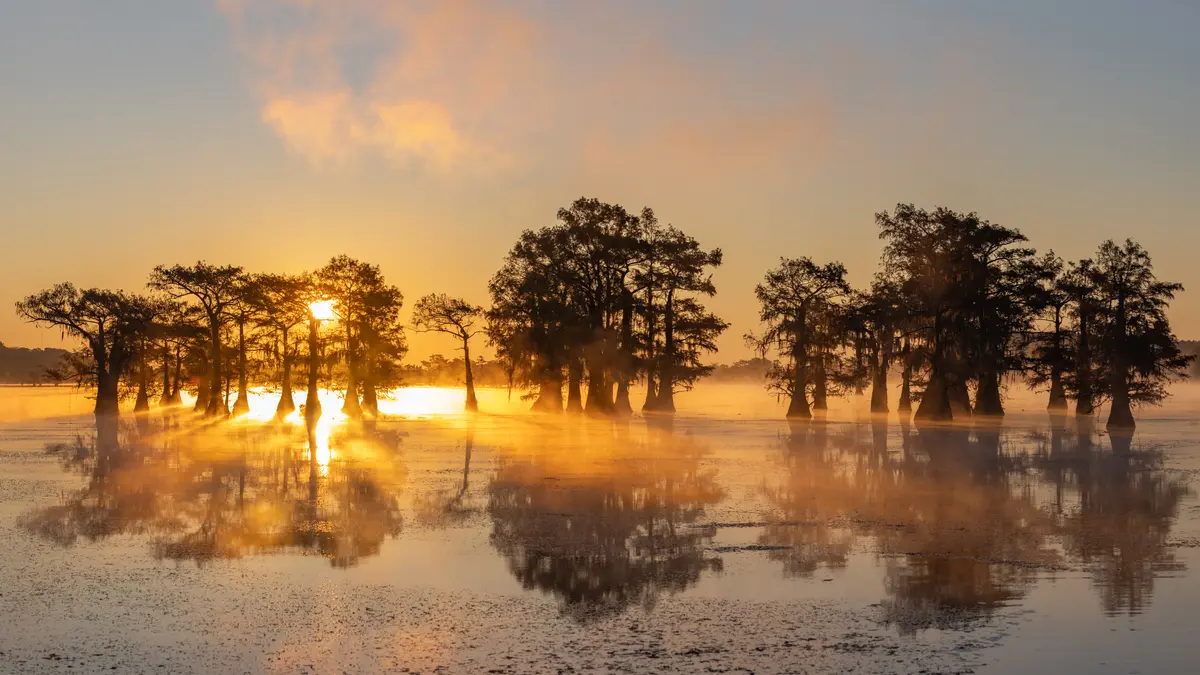
Refinery and shipping towns on the Louisiana line, where Texas starts to feel like the Deep South. 3 cities including Beaumont, Port Arthur, Port Neches.
Explore all 3 Golden Triangle cities →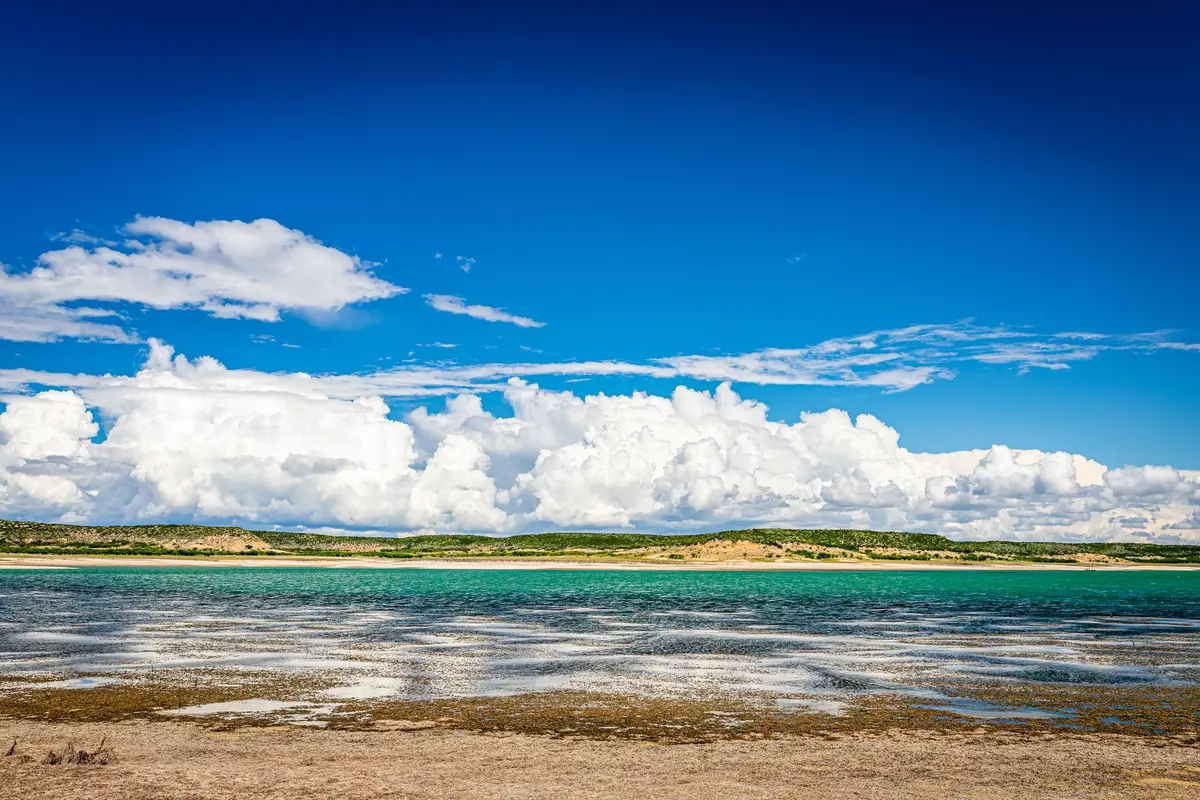
Inland port cities and desert river towns along the stretch of border between the Valley and the Big Bend. 3 cities including Laredo, Del Rio, Eagle Pass.
Explore all 3 Southwest Border Country cities →
Independent small cities on the Red River plains, north and west of the Metroplex. 3 cities including Wichita Falls, Sherman, Denison.
Explore all 3 North Texas cities →Moving to Texas?
Tell us what you need help with and we'll connect you with local resources.
