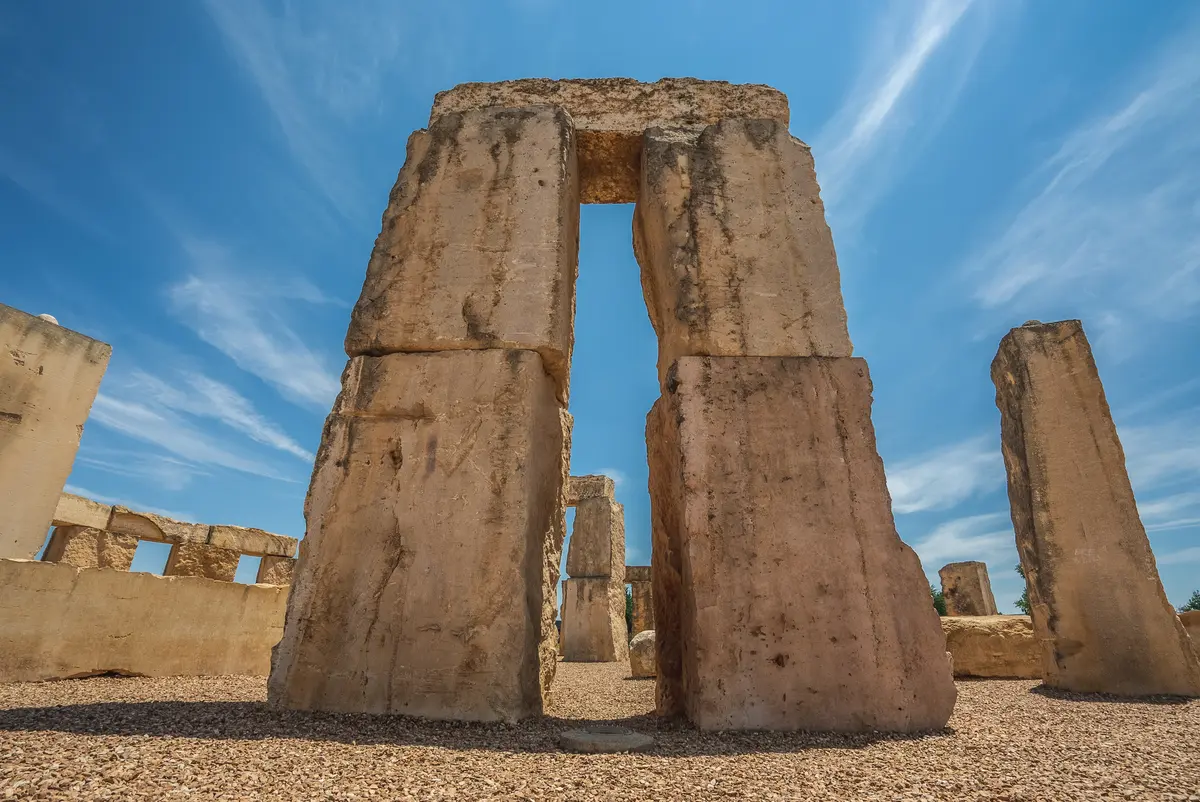
Is the Permian Basin a Good Place to Live?
You've probably heard that the Permian Basin runs on oil. What surprises people who actually move here is how much everything else runs on oil too — the school budgets, the restaurant scene, the pace of new construction, the mood of a Monday morning. When prices are up, the region hums. When they're down, you feel it at the grocery store. That boom-and-bust rhythm is the central fact of life here, and understanding it before you sign a lease or make an offer is the most useful thing this guide can do for you.
The Permian Basin sits deep in West Texas, strung along I-20 between the Texas Hill Country to the east and the El Paso Borderplex to the west. Midland and Odessa anchor the region — paired cities that look similar on a map but feel different on the ground. Big Spring sits roughly an hour east along the interstate, smaller and quieter. Pecos lies to the southwest, closer to the Davis Mountains and the Rio Grande, with its own distinct character. What ties them together is the same basin geology, the same brutal summer heat, and the same sense that you are a long way from anywhere else.
Within the Permian Basin, home prices span a real range. Midland runs toward the pricier end, driven by executive and professional demand from the energy sector. Odessa sits near the middle — more affordable than its neighbor, which draws working families and oilfield service workers who want proximity to the action without the Midland price tag. Big Spring and Pecos sit toward the more affordable end of the region, attracting buyers who want space, low cost of entry, and a slower pace. Compared to the rest of Texas, the Permian Basin lands well below Austin Metro, the Hill Country, and Dallas-Fort Worth on price — a real advantage for buyers priced out of those markets.
Whether you're being relocated by an energy company, chasing affordability after years in a higher-cost Texas city, or just doing the math on what West Texas actually offers, the cities below break down each place on its own terms — neighborhoods, major employers, landmarks, and what daily life honestly looks like from one end of the basin to the other.
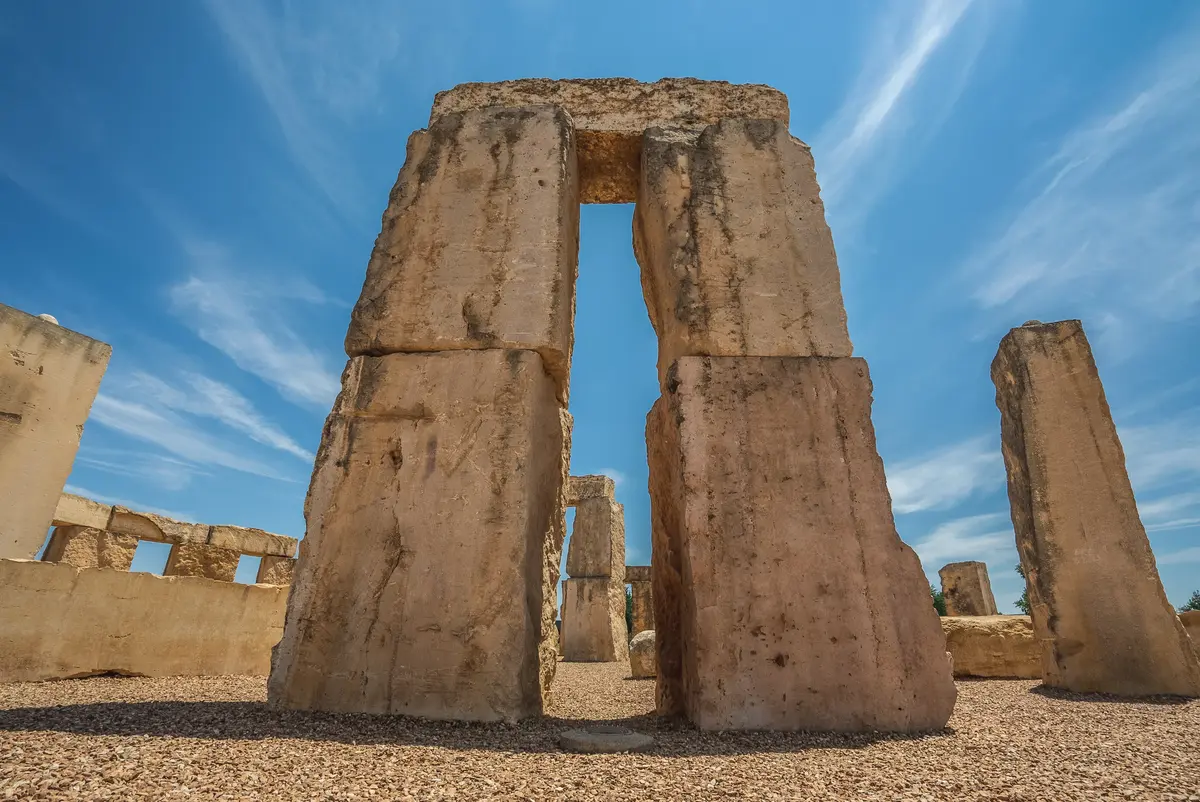
Explore All 4 Cities in the Permian Basin
Click into any city for the complete guide — neighborhoods, home prices, cost of living, pros & cons, schools, top employers, and mortgage help.
Midland
Midland is the white-collar side of the Permian Basin — home to the corporate offices of Diamondback Energy, ConocoPhillips, and Occidental Petroleum, and the city where energy executives, engineers, and managers tend to plant roots. Neighborhoods like Green Tree Country Club and Grassland Estates carry the highest price points in the region, while newer developments in Trinity and Legends Park draw families with school-age children to the Midland ISD system. If you want the region's deepest job market and its broadest cultural amenities — the Wagner Noël Performing Arts Center, the Petroleum Museum, the Sibley Nature Center — Midland is where you'll find them, at a price to match.
Full Midland Guide →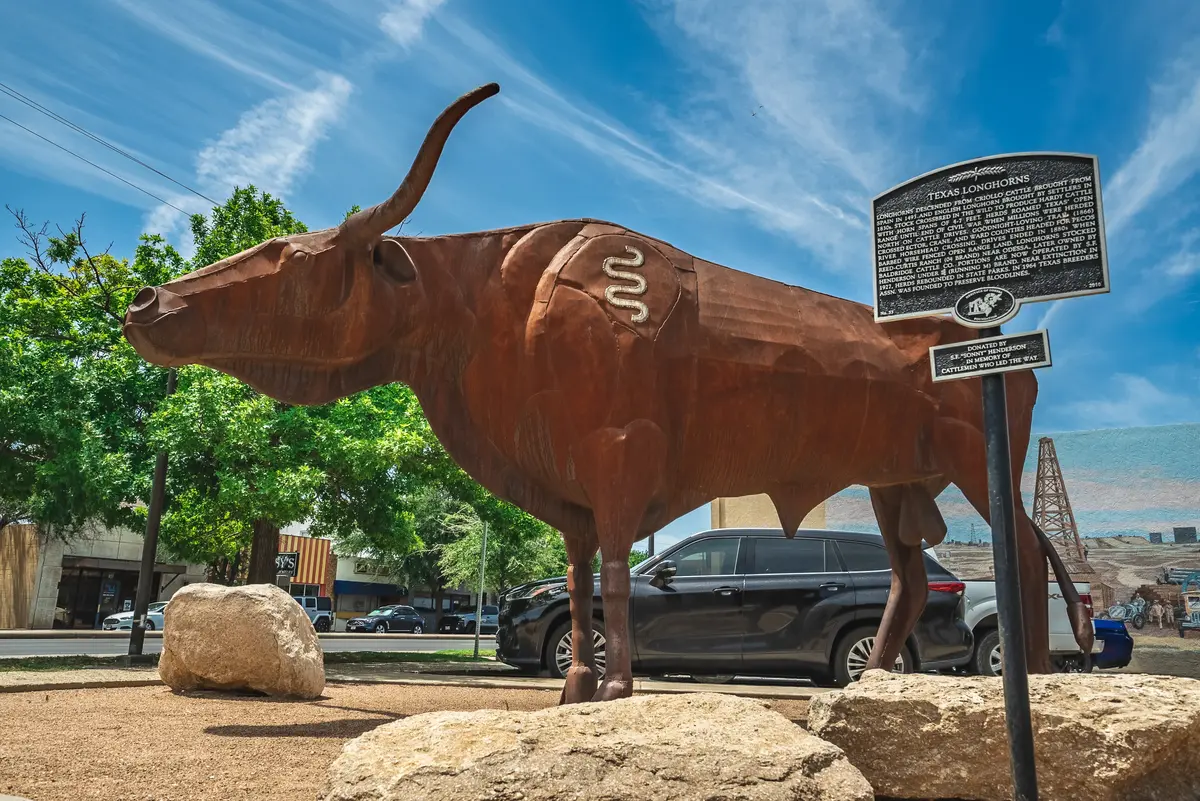
Odessa
Odessa sits just west of Midland along I-20, and while the two cities share a highway and an airport, they serve different sides of the Permian Basin economy. Halliburton and the oilfield services industry anchor Odessa's employment base, alongside the University of Texas Permian Basin, which gives the city a student and faculty population that Midland doesn't have. Neighborhoods like North Park, Windsor Heights, and Country Club Estates offer established housing at prices that run below Midland's, making Odessa the practical choice for buyers who need proximity to both cities without committing to the pricier market. The Globe Theatre of the Great Southwest and the Odessa Meteor Crater are genuinely distinctive draws that most outsiders don't expect.
Full Odessa Guide →
Big Spring
Big Spring is a small city with its own identity, shaped as much by federal and state institutions as by oilfield employment — a federal veterans medical center, a state behavioral health facility, and Howard College are among its largest employers, giving the city an institutional stability that pure energy towns lack. The Hotel Settles restoration brought a touch of the unexpected to downtown, and Big Spring State Park and Comanche Trail Park give the city outdoor anchors that Midland and Odessa can't match in the same way. Prices here sit toward the more affordable end of the region, and the pace of life is noticeably slower — which is exactly what draws some buyers here and exactly what drives others back toward the larger cities.
Full Big Spring Guide →
Pecos
Pecos is the furthest outpost in this region — a small city in Reeves County that sits closer to the Davis Mountains than to Midland, and functions more as a working West Texas town than as an energy boomtown. The employment base is anchored by the school district, a regional healthcare system, and county government, with oilfield work providing supplemental income for much of the workforce. The West of the Pecos Museum and the Historic Texas and Pacific Depot tell the city's story honestly, and the Reeves County Rodeo Arena remains a genuine civic gathering point. Home prices sit toward the more affordable end of the region, and for buyers who genuinely want remote-feeling West Texas life — along I-20 and US-285 but far from any metro — Pecos is the clearest answer in this group.
Full Pecos Guide →Compare Every City in Permian Basin
Full ranked breakdowns across every city in the region — scored and compared side by side.
Local Expert Takeaway: The Permian Basin rewards buyers who understand its economy honestly — pick your city based on where you work and what you can spend, not on which name sounds more familiar.
Frequently Asked Questions
Which city in the Permian Basin is best for families with school-age children?
Is the Permian Basin boom-and-bust cycle really as disruptive as people say?
How different are Midland and Odessa really — is it worth comparing them?
What do people most underestimate about daily life in the Permian Basin?
Is the Permian Basin a good place to retire?
Helpful Texas Resources
Explore Other Texas Regions
the Permian Basin is one of 17 distinct regions that make up Texas. Each has its own climate, character, and housing market — explore them all.
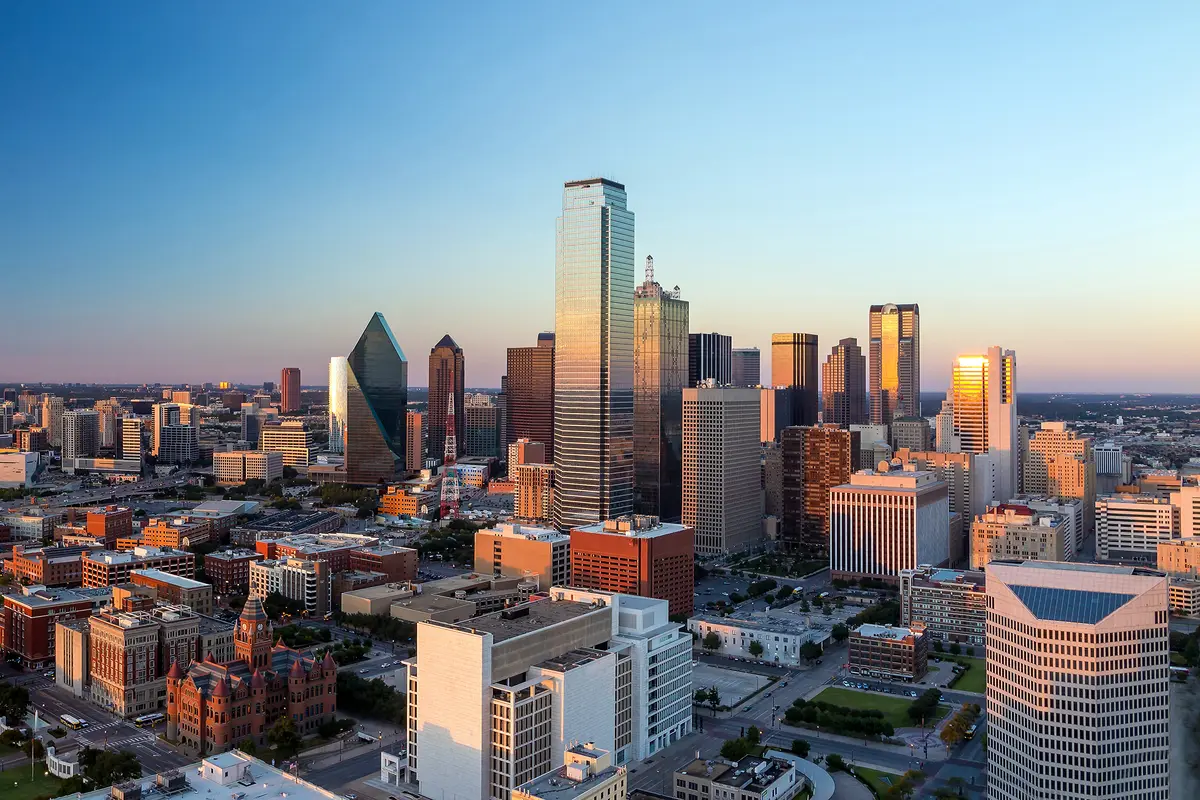
Two downtowns and the whole sweep of suburbs between and around them, from the Collin County job corridor to the ranch country west of Fort Worth. 71 cities including Dallas, Fort Worth, Arlington.
Explore all 71 Dallas-Fort Worth cities →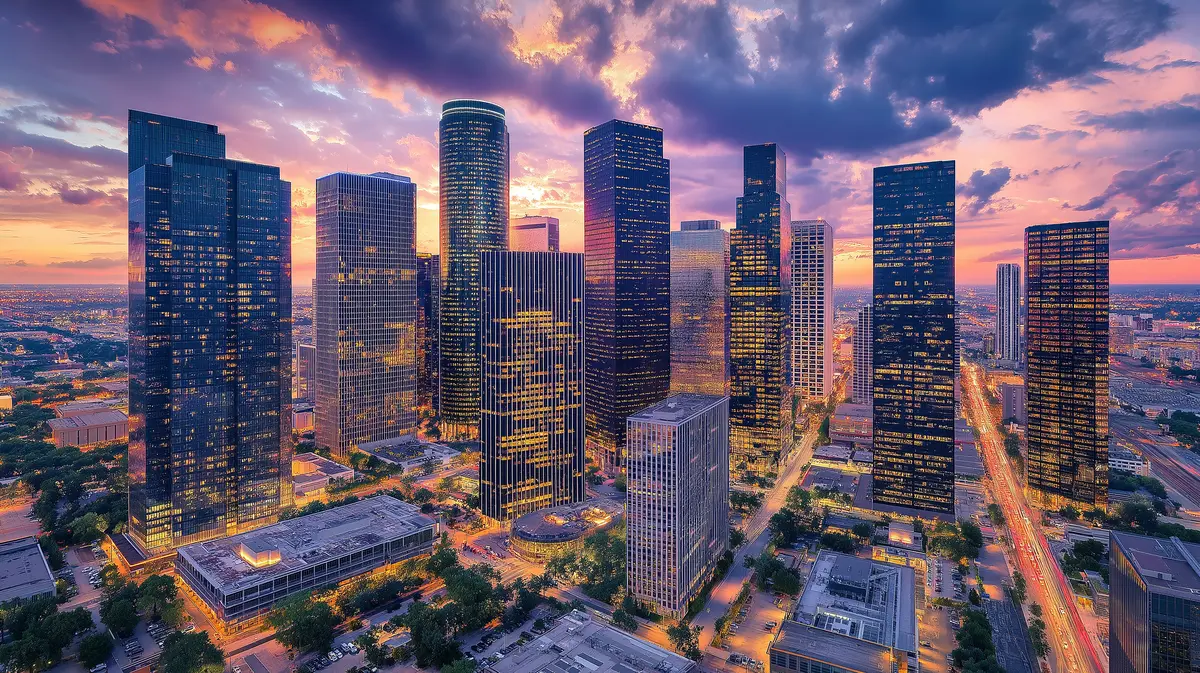
The energy capital and the ring of master-planned communities, bayou suburbs and bay towns that grew up around it. 45 cities including Houston, Cypress, Klein.
Explore all 45 Greater Houston cities →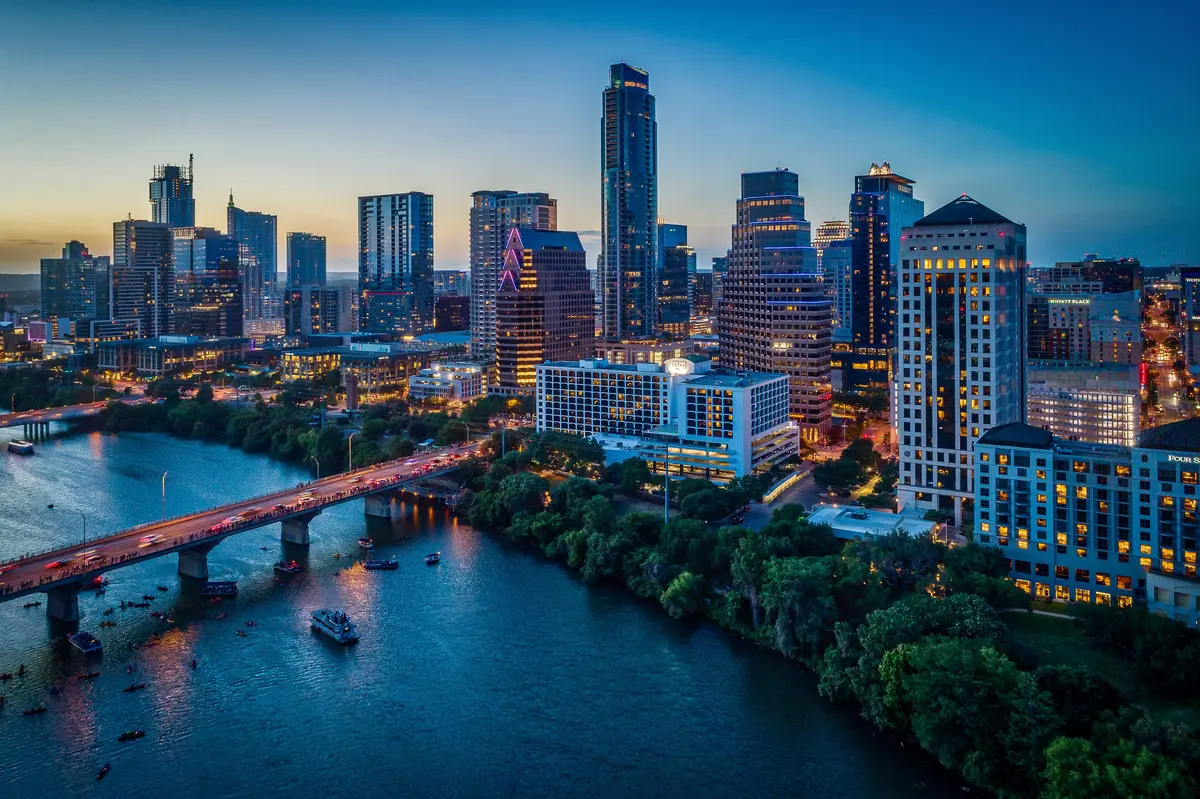
The state capital and the fast-growing corridor of suburbs running north and south of it along the interstate, out into the Colorado River hills. 21 cities including Austin, Round Rock, Georgetown.
Explore all 21 Austin Metro cities →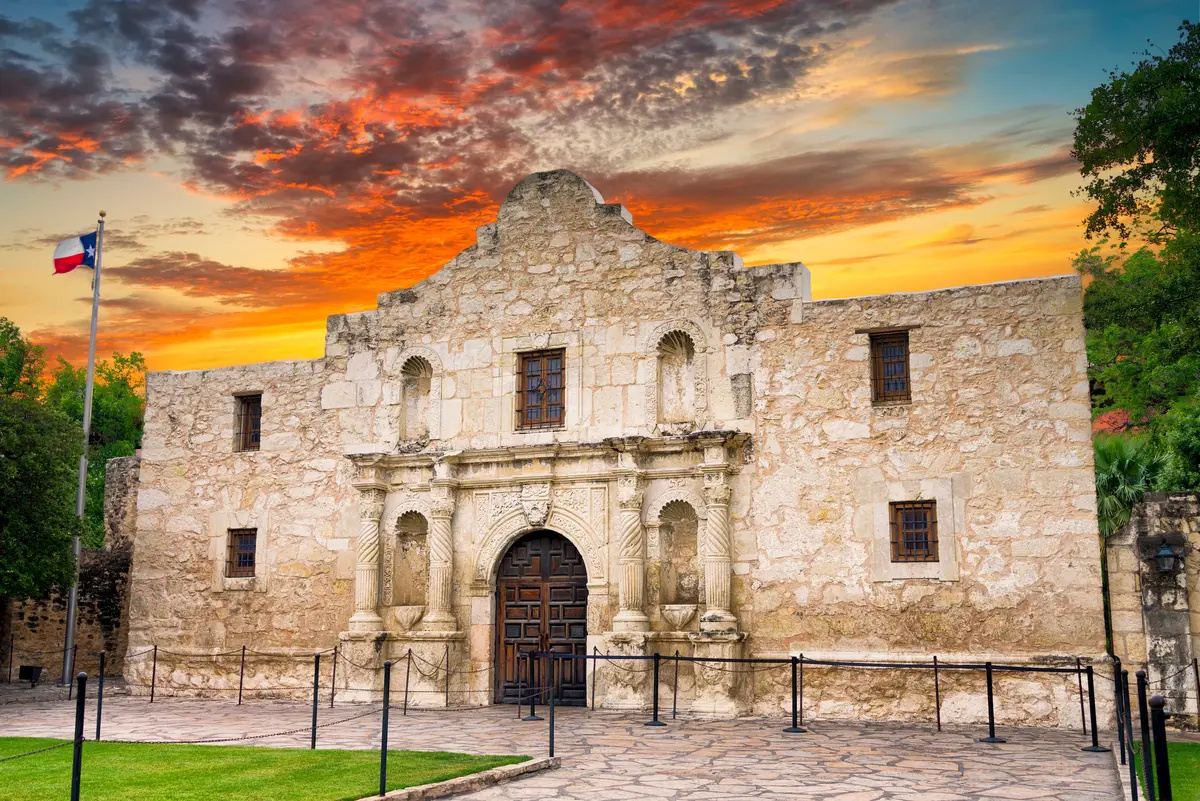
A deep-rooted Spanish colonial city ringed by military bases and the suburbs climbing north toward the Balcones Escarpment. 15 cities including San Antonio, New Braunfels, Schertz.
Explore all 15 San Antonio Metro cities →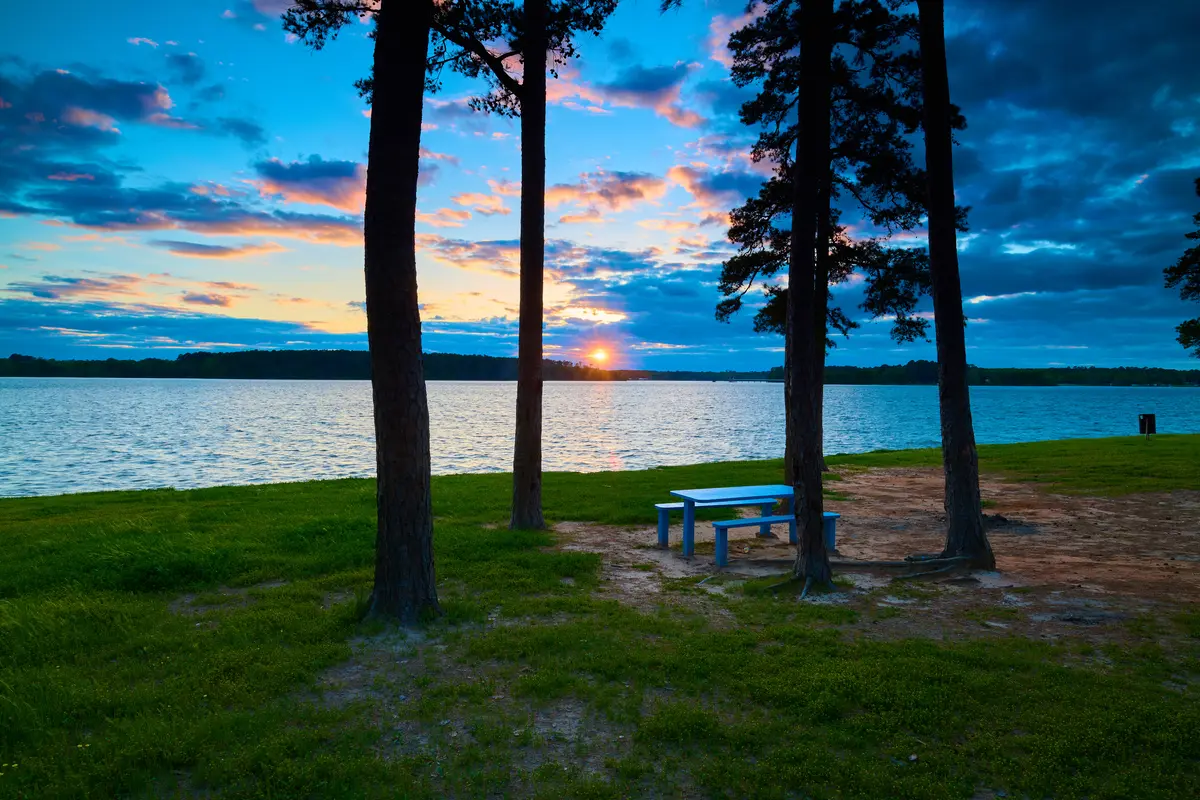
Pine forest, lakes and old county-seat towns across the wettest, greenest corner of the state. 13 cities including Tyler, Longview, Huntsville.
Explore all 13 East Texas cities →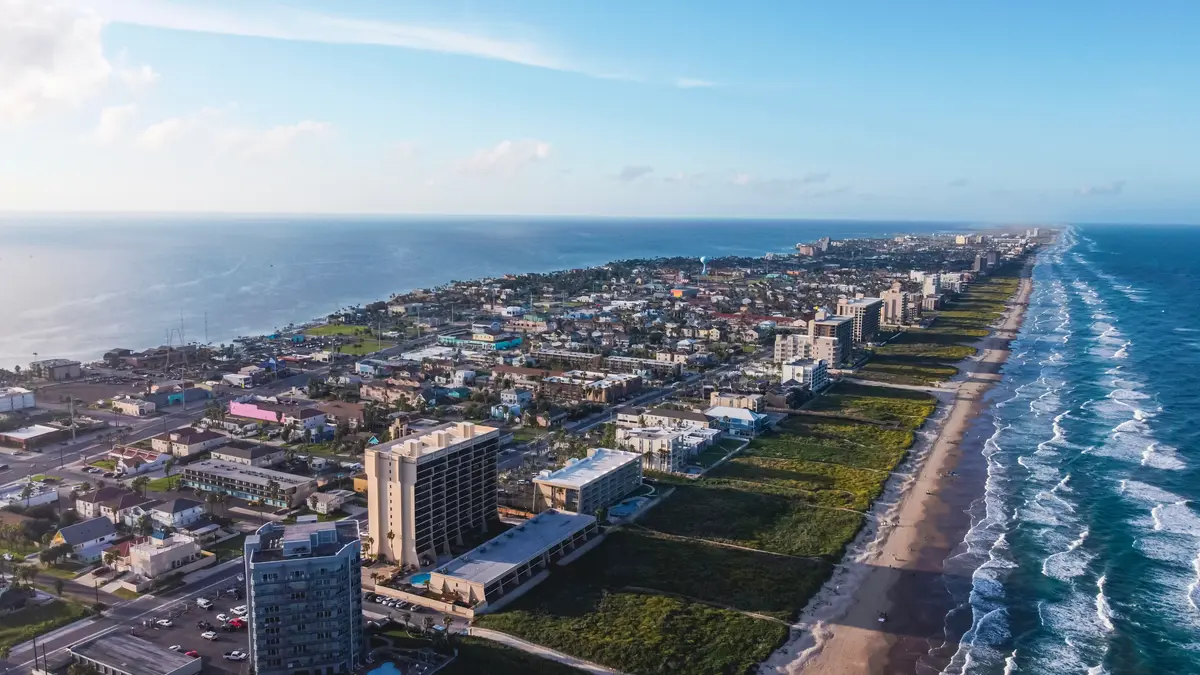
A bilingual, subtropical stretch of border cities and citrus country running from the river out to the Gulf beaches. 11 cities including Brownsville, McAllen, Edinburg.
Explore all 11 Rio Grande Valley cities →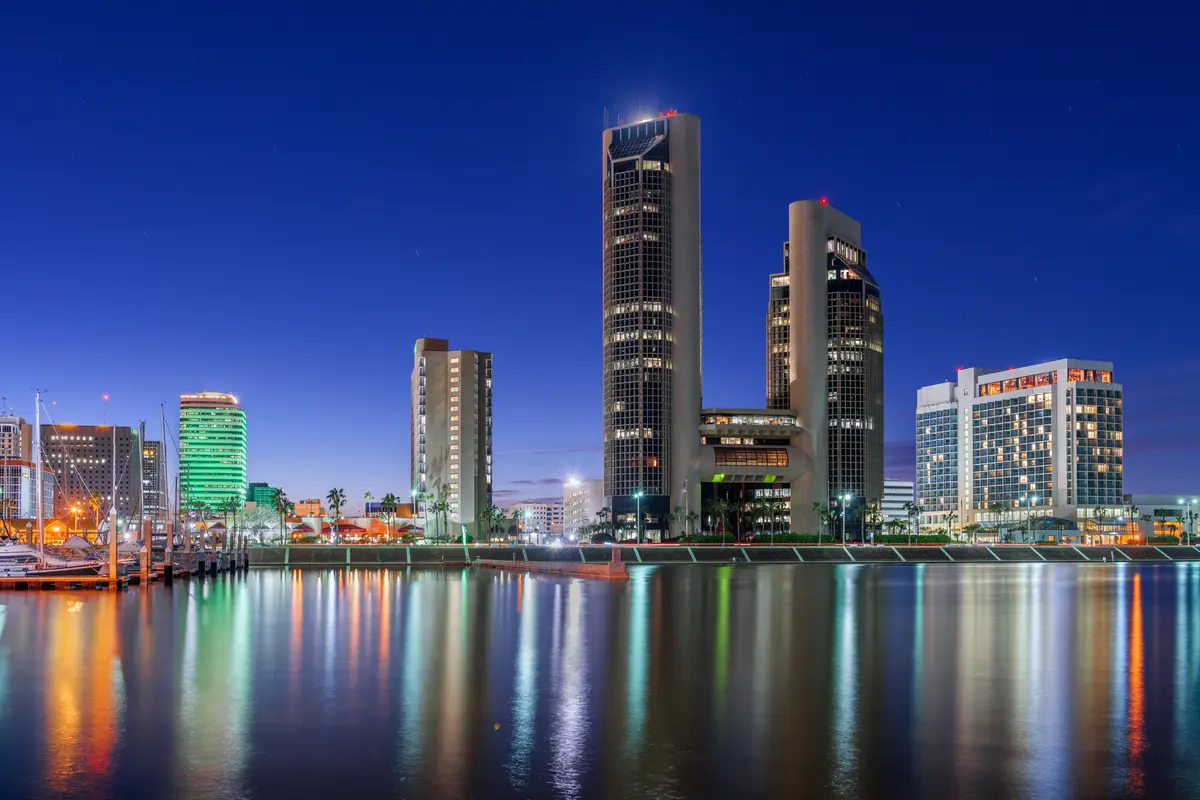
Bay-front cities, refinery towns and barrier-island beaches where the Gulf coast turns south. 7 cities including Corpus Christi, Victoria, Kingsville.
Explore all 7 Coastal Bend cities →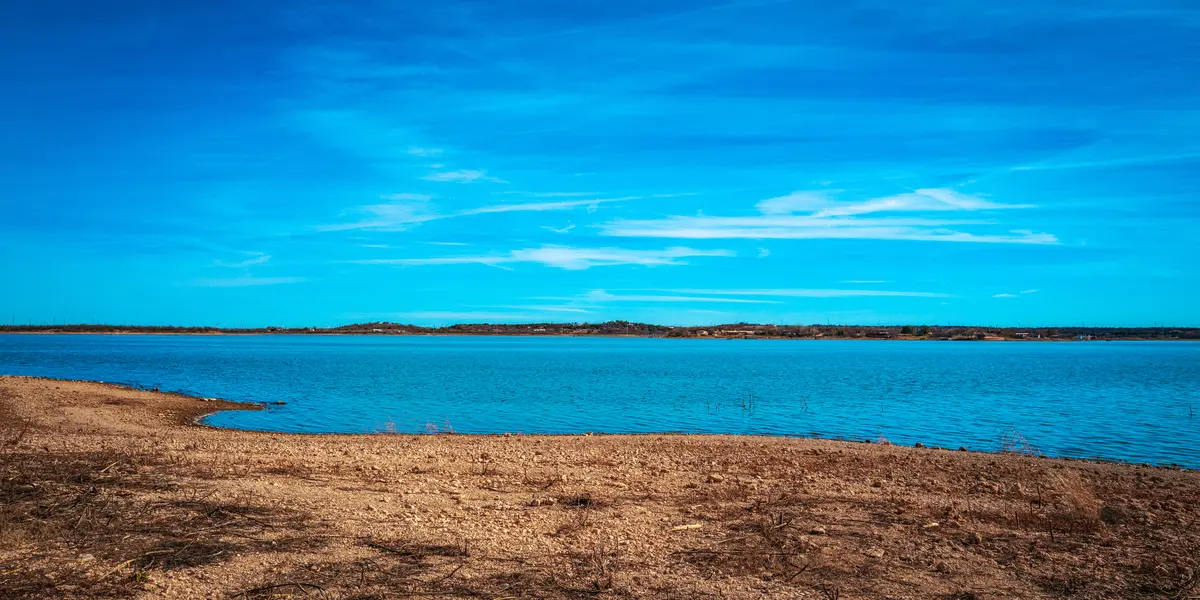
Ranching and university towns spread across the rolling plains of west central Texas. 6 cities including Abilene, San Angelo, Stephenville.
Explore all 6 Big Country cities →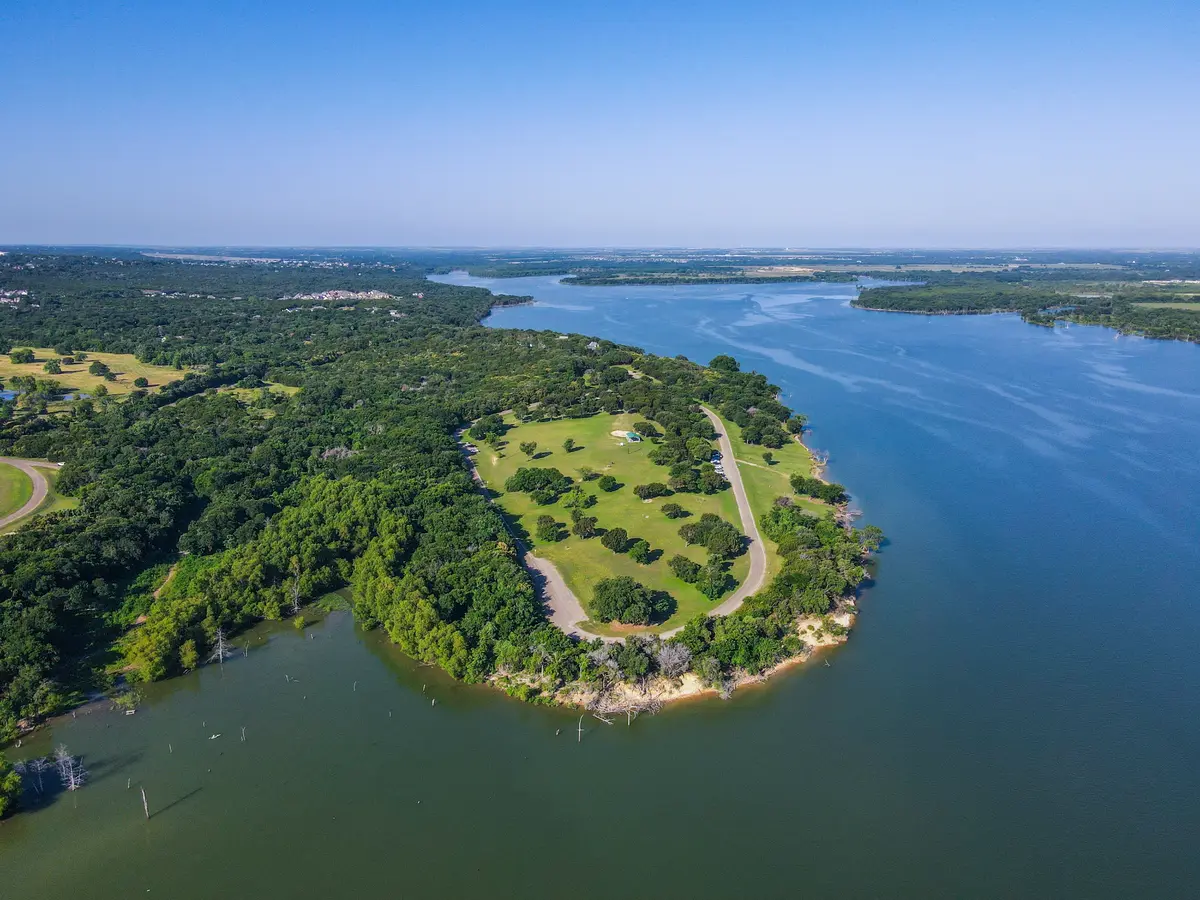
University, hospital and Army-post towns strung along the interstate between the two biggest metros. 6 cities including Killeen, Waco, Temple.
Explore all 6 Waco-Killeen-Temple cities →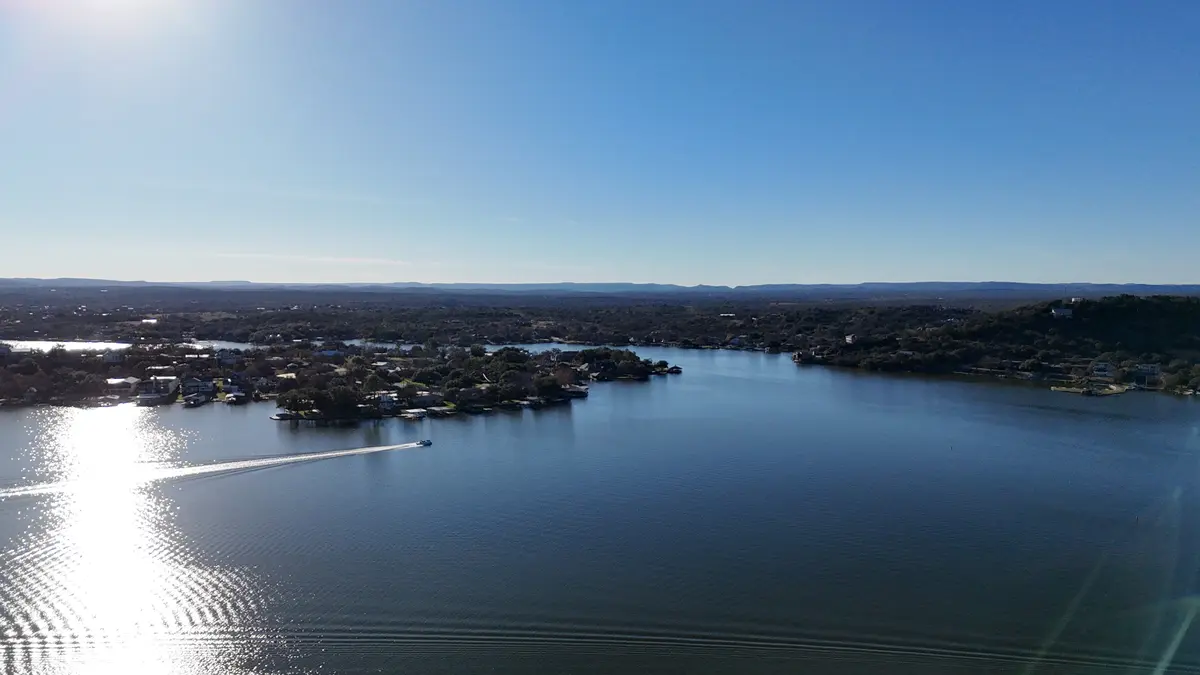
Limestone hills, spring-fed rivers, German heritage towns and the wineries that followed them. 5 cities including Kerrville, Uvalde, Fredericksburg.
Explore all 5 Hill Country cities →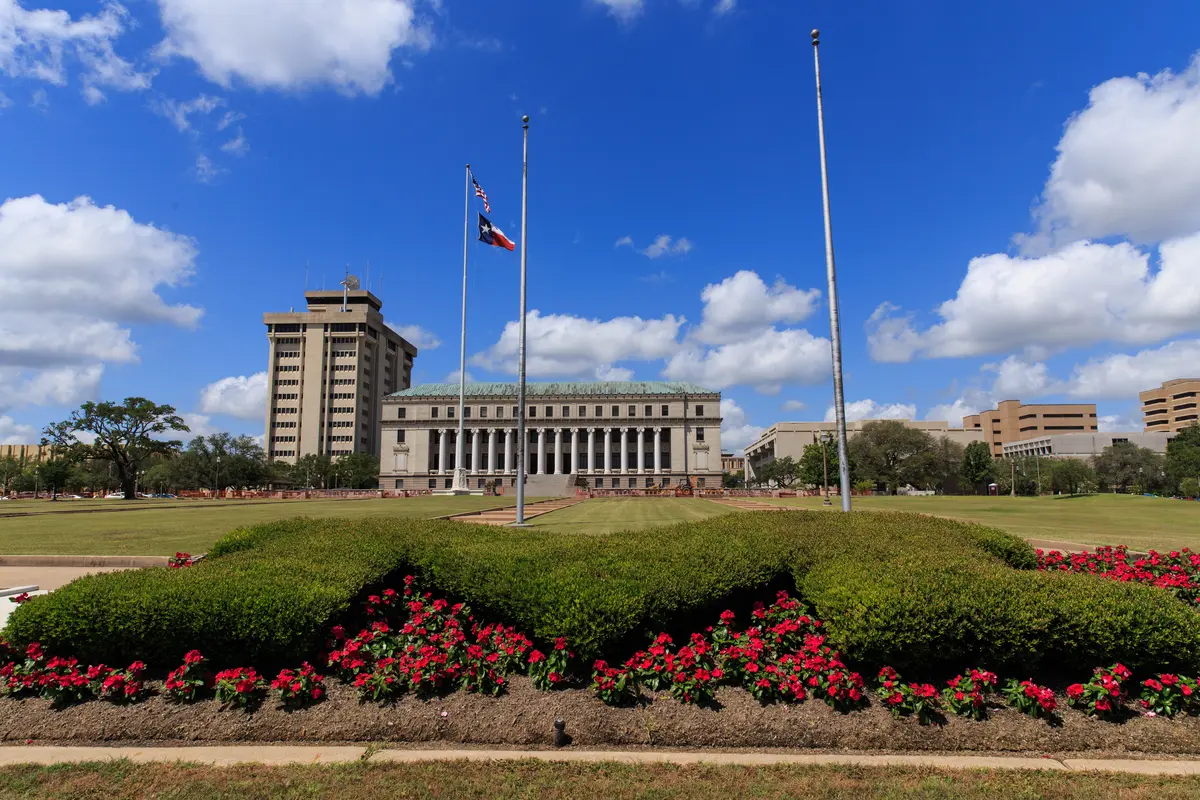
A university-driven pocket of Central Texas surrounded by river-bottom farmland and historic German and Czech settlements. 4 cities including College Station, Bryan, Brenham.
Explore all 4 Brazos Valley cities →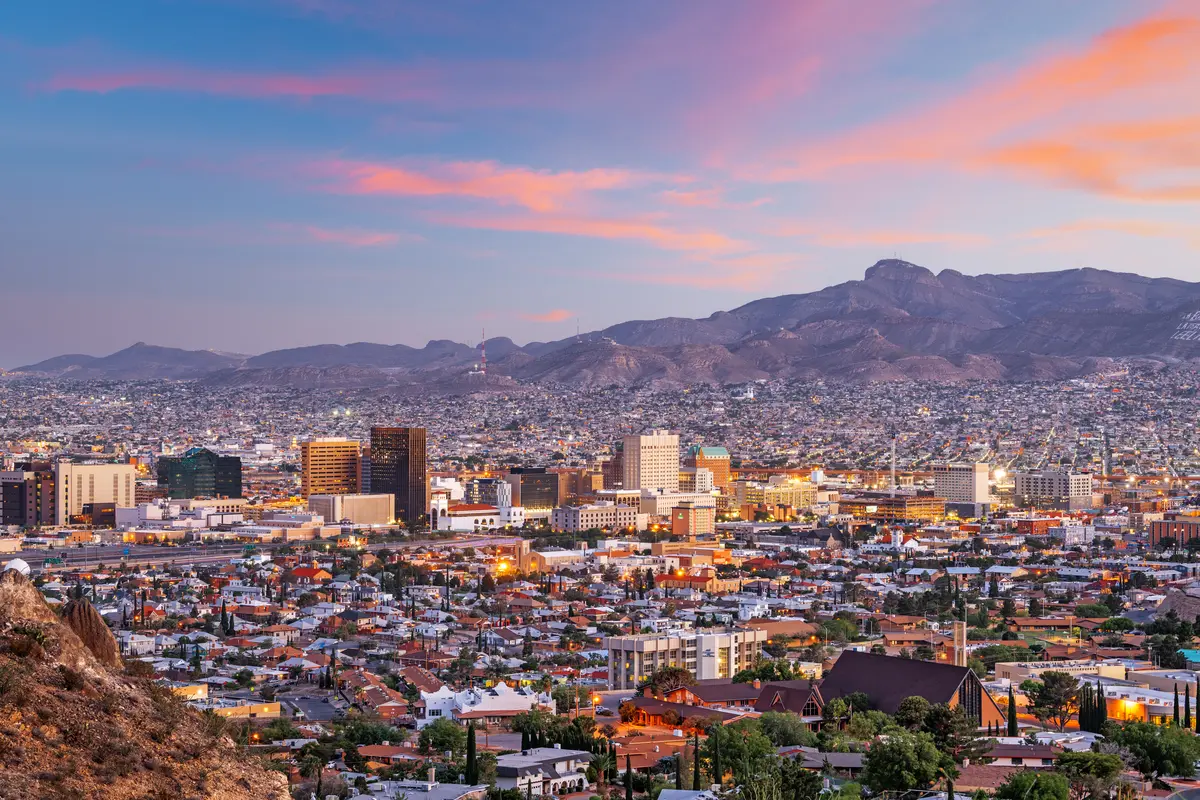
A high-desert border city in the far western corner of the state, closer to three other capitals than to its own. 4 cities including El Paso, Socorro, Horizon City.
Explore all 4 El Paso Borderplex cities →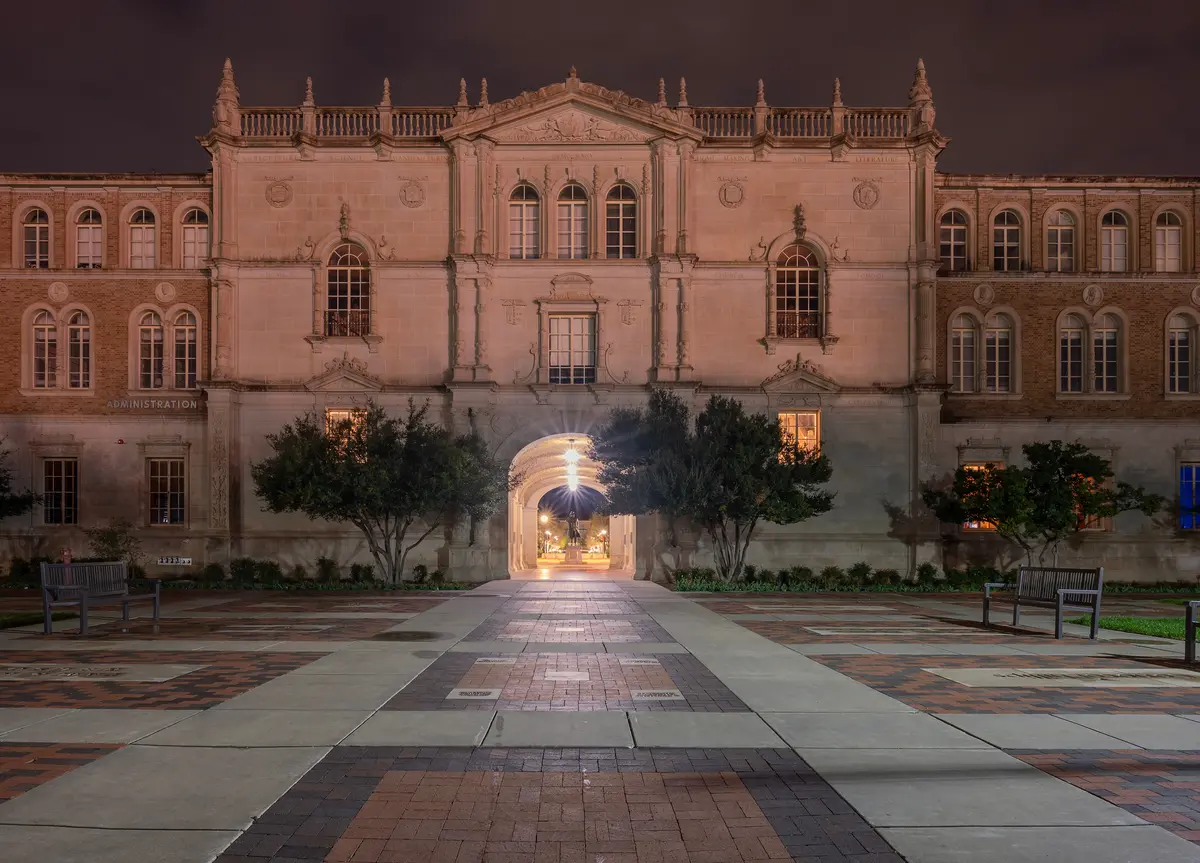
Flat, high, dry cotton and cattle country at the top of the state, anchored by two university cities. 3 cities including Lubbock, Amarillo, Plainview.
Explore all 3 Panhandle & South Plains cities →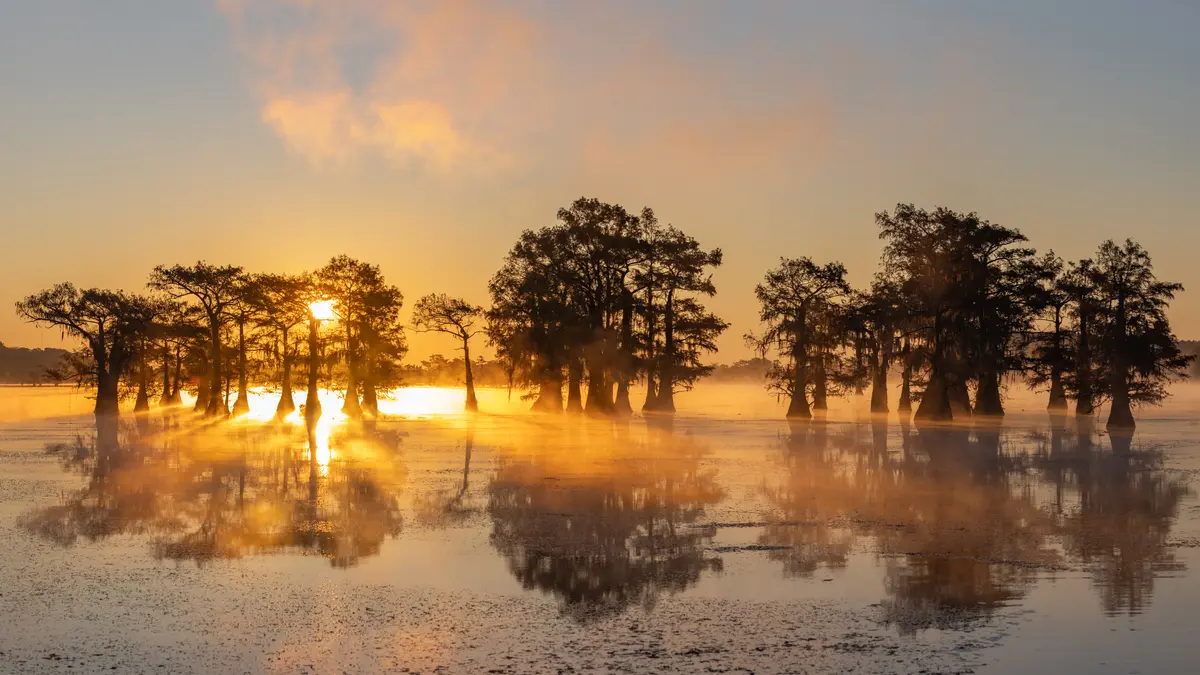
Refinery and shipping towns on the Louisiana line, where Texas starts to feel like the Deep South. 3 cities including Beaumont, Port Arthur, Port Neches.
Explore all 3 Golden Triangle cities →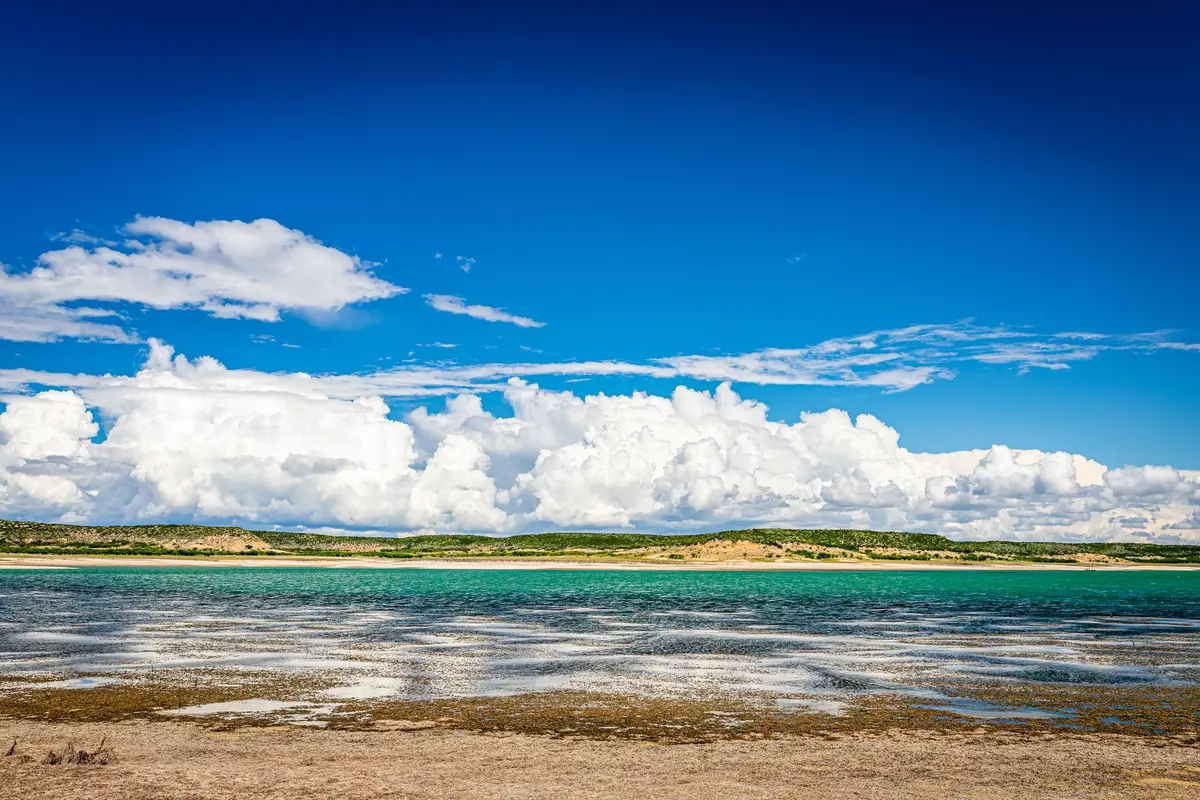
Inland port cities and desert river towns along the stretch of border between the Valley and the Big Bend. 3 cities including Laredo, Del Rio, Eagle Pass.
Explore all 3 Southwest Border Country cities →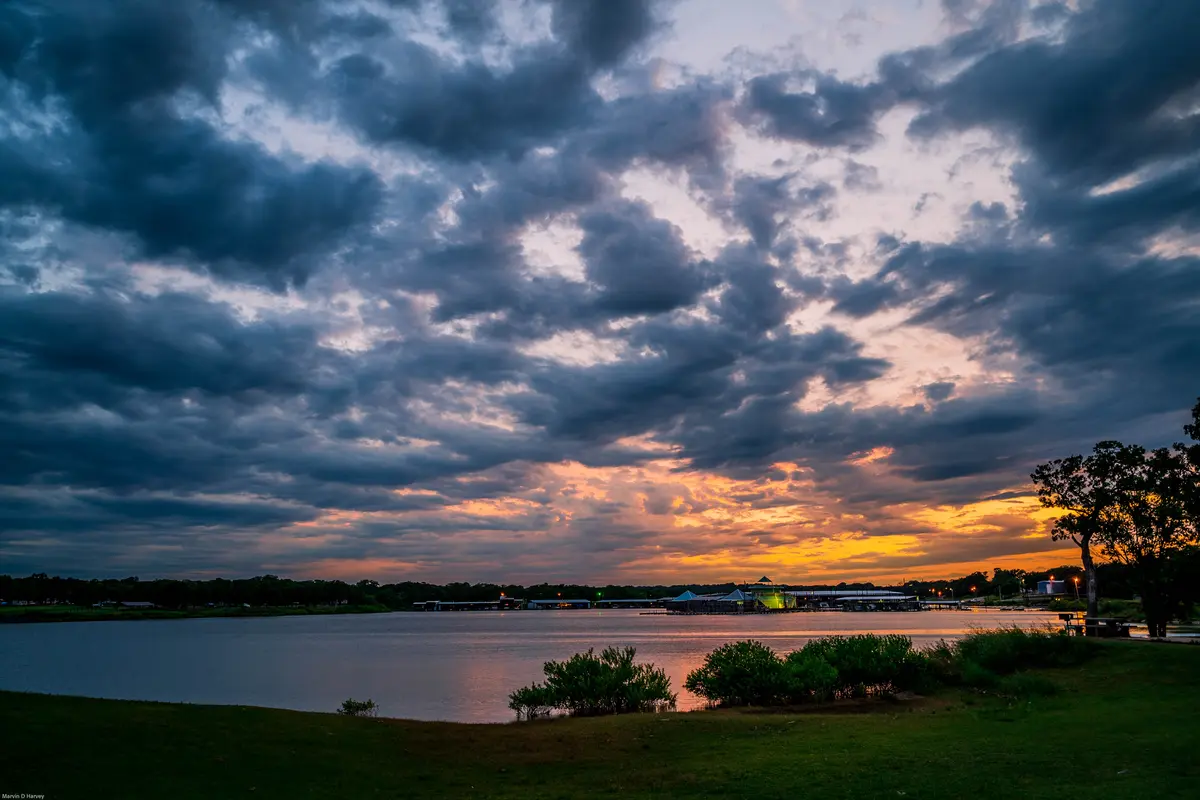
Independent small cities on the Red River plains, north and west of the Metroplex. 3 cities including Wichita Falls, Sherman, Denison.
Explore all 3 North Texas cities →Moving to Texas?
Tell us what you need help with and we'll connect you with local resources.
