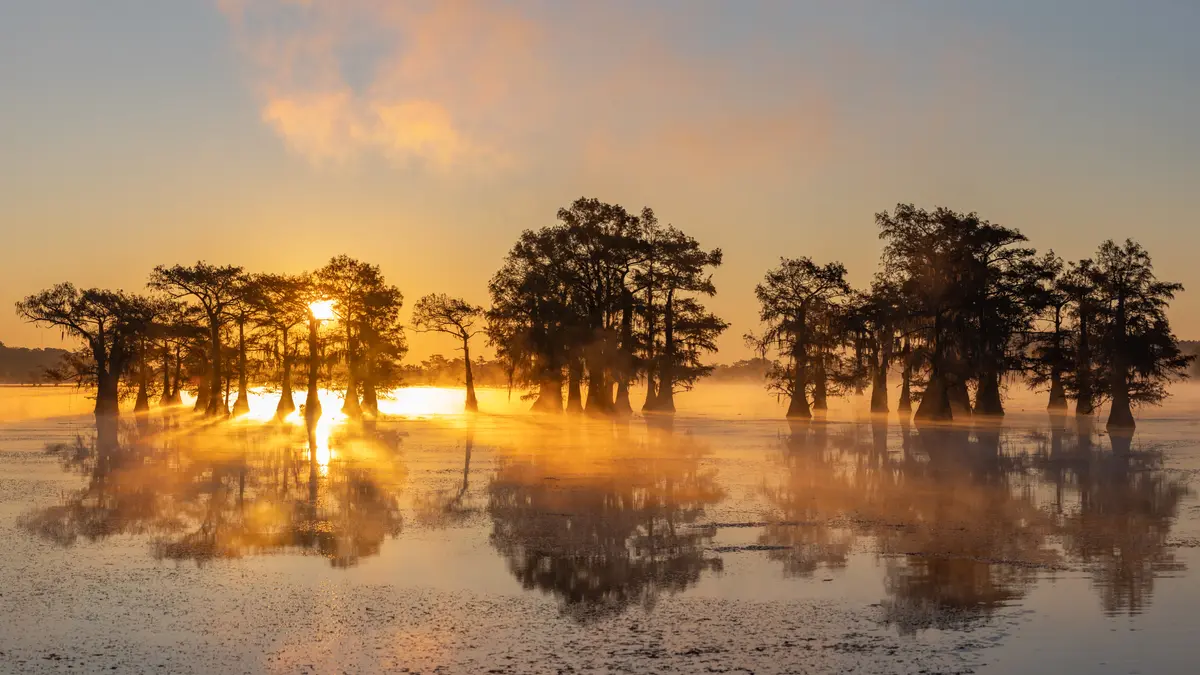
Is the Golden Triangle a Good Place to Live?
You've probably heard the Golden Triangle described in terms of what it isn't — not Austin, not Houston, not the Hill Country. That framing misses the point. Southeast Texas's trio of Jefferson County cities runs on a petrochemical economy so concentrated you can see the refinery stacks from a shopping center parking lot, and that economy produces stable, well-paying jobs that make the region one of the more accessible entry points into Texas homeownership. The honest catch: this corner of the state trades scenery and trendiness for affordability and working-class groundedness, and that trade-off defines everything from what neighborhoods look like to what a Friday night out involves.
ExxonMobil's Beaumont complex, Motiva's Port Arthur refinery, Valero, TotalEnergies, and Chevron Phillips Chemical collectively anchor the employment base here in a way that almost nothing else in Texas replicates at this scale. Lamar University in Beaumont adds a higher-education layer, and the school districts — Beaumont ISD, Port Arthur ISD, and Port Neches-Groves ISD — are among the region's largest employers in their own right. People move here for plant jobs, for refinery contracts, for university positions, and increasingly because remote work has let them take their salary from somewhere else and spend it somewhere far less expensive. The social fabric is old-school Southeast Texas: church communities, high school football, and a sense that neighbors have known each other for decades.
Compared to the rest of Texas, the Golden Triangle sits at the affordable end — well below the Austin Metro, Dallas-Fort Worth, and Greater Houston markets, and broadly in line with or below most other Texas regions. Within the region itself, Port Neches runs toward the pricier end, Beaumont sits near the middle, and Port Arthur offers the most accessible entry point. The tradeoff for low prices is that appreciation here moves more slowly than in the state's growth corridors. Summers are long, humid, and occasionally interrupted by Gulf Coast weather systems that residents simply plan around. The Neches River, Sea Rim State Park, and Pleasure Island give the region its outdoor identity — this is a place where people fish, boat, and crab rather than hike.
Whether you're weighing a plant-job relocation, trying to stretch a remote-work income, or simply deciding which of these three cities makes the most sense for your situation, the sections below break down Beaumont, Port Arthur, and Port Neches by neighborhoods, employers, schools, and what daily life here is actually like.
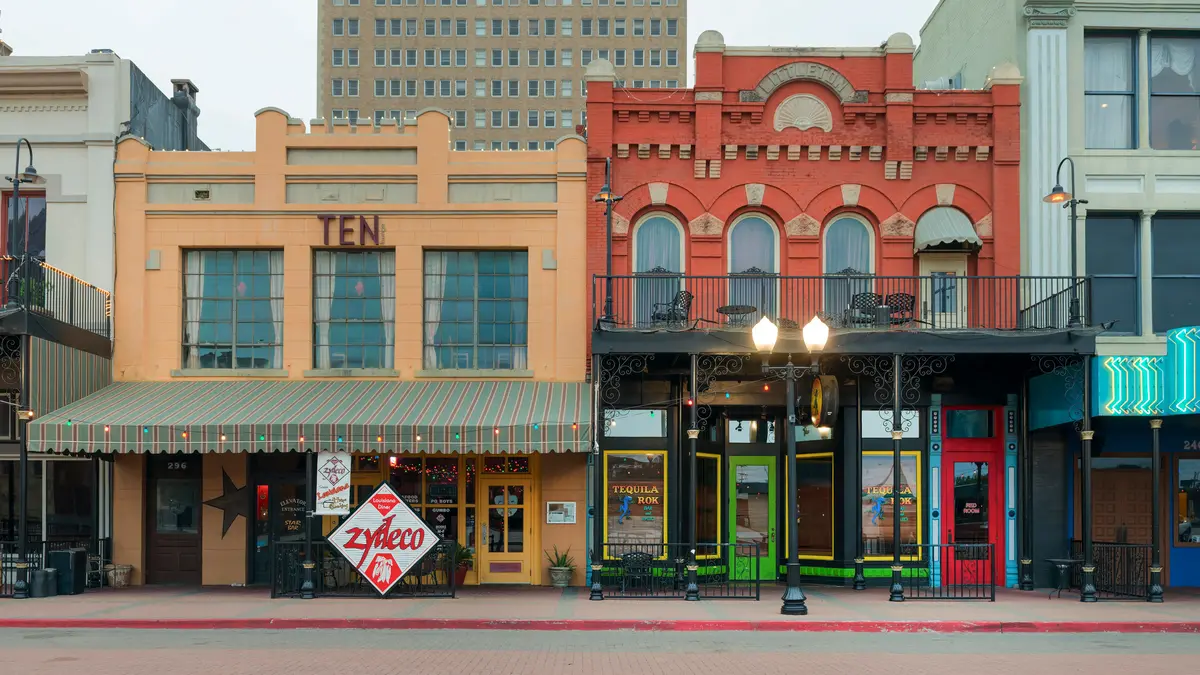
Explore All 3 Cities in the Golden Triangle
Click into any city for the complete guide — neighborhoods, home prices, cost of living, pros & cons, schools, top employers, and mortgage help.
Beaumont
Beaumont is one of the state's larger cities and functions as the commercial and cultural hub of the region, home to Lamar University, the ExxonMobil Beaumont complex, and landmarks like the Spindletop-Gladys City Boomtown Museum that connect the city to the oil history that built Southeast Texas. Neighborhoods range from the well-established older streets of Old Town and Caldwood to the more suburban feel of Dowlen West and Willow Creek, giving buyers a genuine range of housing stock and character. It sits near the middle of the region on price — not the entry-level buy and not the premium either, which makes it the right fit for buyers who want urban amenities without Port Neches prices.
Full Beaumont Guide →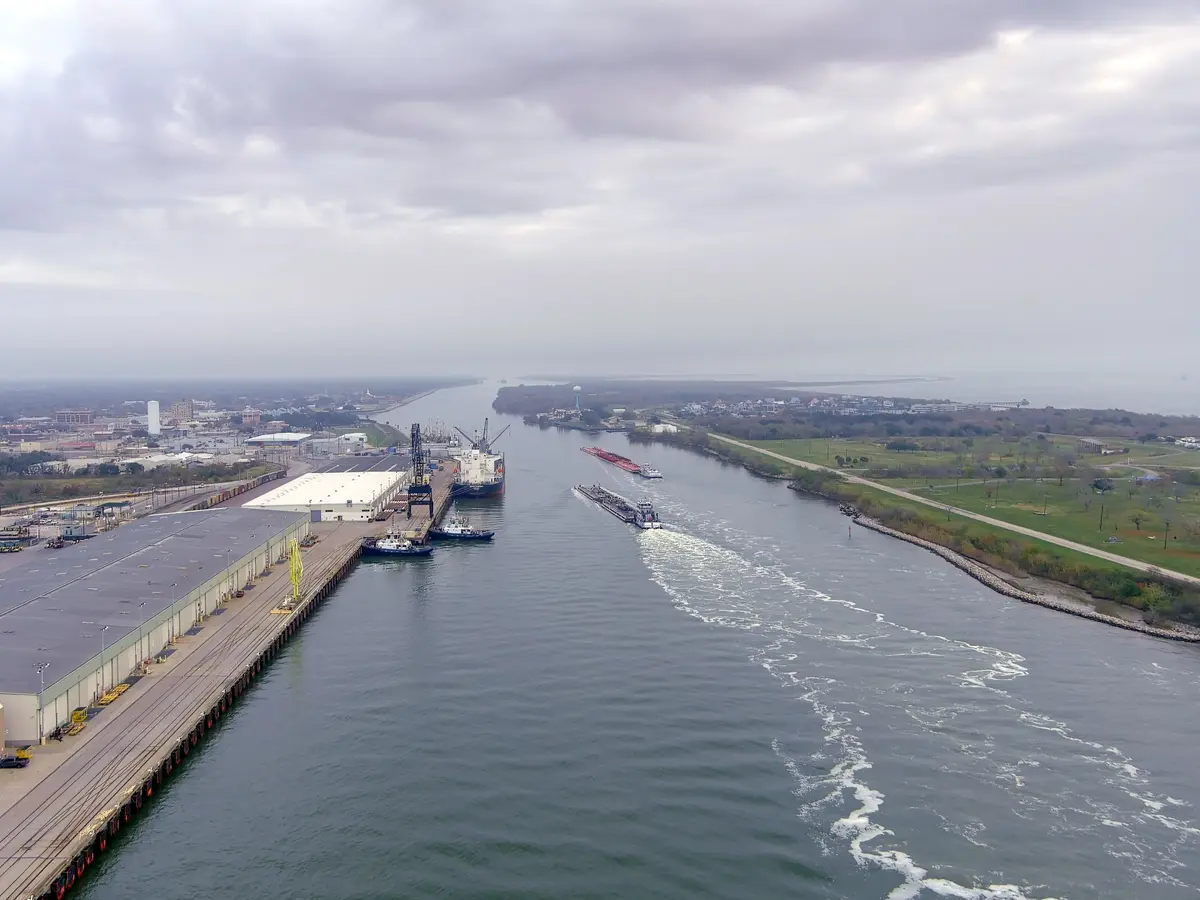
Port Arthur
Port Arthur is a mid-size city built almost entirely around refining — Motiva, Valero, and TotalEnergies all operate major facilities here, and the industrial identity is impossible to miss. The Museum of the Gulf Coast, Pleasure Island, the Rainbow Bridge, and the Sabine Pass Battleground State Historic Site give the city more historical and recreational depth than its reputation suggests. It sits toward the more affordable end of the region, which draws buyers looking for the lowest entry point in Jefferson County, particularly in neighborhoods like Griffing Park and Pear Ridge.
Full Port Arthur Guide →
Port Neches
Port Neches is a small city with a reputation that punches above its size — Port Neches-Groves ISD is the primary reason families move here, and the riverfront park and residential neighborhoods like River Park Estates and Indian Pointe Estates give it a quieter, more settled feel than its larger neighbors. The Neches River is a genuine backdrop to daily life rather than a scenic afterthought. It runs toward the pricier end of the region, and buyers who choose it are typically trading cost for school district and neighborhood character rather than urban access.
Full Port Neches Guide →Compare Every City in Golden Triangle
Full ranked breakdowns across every city in the region — scored and compared side by side.
Local Expert Takeaway: The Golden Triangle rewards buyers who are honest about what they're optimizing for — if affordability, job stability in the energy sector, and a close-knit community matter more than trendy amenities or rapid appreciation, this corner of Southeast Texas is worth taking seriously.
Frequently Asked Questions
Which city in the Golden Triangle is best for families with school-age children?
Is the Golden Triangle a good place to live if you don't work in petrochemicals?
How does Gulf Coast weather affect living in the Golden Triangle?
How does the Golden Triangle compare in cost to other Texas regions?
What are the biggest surprises for people who move to the Golden Triangle from out of state?
Helpful Texas Resources
Explore Other Texas Regions
the Golden Triangle is one of 17 distinct regions that make up Texas. Each has its own climate, character, and housing market — explore them all.
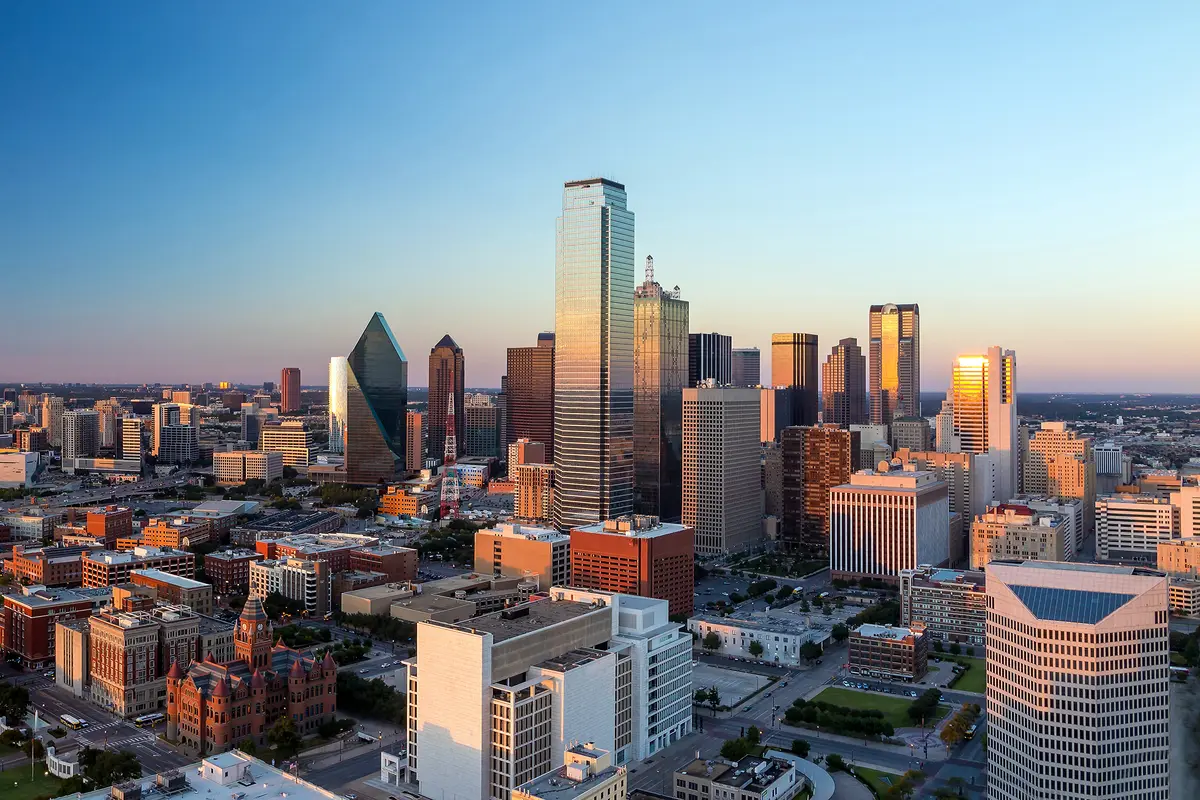
Two downtowns and the whole sweep of suburbs between and around them, from the Collin County job corridor to the ranch country west of Fort Worth. 71 cities including Dallas, Fort Worth, Arlington.
Explore all 71 Dallas-Fort Worth cities →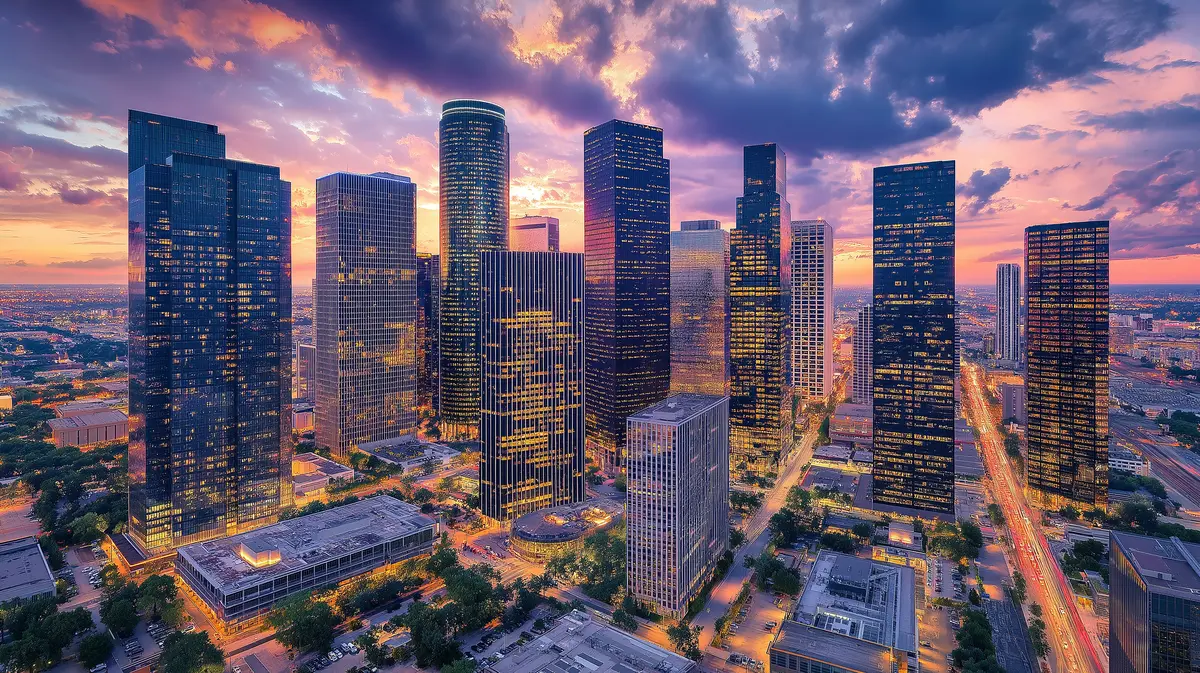
The energy capital and the ring of master-planned communities, bayou suburbs and bay towns that grew up around it. 45 cities including Houston, Cypress, Klein.
Explore all 45 Greater Houston cities →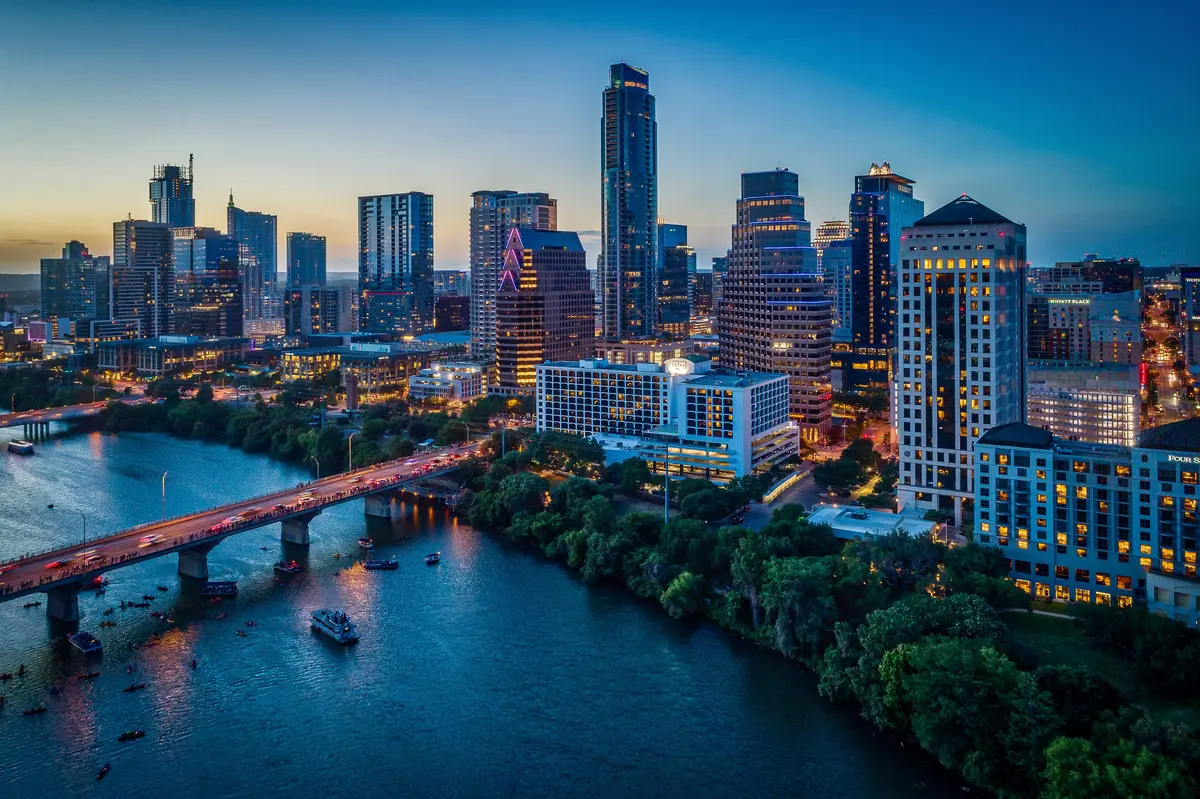
The state capital and the fast-growing corridor of suburbs running north and south of it along the interstate, out into the Colorado River hills. 21 cities including Austin, Round Rock, Georgetown.
Explore all 21 Austin Metro cities →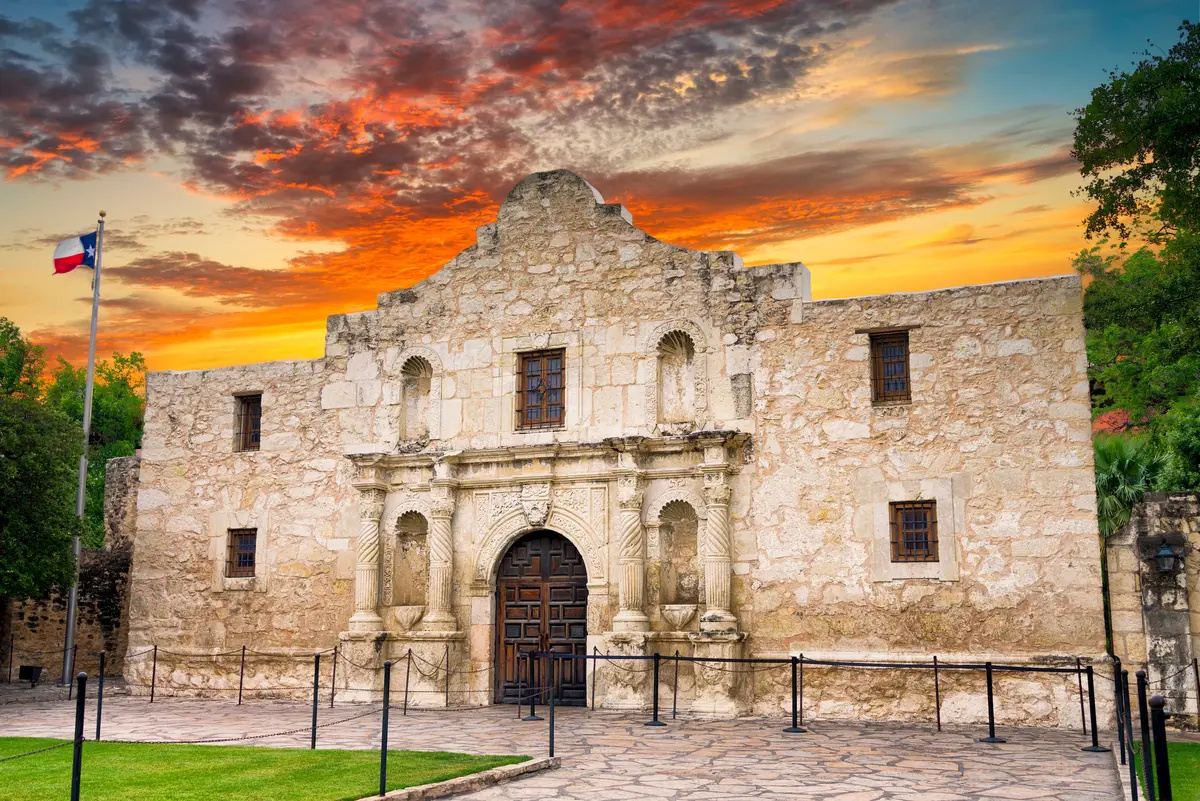
A deep-rooted Spanish colonial city ringed by military bases and the suburbs climbing north toward the Balcones Escarpment. 15 cities including San Antonio, New Braunfels, Schertz.
Explore all 15 San Antonio Metro cities →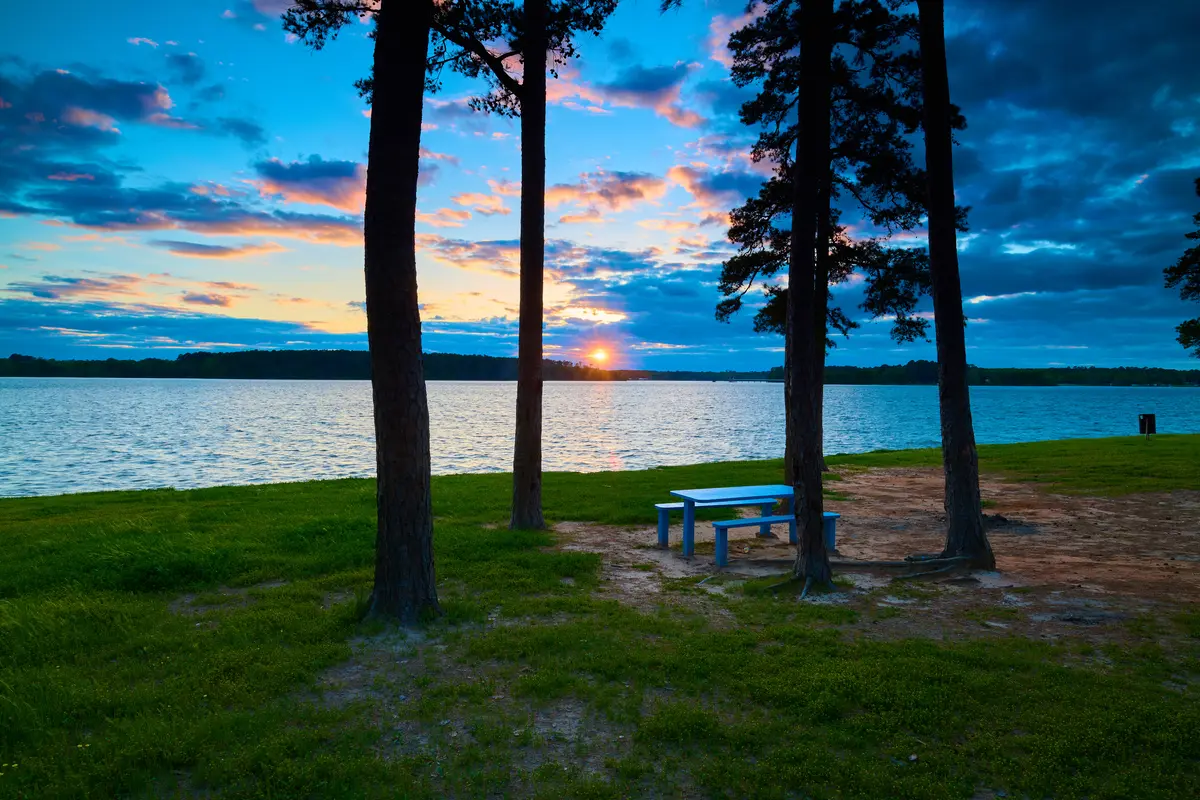
Pine forest, lakes and old county-seat towns across the wettest, greenest corner of the state. 13 cities including Tyler, Longview, Huntsville.
Explore all 13 East Texas cities →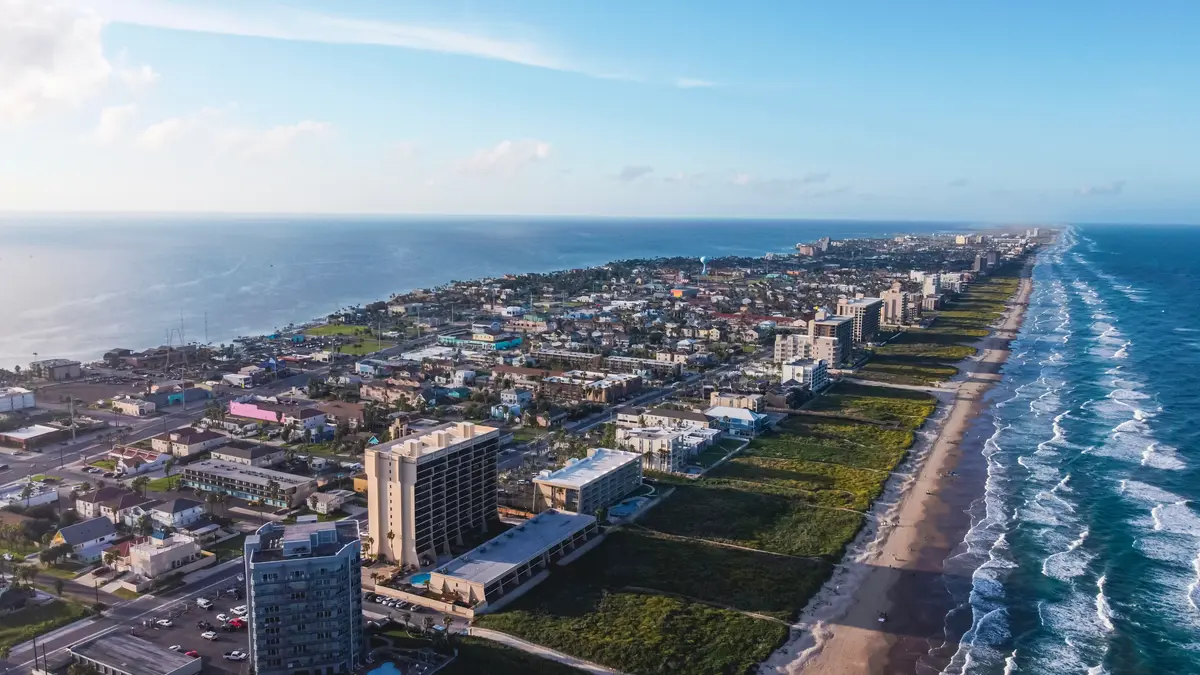
A bilingual, subtropical stretch of border cities and citrus country running from the river out to the Gulf beaches. 11 cities including Brownsville, McAllen, Edinburg.
Explore all 11 Rio Grande Valley cities →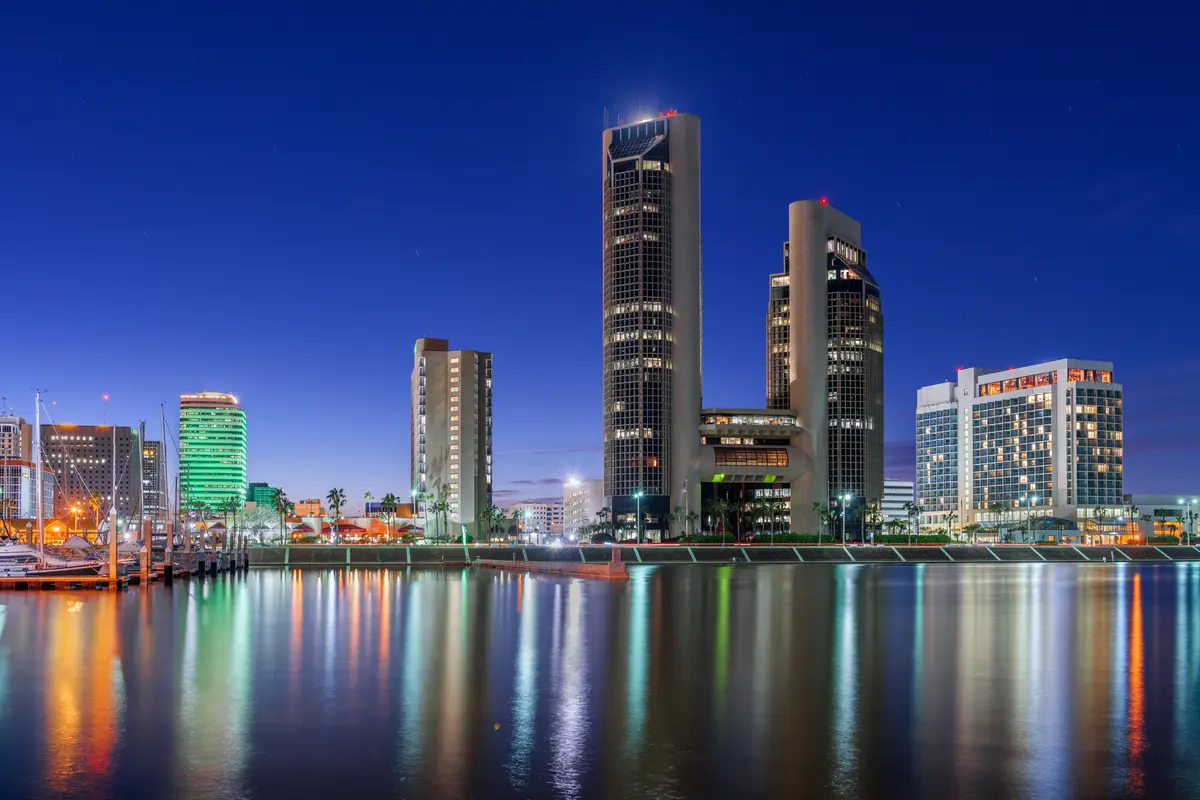
Bay-front cities, refinery towns and barrier-island beaches where the Gulf coast turns south. 7 cities including Corpus Christi, Victoria, Kingsville.
Explore all 7 Coastal Bend cities →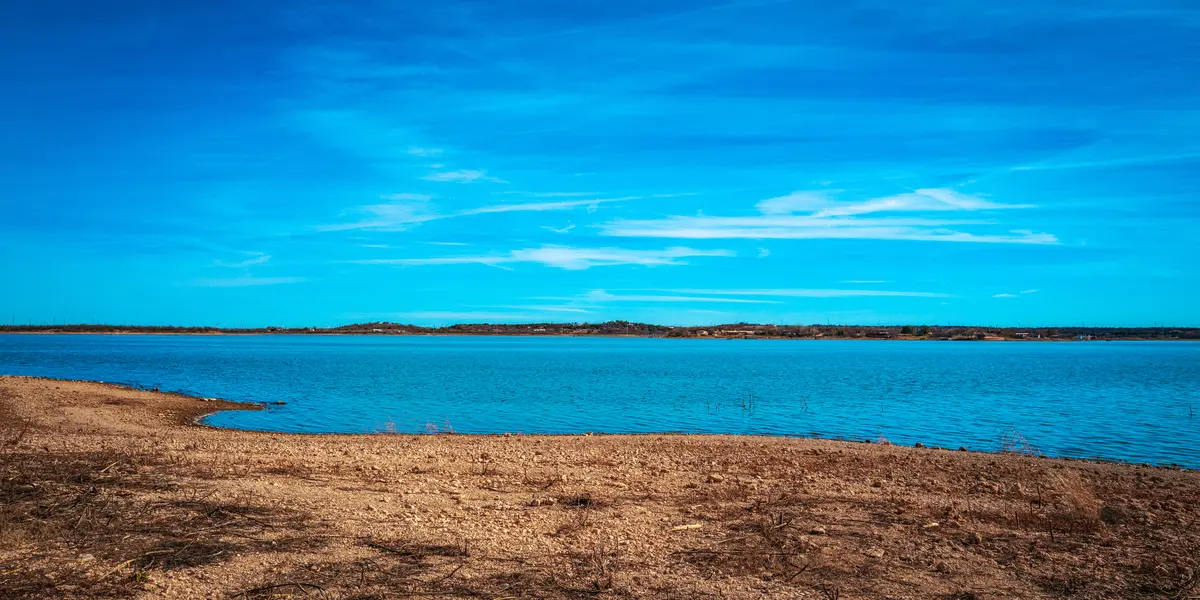
Ranching and university towns spread across the rolling plains of west central Texas. 6 cities including Abilene, San Angelo, Stephenville.
Explore all 6 Big Country cities →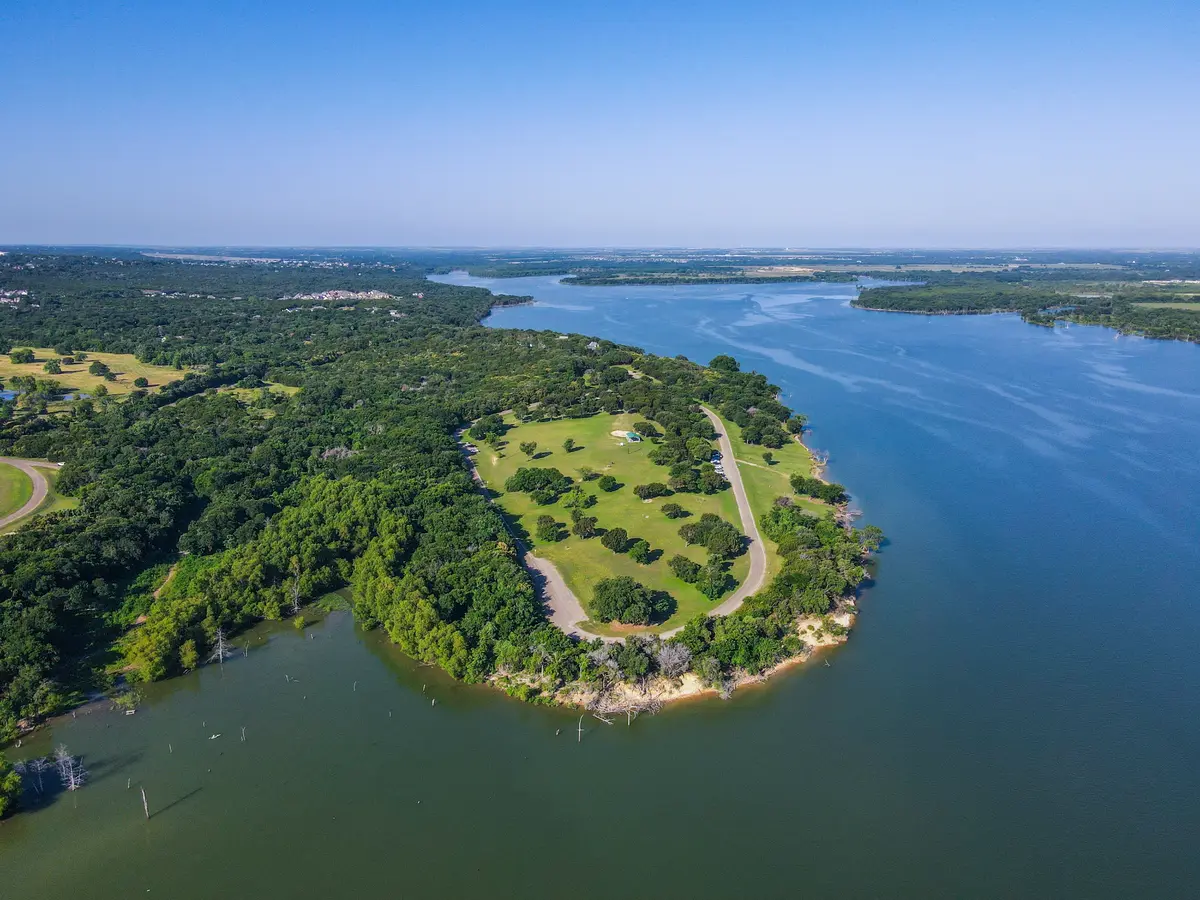
University, hospital and Army-post towns strung along the interstate between the two biggest metros. 6 cities including Killeen, Waco, Temple.
Explore all 6 Waco-Killeen-Temple cities →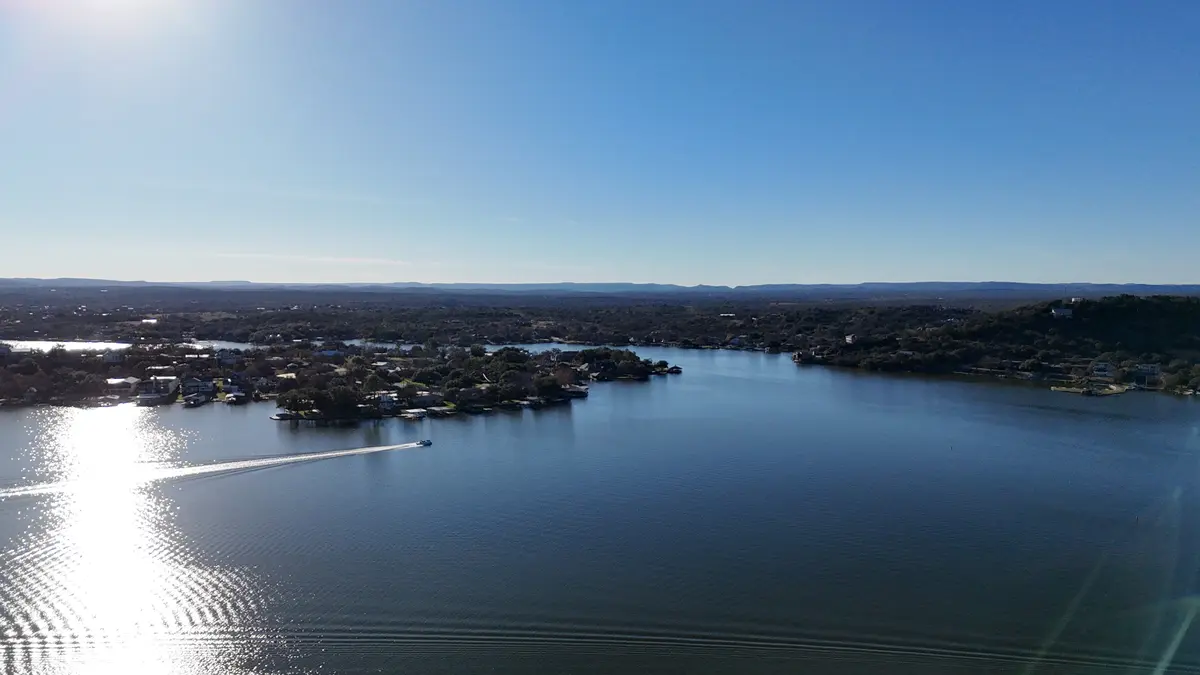
Limestone hills, spring-fed rivers, German heritage towns and the wineries that followed them. 5 cities including Kerrville, Uvalde, Fredericksburg.
Explore all 5 Hill Country cities →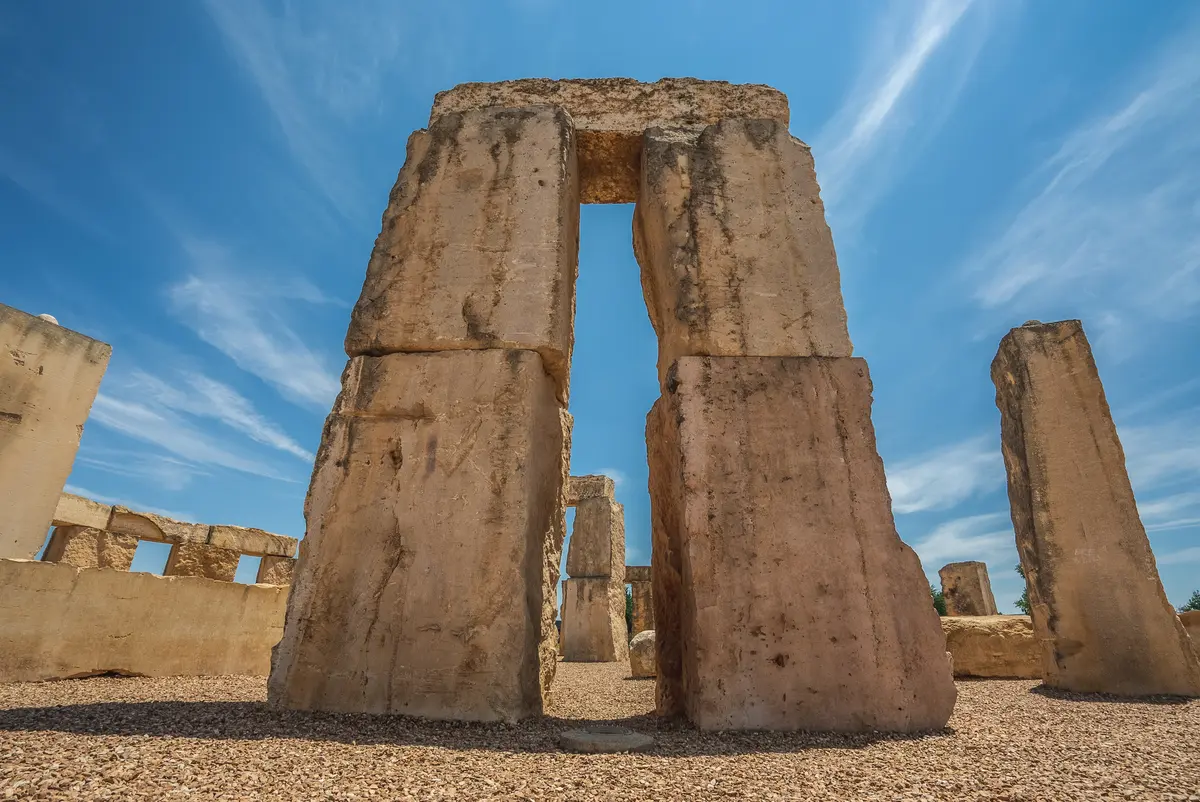
The oilfield cities of far West Texas, where the pay is high and the horizon is wide open. 4 cities including Midland, Odessa, Big Spring.
Explore all 4 Permian Basin cities →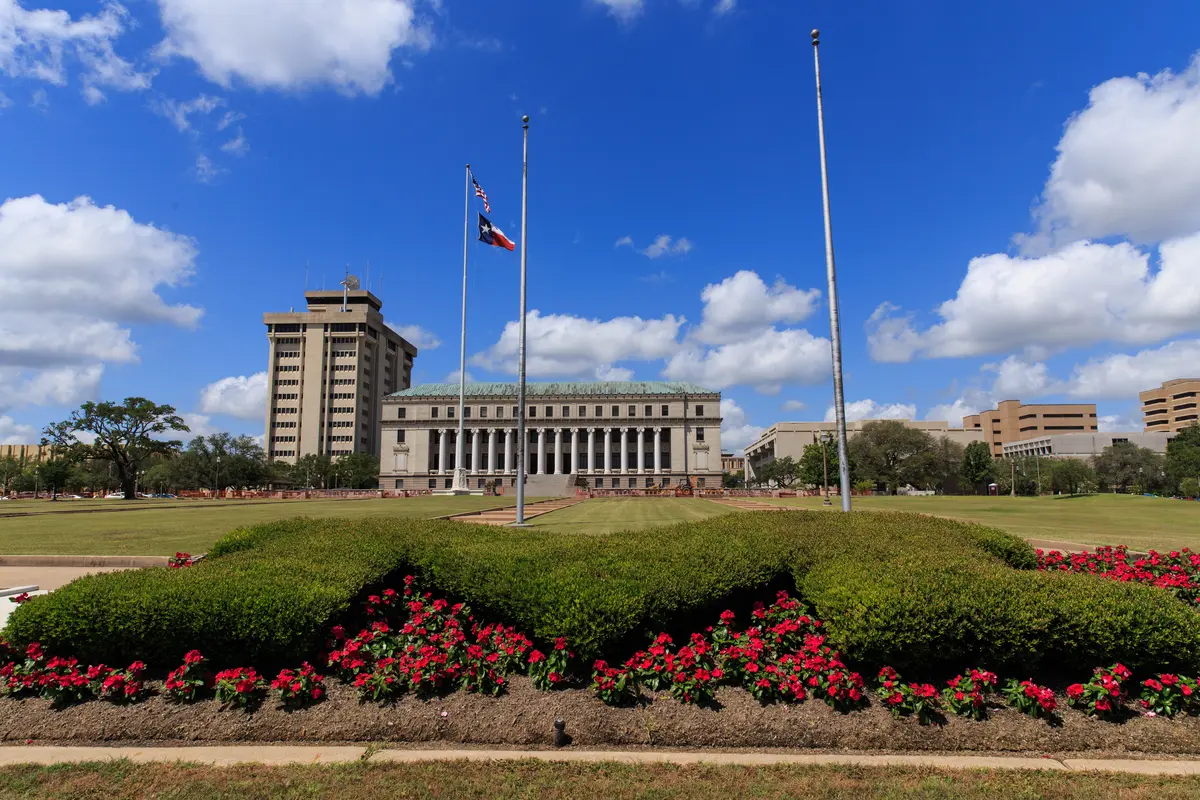
A university-driven pocket of Central Texas surrounded by river-bottom farmland and historic German and Czech settlements. 4 cities including College Station, Bryan, Brenham.
Explore all 4 Brazos Valley cities →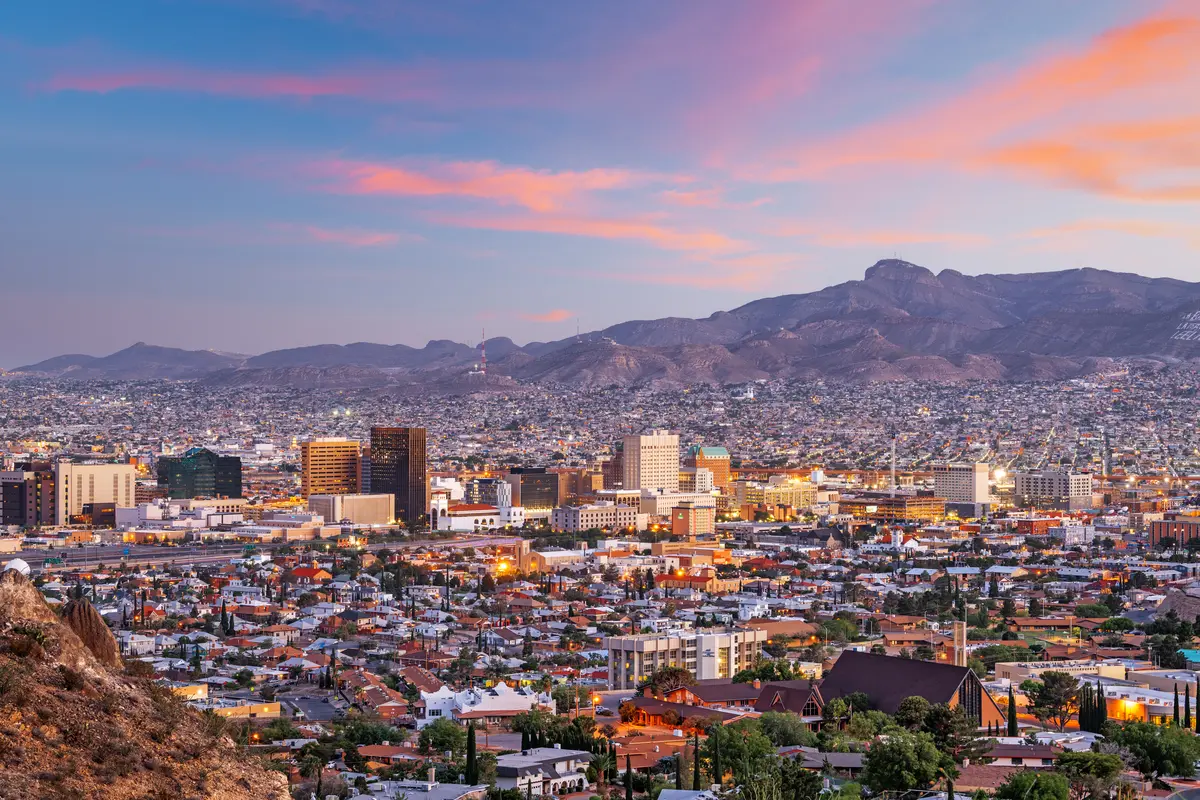
A high-desert border city in the far western corner of the state, closer to three other capitals than to its own. 4 cities including El Paso, Socorro, Horizon City.
Explore all 4 El Paso Borderplex cities →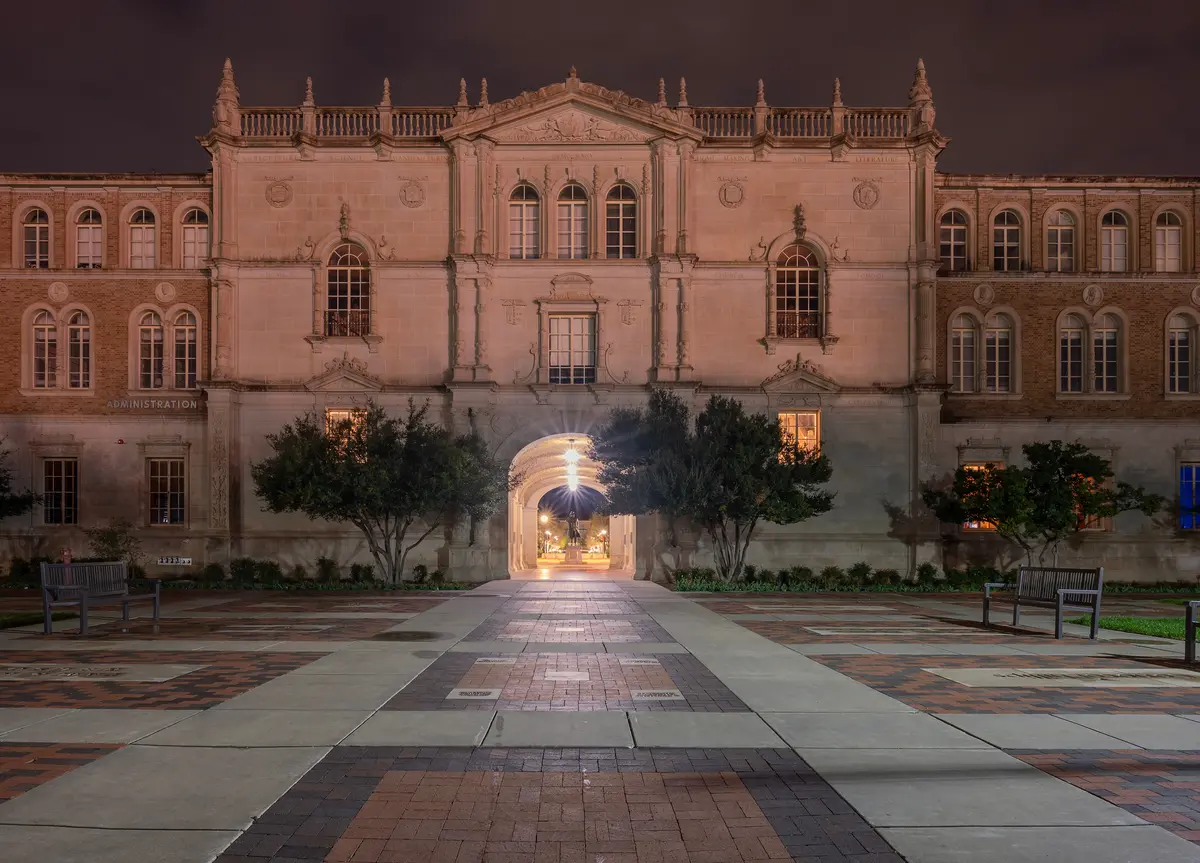
Flat, high, dry cotton and cattle country at the top of the state, anchored by two university cities. 3 cities including Lubbock, Amarillo, Plainview.
Explore all 3 Panhandle & South Plains cities →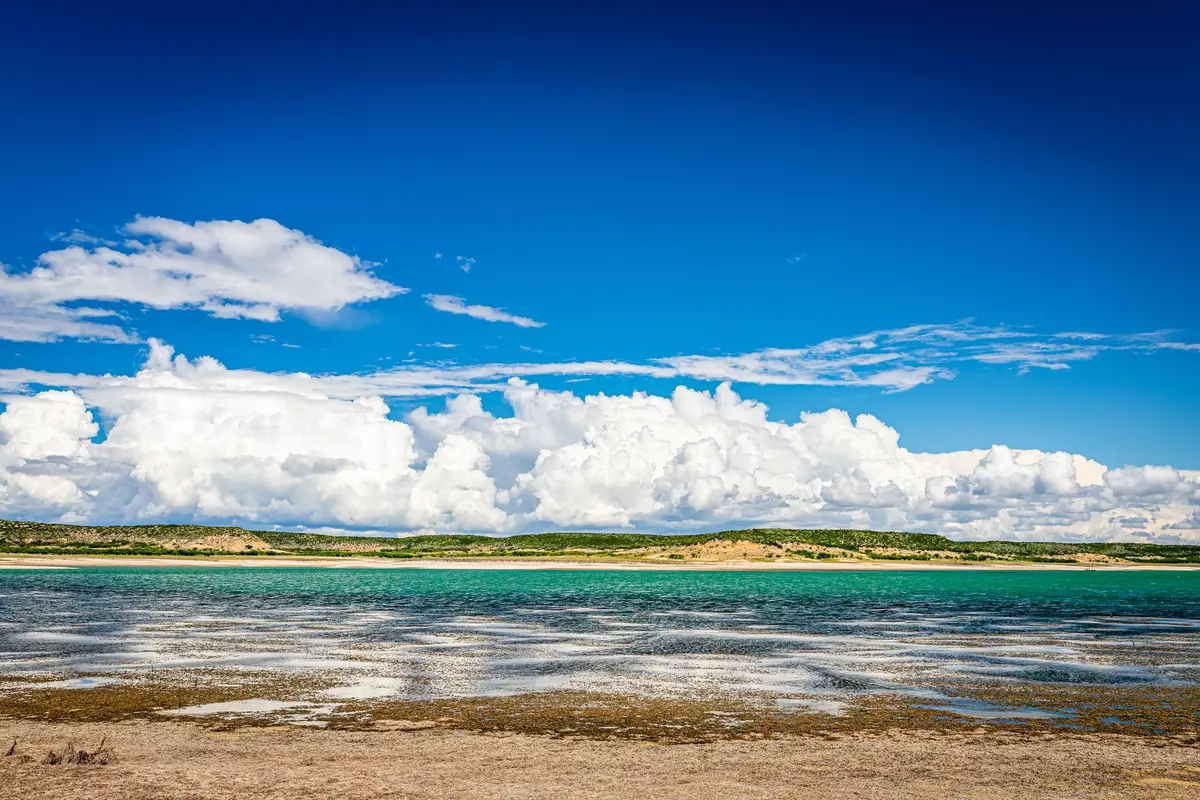
Inland port cities and desert river towns along the stretch of border between the Valley and the Big Bend. 3 cities including Laredo, Del Rio, Eagle Pass.
Explore all 3 Southwest Border Country cities →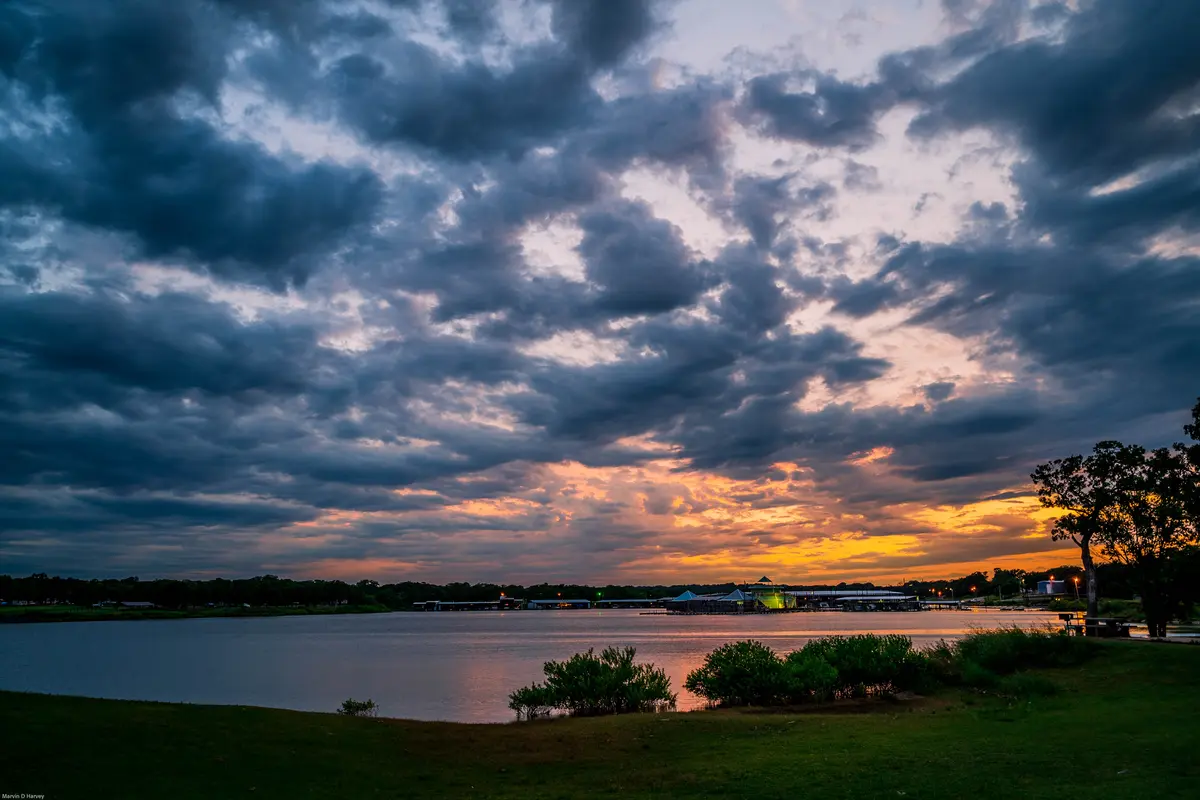
Independent small cities on the Red River plains, north and west of the Metroplex. 3 cities including Wichita Falls, Sherman, Denison.
Explore all 3 North Texas cities →Moving to Texas?
Tell us what you need help with and we'll connect you with local resources.
