Is the Texas Hill Country a Good Place to Live?
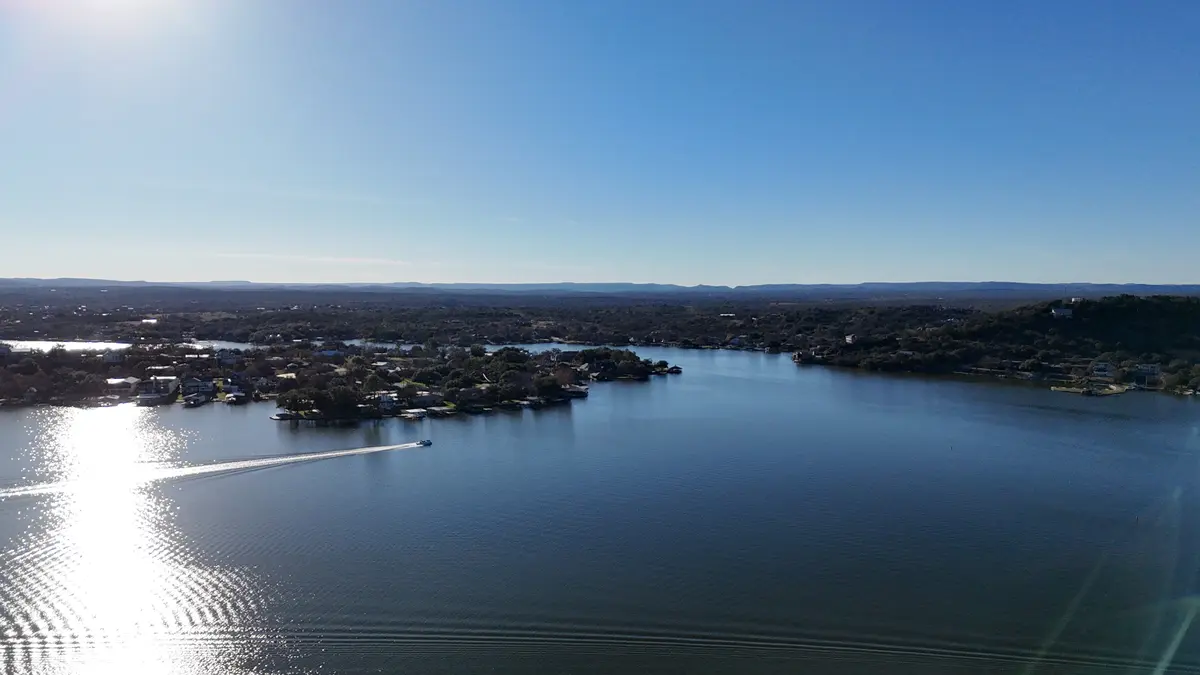
You have probably already ruled out another round of suburban sprawl. Maybe Austin priced you out, or San Antonio started feeling too large, and someone said: have you looked at the Hill Country? That question sounds simple until you realize the Texas Hill Country is not one place — it is a collection of cities with genuinely different personalities, held together by cedar and live oak, the Guadalupe and Colorado rivers, and the kind of light that makes people stop mid-sentence. The honest catch: this region sits at the top of Texas pricing, and the lifestyle it sells — wineries, art festivals, natural swimming holes — pulls demand from buyers well beyond Texas, which means the market here behaves less like a small-town Texas market and more like a destination.
The cities below range from Fredericksburg, where the National Museum of the Pacific War and historic Hauptstrasse anchor a wine-country economy drawing visitors year-round, to Uvalde, where Southwest Texas College and a deep ranching and agricultural identity keep things grounded and prices within reach of local incomes. Kerrville sits in the middle — Peterson Health, James Avery Artisan Jewelry, and Schreiner University form a real, diversified local job base that most Hill Country towns cannot match. Wimberley's economy is built almost entirely around its own natural beauty: Blue Hole Regional Park, Jacob's Well, and Cypress Creek do the heavy lifting. Marble Falls, on Lake Marble Falls and the Highland Lakes chain, draws retirees from Austin who want proximity without the noise.
Across the region, the day-to-day reality is more rural than the Instagram version suggests. A serious grocery run, a specialist appointment, or a shopping trip that goes beyond basics often means leaving your city entirely. That is a real trade-off, and it shapes where people settle. What the region delivers in return is hard to argue with: state parks, river corridors, dark skies, and a pace of life that Austin and Dallas simply cannot replicate. The region prices above most of Texas, and buyers arriving from the coast or the Midwest often find that the entry point here lands higher than expected — particularly in Fredericksburg and Wimberley.
Whether you are drawn to a riverfront setting in Kerrville, a weekend-town energy in Fredericksburg, an artist-community feel in Wimberley, a lakeside retirement in Marble Falls, or the affordability floor that Uvalde represents in this region, the cities below break down each place on its own terms — neighborhoods, employers, schools, and what daily life actually looks like once the honeymoon drive through wildflowers is over.

Explore All 5 Cities in the Texas Hill Country
Click into any city for the complete guide — neighborhoods, home prices, cost of living, pros & cons, schools, top employers, and mortgage help.
Kerrville
Kerrville is the most economically grounded city in the Texas Hill Country — Peterson Health, James Avery Artisan Jewelry, and Schreiner University give it a real employer base that insulates it from the boom-and-bust cycle other Hill Country towns ride. The Guadalupe River runs through the city, Kerrville-Schreiner Park anchors the outdoor scene, and the Museum of Western Art gives it a cultural identity distinct from the wine-country narrative. Priced near the middle of the region, it is the choice for buyers who want Hill Country access without betting everything on tourism.
Full Kerrville Guide →
Uvalde
Uvalde sits toward the more affordable end of the Texas Hill Country, which makes it the clearest entry point into the region for buyers priced out elsewhere. Its identity is rooted in ranching, agriculture, and a tight-knit community anchored by Uvalde Consolidated ISD, Southwest Texas College, and the historic Uvalde County Courthouse. The Uvalde Grand Opera House and the John Nance Garner Museum give it a civic character that surprises first-time visitors — this is a small city with a real history and a genuinely local economy, not a resort town.
Full Uvalde Guide →
Fredericksburg
Fredericksburg is the Hill Country's most recognized name, and it prices accordingly. The National Museum of the Pacific War and historic Main Street drive year-round tourism, which supports restaurants, galleries, and a wine corridor that has turned Gillespie County into one of Texas's most-visited rural destinations. A regional medical center and Fredericksburg ISD provide the steadiest local employment, but a large share of the economy runs on visitors — which means weekends in town feel different from the rest of the week, and buyers should think carefully about whether that energy suits them full-time.
Full Fredericksburg Guide →- Is Fredericksburg Safe? A Data-Backed Look
- Cost of Living in Fredericksburg
- Best Neighborhoods in Fredericksburg
- Schools in Fredericksburg: A Family Guide
- Parks & Recreation in Fredericksburg
- Retiring in Fredericksburg
- First-Time Homebuyer's Guide to Fredericksburg
- Moving to Fredericksburg from California
Marble Falls
Marble Falls is a small town that functions as the Hill Country's quietest retirement corridor — Lake Marble Falls, the Highland Lakes chain, and easy access via US-281 draw buyers from Austin who want a slower pace without a long commute back for family visits. A regional medical center anchors healthcare on the ground, which matters more than people realize until they need it. Priced near the middle of the region, it offers more breathing room than Fredericksburg or Wimberley while still delivering the granite outcrops, river access, and small-town downtown that define Hill Country life.
Full Marble Falls Guide →
Wimberley
Wimberley runs almost entirely on its own natural beauty — Blue Hole Regional Park, Jacob's Well Natural Area, and Cypress Creek are not incidental amenities but the actual engine of the local economy and the primary reason people move here. It is a small town that draws an outsized audience, which keeps prices toward the pricier end of the region and makes weekend crowds a genuine quality-of-life consideration. Wimberley ISD is the dominant local employer, and buyers who work remotely or commute toward San Marcos and Texas State University make up a large share of incoming residents.
Full Wimberley Guide →Compare Every City in Hill Country
Full ranked breakdowns across every city in the region — scored and compared side by side.
Local Expert Takeaway: The Texas Hill Country rewards buyers who match the right city to their actual daily life — not just their vision of it — because Fredericksburg and Wimberley are genuinely different places from Kerrville and Uvalde, and confusing them is the most common and most expensive mistake newcomers make.
Frequently Asked Questions
Which Texas Hill Country city is the most affordable to buy into?
Which city suits remote workers or retirees best?
Is the Texas Hill Country a good fit for families with school-age children?
How does the Texas Hill Country compare in price to other Texas regions?
What do people underestimate about living in the Texas Hill Country full-time?
Helpful Texas Resources
Explore Other Texas Regions
the Texas Hill Country is one of 17 distinct regions that make up Texas. Each has its own climate, character, and housing market — explore them all.
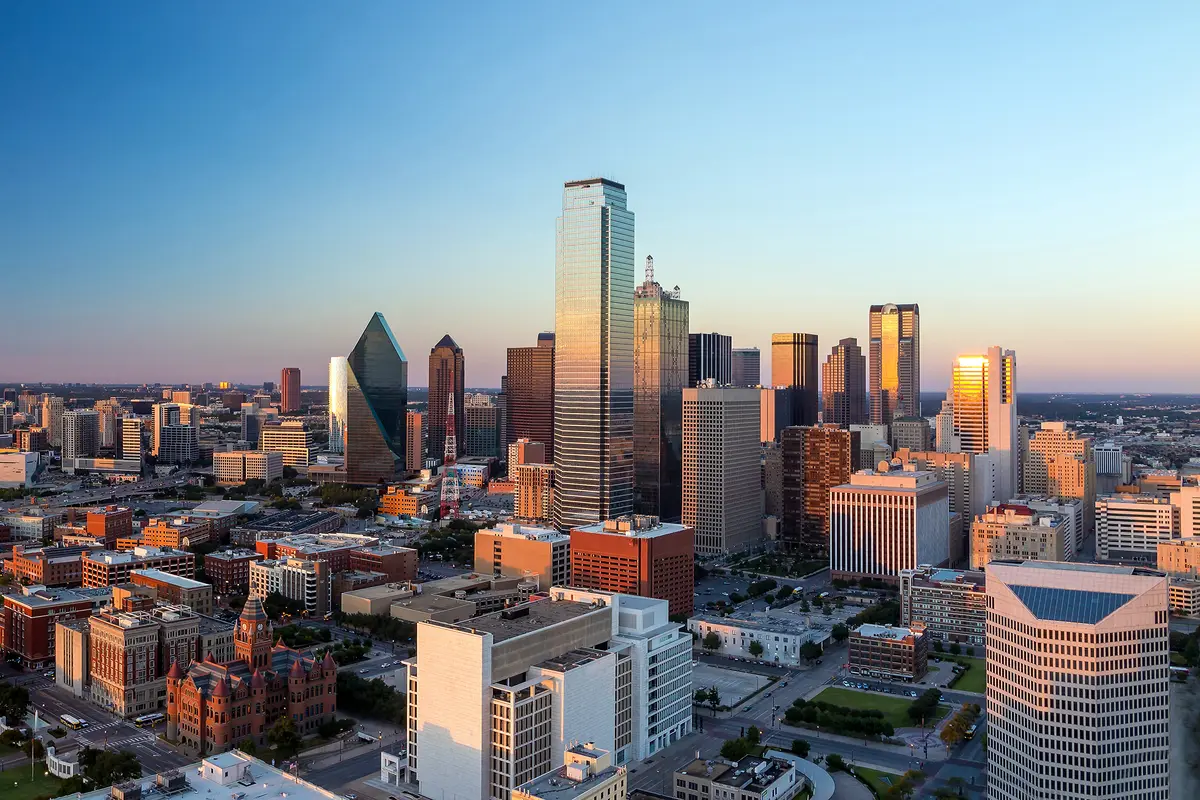
Two downtowns and the whole sweep of suburbs between and around them, from the Collin County job corridor to the ranch country west of Fort Worth. 71 cities including Dallas, Fort Worth, Arlington.
Explore all 71 Dallas-Fort Worth cities →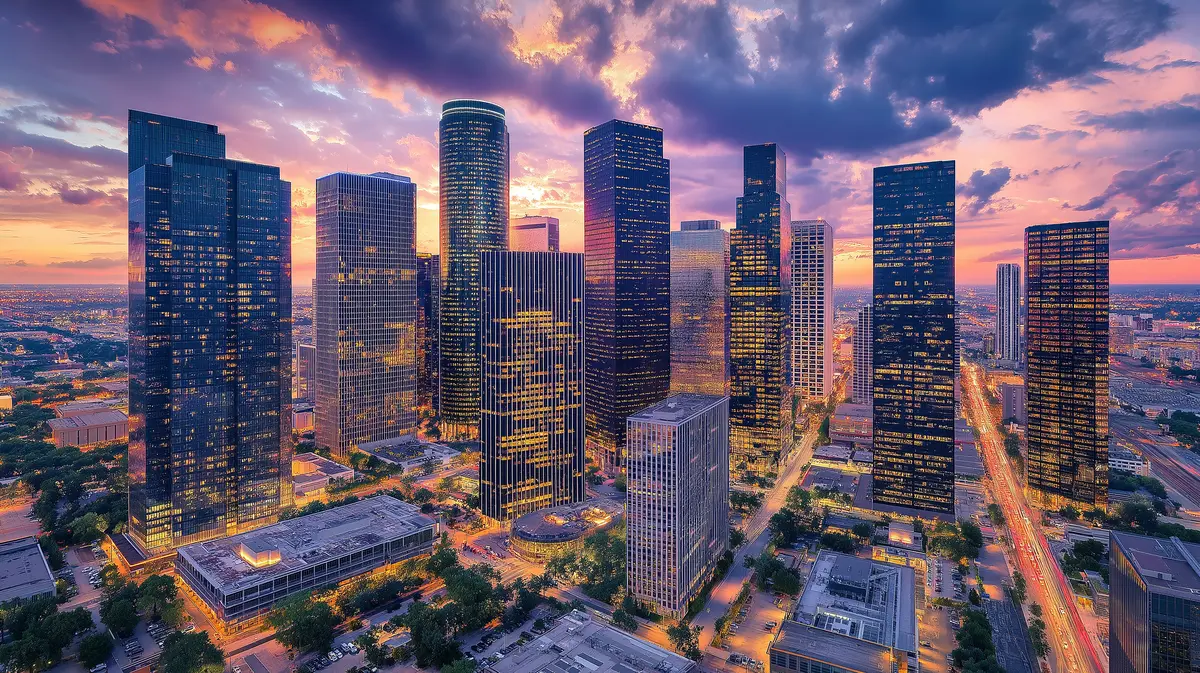
The energy capital and the ring of master-planned communities, bayou suburbs and bay towns that grew up around it. 45 cities including Houston, Cypress, Klein.
Explore all 45 Greater Houston cities →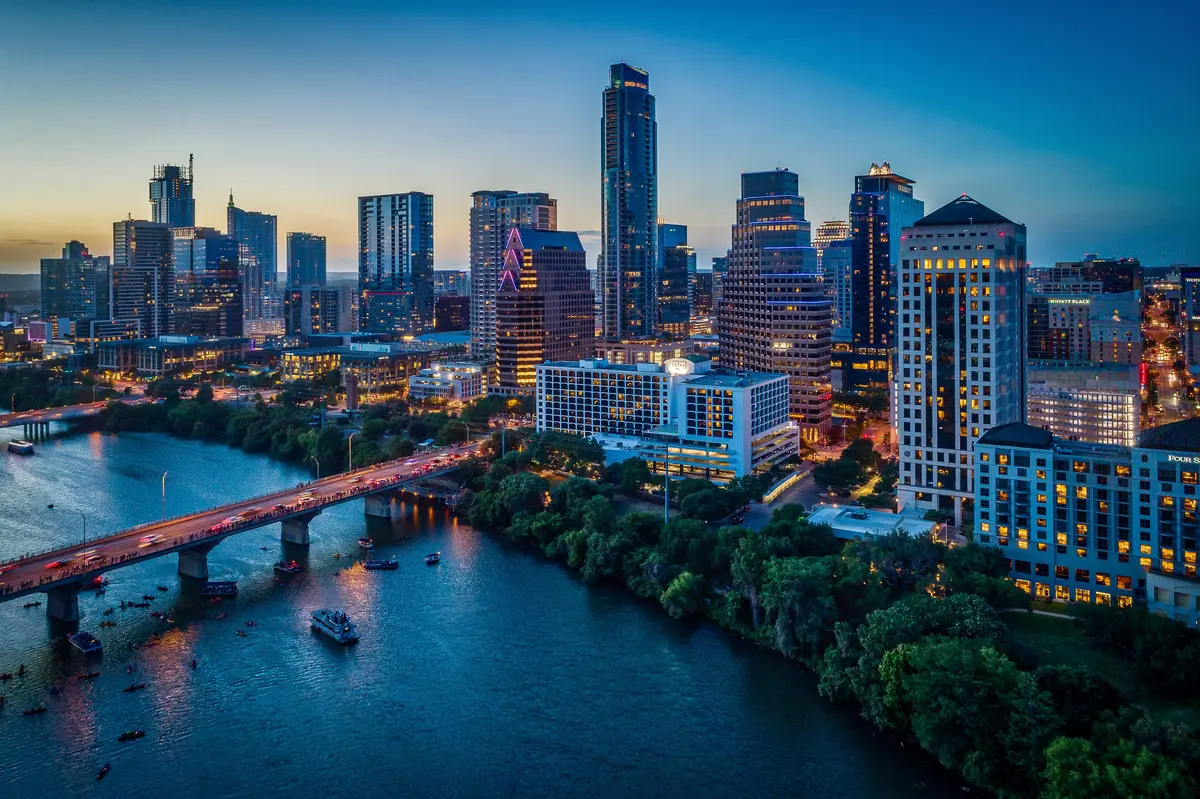
The state capital and the fast-growing corridor of suburbs running north and south of it along the interstate, out into the Colorado River hills. 21 cities including Austin, Round Rock, Georgetown.
Explore all 21 Austin Metro cities →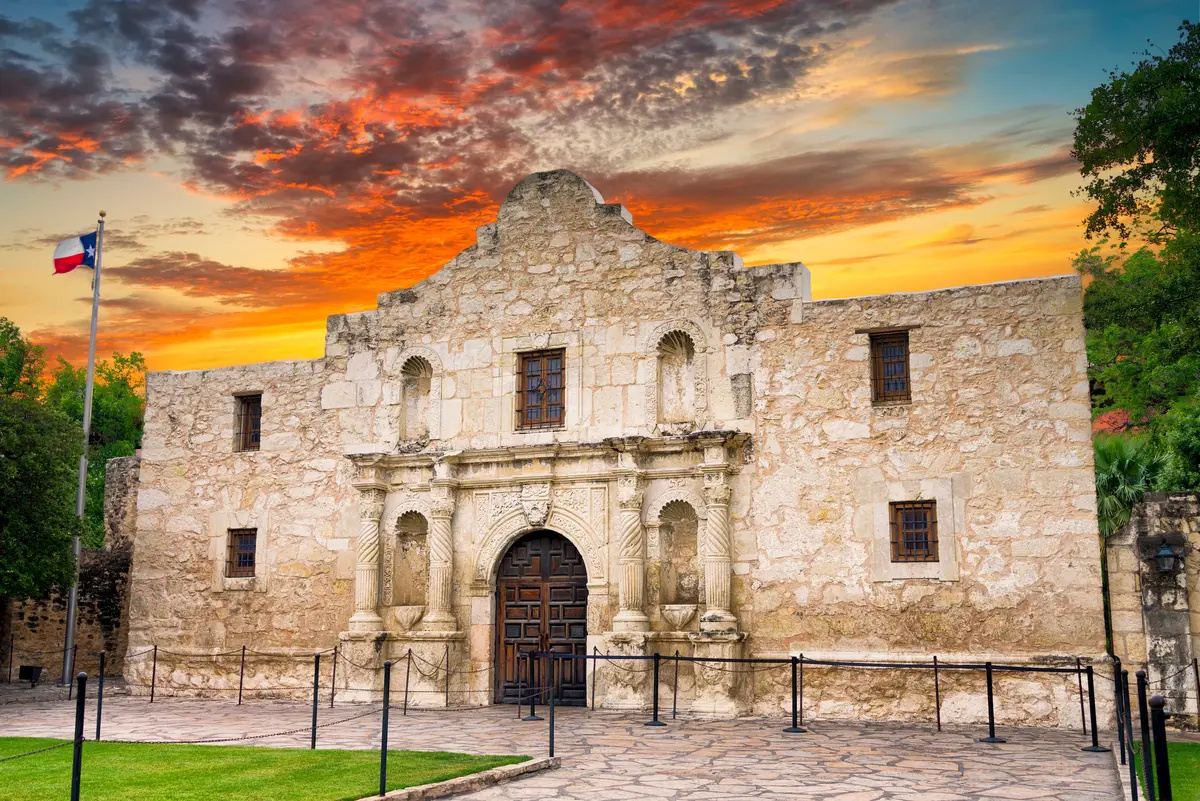
A deep-rooted Spanish colonial city ringed by military bases and the suburbs climbing north toward the Balcones Escarpment. 15 cities including San Antonio, New Braunfels, Schertz.
Explore all 15 San Antonio Metro cities →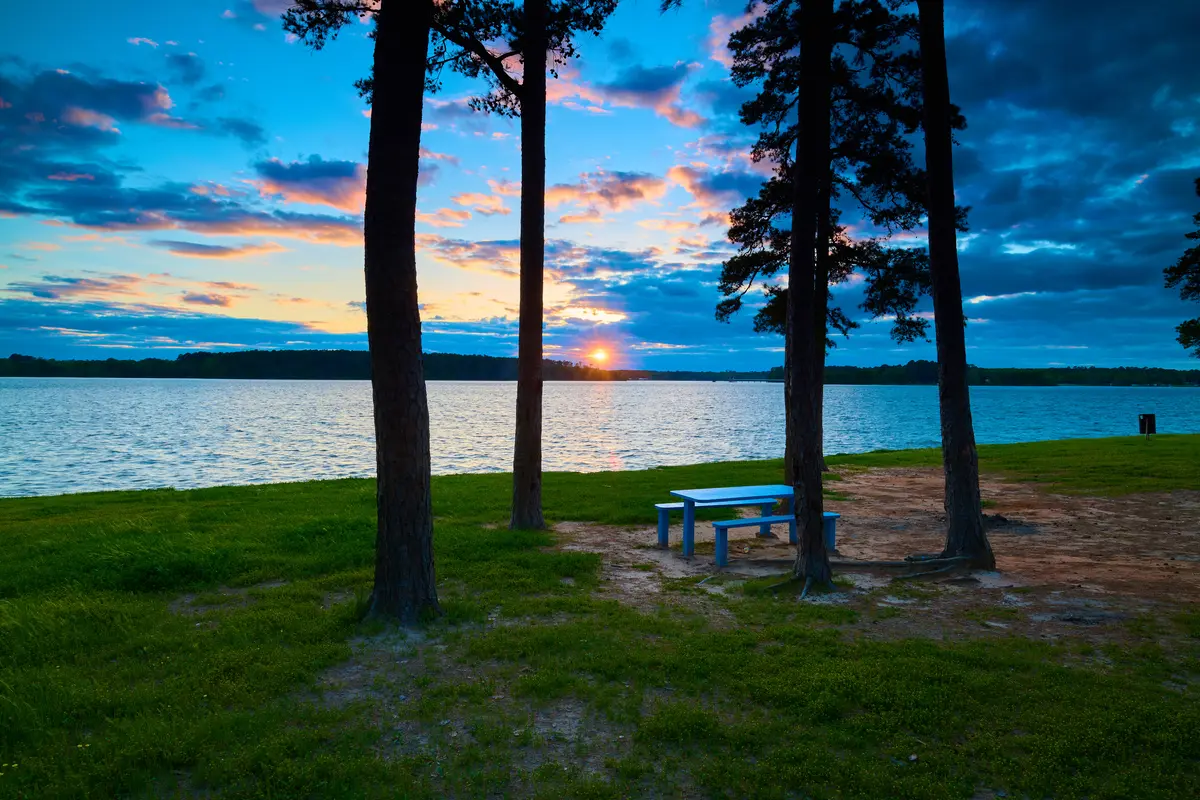
Pine forest, lakes and old county-seat towns across the wettest, greenest corner of the state. 13 cities including Tyler, Longview, Huntsville.
Explore all 13 East Texas cities →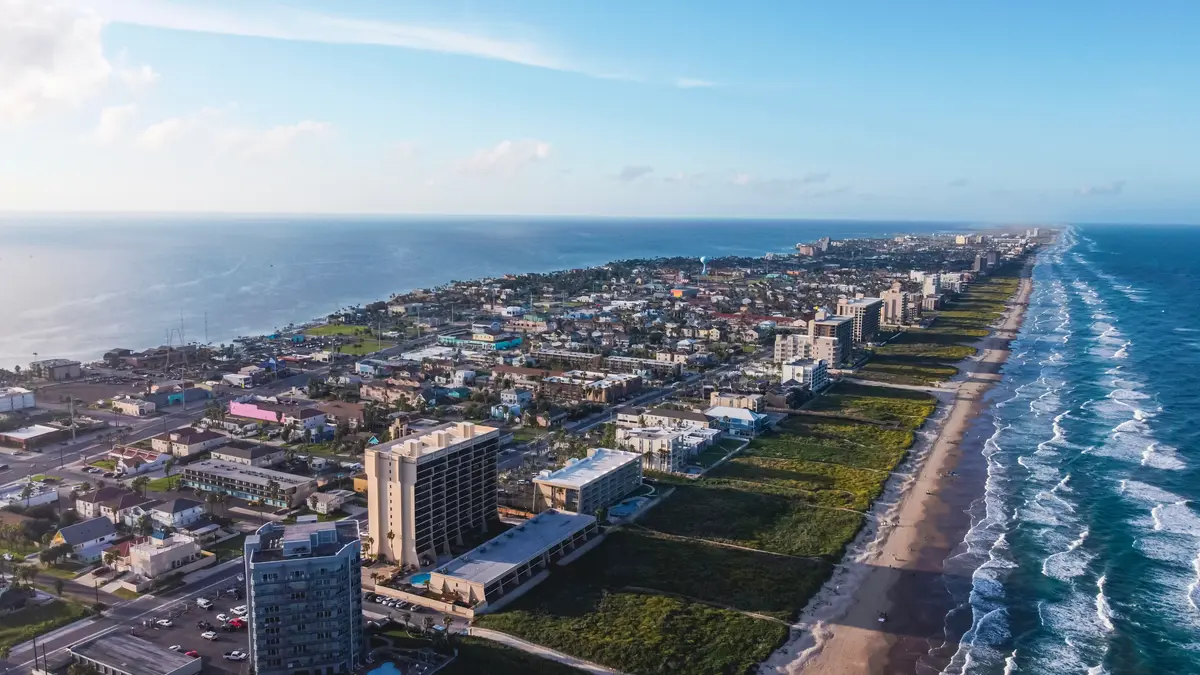
A bilingual, subtropical stretch of border cities and citrus country running from the river out to the Gulf beaches. 11 cities including Brownsville, McAllen, Edinburg.
Explore all 11 Rio Grande Valley cities →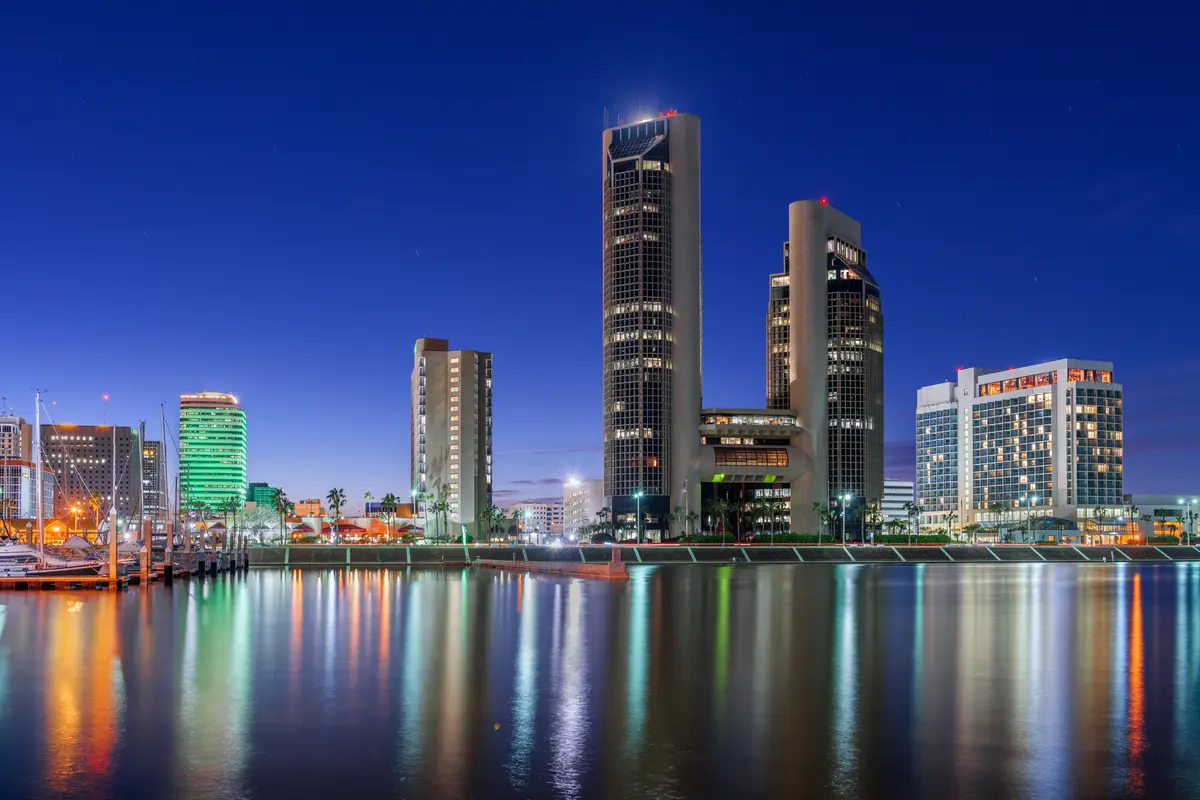
Bay-front cities, refinery towns and barrier-island beaches where the Gulf coast turns south. 7 cities including Corpus Christi, Victoria, Kingsville.
Explore all 7 Coastal Bend cities →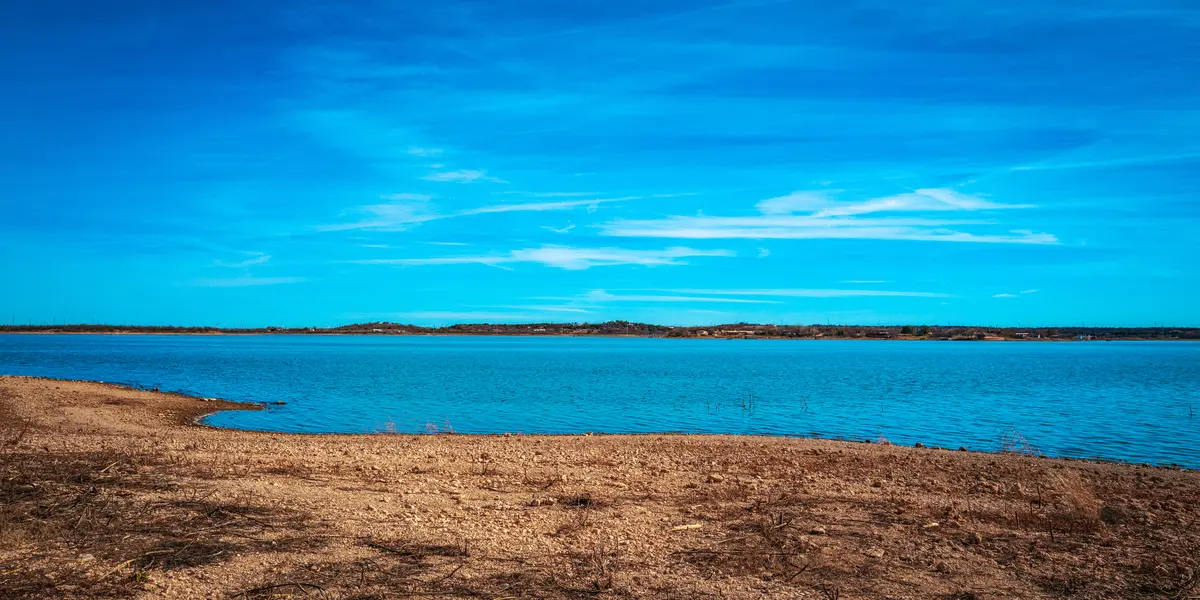
Ranching and university towns spread across the rolling plains of west central Texas. 6 cities including Abilene, San Angelo, Stephenville.
Explore all 6 Big Country cities →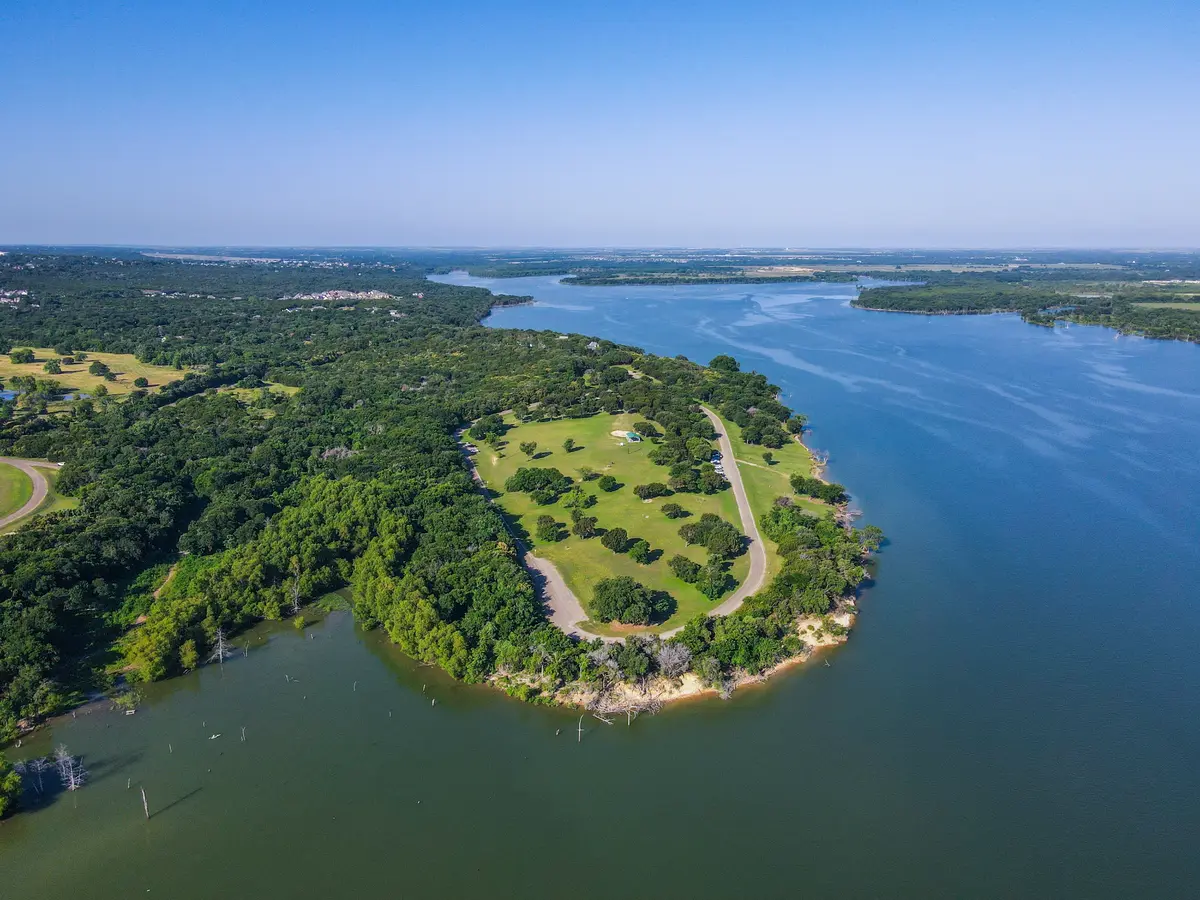
University, hospital and Army-post towns strung along the interstate between the two biggest metros. 6 cities including Killeen, Waco, Temple.
Explore all 6 Waco-Killeen-Temple cities →
The oilfield cities of far West Texas, where the pay is high and the horizon is wide open. 4 cities including Midland, Odessa, Big Spring.
Explore all 4 Permian Basin cities →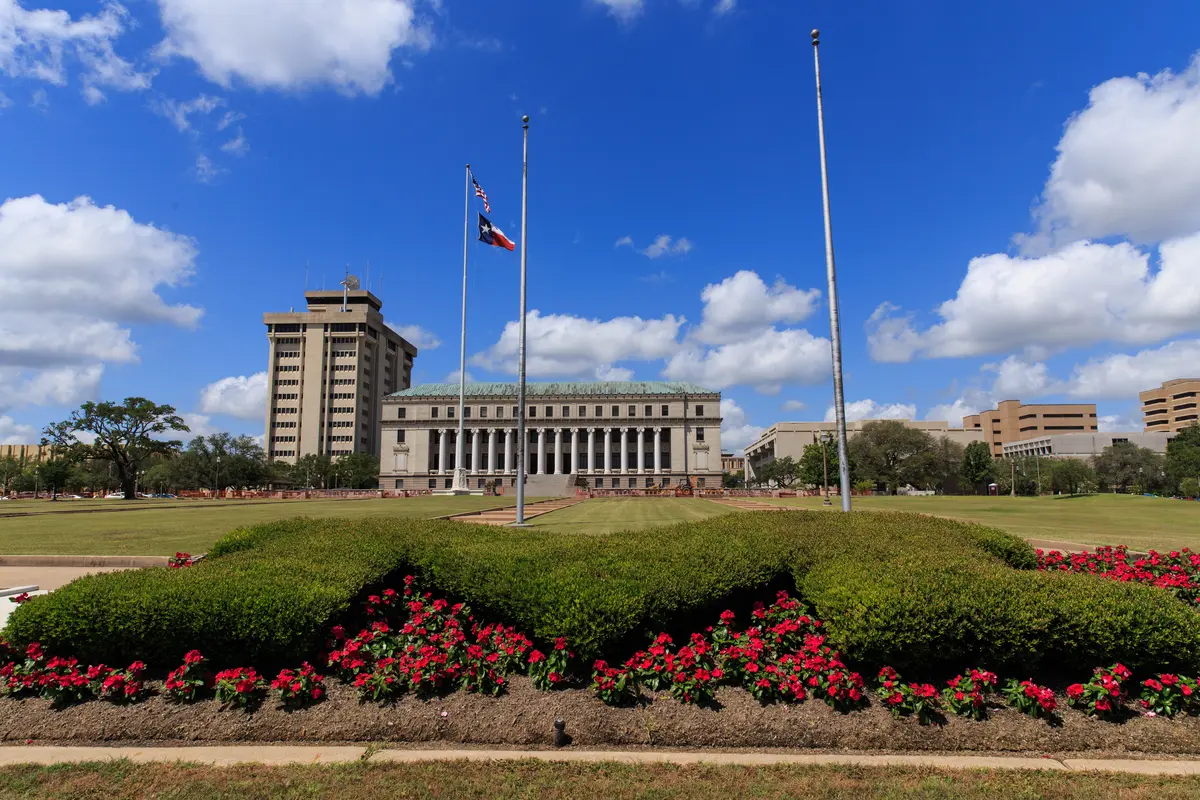
A university-driven pocket of Central Texas surrounded by river-bottom farmland and historic German and Czech settlements. 4 cities including College Station, Bryan, Brenham.
Explore all 4 Brazos Valley cities →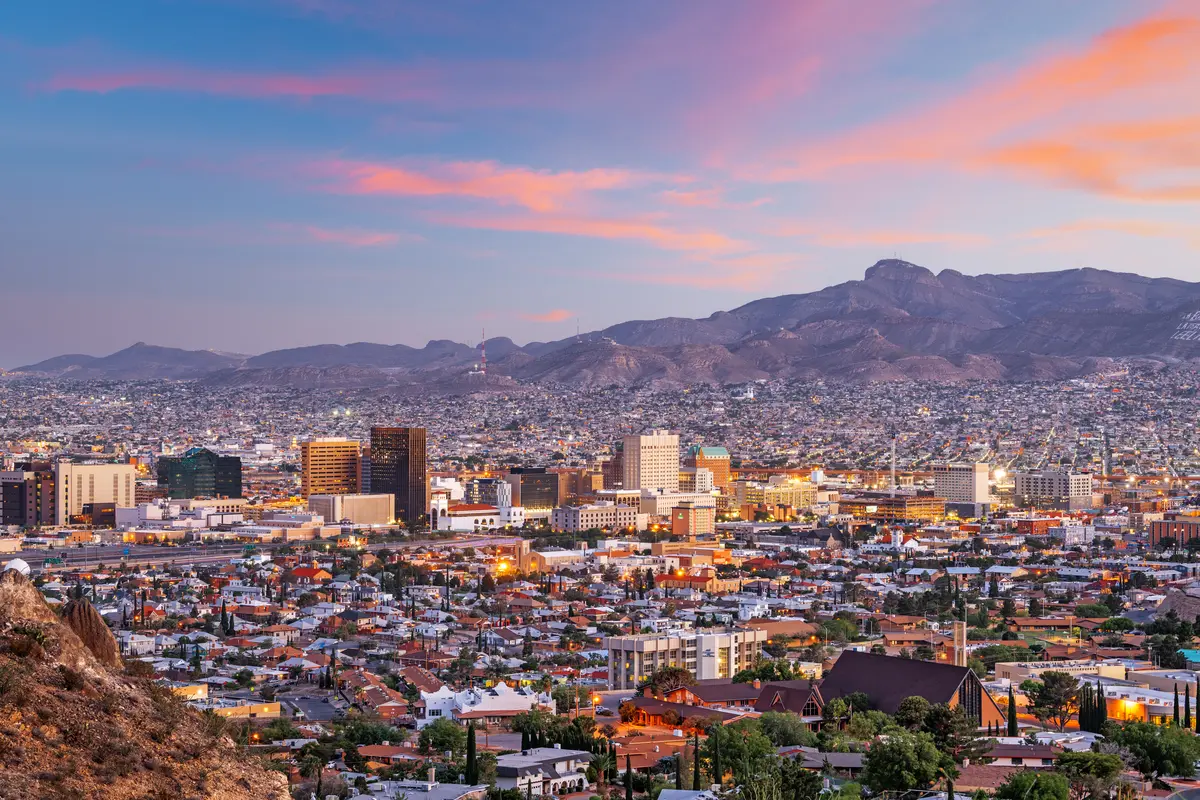
A high-desert border city in the far western corner of the state, closer to three other capitals than to its own. 4 cities including El Paso, Socorro, Horizon City.
Explore all 4 El Paso Borderplex cities →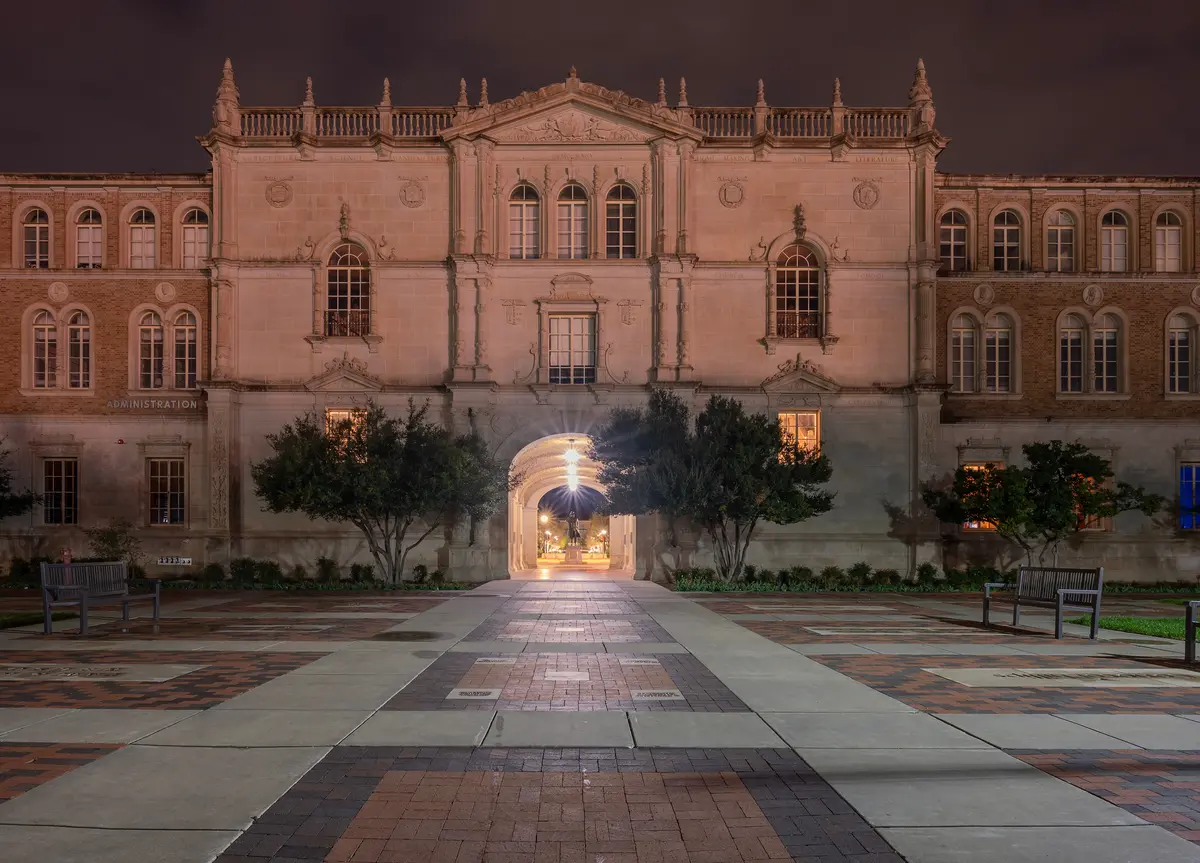
Flat, high, dry cotton and cattle country at the top of the state, anchored by two university cities. 3 cities including Lubbock, Amarillo, Plainview.
Explore all 3 Panhandle & South Plains cities →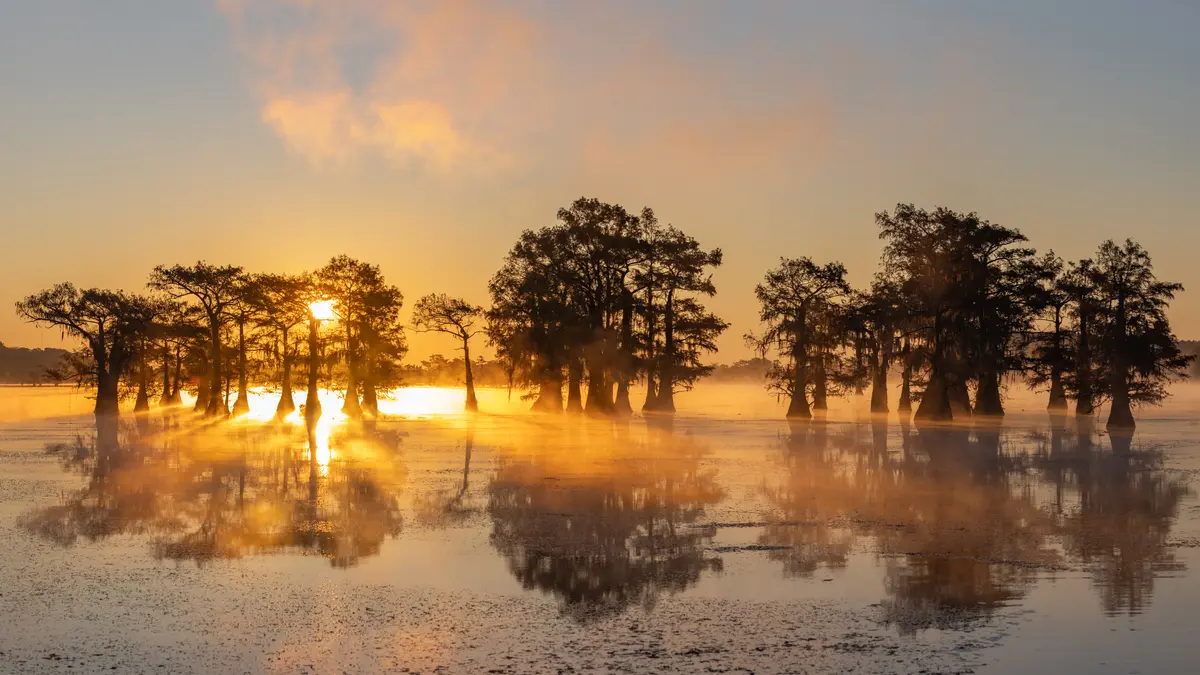
Refinery and shipping towns on the Louisiana line, where Texas starts to feel like the Deep South. 3 cities including Beaumont, Port Arthur, Port Neches.
Explore all 3 Golden Triangle cities →
Inland port cities and desert river towns along the stretch of border between the Valley and the Big Bend. 3 cities including Laredo, Del Rio, Eagle Pass.
Explore all 3 Southwest Border Country cities →
Independent small cities on the Red River plains, north and west of the Metroplex. 3 cities including Wichita Falls, Sherman, Denison.
Explore all 3 North Texas cities →Moving to Texas?
Tell us what you need help with and we'll connect you with local resources.
