Is the Texas Panhandle a Good Place to Live?
You're probably not choosing between the Texas Panhandle and Austin. You're choosing between a life that costs half as much, spreads wide under an enormous sky, and asks you to give up some of the urban conveniences you've taken for granted. That's the real trade-off this region puts in front of you — and it's worth naming early, because the people who land here and stay tend to have made that exchange consciously, not by accident.
The cities below are not interchangeable. Lubbock runs on Texas Tech University and its associated health sciences complex, which means a college-town energy, a sprawling medical economy, and a steady churn of students, researchers, and young professionals that keeps the city from feeling static. Amarillo is a different animal — a regional commercial hub where Bell Textron builds aircraft and the Pantex Plant in Carson County anchors a defense-sector workforce, a city that Route 66 still cuts through and whose identity is as much about cattle and working-class pragmatism as anything on a growth chart. Plainview, smaller than either, sits between them on I-27 and draws its character from Wayland Baptist University, agricultural manufacturing, and the kind of tight civic fabric that a genuinely small city either has or doesn't.
Across all three, the cost of owning a home runs well below what you'd pay in the Hill Country, the Austin Metro, or the Dallas-Fort Worth region — and noticeably below the state's mid-tier markets too. The Panhandle and South Plains region lands toward the more affordable end of Texas broadly, which shows up in property taxes that are real but in home prices that cushion the blow. What the region trades away is density: a serious shopping trip, a specialty medical appointment, or a live concert touring act often means driving somewhere else. Wind is not weather here — it's infrastructure. Newcomers from humid climates also don't expect the dryness, which is relentless and affects everything from landscaping to skin to how wildfire risk reads on an insurance form.
Whether you're weighing a university-town lifestyle in Lubbock, a larger commercial city in Amarillo, or an affordable foothold in Plainview, the sections below break down each city's neighborhoods, employers, landmarks, and what daily life here is actually like.

Explore All 3 Cities in the Texas Panhandle
Click into any city for the complete guide — neighborhoods, home prices, cost of living, pros & cons, schools, top employers, and mortgage help.
Lubbock
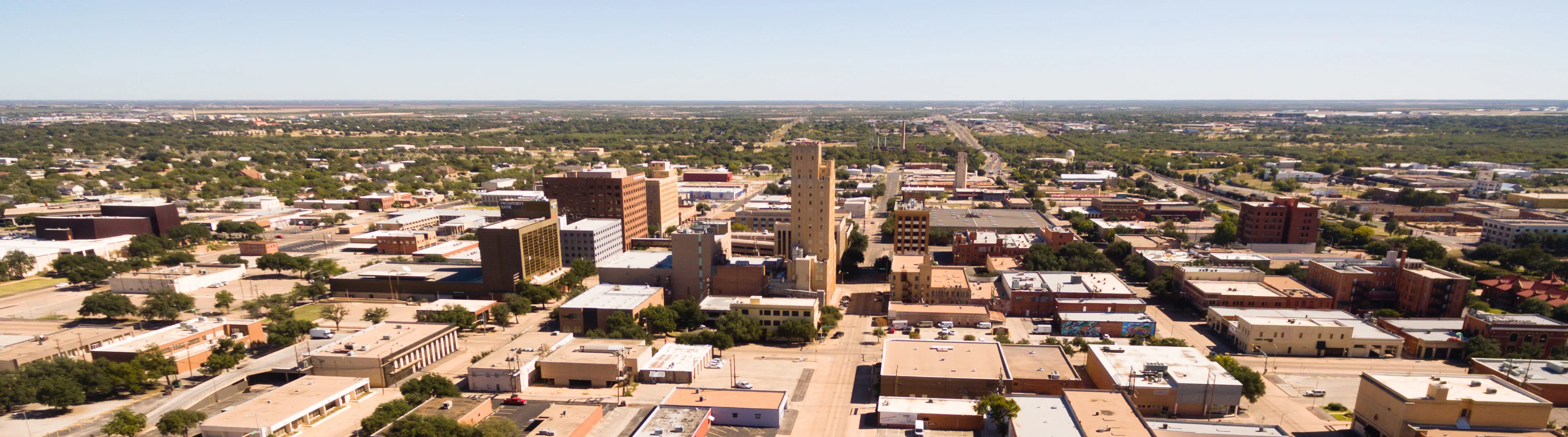
Lubbock is the largest city in this region and its most economically layered — Texas Tech University and the Texas Tech University Health Sciences Center together create a job base and a cultural calendar that punches above what most Plains cities can offer. Tech Terrace and LakeRidge pull families and long-term residents; the Depot Entertainment District and the Buddy Holly Center give the city a downtown identity that's genuinely its own. Prices sit near the middle of the region, and for buyers who want a real city with university-town energy, Lubbock is the clearest answer.
Full Lubbock Guide →
Amarillo
Amarillo carries the region's most recognizable landmarks — Cadillac Ranch, the Route 66 Historic District on Sixth Street, the American Quarter Horse Hall of Fame & Museum — and a workforce rooted in aerospace manufacturing at Bell Textron and defense work at the Pantex Plant in Carson County. Wolflin and Sleepy Hollow are established neighborhoods with distinct character; newer development fills out the western and northwestern edges. It sits near the middle of this region on price and serves as the commercial center for a wide swath of the Texas and Oklahoma Panhandle.
Full Amarillo Guide →
Plainview
Plainview is the most affordable entry point in this region and honest about what that means: a small city with a real civic core anchored by Wayland Baptist University, Azteca Milling, and a historic downtown that still functions as a gathering place. The employer base is thinner than Lubbock or Amarillo, and residents who need specialty services or major retail do drive out. For buyers who want a low cost of entry, a tight community feel, and a genuine small-city pace, Plainview delivers in ways the larger cities simply cannot replicate.
Full Plainview Guide →Compare Every City in Panhandle & South Plains
Full ranked breakdowns across every city in the region — scored and compared side by side.
Local Expert Takeaway: The Texas Panhandle rewards buyers who choose it deliberately — pick the city whose employer base matches your work, price the wind and the distance from specialty services honestly, and you'll find a cost of homeownership that most of Texas can no longer offer.
Frequently Asked Questions
Which city in the Texas Panhandle is the best fit for families with school-age children?
How does the cost of living in the Texas Panhandle compare to the rest of Texas?
Is the Texas Panhandle a reasonable place to live without a car?
What are the biggest drawbacks people discover after moving to the Texas Panhandle?
Is Lubbock or Amarillo better for someone relocating for work?
Helpful Texas Resources
Explore Other Texas Regions
the Texas Panhandle is one of 17 distinct regions that make up Texas. Each has its own climate, character, and housing market — explore them all.
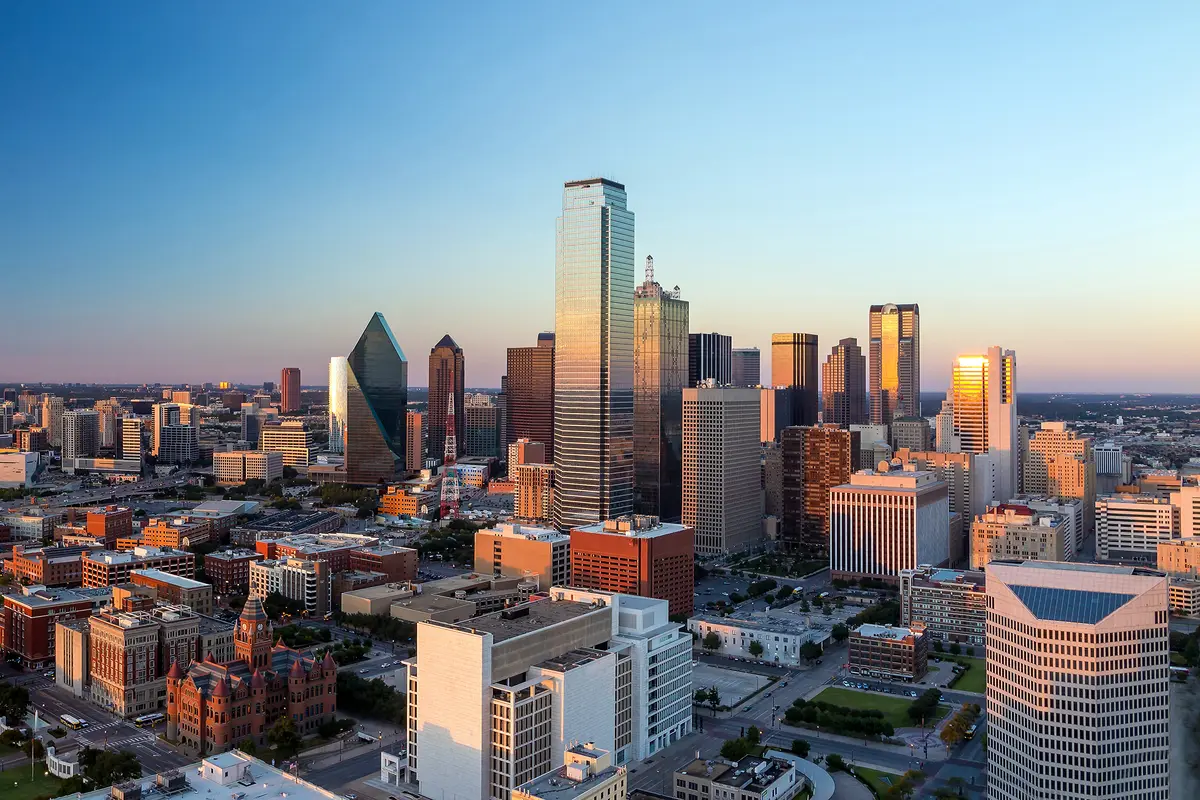
Two downtowns and the whole sweep of suburbs between and around them, from the Collin County job corridor to the ranch country west of Fort Worth. 71 cities including Dallas, Fort Worth, Arlington.
Explore all 71 Dallas-Fort Worth cities →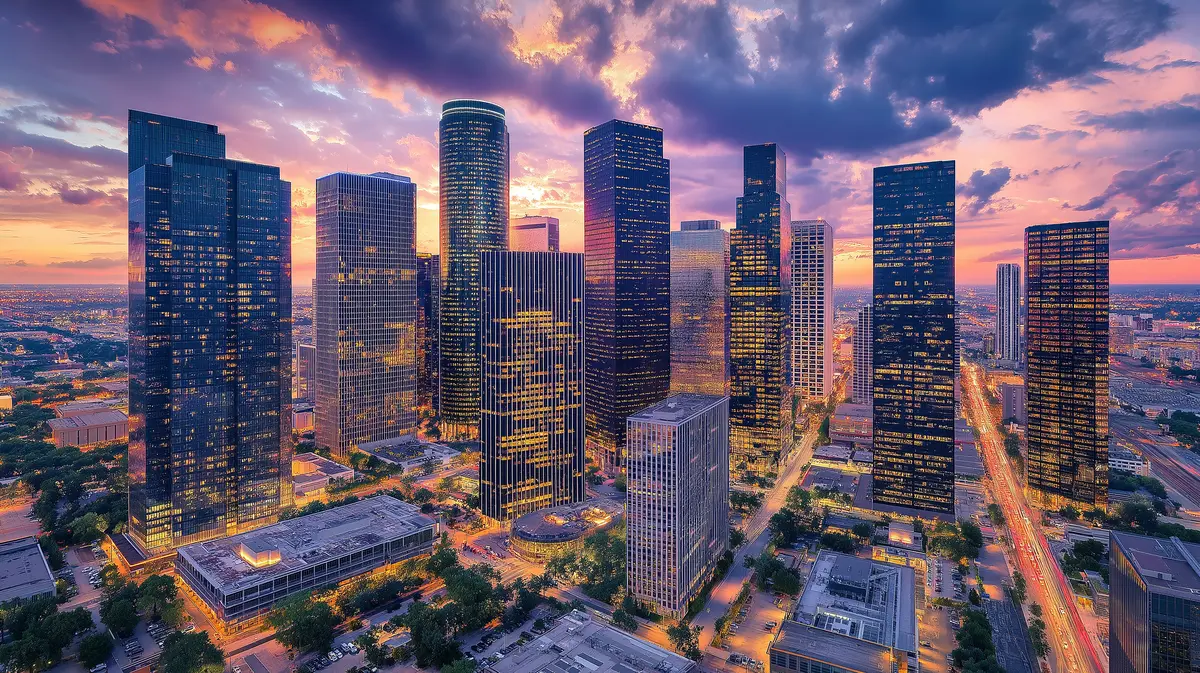
The energy capital and the ring of master-planned communities, bayou suburbs and bay towns that grew up around it. 45 cities including Houston, Cypress, Klein.
Explore all 45 Greater Houston cities →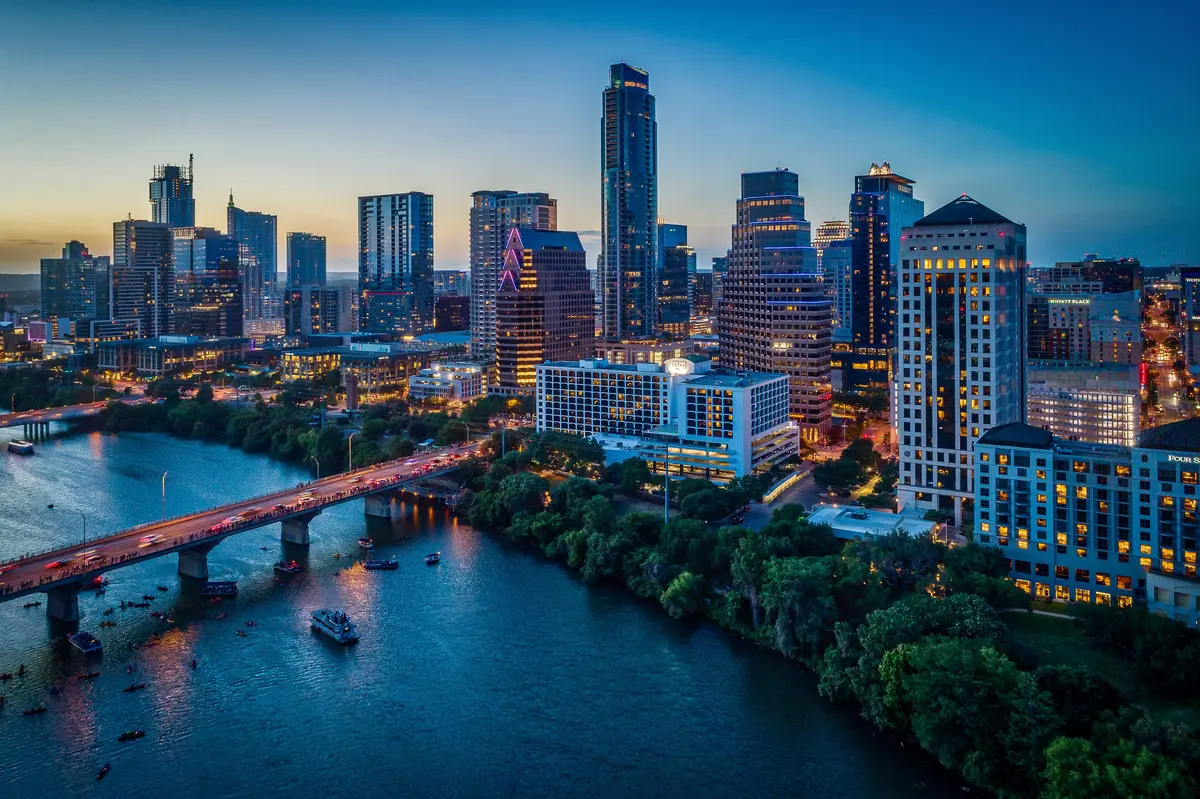
The state capital and the fast-growing corridor of suburbs running north and south of it along the interstate, out into the Colorado River hills. 21 cities including Austin, Round Rock, Georgetown.
Explore all 21 Austin Metro cities →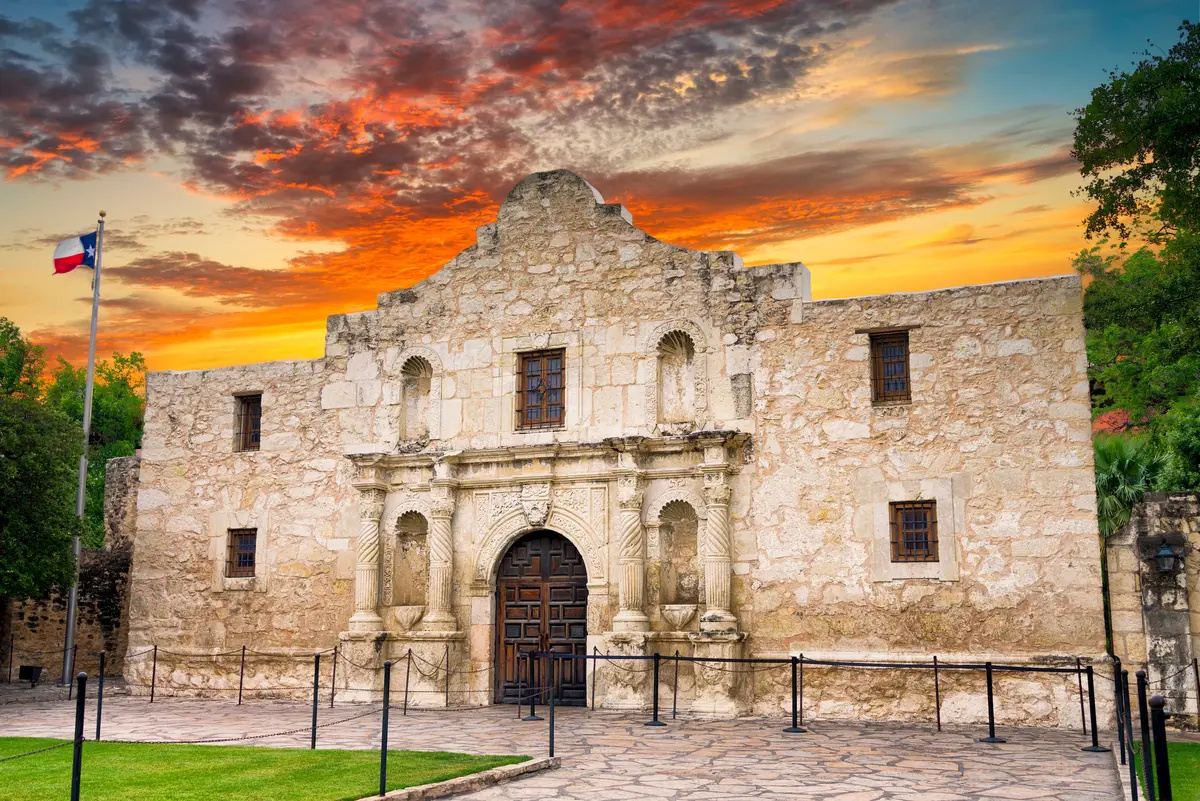
A deep-rooted Spanish colonial city ringed by military bases and the suburbs climbing north toward the Balcones Escarpment. 15 cities including San Antonio, New Braunfels, Schertz.
Explore all 15 San Antonio Metro cities →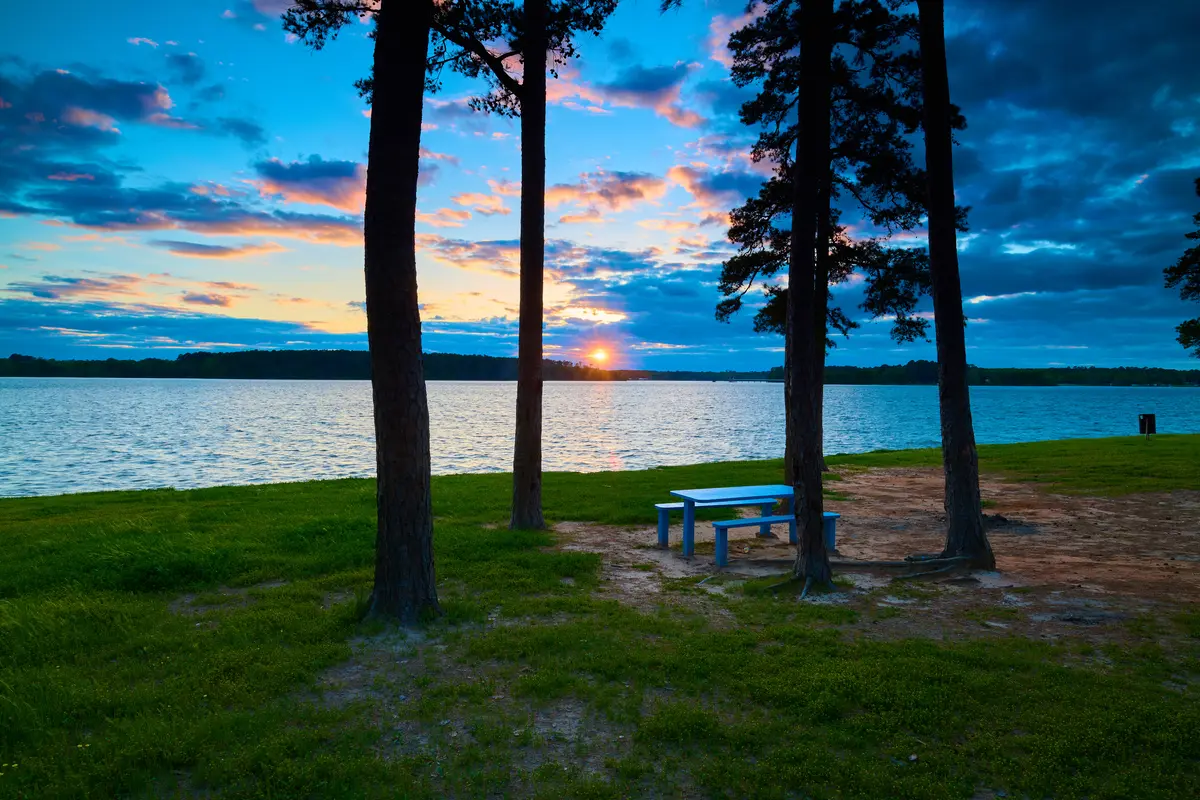
Pine forest, lakes and old county-seat towns across the wettest, greenest corner of the state. 13 cities including Tyler, Longview, Huntsville.
Explore all 13 East Texas cities →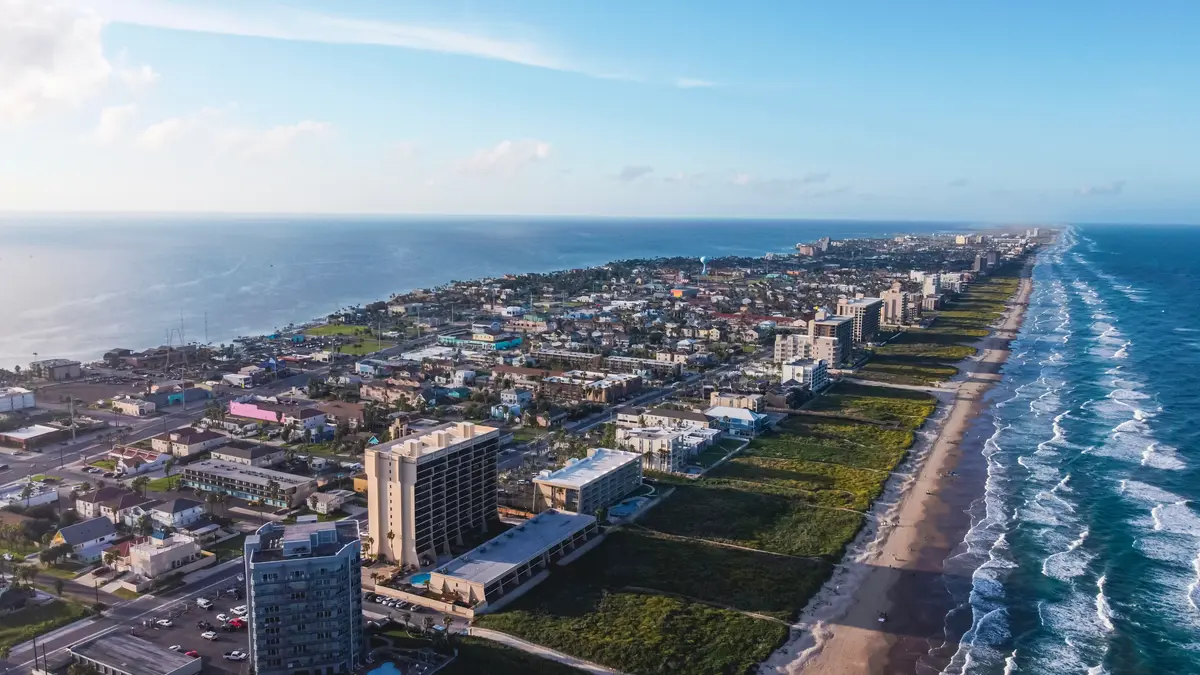
A bilingual, subtropical stretch of border cities and citrus country running from the river out to the Gulf beaches. 11 cities including Brownsville, McAllen, Edinburg.
Explore all 11 Rio Grande Valley cities →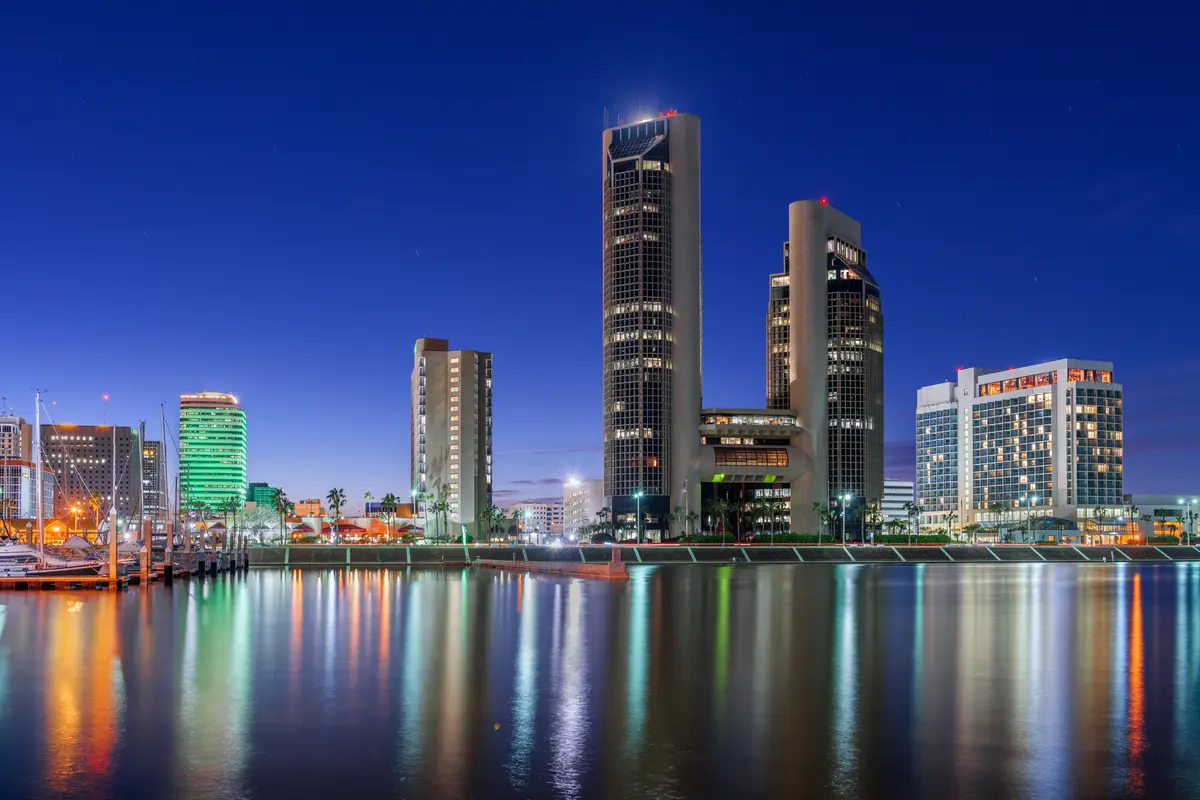
Bay-front cities, refinery towns and barrier-island beaches where the Gulf coast turns south. 7 cities including Corpus Christi, Victoria, Kingsville.
Explore all 7 Coastal Bend cities →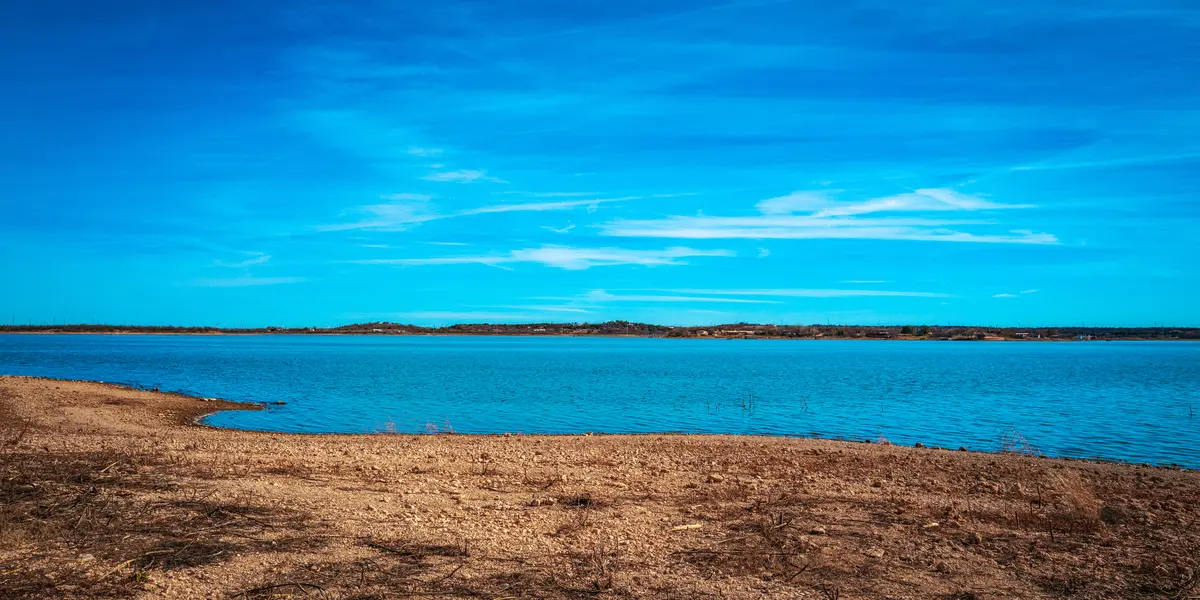
Ranching and university towns spread across the rolling plains of west central Texas. 6 cities including Abilene, San Angelo, Stephenville.
Explore all 6 Big Country cities →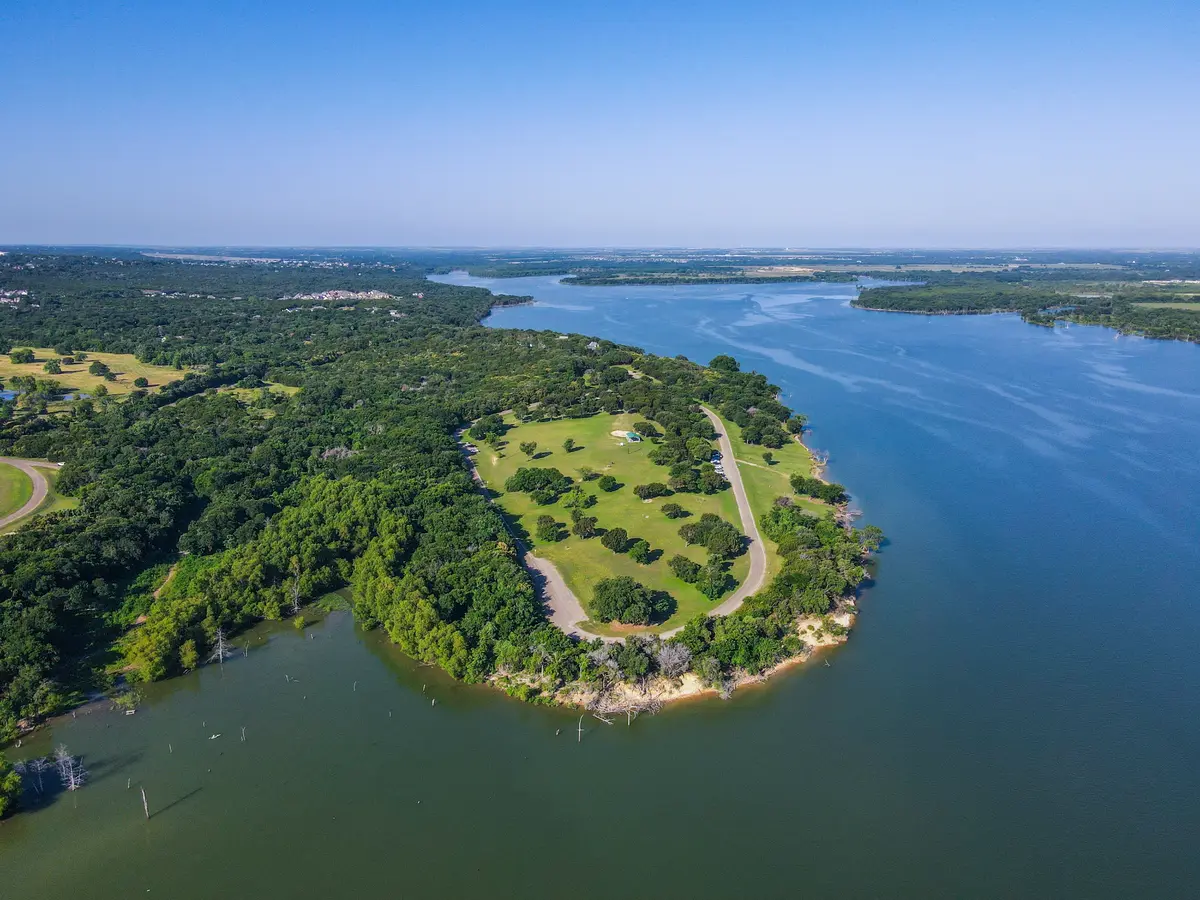
University, hospital and Army-post towns strung along the interstate between the two biggest metros. 6 cities including Killeen, Waco, Temple.
Explore all 6 Waco-Killeen-Temple cities →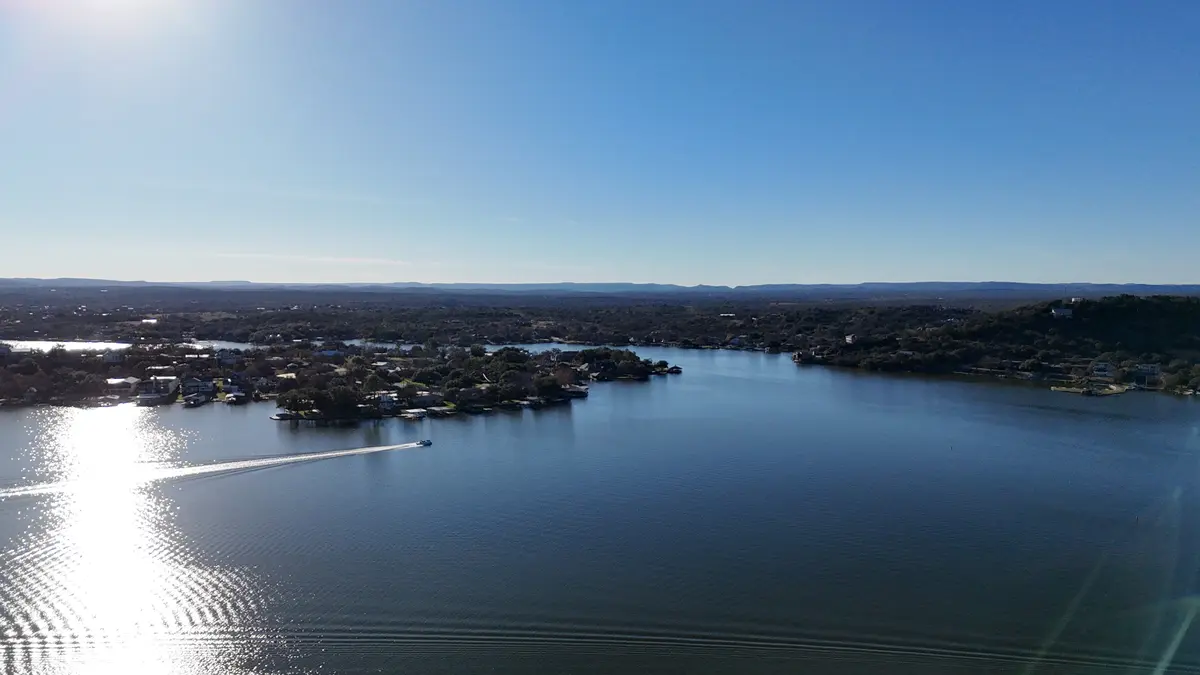
Limestone hills, spring-fed rivers, German heritage towns and the wineries that followed them. 5 cities including Kerrville, Uvalde, Fredericksburg.
Explore all 5 Hill Country cities →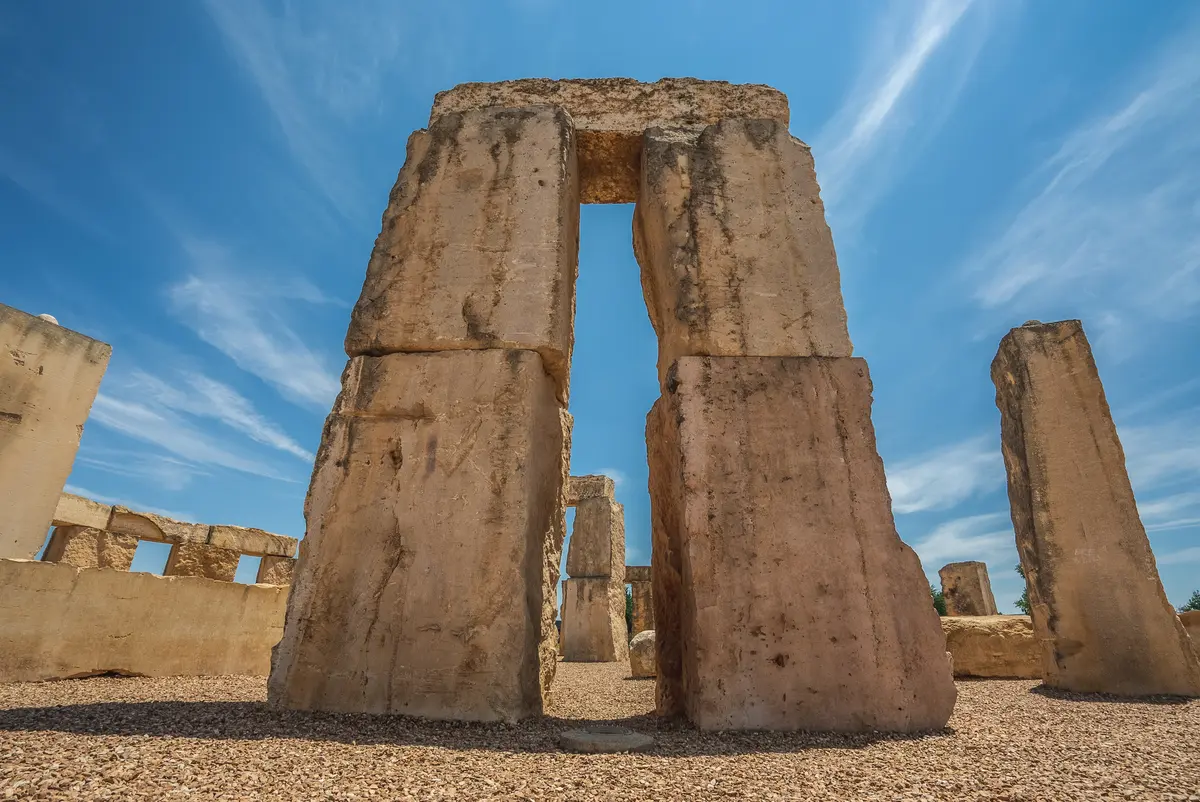
The oilfield cities of far West Texas, where the pay is high and the horizon is wide open. 4 cities including Midland, Odessa, Big Spring.
Explore all 4 Permian Basin cities →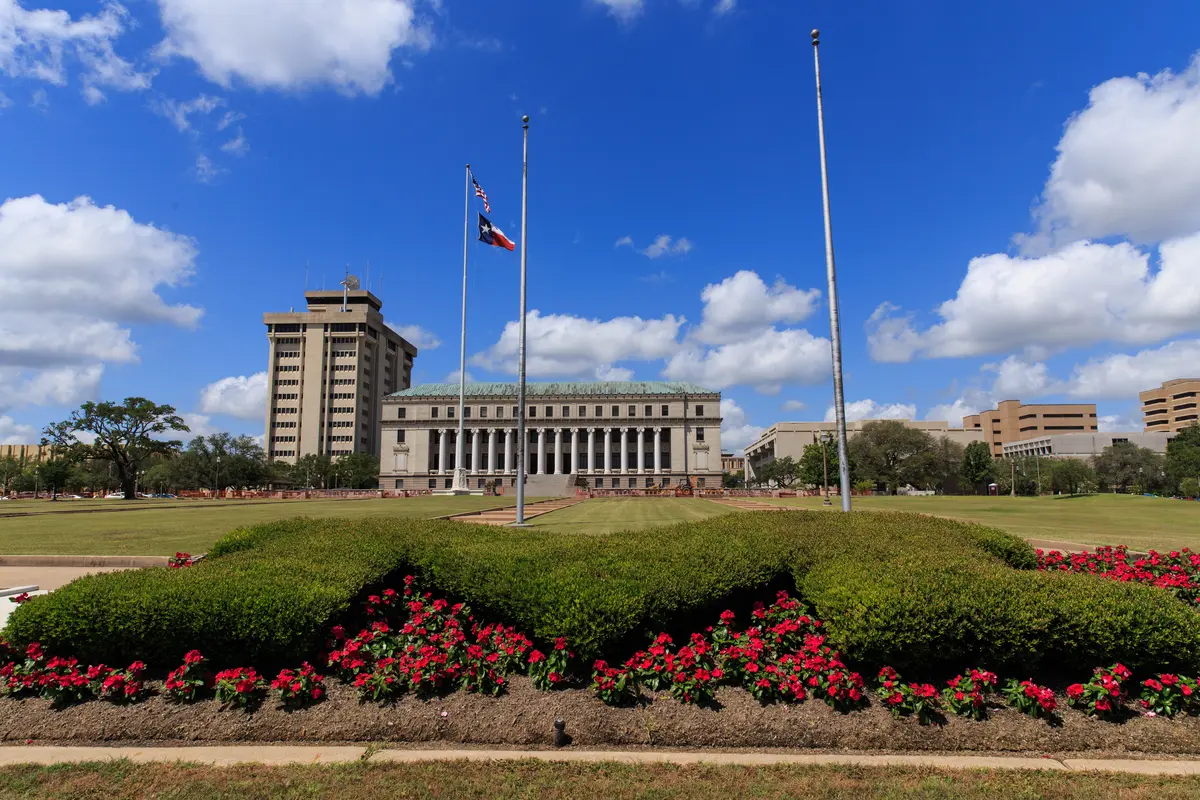
A university-driven pocket of Central Texas surrounded by river-bottom farmland and historic German and Czech settlements. 4 cities including College Station, Bryan, Brenham.
Explore all 4 Brazos Valley cities →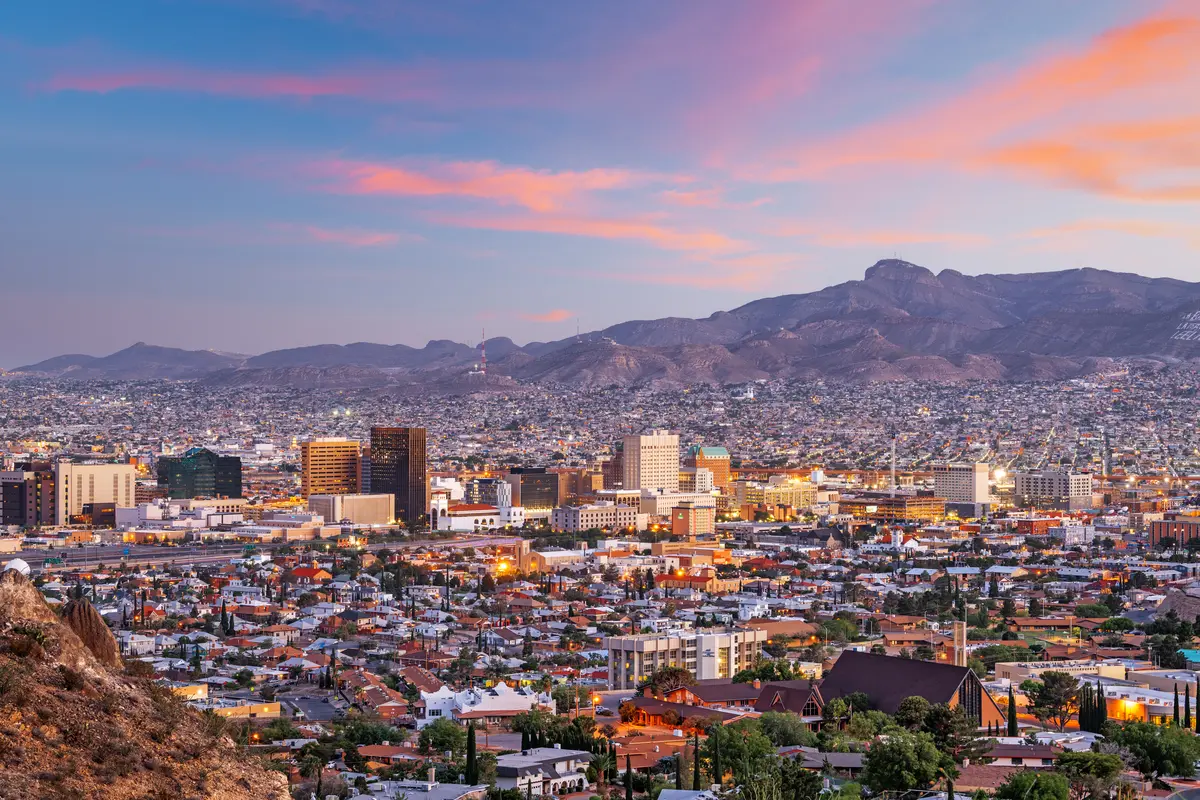
A high-desert border city in the far western corner of the state, closer to three other capitals than to its own. 4 cities including El Paso, Socorro, Horizon City.
Explore all 4 El Paso Borderplex cities →
Refinery and shipping towns on the Louisiana line, where Texas starts to feel like the Deep South. 3 cities including Beaumont, Port Arthur, Port Neches.
Explore all 3 Golden Triangle cities →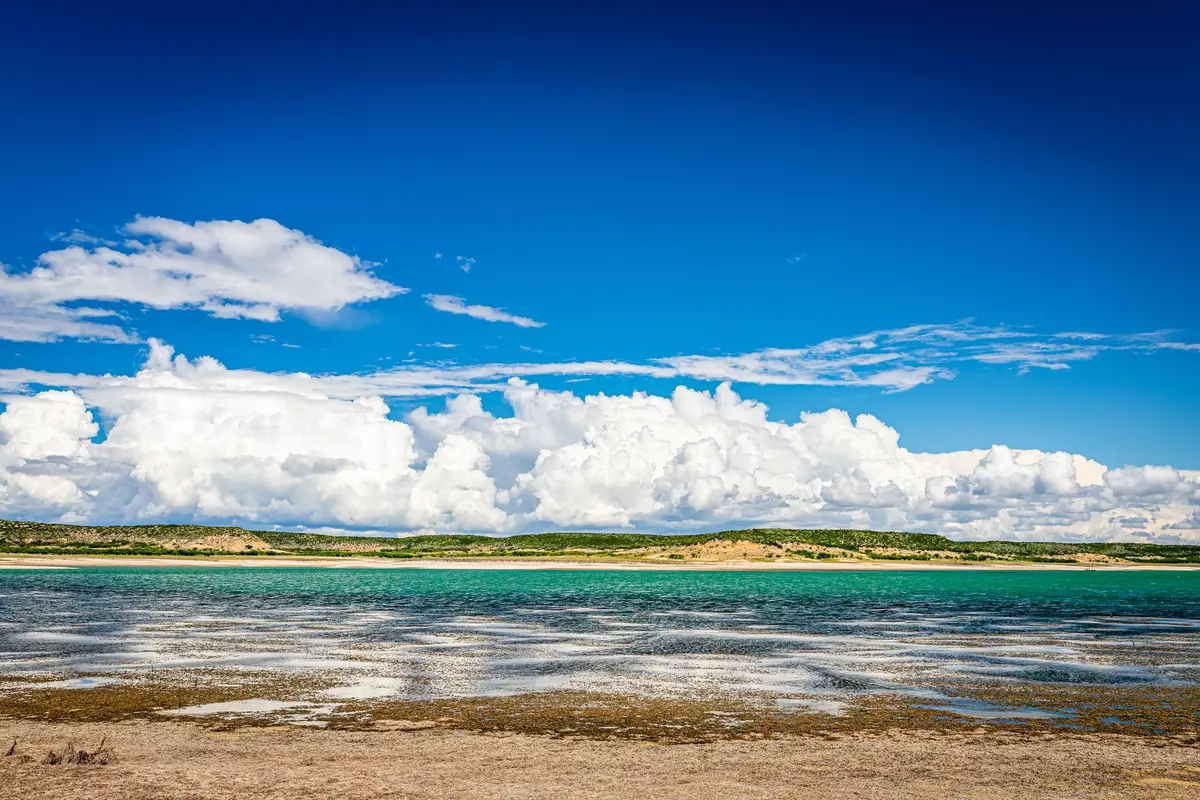
Inland port cities and desert river towns along the stretch of border between the Valley and the Big Bend. 3 cities including Laredo, Del Rio, Eagle Pass.
Explore all 3 Southwest Border Country cities →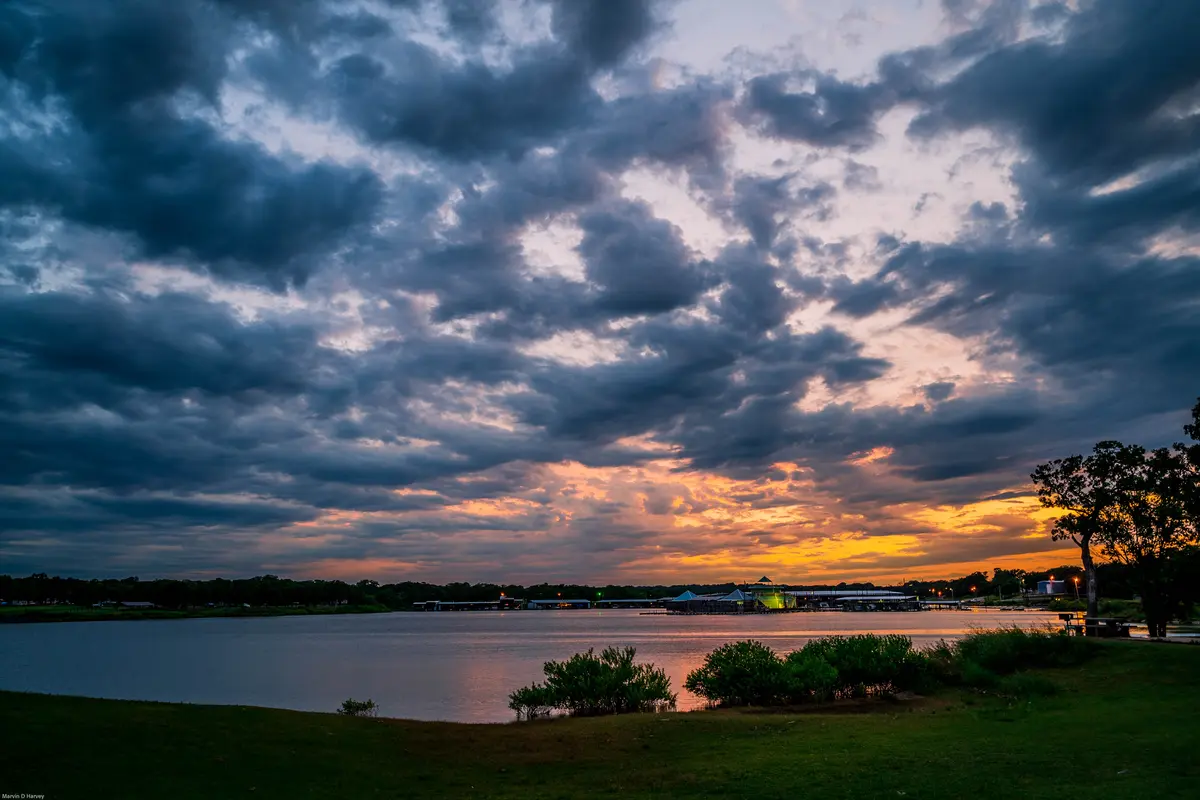
Independent small cities on the Red River plains, north and west of the Metroplex. 3 cities including Wichita Falls, Sherman, Denison.
Explore all 3 North Texas cities →Moving to Texas?
Tell us what you need help with and we'll connect you with local resources.
