What Is Living in Lubbock, Texas Like?
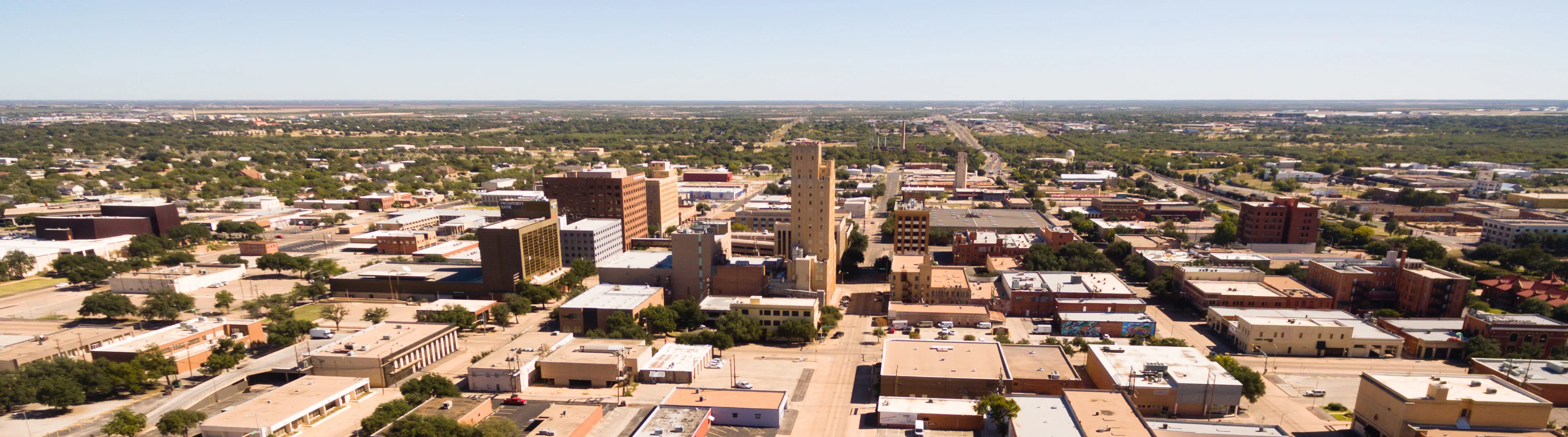
People who move to Lubbock from California, Arizona, or New Mexico usually say the same thing within the first few months: they expected a small college town and found a genuine city. At 273,071 residents, Lubbock is the 10th-largest incorporated city in Texas — big enough to have real employers, real traffic, real cultural anchors, and a downtown entertainment district that keeps expanding. It sits at the center of the South Plains, roughly equidistant between Dallas and Albuquerque, with I-27, US-87, and Loop 289 forming the basic skeleton of daily movement. The wind is real. The flatness is real. And the city has a gravitational pull that surprises a lot of newcomers once they're actually in it.
Texas Tech University is the engine that runs this city in almost every direction. With a student body and faculty and staff presence large enough to fill entire neighborhoods, Texas Tech drives employment, housing demand, cultural programming, and the identity of entire districts. The Texas Tech University Health Sciences Center runs a separate campus that anchors the medical corridor. The Lubbock Independent School District — with 23,119 students enrolled in 2025-26 — is the other major institutional presence, and it holds a B rating, according to the Texas Education Agency. The people who move here most often fall into a few clear categories: families following a job at one of the two Tech campuses or the health system, remote workers priced out of bigger Texas metros, and graduates who discovered during school that they actually liked it here.
The housing picture is the most immediate draw. The typical home price sits at $212,191 (Zillow Home Value Index, July 2026) — well below what you'd pay in Dallas, Austin, or the growing suburban corridors around them. The city-wide typical rent runs around $1,380 per month. The trade-off is that the median household income of $60,895 is just below the threshold needed to comfortably carry the typical home, which means affordability is real but not unlimited. Texas has no state income tax, and Lubbock's effective property tax rate of 1.49% is worth understanding before you make an offer. For a full cost breakdown, see the cost of living page.
Whether you're being relocated for a job at the Health Sciences Center, trading California prices for South Plains square footage, or just researching before a first visit, this guide covers Lubbock's neighborhoods, housing market, commute patterns, local employers, and what weekends actually look like here.
Lubbock at a Glance
Looking to buy in Lubbock? Estimate your payment.
Enter your numbers to see an estimated monthly mortgage payment.
Estimate only. Excludes HOA fees and mortgage insurance. The interest rate above is a starting point, not a quoted rate — replace it with your own to see real numbers. Insurance is a flat placeholder, not a Lubbock quote.
Why Are People Moving to Lubbock?
Lubbock has grown faster than most people outside Texas realize. The city has added tens of thousands of residents over the past decade, a pace that attracts people who want to get ahead of the curve rather than chase a market that's already priced them out.
The Economic Foundation
The job picture here is more diversified than the university headline suggests. Texas Tech University remains the largest employer — faculty, staff, administration, and the research infrastructure around it. The Texas Tech University Health Sciences Center runs a separate campus that anchors the medical employment corridor. Covenant Health and UMC Health System round out healthcare as the second-largest employment sector in the city. The Lubbock Independent School District and the City of Lubbock itself employ significant numbers as well.
Beyond the institutional employers, Lubbock functions as a regional hub for roughly 650,000 people across the South Plains. That gives the city a commercial and service economy — logistics, retail, agriculture-adjacent industries, financial services — that keeps the job market from being entirely dependent on the university cycle. The city's unemployment rate has held around 3.8%, and the economy has shown steady job growth in recent years.
Texas has no corporate or personal income tax, and Lubbock additionally offers abatements and workforce incentives for businesses locating here. That combination has drawn employers and entrepreneurs relocating from higher-tax states, particularly California, which shows up in the inbound migration numbers alongside Arizona and New Mexico.
Who Actually Moves Here
Three groups make up the majority of relocating buyers. The first is families following institutional employment — a faculty hire, a nursing position, an administrative role at one of the Tech campuses or the health system. The second is remote workers who discovered they can afford a four-bedroom house in Lubbock for what a one-bedroom costs in Austin or Denver. The third is graduates who stayed — people who came for a degree and found the city genuinely livable once they were in it.
The honest counterpoint: people move out of Lubbock most often for two reasons. One is weather — the wind, the dust storms (locally called "dusters"), and summers that run long and dry. The other is limited cultural density compared to Dallas or Austin. If live music, a walkable restaurant scene, and urban density are non-negotiables, Lubbock will eventually feel too small. If you're anchored by a job, a family, or a preference for space over scene, it tends to hold people longer than they expected.
What Daily Life Feels Like in Lubbock
Most errands in Lubbock require a car. The city is built on a grid — the South Plains' geometry means streets run long and straight — and the practical result is that daily life happens by driving from node to node: the grocery store, the school, the office, the park. That's not a complaint most residents make; it's simply the shape of the place, and once you're oriented, movement is efficient.
The Texas Tech Influence on Daily Life
Living near Texas Tech means the university's rhythms become your rhythms. Home football games in the fall transform the area around the stadium into a citywide event — traffic, tailgating, and a level of community energy that newcomers from smaller college towns often find genuinely surprising. The university also drives much of the city's cultural calendar: concerts, lectures, theater, and gallery openings happen on or adjacent to campus on a regular basis.
The Depot Entertainment District is the other gravitational center for evenings out. It functions as the city's concentrated social hub — live music, bars, dining, and the historic Cactus Theater anchoring one end of it. The district has continued to expand, and on a Friday night it draws a real crowd from across the metro.
Schools and Kids
The Lubbock Independent School District serves 23,119 students enrolled in 2025-26 and holds a B rating, according to the Texas Education Agency. On 2024-25 state assessments, 40% of students reached math proficiency and 51% reached reading proficiency — numbers that track near the state average but leave room for improvement. Active UIL athletics programs run across the district, and Friday night football is genuinely a community gathering in this city. For a full breakdown of schools and boundary details, see the schools page.
Safety
Lubbock carries a violent crime rate of 8.2 per 1,000 residents and a property crime rate of 27 per 1,000 residents — both above Texas state averages and above national figures. Those averages mask significant geographic variation within the city. The safety page breaks down which areas of the city have stronger track records and which don't — understanding that distinction before picking a neighborhood matters here more than in many comparably sized Texas cities.
Climate
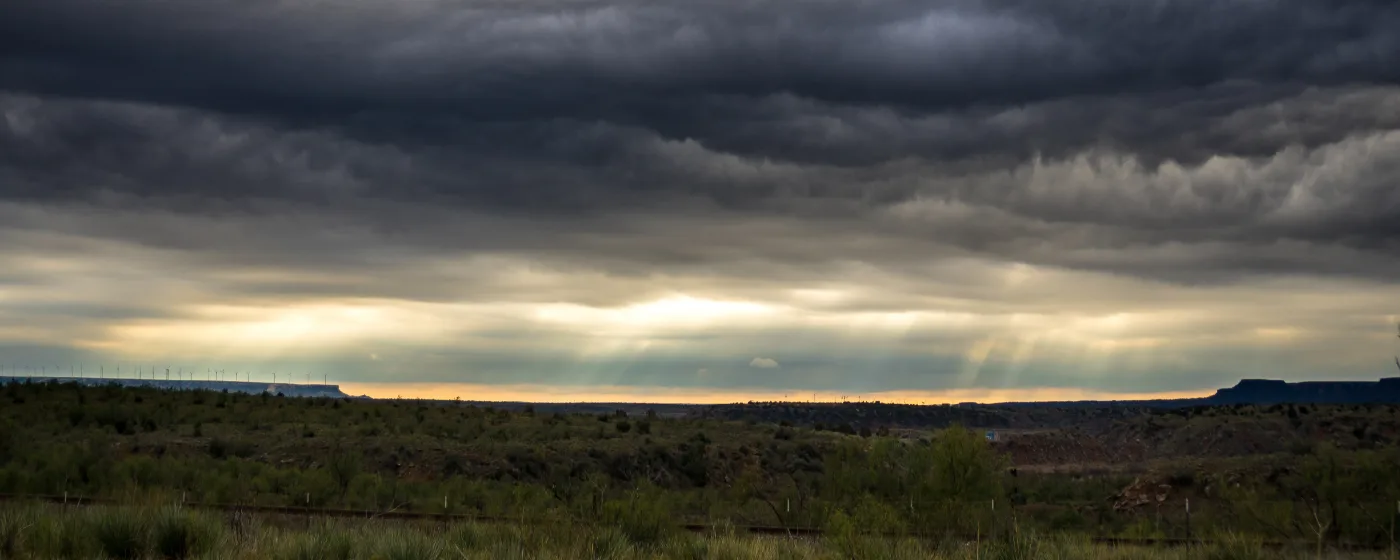
Lubbock gets 264 sunny days a year, which is genuinely one of the sunniest cities in the state. Summers run hot and dry — temperatures in the upper 90s are common through July and August. The wind is a year-round feature, strongest in spring, when dust storms can reduce visibility across the Llano Estacado and turn the sky an eerie reddish-brown. Winters are mild by Great Plains standards but can surprise newcomers with a sudden ice storm or hard freeze. The lack of humidity is real and most transplants from the Gulf Coast or the South consider it a meaningful quality-of-life upgrade.
The Lubbock Housing Market Right Now
The typical home price in Lubbock sits at $212,191 (Zillow Home Value Index, July 2026). For buyers arriving from Dallas, Austin, or any California market, that figure lands as a genuine surprise — Lubbock is noticeably more affordable than any of those metros, and the square footage you get per dollar reflects it. The city-wide typical rent runs around $1,380 per month, which makes renting while you learn the city a reasonable short-term strategy.
Not all of Lubbock is priced the same. Tech Terrace, the neighborhood closest to the Texas Tech campus, runs above the city median — it's among the most consistently in-demand areas in the city, and buyers competing there feel the difference. Bowie and Heart of Lubbock both sit below the city median, giving first-time buyers and budget-conscious buyers a real entry point. For a neighborhood-by-neighborhood look at character, stock, and who each area suits, the neighborhoods page goes deep on all of them.
One honest note on affordability: the median household income of $60,895 sits just below the threshold needed to comfortably carry the typical home here. The gap isn't large, but it means that buyers at or near the median income need to look at their actual purchasing power carefully rather than assuming the price point solves the affordability question on its own. Well-priced homes here don't sit for long, and buyers don't have unlimited room to negotiate.
Some areas of Lubbock cost meaningfully more than others, and the difference between a neighborhood near the Tech campus and one on the city's eastern edge can be significant even at these price points. Property taxes come in at an effective rate of approximately 1.49%, which is worth modeling into your monthly budget. The full tax and cost picture lives on the cost of living page.
Lubbock Neighborhoods
Lubbock has several distinct areas — each with its own character and appeal. Here’s a breakdown to help you narrow down where to focus your home search.
🏡 Tech Terrace
The neighborhood most closely associated with Texas Tech, Tech Terrace draws faculty, graduate students, and professionals who want to walk or bike to campus — and it prices accordingly, running above the city median. The housing stock mixes mid-century bungalows with updated craftsman-style homes, and the area has some of the best on-foot access in the city.
🏠 LakeRidge
LakeRidge sits on the southwestern side of the city and draws families looking for newer construction, larger lots, and a quieter pace than the university corridor. The neighborhood's suburban character and proximity to Loop 289 make it a practical choice for commuters working in multiple parts of the city.
🌳 Vintage Township
One of Lubbock's more planned residential communities, Vintage Township appeals to buyers who want a cohesive neighborhood feel with newer homes and open common areas. It's a natural fit for families with school-age children and buyers relocating from planned suburban communities in other Texas metros.
🏘 Oakmont
Oakmont is an established neighborhood in the southern part of the city, known for well-maintained homes on generous lots and a settled residential feel. It draws a mix of long-term Lubbock residents and relocating families who want something quieter than the areas closer to Texas Tech.
🏔 Bowie
Bowie is one of the more affordable areas in the city, sitting below the city median, and attracts first-time buyers and buyers looking to maximize square footage per dollar. It has a working-class residential character and is more practical than polished — a real entry point into Lubbock homeownership.
🌆 Kelsey Park
Kelsey Park is a mid-city neighborhood with a mix of housing ages and types, appealing to buyers who want proximity to daily amenities without paying Tech Terrace prices. It has a lived-in, established feel and suits buyers prioritizing central location over newer construction.
Pros & Cons of Living in Lubbock
The Pros
- Affordable cost of living relative to the national average
- Major regional medical and education hub anchored by Texas Tech
- Short intra-city commute times
- Vibrant arts, wine, and college-town culture
The Cons
- Higher-than-average violent and property crime rates for a city its size
- Significant hail, high-wind, and occasional tornado risk
- Long, intensely hot and sunny summers
Getting Around & Commuting in Lubbock
Lubbock is a car city. The grid layout means distances are predictable, but virtually every daily errand — school drop-off, grocery run, doctor's appointment — happens behind a wheel. The good news is that, because it's a self-contained metro hub, most commutes are short. The reference point the city uses — about 16 minutes to Downtown Lubbock / Texas Tech-Medical District (self-contained metro hub) — reflects the reality that most residents are already close to where they need to be.
The Road Network
Loop 289 is the defining commuter ring — it circles the city and most residents cross it daily. I-27 carries north-south traffic out of the city toward Amarillo. US-84 and US-87 run into the city from the southeast and south, respectively. The Marsha Sharp Freeway (US-82 and US-62) connects the western side of the city. Spur 326, known locally as Avenue Q, is the primary north-south commercial corridor through the heart of the city and the artery most newcomers learn first.
The traffic reality is that Lubbock doesn't have the gridlock of a Dallas or Houston — peak-hour slowdowns exist, particularly around the Texas Tech campus on game days and during the school-year morning rush, but genuine highway-parking gridlock is not a feature of daily life here. That's a meaningful quality-of-life point for people moving from larger Texas metros.
Public Transit
Citibus runs city fixed routes plus Texas Tech campus routes and operates a NiteRide curb-to-curb supplement after hours. The city council approved a system redesign in 2024, with new service rolling out in 2025. For most residents, Citibus is a supplement to car ownership rather than a replacement — the campus routes are genuinely useful for Tech students and employees, but the city's overall layout makes a car essential for the broader daily routine.
Flying Out
Lubbock Preston Smith International Airport is 7 miles from the city center and serves as a genuinely functional regional airport. Southwest Airlines, American Airlines, and United Airlines all operate there, with roughly 659 monthly departures to 10 domestic destinations as of July 2026. For a city this size on the South Plains, that's a meaningful convenience — residents can reach Dallas, Denver, Phoenix, and other hubs without driving hours to a larger airport first.
Neighboring Cities
Wolfforth and Shallowater are both immediately adjacent to Lubbock's western and northern edges, respectively, and carry home prices noticeably higher than the Lubbock city median — they attract buyers looking for newer construction and a quieter suburban feel while staying close to Lubbock jobs. Idalou, to the east, comes in at roughly the same price point as Lubbock proper. All three are practical commuter options for anyone working in the Texas Tech or medical corridors.
Schools in Lubbock
Families relocating to Lubbock have public, private, and higher-education options nearby. Here’s a quick overview.
🎓 School District
Lubbock Independent School District serves K–12 students across Lubbock and the surrounding area. Rated B (source: Texas Education Agency, 2025 A-F accountability rating (2024-25 school year)).
🏆 Graduation Rate
The 4-year high-school graduation rate here is approximately 88%.
📚 Higher Education
Texas’s public universities — the University of Texas at Austin, Texas A&M University, and the University of Houston — offer four-year degrees statewide, with one of the largest community college systems in the country (50+ public community college districts) providing two-year and workforce programs.
🌐 Online Learning
UT Austin Online and Texas A&M University Online offer fully accredited online degrees for remote learners across the state.
Safety in Lubbock
A quick look at how Lubbock compares on the numbers that matter most when weighing a neighborhood or a move.
🛡 Violent Crime
Approximately 8.2 per 1,000 residents.
🔒 Property Crime
Approximately 27 per 1,000 residents.
Compared to the most recent national figures from the Bureau of Justice Statistics (2024), Lubbock’s violent crime is above the national average (about 3.7 per 1,000), and property crime is above the national average (about 18.4 per 1,000).
Against Texas as a whole, Lubbock’s violent crime is about double the state average, and property crime is somewhat above the state average (Bureau of Justice Statistics, Crime Known to Law Enforcement, 2024 (tables 2 and 3)).
Crime rates can vary a lot within a single city, so the citywide numbers above are only a starting point. Some neighborhoods in Lubbock run well below these averages, while others run higher — the kind of block-by-block detail that matters most when you’re actually choosing where to live. The full guide below breaks it down neighborhood by neighborhood.
Working in Lubbock
Lubbock’s largest employers span several industries — here are some of the anchors of the local job market.
🎓 Texas Tech University
Higher education
🎓 Texas Tech University Health Sciences Center
Higher education
🏥 Covenant Health
Healthcare
🏥 UMC Health System
Healthcare
🎓 Lubbock Independent School District
Education
🏛 City of Lubbock
Municipal government
Parks & Recreation in Lubbock
Some of the outdoor spaces that shape everyday life in Lubbock.
🌱 Lubbock Lake Landmark
Lubbock residents don’t have to go far for green space — spots like Lubbock Lake Landmark are part of everyday life here, whether that’s a morning walk, a weekend hike, or just somewhere to unwind outside. The full guide below covers more of what Lubbock has to offer for parks and outdoor recreation.
Retiring in Lubbock
Lubbock draws retirees for its balance of amenities, outdoor access, and cost. Here’s what to weigh.
🌤 Climate
Lubbock gets 264 sunny days a year — one of the sunniest cities in Texas — with low humidity that most retirees from the Gulf Coast find genuinely comfortable. Summers run hot and dry through July and August, and spring brings periodic dust storms across the South Plains. Winters are mild compared to the rest of the Great Plains, though a hard freeze or ice storm can arrive quickly.
🍴 Lifestyle
The National Ranching Heritage Center, the Buddy Holly Center, and the American Windmill Museum give retirees with a serious interest in West Texas history several deep cultural anchors. Mackenzie Park's 248 acres — including a golf course, fishing lake, and equestrian trails — handle outdoor recreation. The Lubbock Downtown Farmers Market draws a regular weekend crowd, and the Depot Entertainment District offers live music and dining for evenings out.
🏚 55+ Communities
No 55+ communities were found in Lubbock. Retirees looking for age-restricted community living would need to explore options in the broader region. The city does have a range of housing types and price points that work for downsizers, and the retiring page covers the full picture.
✈ Getting Around
Most errands require a car, and the grid layout makes driving efficient once you're oriented. Lubbock Preston Smith International Airport is 7 miles from the city center, with direct service from Southwest, American, and United — a genuine convenience for retirees who travel regularly. Citibus provides fixed-route and paratransit service for residents who need alternatives to driving.
🏛 Texas Taxes for Retirees — What to Know
- No state income tax — Texas has no personal income tax — constitutionally protected under Article VIII, Section 24. Social Security, pensions, 401(k)/IRA withdrawals, and annuity payments are all untaxed at the state level, with no state return to file.
- Sales tax is the tradeoff — The state sales tax is 6.25%, and local add-ons bring the combined rate in Lubbock to 8.25% (Texas Comptroller of Public Accounts, city sales and use tax rates, July 2026). Groceries and prescription drugs are exempt.
- Property taxes — the real tradeoff — Texas’s effective property tax rate averages about 1.40%, among the highest in the country, since property tax (not income tax) funds most local government and schools.
- Over-65 homestead exemption and school-tax freeze — Homeowners 65+ (or disabled) get an additional $60,000 exemption from their home’s value for school district taxes, on top of the general homestead exemption — $200,000 off school taxable value combined, following November 2025’s Proposition 11 (SB 23), which raised the over-65 exemption to $60,000, and Proposition 13 (SB 4), which raised the general homestead exemption to $140,000. Once claimed, your school district tax bill is frozen at that year’s amount and cannot increase as home values rise, and the ceiling can transfer if you move to a new home within Texas.
- Deferral option if cash is tight — Homeowners 65+ can defer property tax payment entirely for as long as they live in the home, rather than paying it currently — interest accrues, but no forced sale.
- No estate or inheritance tax — Texas has no estate tax, no inheritance tax, and no gift tax.
- No separate capital gains tax — Because Texas has no state income tax, capital gains — including on investments and home sales — are not taxed at the state level at all, unlike states such as Washington that tax capital gains separately from income.
Tax laws change frequently and individual situations vary. This is general information, not tax advice — always consult a qualified Texas tax professional or CPA for personalized retirement tax planning.
Weekends & Local Favorites in Lubbock
Lubbock's weekend identity is shaped by three things: Texas Tech, the outdoors (such as the South Plains allows), and a food-and-music scene anchored downtown that punches above the city's national reputation.
The Outdoor Side
Mackenzie Park is the city's 248-acre urban green anchor — a golf course, disc golf, a fishing lake, equestrian trails, and an outdoor amphitheater where the city gathers through the warmer months. Prairie Dog Town, inside the park, is genuinely beloved and genuinely free — it's one of those local institutions that sounds like a quirk until you watch a hundred people show up on a Saturday afternoon. Buffalo Springs Lake sits just southeast of the city and is where residents go for water recreation — boating, fishing, and camping when the weather cooperates. Ransom Canyon, a small community carved into the caprock east of the city, offers some of the most dramatic West Texas landscape within easy reach. The Lubbock Lake Landmark preserves one of the most significant archaeological sites in North America, telling the story of human habitation on the South Plains going back 12,000 years.
Culture and History
The National Ranching Heritage Center, on the Texas Tech campus, is one of the most underrated museums in Texas — an outdoor museum of historic ranch structures that tells the story of the cattle industry that built the South Plains. The Buddy Holly Center is a genuine cultural landmark, not just a tourist stop; Holly grew up here, and the museum treats that history seriously. The American Windmill Museum displays over 160 windmills — the largest collection of its kind in the world — and is a reminder that the infrastructure of West Texas agriculture is genuinely worth understanding. The Depot Entertainment District is where evenings out happen, with live music, bars, and the Cactus Theater as the neighborhood's historic anchor.
Food, Coffee, and Local Spots
The local restaurant and coffee scene is more developed than the city's national profile suggests. For steaks and Texas-style grilling, Corralito Steak House Lubbock and Triple J Chophouse & Brew Co. are the established local names. Cast Iron Grill runs a reliable lunch and dinner program. Spanky's has been a Lubbock institution for decades, drawing the Texas Tech crowd and longtime residents in equal measure. Aspen Creek Grill rounds out the sit-down options for families.
The coffee scene has genuine depth. J&B Coffee and Sugar Browns Coffee Co. are the older-guard independents. Monomyth Coffee, Ooo La Lattes, and He-Brews Coffee represent the newer wave — all locally owned, all worth knowing. The Lubbock Downtown Farmers Market runs on the weekend and stocks local vendors, artisanal goods, breads, and food trucks. The Texas Country Farmers Market is the second option if you want to comparison-shop locally grown produce and handmade goods.
Six months in, most newcomers report the same small surprise: the social scene here is easier to break into than they expected. The university keeps the population young and rotating, which means new faces are welcome and community connections form faster than in older, more settled cities.
Local favorites in Lubbock
Restaurants
- Corralito Steak House Lubbock
- Aspen Creek Grill - Lubbock
- Spanky's
- Cast Iron Grill
- Triple J Chophouse & Brew Co.
Outdoors
- Lubbock Lake Landmark
- Mackenzie Park
- Buffalo Springs Lake
- Ransom Canyon
- Prairie Dog Town
Coffee
- J&B Coffee
- Sugar Browns Coffee Co.
- Monomyth Coffee
- Ooo La Lattes
- He-Brews Coffee
Farmers Markets
- Lubbock Downtown Farmers Market
- Texas Country Farmers Market
Top Things Locals Say About Lubbock
The best intel about a city comes from the people who actually live there. Here’s what Lubbock residents say when newcomers ask the questions everyone’s thinking.
“I knew it was flat and I knew it was windy, but I didn't expect to feel so settled so fast. Within six months I had a neighborhood coffee shop I was a regular at, neighbors I actually knew, and a commute that took less time than parking used to take me back home.”
— Recent Lubbock home buyer
“What's the most surprising thing about living in Lubbock?”
How self-contained it is. Most people picture a college town in the middle of nowhere, but Lubbock has real hospitals, real employers, a real airport with direct flights, and a downtown entertainment district that's actually active on a Friday night. The Depot District surprised a lot of us — it's not Austin, but it's genuinely good. The other surprise is how quickly you know people. The city's size keeps it from feeling anonymous.
“What do locals love most about Lubbock?”
The space and the sky. The Llano Estacado gives you sunsets that go on forever, and 264 sunny days a year means you're outside more than you'd be in most Texas cities. Mackenzie Park and Buffalo Springs Lake handle most weekend outdoor needs. And the Texas Tech calendar — football, concerts, lectures, and summer performances at the park — means there's almost always something happening if you know where to look.
“What should newcomers to Lubbock know?”
Learn the Loop early. Loop 289 is how this city works — once you understand which quadrant you're in relative to the Loop, navigation clicks into place. The spring dust storms are not folklore; keep a weather app running in March and April. And don't write off the neighborhood you can afford — the difference between parts of the city is real, but so is the value of getting into the market while prices are still where they are.
“How much do you need a car in Lubbock?”
You need a car for almost everything outside the Texas Tech campus area. Lubbock is built on a grid and distances between daily destinations — school, work, groceries, the doctor — are real. Citibus runs city routes and campus routes and is genuinely useful for Tech students and employees, but for the broader city, a car is part of the daily reality. The upside is that most drives are short and traffic is manageable compared to any of the major Texas metros.
Cities Near Lubbock
Other communities near Lubbock worth a look — each with its own character and price point.
| City | Distance | Best For | Vibe | Median Rent | Median Buy |
|---|---|---|---|---|---|
| Wolfforth | 10 mi | Families, newer construction, suburban quiet | Planned, growing, family-oriented | $1,400 | $301,990 |
| Shallowater | 12 mi | Small-town feel near Lubbock jobs | Quiet, tight-knit, agricultural roots | $1,462 | $268,685 |
| Idalou | 14 mi | Value buyers, rural setting, easy Lubbock access | Small, unpretentious, open land | $1,100 | $222,487 |
More Helpful Guides for Lubbock
Going deeper on Lubbock? Our blog series covers everything from first-time buying to retiring here — explore the guides below.
Local Expert Takeaway: Lubbock is the most affordable major Texas city most buyers haven't seriously considered — a genuine regional hub with a university-driven job base, short commutes, and a food and music scene centered on the Depot Entertainment District that rewards people who show up. The catch is the weather: the spring dust storms and relentless summer heat are real, and so is the wind. If you can make peace with the South Plains climate, the quality-of-life math — $212,191 typical home price, 264 sunny days a year, 16-minute average commute — is hard to argue with.
Quick Takeaways & FAQs
✅ Texas Tech University anchors a diverse employment base that includes healthcare, education, and a regional service economy of nearly 650,000 people — making Lubbock more job-resilient than a single-employer college town.
⚠️ Crime rates run above state and national averages, and the difference between neighborhoods is significant — buying without researching specific areas first is a common and costly mistake.
📍 The American Windmill Museum holds over 160 windmills — the largest collection in the world — and Prairie Dog Town inside Mackenzie Park is free and genuinely beloved by residents.
Is Lubbock, TX a good place to live?
What is the cost of living like in Lubbock?
What is the job market like in Lubbock?
What neighborhoods in Lubbock are best for families?
How do Lubbock home prices compare to nearby cities?
Helpful Links for Moving to Lubbock
Moving to Texas?
Tell us what you need help with and we'll connect you with local resources.
