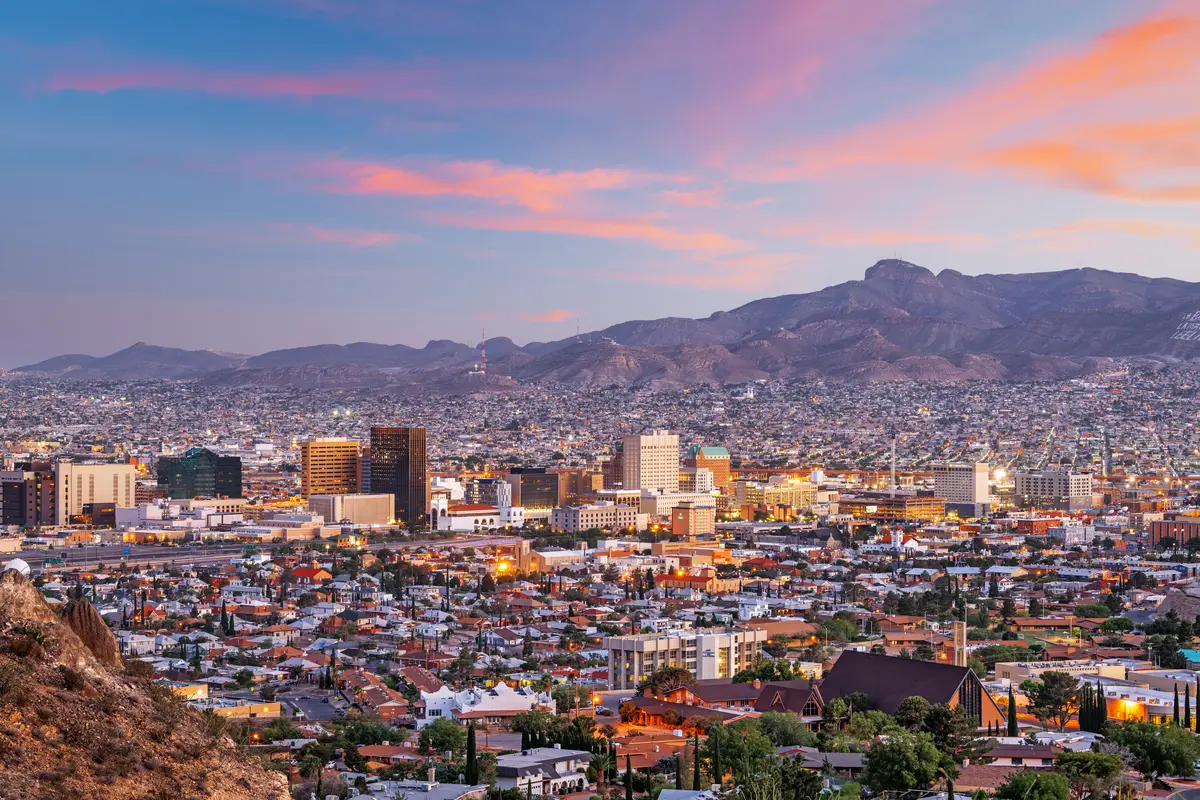
Is the El Paso Borderplex a Good Place to Live?
You're probably comparing the El Paso Borderplex to somewhere far more expensive, and the price difference is real enough to stop you mid-scroll. But the question that actually matters isn't the price — it's whether you understand what kind of place this is before you buy. The Borderplex sits where Texas, New Mexico, and Mexico meet at the Franklin Mountains, and that geography shapes everything: the commute patterns, the culture, the economy, the daily texture of life. Fort Bliss drives an enormous share of the local economy, which means this region absorbs and releases tens of thousands of military families on a rotation that no other Texas region matches.
The region's employment picture is anchored by the military and public institutions — school districts, the University of Texas at El Paso, and city government — rather than a private-sector tech or energy boom. That produces a steadier, less volatile market than the Permian Basin or the Austin Metro, but it also means the economic ceiling is lower. El Paso Independent School District and Socorro Independent School District together employ a significant portion of the civilian workforce, and UTEP gives the city a genuine university-town dimension that softens the otherwise government-heavy picture. The region as a whole sits among the more affordable in Texas, broadly comparable to the Rio Grande Valley and less expensive than nearly every other major metro in the state.
Day-to-day life here is shaped by Franklin Mountains State Park in a way that surprises people who expect a flat desert city. The park runs directly through the urban core, creating a natural divide between the west side and the rest of the city, and giving residents trail access that most Texas metros cannot match. The honest trade-off is that this is a car-dependent region — the distances between Socorro, Horizon City, and downtown El Paso are real, and the sprawl along I-10 and US-54 means that where you live within the region matters more than the regional label.
Whether you're weighing a military assignment, a transfer to UTEP, or simply a lower cost of living than you can find anywhere else in Texas, the cities below break down the El Paso Borderplex neighborhood by neighborhood — who each place suits, what the housing stock looks like, and what locals wish they'd known before they signed.
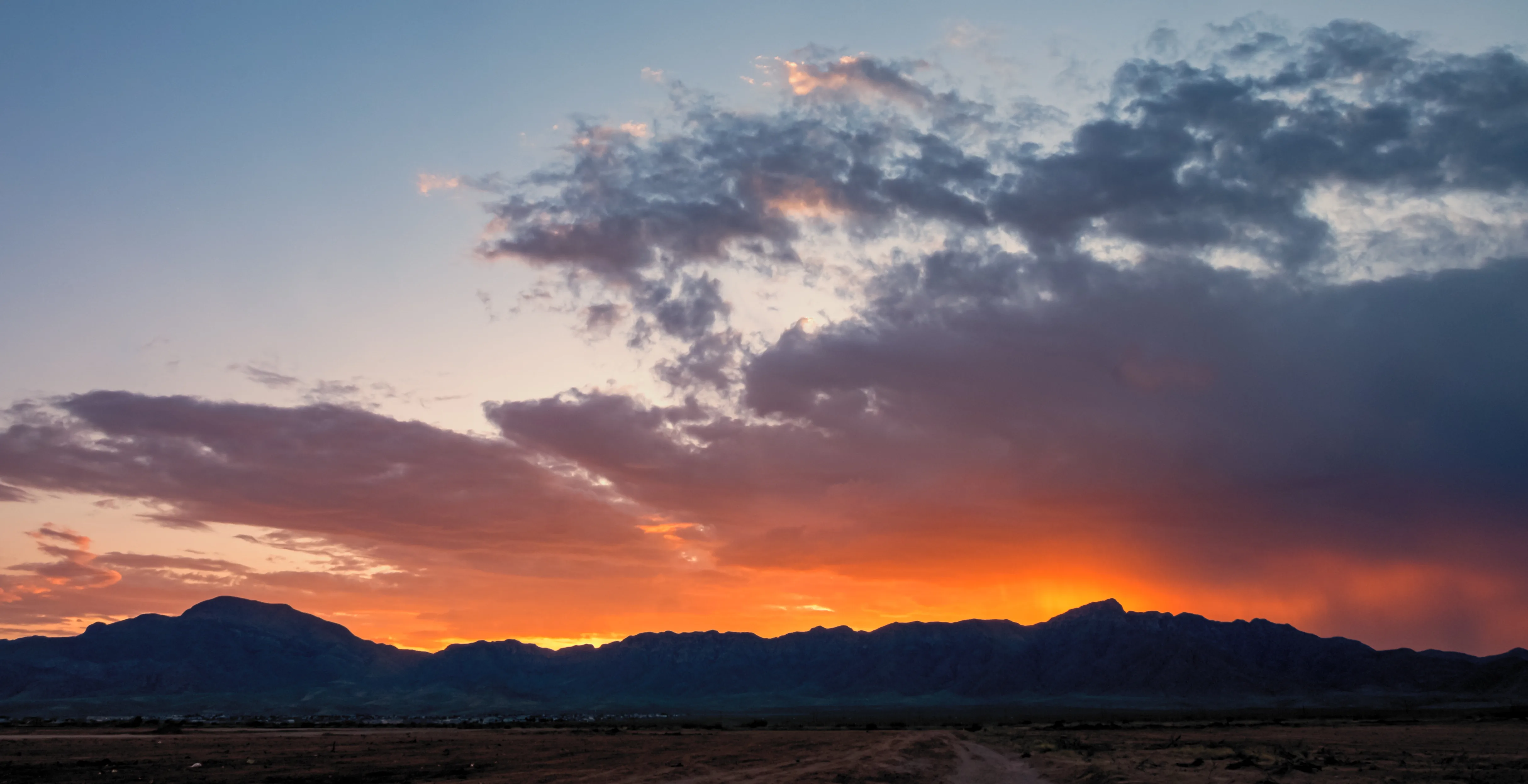
Explore All 4 Cities in the El Paso Borderplex
Click into any city for the complete guide — neighborhoods, home prices, cost of living, pros & cons, schools, top employers, and mortgage help.
El Paso
El Paso is one of the state's larger cities and the region's urban core, anchored by Fort Bliss to the north and Franklin Mountains State Park cutting through the middle — a geographic fact that makes the west side feel categorically different from the east. Neighborhoods like the West Side and Kern Place draw longtime residents and UTEP-connected households, while the Upper and Lower Valley corridors feel more agricultural and spread out. Price-wise, El Paso sits near the middle of the Borderplex and is one of the more affordable large cities in Texas by any measure.
Full El Paso Guide →
Socorro
Socorro is a mid-size city that runs along the Rio Grande south of El Paso, where SH-20 and the Socorro Mission define the spine of a community that is older and more historically rooted than its neighbors to the east. The Socorro Heritage Trail and the mission itself — one of the oldest continuously active parishes in the United States — give the city a sense of place that newer developments in the region lack. Home prices sit near the middle of the Borderplex, and the city's tight connection to Socorro Independent School District makes it a natural landing spot for education-sector families.
Full Socorro Guide →
Horizon City
Horizon City is a mid-size city that has grown fast along I-10 east of El Paso, drawing families who want newer construction and a quieter pace without fully leaving the metro orbit. The Amazon logistics presence signals the direction the city is heading, and Clint ISD is the primary school draw for households with children. Prices land near the middle of the Borderplex, but the real trade-off is distance — Horizon City residents commute into El Paso for most services, entertainment, and employment beyond what the local corridor offers.
Full Horizon City Guide →
San Elizario
San Elizario is a small city with one of the most distinctive identities in the region — the San Elizario Presidio Chapel and the historic art district anchor a community that has existed in some form since the Spanish colonial period, long before Texas was Texas. Licon Dairy and the agricultural character of the Lower Valley give it a rural texture that the other cities in this region don't share. It sits toward the more affordable end of the Borderplex, which draws buyers who want space and history rather than proximity to the urban core, and who are comfortable with a longer drive for most daily needs.
Full San Elizario Guide →Compare Every City in El Paso Borderplex
Full ranked breakdowns across every city in the region — scored and compared side by side.
Local Expert Takeaway: The El Paso Borderplex rewards buyers who understand that they are not choosing a suburb — they are choosing between genuinely different towns, and the distance between them shapes daily life more than any single amenity or school rating ever will.
Frequently Asked Questions
Which city in the El Paso Borderplex is best for a military family arriving at Fort Bliss?
How does the El Paso Borderplex compare in cost to the rest of Texas?
Is the El Paso Borderplex a good fit for remote workers?
What is the biggest mistake people make when choosing between these cities?
Which city is best for someone who wants history and character rather than new construction?
Helpful Texas Resources
Explore Other Texas Regions
the El Paso Borderplex is one of 17 distinct regions that make up Texas. Each has its own climate, character, and housing market — explore them all.
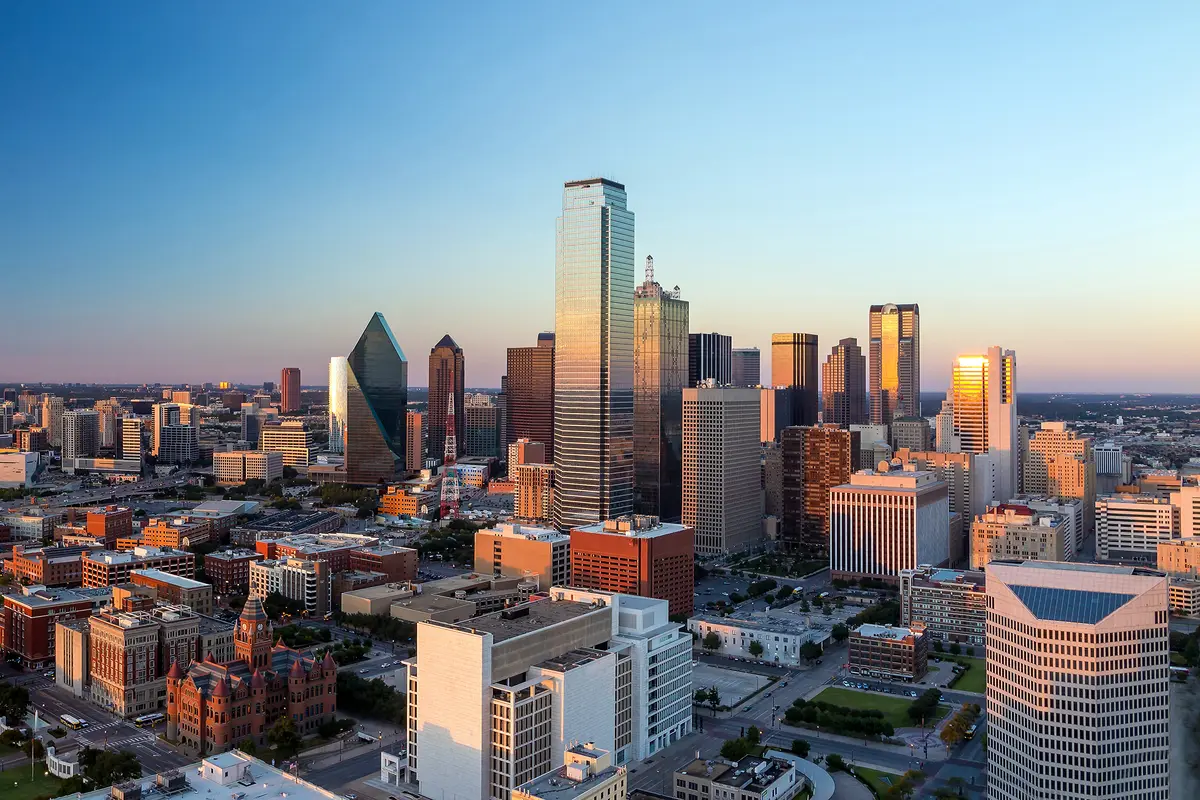
Two downtowns and the whole sweep of suburbs between and around them, from the Collin County job corridor to the ranch country west of Fort Worth. 71 cities including Dallas, Fort Worth, Arlington.
Explore all 71 Dallas-Fort Worth cities →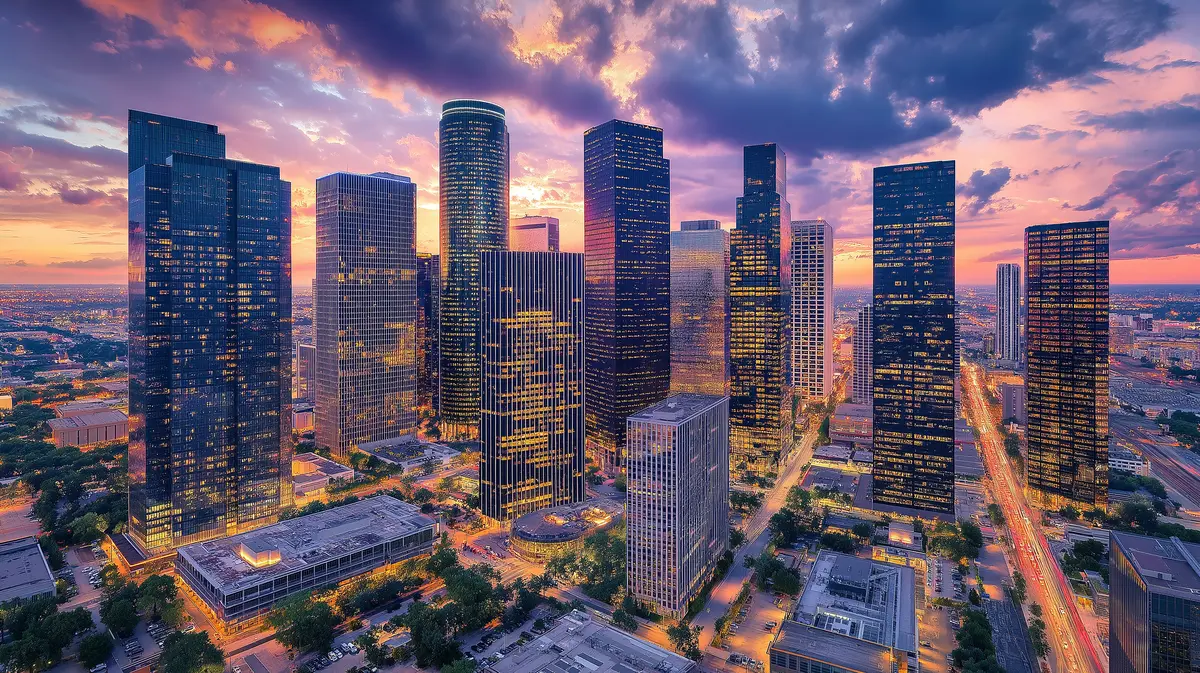
The energy capital and the ring of master-planned communities, bayou suburbs and bay towns that grew up around it. 45 cities including Houston, Cypress, Klein.
Explore all 45 Greater Houston cities →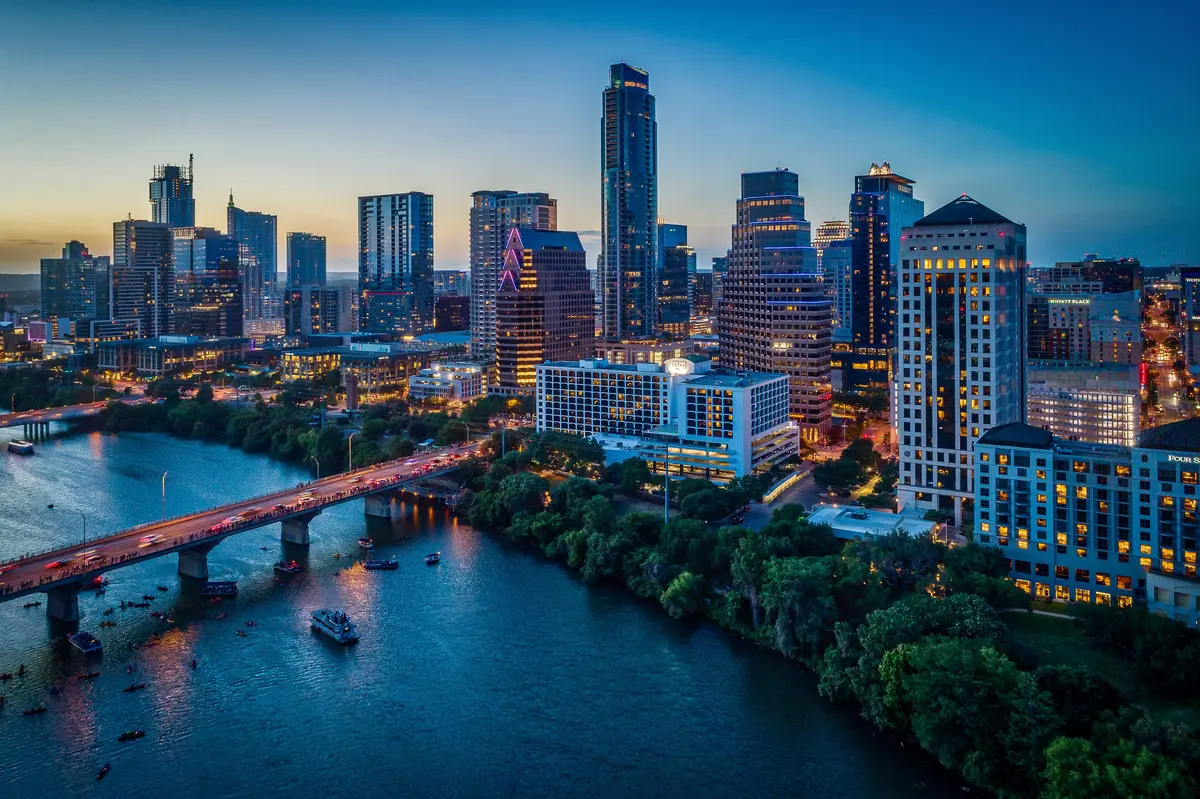
The state capital and the fast-growing corridor of suburbs running north and south of it along the interstate, out into the Colorado River hills. 21 cities including Austin, Round Rock, Georgetown.
Explore all 21 Austin Metro cities →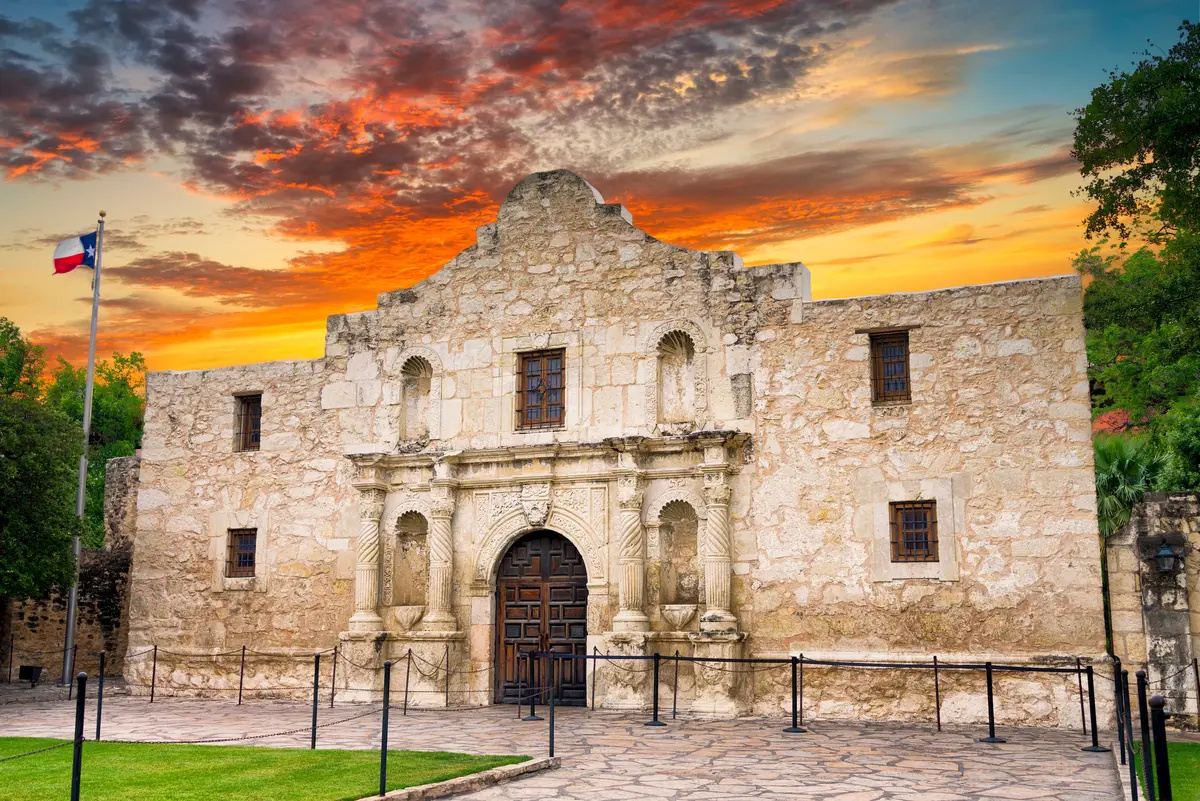
A deep-rooted Spanish colonial city ringed by military bases and the suburbs climbing north toward the Balcones Escarpment. 15 cities including San Antonio, New Braunfels, Schertz.
Explore all 15 San Antonio Metro cities →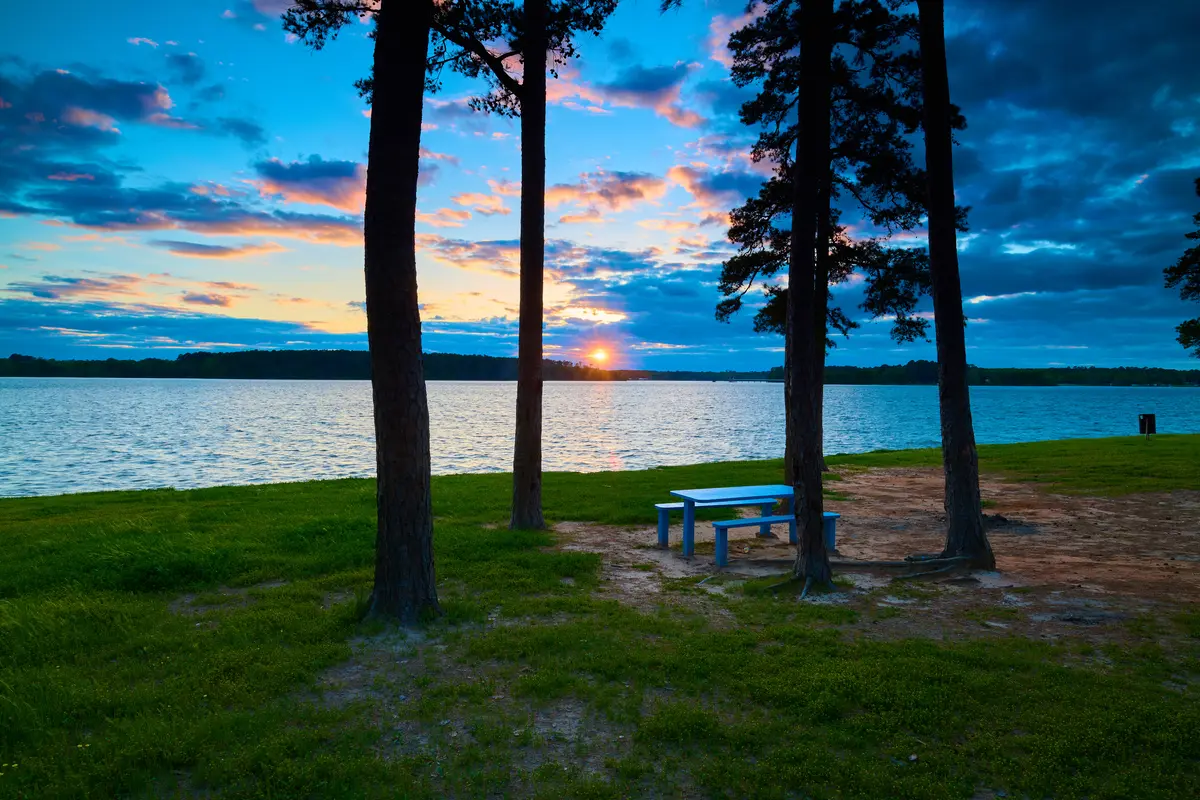
Pine forest, lakes and old county-seat towns across the wettest, greenest corner of the state. 13 cities including Tyler, Longview, Huntsville.
Explore all 13 East Texas cities →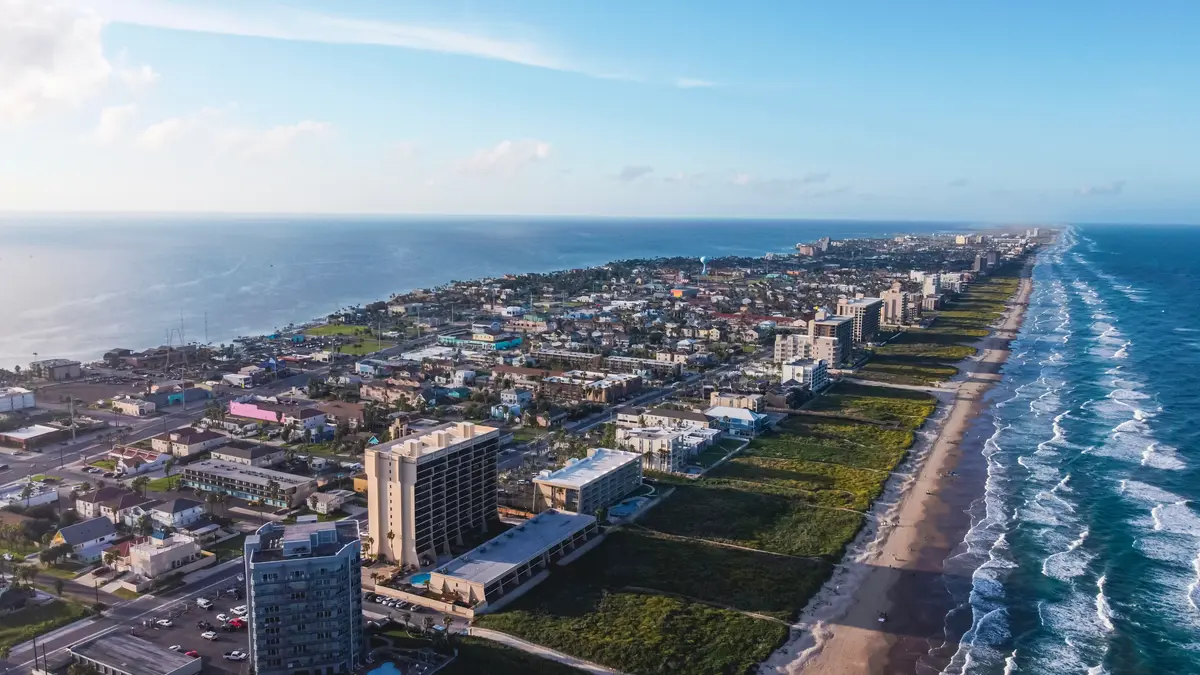
A bilingual, subtropical stretch of border cities and citrus country running from the river out to the Gulf beaches. 11 cities including Brownsville, McAllen, Edinburg.
Explore all 11 Rio Grande Valley cities →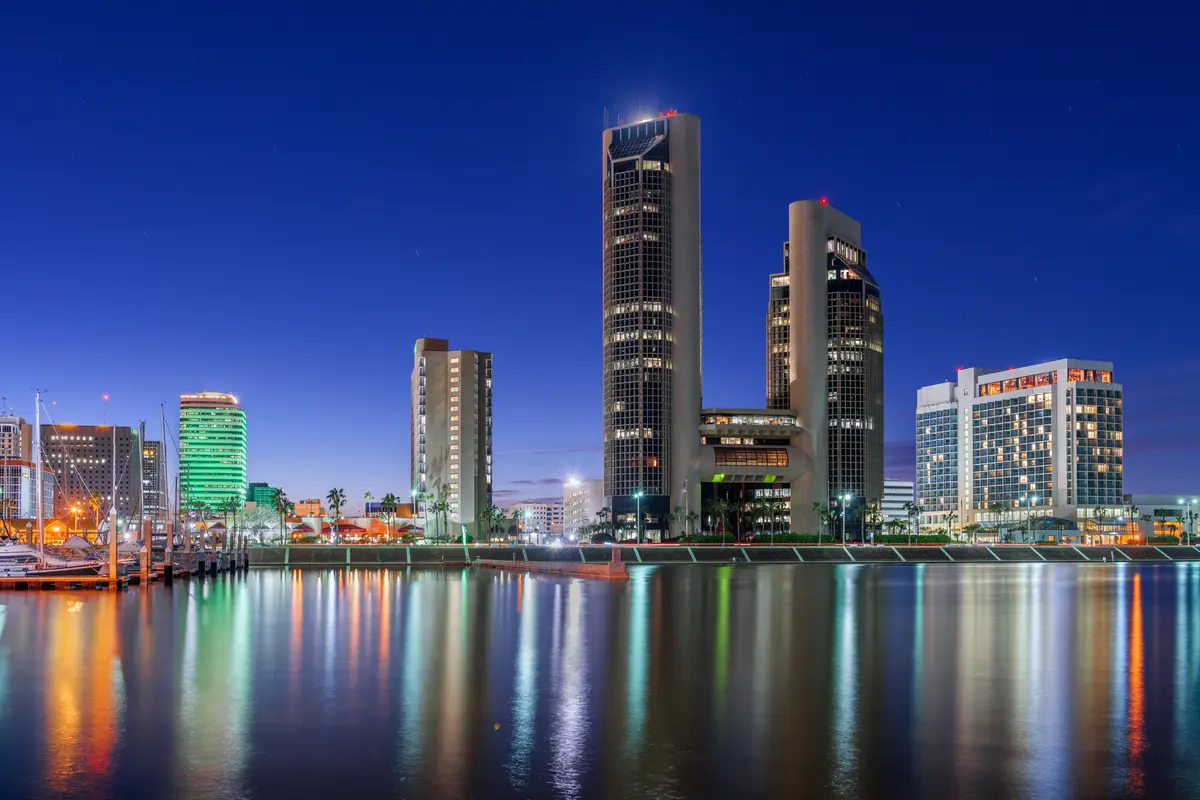
Bay-front cities, refinery towns and barrier-island beaches where the Gulf coast turns south. 7 cities including Corpus Christi, Victoria, Kingsville.
Explore all 7 Coastal Bend cities →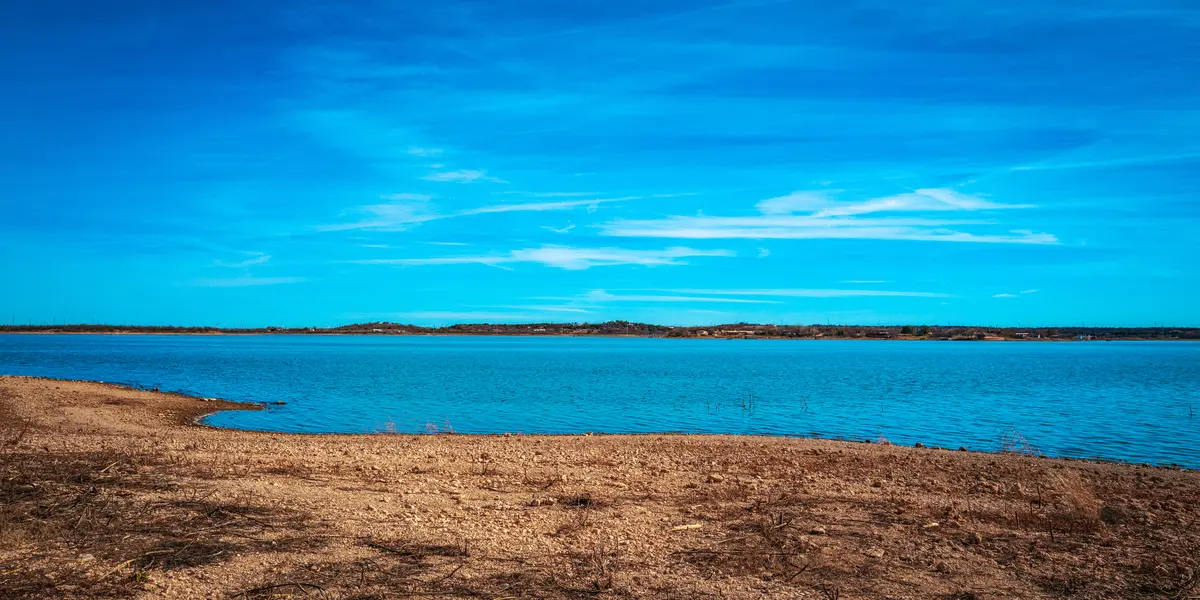
Ranching and university towns spread across the rolling plains of west central Texas. 6 cities including Abilene, San Angelo, Stephenville.
Explore all 6 Big Country cities →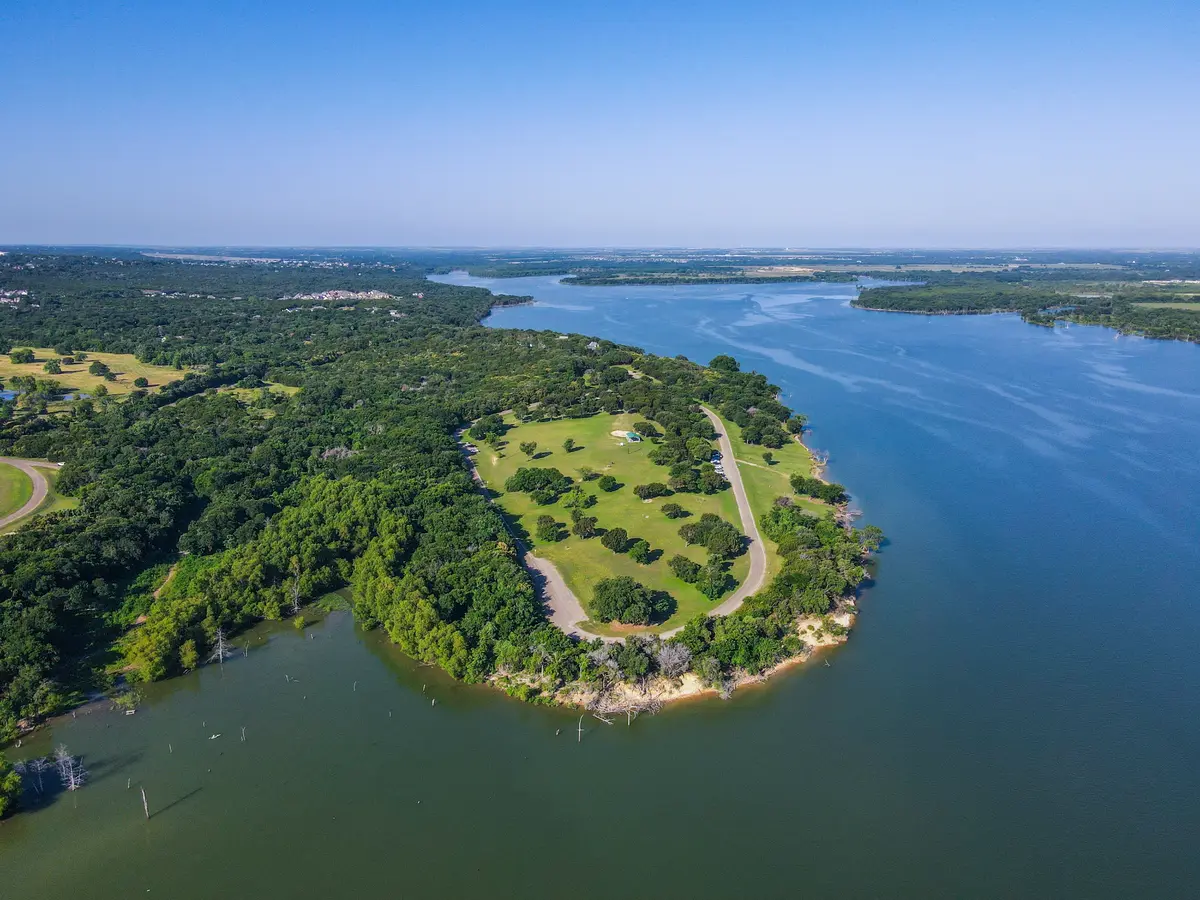
University, hospital and Army-post towns strung along the interstate between the two biggest metros. 6 cities including Killeen, Waco, Temple.
Explore all 6 Waco-Killeen-Temple cities →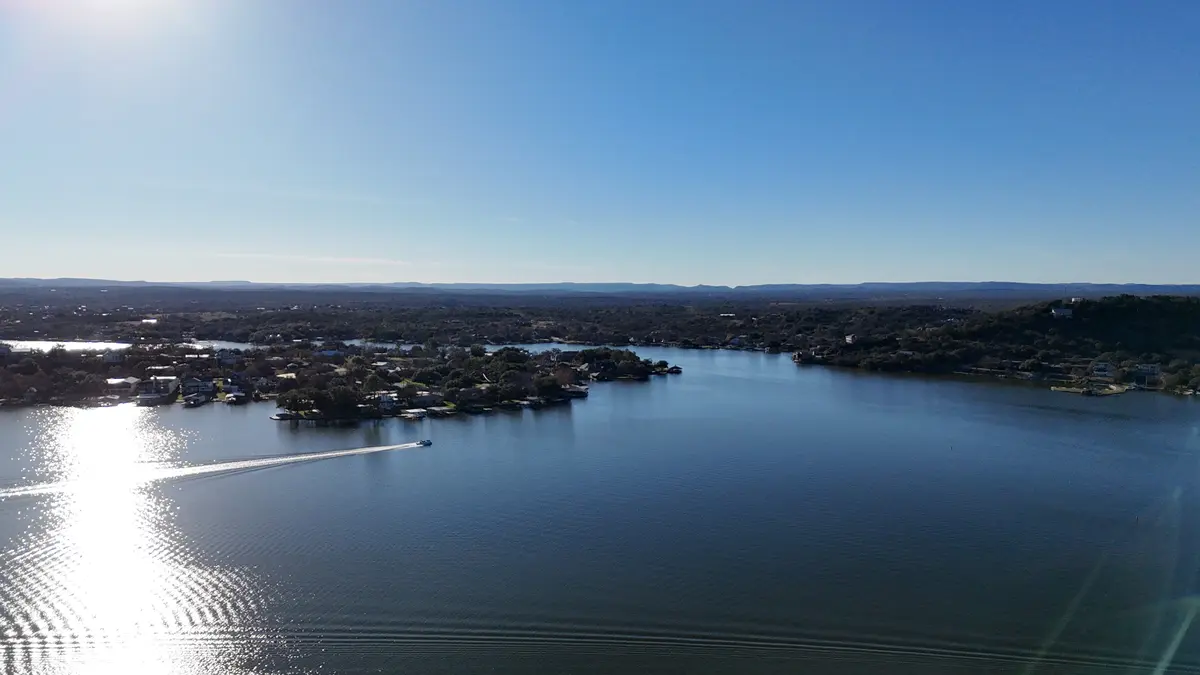
Limestone hills, spring-fed rivers, German heritage towns and the wineries that followed them. 5 cities including Kerrville, Uvalde, Fredericksburg.
Explore all 5 Hill Country cities →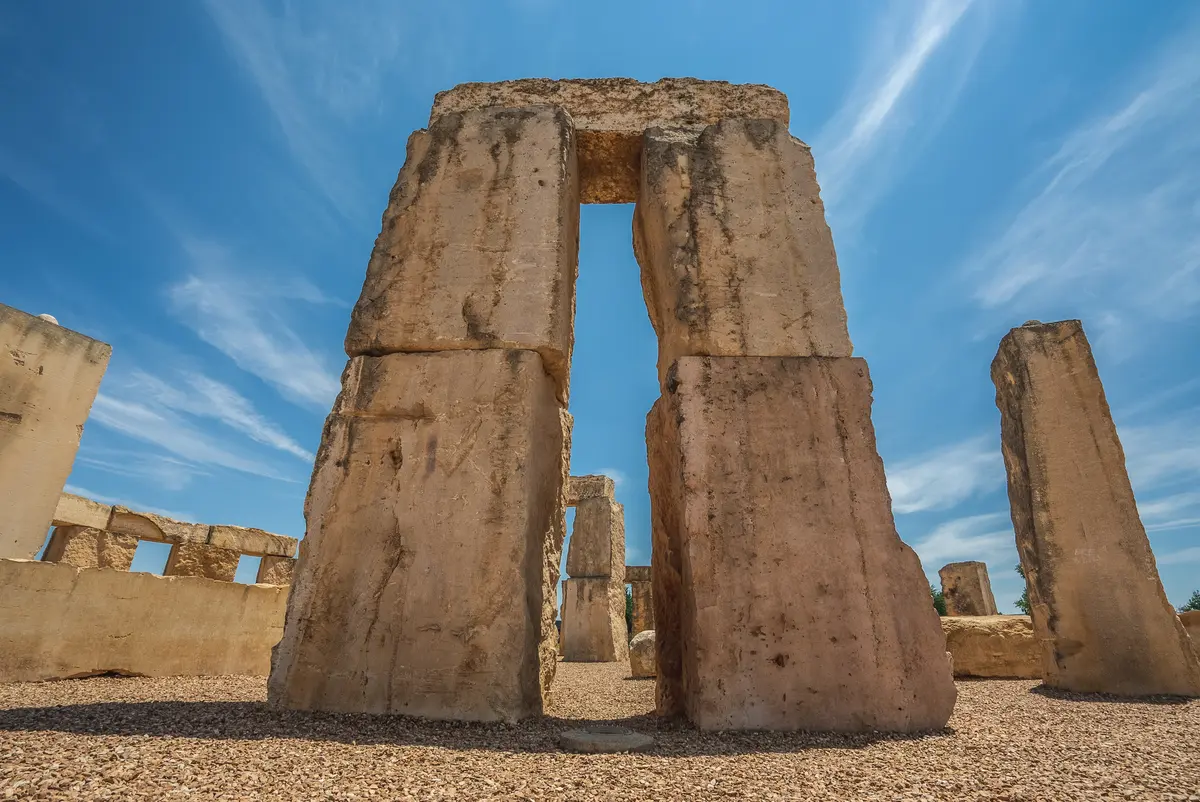
The oilfield cities of far West Texas, where the pay is high and the horizon is wide open. 4 cities including Midland, Odessa, Big Spring.
Explore all 4 Permian Basin cities →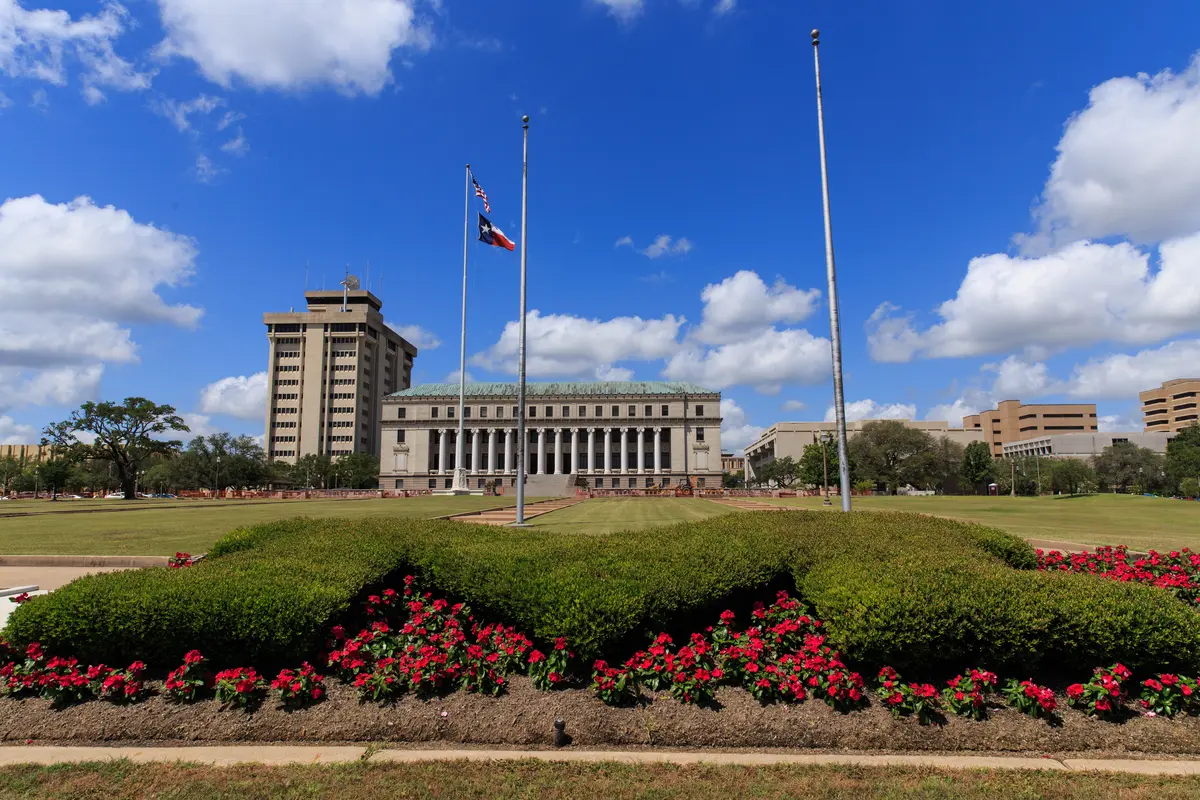
A university-driven pocket of Central Texas surrounded by river-bottom farmland and historic German and Czech settlements. 4 cities including College Station, Bryan, Brenham.
Explore all 4 Brazos Valley cities →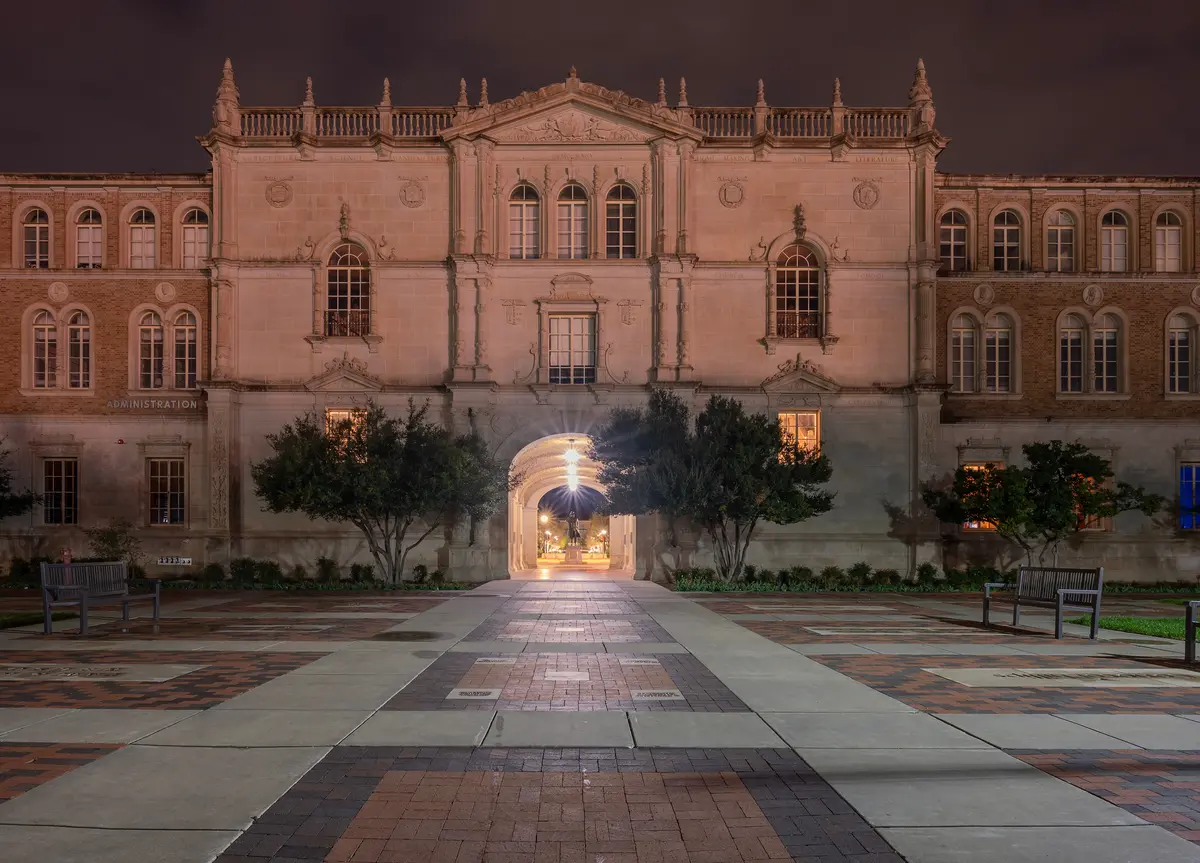
Flat, high, dry cotton and cattle country at the top of the state, anchored by two university cities. 3 cities including Lubbock, Amarillo, Plainview.
Explore all 3 Panhandle & South Plains cities →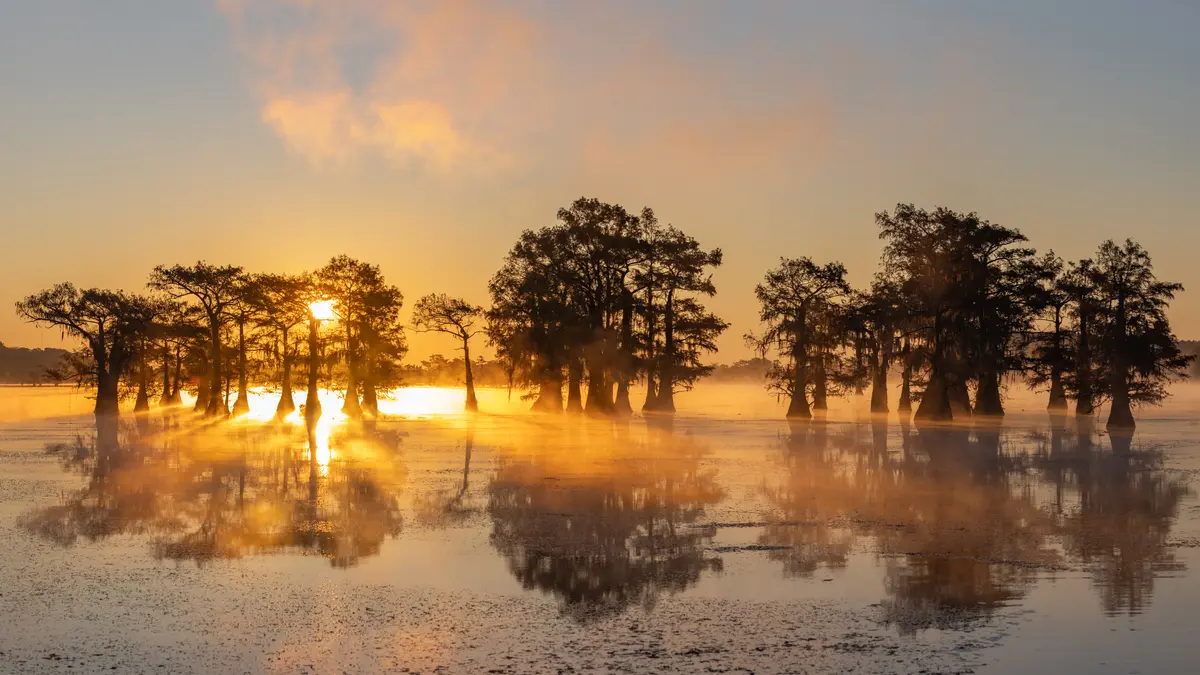
Refinery and shipping towns on the Louisiana line, where Texas starts to feel like the Deep South. 3 cities including Beaumont, Port Arthur, Port Neches.
Explore all 3 Golden Triangle cities →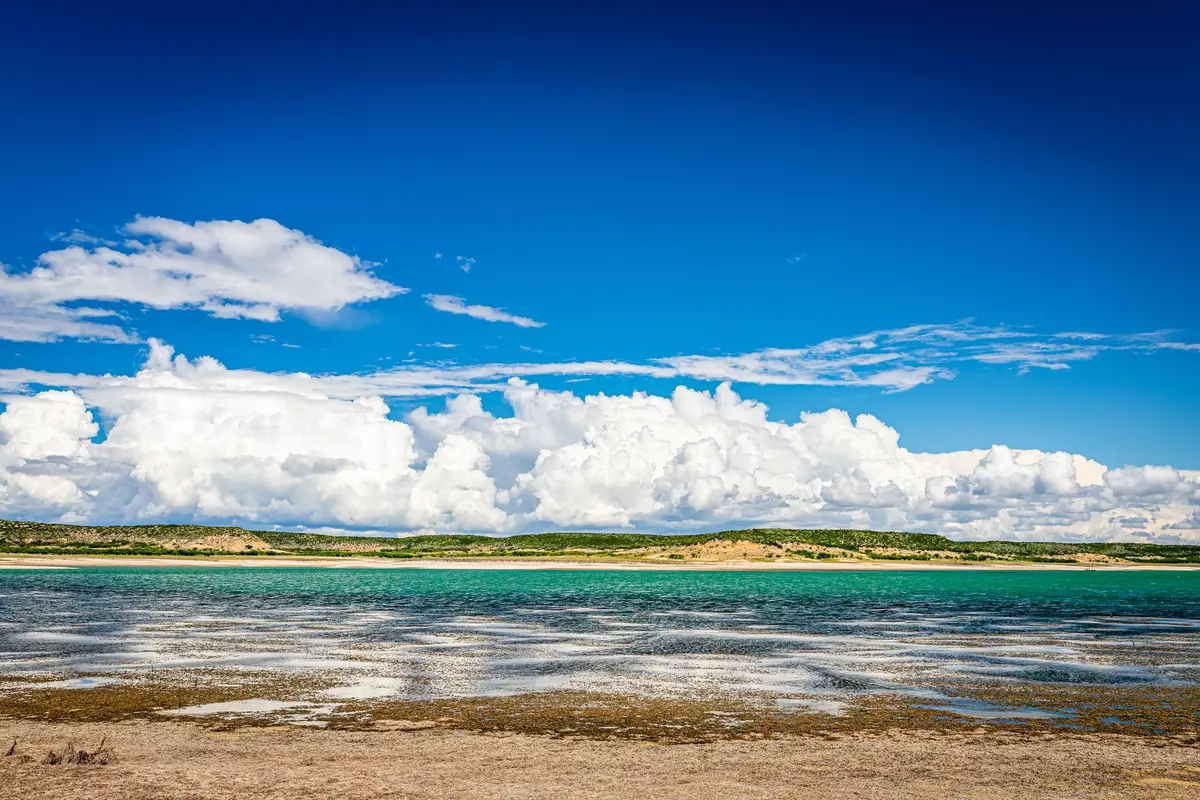
Inland port cities and desert river towns along the stretch of border between the Valley and the Big Bend. 3 cities including Laredo, Del Rio, Eagle Pass.
Explore all 3 Southwest Border Country cities →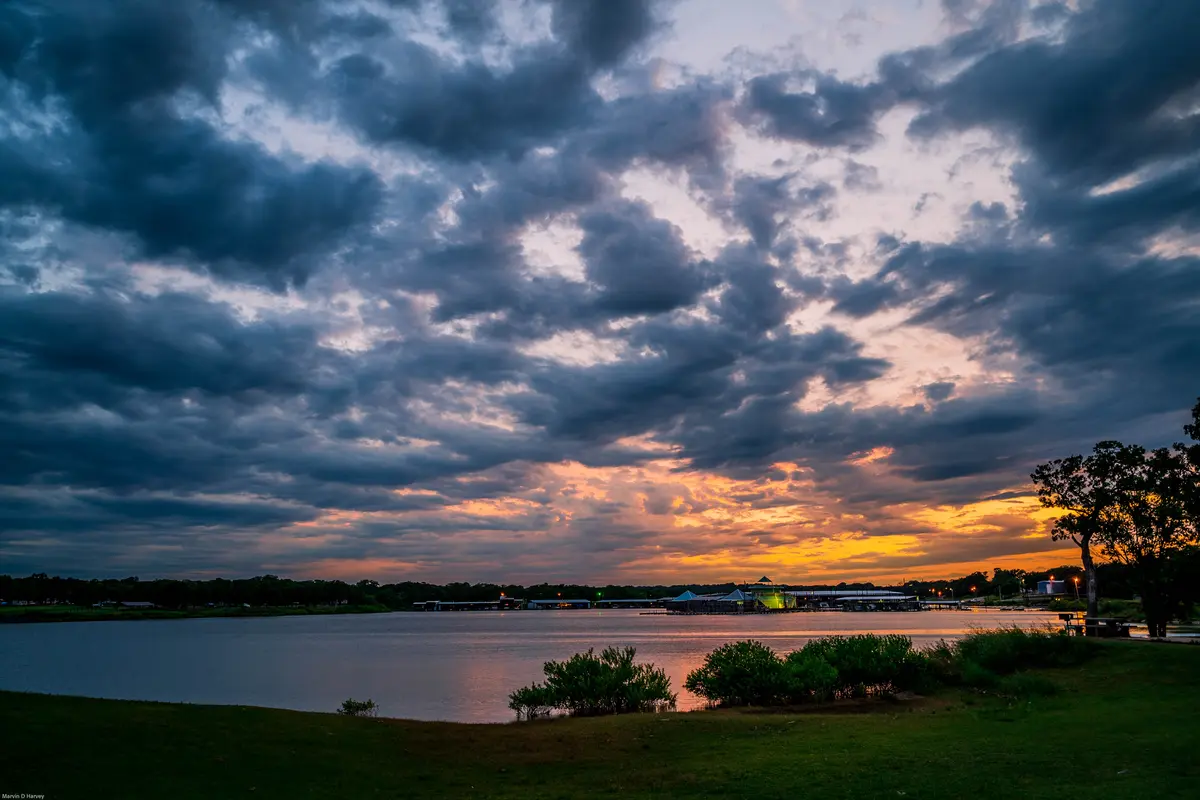
Independent small cities on the Red River plains, north and west of the Metroplex. 3 cities including Wichita Falls, Sherman, Denison.
Explore all 3 North Texas cities →Moving to Texas?
Tell us what you need help with and we'll connect you with local resources.
