
Maybe your orders brought you to Fort Bliss, or maybe you've been tracking El Paso's affordability from a pricier Texas metro and finally decided to look seriously. Either way, the first thing to understand about this city of 683,012 is that it is not one place. El Paso is built around the southern end of the Franklin Mountains — a granite range that physically splits the city and forces every neighborhood conversation to start with a single question: which side of the mountain are you on? That question shapes your commute, your school options, your weekend routine, and the character of the block you come home to every day.
The economic spine here runs through Fort Bliss, the University of Texas at El Paso, the El Paso Independent School District, and a regional health system that is among the city's largest employers — institutions that together make the city far more stable than its median household income of $59,745 might suggest. Military families on PCS orders, university faculty and staff, healthcare workers, and municipal employees are the dominant buyer and renter pools. The El Paso Independent School District holds a B rating, according to the Texas Education Agency, serving 46,244 students enrolled in 2025-26 across the city's core neighborhoods. Cimarron is the important exception: that master-planned community falls under Canutillo ISD, which surprises buyers who assume the West Side is uniformly EPISD.
The city's typical home price of $237,796 (Zillow Home Value Index, July 2026) places El Paso well below most major Texas metros — a fact that draws buyers from Austin, Dallas, and increasingly California. The catch is that the median household income sits below the income needed to purchase at that price, so affordability is relative to what you're bringing from elsewhere rather than what the local wage base supports. Day-to-day life here means 297 sunny days a year, a strong outdoor culture anchored by Franklin Mountains State Park, and a border-city food and culture scene that has no real equivalent in Texas. For a full breakdown of what things cost beyond housing, see the cost of living page.
Whether you're buying near the base, hunting for a historic bungalow, or trying to figure out which master-planned subdivision actually has the school boundary you want, the sections below break down El Paso's eight neighborhoods, who each one suits, common mistakes buyers make here, and the best rental zones in the city.
The El Paso Reality
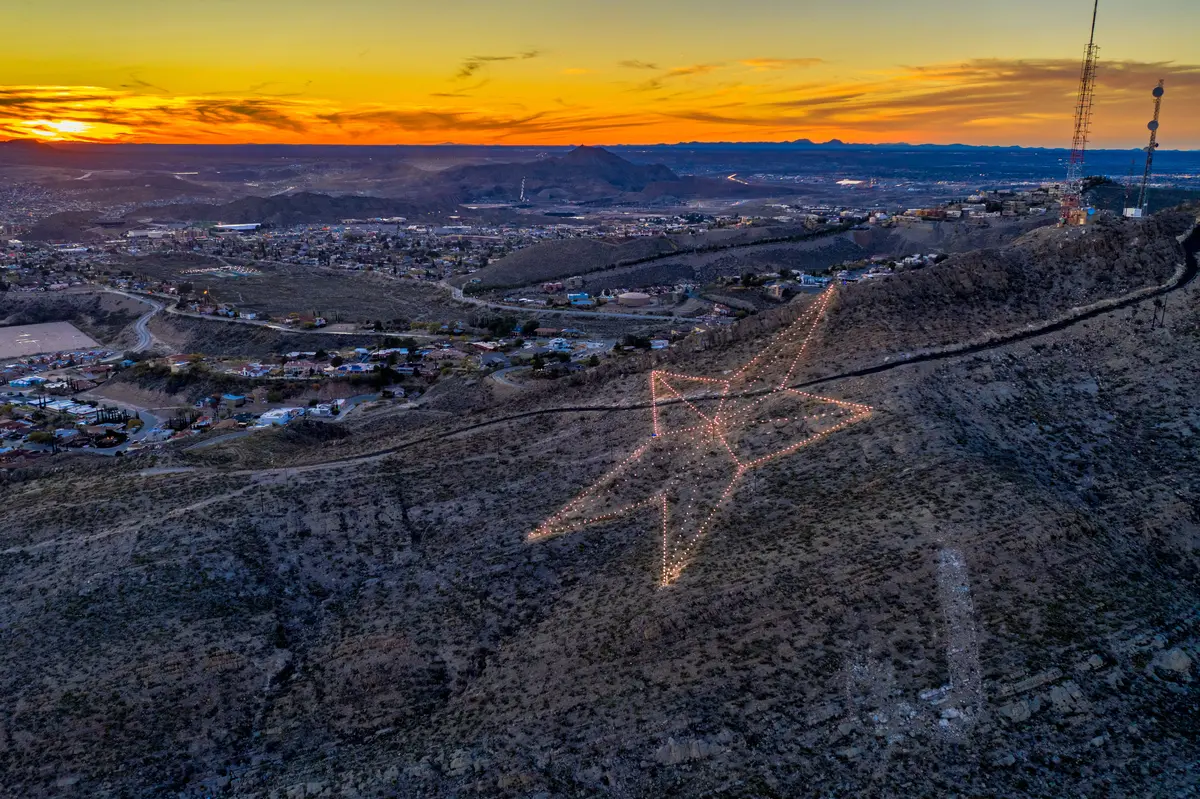
The Franklin Mountains do not just create a view — they create a hard divide that shapes every real estate decision in this city. Neighborhoods on the West Side sit at higher elevations with direct mountain access, established custom homes, and a premium character. Everything east of the mountains — Northeast, East Side, Lower Valley — follows a completely different pattern: flatter terrain, more recent development, and a distinctly suburban scale. Buying without understanding which side of the range you're in is one of the most common mistakes relocating buyers make here.
The second divide is the school district boundary. Most of central and eastern El Paso falls under the El Paso Independent School District. But Cimarron, despite sitting inside El Paso's city limits on the northwest side, is served by Canutillo ISD — a detail that catches buyers off guard when they're comparing neighborhoods they assume are equivalent. If your school district choice is driving your search, confirm the boundary before you fall in love with a house.
Fort Bliss functions as a third organizing force. The base sits along the northeastern edge of the city, and its presence structurally shapes the rental market and buyer demand in Northeast El Paso in ways that don't apply to the West Side or the East Side. Military families on PCS orders create consistent, recurring turnover — which means Northeast El Paso can be a reliable investment area but also a neighborhood where your neighbors rotate on a different timeline than in a typical civilian suburb. Understanding all three of these divides — the mountain, the school boundary, and the base — is what separates an informed El Paso buyer from one who gets surprised six months in.
Neighborhoods at a Glance
| Neighborhood | Best For | Vibe |
|---|---|---|
| West Side (Westside) | Luxury Views Privacy | Established, elevated, mountain-adjacent; custom homes and long-tenured neighbors |
| Northeast El Paso | Commuter First-Time Renter | Military-adjacent, older stock, panoramic nighttime views over Fort Bliss |
| East Side (East El Paso) | Families Value School | Newest, largest, master-planned; suburban feel with room to grow |
| Upper Valley | Nature Privacy Quiet | Agricultural corridor, horse properties, lush Rio Grande greenery |
| Lower Valley | First-Time Families Value | 1950s–'60s ranch homes, tight-knit community, affordable entry point |
| Central El Paso | Walkable First-Time Transit | Historic, close to everything, genuine urban texture near UTEP |
| Cimarron | Families Nature School | Master-planned with trail access; Canutillo ISD; new-build feel |
| Kern Place | Walkable Luxury Views | 1920s–'30s bungalows, UTEP-adjacent, the most architecturally distinct block in El Paso |
El Paso typical home price: $237,796 (Zillow ZHVI, July 2026). Typical rent: $1,529/mo (Zillow ZORI, July 2026). Neighborhood tiers on this page are relative to these figures.

Best Neighborhood by Buyer Type
| Buyer Type | Best Neighborhood | Why |
|---|---|---|
| First-Time Buyer | Lower Valley | Below-median pricing and older ranch-style inventory give budget-conscious buyers the most room to get in without compromising on lot size. |
| Luxury Buyer | West Side (Westside) | Custom-home character, Franklin Mountain views, and limited land supply concentrate El Paso's premium inventory here. |
| Walkability Seeker | Kern Place | Tree-lined streets, Madeline Park, and proximity to UTEP and the Cincinnati Avenue entertainment district make it the city's most genuinely on-foot-friendly neighborhood. |
| Families with Kids | East Side (East El Paso) | Newer master-planned communities, parks, trails, and EPISD school access make it the default choice for parents with school-age children. |
| Commuters to Fort Bliss | Northeast El Paso | US-54 (Patriot Freeway) runs directly through the area, putting most of Fort Bliss within a short drive and below-median prices in the same package. |
| Large-Lot Buyer | Upper Valley | Horse properties and agricultural estates along the Rio Grande corridor offer the kind of acreage that simply doesn't exist anywhere else inside city limits. |
| Renter | Northeast El Paso | Fort Bliss PCS turnover keeps rental inventory cycling consistently, giving renters more options and more negotiating room than in the tighter West Side market. |
Looking to buy in El Paso? Estimate your payment.
Enter your numbers to see an estimated monthly mortgage payment.
Estimate only. Excludes HOA fees and mortgage insurance. The interest rate above is a starting point, not a quoted rate — replace it with your own to see real numbers. Insurance is a flat placeholder, not a El Paso quote.
Most Popular Neighborhoods
West Side (Westside)
The West Side is where El Paso's established money lives — custom homes on elevated lots, Franklin Mountain views from the back patio, and neighbors who have been here for decades. Available land is genuinely scarce, which means you're usually buying someone's long-held home rather than a builder's spec product. The downside for buyers coming from suburban Texas markets is the age and variability of the housing stock: these are not cookie-cutter floorplans, and renovation surprises are common.
Best for: Buyers who want premium views, established community feel, and are prepared to invest in limited, non-replicable inventory.
Northeast El Paso
Northeast El Paso is Fort Bliss's residential backyard — US-54 (Patriot Freeway) runs through it, the base sits to the east, and the housing stock ranges from 1950s builds to newer construction climbing the mountain slopes with panoramic nighttime views over the installation. Prices come in below the city median, which makes it El Paso's most accessible option for buyers who need the base commute. The honest trade-off: the neighborhood skews toward military turnover, so community continuity feels different here than on the West Side or East Side.
Best for: Military families, budget-conscious first-time buyers, and investors targeting consistent PCS rental demand.
East Side (East El Paso)
The East Side is the city's growth engine — the largest residential area in El Paso, built on land that kept accommodating master-planned subdivisions when every other quadrant ran out of room. The school options under EPISD are solid, and the family-oriented culture is real rather than marketed. The compromise is distance: the East Side is the farthest quadrant from Downtown El Paso and Fort Bliss, and that commute is a daily reality for anyone who works on the opposite side of the mountains.
Best for: Families with kids, buyers who prioritize newer construction and suburban amenities, and anyone whose job or school is on the East Side.
Upper Valley
Upper Valley is the part of El Paso that surprises people who picture the city as pure desert — a green, tree-lined agricultural corridor along the Rio Grande running northwest toward the New Mexico state line, with horse properties, established estates, and a rural pace that feels genuinely removed from the urban grid. It is one of the lushest areas in the city, and outdoor recreation along the river is a legitimate daily draw. The honest limitation is that services, shopping, and commuting all require a real drive; this is not a neighborhood for someone who wants urban convenience.
Best for: Buyers who want acreage, quiet, and proximity to the river — and who are willing to drive for everything else.
Lower Valley
Lower Valley is where El Paso's agricultural past is most visible — Spanish Revival and ranch-style homes from the 1950s and '60s on smaller lots, a strong sense of longtime community, and home prices that fall below the city median. Young families have been moving in alongside multi-generational households for years, and the neighborhood's walkable schools and parkland are genuine assets. The older housing stock means buyers need to budget for systems and roof updates; condition varies block by block more than in newer developments.
Best for: First-time buyers, families who want below-median entry with strong community character, and buyers who value neighborhood roots over new construction.
Central El Paso
Central El Paso is the city's connective tissue — historic in places, genuinely walkable near UTEP and the Manhattan Heights sub-area, and priced below the city median in a way that still surprises buyers who associate "central" with a premium. The architectural variety here — from Craftsman bungalows to mid-century infill — is unavailable in the East Side subdivisions. The honest challenge is the condition of some of the older blocks; Central El Paso rewards buyers who do their homework on a specific street rather than assuming the whole area is uniform. For schools and school district details, individual campus quality varies more here than in master-planned areas.
Best for: Buyers who want urban walkability, architectural character, and below-median pricing — and are prepared to inspect carefully.
Cimarron
Cimarron is the West Side's most intentional neighborhood — a master-planned community in the Franklin Mountain foothills off I-10, with tree-lined medians, native landscaping, wide sidewalks, a bike pump track at Cimarron Canyon Park, and trail connections directly into Franklin Mountains State Park. It has the new-build feel of the East Side with the mountain access of the West Side, which is a combination that doesn't exist anywhere else in El Paso. The important caveat: Cimarron is served by Canutillo ISD, not EPISD — so buyers whose school search is driving their neighborhood search need to evaluate Canutillo separately before assuming this is an apples-to-apples comparison with EPISD neighborhoods.
Best for: Active families who want trail access from their front door, new-build quality, and are comfortable — or enthusiastic — about Canutillo ISD.
Kern Place
Kern Place is El Paso's most architecturally distinctive neighborhood: 1920s and '30s Spanish Revival bungalows and Craftsman cottages on tree-lined streets adjacent to the UTEP campus, with Madeline Park anchoring the center of the block. Prices run above the city median, which reflects both the scarcity of this type of housing stock in the Sun Belt and the genuine on-foot access that few El Paso neighborhoods can match. The trade-off is the proximity to a major university campus — weekend noise and student traffic are part of the deal, and buyers who want quiet evenings should consider the blocks that are slightly farther from Cincinnati Avenue.
Best for: Buyers who want historic character, an above-median investment, and a genuinely walkable neighborhood that stands apart from the rest of the El Paso market.
Common Mistakes Buyers Make in El Paso
Treating the City as a Single Market
El Paso's typical home price of $237,796 (July 2026) is an average of markets that behave very differently. A buyer who tours a West Side custom home and then writes an offer on an East Side spec house using West Side comparable pricing — or vice versa — is comparing properties that don't share a market. The Franklin Mountains physically separate these submarkets, and price tiers, school districts, and commute patterns all follow that divide.
Ignoring the School District Line in Cimarron
Cimarron sits inside El Paso city limits on the northwest side, which leads many buyers to assume it falls under the El Paso Independent School District. It does not — Canutillo ISD serves the community. For buyers whose school district choice is the primary filter, this is a deal-level variable, not a footnote. Confirm the district boundary before your search narrows to that area.
Underestimating the East Side Commute
The East Side's newer inventory and family-oriented amenities are genuinely attractive, but the commute from the eastern subdivisions to Downtown El Paso or Fort Bliss runs in the wrong direction relative to morning congestion patterns. Buyers who work on the west side of the mountains and buy on the east side often find the commute is the part of the trade-off they didn't price correctly when they made the offer.
Chasing Square Footage Over Condition in Lower Valley and Central El Paso
Below-median pricing in Lower Valley and Central El Paso frequently reflects the age of the housing stock — 1950s and '60s ranch and Spanish Revival homes with original systems, older electrical panels, and roofs that are at or past their useful life. Buyers who chase the square footage number and skip thorough inspections on these blocks absorb costs within the first two years that effectively eliminate the price advantage they bought for. The value is real, but it requires a careful inspection, not a waived one.
Best Areas to Rent in El Paso
| Area | Ideal For | Trade-off |
|---|---|---|
| Northeast El Paso | Military families on PCS orders, commuters to Fort Bliss | Older housing stock; neighborhood continuity varies with military turnover cycles |
| East Side (East El Paso) | Families with school-age children, renters who want newer construction | Farthest from Downtown and Fort Bliss; a car is non-negotiable for every errand |
| Central El Paso | UTEP students and staff, renters who want walkable streets and urban access | Block-by-block variation in condition; parking can be tight near the university |
| West Side (Westside) | Renters who want mountain access and established neighborhood feel | Rental inventory is tighter here than in other quadrants; competition for quality units is real |
| Lower Valley | Budget-conscious renters, young families who want community character | Older buildings; some units in this area have deferred maintenance that shows up quickly |
Fort Bliss generates hundreds of Permanent Change of Station moves per year, which creates a structural rental market in El Paso that doesn't depend on population growth alone — particularly in Northeast El Paso and Central El Paso, where military renters cycle through consistently. The city-wide typical rent context is covered on the cost of living page; neighborhood-level rent figures are not published by Zillow, so any range attached to a specific area is an estimate, not a sourced figure.

Local Expert Takeaway: The single most useful thing to know before buying in El Paso is which side of the Franklin Mountains your life actually happens on. If you work at Fort Bliss or commute downtown, Northeast or Central El Paso keeps you close and at a lower price point. If you want new construction and family-oriented schools, the East Side has the inventory and the room to grow. If the mountain view and the established neighborhood character are non-negotiable, the West Side and Kern Place are where you spend more and get something that can't be replicated anywhere else in the city. Cimarron is the one neighborhood that bridges the West Side feel with new-build quality — but confirm Canutillo ISD works for your family before that bridge becomes the deciding factor.
Quick Takeaways & FAQs
✅ El Paso's typical home price of $237,796 (July 2026) puts real homeownership within reach at price points that have disappeared from most major Texas metros.
⚠️ The Franklin Mountains physically divide the city into distinct submarkets — West Side buyers and East Side buyers are not competing in the same pool, which matters when you're pricing an offer.
📍 Cimarron is inside El Paso city limits but is served by Canutillo ISD, not EPISD — a school district detail that catches relocating buyers off guard more than almost anything else in this market.
What is the most affordable neighborhood in El Paso?
Which El Paso neighborhood is best for families with young children?
Is Kern Place worth the premium over other El Paso neighborhoods?
Does Cimarron use El Paso ISD schools?
Which neighborhoods in El Paso are closest to Fort Bliss?
Moving to Texas?
Tell us what you need help with and we'll connect you with local resources.
