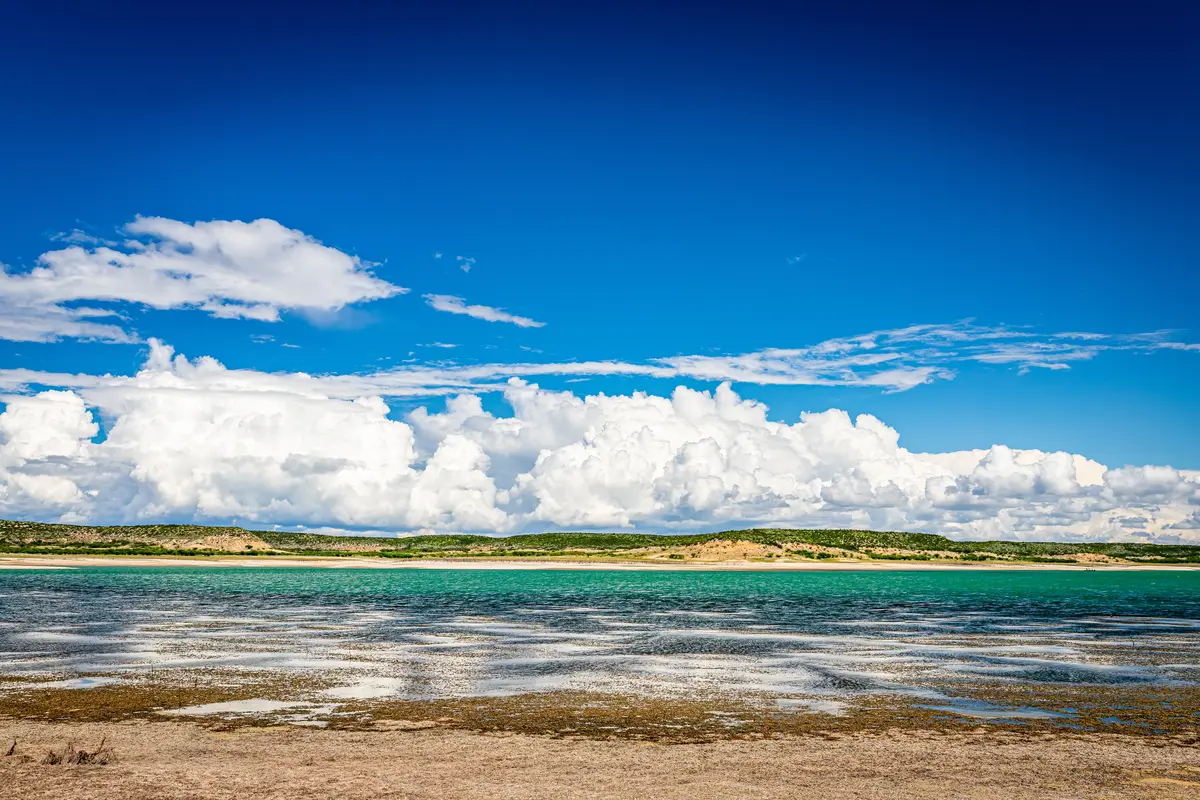
Is the Southwest Texas Border Country a Good Place to Live?
If you're comparing the Southwest Texas Border Country with San Antonio or the Hill Country, the first thing to understand is that this is not a commuter region — it is not a collection of suburbs orbiting a larger metro. Each city here stands alone, anchored to the Rio Grande and to the international crossings that make them function. The trade-off that runs through every decision in this region: you get affordability and genuine community, and you give up proximity to the sprawling amenities of a larger Texas metro.
The economic reality of this region is inseparable from the border. Laredo's World Trade International Bridge handles an enormous volume of commercial freight, making international trade the backbone of its economy alongside its major school districts and International Bank of Commerce. Del Rio's identity is shaped by Laughlin Air Force Base, which brings a rotating population of military families and civilian contractors into a city that also anchors itself around San Felipe Springs and Lake Amistad. Eagle Pass has grown into a more prominent national conversation around its international crossings, while the Eagle Pass Independent School District and a regional medical center remain the steady civilian anchors.
Across all three cities, home prices sit in a range that looks genuinely attainable by Texas standards — well below what buyers face in the San Antonio Metro, and substantially below the Hill Country or Austin Metro. Day-to-day life runs on a bilingual rhythm here; Spanish is not a secondary language but the dominant one, and the culture, food, and social fabric reflect deep ties to the Mexican cities directly across the river. If you move here expecting a standard Texas suburb, you will be surprised within the first month — and most people who stay say that surprise is exactly why they stayed.
Whether you're being relocated by the military to Laughlin, drawn by a position in a school district, or simply priced out of everywhere north of San Antonio, the sections below break down the Southwest Texas Border Country city by city — neighborhoods, employers, what daily life actually looks like, and which of these three cities fits which kind of buyer.
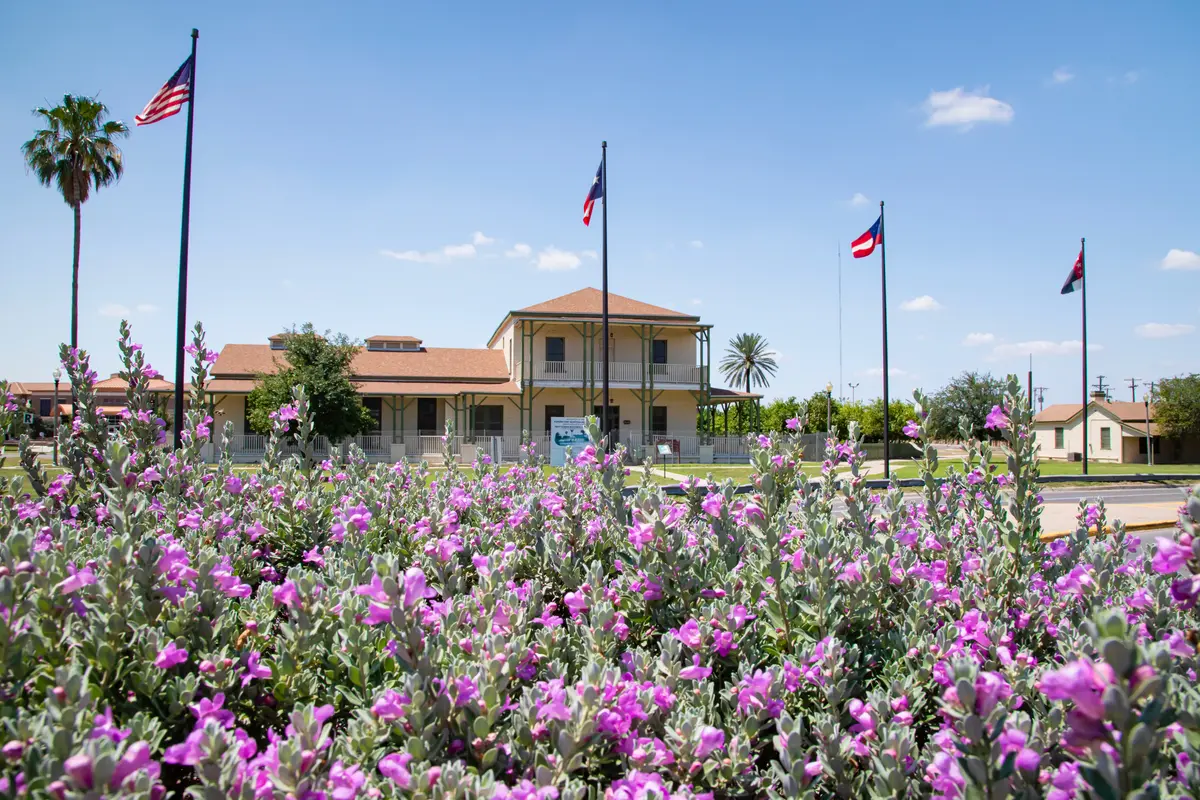
Explore All 3 Cities in the Southwest Texas Border Country
Click into any city for the complete guide — neighborhoods, home prices, cost of living, pros & cons, schools, top employers, and mortgage help.
Laredo
Laredo is one of the state's larger cities and the commercial heart of this region, built around the movement of goods across the Rio Grande and anchored by major school districts that rank among the area's biggest employers. San Agustin Plaza and the Rio Grande riverfront give the city a historic core, while newer neighborhoods like La Bota Ranch and Crown Ridge have expanded outward along I-35 and Loop 20. For buyers who want the widest range of neighborhoods, the most diverse job market in the region, and a genuinely urban feel without urban prices, Laredo is the logical starting point.
Full Laredo Guide →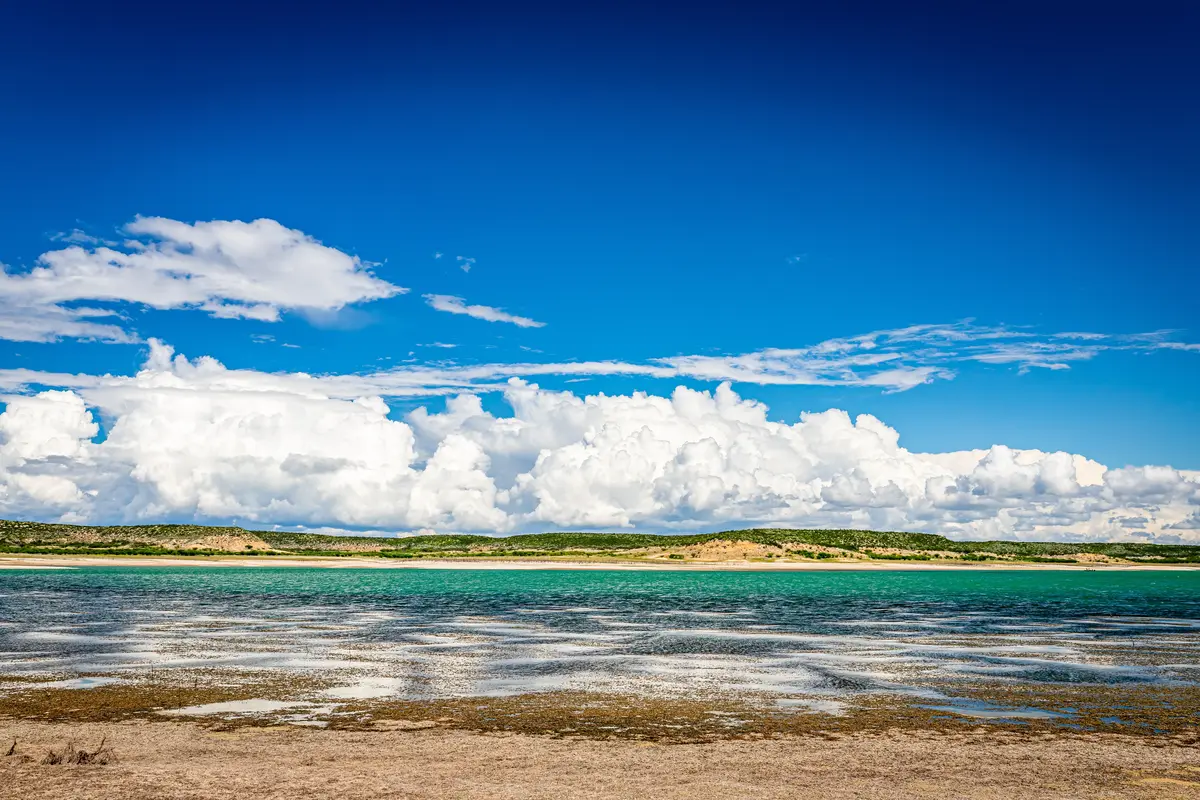
Del Rio
Del Rio is shaped by two things that rarely share a city: a major military installation and one of the most spectacular reservoirs in Texas. Laughlin Air Force Base drives a steady cycle of military families through neighborhoods like Quail Run and Lake Ridge Ranch, while Lake Amistad and Amistad National Recreation Area pull a different crowd entirely — people who want water access and open sky as part of their daily backdrop. The city sits near the middle of this region on price, and it offers a calmer, smaller-scale version of border-city life that tends to appeal to military families, outdoor-focused buyers, and anyone who finds Laredo's scale more than they need.
Full Del Rio Guide →
Eagle Pass
Eagle Pass sits directly across the Rio Grande from Piedras Negras, and the two cities function as one interconnected daily reality for most residents — crossing for family visits, commerce, and culture is simply part of the week. The Lucky Eagle Casino and Hotel, the 300 Block Art and Entertainment District, and the historic Maverick County Courthouse give the city more visible civic anchors than its size might suggest. It sits near the middle of this region on price, and it suits buyers who want a tight-knit border community, a lower cost of entry than Laredo, and a city small enough that the school district and county government are genuinely the center of the local employment picture.
Full Eagle Pass Guide →Compare Every City in Southwest Border Country
Full ranked breakdowns across every city in the region — scored and compared side by side.
Local Expert Takeaway: The Southwest Texas Border Country rewards buyers who move toward it on purpose — for the bilingual culture, the river geography, or a specific employer like Laughlin Air Force Base — and tends to frustrate those who arrive hoping it will feel like a smaller version of San Antonio.
Frequently Asked Questions
Which city in the Southwest Texas Border Country is the best fit for a military family?
How does the cost of living in the Southwest Texas Border Country compare to the rest of Texas?
Is it a problem not to speak Spanish if I move to one of these cities?
What is the honest downside of living in this part of Texas?
Which city suits a buyer who wants the quietest pace and the most outdoor access?
Helpful Texas Resources
Explore Other Texas Regions
the Southwest Texas Border Country is one of 17 distinct regions that make up Texas. Each has its own climate, character, and housing market — explore them all.
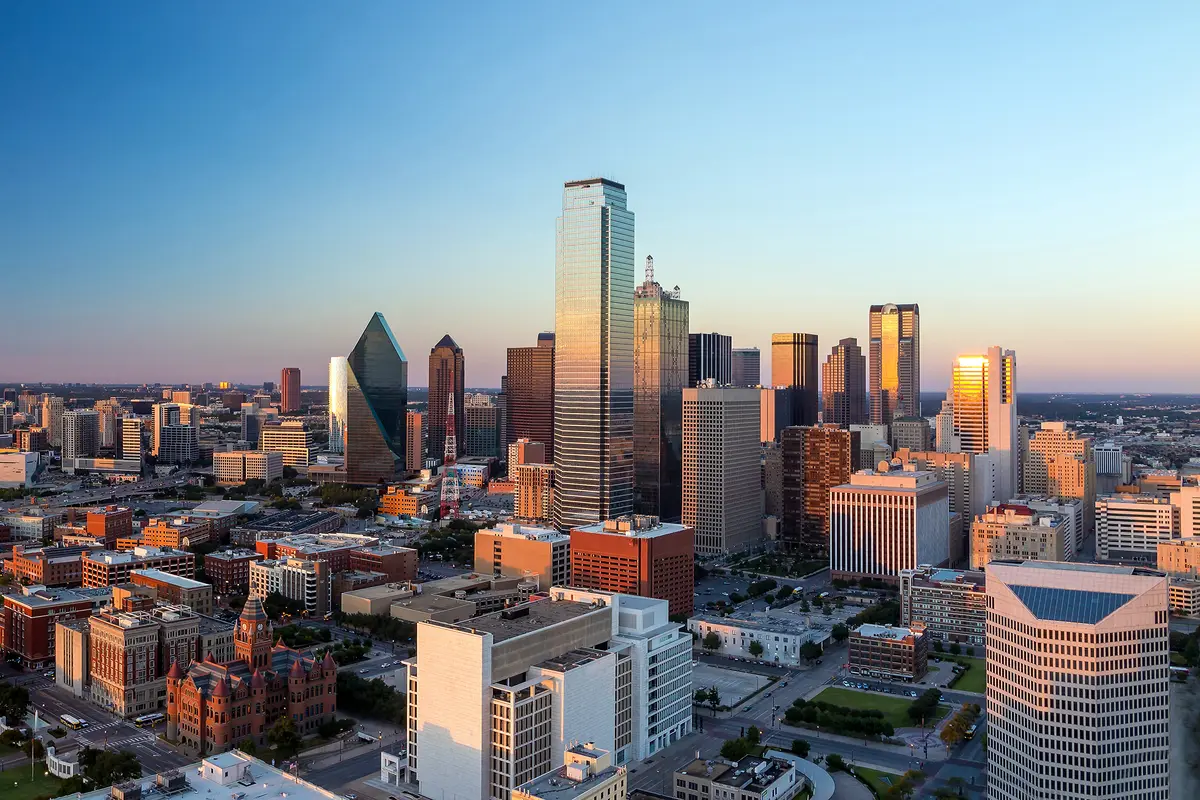
Two downtowns and the whole sweep of suburbs between and around them, from the Collin County job corridor to the ranch country west of Fort Worth. 71 cities including Dallas, Fort Worth, Arlington.
Explore all 71 Dallas-Fort Worth cities →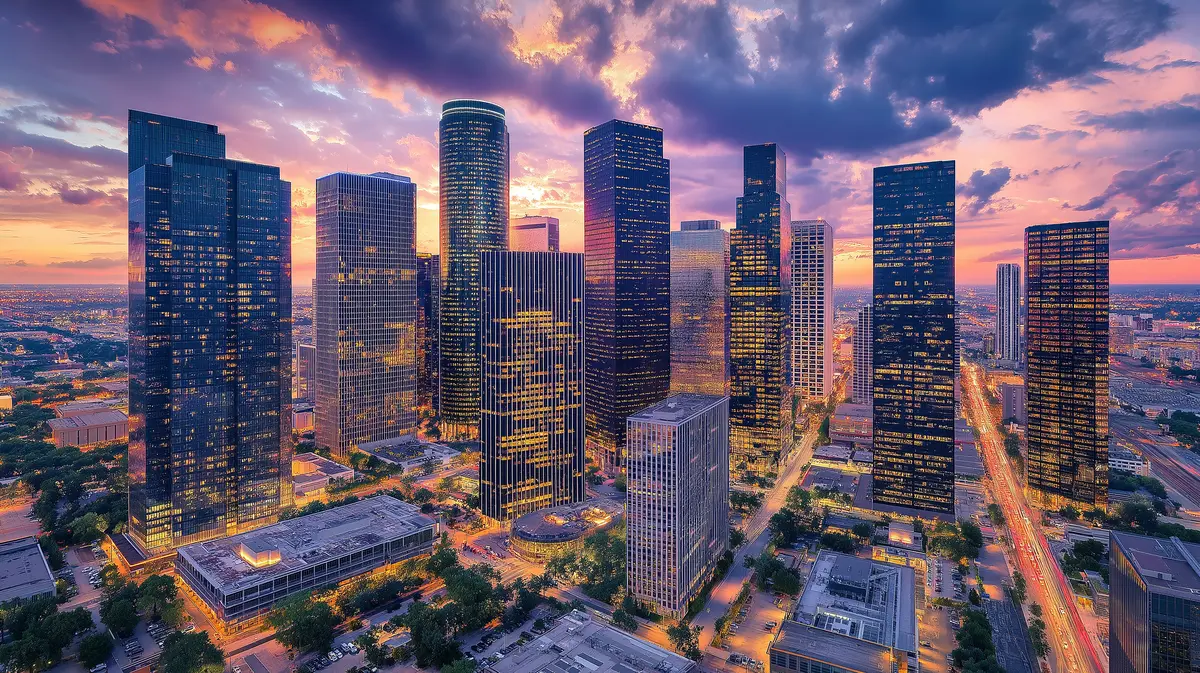
The energy capital and the ring of master-planned communities, bayou suburbs and bay towns that grew up around it. 45 cities including Houston, Cypress, Klein.
Explore all 45 Greater Houston cities →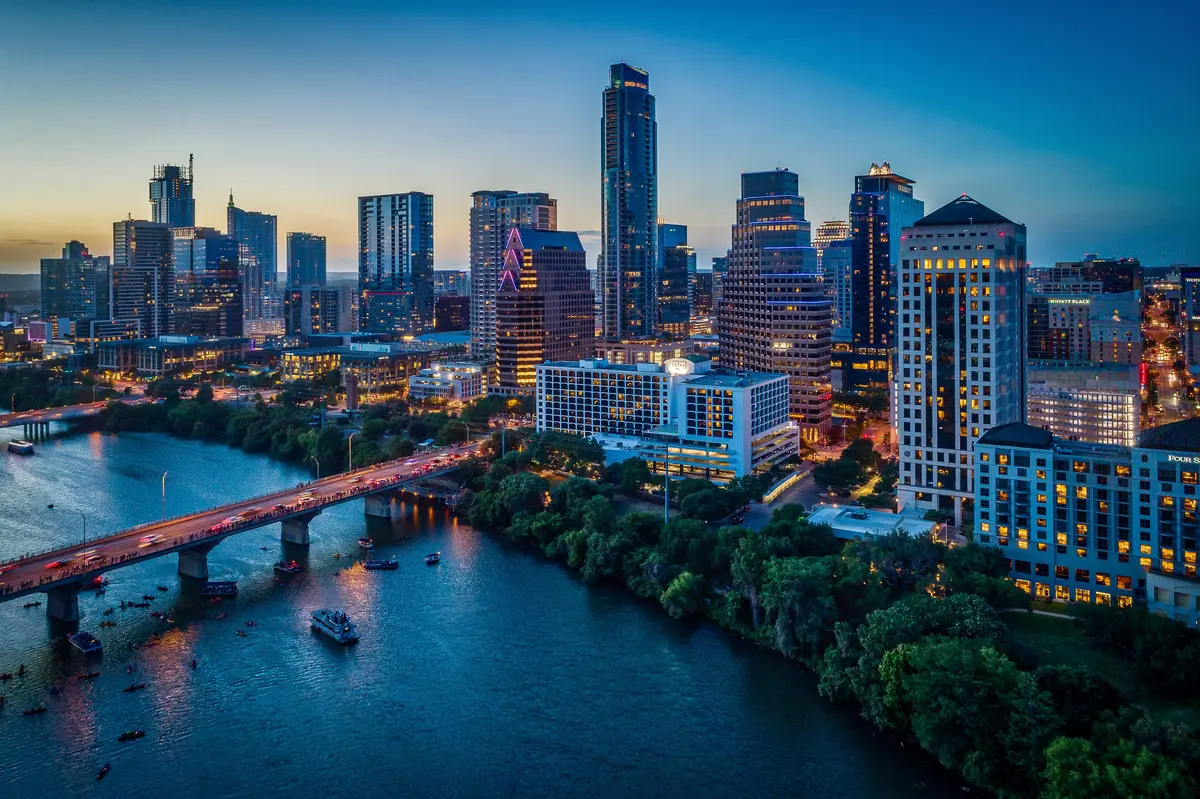
The state capital and the fast-growing corridor of suburbs running north and south of it along the interstate, out into the Colorado River hills. 21 cities including Austin, Round Rock, Georgetown.
Explore all 21 Austin Metro cities →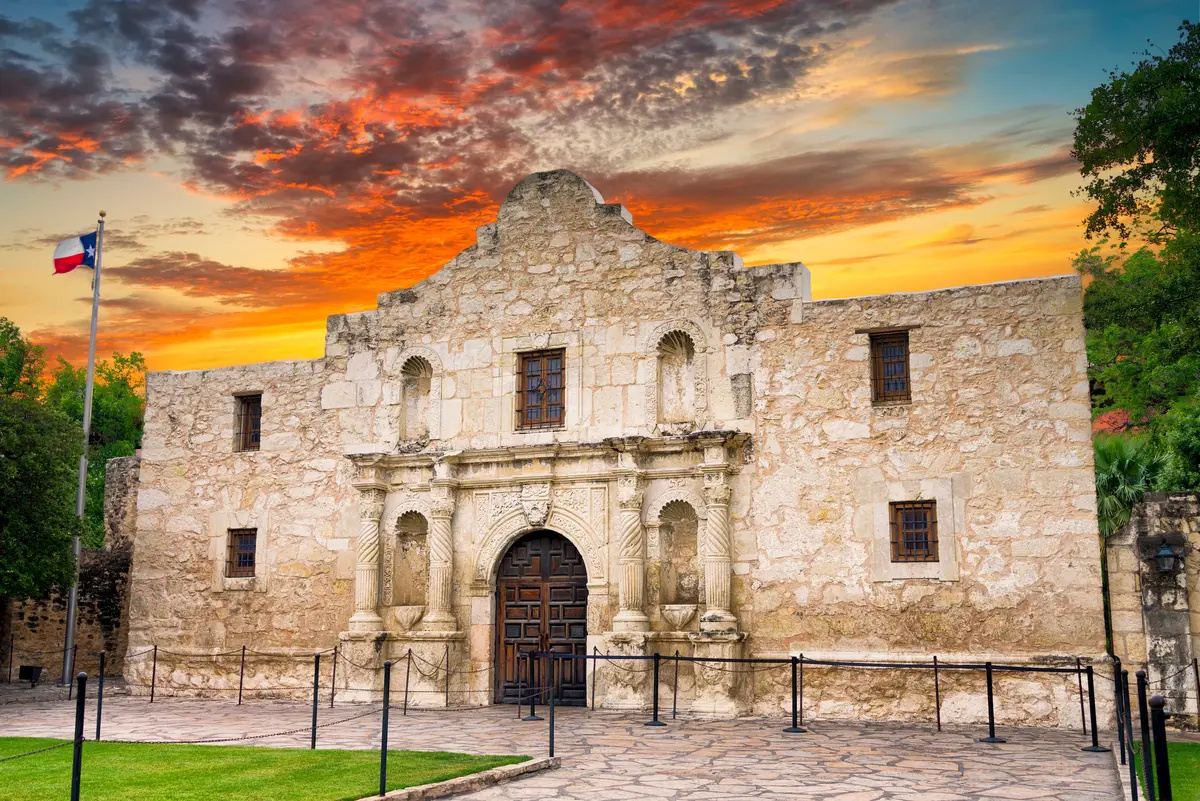
A deep-rooted Spanish colonial city ringed by military bases and the suburbs climbing north toward the Balcones Escarpment. 15 cities including San Antonio, New Braunfels, Schertz.
Explore all 15 San Antonio Metro cities →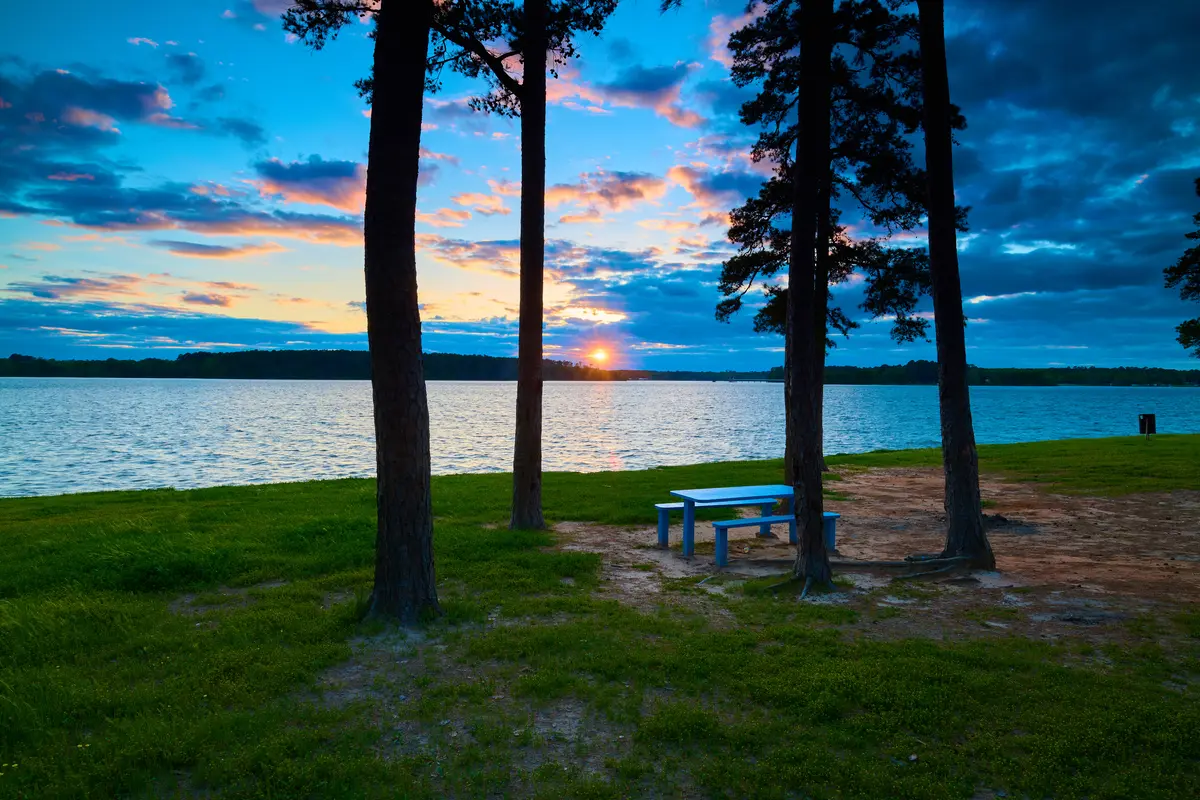
Pine forest, lakes and old county-seat towns across the wettest, greenest corner of the state. 13 cities including Tyler, Longview, Huntsville.
Explore all 13 East Texas cities →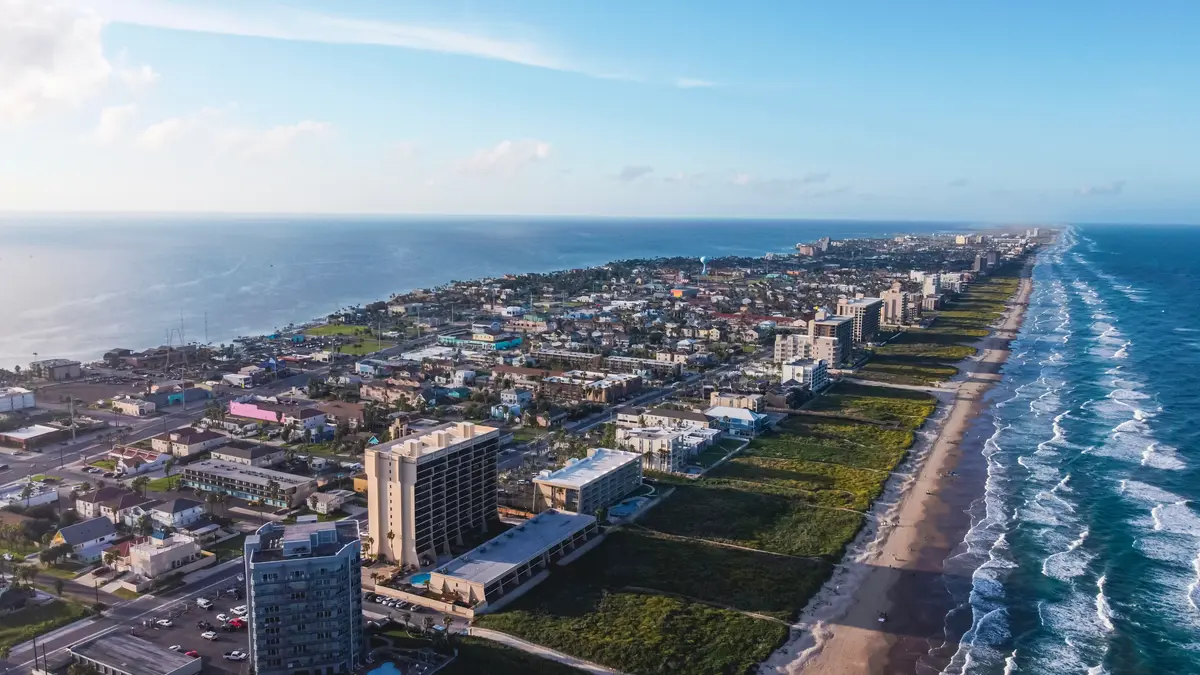
A bilingual, subtropical stretch of border cities and citrus country running from the river out to the Gulf beaches. 11 cities including Brownsville, McAllen, Edinburg.
Explore all 11 Rio Grande Valley cities →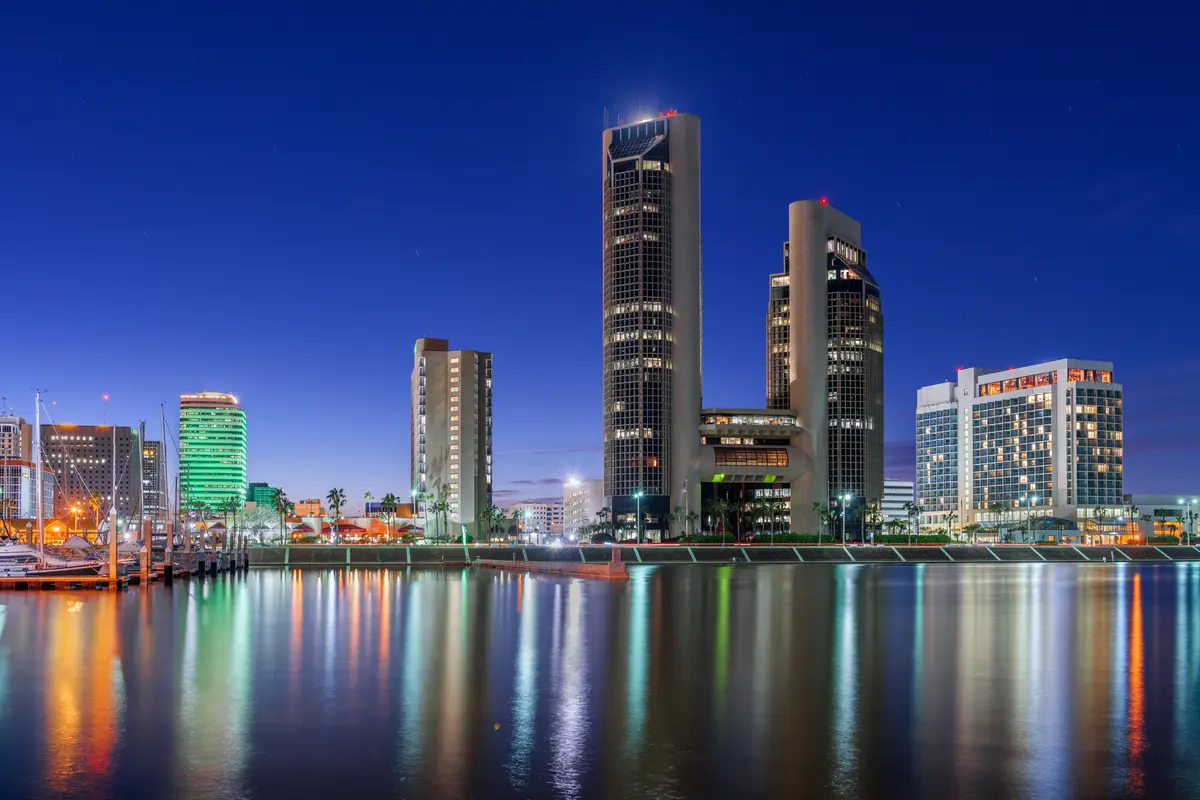
Bay-front cities, refinery towns and barrier-island beaches where the Gulf coast turns south. 7 cities including Corpus Christi, Victoria, Kingsville.
Explore all 7 Coastal Bend cities →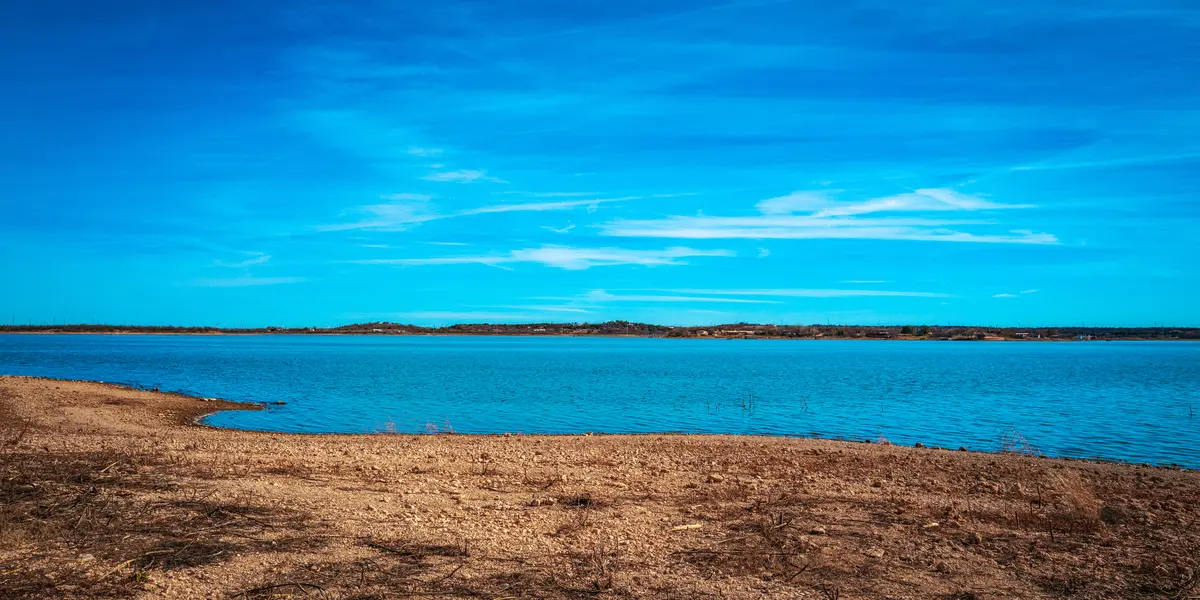
Ranching and university towns spread across the rolling plains of west central Texas. 6 cities including Abilene, San Angelo, Stephenville.
Explore all 6 Big Country cities →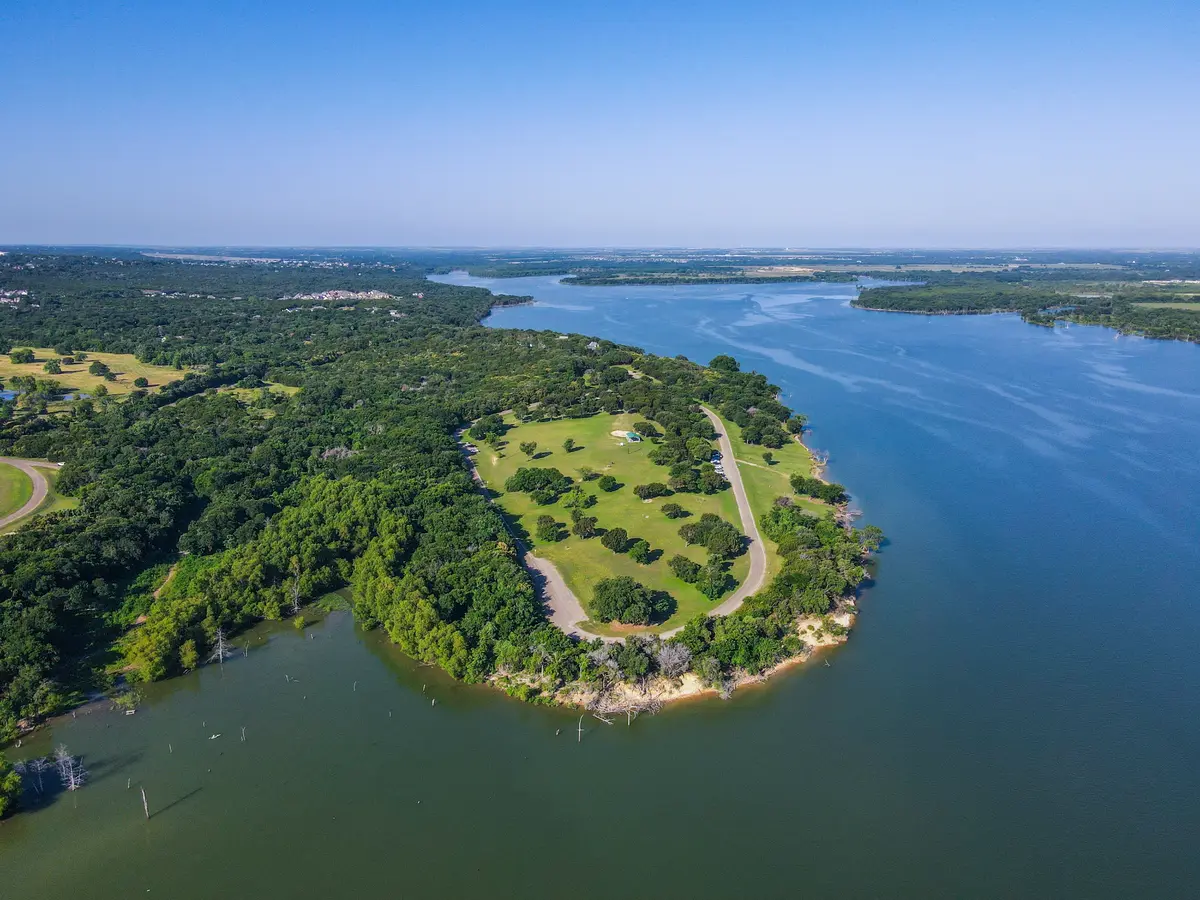
University, hospital and Army-post towns strung along the interstate between the two biggest metros. 6 cities including Killeen, Waco, Temple.
Explore all 6 Waco-Killeen-Temple cities →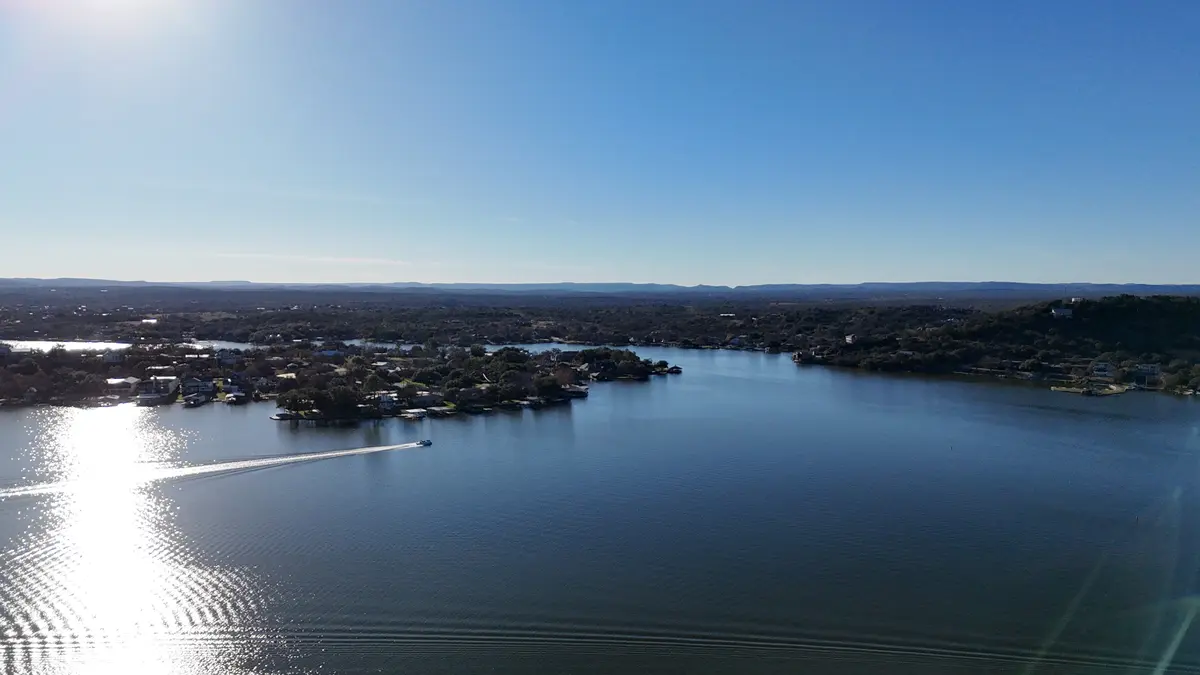
Limestone hills, spring-fed rivers, German heritage towns and the wineries that followed them. 5 cities including Kerrville, Uvalde, Fredericksburg.
Explore all 5 Hill Country cities →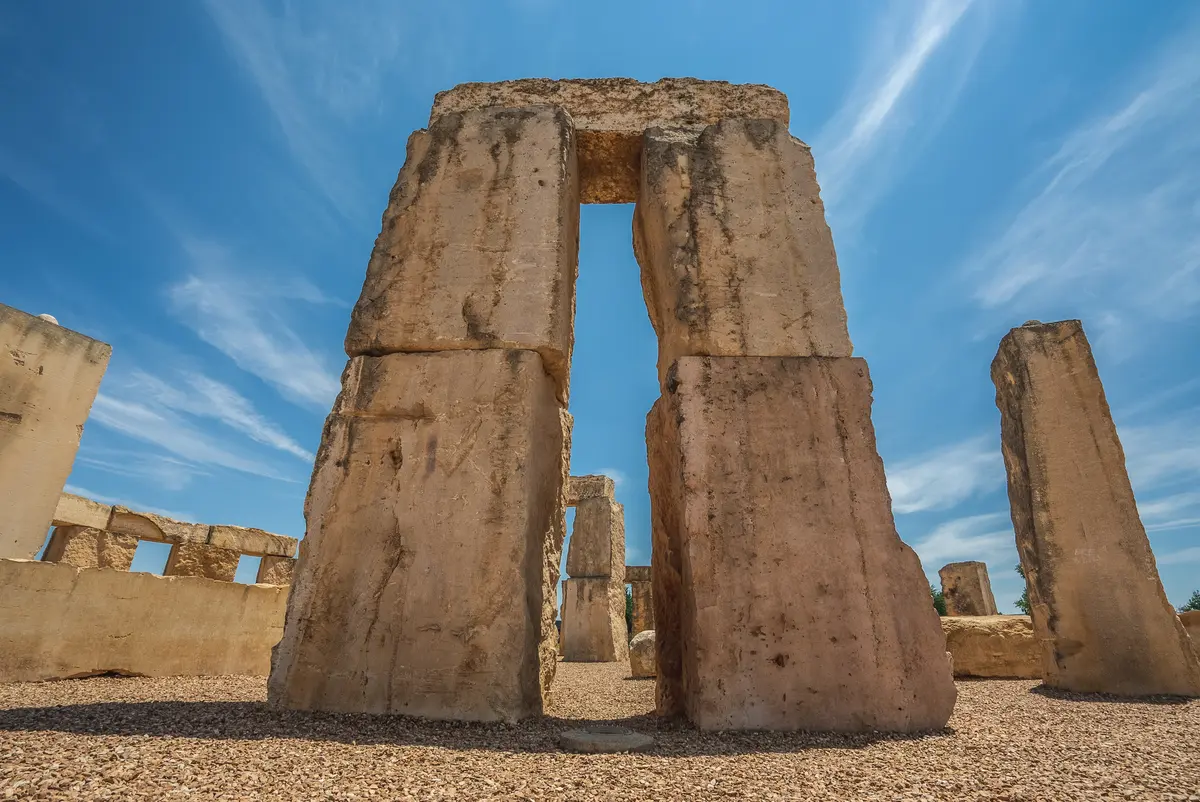
The oilfield cities of far West Texas, where the pay is high and the horizon is wide open. 4 cities including Midland, Odessa, Big Spring.
Explore all 4 Permian Basin cities →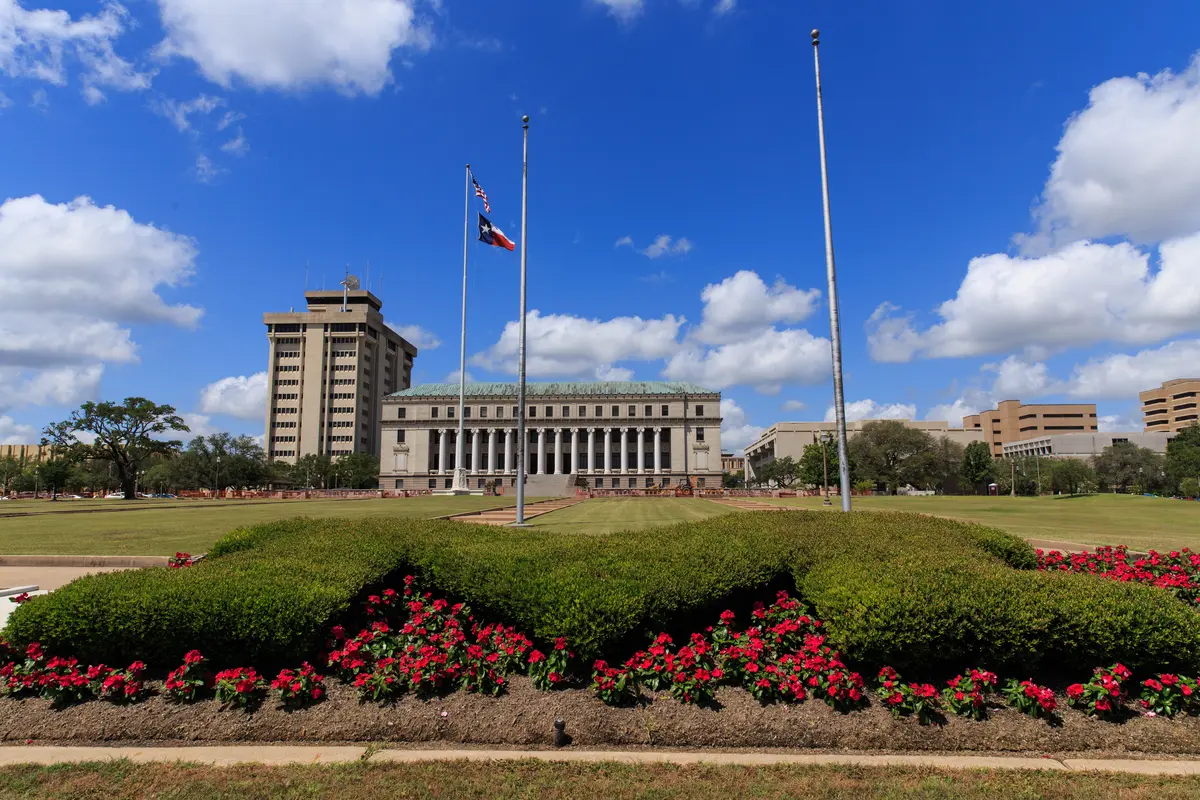
A university-driven pocket of Central Texas surrounded by river-bottom farmland and historic German and Czech settlements. 4 cities including College Station, Bryan, Brenham.
Explore all 4 Brazos Valley cities →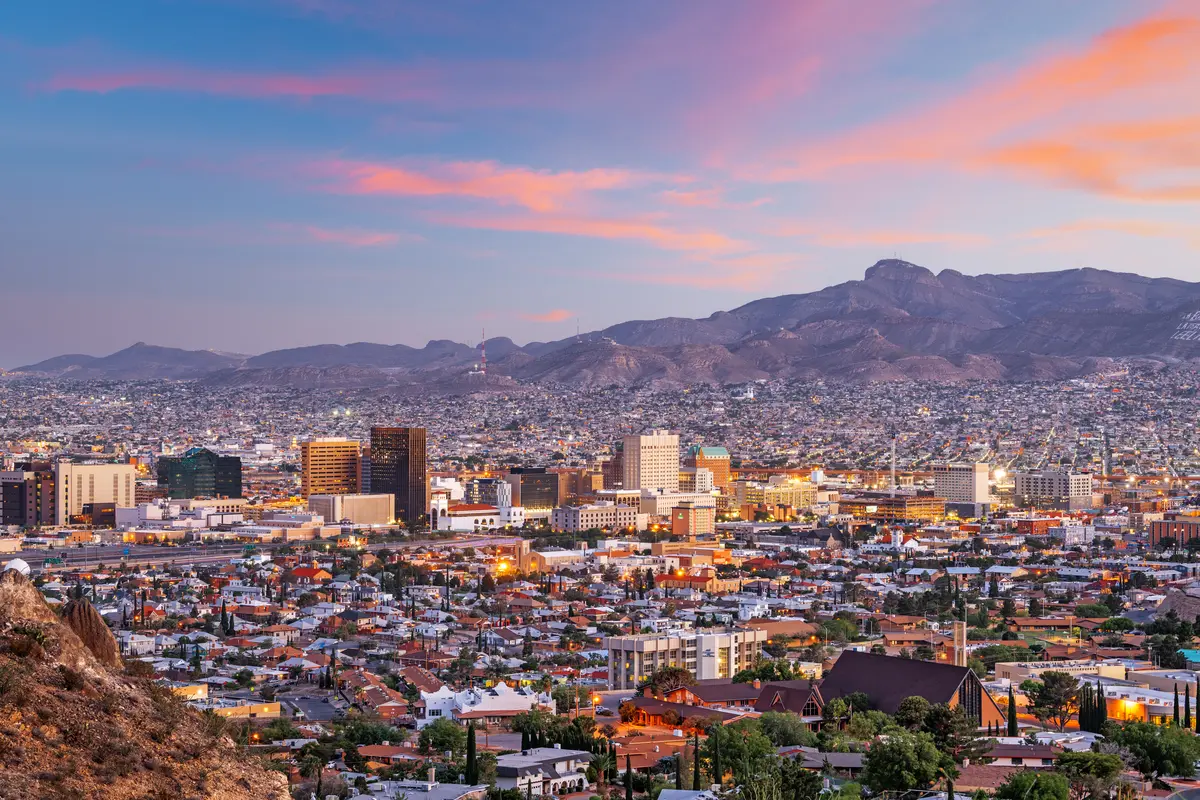
A high-desert border city in the far western corner of the state, closer to three other capitals than to its own. 4 cities including El Paso, Socorro, Horizon City.
Explore all 4 El Paso Borderplex cities →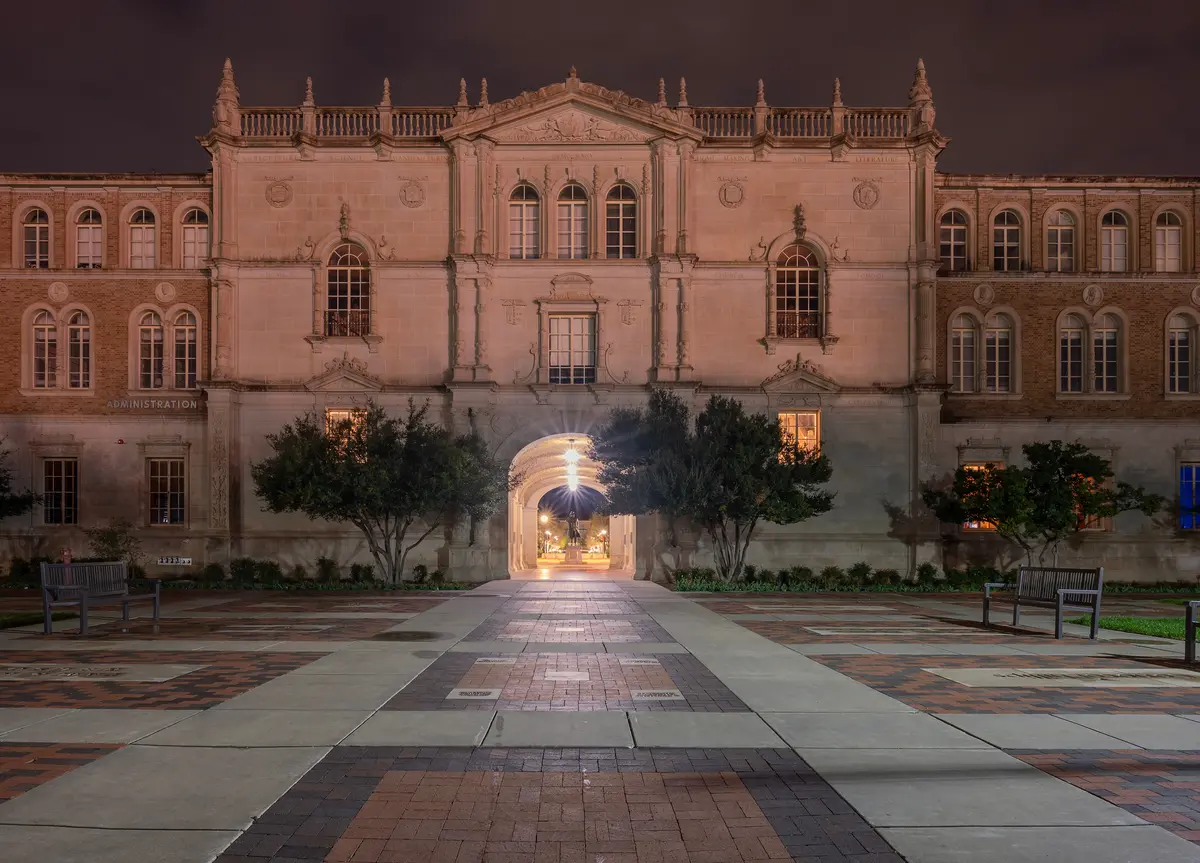
Flat, high, dry cotton and cattle country at the top of the state, anchored by two university cities. 3 cities including Lubbock, Amarillo, Plainview.
Explore all 3 Panhandle & South Plains cities →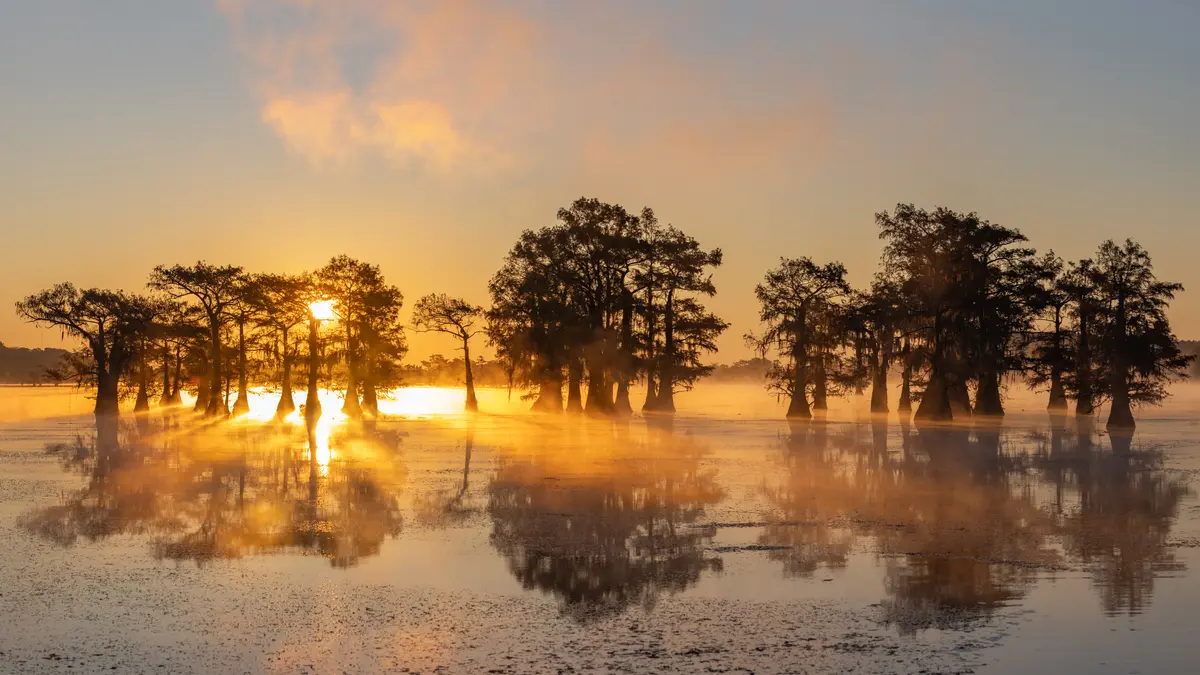
Refinery and shipping towns on the Louisiana line, where Texas starts to feel like the Deep South. 3 cities including Beaumont, Port Arthur, Port Neches.
Explore all 3 Golden Triangle cities →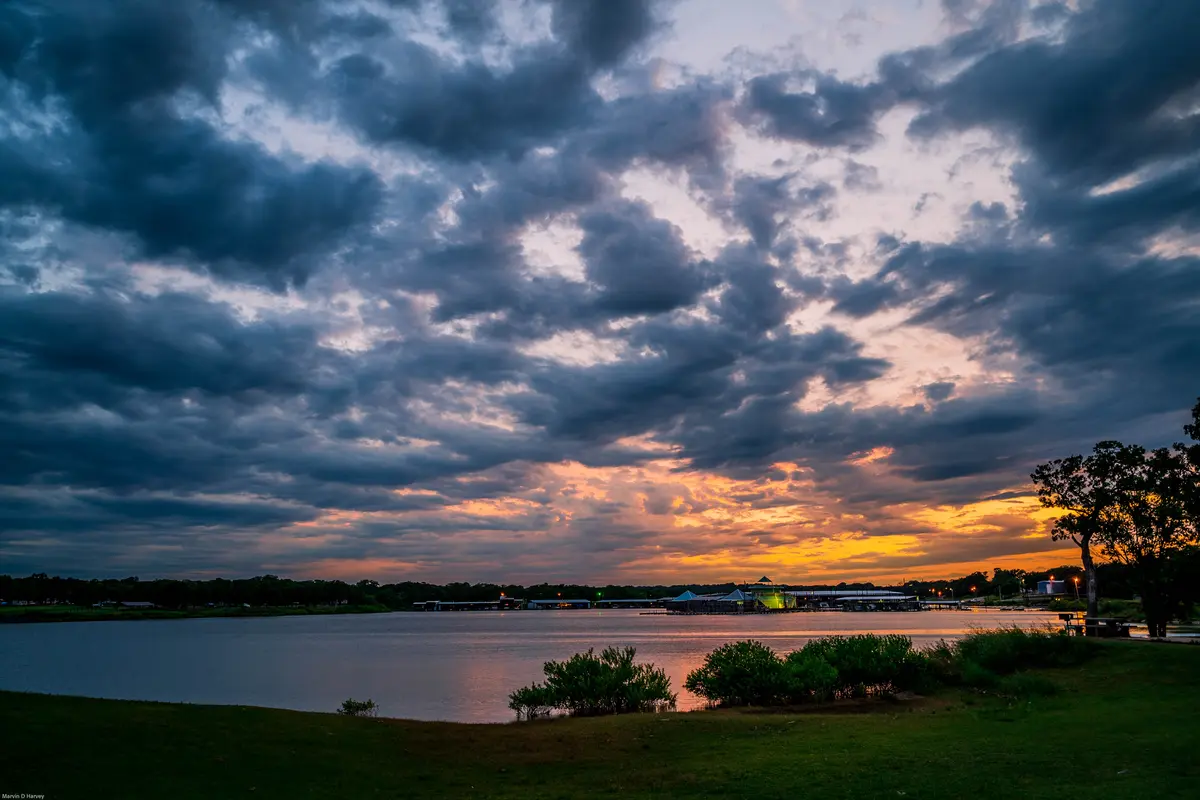
Independent small cities on the Red River plains, north and west of the Metroplex. 3 cities including Wichita Falls, Sherman, Denison.
Explore all 3 North Texas cities →Moving to Texas?
Tell us what you need help with and we'll connect you with local resources.
