Is the Austin Metro a Good Place to Live?
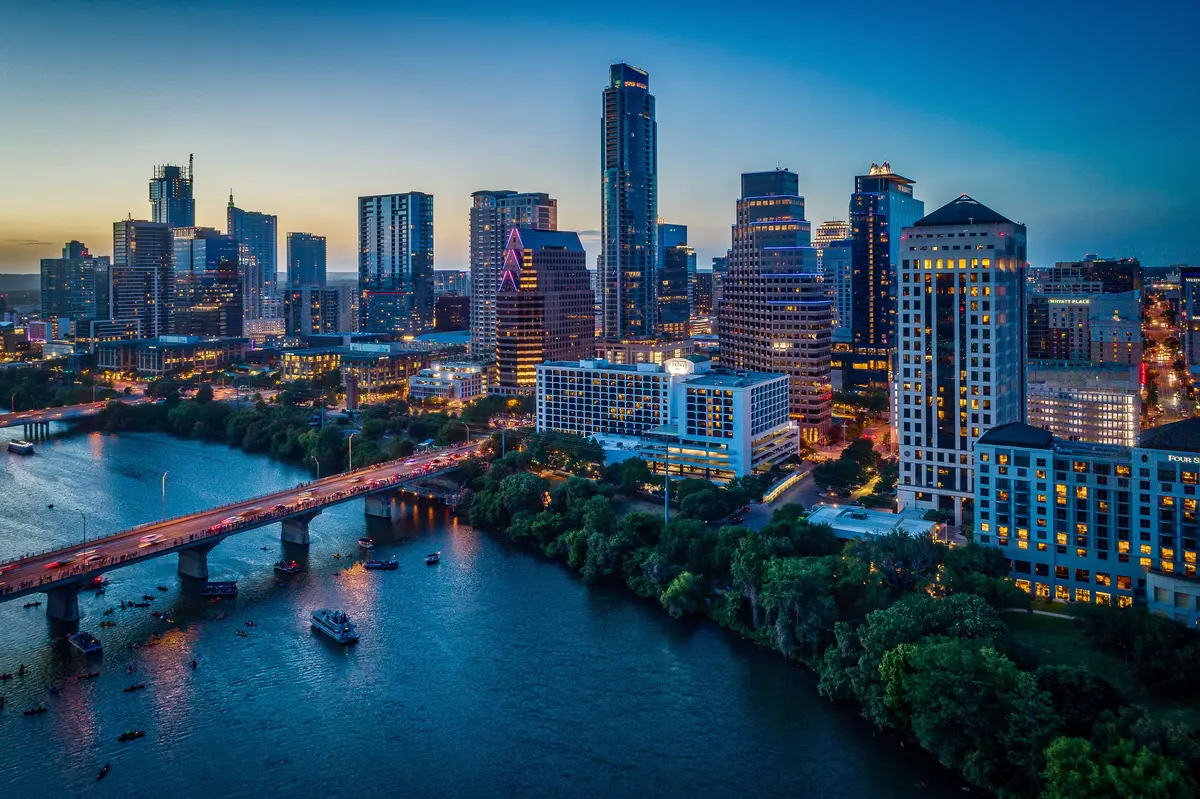
You've probably already done the comparison that brings most people here: Austin proper versus one of the suburbs ringing it. The honest tension in the Austin Metro is that the city at its center is genuinely world-class in ways that matter — the University of Texas, the State Capitol, the tech and creative economy, Lady Bird Lake, Zilker Park — and also legitimately expensive, congested on I-35 in ways that shape daily decisions, and sprawling enough that 'Austin' covers neighborhoods with almost nothing in common with each other. The cities and towns around it aren't consolation prizes. Many people who move to the Austin Metro specifically choose Georgetown's courthouse square, or San Marcos and its spring-fed river, or the Hill Country quiet of Dripping Springs, over the city center. That's worth knowing before you decide which part of this region to research seriously.
The economic backbone here is unusually broad. State government and the University of Texas at Austin anchor a large share of stable employment. The tech sector — Dell Technologies in Round Rock, Tesla's Gigafactory in the Del Valle area, Samsung Austin Semiconductor in Taylor, and a long roster of companies that followed them — spread well beyond the Austin city limits and reshaped towns that were modest agricultural communities not long ago. Georgetown, Leander, Hutto, and Liberty Hill grew rapidly as workers priced out of closer-in suburbs looked farther up the I-35 and Capital Metro corridors. Hays County cities like Kyle and Buda absorbed similar pressure from the south. The school districts matter enormously here — Eanes ISD in West Lake Hills, Lake Travis ISD along the lake corridor, Round Rock ISD, and Leander ISD all draw families who have researched them specifically before committing to a neighborhood.
The Austin Metro sits noticeably above the San Antonio Metro on price and below the Hill Country region for the most expensive properties, which puts it in the upper tier of Texas markets. That range plays out dramatically within the region itself: West Lake Hills and Lakeway sit at the pricier end, while Manor, Elgin, Lockhart, and Kyle offer entry points that remain meaningfully more within reach than Austin proper or Bee Cave. Geography shapes lifestyle here in ways the price data doesn't fully capture — living on the lake corridor means something fundamentally different from living in a Pflugerville master-planned community or a Bastrop neighborhood surrounded by Lost Pines forest. Hill Country edges like Dripping Springs and Bee Cave trade urban convenience for scenery and quiet in ways that some buyers love and others regret within a year.
Whether you're relocating for work, trading a higher-cost market for something more sustainable, or searching for a specific combination of schools, outdoor access, and community feel, the cities below are genuinely different from each other. This guide breaks down what each one is actually like to live in — not just the headlines, but the trade-offs most people only discover after moving.
Explore All 21 Cities in the Austin Metro
Click into any city for the complete guide — neighborhoods, home prices, cost of living, pros & cons, schools, top employers, and mortgage help.
Austin
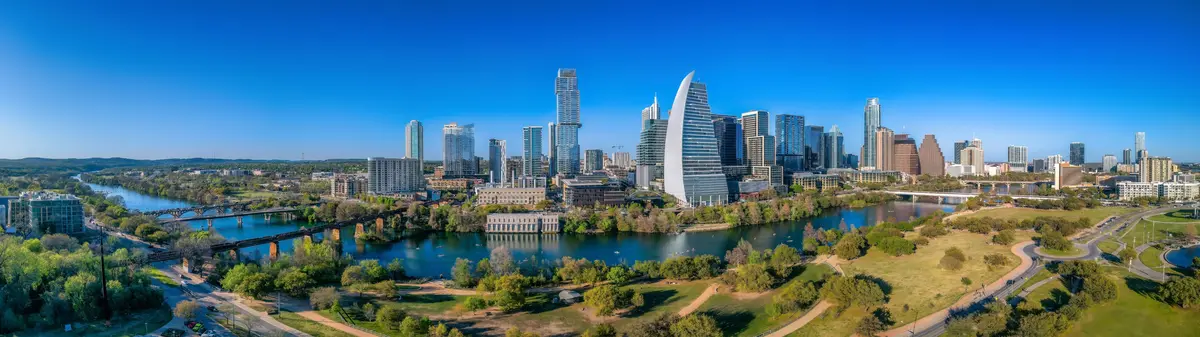
Austin is where the region's culture, government, and economic gravity concentrate — the Texas State Capitol, the University of Texas, Lady Bird Lake, and the live-music scene on South Congress Avenue are all real draws that show up in daily life, not just on tourism posters. Neighborhoods like East Austin, Hyde Park, and Mueller feel nothing like each other, which means buying here without understanding specific areas is a common and costly mistake. Prices sit toward the pricier end of this region, and I-35 shapes commute decisions in ways that should factor into any neighborhood choice.
Full Austin Guide →
Round Rock
Round Rock built its identity around Dell Technologies and a deliberate investment in parks and sports infrastructure — Old Settlers Park and the Kalahari Resorts complex draw visitors from across the region, and the Round Rock Express at Dell Diamond gives the city a minor-league baseball culture that residents genuinely use. It sits near the middle of the region on price, which makes it one of the more accessible larger cities for families who want Williamson County schools without paying Austin prices. Downtown Round Rock's historic core is worth exploring before writing the city off as pure suburb.
Full Round Rock Guide →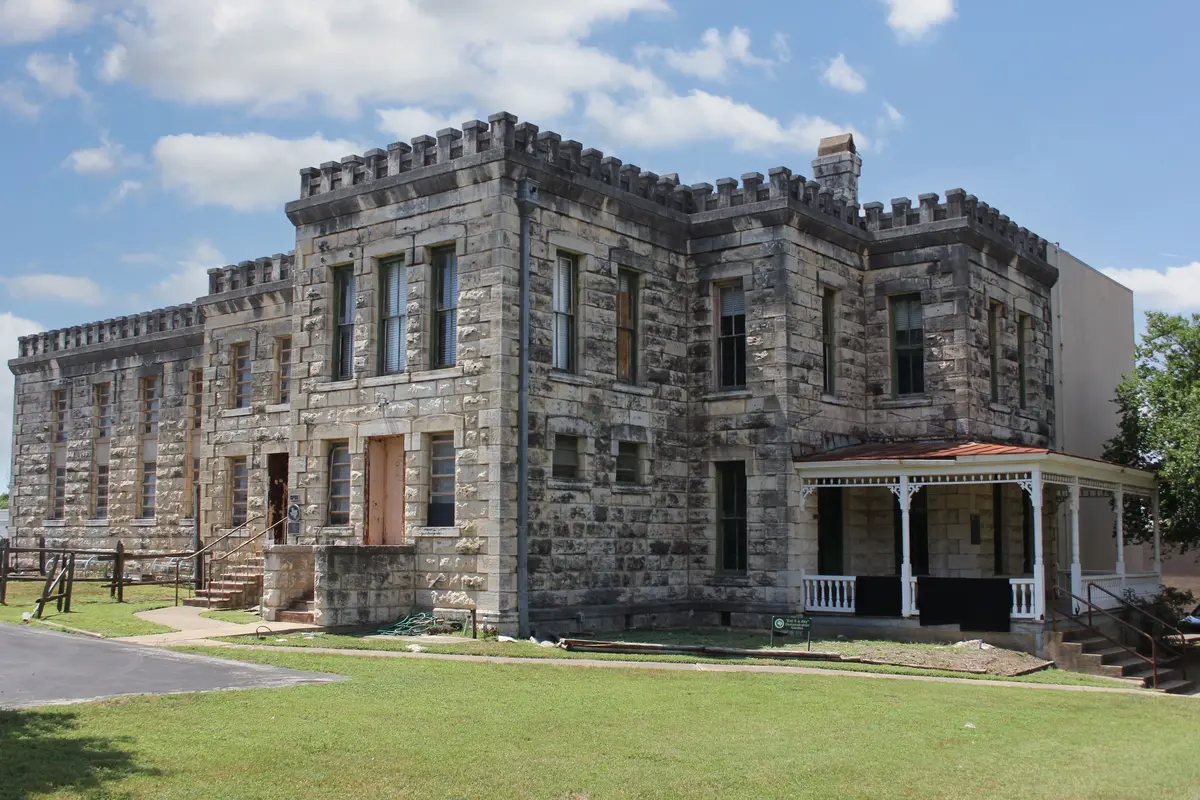
Georgetown
Georgetown carries a legitimacy that surprises people who assume all Williamson County cities are interchangeable: the Williamson County Courthouse and Georgetown Square anchor a real downtown, Inner Space Cavern sits beneath the city, and the San Gabriel River trail system gives residents outdoor access that newer master-planned communities nearby can't match. Sun City Texas draws a significant retiree population, which shapes the city's character in ways worth understanding before you buy. Prices sit near the middle of this region, and continued growth along the I-35 and SH-130 corridors means the community is still negotiating what it wants to be.
Full Georgetown Guide →
Leander
Leander's transformation from a small rail stop into a mid-size city happened fast enough that longtime residents and recent arrivals are still calibrating expectations together. The Capital Metro Red Line station is a genuine asset — one of the few park-and-ride options in the region that makes a car-light commute toward Austin plausible. New master-planned neighborhoods like Travisso and Crystal Falls sit alongside older, more modest streets, and prices land near the middle of the region, though the newer developments on the Hill Country edge carry a premium that reflects their views.
Full Leander Guide →
Cedar Park
Cedar Park is one of the region's more established mid-size suburbs — the H-E-B Center hosts professional hockey and concerts, Brushy Creek Lake Park gives families real outdoor infrastructure, and the Bell District redevelopment is adding walkable retail where a surface parking landscape used to be. It draws families partly for Leander ISD access and partly for a suburban build quality and amenity level that justify its position toward the pricier end of this region. The toll road running through the city is the practical lifeline connecting Cedar Park commuters to Austin, and understanding your likely commute corridor matters before choosing a neighborhood here.
Full Cedar Park Guide →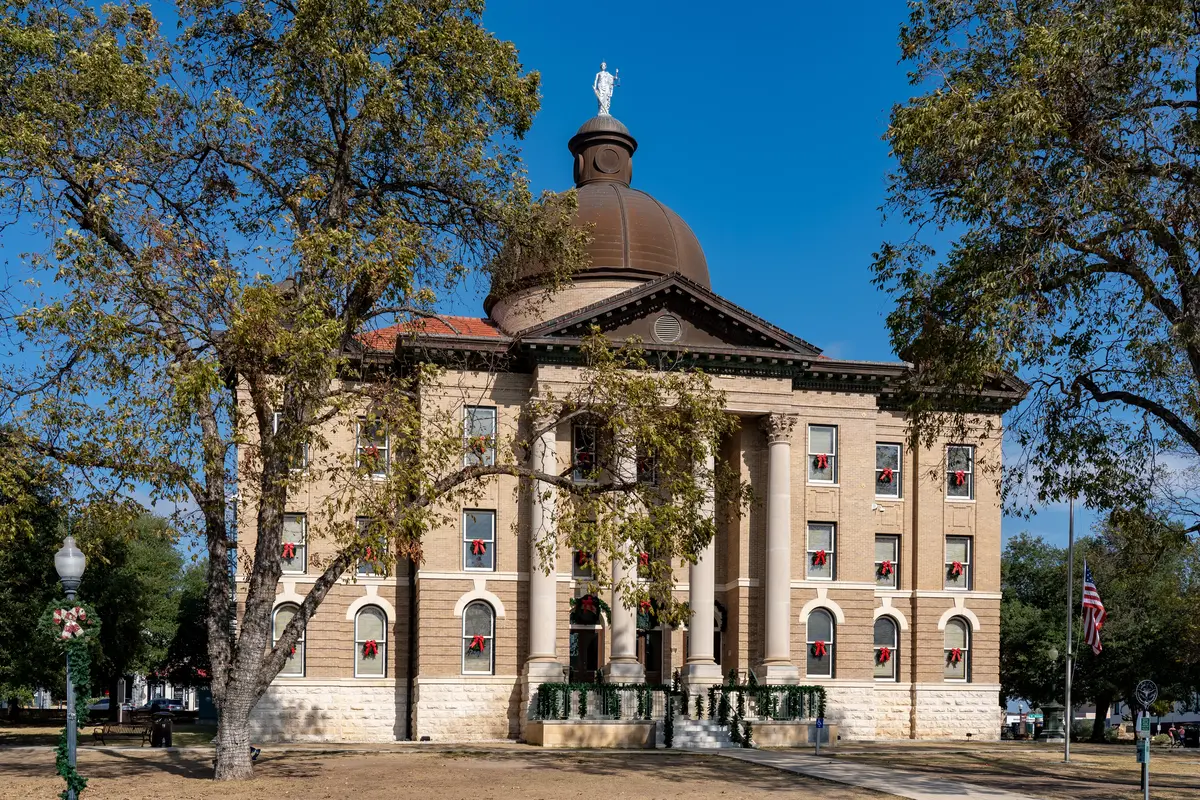
San Marcos
San Marcos has a split identity that buyers should understand upfront: it is both a Texas State University college town and a genuine small city with a spring-fed river at its center, a real historic downtown, and a growing permanent resident population that has little to do with the university. The San Marcos River at Rio Vista Park and the Meadows Center at Spring Lake are among the more distinctive natural amenities in the entire region. Prices sit toward the more affordable end of the Austin Metro, which makes it a legitimate option for buyers who want regional access without paying mid-corridor prices — though the I-35 connection means commute distances to Austin are real.
Full San Marcos Guide →
Kyle
Kyle grew so quickly that its infrastructure is still catching up to its population, which is the honest trade-off buyers encounter when they find the more affordable prices in Hays County. Plum Creek is the neighborhood most people picture when they think of Kyle — a well-designed master-planned community with a golf course and trail system — but the city's newer subdivisions represent a much wider range of age and quality. Ascension Seton Hays anchors healthcare locally, and Hays CISD serves both Kyle and Buda, which makes school boundary awareness important for families.
Full Kyle Guide →
Pflugerville
Pflugerville is a Travis County city that reads like a Williamson County suburb — master-planned neighborhoods like Blackhawk and Falcon Pointe, a family-oriented park system anchored by Lake Pflugerville, and Typhoon Texas for summer weekends. It sits near the middle of the region on price, which is notable given that it shares a county with Austin and carries SH-130 access that makes logistics-sector employment a real commute option. The city lacks the retail and restaurant density of Cedar Park or Round Rock, which is a trade-off regular residents acknowledge.
Full Pflugerville Guide →
Hutto
Hutto still has the small-town core — the Old Town historic district, Henrietta the Hippo as the unlikely city mascot, Hutto Lake Park — sitting alongside master-planned subdivisions that arrived with the SH-130 and US-79 growth wave. The Hutto Co-Op District is a deliberate effort to build a gathering place for a city that grew faster than its civic infrastructure. Prices land near the middle of the region, and residents without remote-work flexibility are navigating commutes to Round Rock or Austin that require honest time budgeting.
Full Hutto Guide →
Manor
Manor is one of the Austin Metro's more affordable entry points, sitting in Travis County with US-290 access that puts the Tesla Gigafactory area and East Austin within reach. The Whisper Valley community brought an eco-focused master-planned development concept to the city's eastern edge, which signals the kind of intentional growth the city is pursuing. Buyers who choose Manor are generally accepting a trade — lower prices, more land, and quieter surroundings in exchange for fewer walkable amenities and longer drives to the services that Austin's inner neighborhoods take for granted.
Full Manor Guide →
Lakeway
Lakeway is defined by Lake Travis and the Hill Country topography surrounding it — Lakeway Marina, the resort corridor along SH-71, and neighborhoods like Rough Hollow and Flintrock Falls are built around the view and the water in ways that feel genuinely distinct from the corridor suburbs to the north. Prices sit toward the pricier end of the region, and buyers here are typically paying for that setting, for Lake Travis ISD, and for the quieter character that comes with living off the main growth corridors. The trade-off is that serious shopping or Austin-core errands require planning around the drive.
Full Lakeway Guide →
Taylor
Taylor was a quiet small city for a long time, and then Samsung Austin Semiconductor arrived and reset expectations for what the city's growth trajectory looks like. The historic downtown — a nine-block district around Heritage Square Park — remains a genuine anchor, and the Taylor Amtrak station is one of the few passenger rail touchpoints in the region. Prices sit toward the more affordable end of the Austin Metro, which may not stay true as semiconductor-related growth continues to bring workers and investment to Williamson County's eastern edge.
Full Taylor Guide →
Lockhart
Lockhart occupies a different corner of the region than most buyers consider — in Caldwell County along SH-130, closer to the San Antonio corridor than to the tech-sector suburbs of Williamson County. The Caldwell County Courthouse and the Gaslight-Baker Theatre are signs that the historic downtown has genuine civic life, not just nostalgia. Prices sit toward the more affordable end of the region, and buyers here are typically choosing a genuinely small-city character and SH-130 access over the density and amenity base of the closer-in suburbs.
Full Lockhart Guide →
Buda
Buda sits on I-35 between Austin and San Marcos, which makes it one of the region's more practical mid-corridor options for buyers who commute in either direction. The original town — centered on what locals call Old Town Buda — predates the subdivision wave and still gives the city a modest historic identity beyond its newer master-planned neighborhoods like Sunfield and Garlic Creek. Prices land near the middle of the region, and Hays CISD serves both Buda and Kyle, so school boundary research matters here.
Full Buda Guide →
Bastrop
Bastrop has a combination of assets that most comparably priced cities in this region can't match: Bastrop State Park, the Lost Pines forest, the Colorado River, and a historic downtown with the Bastrop Opera House. The presence of SpaceX manufacturing and X Corp operations in the Bastrop area has added a new layer to a city that was already drawing buyers from Austin who wanted land, trees, and something older than a subdivision plat. Prices sit near the middle of the region, and the SH-71 corridor is the practical link back to Austin.
Full Bastrop Guide →
Elgin
Elgin is one of the Austin Metro's smaller and more affordable cities, carrying a genuine industrial identity — Acme Brick and Red River Brick have roots here, and Southside Market & Barbeque is a legitimate regional institution — alongside a historic downtown listed on the National Register of Historic Places. It sits on US-290 east of Austin, which makes the commute to the city center honest but manageable. Buyers here are choosing rural character, more land per dollar, and a slower pace over the suburban amenity base of the Williamson County cities.
Full Elgin Guide →
Liberty Hill
Liberty Hill grew quickly enough on the strength of Santa Rita Ranch and Morningstar that the city's services and commercial base are playing catch-up with the residential development — a pattern worth understanding before you commit to a neighborhood here. Prices sit toward the pricier end of the region, driven largely by newer master-planned communities rather than an established urban core. The International Sculpture Park and the historic downtown are genuine small-city anchors, but the daily reality for most residents involves driving out for most services.
Full Liberty Hill Guide →
Dripping Springs
Dripping Springs positions itself at the Hill Country edge of the Austin Metro, where the landscape changes and the density drops — Belterra and Headwaters are well-designed master-planned communities, but the draw here is fundamentally about what surrounds them: cedar and live oak, ranch land, and a pace that feels removed from the growth corridors. Dripping Springs ISD is a significant reason families choose this side of Hays County. Prices sit toward the pricier end of the region, and US-290 is the one road carrying all of it, which means commute honesty is essential before buying here.
Full Dripping Springs Guide →- Is Dripping Springs Safe? A Data-Backed Look
- Cost of Living in Dripping Springs
- Best Neighborhoods in Dripping Springs
- Schools in Dripping Springs: A Family Guide
- Parks & Recreation in Dripping Springs
- Retiring in Dripping Springs
- First-Time Homebuyer's Guide to Dripping Springs
- Moving to Dripping Springs from California
Bee Cave
Bee Cave is a small town with a retail profile that punches above its size — Hill Country Galleria anchors the commercial corridor and draws shoppers from across the lake area, and Spanish Oaks and Falconhead represent the kind of high-end master-planned development that defines the pricier end of this region. Lake Travis ISD is the school draw, and the combination of RM-620 and TX-71 access shapes where residents can realistically commute. The trade-off for Hill Country views and a quieter setting is real: most of the Austin Metro's urban amenities require a drive.
Full Bee Cave Guide →
La Grange
La Grange is the Austin Metro's most geographically distinct city — in Fayette County along the Colorado River, connected by TX-71 but genuinely further from the urban core than any other community in this group. The Fayette County Courthouse and the Texas Quilt Museum give it a cultural weight unusual for a town its size, and the Monument Hill and Kreische Brewery State Historic Site adds a layer of history that most newer communities in this region simply don't have. Prices sit near the middle of the region's range, and buyers here are overwhelmingly choosing small-town autonomy and Texas character over proximity to the tech-sector employment that drives most of the Metro's growth.
Full La Grange Guide →
West Lake Hills
West Lake Hills is one of the region's most expensive communities, a small incorporated city that shares the Eanes ISD attendance zone — home to Westlake High School — with parts of the lake corridor. Wild Basin Wilderness Preserve gives the city a natural buffer that reinforces its quiet, wooded character. Buyers here are typically paying for the school district, the proximity to Austin's employment core, and the Hill Country topography, and the price reflects all three without apology.
Full West Lake Hills Guide →- Is West Lake Hills Safe? A Data-Backed Look
- Cost of Living in West Lake Hills
- Best Neighborhoods in West Lake Hills
- Schools in West Lake Hills: A Family Guide
- Parks & Recreation in West Lake Hills
- Retiring in West Lake Hills
- First-Time Homebuyer's Guide to West Lake Hills
- Moving to West Lake Hills from California
Compare Every City in Austin Metro
Full ranked breakdowns across every city in the region — scored and compared side by side.
Local Expert Takeaway: The Austin Metro's cities are genuinely different from each other — different school districts, different commute realities, and different daily-life trade-offs — so the city that fits your situation depends on which combination of schools, price, commute, and community character you're actually optimizing for, and knowing that before you start touring neighborhoods saves you from the most common mistake people make here.
Frequently Asked Questions
Which cities in the Austin Metro are the most affordable for first-time buyers?
Which city in the Austin Metro is best for families focused on schools?
Is it realistic to commute from the outer suburbs — Georgetown, Leander, or Hutto — into Austin?
How different is the western lake corridor — Lakeway, Bee Cave, West Lake Hills — from the northern Williamson County suburbs?
Is Bastrop or La Grange worth considering, or are they too far from Austin?
Helpful Texas Resources
Explore Other Texas Regions
the Austin Metro is one of 17 distinct regions that make up Texas. Each has its own climate, character, and housing market — explore them all.
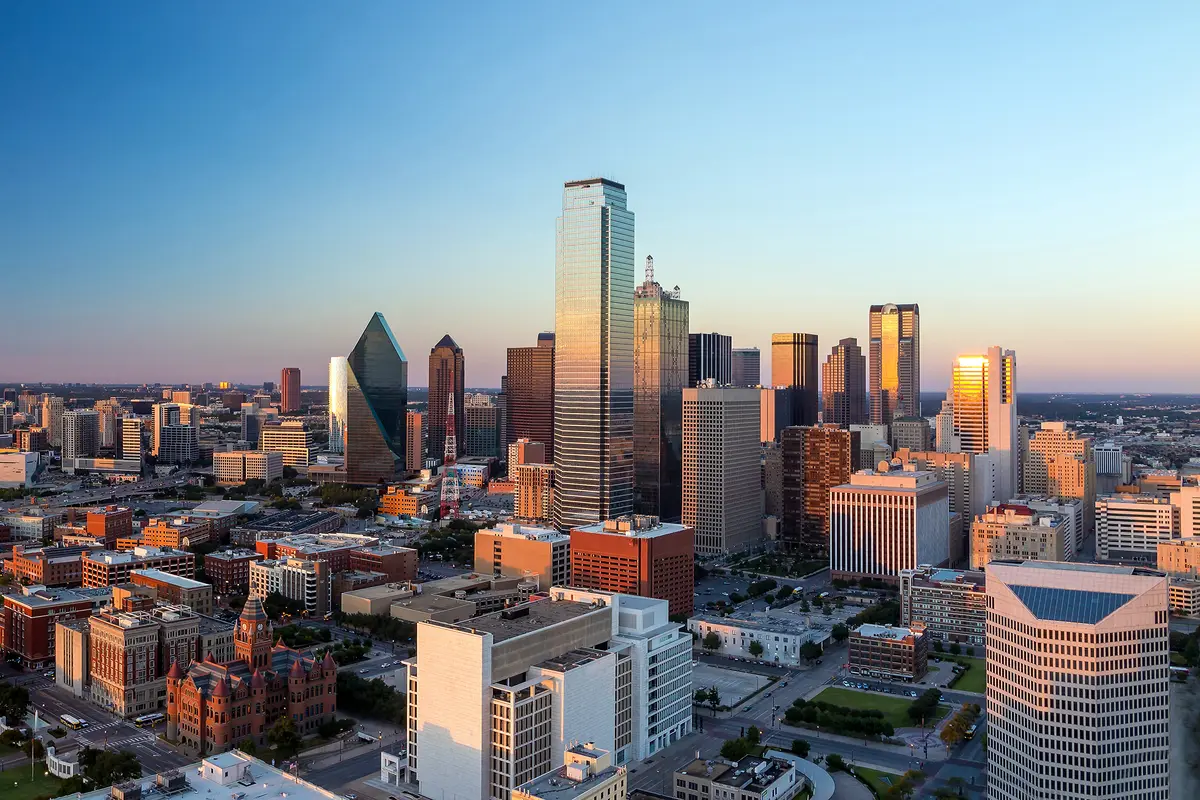
Two downtowns and the whole sweep of suburbs between and around them, from the Collin County job corridor to the ranch country west of Fort Worth. 71 cities including Dallas, Fort Worth, Arlington.
Explore all 71 Dallas-Fort Worth cities →
The energy capital and the ring of master-planned communities, bayou suburbs and bay towns that grew up around it. 45 cities including Houston, Cypress, Klein.
Explore all 45 Greater Houston cities →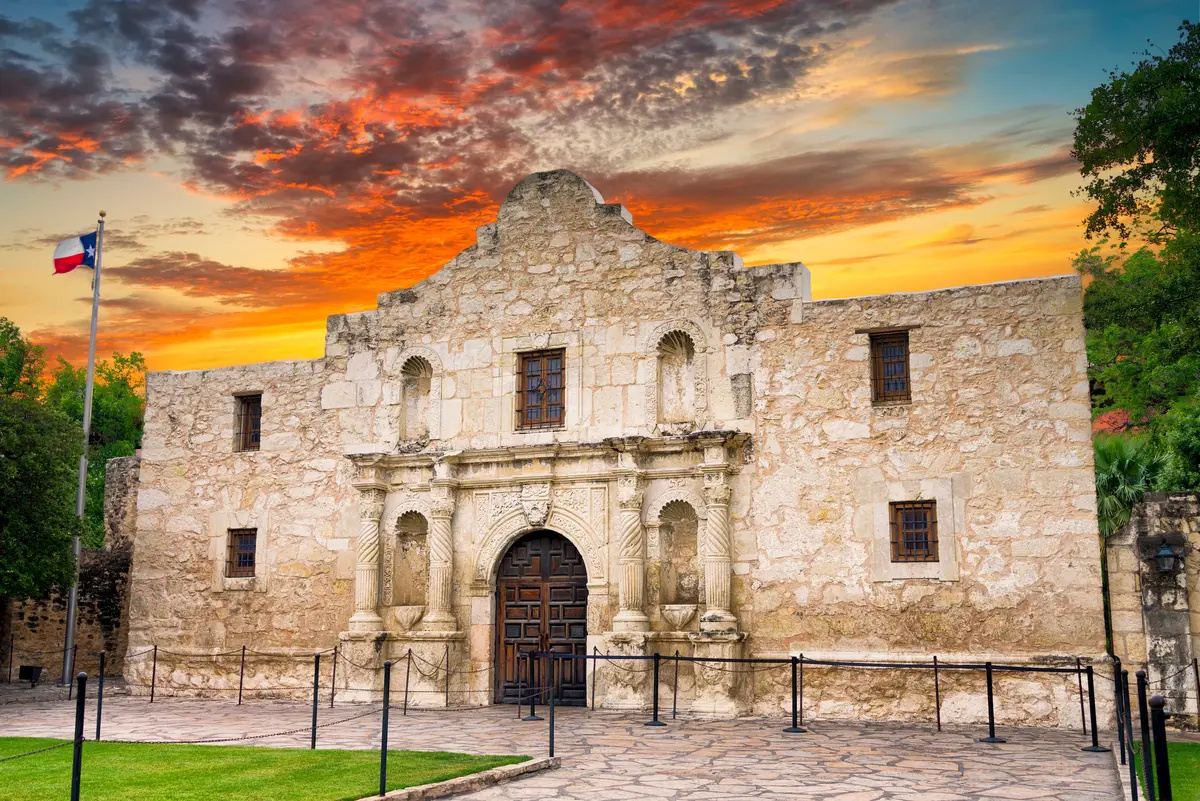
A deep-rooted Spanish colonial city ringed by military bases and the suburbs climbing north toward the Balcones Escarpment. 15 cities including San Antonio, New Braunfels, Schertz.
Explore all 15 San Antonio Metro cities →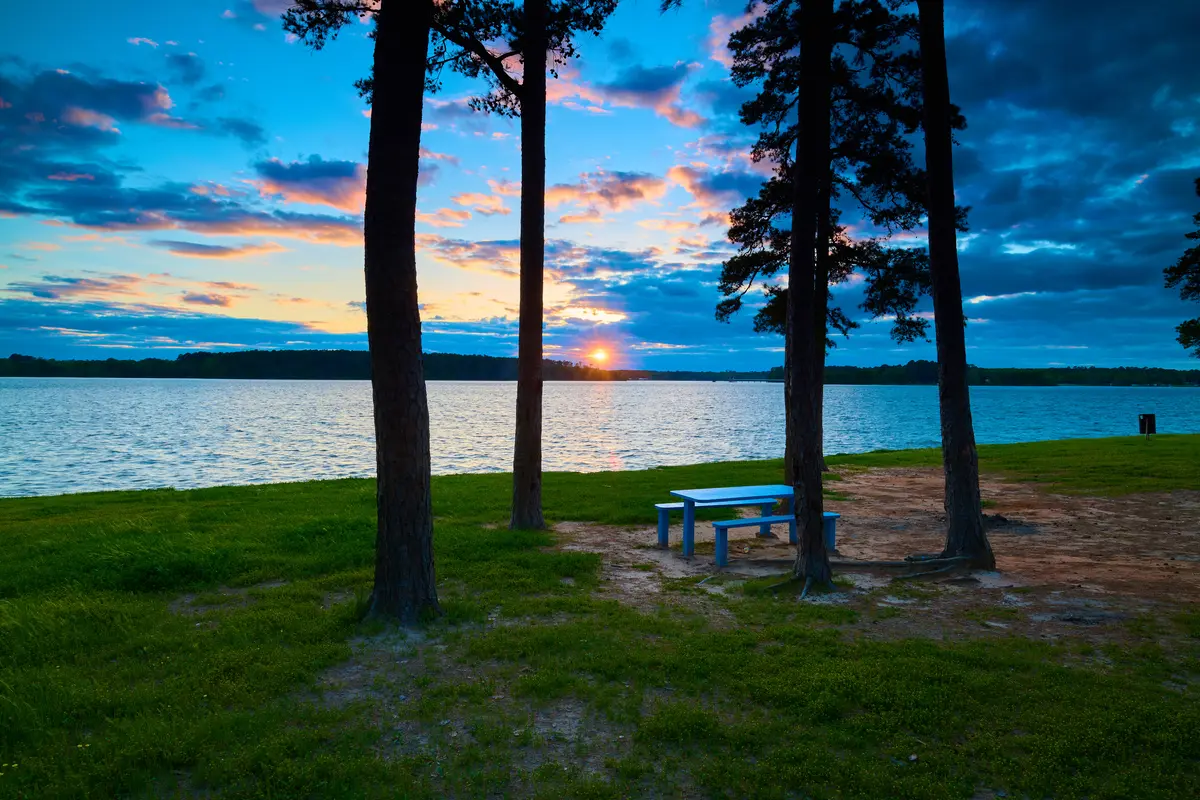
Pine forest, lakes and old county-seat towns across the wettest, greenest corner of the state. 13 cities including Tyler, Longview, Huntsville.
Explore all 13 East Texas cities →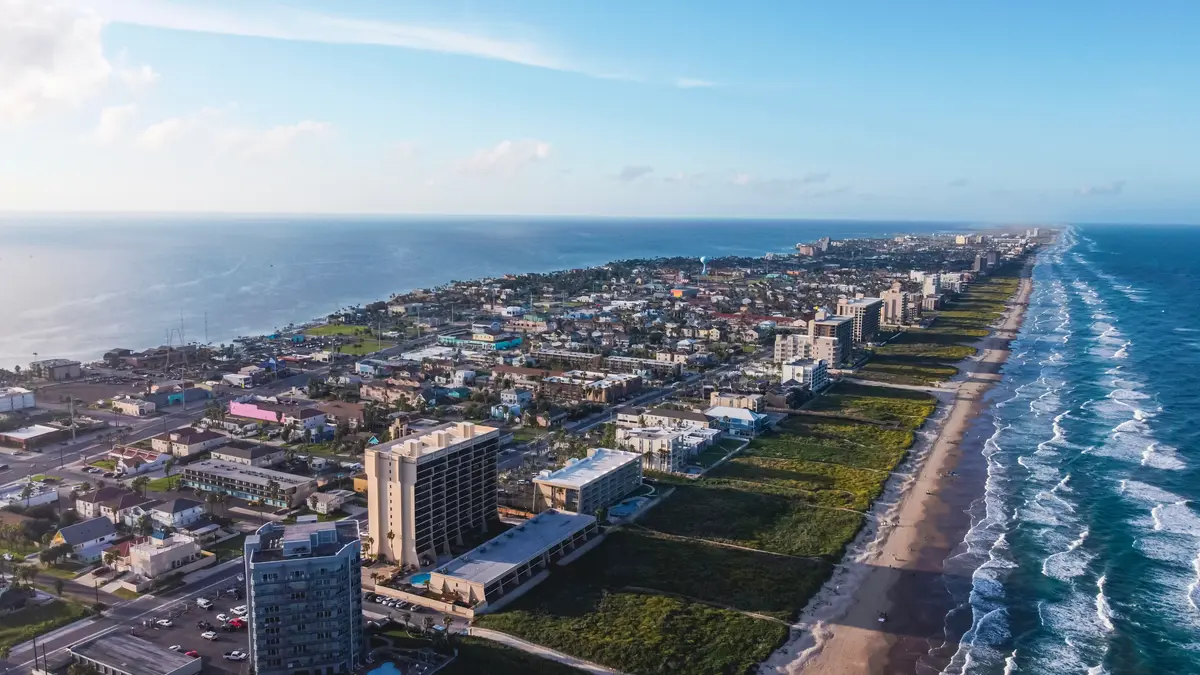
A bilingual, subtropical stretch of border cities and citrus country running from the river out to the Gulf beaches. 11 cities including Brownsville, McAllen, Edinburg.
Explore all 11 Rio Grande Valley cities →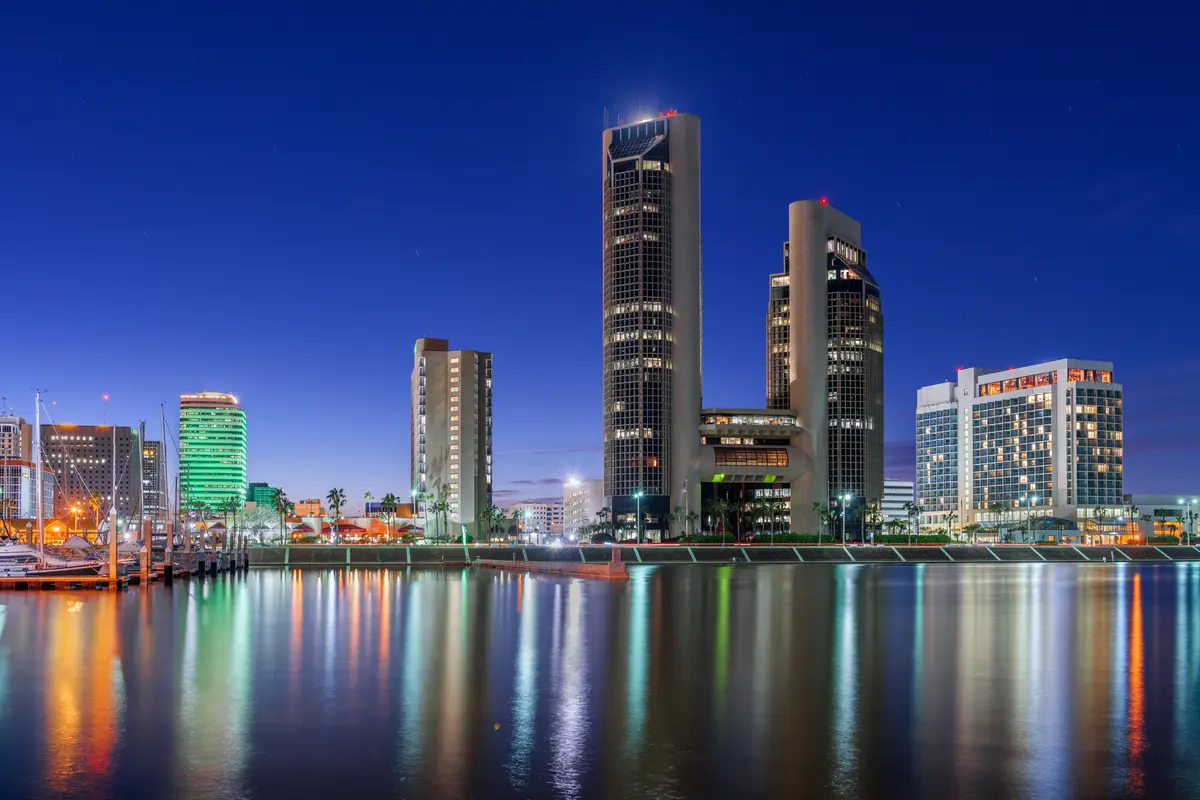
Bay-front cities, refinery towns and barrier-island beaches where the Gulf coast turns south. 7 cities including Corpus Christi, Victoria, Kingsville.
Explore all 7 Coastal Bend cities →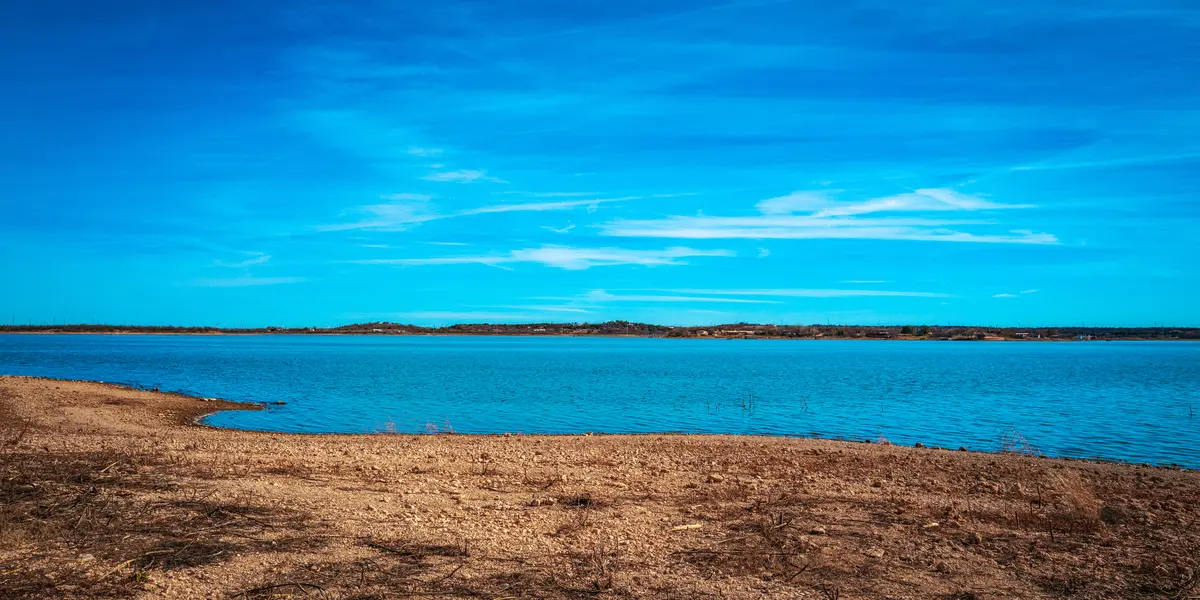
Ranching and university towns spread across the rolling plains of west central Texas. 6 cities including Abilene, San Angelo, Stephenville.
Explore all 6 Big Country cities →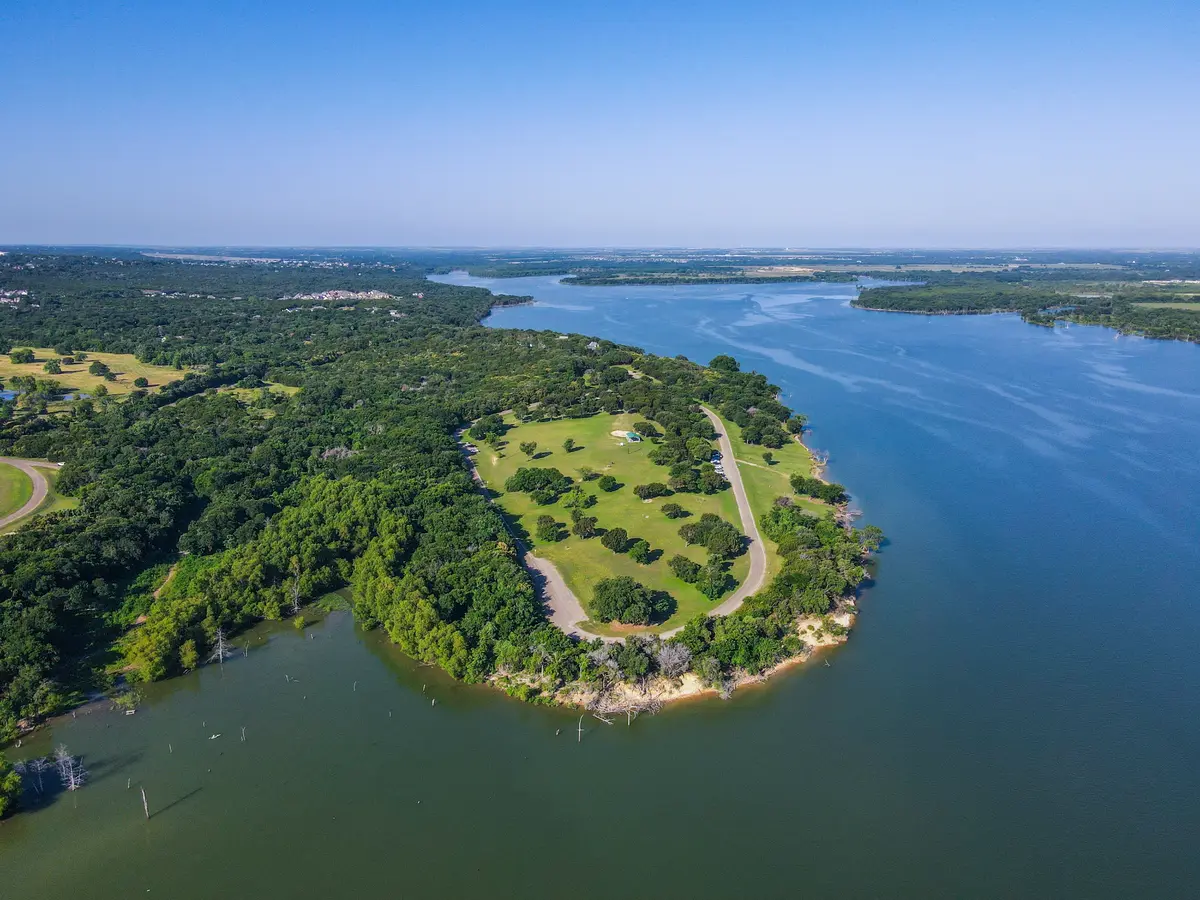
University, hospital and Army-post towns strung along the interstate between the two biggest metros. 6 cities including Killeen, Waco, Temple.
Explore all 6 Waco-Killeen-Temple cities →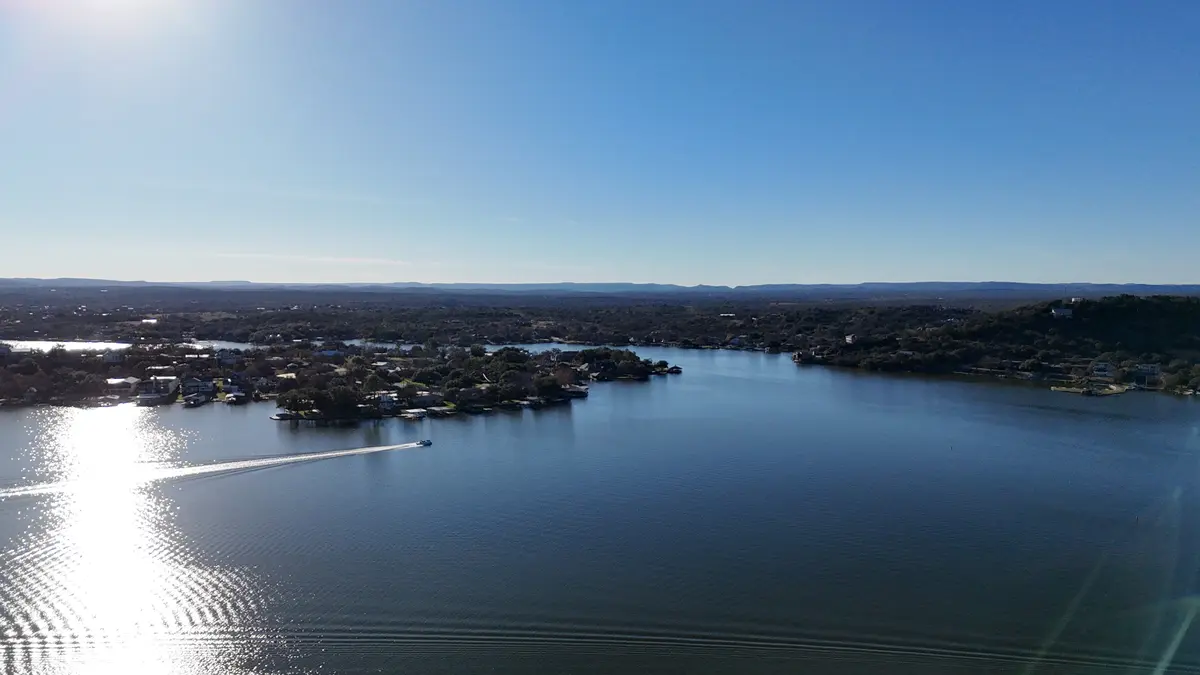
Limestone hills, spring-fed rivers, German heritage towns and the wineries that followed them. 5 cities including Kerrville, Uvalde, Fredericksburg.
Explore all 5 Hill Country cities →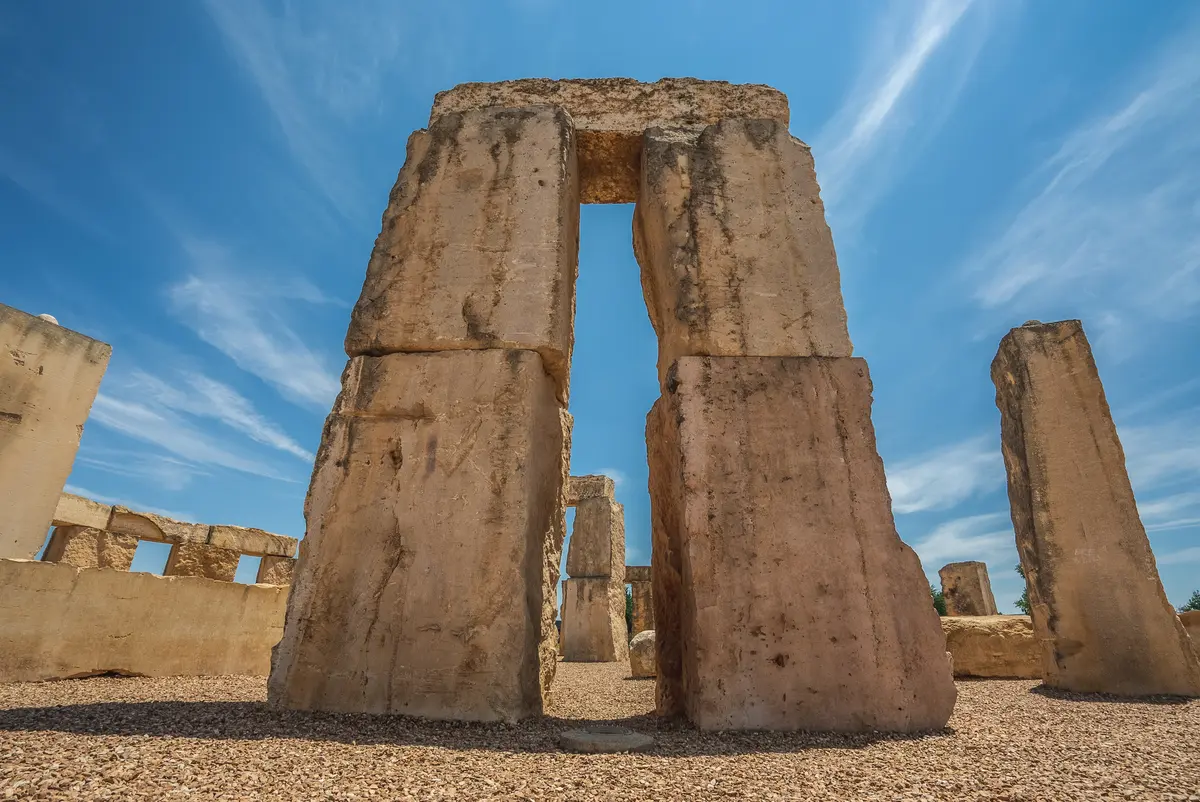
The oilfield cities of far West Texas, where the pay is high and the horizon is wide open. 4 cities including Midland, Odessa, Big Spring.
Explore all 4 Permian Basin cities →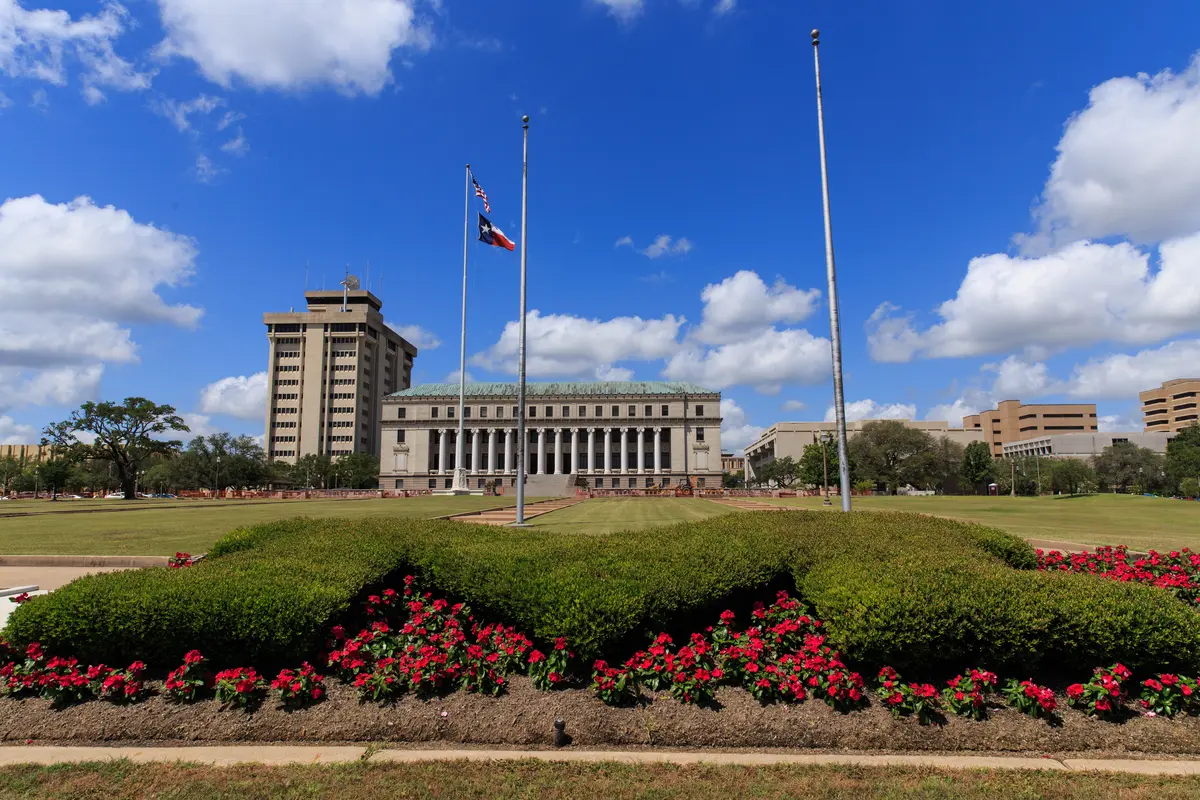
A university-driven pocket of Central Texas surrounded by river-bottom farmland and historic German and Czech settlements. 4 cities including College Station, Bryan, Brenham.
Explore all 4 Brazos Valley cities →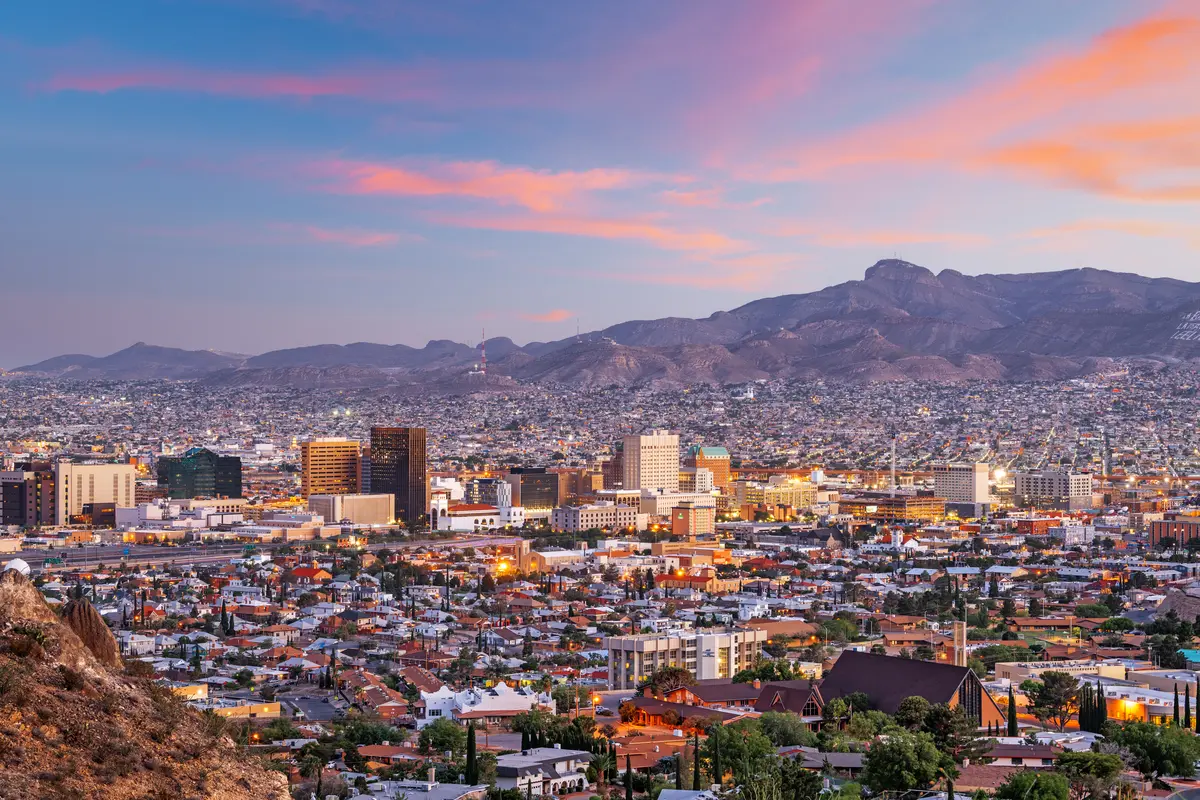
A high-desert border city in the far western corner of the state, closer to three other capitals than to its own. 4 cities including El Paso, Socorro, Horizon City.
Explore all 4 El Paso Borderplex cities →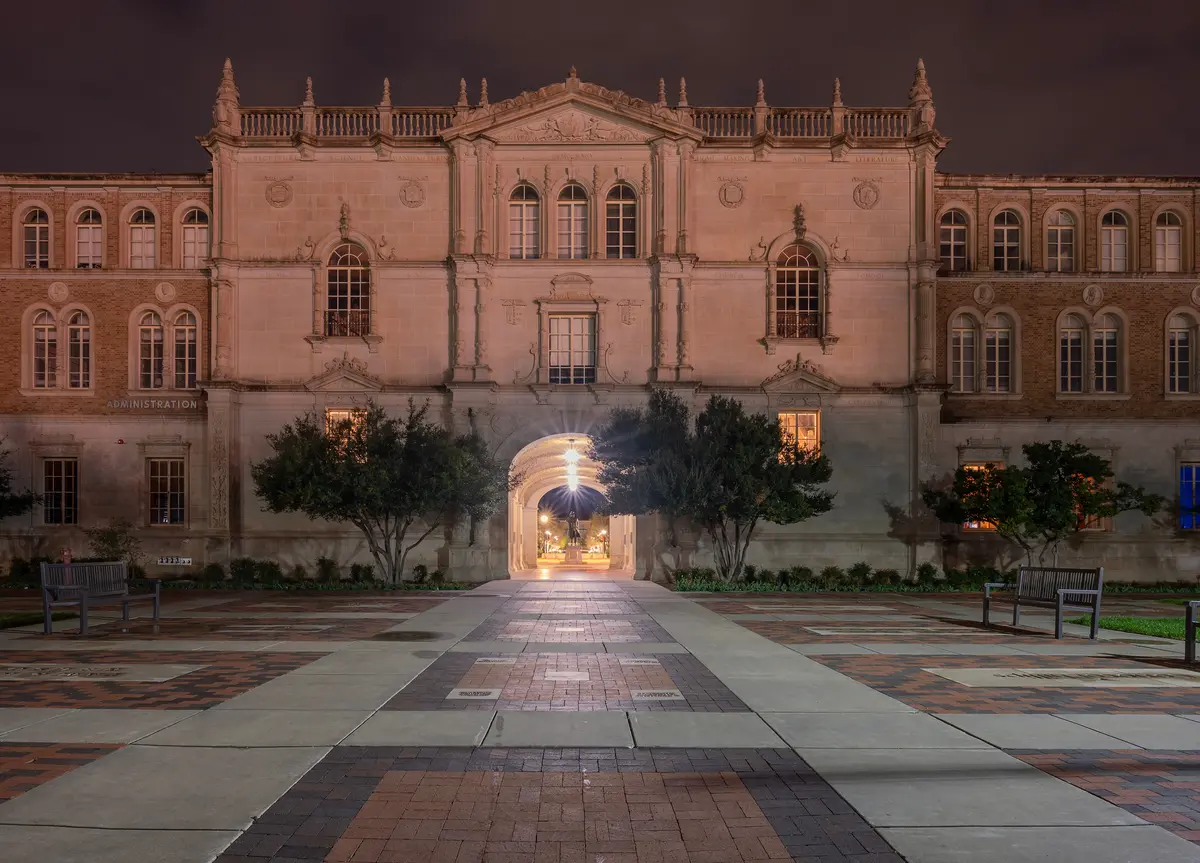
Flat, high, dry cotton and cattle country at the top of the state, anchored by two university cities. 3 cities including Lubbock, Amarillo, Plainview.
Explore all 3 Panhandle & South Plains cities →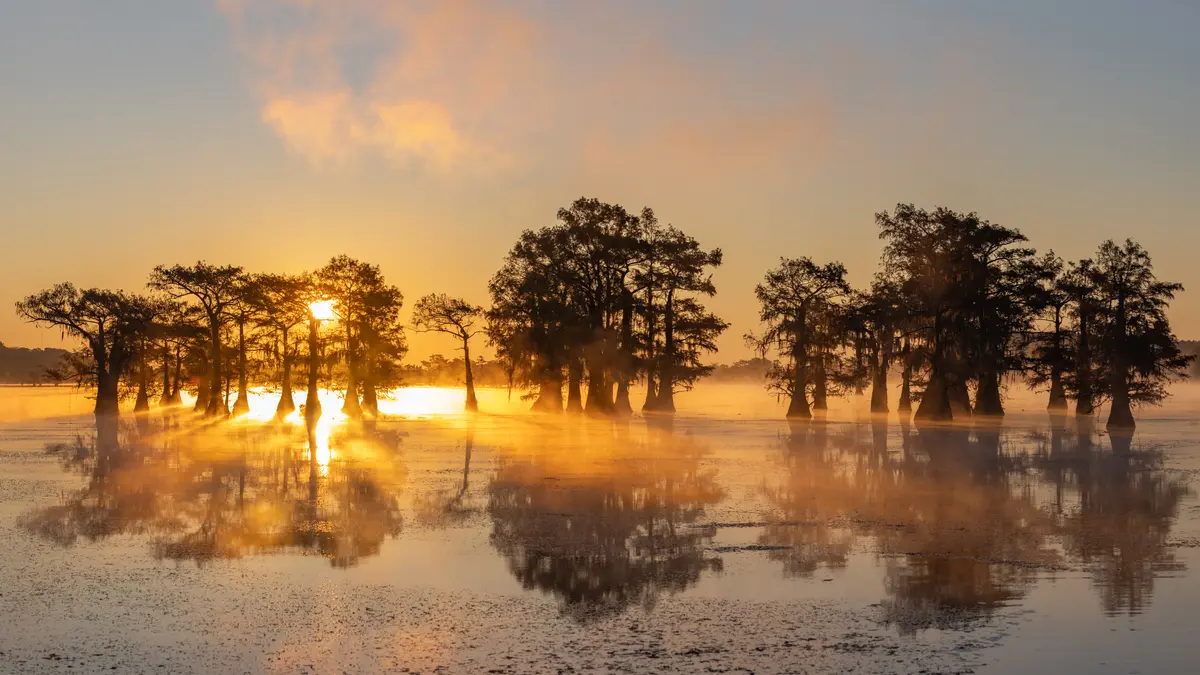
Refinery and shipping towns on the Louisiana line, where Texas starts to feel like the Deep South. 3 cities including Beaumont, Port Arthur, Port Neches.
Explore all 3 Golden Triangle cities →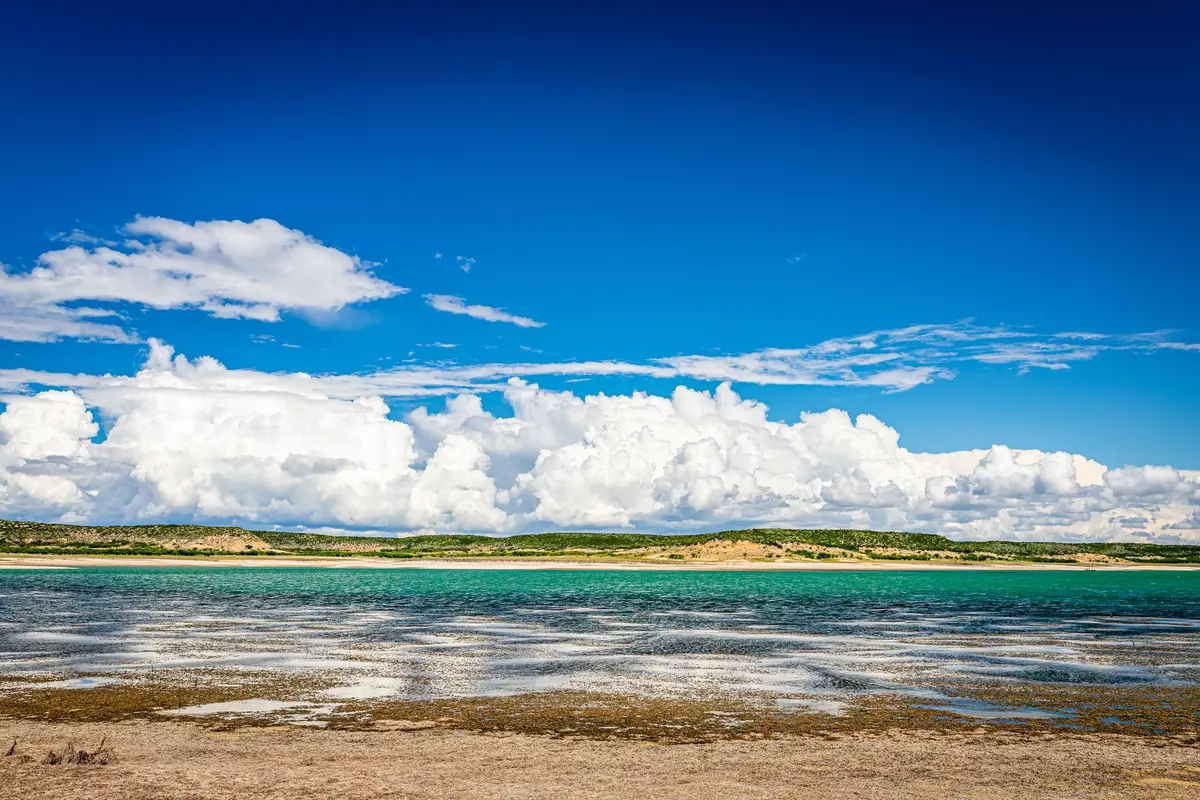
Inland port cities and desert river towns along the stretch of border between the Valley and the Big Bend. 3 cities including Laredo, Del Rio, Eagle Pass.
Explore all 3 Southwest Border Country cities →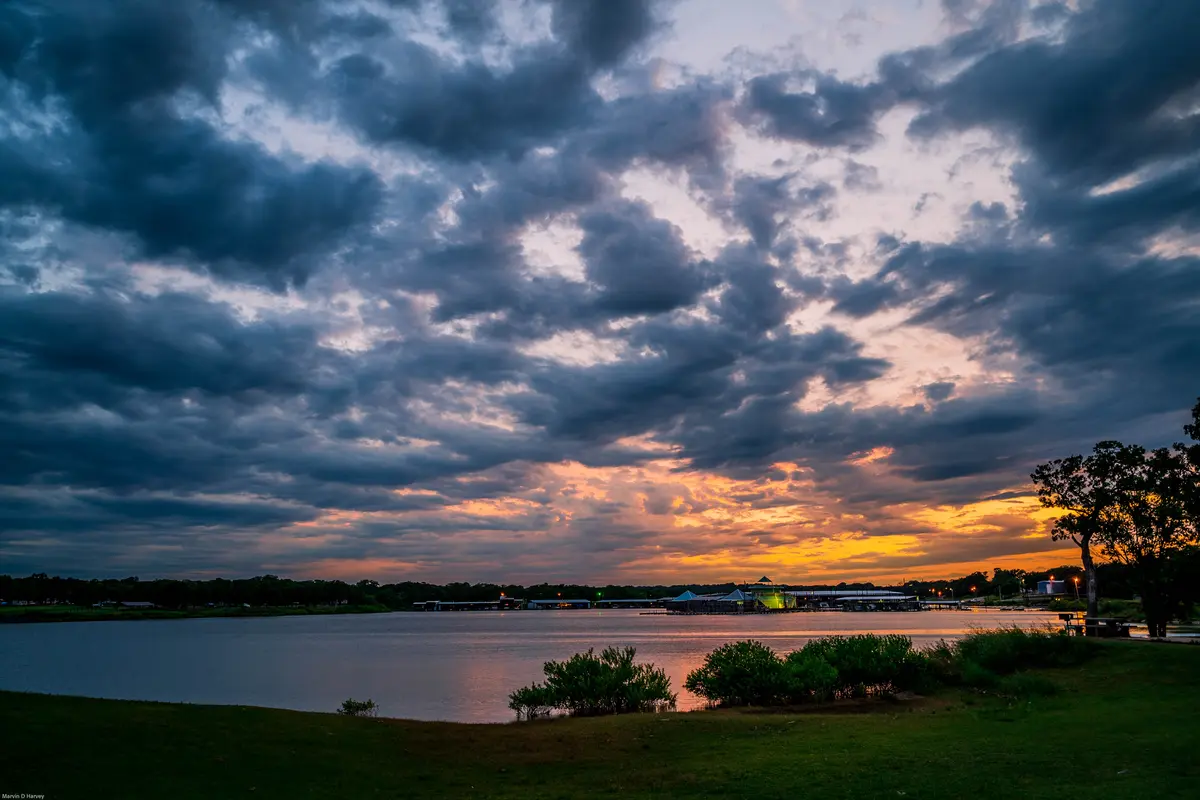
Independent small cities on the Red River plains, north and west of the Metroplex. 3 cities including Wichita Falls, Sherman, Denison.
Explore all 3 North Texas cities →Moving to Texas?
Tell us what you need help with and we'll connect you with local resources.
