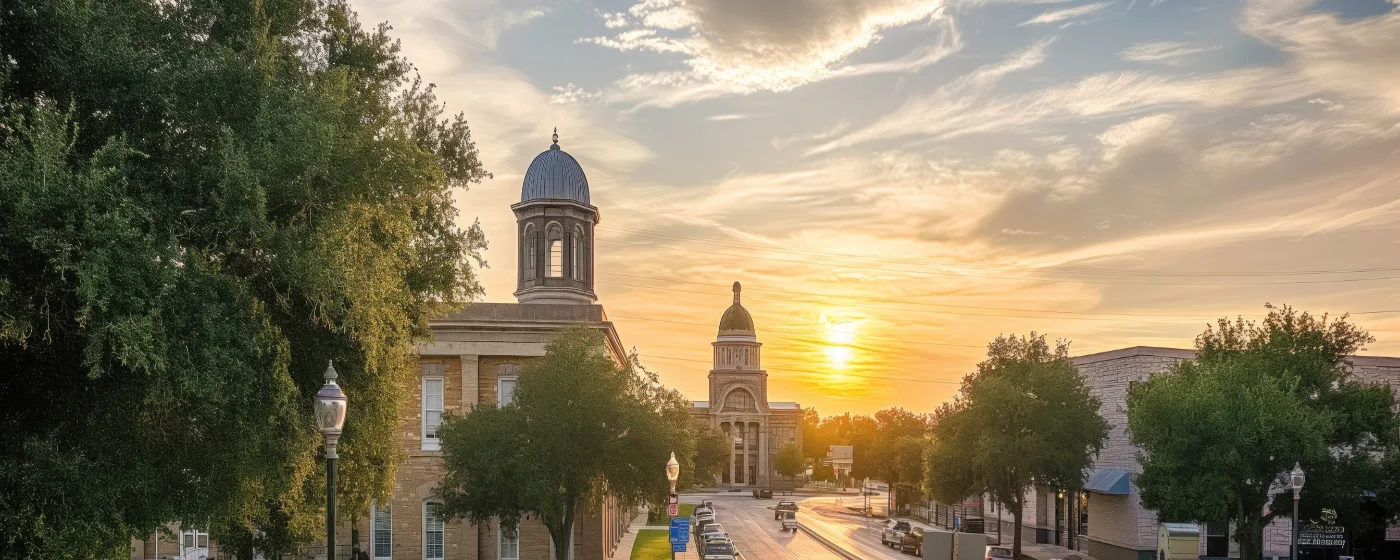
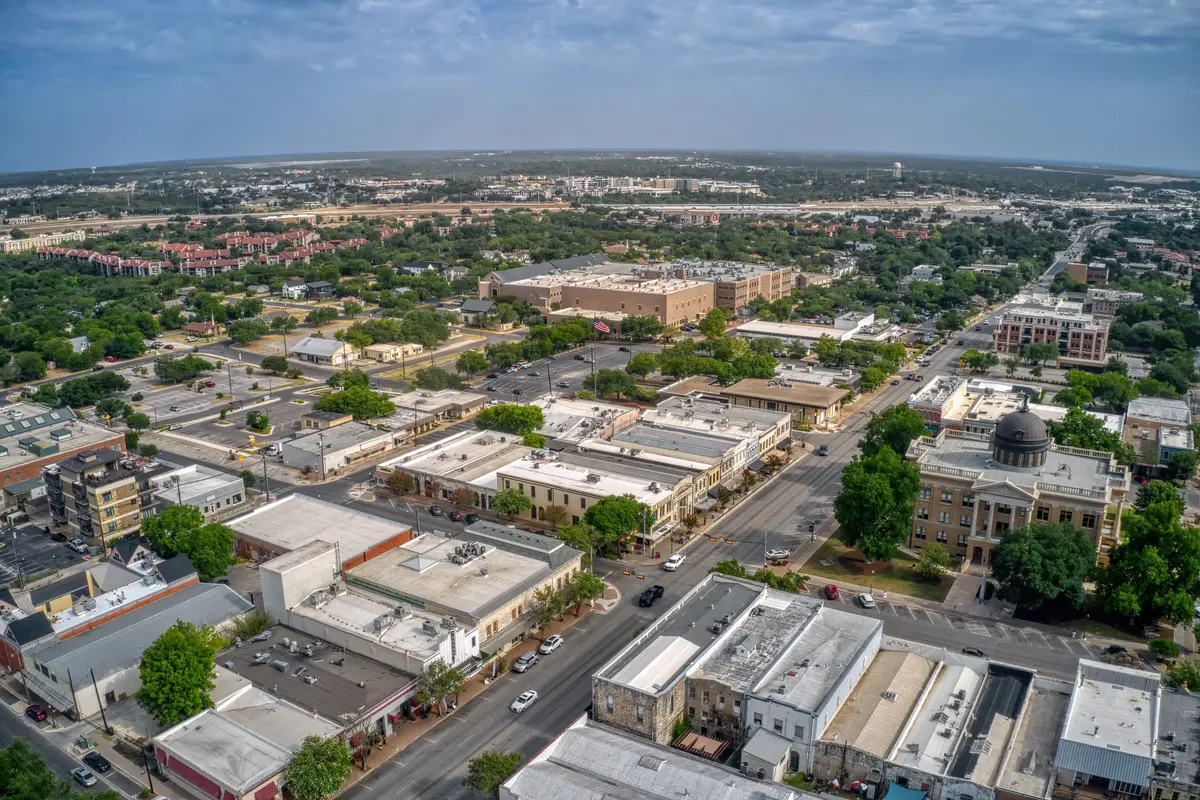
Most people who visit Georgetown's Williamson County Courthouse Square go home having checked off a historic downtown. The ones who stick around discover that the square is actually the starting point for one of the most connected outdoor systems in the Austin metro — a river trail that links a free limestone swimming hole, a 525-acre flagship park, and a Corps of Engineers reservoir without ever requiring you to get back in the car. For a city of 106,907 people, that kind of continuous outdoor corridor is genuinely unusual.
Georgetown's outdoor infrastructure runs on the San Gabriel River, which splits into a North and South Fork as it moves through town. The South Fork feeds Blue Hole Park, just north of the historic square, and threads through Garey Park before draining west. The North Fork backs up into Lake Georgetown, a 1,297-acre reservoir where smallmouth bass fishing draws anglers from across Central Texas. The city manages the connective tissue between those anchors — 6.6 miles of paved and crushed granite trail — and the U.S. Army Corps of Engineers manages the lake and the rugged loop trail that encircles it. Both levels of government put money into this system, which is why it holds up at scale.
The outdoor calendar here runs long. With 228 sunny days a year, most trail and water activities stretch from early spring through late fall without interruption. Summers are genuinely hot — Central Texas July heat is not advisory — but that's exactly when Blue Hole's limestone-cooled water and Inner Space Cavern's constant 72°F become the most useful things in the city. Georgetown isn't an outdoor-recreation city in the sense of ski towns or coastal destinations; it's a city where good, varied outdoor infrastructure is woven into everyday life in ways that tend to surprise people who moved here for the schools or the commute.
The sections below cover Georgetown's signature parks and what each one actually offers, the trail and water systems that connect them, Inner Space Cavern as an all-weather alternative, and what seasonal recreation really looks like across the calendar year.
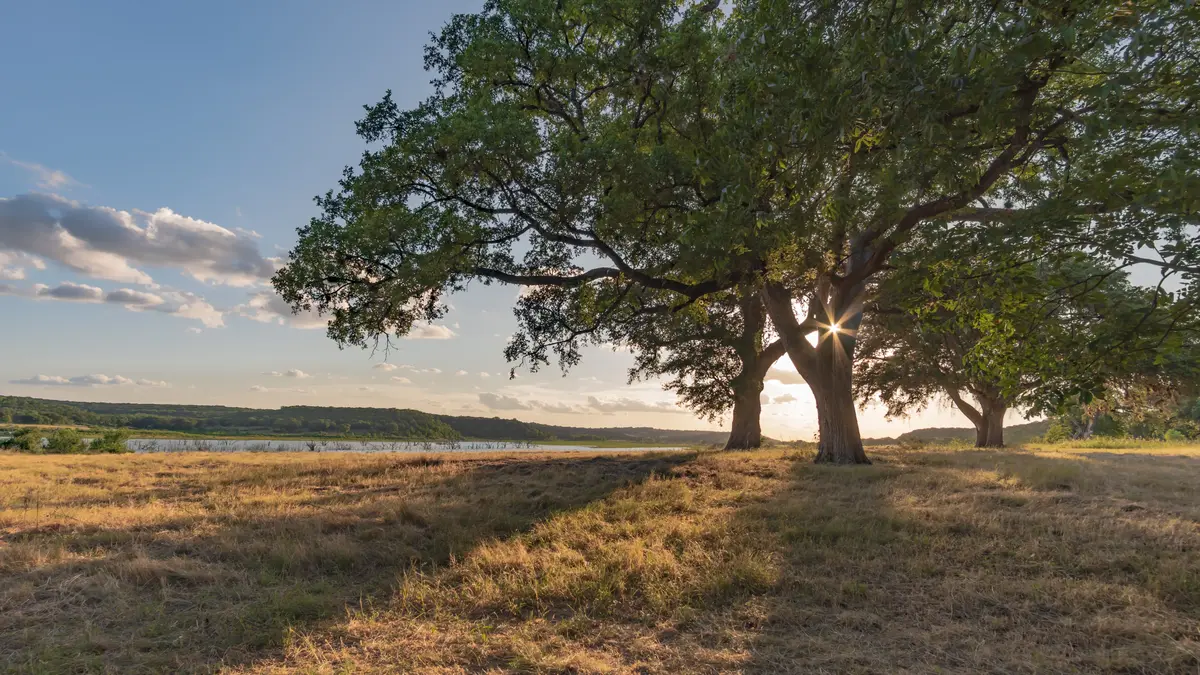
Garey Park and Blue Hole: Georgetown's Two Flagship Parks
These two parks define Georgetown's outdoor identity, and they work at opposite scales. Garey Park is large and purposeful. Blue Hole is small and irreplaceable.
Garey Park: 525 Acres Along the South San Gabriel
The Garey family donated this land in 2004, and Georgetown has been building on it ever since. At 525 acres along the South San Gabriel River, it's the kind of park a city this size doesn't usually have — more than seven miles of hiking and equestrian trails, a working equestrian arena, fishing ponds, a splash pad, a dog park, and a playground, all organized around the Garey House event facility and a set of pavilions and picnic shelters that stay booked most weekends.
Georgetown broke ground in March 2025 on a $20 million Phase 2 expansion, funded by a bequest from Jack Garey's estate. The additions include group camping cabins, an amphitheater, a memorial pavilion, a skate ranch with pump track, mountain bike trails, and an 18-hole disc golf course. The Garey House event space is expanding from 125 to 200 person capacity.
One honest note: Garey Park does not feel like a neighborhood park. It's a destination that requires planning — you drive there, you stay for a few hours, and you leave with the kind of afternoon that makes a Saturday feel well used. Families with kids, dog owners, equestrians, and mountain bikers each have a reason to be here. It's not walking distance from most of the city, but it doesn't need to be.
Blue Hole: The Swimming Hole Georgetown Built Its Identity Around
Blue Hole Park sits just north of downtown, where the South Fork of the San Gabriel cuts through a low limestone bluff. The water collects into a lagoon — clear, cooled by the rock, free to enter. No admission fee. Picnic areas, restrooms, and wading areas make it genuinely usable on a weekday afternoon, not just a scenic detour.
What surprises people after their first summer here: Blue Hole is not just a novelty. It becomes a routine. The combination of being free, close to the downtown square, and genuinely cool in July makes it one of the most-used parks in the system. Bring water shoes — the limestone bottom rewards them.
| Park | Size | Key Features | Best For |
|---|---|---|---|
| Garey Park | 525 acres | 7+ mi trails, equestrian arena, splash pad, dog park, fishing ponds, amphitheater (Phase 2) | Families Nature |
| Blue Hole Park | Compact riverside | Free limestone lagoon, picnic areas, wading | Nature Value |
| Rivery Park | Community-scale | Green space along the North San Gabriel, events lawn | Families Walkable |
| Lake Georgetown Parks | 4 parks around 1,297-acre lake | Boat ramps, swim beach, camping (142+ sites at Jim Hogg), picnic areas | Nature Families |
The San Gabriel River Trail System and Lake Georgetown
Georgetown's trail network is the connective tissue that makes the parks worth more than the sum of their parts. The city-managed San Gabriel River Trail runs 6.6 miles, eight feet wide, with a mixed surface of crushed granite, concrete, and asphalt following both forks of the river. It passes through a designated bird-watching area, a stargazing area, and the Blue Hole corridor, and it connects directly to the U.S. Army Corps of Engineers trail network at Lake Georgetown.
That connection matters. The Corps trail at the lake includes the Goodwater Loop — a 26-mile rugged trail that circles the entire reservoir through juniper forest, hardwood bottomlands, and Central Texas prairie grasslands. It carries a designation from the mountain biking community as one of the longer, technically demanding, and ecologically significant routes in the region. Sections exist for all experience levels, but the full loop is a serious day out. Walkers, cyclists, and birders all use it; mountain bikers come from Austin for it.
Lake Georgetown: What the Reservoir Actually Offers
The lake itself is a 1,297-acre Corps of Engineers reservoir on the North Fork of the San Gabriel River, with over 2,500 acres of surrounding wildlife management land. Georgetown residents tend to treat it as a local resource rather than a destination, which is exactly the right way to think about it.
Fishing is the headliner. Lake Georgetown is best known for smallmouth bass — a species that doesn't show up this far south in most Texas waters — and it also holds largemouth bass, white bass, hybrid stripers, white crappie, channel catfish, and flathead catfish. Texas Parks and Wildlife manages the fishery actively.
Four parks ring the lake: Cedar Breaks, Jim Hogg, Russell, and Overlook. Russell Park has a swim beach. Jim Hogg Park has 142 reservable campsites, including five large group camping shelters — making it the option for anyone who wants to spend more than a day on the water. Boat ramps exist across multiple parks for those coming with their own vessels.
A Practical Note on Trail Conditions
The San Gabriel corridor floods. Georgetown sits in Central Texas flash-flood terrain, and the river rises fast after heavy rain. The July 2025 flood damaged infrastructure in the eastern section of the river park system — a useful reminder that conditions on this trail can change quickly after major rain events. Check trail status before a long planned ride or run, especially in summer storm season.
The trail is dog-friendly year-round with leash required. That combination — river scenery, mixed surfaces, wildlife sightings, and dogs allowed — is why it gets used so consistently, not just on weekends.
Inner Space Cavern: Georgetown's All-Weather Recreation
In 1963, Texas Department of Transportation workers drilling for I-35 broke through limestone bedrock and found one of the best-preserved cave systems in Texas. Inner Space Cavern has been open to the public since 1966 and has been the answer to Georgetown's summer heat problem ever since.
The cave holds a constant 72°F regardless of what's happening above ground. That's the practical fact that drives most visits — when a Central Texas August is 103°F outside, a cave in the 70s is not a novelty, it's a plan. The explored system extends more than five miles, making it the fourth-largest cavern in Texas. Inside: stalactites, stalagmites, and prehistoric animal bones including mastodon remains, preserved by the cave's stable environment since the last ice age.
Tour Formats
The cavern runs multiple guided tour formats, including the standard Adventure Tour, a Hidden Passages Tour for those who want to go deeper into undeveloped sections, and a Wild Cave Tour for visitors willing to crawl through tight passages in helmets and headlamps. Tours run seven days a week. The variety matters because Inner Space isn't just a once-and-done attraction — families with kids tend to return for the Wild Cave Tour once the kids are old enough to handle it.
For people moving to Georgetown from coastal or northern climates, the cavern is the kind of thing that doesn't exist where they came from, and the novelty doesn't fully wear off. It's also a consistent answer to the question every parent asks in summer: what do we do when it's too hot for the trail?
One thing Inner Space Cavern is not: a quiet, uncrowded destination on a summer weekend. It draws visitors from across the metro and is best on weekday mornings if you want the experience without the crowd.
Looking to buy in Georgetown? Estimate your payment.
Enter your numbers to see an estimated monthly mortgage payment.
Estimate only. Excludes HOA fees and mortgage insurance. The interest rate above is a starting point, not a quoted rate — replace it with your own to see real numbers. Insurance is a flat placeholder, not a Georgetown quote.
Seasonal Recreation: What the Calendar Actually Looks Like
Georgetown's 228 sunny days a year means outdoor recreation is genuinely available most of the year. The honest version of the seasonal calendar is about managing heat, not managing cold.
Spring (March–May): The Best Window
Spring is the undisputed peak. Temperatures run comfortable, the wildflowers along the San Gabriel corridor are in full color, and the trails dry out from winter rains. This is when the Goodwater Loop gets serious mountain bike traffic, when Garey Park's fishing ponds start producing, and when Blue Hole becomes a weekend destination rather than a summer-only one. If you're moving to Georgetown and want to understand what the outdoor culture feels like at its best, arrive in April.
Summer (June–September): Heat Management
Summer here is real. June through August regularly brings temperatures above 95°F, with heat index values that push higher. The outdoor recreation doesn't stop, but it shifts. Early-morning runs on the river trail. Blue Hole in the afternoon. Inner Space Cavern as an intentional activity rather than a rainy-day fallback. Lake Georgetown's swim beach becomes genuinely popular through this stretch.
What locals know that newcomers don't: the trail along the river corridor is shadier than the surrounding landscape, which makes the 6.6-mile San Gabriel River Trail more runnable in summer than it looks on paper. Still bring water. Still start early.
Fall (October–November): Second-Best Window
Heat breaks reliably by October, and fall brings one of the better stretches of outdoor weather in Central Texas. The Goodwater Loop gets a second wave of use from cyclists who sat out summer. Garey Park's equestrian trails see heavier use. Lake Georgetown camping extends into November without the summer crowds.
Youth sports seasons overlap here, drawing families to fields across the city — for a full picture of organized youth athletics and school-based activities in Georgetown, see the Georgetown schools page.
Winter (December–February): Mild and Underrated
Georgetown winters are mild enough that trail use continues through most of December and January. Freezes happen — this is Central Texas, not South Texas — but extended cold snaps are short. The San Gabriel River Trail is genuinely usable on a January afternoon in a way that surprises people from northern states. Inner Space Cavern's 72°F feels warm in January rather than cool, which inverts the seasonal logic and makes it worth a winter visit.
| Season | Best Activities | What to Watch For |
|---|---|---|
| Spring | Trail cycling, wildflower hikes, fishing, Garey Park equestrian trails | Flash flood risk after heavy rain; check trail status |
| Summer | Blue Hole swimming, Lake Georgetown, Inner Space Cavern, early-morning trail runs | Heat above 95°F; start outdoors before 9am |
| Fall | Goodwater Loop mountain biking, lake camping, Garey Park day use | Phase 2 amenities at Garey Park added via March 2025 groundbreaking |
| Winter | San Gabriel River Trail walking, Inner Space Cavern tours, lake fishing | Occasional freezes; most trails remain passable |
Local Expert Takeaway: Georgetown's outdoor system is more connected than most newcomers expect. You can walk or ride from the historic square to Lake Georgetown without leaving the San Gabriel River corridor — Blue Hole to the city-managed 6.6-mile trail to the Goodwater Loop at the reservoir. Garey Park, at 525 acres with a Phase 2 expansion that broke ground in March 2025, is the kind of flagship park most cities this size don't have. Inner Space Cavern solves a real problem: when Central Texas summer heat shuts down most outdoor activity, a 72°F cave a few minutes off I-35 becomes genuinely useful, not just a novelty. The honest trade-off is summer heat management — plan outdoor activity before mid-morning from June through August, and let the river trail's shade and Blue Hole's cool water do the work in the afternoons.
Quick Takeaways & FAQs
✅ The San Gabriel River Trail connects downtown Georgetown directly to Lake Georgetown — 6.6 city-managed miles that link Blue Hole Park, wildlife corridors, and the Goodwater Loop's 26-mile mountain bike trail around the reservoir.
⚠️ Summers routinely exceed 95°F, which compresses the best outdoor hours into early morning and forces a seasonal shift toward Blue Hole swimming, lake use, and the constant 72°F of Inner Space Cavern.
📍 Garey Park broke ground on a $20 million Phase 2 expansion in March 2025 — adding an amphitheater, mountain bike trails, a disc golf course, a skate ranch, and group camping cabins to an already 525-acre park.
Is Blue Hole Park in Georgetown free?
How hard is the Goodwater Loop at Lake Georgetown?
What fish can I catch at Lake Georgetown?
Is Inner Space Cavern worth visiting for families?
What camping options exist near Georgetown?
Moving to Texas?
Tell us what you need help with and we'll connect you with local resources.
