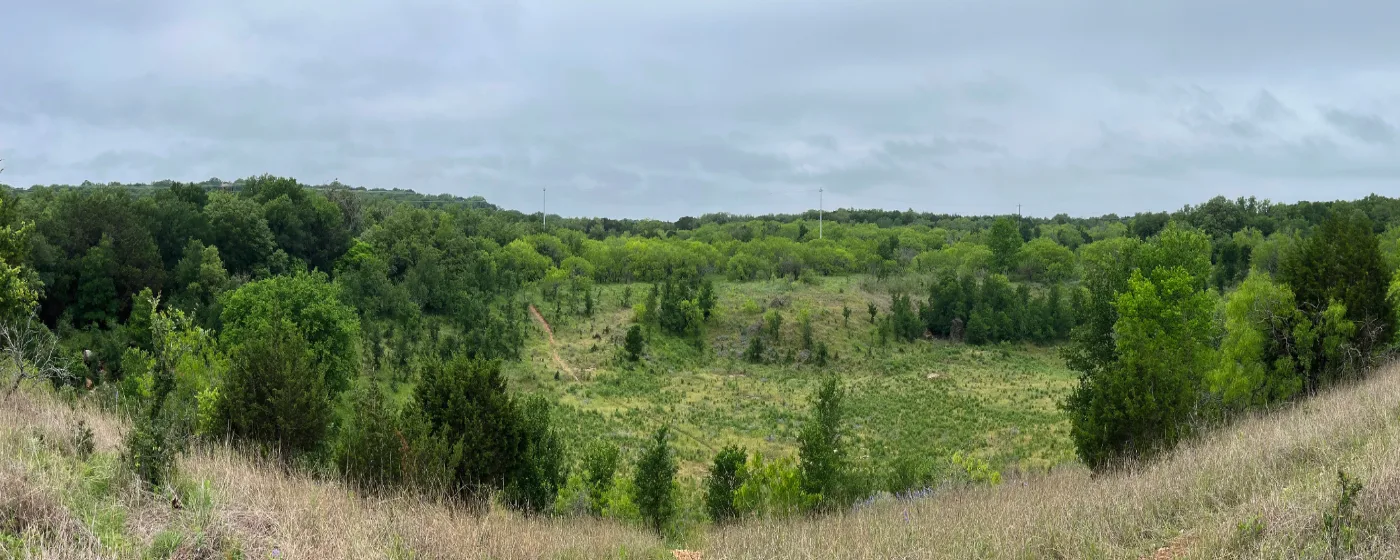
You've done the spreadsheet. San Marcos checks the boxes on paper — home prices well below what you've been paying in California, no state income tax, and a river that runs at 72°F every single day of the year. But spreadsheets don't tell you that the city of 77,830 functions simultaneously as a college town anchored by Texas State University, a bedroom community for Austin commuters, and a genuine small-city destination in its own right. The tension that surprises most California arrivals isn't the heat — it's figuring out which version of San Marcos they actually moved to. Understanding that before you sign is the point of this guide.
San Marcos sits on the I-35 corridor, roughly about 35 minutes to Austin and a similar distance north of San Antonio. Texas State University is the city's largest employer and its loudest cultural force, with a research enterprise scaling fast toward Carnegie R1 classification. The San Marcos Consolidated Independent School District, the city government, Thermon Manufacturing, and the San Marcos Premium Outlets round out the employment picture for residents who work locally. Many others commute north to Austin's tech corridor or south toward San Antonio — a trade-off that comes with the location.
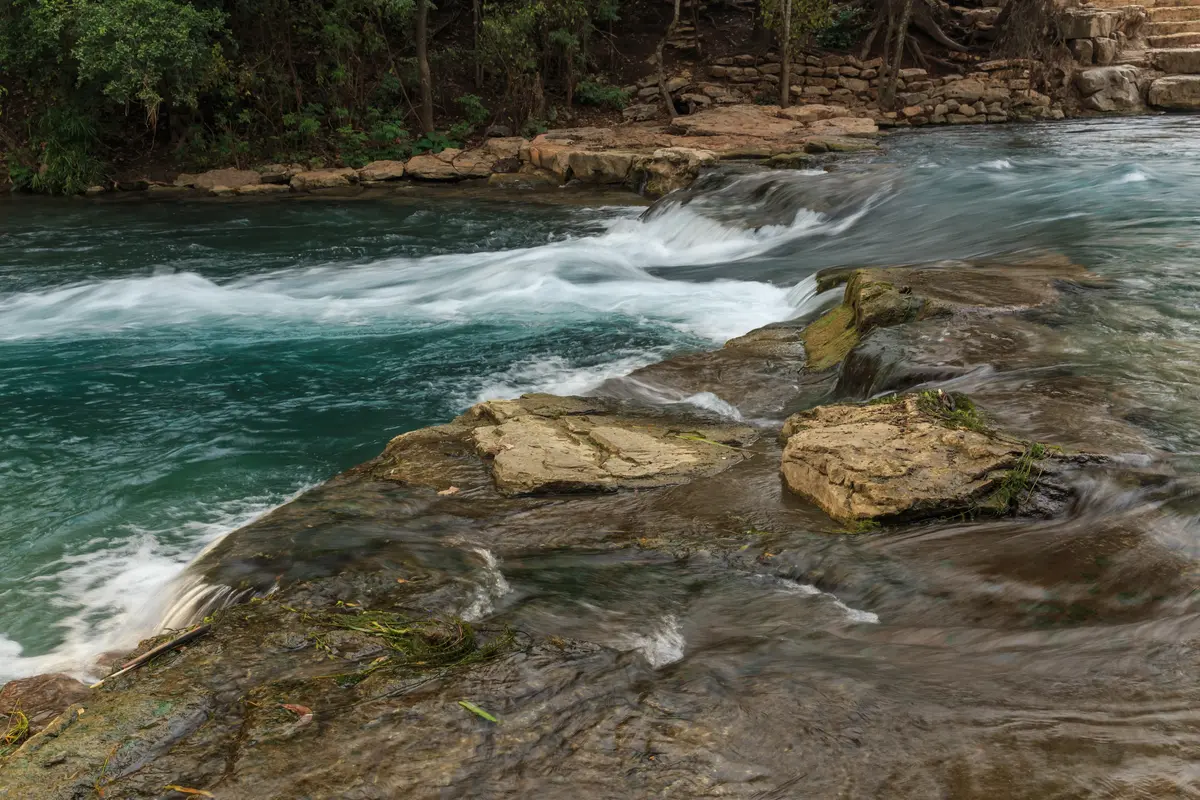
For anyone arriving from California, the cost-of-living shift is immediate and measurable. The typical home price in San Marcos sits at $310,480 (Zillow ZHVI, July 2026) — a figure that reads as a modest down payment in most California coastal markets. Day-to-day expenses follow the same pattern: groceries, utilities, and transportation all run noticeably below what you were paying in California. The San Marcos River, spring-fed and clear year-round, functions as a free backyard for residents — tubing from Rio Vista Park and swimming at Sewell Park are the kind of weekend routines that cost nothing beyond a parking pass locals don't pay anyway.
Whether you're drawn by the price gap, the Austin proximity, or the outdoor life on the river, the sections below break down what California transplants actually encounter — on home prices, taxes, daily costs, neighborhoods, schools, and the honest trade-offs that don't show up in the spreadsheet.
The Home Price Gap Is Real — and So Is the Property Tax
The single biggest number in the California-to-San Marcos decision is the home price gap. California's statewide typical home value of $773,735 (Zillow ZHVI) makes San Marcos's $310,480 typical home price (July 2026) look like a different country — not just a different state. For a buyer who has spent years watching coastal California move out of reach, that gap is genuinely life-changing.
What closes that gap faster than most Californians expect is Texas's property tax structure. San Marcos carries an effective property tax rate of 1.70% — more than double California's effective property tax rate of 0.71%. On a home at the typical San Marcos price, that difference adds up to a meaningful annual bill. The income-tax savings (covered in the next section) offset much of it, but don't assume a lower sticker price means a lower monthly cost without running the full number.
On the price side itself, there is real range across the city. Cottonwood Creek is the entry point into the market, running below the city median. Willow Creek and Hunter's Hill both sit above it — useful anchors as you explore San Marcos's neighborhoods in detail. The broader point for California buyers: the purchasing power here is real, but pairing it with a full-picture tax calculation is the move that prevents sticker shock six months in.
One more note on timing: San Marcos home prices are not the feverish pace of 2021, but this is not a buyer's market either. Well-priced homes in accessible neighborhoods move. Coming in with a clear budget and pre-arranged financing matters.
The Tax Picture: Where Texas Wins Big and Where It Gives Some Back
The tax shift from California to Texas is the most dramatic financial change you will experience, and it runs in your favor in one category more than any other: income tax.
Texas has no state income tax. California's top state income tax rate of 13.3% applies only to the highest earners, but the burden hits well before the top bracket — at $100,000 of income as a single filer, the effective California state rate runs around 5.8%, which translates to roughly $5,055 per year that Texas residents simply do not pay. For a dual-income household, that figure roughly doubles. Over a decade, it is a number that funds a renovation, a college account, or a significant chunk of the home price gap itself.
Sales tax is a more mixed story. California's statewide base sales tax rate of 7.25% is the starting point for California buyers — but most California cities stack local additions on top, with many combined rates running between 9% and 10.5%. San Marcos comes in at a combined 8.25% (6.25% Texas state, 0.5% Hays County, 1.5% city). For most buyers arriving from a higher-rate California city, the sales tax side is roughly a wash or a modest improvement.
The honest summary: the income tax savings are the standout win, the property tax rate is the meaningful offset, and the sales tax difference is real but smaller than it looks on a headline comparison. Run all three together — not just the one that favors the move — before committing to a budget. The cost of living page walks through utilities, groceries, and transportation costs alongside these figures.
Day-to-Day Costs: What Life Actually Costs Here
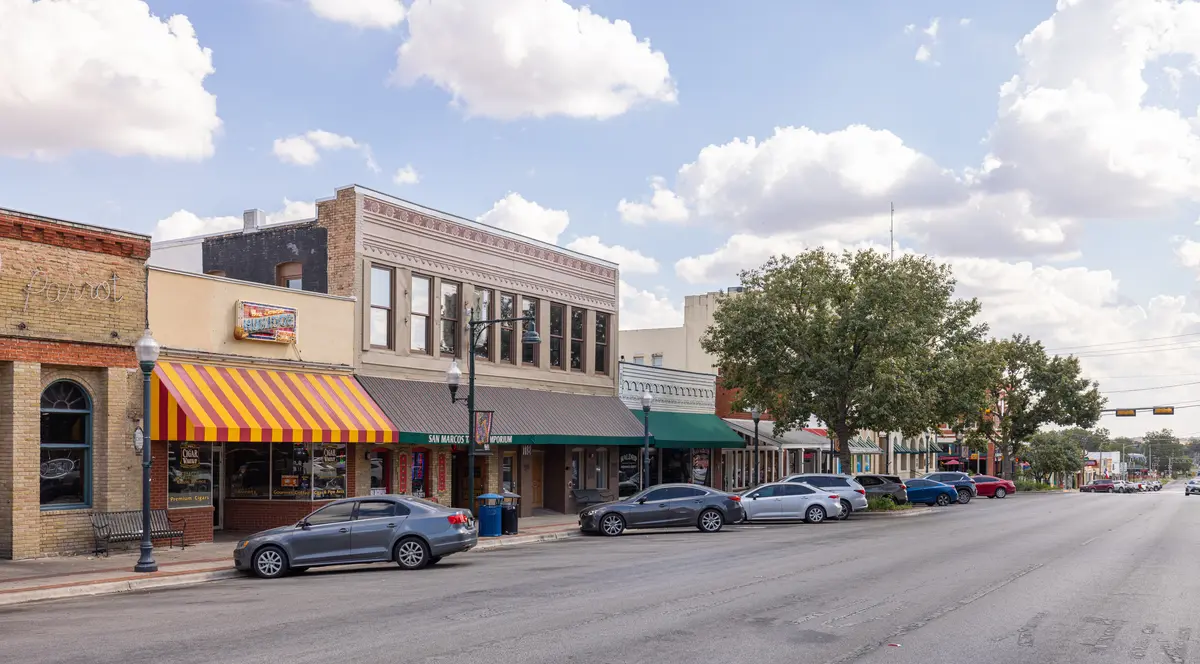
Beyond the big-ticket numbers, everyday life in San Marcos costs noticeably less than in California — and the gap is widest in housing, utilities, and transportation. The Council for Community and Economic Research index places San Marcos roughly 11% below the national average overall, with housing running about 18% below the national average and utilities in the same range.
Put it in direct comparison terms: against San Diego specifically, overall goods and services in San Marcos run about 22% less expensive, with utilities roughly 60% lower and transportation about 42% lower. Groceries are less dramatic but still cheaper — around 18% below San Diego levels. Those aren't rounding errors; they show up in your monthly budget within the first few weeks.
Rent tells the same story for those not buying immediately. The typical rent in San Marcos runs $1,404 per month (Zillow ZORI, July 2026) — a figure that covers a full apartment here and might not cover a studio in many California coastal cities. For more detail on city-wide rent and living costs, that page has the full breakdown.
Health coverage deserves an honest note for anyone mid-move: insurance premiums generally run noticeably below what most California residents were paying, which is a real monthly improvement. The honest trade-off is that the specialist and advanced care landscape here is thinner than what you had access to in a major California metro — you may drive farther for certain referrals than you did before.
The lifestyle math is genuinely different here. Residents who register vehicles locally don't pay entry fees at Rio Vista Park or parking fees at San Marcos City Park, which matters when the river is your primary weekend destination. The cost of actually living well in San Marcos is lower than the cost of living adequately in much of California.
Looking to buy in San Marcos? Estimate your payment.
Enter your numbers to see an estimated monthly mortgage payment.
Estimate only. Excludes HOA fees and mortgage insurance. The interest rate above is a starting point, not a quoted rate — replace it with your own to see real numbers. Insurance is a flat placeholder, not a San Marcos quote.
What Californians Should Know About Schools, the University, and Community Life
Texas State University shapes San Marcos in ways that no other single institution could. The university has grown into one of the largest in Texas, with a research enterprise scaling fast toward Carnegie R1 classification — backed by significant investment through the Texas University Fund in artificial intelligence, robotics, semiconductors, and water resources. For California tech workers relocating here, those focus areas are not incidental to the city's trajectory.
The public school picture requires an honest read. The San Marcos Consolidated Independent School District, with 8,144 students enrolled in 2025-26, holds a C rating, according to the Texas Education Agency. On 2024-25 state assessments, 34% of students reached math proficiency and 44% reached reading proficiency. Those figures are below the state average, which is the main academic caveat for families making the move from California districts with higher performance levels. The district has active UIL athletics programs, and the community engagement around schools is genuine — but families who are prioritizing test scores or academic rankings should read the full schools page carefully before deciding.
Community life here is genuinely different from California metro culture, and most California arrivals find that surprising in a good way after month three. The San Marcos River is not a weekend destination you drive to — it is the backyard. Sewell Park, Purgatory Creek Natural Area, and the Blanco River access at Five Mile Dam give the city an outdoor texture that California mountain towns charge a premium for. The Texas State campus brings live music, lectures, and cultural programming that a city of 77,830 would not otherwise have.
Six months in, the thing California transplants mention most is not what they miss — it's that the pace is different in a way they did not anticipate. San Marcos is not Austin. It does not have Austin's density of services, restaurants, or nightlife. That is not a criticism; it is the description. If you need that density close at hand rather than a drive away, the living in San Marcos overview addresses who the city genuinely suits.
Weekends, Local Favorites, and the Honest Trade-Offs
The river is the center of social life here in a way that takes California arrivals — used to paying for outdoor access — a few weekends to fully absorb. The San Marcos River runs clear and 72°F through the heart of the city. Rio Vista Park and Sewell Park are where locals actually spend their time; Wonder World Cave and Adventure Park draws families and visitors; Spring Lake and The Meadows Center for Water and the Environment sit at the river's source and add a distinct character to the campus edge of the city.
The local dining and coffee scene is genuinely worth knowing before you arrive. Black's Barbecue San Marcos brings the Hill Country barbecue tradition to the city — expect a line and no apology for it. Casa Maria Restaurant & Bakery has been a local anchor for Mexican food for years. Ivar's River Pub draws a crowd that mixes students with longtime residents. Grins Restaurant and The Root Cellar Cafe both offer a more casual, independent alternative to the chain options along the I-35 corridor. On the coffee side, Wake the Dead Coffee House, Tantra SMTX, Mochas & Javas, Triple Six Social, and The Coffee Bar cover the range from study-session grind to weekend-morning ritual.
The honest trade-offs are worth naming plainly. San Marcos does not have the retail depth of a large California city — a serious shopping run often means driving to Austin or ordering online. Austin-Bergstrom International Airport (AUS), 30 miles away, is the nearest major airport, and while it is a real international hub, the drive adds friction to frequent travel in a way California coastal residents rarely dealt with. The summer heat — sustained triple digits from June through August — is the adjustment California arrivals universally underestimate. The 232 sunny days a year is a real figure, and in Texas those sunny days include weeks of genuine heat that no amount of river access fully offsets.
The people who leave San Marcos usually cite one of two things: the school district performance if they have kids moving toward high school, or the sense that Austin's opportunity density pulled them north once they were already living close to it. Both are honest reasons. The people who stay tend to be the ones who came for the price and found the river — and decided that was enough.
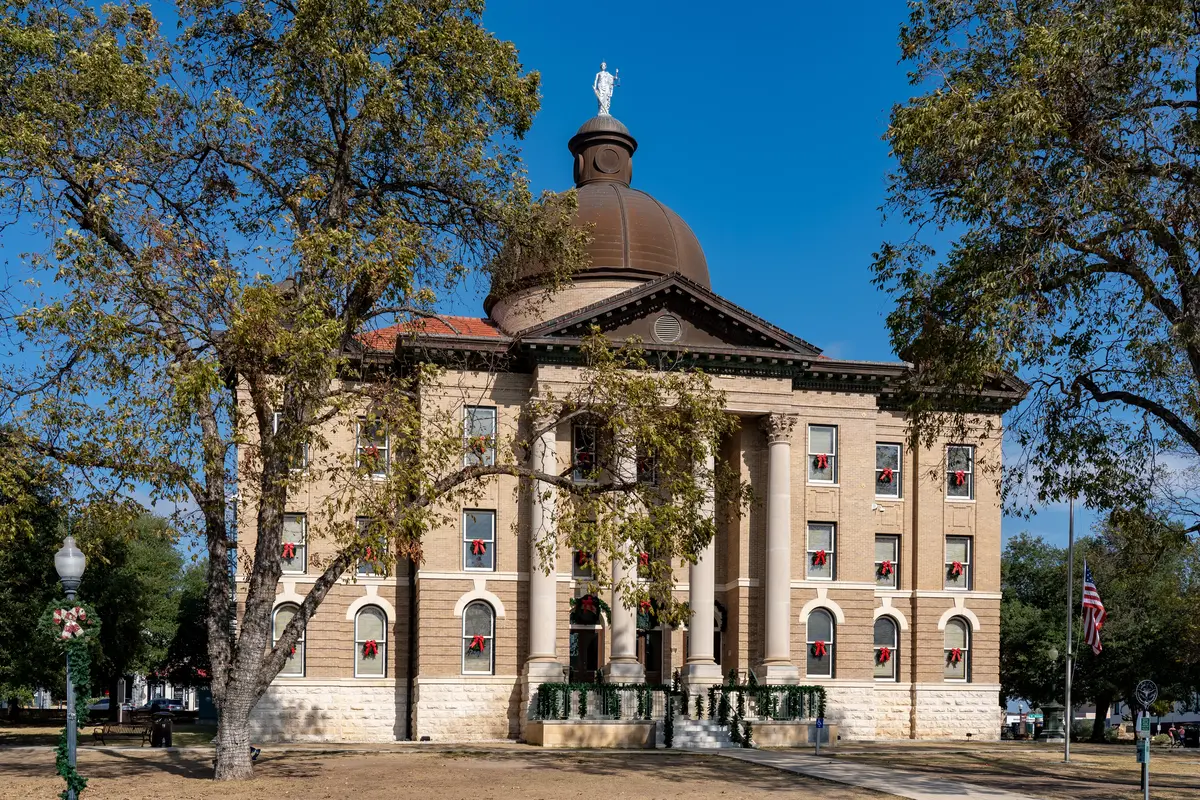
Local Expert Takeaway: San Marcos is the most affordable entry into the Austin metro that still gives you a genuine reason to stay — not just a lower price tag. The income-tax savings over California are real and immediate, the river is a daily amenity that costs nothing for residents, and Texas State's trajectory is raising the city's economic ceiling. The honest offset is a property tax rate that California buyers do not expect and a school district that scores below state average. Run the full tax picture before you close, read the school data if you have kids, and spend a weekend in July before you decide — the heat is not theoretical.
Quick Takeaways & FAQs
✅ Texas has no state income tax, which means most California transplants keep several thousand dollars per year they were previously sending to Sacramento.
⚠️ San Marcos's effective property tax rate of 1.70% is more than double California's 0.71% — the property tax bill partially offsets the income-tax savings and surprises almost every California buyer.
📍 The San Marcos River runs at 72°F year-round through the middle of the city, and registered residents pay no entry or parking fees at Rio Vista Park and San Marcos City Park — the outdoor lifestyle here is built into the geography, not a weekend excursion.
How much cheaper are homes in San Marcos compared to California?
Does Texas really have no state income tax, and how much does that save a California transplant?
What is the sales tax rate in San Marcos, and how does it compare to California?
How are the public schools in San Marcos for families moving from California?
What do California transplants most often say they did not expect about San Marcos?
Moving to Texas?
Tell us what you need help with and we'll connect you with local resources.
