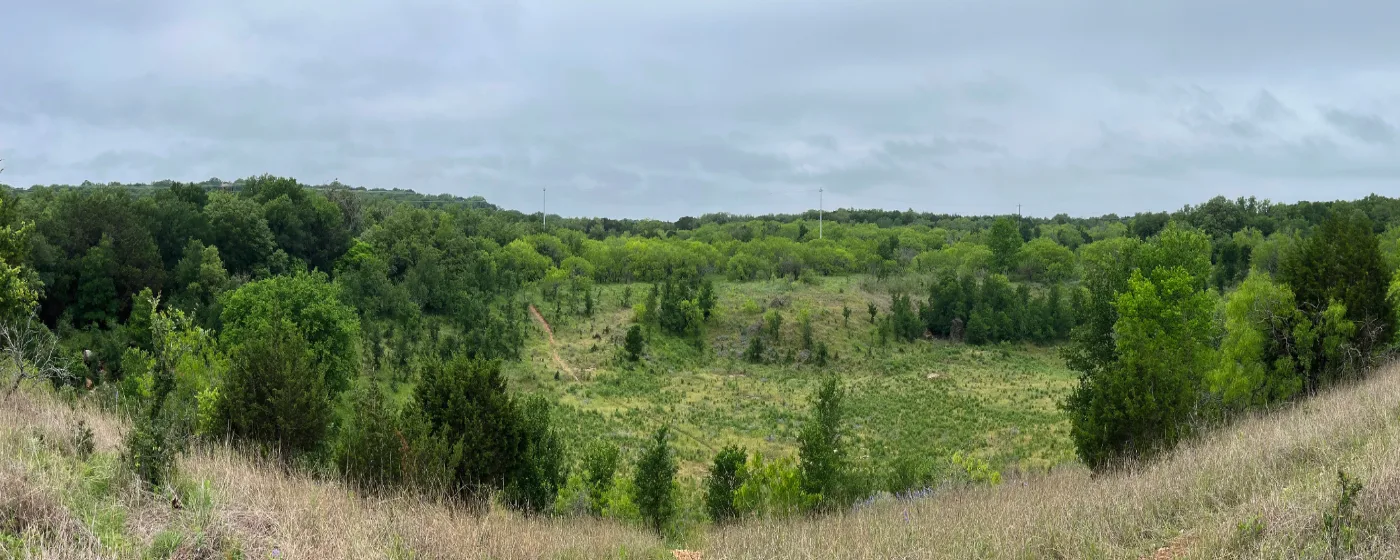
San Marcos surprises a lot of people who write it off as a college town. Yes, Texas State University's campus defines the city's energy and keeps the median age low — but sitting between Austin and San Antonio along I-35, San Marcos also offers a river, a walkable historic square, a full-service hospital inside city limits, and a purpose-built 55+ community that drew national attention the moment it opened. For the right retiree, it is a genuinely strong combination. For others, the college-town atmosphere, the Texas heat, and a property-tax rate that demands attention are real reasons to look at other Hill Country options instead.
The economic backbone is more diverse than the university-town label suggests. Texas State University is the dominant employer, but CHRISTUS Santa Rosa Hospital – San Marcos, the city government, the school district, and Thermon Manufacturing all contribute to a city of 77,830 that functions as a regional center for Hays County. That size matters for retirees: San Marcos is large enough to support specialty medical care, a real retail infrastructure anchored by San Marcos Premium Outlets, and an active parks system, while remaining small enough that traffic and urban sprawl are not yet the daily frustrations they are in Austin proper.
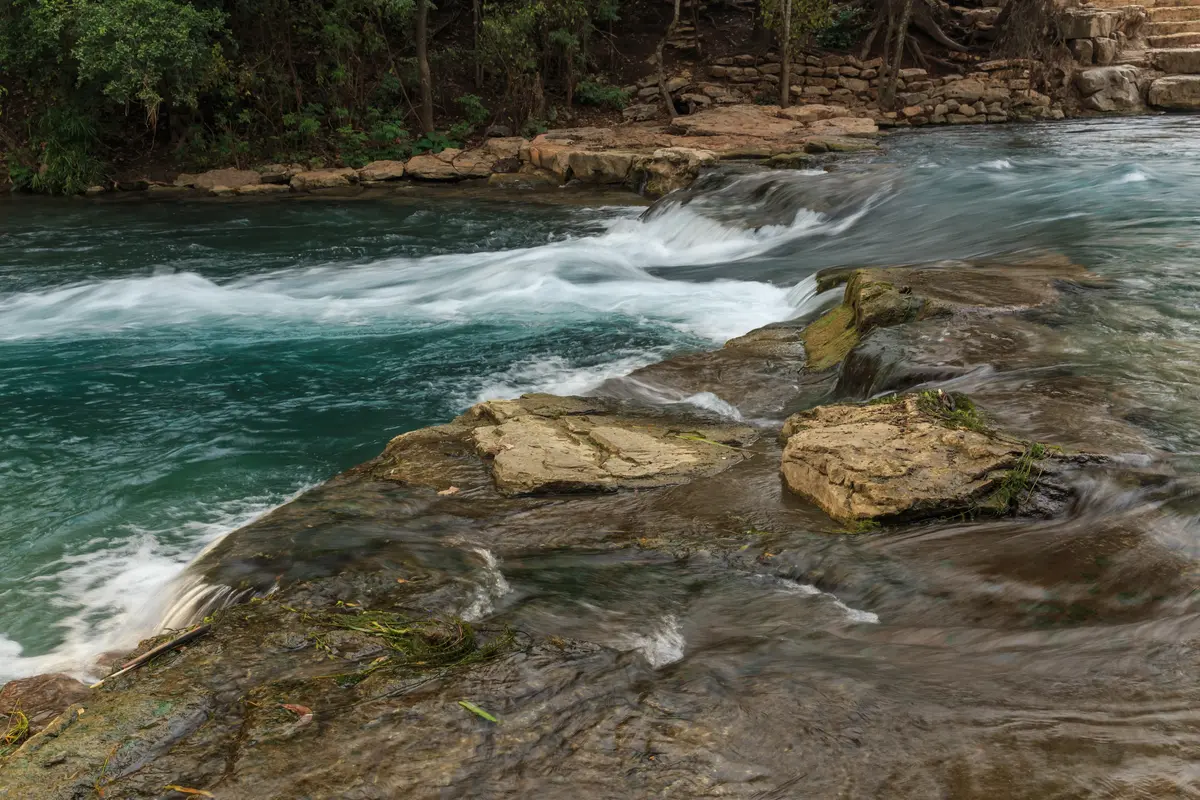
Cost of living is the city's most compelling argument. The typical home price stood at $310,480 as of July 2026 — a figure noticeably below what comparable Hill Country towns command today. Texas levies no state income tax, meaning Social Security and pension income land untouched at the state level. The city logs 232 sunny days a year, the San Marcos River runs cold and clear year-round, and the Purgatory Creek Natural Area gives walkers and cyclists something to do on almost any day the thermometer is reasonable. Summer heat is not reasonable, and any retiree who struggled through a Texas August should factor that honestly into the decision.
Whether you are comparing San Marcos to New Braunfels, weighing Kissing Tree against a downtown condo, or trying to understand what Medicare actually covers at the local hospital, the sections below work through each piece: healthcare access, the retiree budget and tax picture, walkability and community, downsizing options, and how San Marcos stacks up against the nearby retirement markets most people are also considering.
Why Retirees Are Choosing San Marcos
The retirees who land in San Marcos and stay tend to share a few traits: they wanted Texas affordability without full suburban isolation, they value outdoor access over manicured resort living, and at least some of them are drawn to the intellectual texture that a major university brings to a town. The Wittliff Collections at Texas State, the theatre season, guest lectures, and the environmental programming at The Meadows Center for Water and the Environment give San Marcos a cultural density that cities twice its size sometimes lack.
The typical home price of $310,480 (July 2026) makes San Marcos one of the more accessible entry points in the corridor between Austin and San Antonio — the full cost-of-living breakdown is here. That price point, combined with no state income tax on retirement income and a property-tax freeze available to homeowners 65 and older, puts the monthly math in a better place than it looks at first glance. Retirees who owned homes in California or the Northeast and are arriving with equity find the entry price genuinely comfortable.
San Marcos is not for everyone in retirement. If you need Level 1 trauma care nearby, proximity to major academic medical centers, or a community where retirees outnumber students, this city will feel mismatched. The college-town rhythm — busy bar scene around the square, semester-driven traffic patterns, a transient apartment population — is background noise some retirees enjoy and others find grating after six months. Know which one you are before you sign a contract here.
Healthcare & Medical Access in San Marcos
What's Inside City Limits
CHRISTUS Santa Rosa Hospital – San Marcos is the city's primary hospital, located inside city limits. It operates as a Level 4 Trauma Center, an accredited Chest Pain Center, and a designated Primary Stroke Center — the three designations that matter most in a cardiac or neurological emergency. The emergency room runs around the clock, and the facility supports surgery and intensive care units on site.
The specialist bench is broad for a city this size, covering cardiology, oncology, orthopedics, and geriatric medicine among other areas. For a retiree managing a chronic condition or recovering from a joint replacement, having those services available without leaving San Marcos is a meaningful quality-of-life factor.
The Honest Distance Reality
Level 4 trauma designation means the hospital stabilizes and transfers patients whose injuries exceed its surgical capacity. If you or a family member needs a Level 1 trauma center, open-heart surgery, or a complex cancer treatment protocol, that care is available in San Antonio or Austin — both reachable in roughly 45 to 60 minutes depending on traffic and destination within those cities. For most retirees managing routine and moderate health needs, the on-site hospital is genuinely sufficient. For anyone with a complex cardiac history or a condition requiring subspecialty management, it is worth mapping which Austin or San Antonio medical campus handles that specialty before choosing a home here.
The San Marcos Activity Center's SilverSneakers fitness program, available at no additional cost to eligible Medicare plan holders, adds a meaningful preventive-health layer to daily life. It is the kind of benefit that does not show up in hospital rankings but matters practically for a retiree budgeting healthcare costs month to month.
The Retiree Budget in San Marcos
Texas's Tax Advantage for Retirees
Texas does not levy a personal income tax. Social Security benefits, pension distributions, IRA withdrawals, and 401(k) income are entirely free of state-level taxation. Federal income tax may still apply depending on combined household income, but the absence of a state layer is a genuine and substantial advantage for retirees comparing Texas against states like California, Colorado, or Oregon.
Homeowners who are 65 or older qualify for an enhanced senior homestead exemption and, critically, a school-district property-tax freeze. That freeze caps the school-tax portion of your annual bill even as the assessed value of your home rises — a meaningful protection in a corridor where values have moved significantly over the past decade. The freeze applies to the school-district portion of the bill only; verify your specific eligibility with the Hays County Appraisal District, since the mechanics matter when you are budgeting precisely.
The Property-Tax Reality
Texas trades its income-tax advantage for property taxes that are among the highest in the country. San Marcos carries an effective property-tax rate of approximately 1.70%. On the typical home at the city's current price point, that rate produces a tax obligation that surprises many retirees arriving from lower-rate states — and the school-district freeze, while valuable, does not cap the entire bill. Factor that number into your monthly housing budget before you compare San Marcos to a state with income tax but lower property levies.
Day-to-day cost of living on a fixed income is reasonable by Texas standards. San Marcos Premium Outlets provides access to brand-name goods at outlet prices without leaving the city. Groceries, utilities, and services track close to state norms — the detailed cost-of-living breakdown covers those figures. The city's rent market, useful as a benchmark even for buyers, reflects a more affordable baseline than the Austin metro proper.
Looking to buy in San Marcos? Estimate your payment.
Enter your numbers to see an estimated monthly mortgage payment.
Estimate only. Excludes HOA fees and mortgage insurance. The interest rate above is a starting point, not a quoted rate — replace it with your own to see real numbers. Insurance is a flat placeholder, not a San Marcos quote.
Walkability, Community & Staying Active in San Marcos
The Walkability Reality
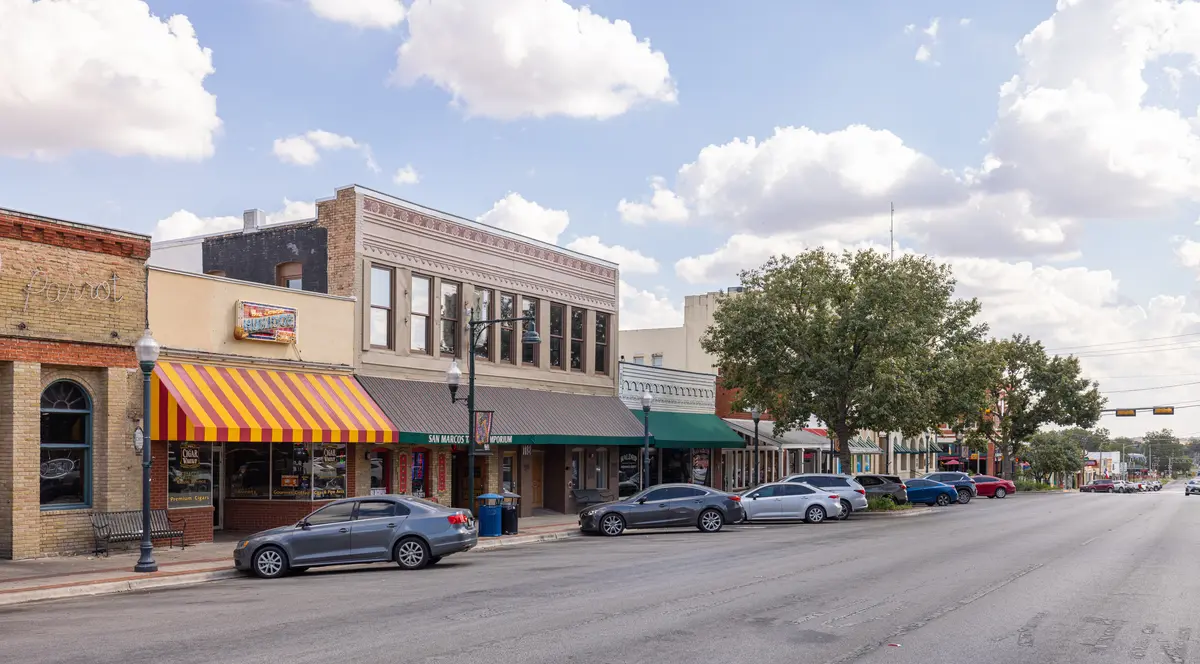
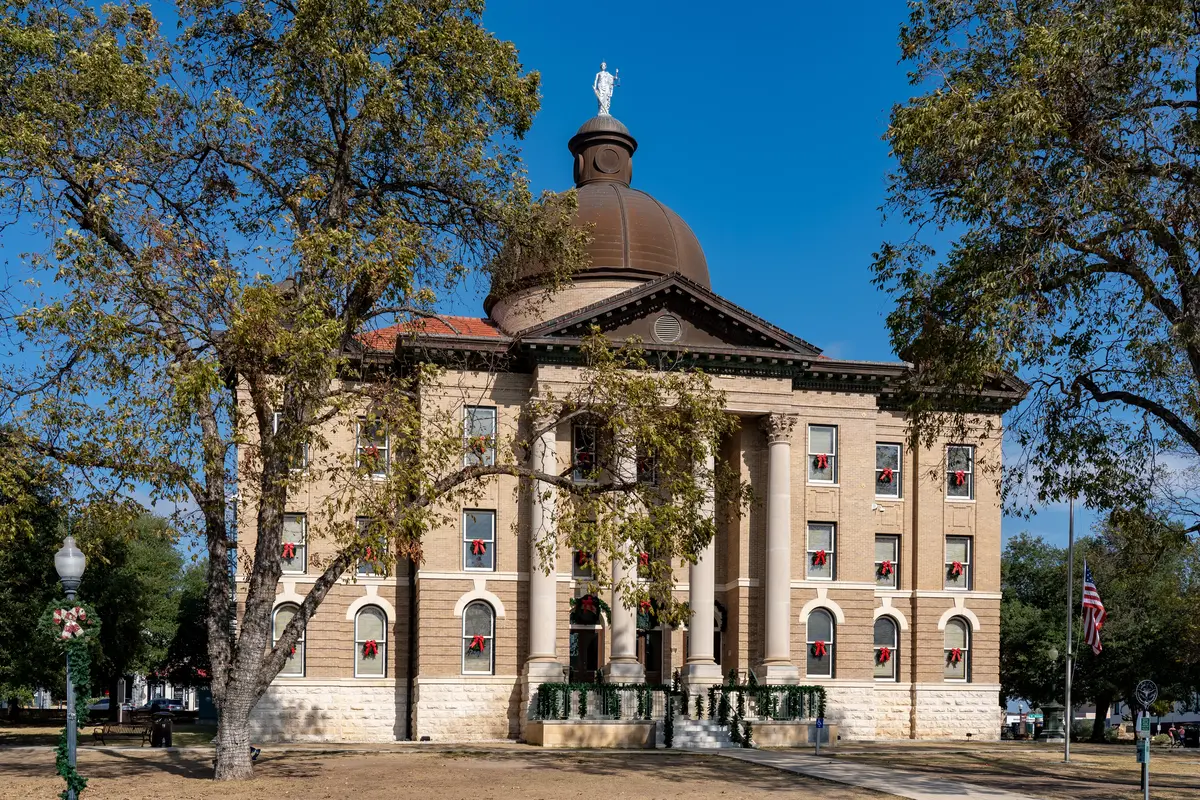
San Marcos is not a car-free city, and most errands outside the downtown core will require driving. What the city does offer is a genuinely walkable downtown square — one of the more functional historic downtowns in Central Texas — where independent restaurants, live-music venues, art galleries, and retail establishments are close enough together that an afternoon out does not require moving the car between stops. The square's architecture is listed on the National Register of Historic Places, and the Hays County Courthouse anchors it visually.
The terrain around the river and the university is flat enough for daily walking. The San Marcos River and Rio Vista Park, Sewell Park, and the Purgatory Creek Natural Area give retirees who want consistent outdoor movement real options that are not just parking-lot loops. The Blanco River at Five Mile Dam adds another access point for anyone who wants to fish or sit near moving water on a weekday morning without driving far.
Senior Programs and Social Life
The San Marcos Activity Center runs Active Older Adult Programs through the city's Parks and Recreation Department, covering physical, educational, and social programming for seniors. The SilverSneakers partnership means eligible Medicare members can use the fitness facilities at no added cost — a detail worth confirming with your specific plan before you move.
Texas State University functions as a cultural engine that many retirees tap year-round: concerts, theatre productions, guest lectures, rotating gallery exhibitions at the Wittliff Collections, and public programming tied to Spring Lake and The Meadows Center. This is the dimension of San Marcos that most distinguishes it from similarly priced retirement markets. Kissing Tree's amenity campus — The Mix — adds 18 pickleball courts, bocce, a golf course, a fitness center, a biergarten, a live-music stage, and more than 100 resident clubs for those who want their social infrastructure gated and purpose-built.
Community festivals punctuate the calendar: the Mermaid Capital of Texas Fest, the Martian Arts Festival, and the Heritage Home Tour are recurring events that draw residents out and give newcomers a natural on-ramp into local life. None of them are minor; each brings a distinct crowd and a different slice of what San Marcos values about itself.
Right-Sizing: Downsizing in San Marcos
The Single-Level Inventory Question
Downsizing in San Marcos is a more realistic proposition than in many of the faster-appreciating Hill Country markets, but single-level inventory is not abundant outside of purpose-built communities. Much of the city's existing housing stock reflects decades of student-focused construction — two-story townhomes, older ranch-style homes that may need updating, and apartment complexes that are not designed with aging-in-place in mind. Buyers looking for a single-level home with an open floor plan and accessible features will find the search narrower than the overall market suggests.
Kissing Tree: The 55+ Option
Kissing Tree is the only dedicated 55+ community in San Marcos identified in this review. It is a gated, master-planned development spanning approximately 1,300 acres, with roughly 3,150 to 3,200 planned homes built by Brookfield Residential and David Weekley Homes. The scale is significant — this is not a small cluster of patio homes but a full community with its own infrastructure and social ecosystem.
The amenity campus, called The Mix, covers 20 acres and includes a golf course, 18 pickleball courts, 6 bocce ball courts, a driving range, indoor and outdoor pools, a two-story fitness center, a biergarten, a live-music stage, a demonstration kitchen, fire pits, and 15 miles of walking and biking trails. An on-site activities director coordinates more than 100 resident clubs. Every section of Kissing Tree carries HOA dues that vary by village and home type — confirm the specific figure for any address you are seriously considering, as the association sets its own schedule and the numbers differ across sub-neighborhoods.
For retirees who want the downsizing decision and the social infrastructure solved in one move, Kissing Tree is a compelling answer. For those who want to be embedded in the broader city — walkable to the square, close to the river, part of the mixed-age community — a conventionally purchased single-level home in an established neighborhood will serve better, though the search requires patience. The neighborhoods guide covers the character and relative price tiers across San Marcos for anyone working through that comparison.
San Marcos vs Nearby Retirement Destinations
| City | Cost vs San Marcos | Primary Hospital | Walkability | Senior Living Depth | Overall Retirement Fit |
|---|---|---|---|---|---|
| San Marcos | Anchor | CHRISTUS Santa Rosa – San Marcos (Level 4, in city) | Walkable downtown core; car needed for most errands | Kissing Tree (55+); city senior programs; SilverSneakers | Strong for active, budget-conscious retirees who want culture and river access |
| New Braunfels | Somewhat higher | Regional hospital in city; Level 1 care in San Antonio | Historic Gruene area walkable; most of city car-dependent | Several 55+ and active-adult options; growing senior infrastructure | Strong for retirees who want Hill Country feel with a larger established community |
| Kyle | About the same | No full-service hospital in city; nearest care requires driving | Predominantly suburban; limited walkability | Limited dedicated senior housing; faster-growing but fewer retirement amenities | Better for active retirees who commute to Austin for medical care and want newer construction |
| Buda | Somewhat higher | No full-service hospital in city; relies on surrounding area | Limited; suburban street pattern | Thin senior-specific inventory; small-town feel with fewer programs | Suits retirees prioritizing quiet and newer homes over amenity depth |
| Wimberley | Noticeably higher | No hospital in city; significant drive to full-service care | Minimal; rural-suburban; car essential | Small retirement community; scenic but limited services | Best for retirees who prioritize Hill Country scenery and privacy over services |
| Martindale | Noticeably cheaper | No hospital; very rural; San Marcos is the nearest care | Minimal; small town with limited commercial walkability | Essentially none; very small population base | Appeals to retirees seeking rural acreage and lower costs; trade-off is services |
New Braunfels is the most direct competitor for retirees weighing community depth and Hill Country character — it carries a somewhat higher price tag but offers a more developed senior-living ecosystem and a longer-established retirement culture. Kyle and Buda both price near San Marcos but lack the on-site hospital and the cultural infrastructure that Texas State and Kissing Tree provide.
Wimberley wins on scenery and may win on peace, but it asks retirees to drive significantly for any meaningful medical care — a trade-off that looks manageable at 65 and harder at 75. Martindale suits buyers seeking rural land at lower cost, with the understanding that San Marcos becomes their city for everything practical. San Marcos itself hits the best balance of affordability, on-site healthcare, senior-specific amenity depth, and cultural richness for an active retiree who does not need Level 1 trauma access every day.
Local Expert Takeaway: San Marcos works best for retirees who want Texas's tax advantages, a full-service hospital with a 24-hour emergency room inside city limits, and something to do beyond the golf cart — whether that's kayaking the San Marcos River at Rio Vista Park, catching a performance at Texas State, or spending an afternoon at the Wittliff Collections. Kissing Tree gives 55+ buyers a purpose-built answer with 18 pickleball courts and more than 100 resident clubs; HOA dues vary by village and home type, so confirm the current figure for any specific address. The honest catch: Texas property taxes at approximately 1.70% demand careful budgeting, the over-65 school-district freeze helps but doesn't cap the whole bill, and summer heat is not a minor inconvenience. If you can plan around July and August and your health needs fit what CHRISTUS Santa Rosa handles on site, San Marcos is among the more well-rounded retirement options in this stretch of Central Texas.
Quick Takeaways & FAQs
✅ CHRISTUS Santa Rosa Hospital – San Marcos operates inside city limits as a Level 4 Trauma Center, Chest Pain Center, and Primary Stroke Center — a full-service hospital with a 24-hour emergency room and a broad specialist bench for a city this size.
⚠️ Texas's effective property-tax rate of approximately 1.70% in San Marcos is a real line item that surprises retirees arriving from income-tax states — the over-65 school-district freeze helps, but it does not cap the full bill.
📍 Kissing Tree is the only dedicated 55+ community in San Marcos; its 20-acre amenity campus includes 18 pickleball courts, a golf course, and more than 100 resident clubs — HOA dues vary by village, so confirm the current figure for any specific address.
Is San Marcos a good place to retire in Texas?
What hospital serves retirees in San Marcos?
Does Texas tax Social Security or retirement income?
What is Kissing Tree in San Marcos?
How does San Marcos compare to New Braunfels for retirement?
Moving to Texas?
Tell us what you need help with and we'll connect you with local resources.
