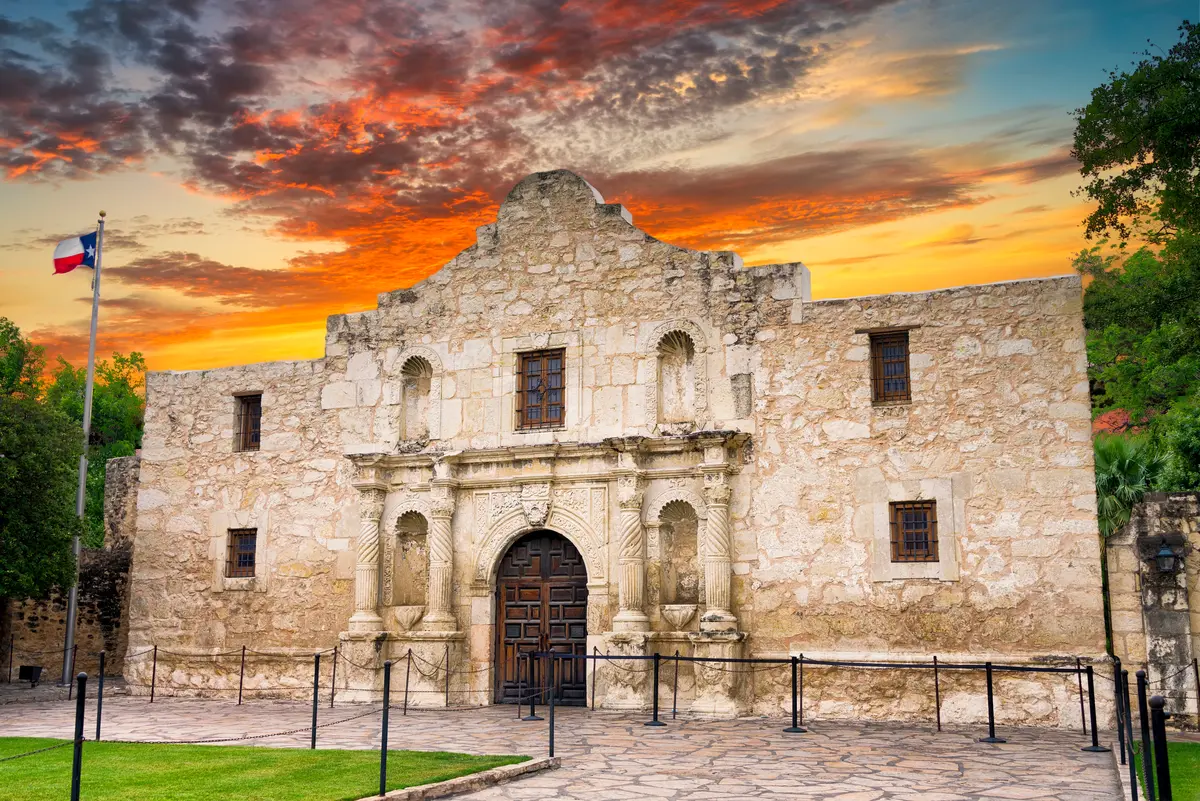
Is the San Antonio Metro a Good Place to Live?
You're probably not choosing between the San Antonio Metro and nowhere. You're choosing between it and Austin, or Central Texas broadly, and the question you keep coming back to is whether the trade-off makes sense. The Metro delivers something Austin increasingly cannot: room to spread out, a lower cost of entry, and a civic identity that isn't entirely organized around tech culture. What it asks in return is that you understand its scale. The Alamo City itself is one of the state's larger cities, and the communities fanning out from it — northeast toward Converse and Universal City, north toward Boerne's limestone hills, east toward Seguin and Gonzales — each have genuinely different characters. This is not a region of interchangeable suburbs.
The economic backbone here is unusually diverse and unusually stable. Joint Base San Antonio is one of the largest military installations in the country, and its gravitational pull shapes hiring across Universal City, Converse, Schertz, and Cibolo in ways that newcomers often underestimate. H-E-B and USAA are headquartered here, giving San Antonio a corporate employment base that most cities its size don't have. Toyota's manufacturing presence, Caterpillar operations in Seguin and Schertz, and the Medical Center's sprawling healthcare industry round out a job market that tends to hold steady when other Texas metros wobble. School districts here range from the established suburban systems of Northside ISD and Comal ISD to smaller tight-knit districts in Floresville and Gonzales — the district you land in depends almost entirely on which zip code you choose.
On price, the San Antonio Metro sits in the middle of the state's regional hierarchy — more accessible than the Austin Metro or the Hill Country, more expensive than the Rio Grande Valley or the Panhandle, and broadly competitive with Greater Houston. Within the region itself there's real spread: Boerne, Alamo Heights, Cibolo, and Floresville push toward the pricier end, while Pleasanton, Converse, Gonzales, and Seguin offer more room for buyers who need it. Day-to-day life here revolves around the car, almost everywhere — the River Walk and Southtown are exceptions that prove the rule, and even in denser spots the distances are large. Summers are long and legitimately hot, which surprises people who moved from elsewhere in Texas thinking they knew what hot meant.
Whether you're weighing the urban energy of the Pearl District against a master-planned neighborhood in Cibolo, or trying to figure out whether New Braunfels is worth the premium over Seguin, the city profiles below lay out what each place is actually like — the employers anchoring it, the neighborhoods shaping its feel, the trade-offs that matter once you're living there rather than just visiting.
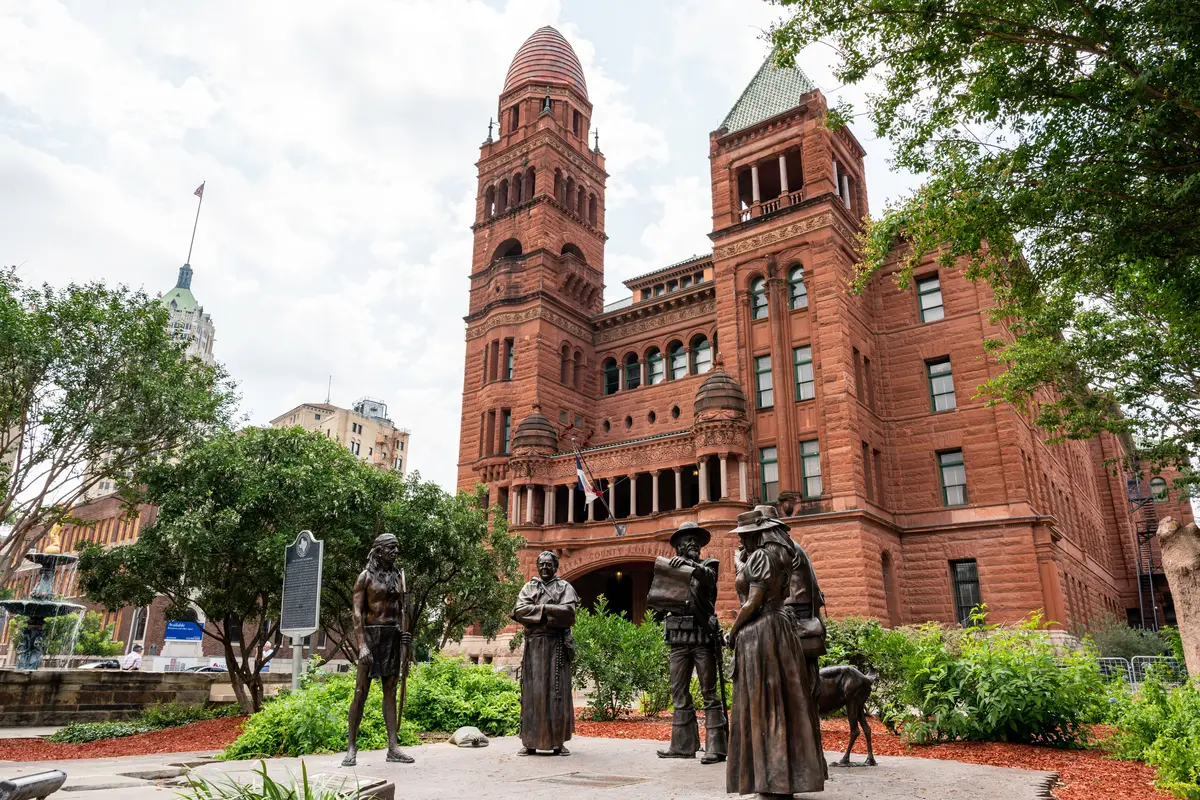
Explore All 15 Cities in the San Antonio Metro
Click into any city for the complete guide — neighborhoods, home prices, cost of living, pros & cons, schools, top employers, and mortgage help.
San Antonio
San Antonio is where the region's range is most visible — you can buy into a walkable historic district in King William, a master-planned estate neighborhood in Stone Oak, or a suburban pocket near the Medical Center, and the city feels genuinely different depending on which part you choose. The Alamo, the River Walk, and the Missions are civic anchors that give the city a cultural weight few Texas metros can match, and employers like H-E-B, USAA, and Joint Base San Antonio provide a job market that runs deeper than most visitors realize. Near the middle of this region on price, it suits buyers who want urban options, institutional employment, and the full range of neighborhoods without paying the premium of the region's pricier smaller cities.
Full San Antonio Guide →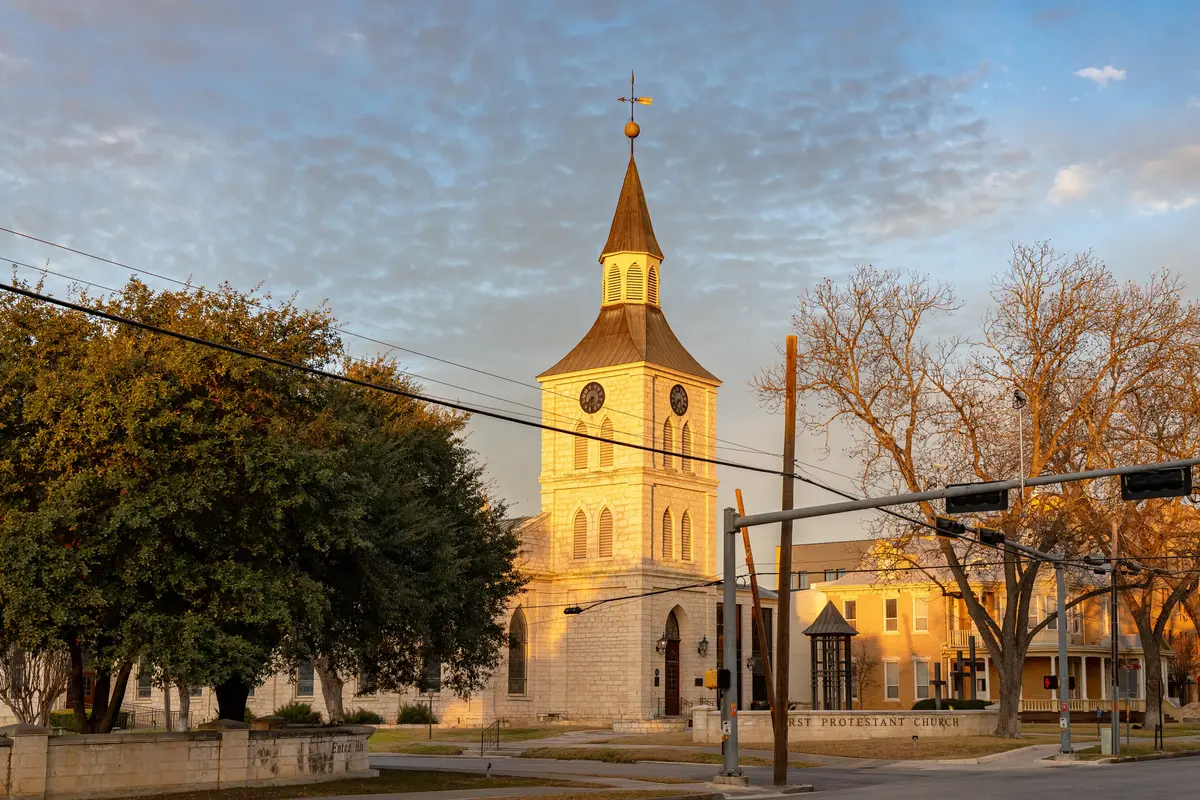
New Braunfels
New Braunfels sits at the meeting point of the Comal and Guadalupe Rivers, and the outdoor life that fact enables — tubing, riverside parks, the Gruene Historic District's dance hall culture — is as central to the town's identity as its rapid growth. It sits toward the pricier end of this region, which reflects both its Hill Country proximity and the sustained demand from San Antonio and Austin commuters who want more land and a slower pace. The Comal ISD draws families consistently, and the town's German heritage, visible in Gruene's architecture and the Sophienburg Museum, gives it a character that newer master-planned neighbors simply don't have.
Full New Braunfels Guide →
Schertz
Schertz is the northeastern corridor's practical answer — a mid-size city on I-35 and I-10 where Amazon, Caterpillar, and FedEx Ground have all planted logistics and manufacturing operations, making it a genuine employment hub rather than just a bedroom community. The Crossvine and Woodland Oaks neighborhoods draw families who want newer construction without venturing farther from San Antonio than necessary, and the Schertz-Cibolo-Universal City Independent School District serves the city's schools. Near the middle of this region on price, it competes well for buyers who prioritize commute access over urban character.
Full Schertz Guide →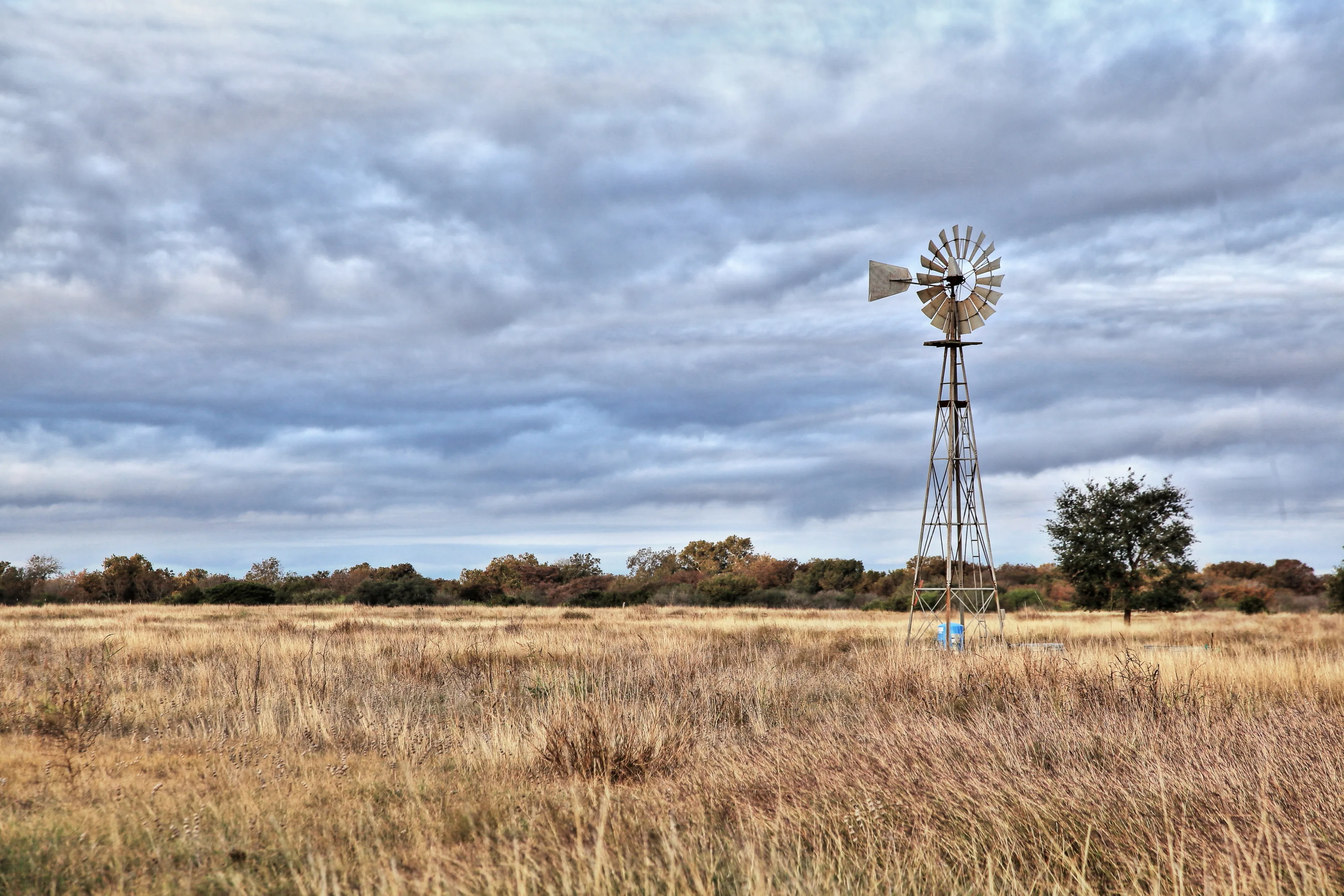
Seguin
Seguin is the Guadalupe County seat and one of the region's more self-contained small cities — Caterpillar and CMC Steel give it a real industrial employment base, and full-service hospital care in town anchors healthcare locally in a way many cities this size can't claim. The World's Largest Pecan and the Sebastopol House signal a town that takes its history seriously, and Max Starcke Park along the Guadalupe River is where residents actually spend their weekends. Near the middle of this region on price, it suits buyers who want a genuine small-city feel with working-class economic roots rather than a suburb polished for commuters.
Full Seguin Guide →
Cibolo
Cibolo is one of the region's faster-growing mid-size cities, and its neighborhoods — Bentwood Ranch, Falcon Ridge, Legendary Trails — reflect the appetite for newer construction with larger lots that drives buyers out of San Antonio's inner ring. Crescent Bend Nature Park is an underrated piece of green space for a city this size, and the proximity to Joint Base San Antonio–Randolph means a significant share of residents have a military connection. Toward the pricier end of this region, it suits buyers who want suburban polish and good schools under the Schertz-Cibolo-Universal City Independent School District without going all the way to New Braunfels.
Full Cibolo Guide →
Converse
Converse is Bexar County's eastern affordability corridor — a mid-size city where the Cimarron and Glenloch Farms neighborhoods fill with buyers priced out of Schertz or Cibolo, and where proximity to Joint Base San Antonio makes it a logical landing spot for military families assigned to the base. The Judson ISD serves the city, and D.W. Rutledge Stadium is the kind of Friday-night football anchor that tells you something about community priorities here. Near the middle of this region on price, it is one of the more accessible entry points into the northeastern metro.
Full Converse Guide →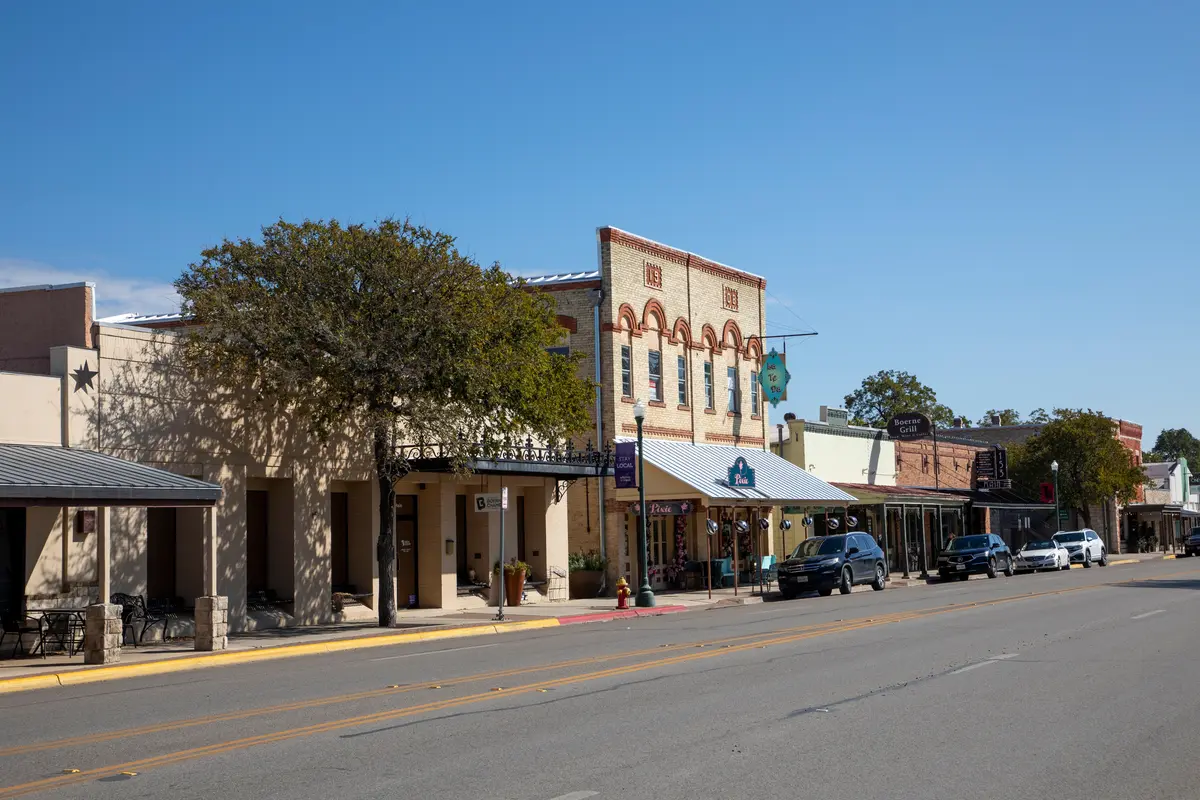
Boerne
Boerne is where the San Antonio Metro starts to feel like the Hill Country — limestone bluffs, Cibolo Creek running through town, a Main Street historic district that draws weekend visitors from the city, and neighborhoods like Cordillera Ranch that attract buyers who want acreage and privacy at a significant premium. Mission Pharmacal and Albany Engineered Composites give the city a local employment base beyond retail and government, though many residents commute into San Antonio along I-10. Toward the pricier end of this region, it suits buyers who are specifically choosing the Hill Country edge over convenience.
Full Boerne Guide →
Universal City
Universal City is defined almost entirely by its relationship with Joint Base San Antonio–Randolph — the base sits adjacent to the city's limits, and the city's employers, schools, and daily rhythms all reflect that proximity. Randolph High School serves the city, and Northeast Lakeview College adds a higher-education footprint that gives the small city more institutional weight than its size would otherwise suggest. Near the middle of this region on price, it is a practical, unpretentious choice for military families and civilian workers tied to the base who want established neighborhoods without a long commute.
Full Universal City Guide →- Is Universal City Safe? A Data-Backed Look
- Cost of Living in Universal City
- Best Neighborhoods in Universal City
- Schools in Universal City: A Family Guide
- Parks & Recreation in Universal City
- Retiring in Universal City
- First-Time Homebuyer's Guide to Universal City
- Moving to Universal City from California
Live Oak
Live Oak is a small Bexar County city that punches above its size on retail — IKEA's presence here draws traffic from across the northeastern metro and signals the kind of commercial infrastructure that makes daily errands genuinely convenient. A regional hospital anchors healthcare locally, and the Judson ISD serves the city's schools alongside neighboring Converse. Near the middle of this region on price, it suits buyers who want a well-connected small city with strong retail access and an easy reach toward both Loop 1604 and I-35.
Full Live Oak Guide →
Selma
Selma occupies a small but commercially active footprint where I-35 and Loop 1604 meet, and Retama Park's horse-racing track gives the city a regional entertainment draw that most cities its size lack entirely. The Forum at Olympia Parkway serves the broader northeastern corridor, and the city splits school service between the Judson and Schertz-Cibolo-Universal City independent school districts depending on where in Selma you land — a boundary detail worth checking before you make an offer. Near the middle of this region on price, it suits buyers who prioritize freeway access and commercial convenience over neighborhood character.
Full Selma Guide →
Leon Valley
Leon Valley is a small Bexar County city tucked inside San Antonio's western loop — geographically inside the metro's core, served by the Northside ISD, and carrying a neighborhood feel that contrasts with the commercial density of SH-16 running through it. Raymond Rimkus Park and the Huebner-Onion Natural Area give residents genuine green space close in, and Joint Base San Antonio's western installations make it a practical location for military families who need city access without living in San Antonio proper. Near the middle of this region on price, it suits buyers who want established, older neighborhoods close to the city's employment centers.
Full Leon Valley Guide →
Pleasanton
Pleasanton is Atascosa County's seat and the region's southernmost anchor — a small city with real agricultural roots, where the Longhorn Museum reflects a ranching history that still shapes the community's identity. The H-E-B and a local health center give residents day-to-day services without driving to San Antonio, and the I-37 Speedway draws a regional crowd that tells you something about the town's character. Near the middle of this region on price and significantly more rural in feel than the Bexar County suburbs, it suits buyers who genuinely want small-town life on the metro's southern edge rather than a suburb with extra space.
Full Pleasanton Guide →
Floresville
Floresville surprises people who expect Wilson County to feel like a forgotten edge of the metro — the county courthouse anchoring a walkable historic square, the Giant Peanut Statue marking local agricultural pride, and the Arcadia Theatre signal a town with its own identity rather than one still waiting for development to arrive. A full-service medical center gives the city a healthcare anchor that most towns its size in Texas lack, and the school district draws students from across the county. Toward the pricier end of this region for a small town of its size, it suits buyers who want genuine small-town Texas character with reasonable access to San Antonio along US-181.
Full Floresville Guide →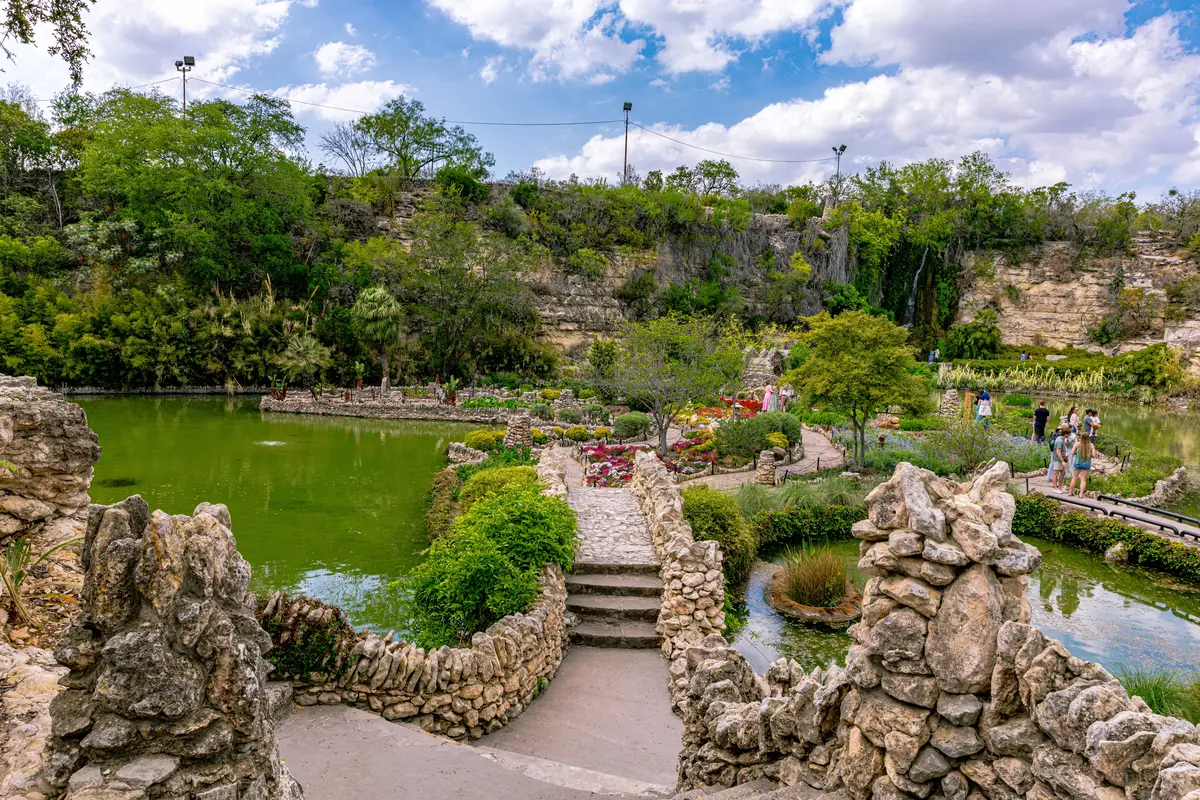
Alamo Heights
Alamo Heights is an independent municipality entirely surrounded by San Antonio — a small, historically affluent enclave where the Broadway Street corridor, the Alamo Heights ISD, and the tight-knit Cottage District neighborhood have built a reputation that holds regardless of what the broader market is doing. The school district is the city's most consistent selling point, and the walkable scale of the city's commercial spine is unusual for a Bexar County community. Toward the pricier end of this region and among its most insulated from value fluctuations, it suits buyers who are specifically targeting the school district and the neighborhood character that comes with it.
Full Alamo Heights Guide →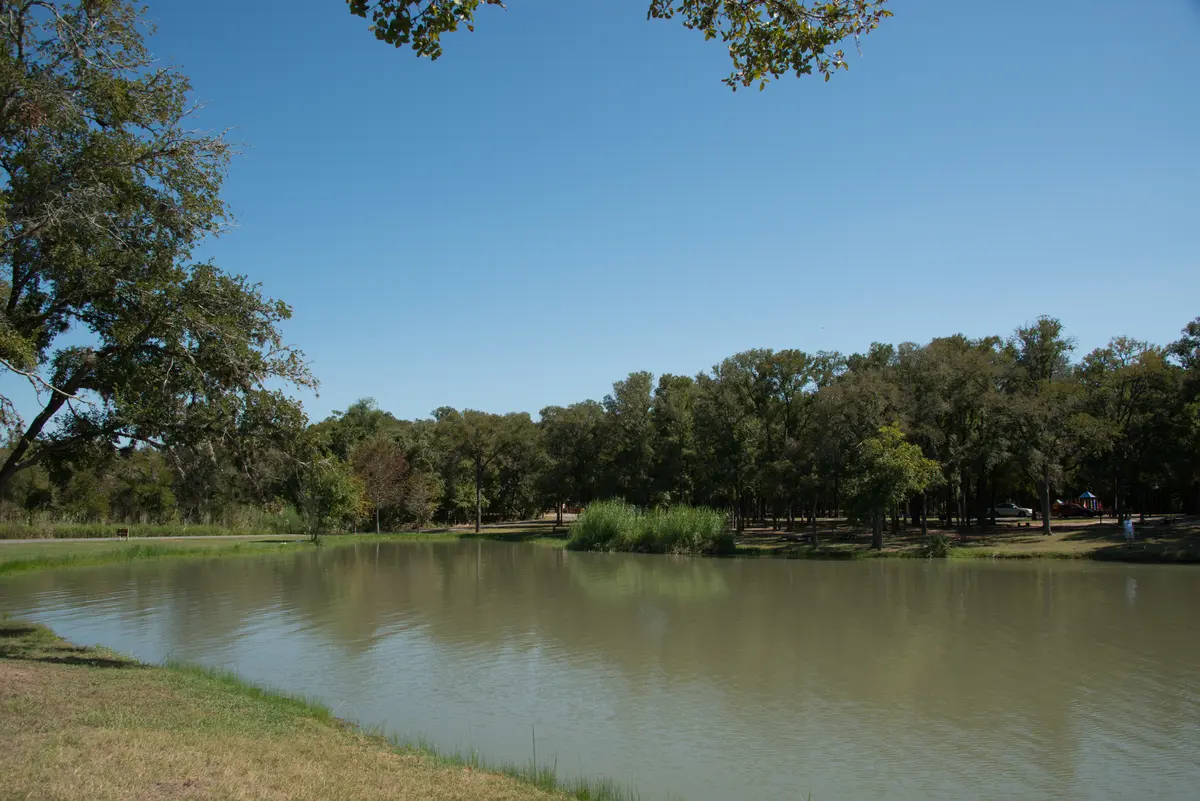
Gonzales
Gonzales is where the San Antonio Metro shades into East Texas history — the city where the Texas Revolution's first shot was fired, anchored by Independence Square and the 'Come and Take It' cannon, with a county courthouse and a Pioneer Village Living History Center that make its heritage more than decorative. Kitchen Pride Mushroom Farms and Adams Extract & Spice give the small town a food manufacturing employment base that most Texas county seats its size have lost. Near the middle of this region on price and the furthest east of any city in the region, it suits buyers for whom genuine small-town history, slower pace, and lower entry cost matter more than metro proximity.
Full Gonzales Guide →Compare Every City in San Antonio Metro
Full ranked breakdowns across every city in the region — scored and compared side by side.
Local Expert Takeaway: The San Antonio Metro rewards buyers who resist the instinct to treat it as a monolith — the city you choose here shapes your commute, your school district, your neighbors' professions, and the pace of your daily life more than almost anywhere else in Texas, so spend real time understanding each community's specific character before you make an offer.
Frequently Asked Questions
Which city in the San Antonio Metro is the best fit for military families?
Is New Braunfels worth the premium over other cities in the region?
How car-dependent is daily life across the San Antonio Metro?
How does the San Antonio Metro compare to the Austin Metro for someone who's been priced out of Austin?
Which cities in the region are best for buyers who want small-town character without sacrificing basic services?
Helpful Texas Resources
Explore Other Texas Regions
the San Antonio Metro is one of 17 distinct regions that make up Texas. Each has its own climate, character, and housing market — explore them all.
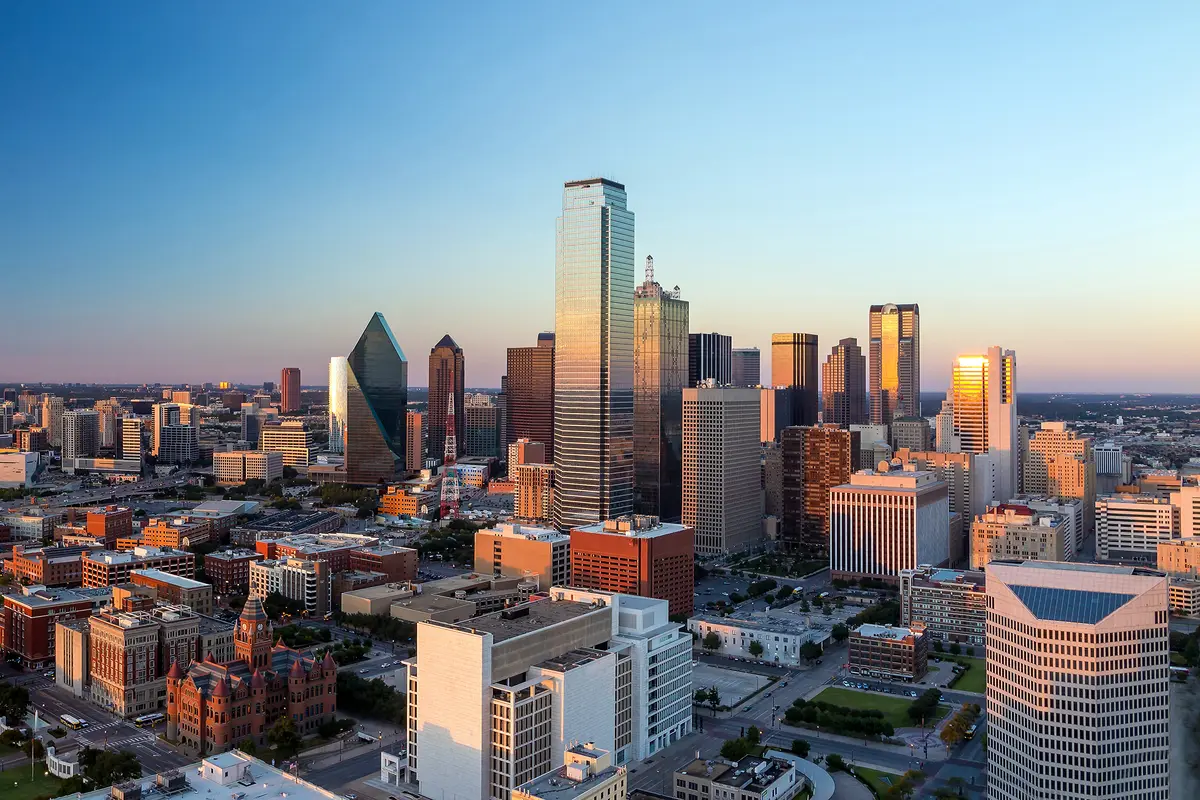
Two downtowns and the whole sweep of suburbs between and around them, from the Collin County job corridor to the ranch country west of Fort Worth. 71 cities including Dallas, Fort Worth, Arlington.
Explore all 71 Dallas-Fort Worth cities →
The energy capital and the ring of master-planned communities, bayou suburbs and bay towns that grew up around it. 45 cities including Houston, Cypress, Klein.
Explore all 45 Greater Houston cities →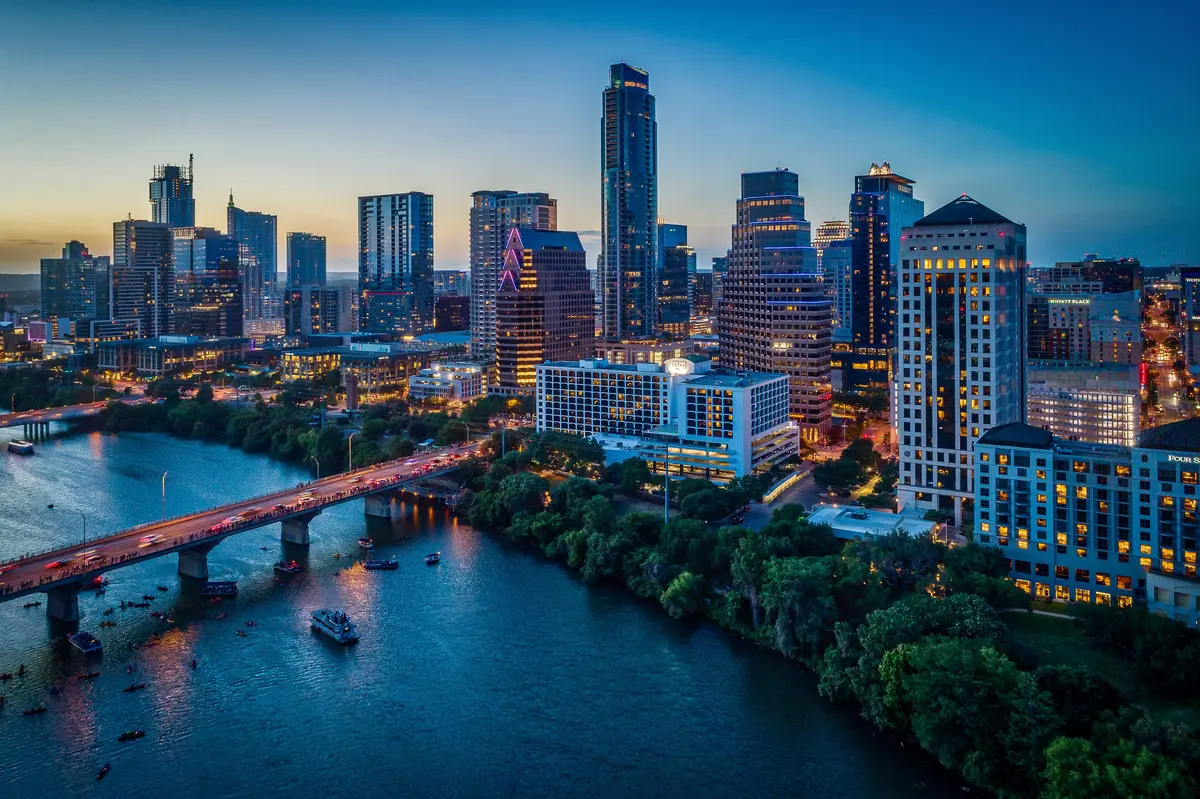
The state capital and the fast-growing corridor of suburbs running north and south of it along the interstate, out into the Colorado River hills. 21 cities including Austin, Round Rock, Georgetown.
Explore all 21 Austin Metro cities →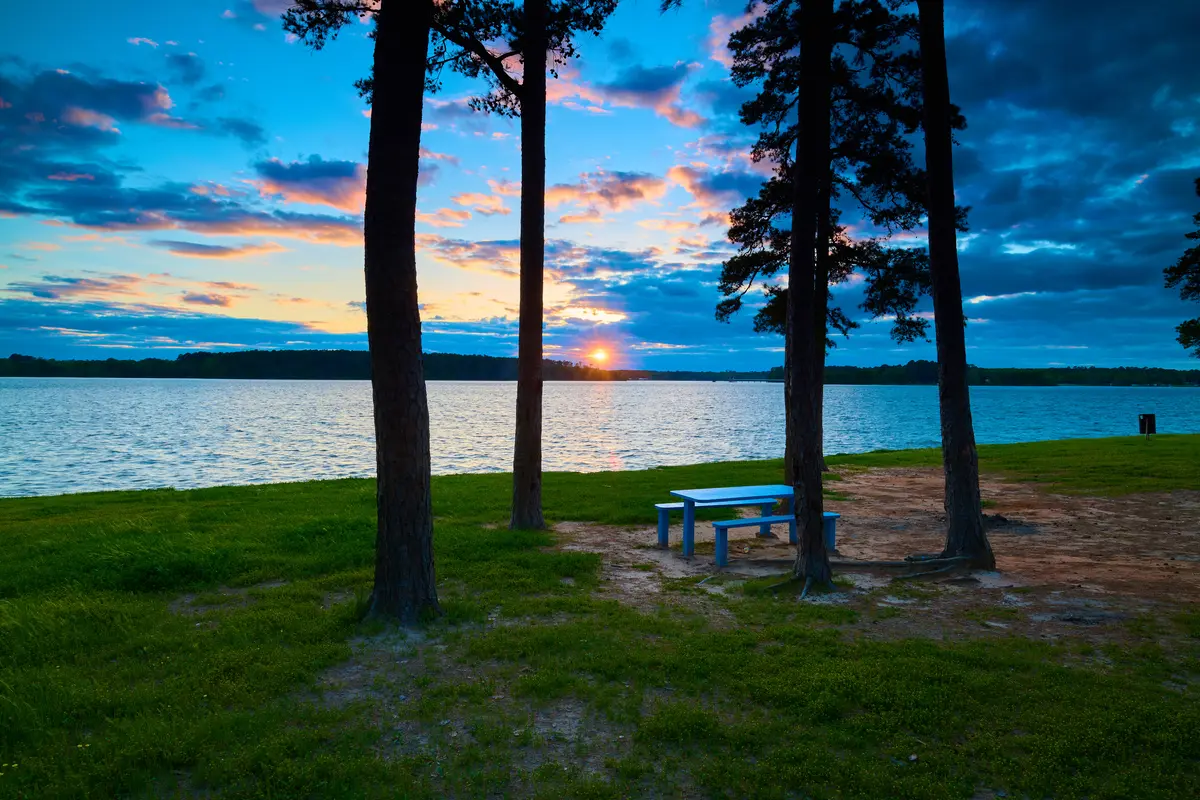
Pine forest, lakes and old county-seat towns across the wettest, greenest corner of the state. 13 cities including Tyler, Longview, Huntsville.
Explore all 13 East Texas cities →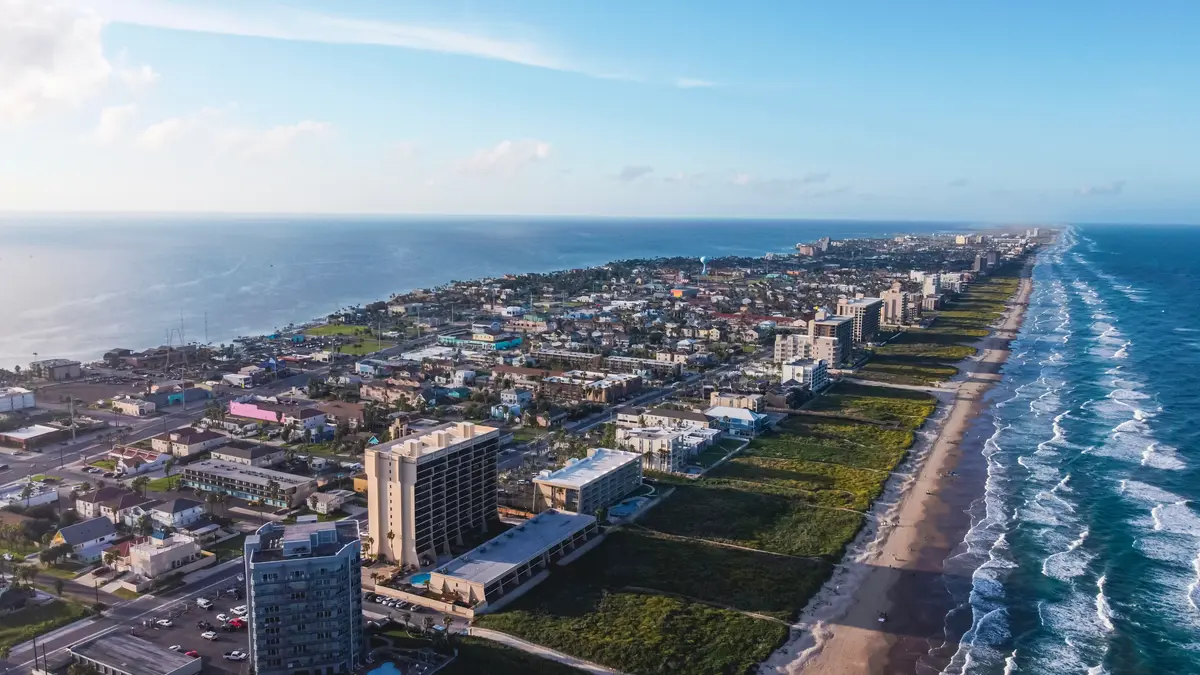
A bilingual, subtropical stretch of border cities and citrus country running from the river out to the Gulf beaches. 11 cities including Brownsville, McAllen, Edinburg.
Explore all 11 Rio Grande Valley cities →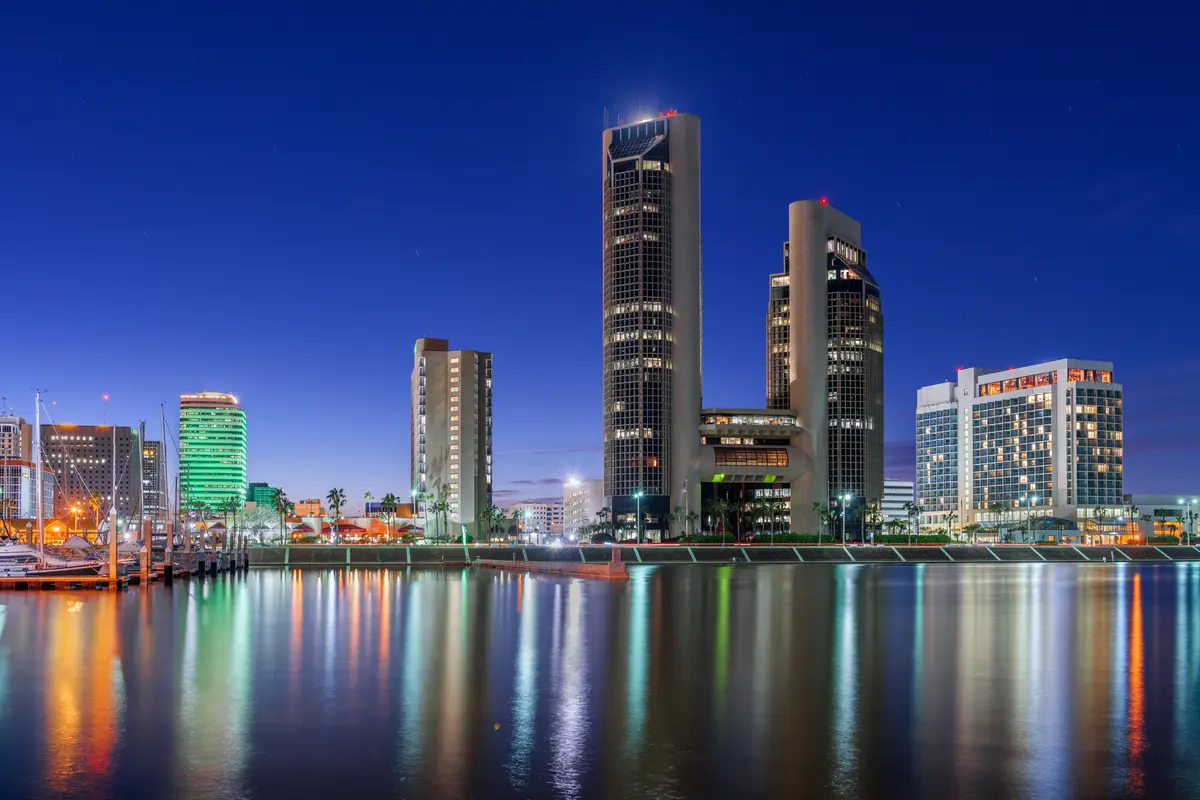
Bay-front cities, refinery towns and barrier-island beaches where the Gulf coast turns south. 7 cities including Corpus Christi, Victoria, Kingsville.
Explore all 7 Coastal Bend cities →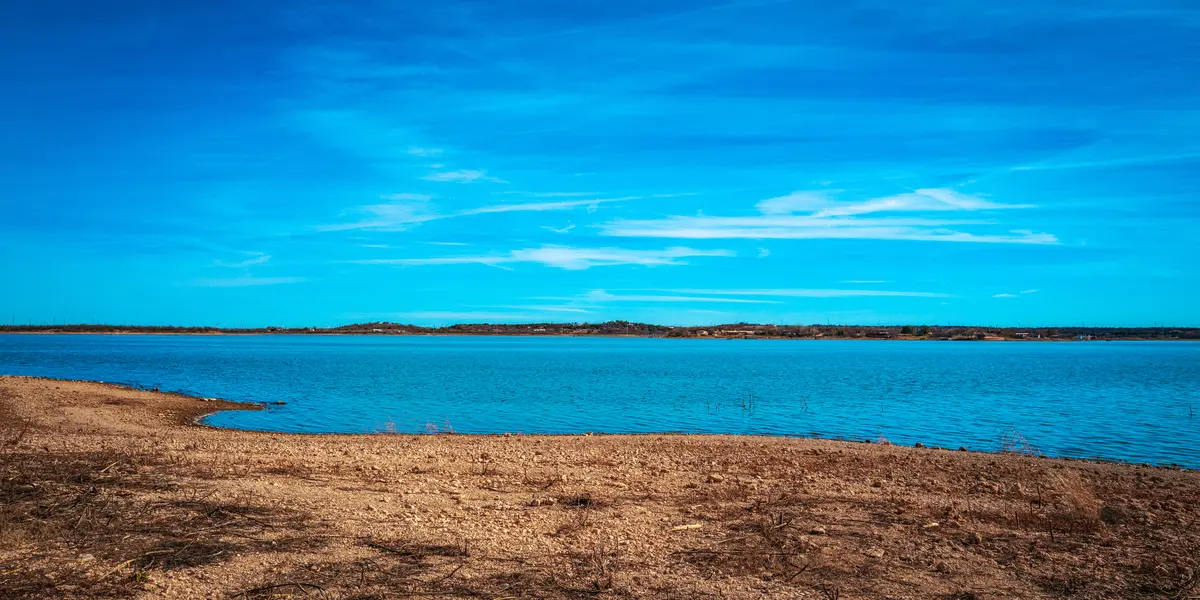
Ranching and university towns spread across the rolling plains of west central Texas. 6 cities including Abilene, San Angelo, Stephenville.
Explore all 6 Big Country cities →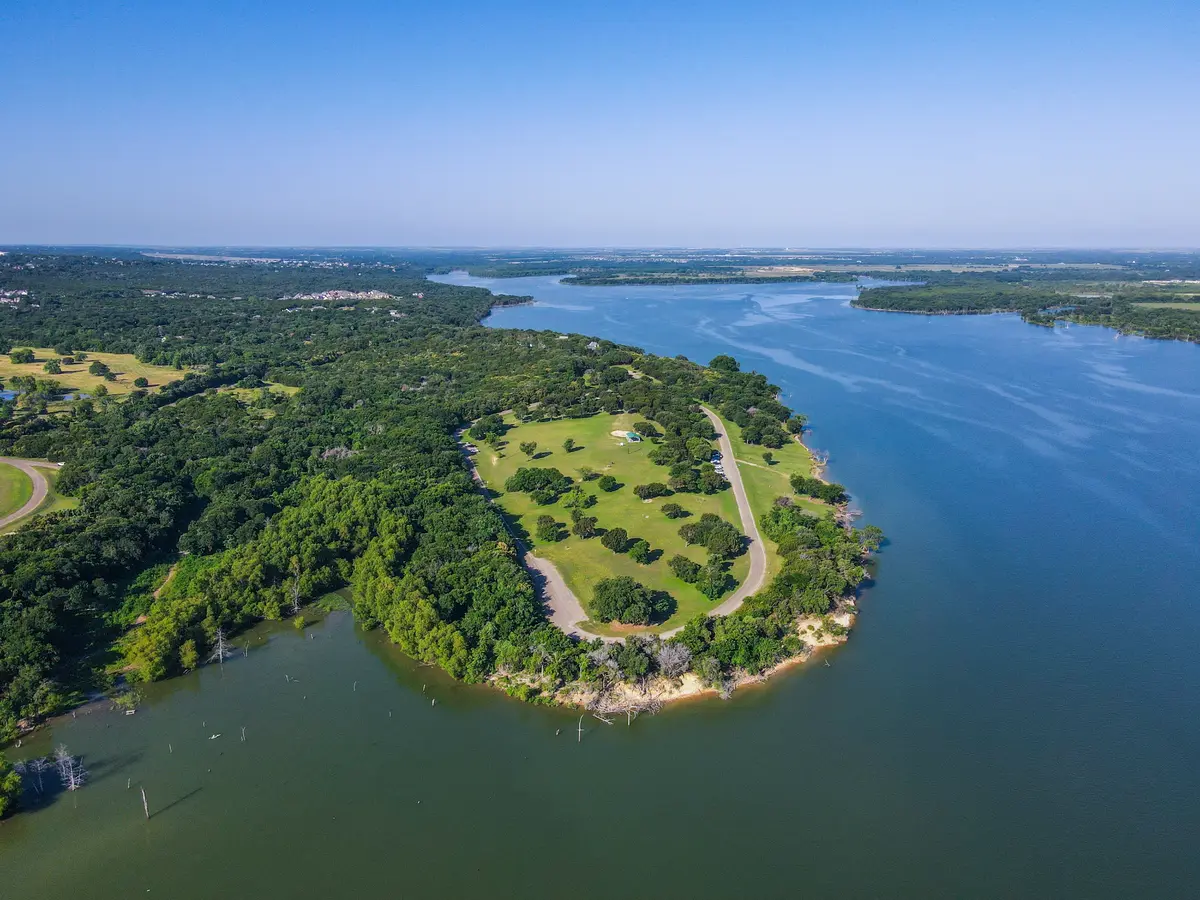
University, hospital and Army-post towns strung along the interstate between the two biggest metros. 6 cities including Killeen, Waco, Temple.
Explore all 6 Waco-Killeen-Temple cities →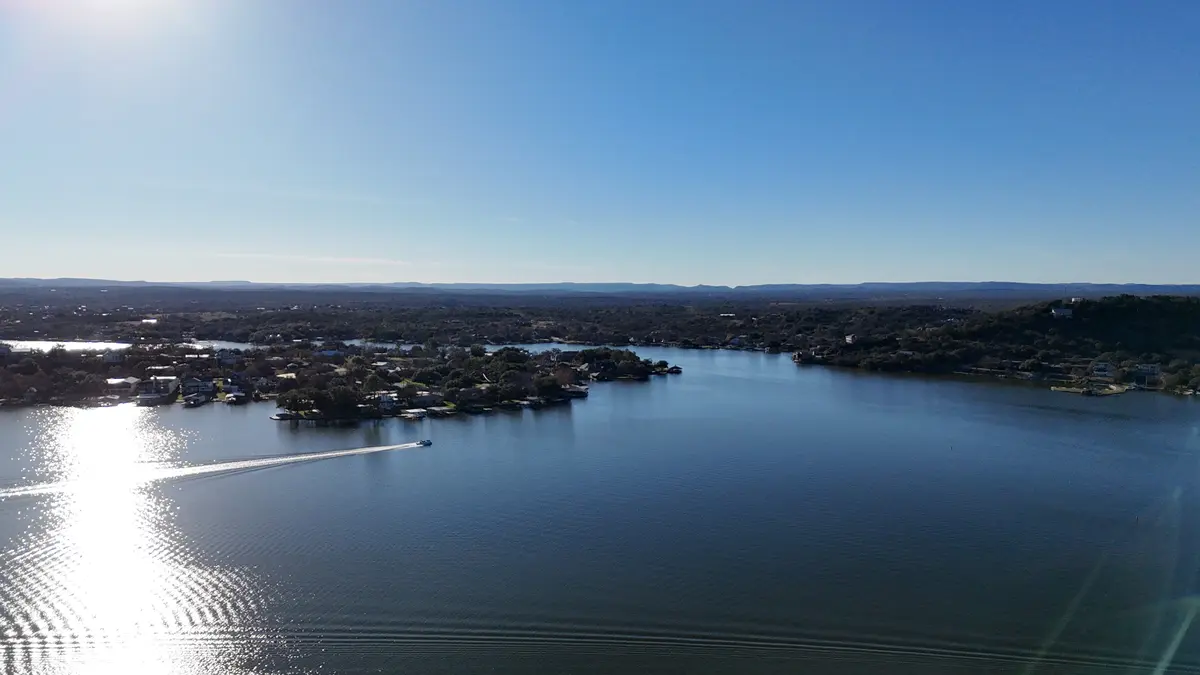
Limestone hills, spring-fed rivers, German heritage towns and the wineries that followed them. 5 cities including Kerrville, Uvalde, Fredericksburg.
Explore all 5 Hill Country cities →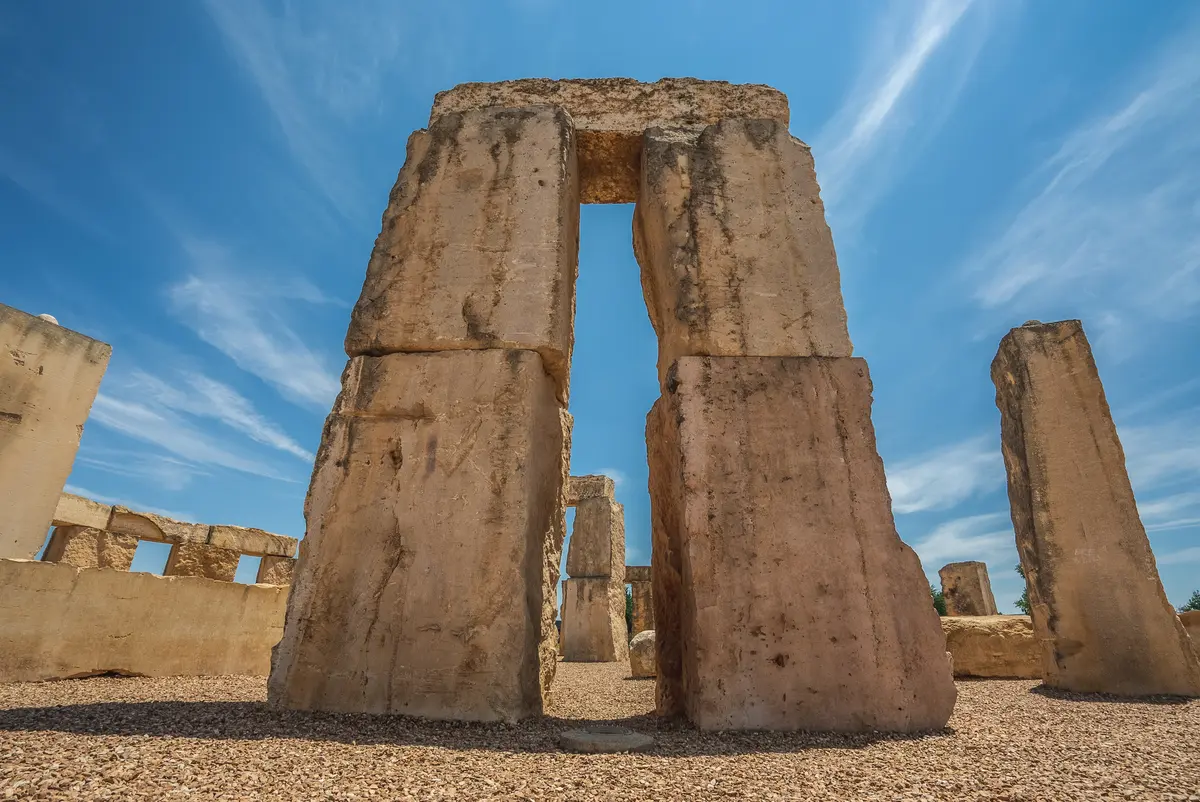
The oilfield cities of far West Texas, where the pay is high and the horizon is wide open. 4 cities including Midland, Odessa, Big Spring.
Explore all 4 Permian Basin cities →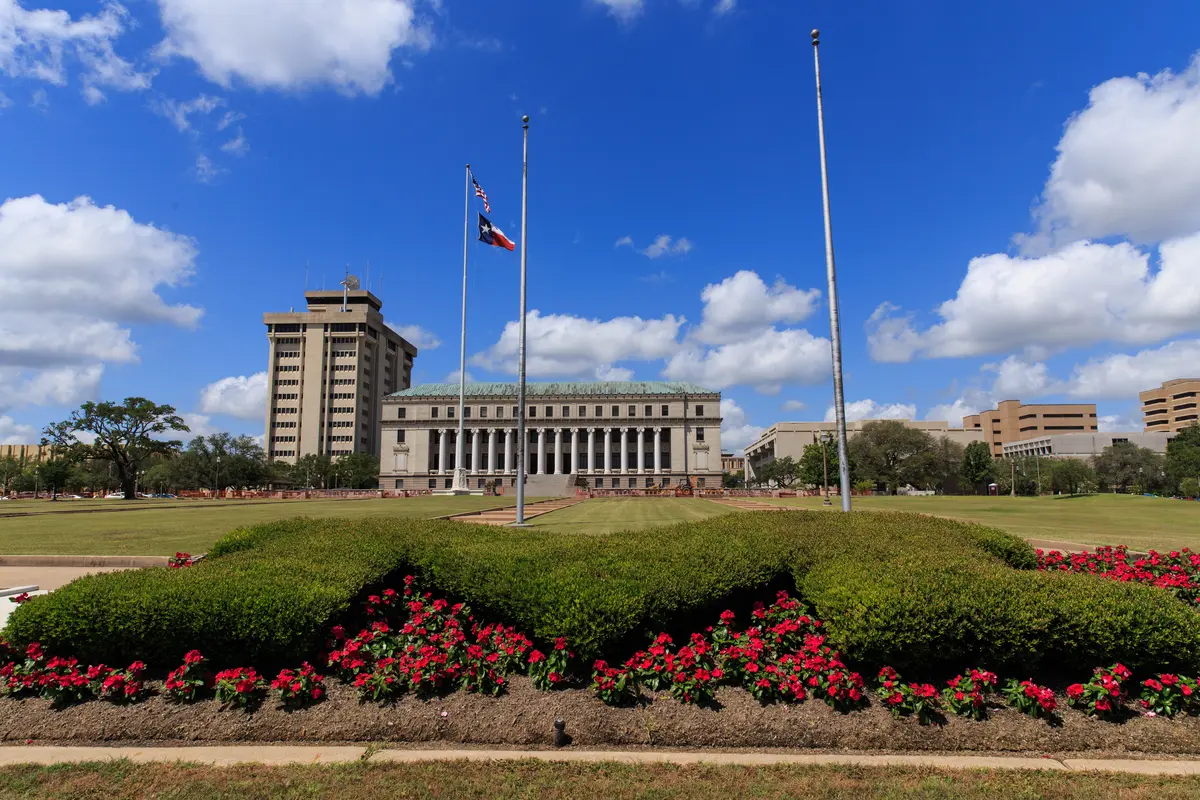
A university-driven pocket of Central Texas surrounded by river-bottom farmland and historic German and Czech settlements. 4 cities including College Station, Bryan, Brenham.
Explore all 4 Brazos Valley cities →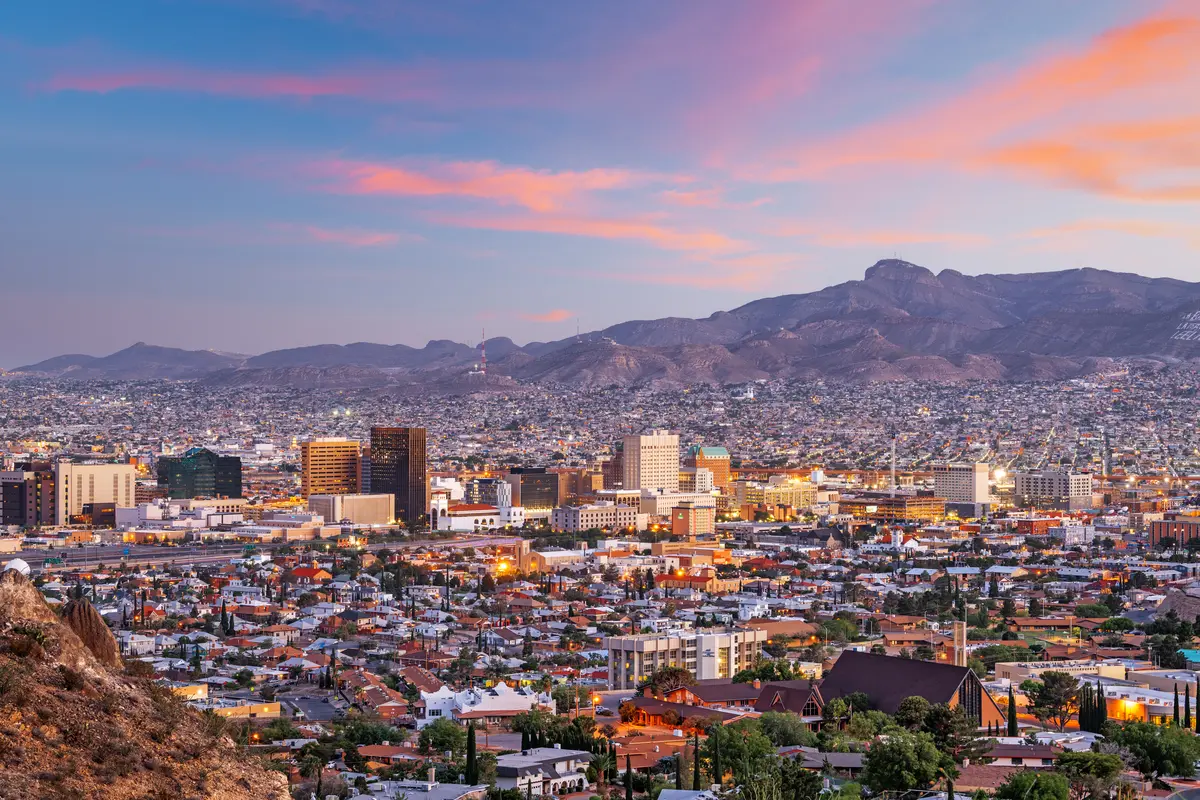
A high-desert border city in the far western corner of the state, closer to three other capitals than to its own. 4 cities including El Paso, Socorro, Horizon City.
Explore all 4 El Paso Borderplex cities →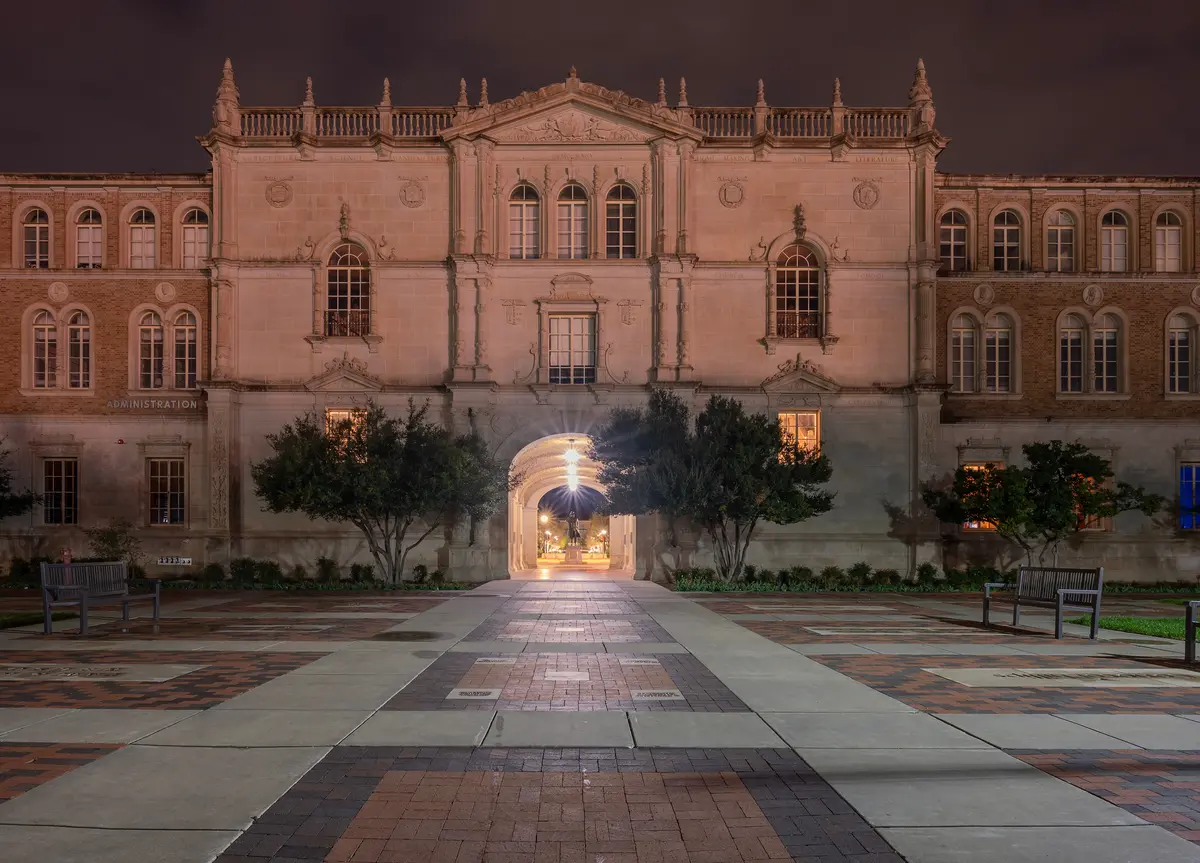
Flat, high, dry cotton and cattle country at the top of the state, anchored by two university cities. 3 cities including Lubbock, Amarillo, Plainview.
Explore all 3 Panhandle & South Plains cities →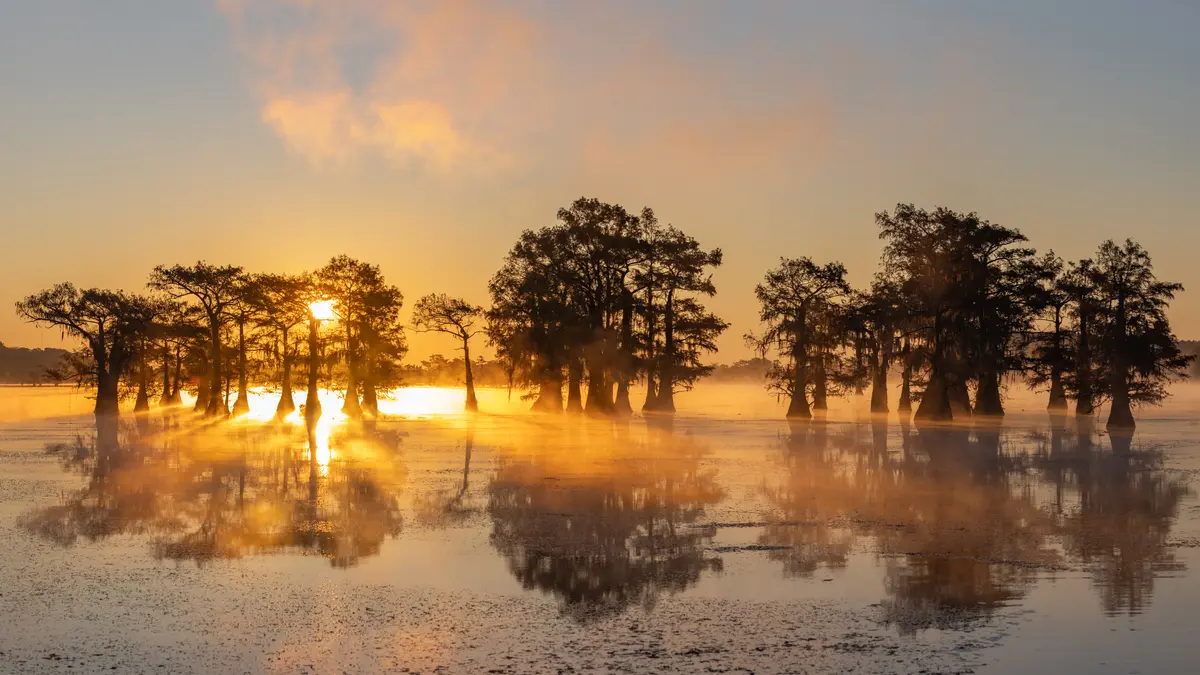
Refinery and shipping towns on the Louisiana line, where Texas starts to feel like the Deep South. 3 cities including Beaumont, Port Arthur, Port Neches.
Explore all 3 Golden Triangle cities →
Inland port cities and desert river towns along the stretch of border between the Valley and the Big Bend. 3 cities including Laredo, Del Rio, Eagle Pass.
Explore all 3 Southwest Border Country cities →
Independent small cities on the Red River plains, north and west of the Metroplex. 3 cities including Wichita Falls, Sherman, Denison.
Explore all 3 North Texas cities →Moving to Texas?
Tell us what you need help with and we'll connect you with local resources.
