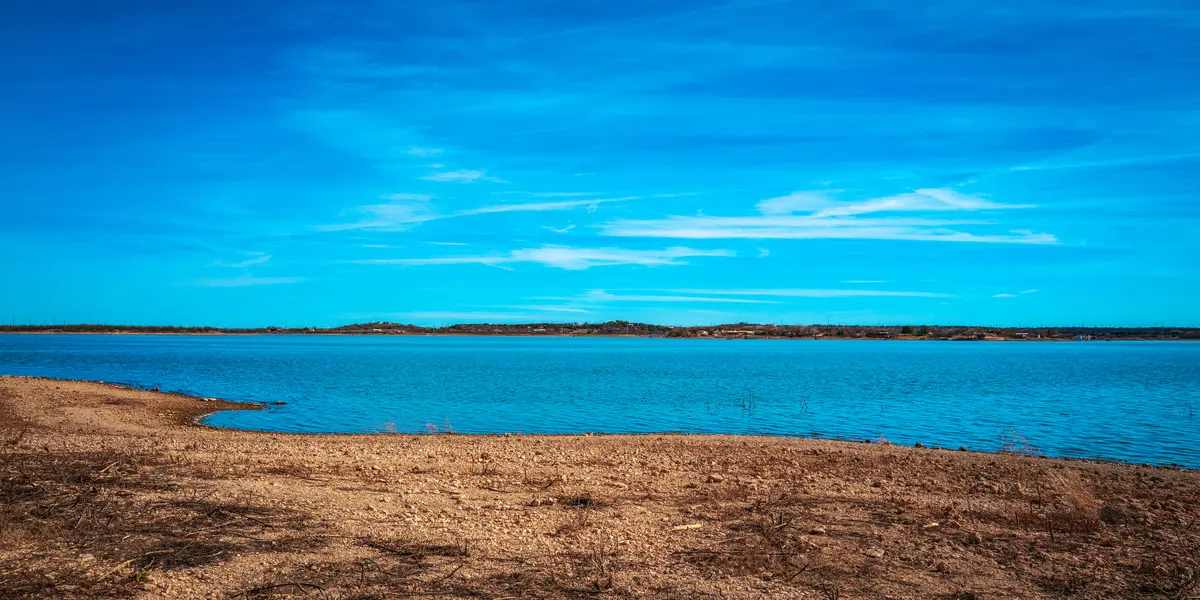
Is the Big Country a Good Place to Live?
Maybe you've been priced out of the Dallas-Fort Worth suburbs and someone said the Big Country is worth a serious look. Maybe your company is relocating you to Dyess Air Force Base or Goodfellow, and you're trying to figure out whether to buy or rent, and which side of town even makes sense. The honest tension here is the same one you'll feel the moment you drive in: the Big Country trades urban convenience for space, affordability, and a pace of life that either clicks immediately or never does. That trade-off is real, and this guide won't pretend otherwise.
What keeps people here — and increasingly draws them from the state's pricier corridors — is a combination of working military bases, anchor universities, regional healthcare systems, and a handful of manufacturers that together create actual job markets rather than bedroom-community dependence. Abilene and San Angelo are the two largest cities, each large enough to have genuine amenities yet small enough that a short commute is considered a long one. Stephenville runs on Tarleton State University and a cattle-country identity so central to Erath County that the city leans into the Cowboy Capital of the World label without any irony. Brownwood quietly hosts a cluster of national manufacturers alongside Howard Payne University. Mineral Wells is experiencing a slow resurgence anchored by a legendary hotel that sat vacant for decades. And Glen Rose sits at the edge of the region closest to the Metroplex, drawing people who want acreage and dinosaur tracks within a reasonable drive of Fort Worth.
Across the region, home prices sit well below what buyers face in the Hill Country, the Austin Metro, or Dallas-Fort Worth — and even below most of the middle tier of Texas regions. That affordability is the headline, but it comes with honest trade-offs: big-box retail, specialty medical care, and certain professional services often mean a drive. The cities below have genuinely different characters, different school districts, different employer mixes, and different buyer profiles. Lumping them together as 'West Texas small towns' misses what matters most when you're deciding where to sign a contract.
Whether you're choosing between Abilene and San Angelo, weighing the Metroplex edge appeal of Glen Rose against the deeper affordability of Brownwood, or just starting to research the region, the city profiles below break down each place on its own terms — neighborhoods, employers, landmarks, and what daily life actually looks like.
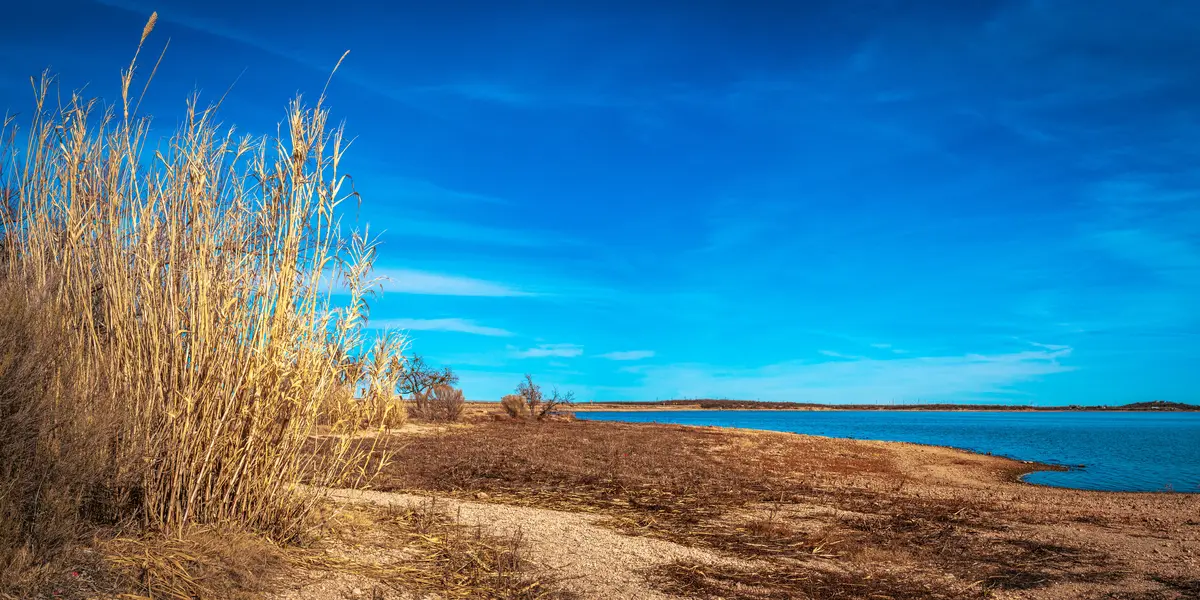
Explore All 6 Cities in the Big Country
Click into any city for the complete guide — neighborhoods, home prices, cost of living, pros & cons, schools, top employers, and mortgage help.
Abilene
Abilene is the commercial and cultural anchor of the Big Country, with Dyess Air Force Base, Hendrick Health, and three universities giving it an employment base that most cities its size in the region don't have. The Historic Paramount Theatre, Frontier Texas!, and the Abilene Zoo give it a cultural footprint that surprises people expecting a purely functional town. Priced near the middle of the region, it's the city most buyers pick when they want the widest range of options — in housing stock, in school districts, and in day-to-day amenities.
Full Abilene Guide →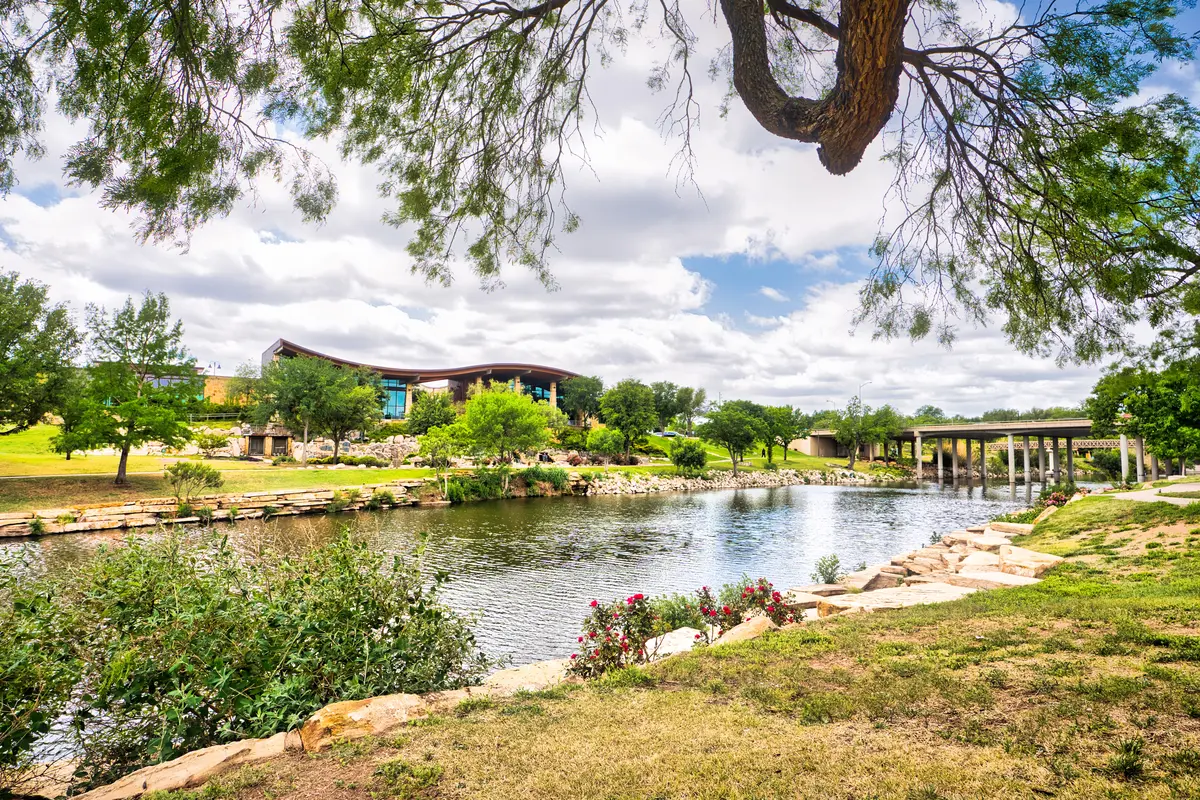
San Angelo
San Angelo earns its reputation as one of the most livable mid-size cities in Texas, built around the Concho River Walk, Fort Concho National Historic Landmark, and a genuine arts scene anchored by the San Angelo Museum of Fine Arts. Goodfellow Air Force Base and Shannon Health are the employment cornerstones, and Angelo State University keeps the population younger than you might expect. Like Abilene, it sits near the middle of the regional price range — giving buyers real purchasing power without sacrificing the amenities that make a city feel complete.
Full San Angelo Guide →
Stephenville
Stephenville's identity is inseparable from Tarleton State University and its deep-rooted cattle-country culture — the Cowboy Capital of the World label isn't marketing, it's a lived reality visible in the stockyards, the rodeo calendar, and the conversation at the coffee shop. It runs toward the pricier end of the Big Country, partly because it attracts buyers from the Metroplex looking for a slower pace without completely severing the connection to the broader region via US-67 and US-377. The historic Erath County Courthouse anchors a downtown that still functions as a civic center rather than a tourism prop.
Full Stephenville Guide →
Brownwood
Brownwood is toward the more affordable end of the Big Country, and it earns that position with more economic substance than the price tag suggests — 3M, Kohler, and Superior Essex Communications give it a manufacturing base that is unusual for a city its size, and a regional medical center provides healthcare without requiring a long drive. Lake Brownwood State Park and Riverside Park on Pecan Bayou are the outdoor draws that keep residents from feeling like they've traded too much for lower prices. Howard Payne University adds a small-college presence that softens the industrial edges and keeps certain parts of the city oriented around something other than shift work.
Full Brownwood Guide →
Mineral Wells
Mineral Wells is mid-range on price within the region and carries an identity unlike any other city in the Big Country — the Baker Hotel and Spa, long one of Texas's most storied abandoned landmarks, has been restored, and the Famous Mineral Water Company and Crazy Water traditions give the city a narrative that draws curious buyers who want something with history baked in. Lake Mineral Wells State Park and Trailway pulls hikers, mountain bikers, and equestrians from across the Metroplex on weekends, which tells you something about the city's recreational position relative to where much of Texas already lives. The employer base is thin compared to Abilene or San Angelo, so remote workers and commuter-tolerant buyers dominate the buyer pool.
Full Mineral Wells Guide →
Glen Rose
Glen Rose is the easternmost city in this region and the one with the tightest gravitational pull toward the Metroplex — which is both its appeal and its price driver, as it runs toward the pricier end of the Big Country. Dinosaur Valley State Park and Fossil Rim Wildlife Center are genuine destination landmarks, not local color, and the Comanche Peak Nuclear Power Plant is the city's largest employer in a way that surprises first-time researchers. Buyers here typically want acreage, a small-town school district, and proximity to Fort Worth without the Fort Worth price — and for a specific kind of household, Glen Rose delivers exactly that balance.
Full Glen Rose Guide →Compare Every City in Big Country
Full ranked breakdowns across every city in the region — scored and compared side by side.
Local Expert Takeaway: The Big Country rewards buyers who define what they actually need from a city before they shop — because Abilene's institutional depth, San Angelo's livability, Stephenville's university-town culture, Brownwood's manufacturing-economy affordability, Mineral Wells's resurgent heritage appeal, and Glen Rose's Metroplex-edge positioning are genuinely different answers to genuinely different questions.
Frequently Asked Questions
Which city in the Big Country makes the most sense for a military family?
Is the Big Country a realistic option if I'm relocating from Dallas-Fort Worth?
Which city is best for buyers who want affordability without sacrificing employment options?
What's the honest downside of living in the Big Country?
Are there cities in the Big Country that attract retirees, and what should retirees know?
Helpful Texas Resources
Explore Other Texas Regions
the Big Country is one of 17 distinct regions that make up Texas. Each has its own climate, character, and housing market — explore them all.
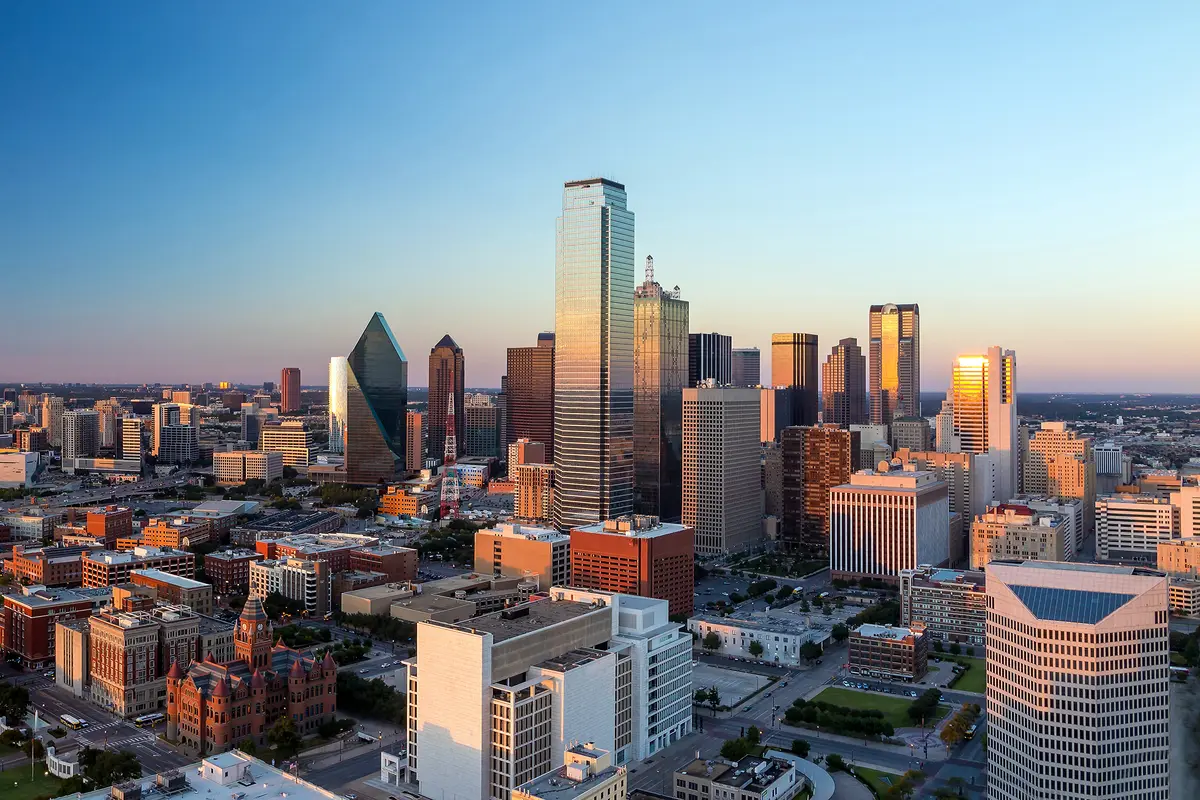
Two downtowns and the whole sweep of suburbs between and around them, from the Collin County job corridor to the ranch country west of Fort Worth. 71 cities including Dallas, Fort Worth, Arlington.
Explore all 71 Dallas-Fort Worth cities →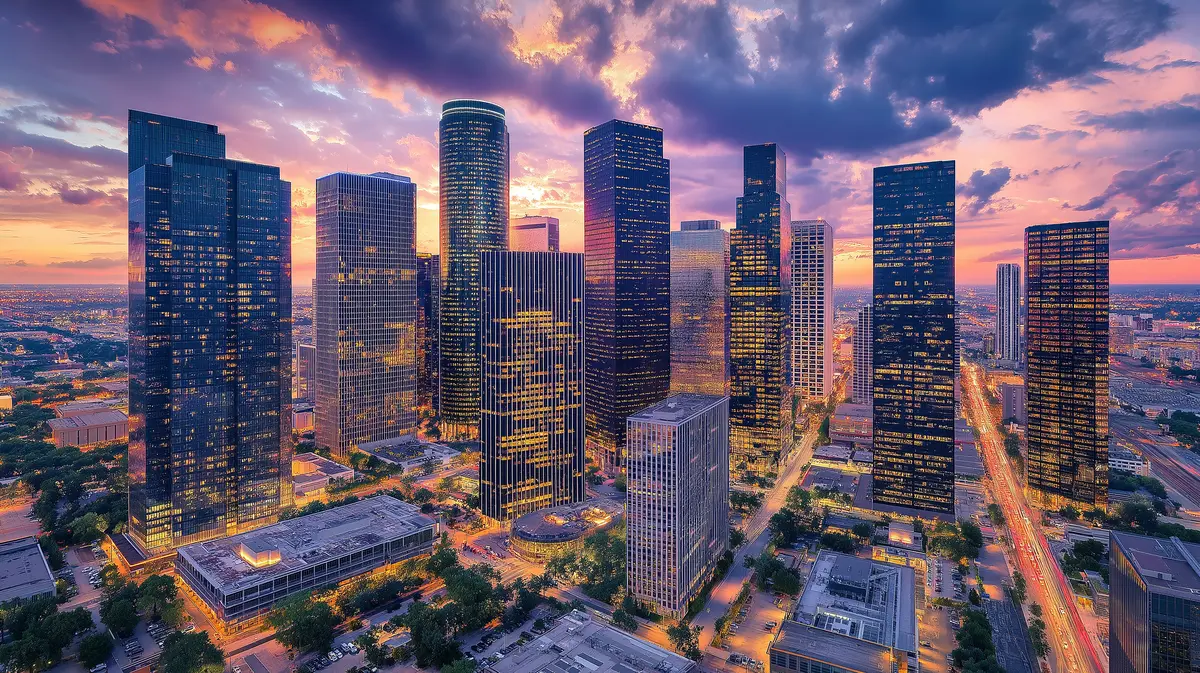
The energy capital and the ring of master-planned communities, bayou suburbs and bay towns that grew up around it. 45 cities including Houston, Cypress, Klein.
Explore all 45 Greater Houston cities →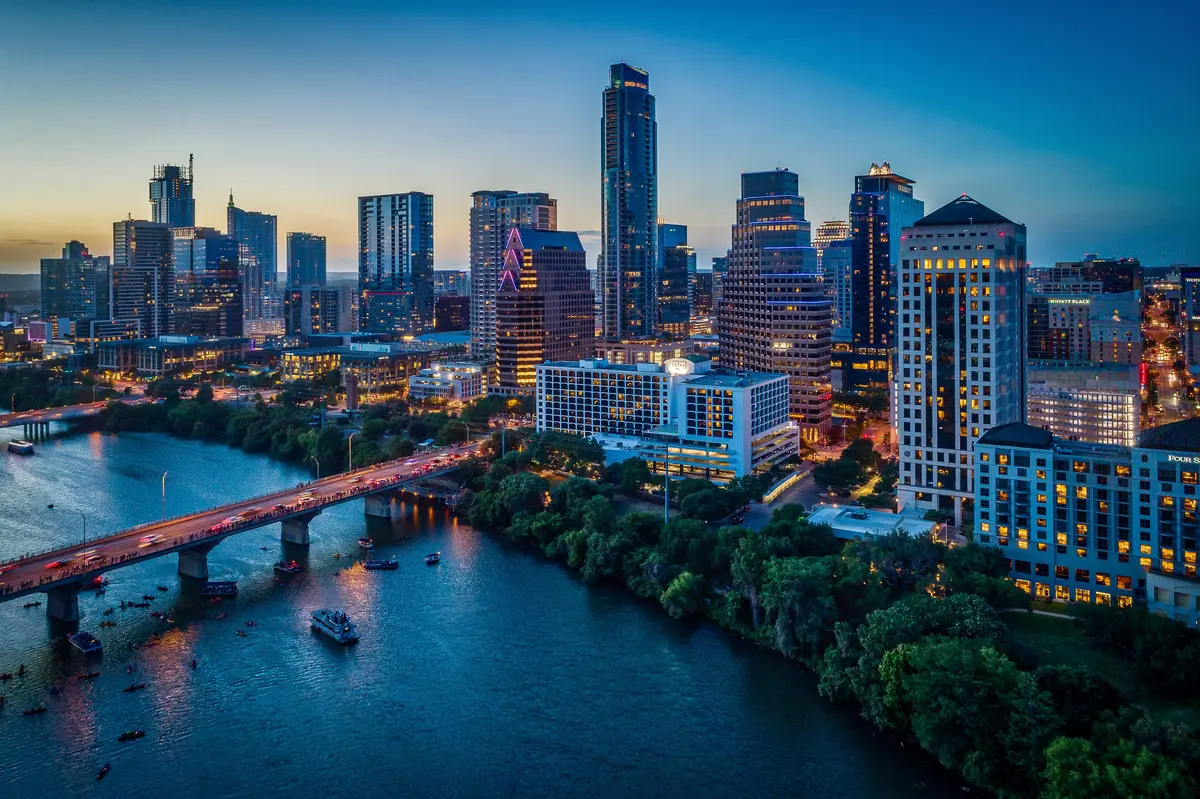
The state capital and the fast-growing corridor of suburbs running north and south of it along the interstate, out into the Colorado River hills. 21 cities including Austin, Round Rock, Georgetown.
Explore all 21 Austin Metro cities →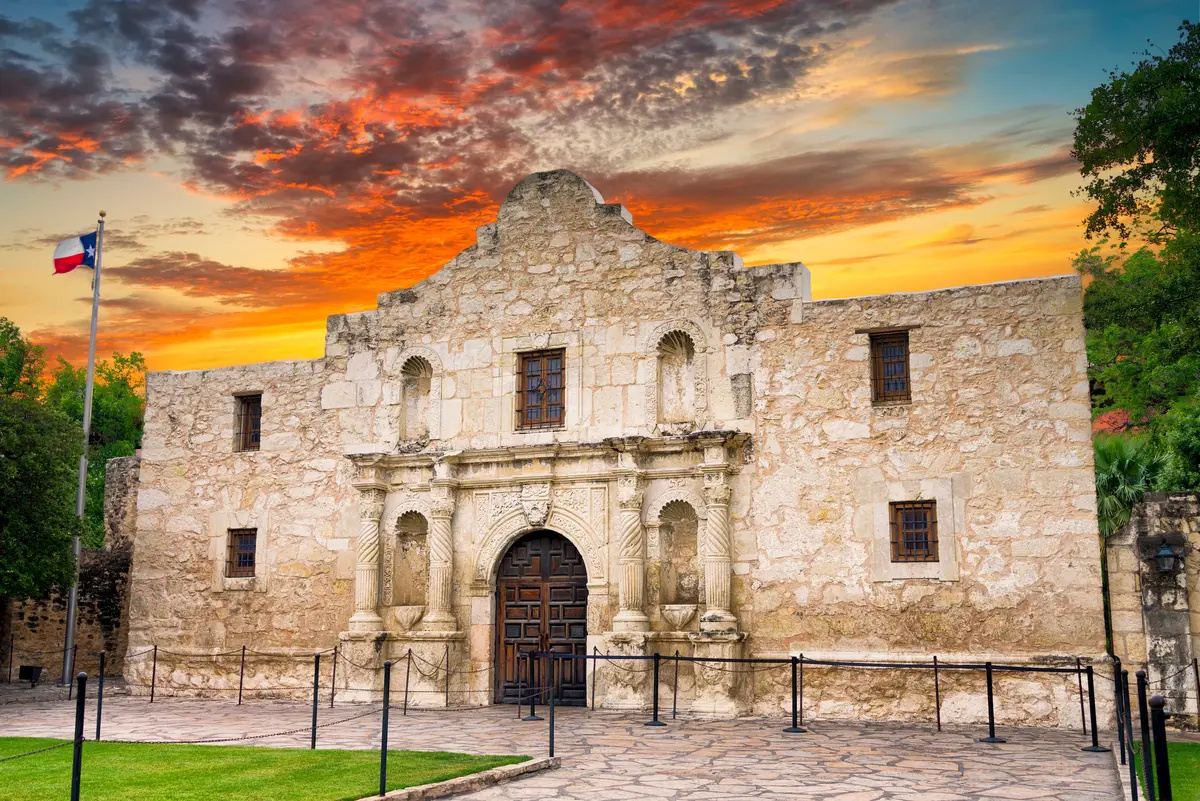
A deep-rooted Spanish colonial city ringed by military bases and the suburbs climbing north toward the Balcones Escarpment. 15 cities including San Antonio, New Braunfels, Schertz.
Explore all 15 San Antonio Metro cities →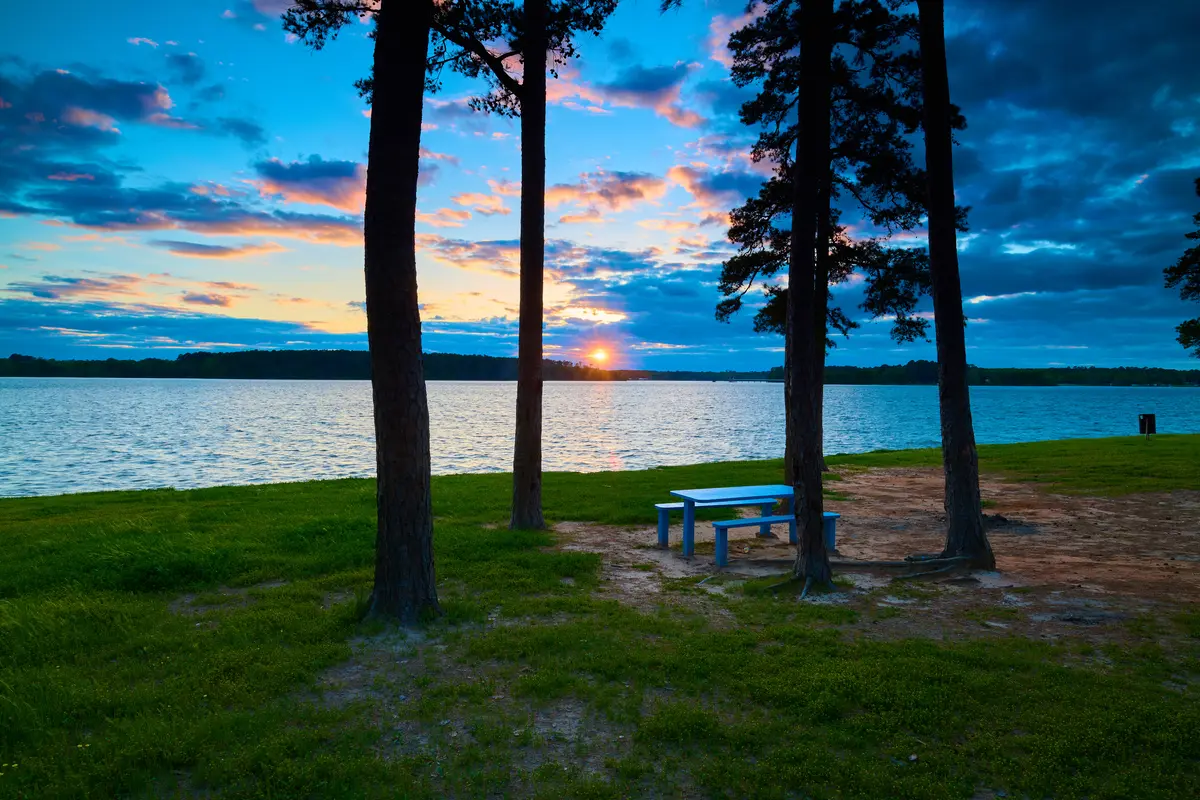
Pine forest, lakes and old county-seat towns across the wettest, greenest corner of the state. 13 cities including Tyler, Longview, Huntsville.
Explore all 13 East Texas cities →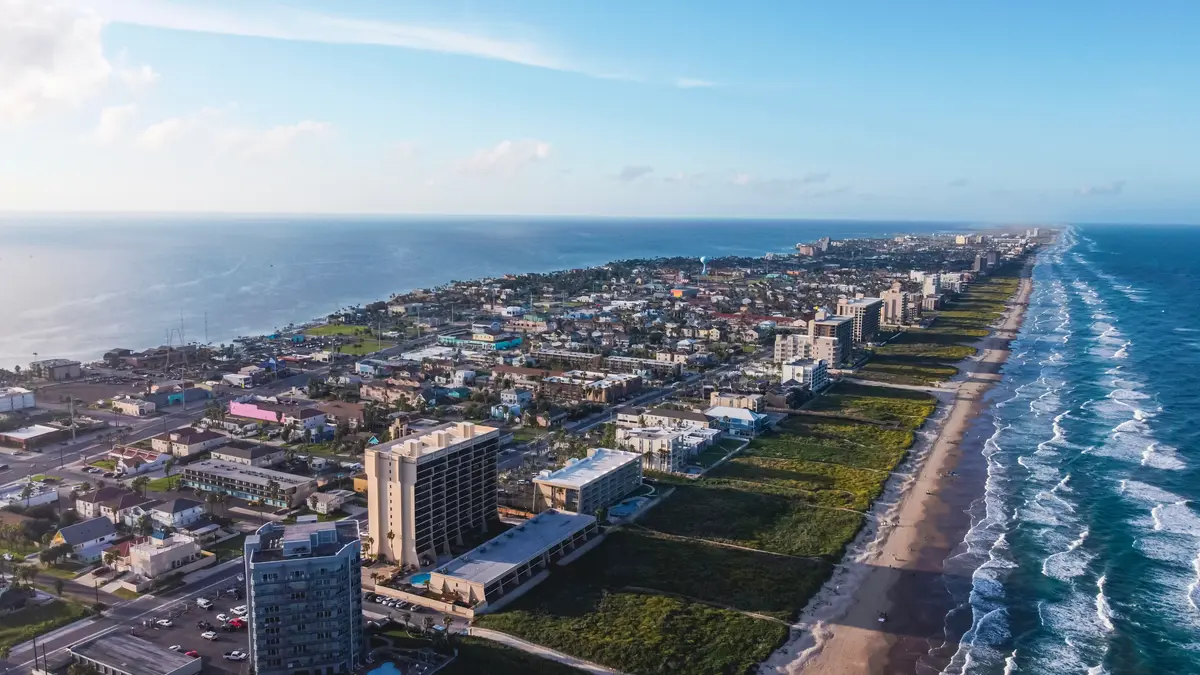
A bilingual, subtropical stretch of border cities and citrus country running from the river out to the Gulf beaches. 11 cities including Brownsville, McAllen, Edinburg.
Explore all 11 Rio Grande Valley cities →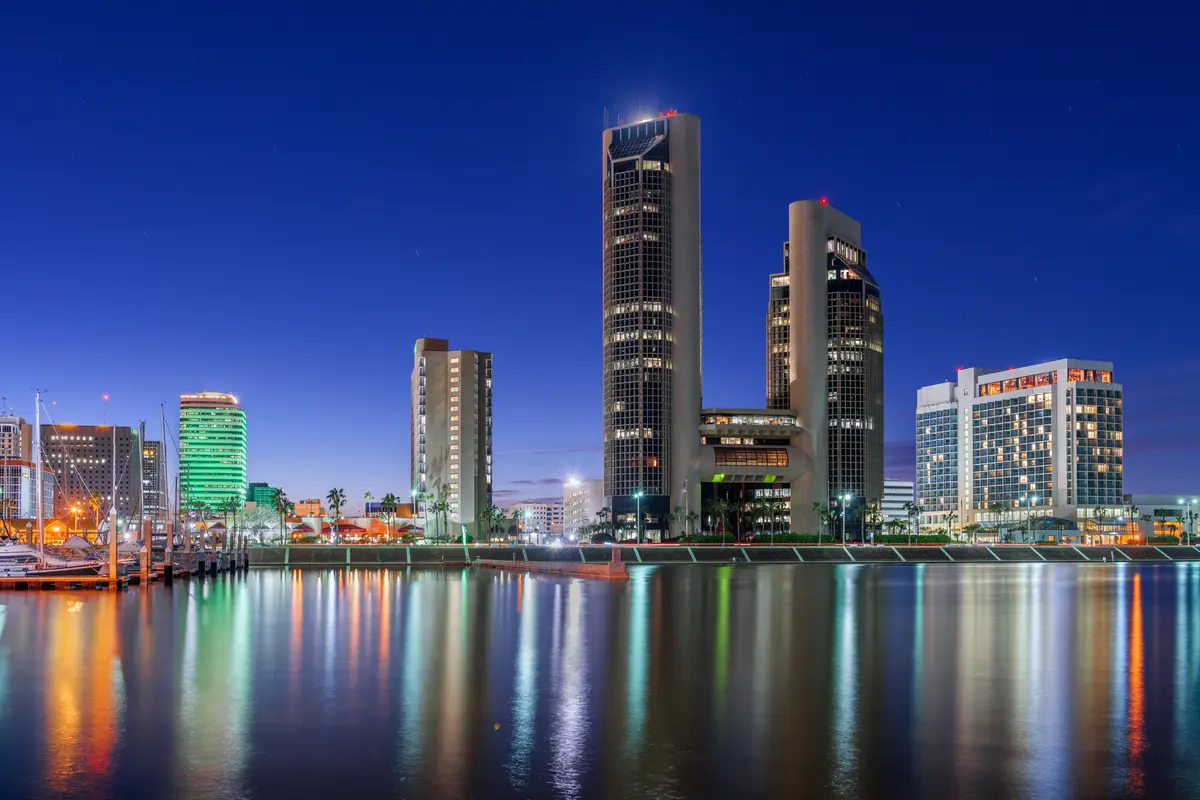
Bay-front cities, refinery towns and barrier-island beaches where the Gulf coast turns south. 7 cities including Corpus Christi, Victoria, Kingsville.
Explore all 7 Coastal Bend cities →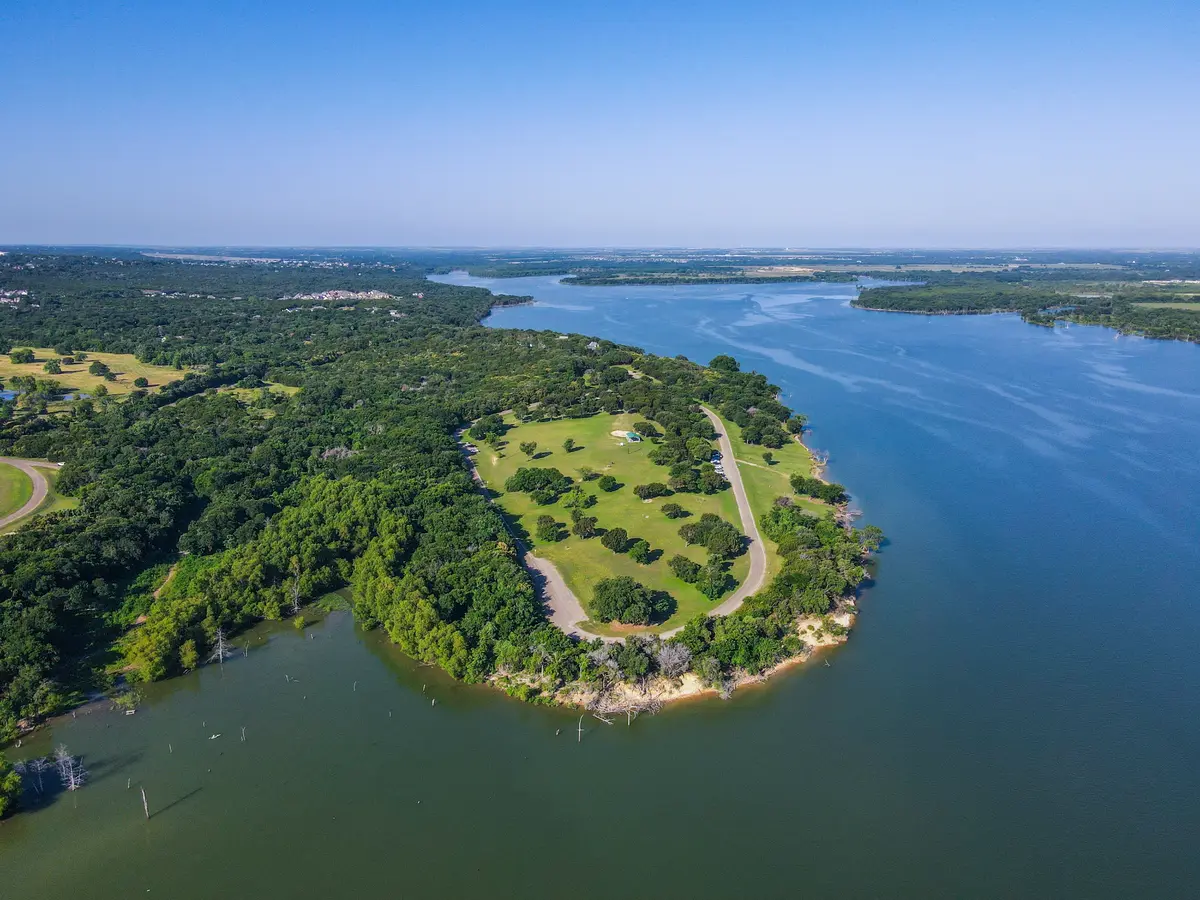
University, hospital and Army-post towns strung along the interstate between the two biggest metros. 6 cities including Killeen, Waco, Temple.
Explore all 6 Waco-Killeen-Temple cities →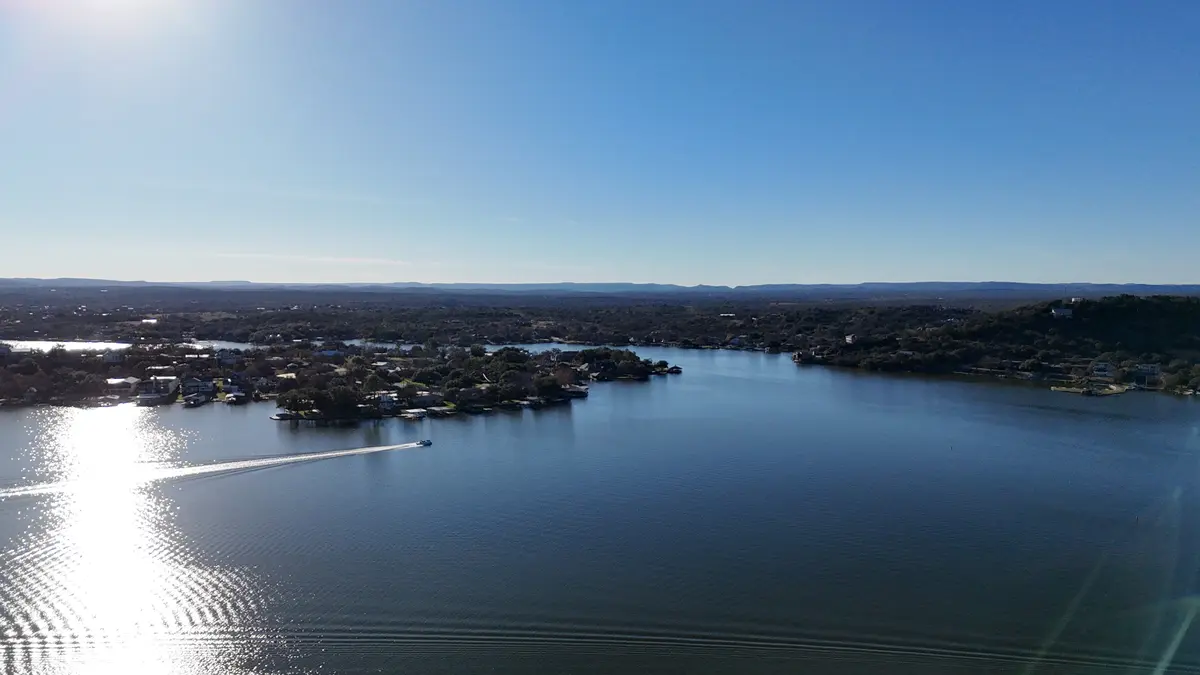
Limestone hills, spring-fed rivers, German heritage towns and the wineries that followed them. 5 cities including Kerrville, Uvalde, Fredericksburg.
Explore all 5 Hill Country cities →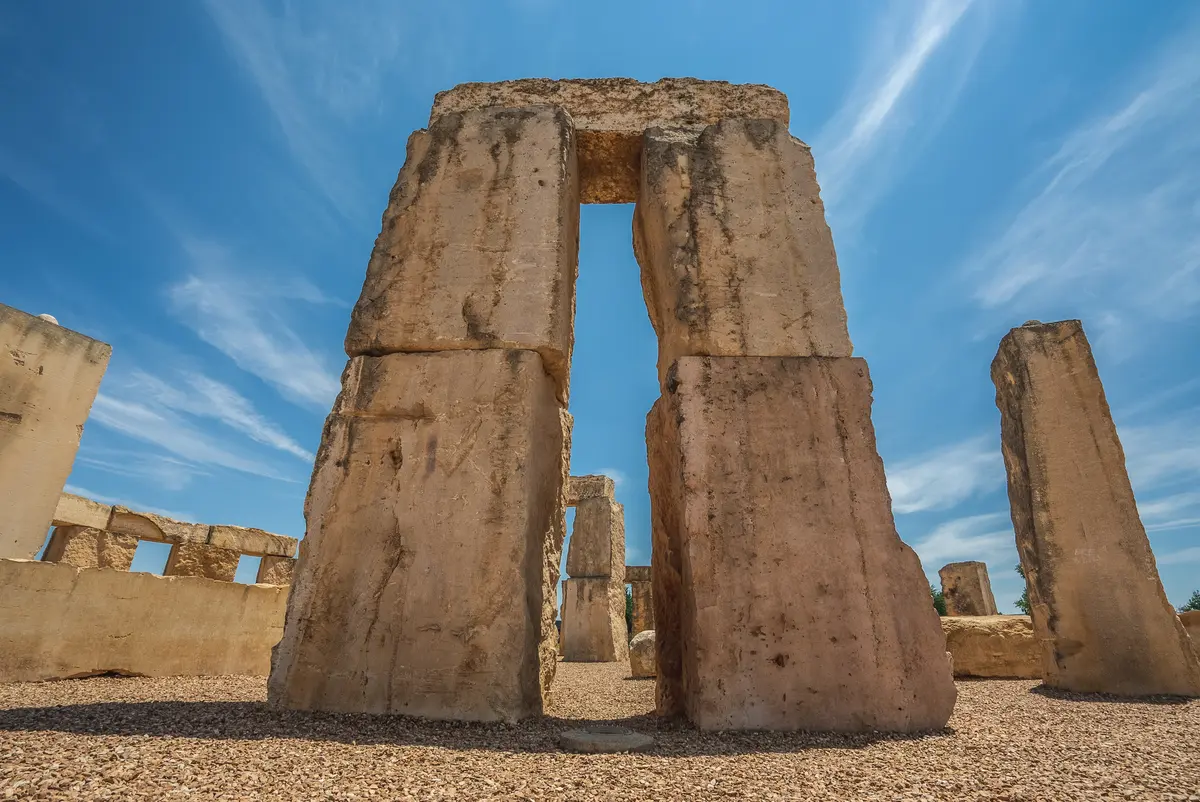
The oilfield cities of far West Texas, where the pay is high and the horizon is wide open. 4 cities including Midland, Odessa, Big Spring.
Explore all 4 Permian Basin cities →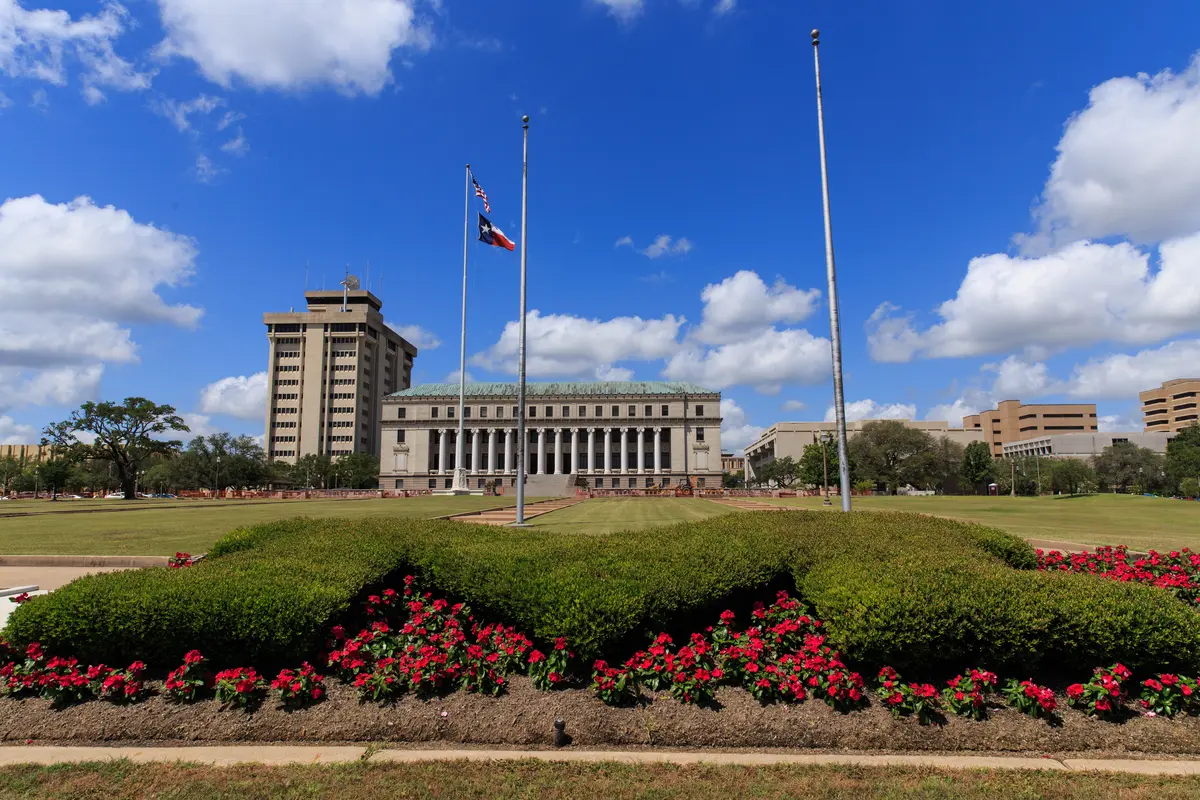
A university-driven pocket of Central Texas surrounded by river-bottom farmland and historic German and Czech settlements. 4 cities including College Station, Bryan, Brenham.
Explore all 4 Brazos Valley cities →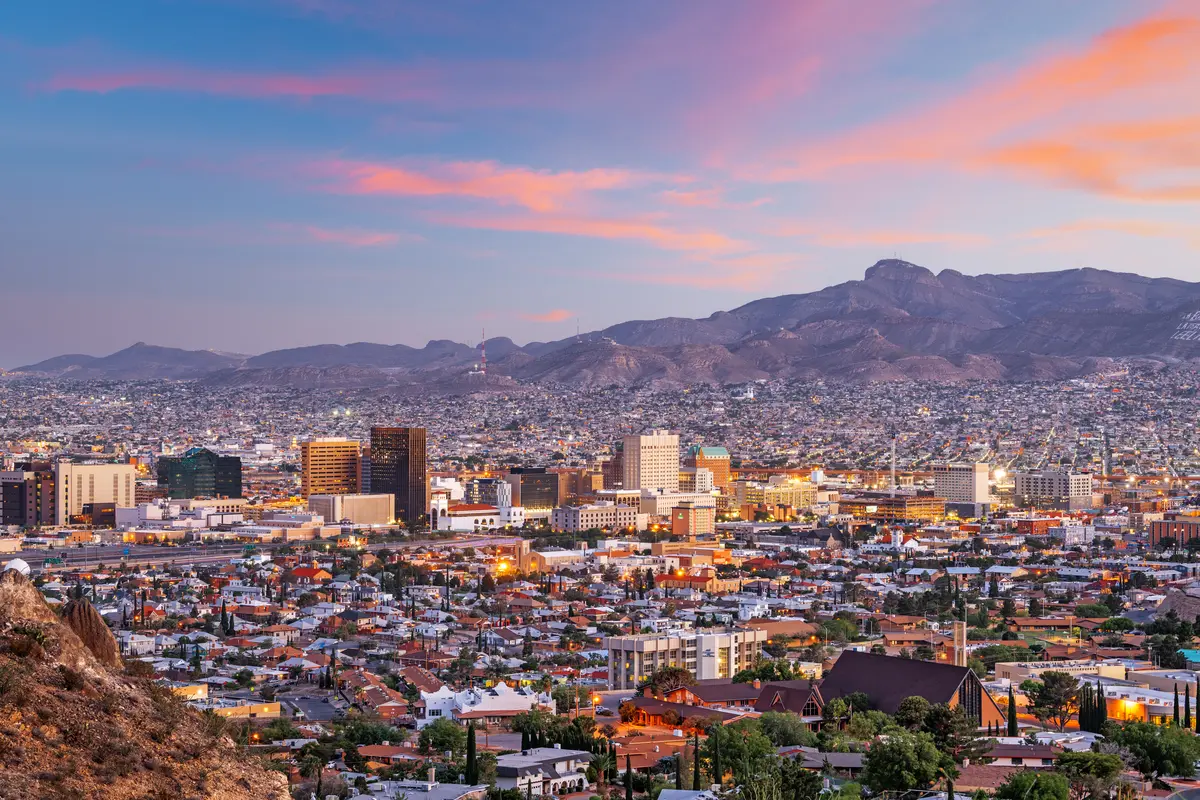
A high-desert border city in the far western corner of the state, closer to three other capitals than to its own. 4 cities including El Paso, Socorro, Horizon City.
Explore all 4 El Paso Borderplex cities →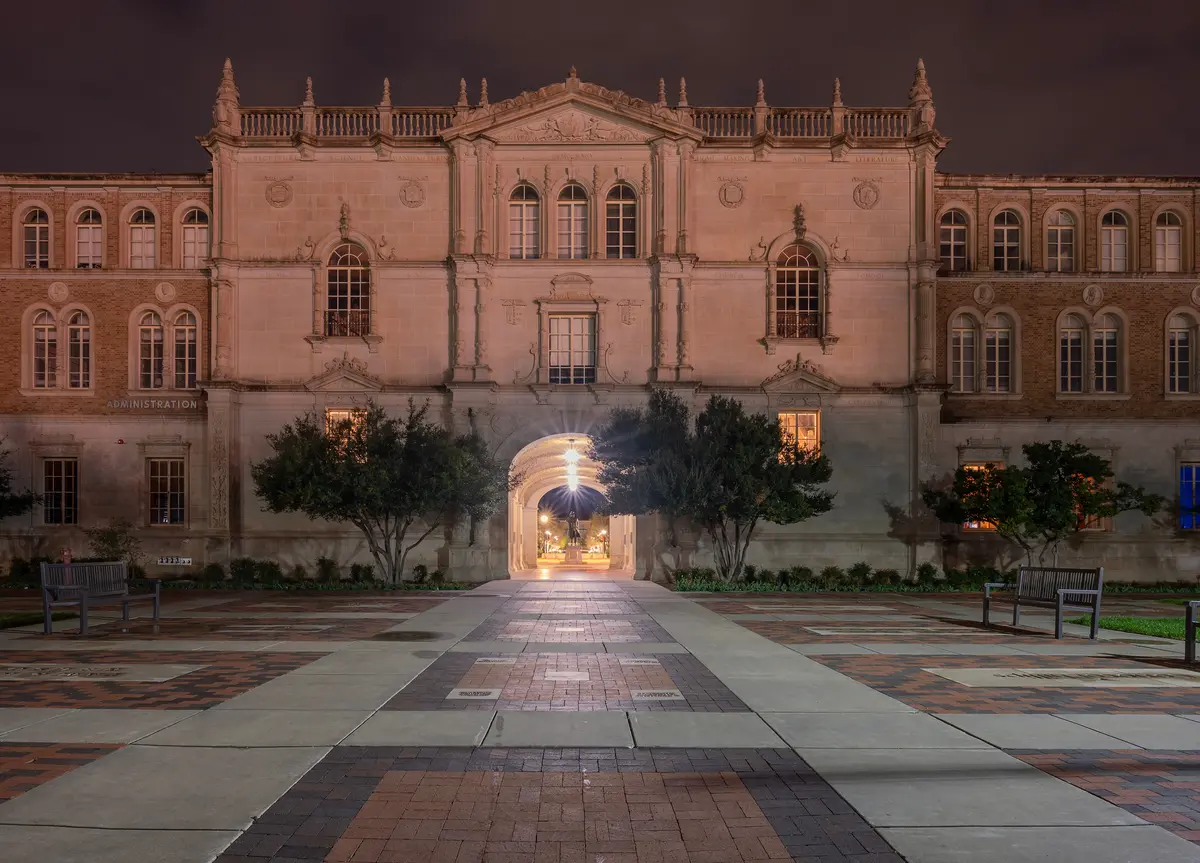
Flat, high, dry cotton and cattle country at the top of the state, anchored by two university cities. 3 cities including Lubbock, Amarillo, Plainview.
Explore all 3 Panhandle & South Plains cities →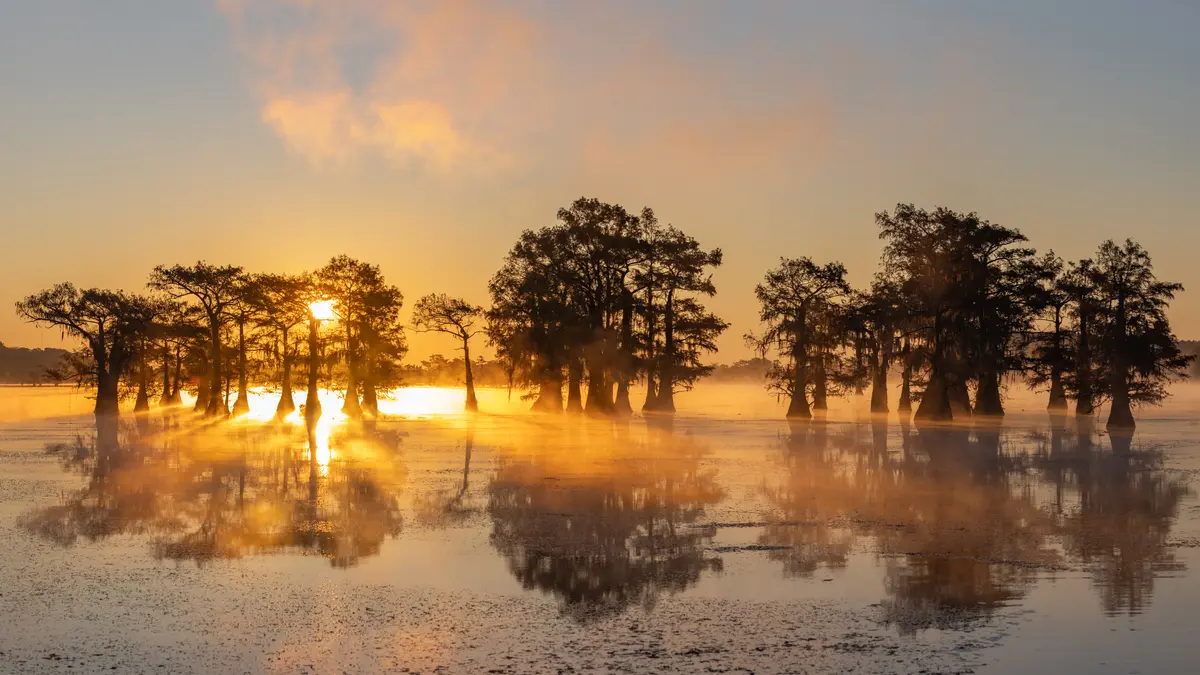
Refinery and shipping towns on the Louisiana line, where Texas starts to feel like the Deep South. 3 cities including Beaumont, Port Arthur, Port Neches.
Explore all 3 Golden Triangle cities →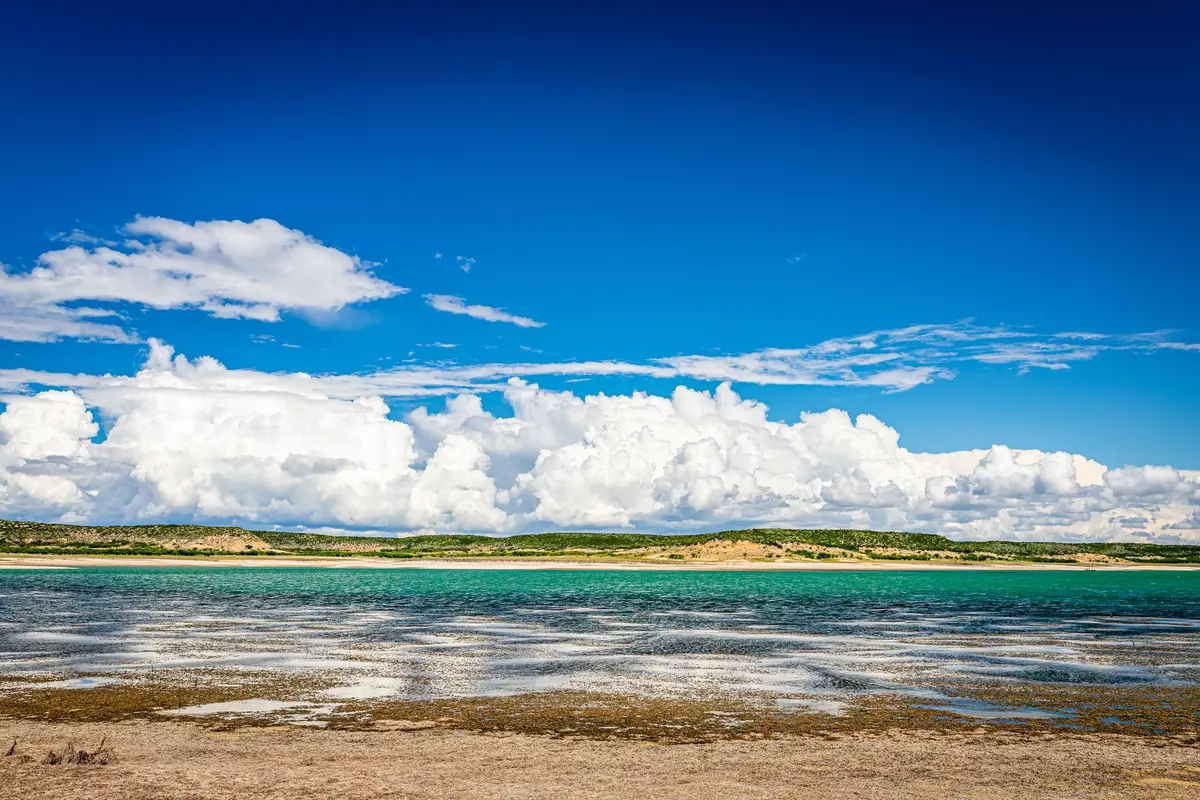
Inland port cities and desert river towns along the stretch of border between the Valley and the Big Bend. 3 cities including Laredo, Del Rio, Eagle Pass.
Explore all 3 Southwest Border Country cities →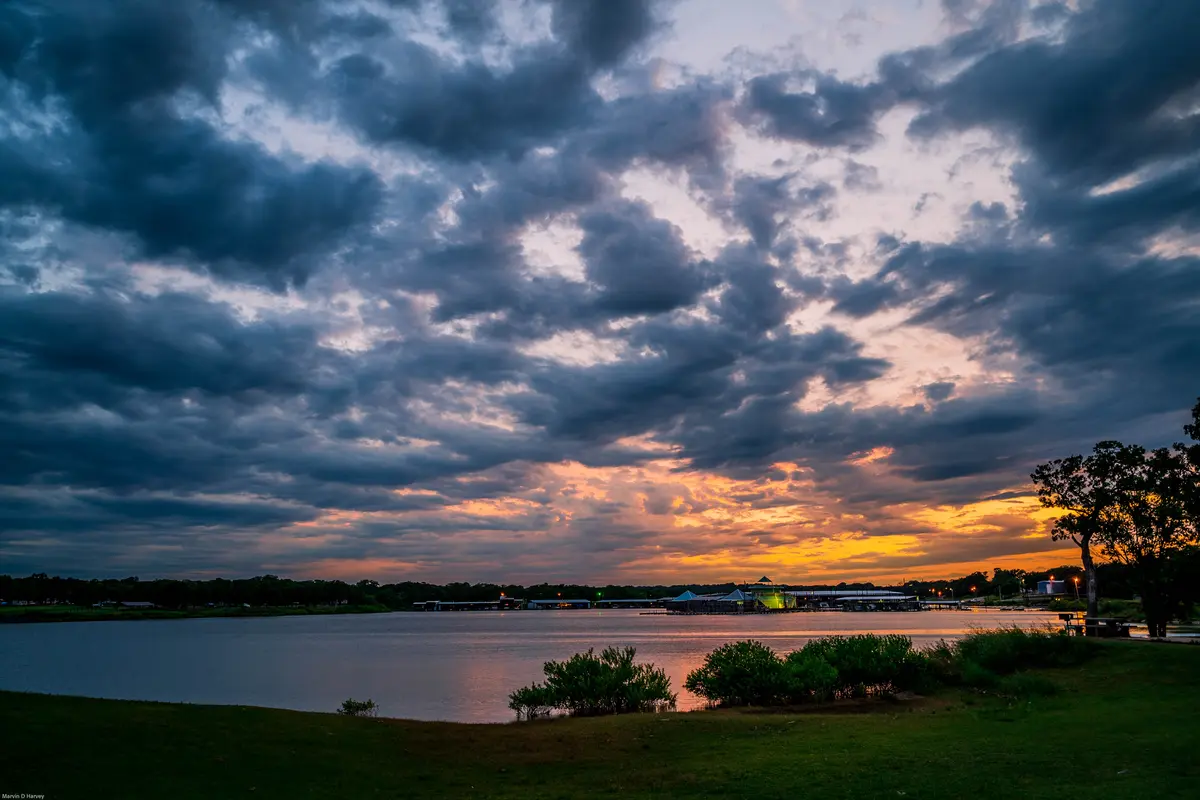
Independent small cities on the Red River plains, north and west of the Metroplex. 3 cities including Wichita Falls, Sherman, Denison.
Explore all 3 North Texas cities →Moving to Texas?
Tell us what you need help with and we'll connect you with local resources.
