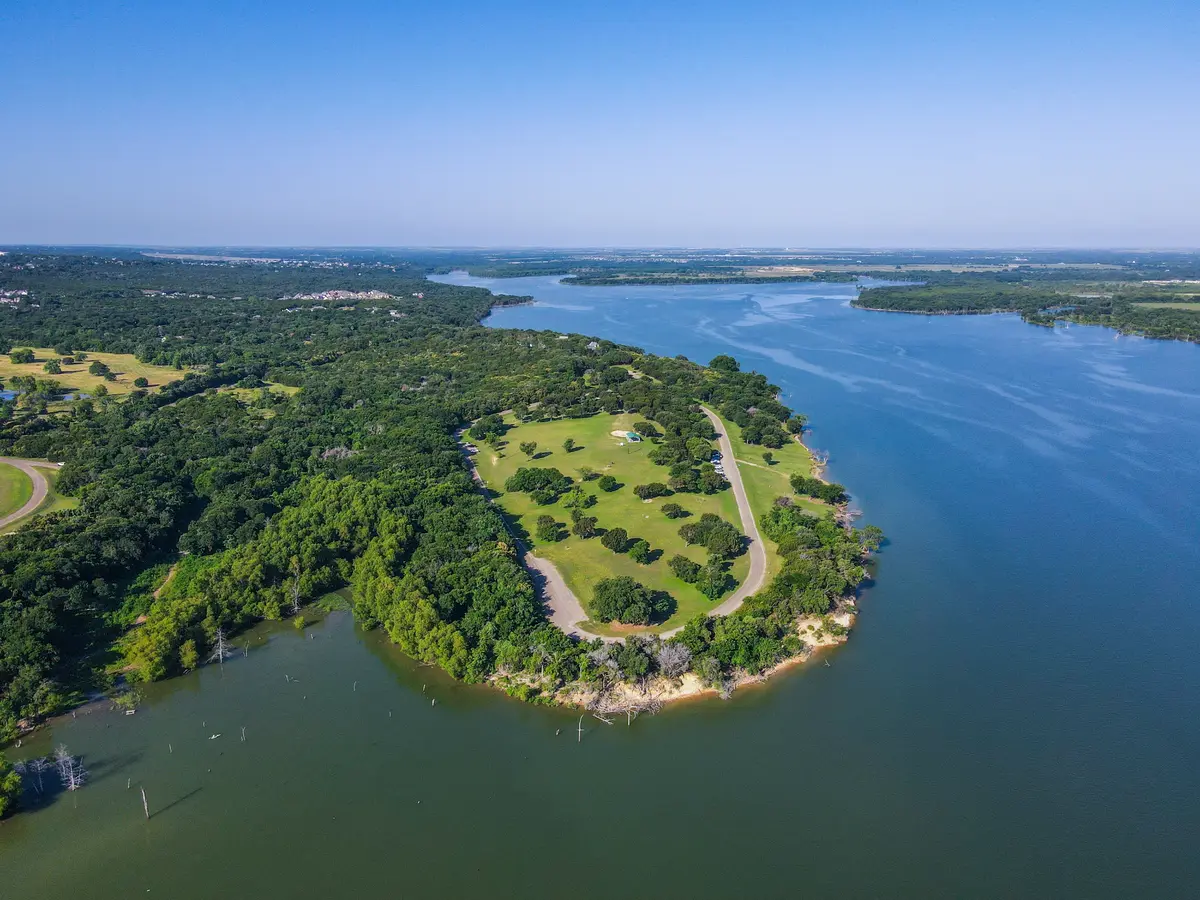
Is the Waco-Killeen-Temple Corridor a Good Place to Live?
Maybe you're being transferred to Fort Cavazos and someone handed you a list of zip codes without explaining the difference between them. Maybe you've been priced out of the Austin Metro and a colleague mentioned Waco as a place where you can actually own a house. Maybe you drove I-35 through this stretch of central Texas and wondered why you've never seriously considered it. The honest answer is that the Waco-Killeen-Temple Corridor sits in an interesting middle position — more affordable than what lies to the south and the east, offering real cities with real employers, but without the amenity density or the name recognition that draws most of the state's relocation conversation.
What holds these cities together is less a shared identity than a shared geography and a set of interlocking economies. Fort Cavazos anchors the military cluster at the corridor's western edge, making military households the single largest driver of demand in that part of the region. Waco runs on a different engine — Baylor University gives it a college-city character that the other towns lack, and landmarks like Magnolia Market at the Silos and the Waco Mammoth National Monument pull visitors who sometimes decide to stay. Temple sits between the two as a logistics and healthcare hub, with McLane Company, H-E-B Distribution, and Baylor Scott & White Health all operating at significant scale. Gatesville, the smallest city here, runs on corrections employment and small-town Central Texas rhythms that the larger cities in the corridor have largely left behind.
On price, the corridor lands below the Austin Metro, Dallas-Fort Worth, and Greater Houston, and is broadly comparable to — though generally a touch below — the San Antonio Metro. That positioning matters most to buyers arriving from the major metros: what felt like a starter home budget elsewhere can reach a solid four-bedroom here. The trade-off is real, though. Some parts of the corridor, particularly around Fort Cavazos, carry the transience that comes with a military-dependent economy — neighbors rotate out every few years, and some neighborhoods reflect that in their upkeep. Waco has more civic permanence, but it also has the income inequality and infrastructure challenges that come with a university city still working through its own growth story.
Whether you're weighing a PCS move, following a job offer to Temple, or simply trying to find somewhere between Austin and Dallas that you can actually afford, the cities below break down each community's neighborhoods, employers, local character, and what daily life genuinely looks like from the inside.
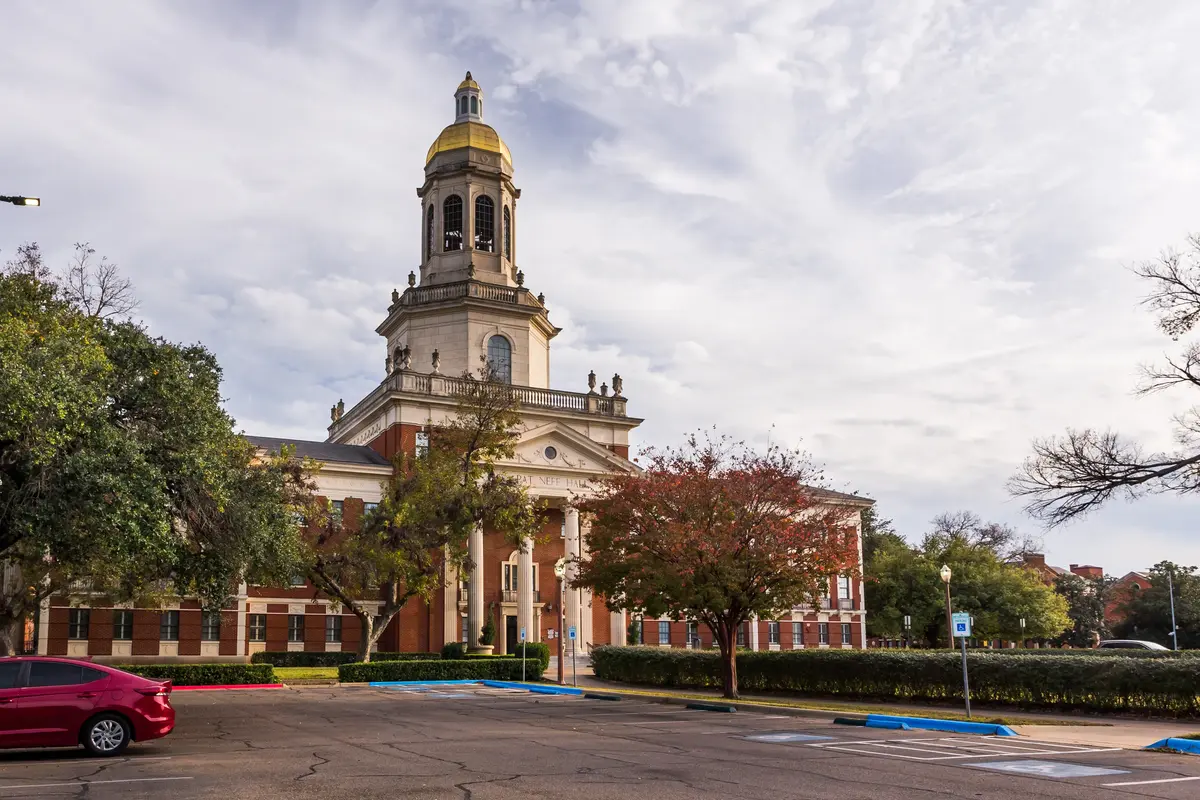
Explore All 6 Cities in the Waco-Killeen-Temple Corridor
Click into any city for the complete guide — neighborhoods, home prices, cost of living, pros & cons, schools, top employers, and mortgage help.

Killeen
Killeen is one of the state's larger cities, and Fort Cavazos — one of the largest military installations in the country — shapes nearly everything about it: the housing market, the school enrollment cycles, the restaurant turnover, and the transient energy that long-term residents either make peace with or eventually leave over. The city has real amenities, including Vive les Arts Theatre and Stonetree Golf Club, and a housing market that sits near the middle of the corridor on price. Best for military families on PCS orders, buyers who want the most housing for their dollar in a city with real infrastructure, and anyone whose job or career is tied directly to the installation.
Full Killeen Guide →
Waco
Waco is the corridor's most recognizable city, and the one most likely to surprise you once you're actually living in it rather than visiting the Magnolia Market at the Silos or the Cameron Park Zoo on a weekend trip. Baylor University gives it a college-city rhythm — events, arts, a genuine downtown — and employers like L3Harris Technologies and Ascension Providence add a professional base that most cities this size in central Texas don't have. Home prices here sit toward the more affordable end of the corridor, which makes it the easiest entry point for buyers relocating from a more expensive part of the state. Best for buyers who want urban texture without urban prices, Baylor-affiliated households, and anyone drawn to a city still actively figuring out its own growth.
Full Waco Guide →
Temple
Temple punches above its mid-size classification on the employment side — Baylor Scott & White Health, McLane Company, and H-E-B Distribution together create a job base that is unusually stable and recession-resistant for a city of its scale. The neighborhoods around Canyon Creek, Bella Terra, and Wyndham Hill have drawn buyers who want newer construction and quieter streets while staying close to I-35 for the occasional Austin or Waco run. Prices here sit near the middle of the corridor, which means Temple often attracts households priced out of Harker Heights but wanting something quieter than Killeen. Best for healthcare workers, logistics professionals, and families who want stability and newer housing stock without paying the Harker Heights premium.
Full Temple Guide →
Copperas Cove
Copperas Cove sits just outside Fort Cavazos and functions as a quieter, slightly more affordable alternative to Killeen for military families who want more of a small-city feel without giving up proximity to the installation. The neighborhoods spread across a hilly terrain — Creekside Hills, Skyline Ridge, and the aptly named Skyline Flats carry the kinds of names that match their actual topography — and Ogletree Gap gives residents a genuine outdoor anchor. Home prices here are near the middle of the corridor. Best for military families wanting a lower-key residential feel than Killeen, remote workers who want affordable Central Texas hill country character, and buyers drawn to I-14 and US-190 access without Killeen's full-city density.
Full Copperas Cove Guide →
Harker Heights
Harker Heights is the corridor's residential overachiever — a mid-size city that has positioned itself as the quieter, more polished neighbor to Killeen, with parks like Purser Family Park and Harker Heights Community Park giving it a genuine civic feel. Prices here sit toward the pricier end of the corridor, and that premium reflects real differences in neighborhood upkeep, school reputation within Killeen ISD, and the sense that residents are staying rather than rotating through. A local medical center adds a healthcare anchor that makes the city feel more self-contained than its size might suggest. Best for military families who've decided to plant roots rather than keep moving, buyers who want Killeen-area access with a more stable neighborhood feel, and households willing to pay a corridor premium for that stability.
Full Harker Heights Guide →- Is Harker Heights Safe? A Data-Backed Look
- Cost of Living in Harker Heights
- Best Neighborhoods in Harker Heights
- Schools in Harker Heights: A Family Guide
- Parks & Recreation in Harker Heights
- Retiring in Harker Heights
- First-Time Homebuyer's Guide to Harker Heights
- Moving to Harker Heights from California
Gatesville
Gatesville is the corridor's outlier — a small city in Coryell County where the Texas Department of Criminal Justice is the dominant employer and the pace of life reflects that economic reality more than anything else. The Coryell County Courthouse anchors a genuine small-town downtown, and the Last Drive-In Picture Show is the kind of local landmark that tells you everything about what this place values. Home prices sit near the middle of the corridor in absolute terms, but Gatesville's appeal is less about price competition with the larger cities and more about the buyers who genuinely want a small Central Texas town with no pretense of being anything else. Best for corrections and county government employees, buyers fleeing urban density entirely, and households where someone has deep roots in this specific corner of Central Texas.
Full Gatesville Guide →Compare Every City in Waco-Killeen-Temple
Full ranked breakdowns across every city in the region — scored and compared side by side.
Local Expert Takeaway: The Waco-Killeen-Temple Corridor rewards buyers who do their homework on which city matches their employer, lifestyle, and tolerance for a community's particular trade-offs — because Waco, Temple, Killeen, and Gatesville are genuinely different places that happen to share a corridor, not interchangeable suburbs of a single metro.
Frequently Asked Questions
Which city in the Waco-Killeen-Temple Corridor is the best fit for a military family on a PCS move?
How does the Waco-Killeen-Temple Corridor compare to the Austin Metro for someone being priced out?
Is Waco actually a good place to live, or is it just good to visit?
What is the job market like in the corridor if you are not in the military or at Baylor?
Which city in the corridor is best for someone who wants to avoid the military-base economy entirely?
Helpful Texas Resources
Explore Other Texas Regions
the Waco-Killeen-Temple Corridor is one of 17 distinct regions that make up Texas. Each has its own climate, character, and housing market — explore them all.
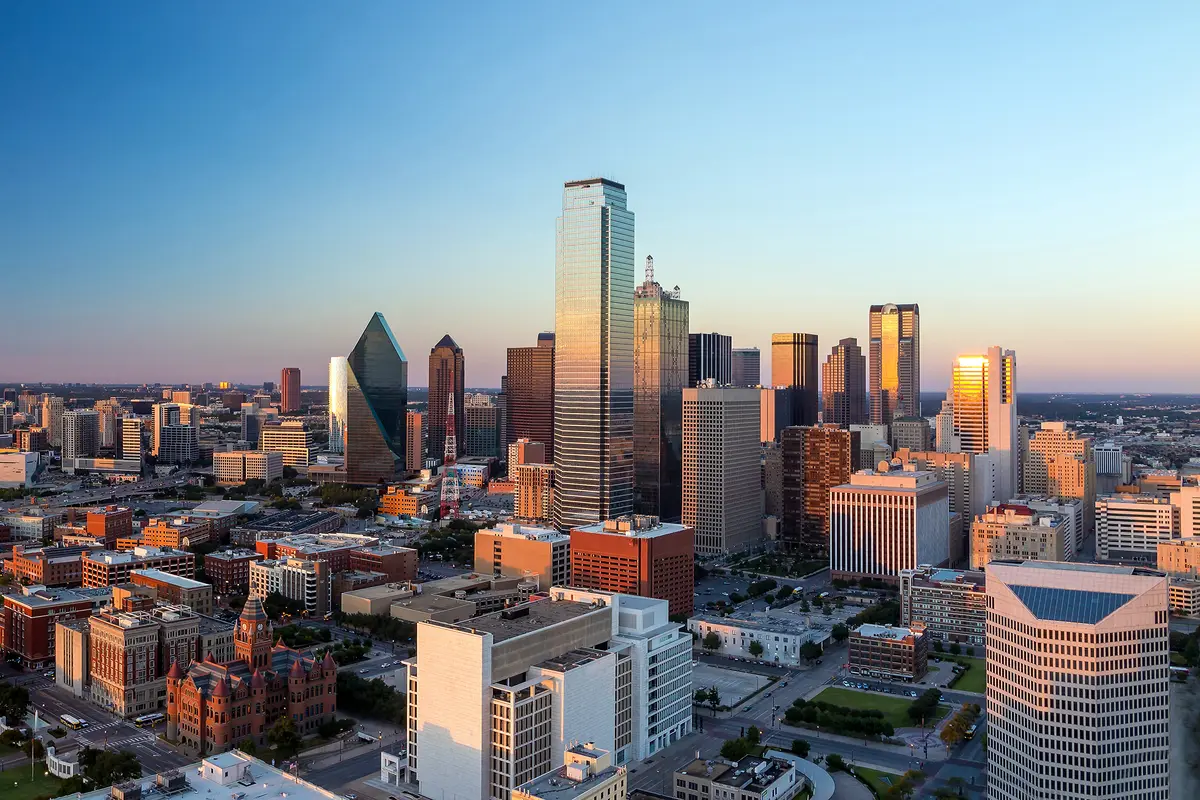
Two downtowns and the whole sweep of suburbs between and around them, from the Collin County job corridor to the ranch country west of Fort Worth. 71 cities including Dallas, Fort Worth, Arlington.
Explore all 71 Dallas-Fort Worth cities →
The energy capital and the ring of master-planned communities, bayou suburbs and bay towns that grew up around it. 45 cities including Houston, Cypress, Klein.
Explore all 45 Greater Houston cities →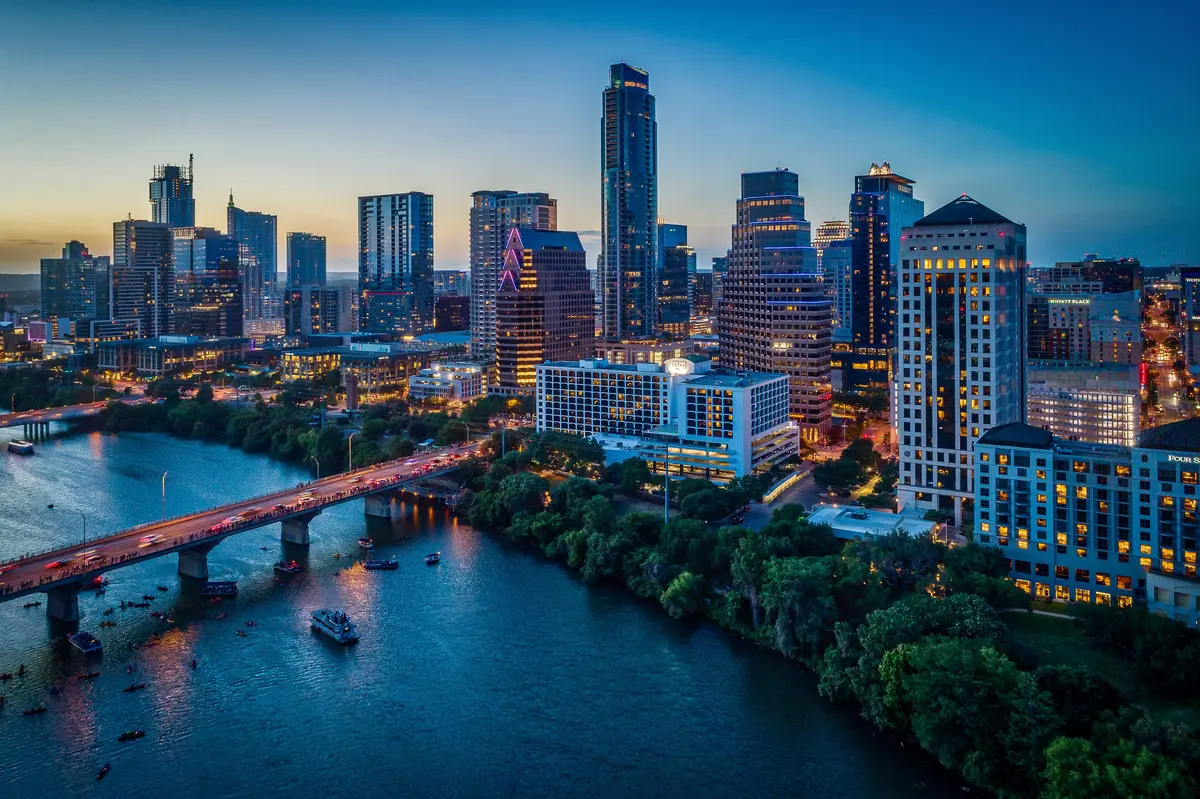
The state capital and the fast-growing corridor of suburbs running north and south of it along the interstate, out into the Colorado River hills. 21 cities including Austin, Round Rock, Georgetown.
Explore all 21 Austin Metro cities →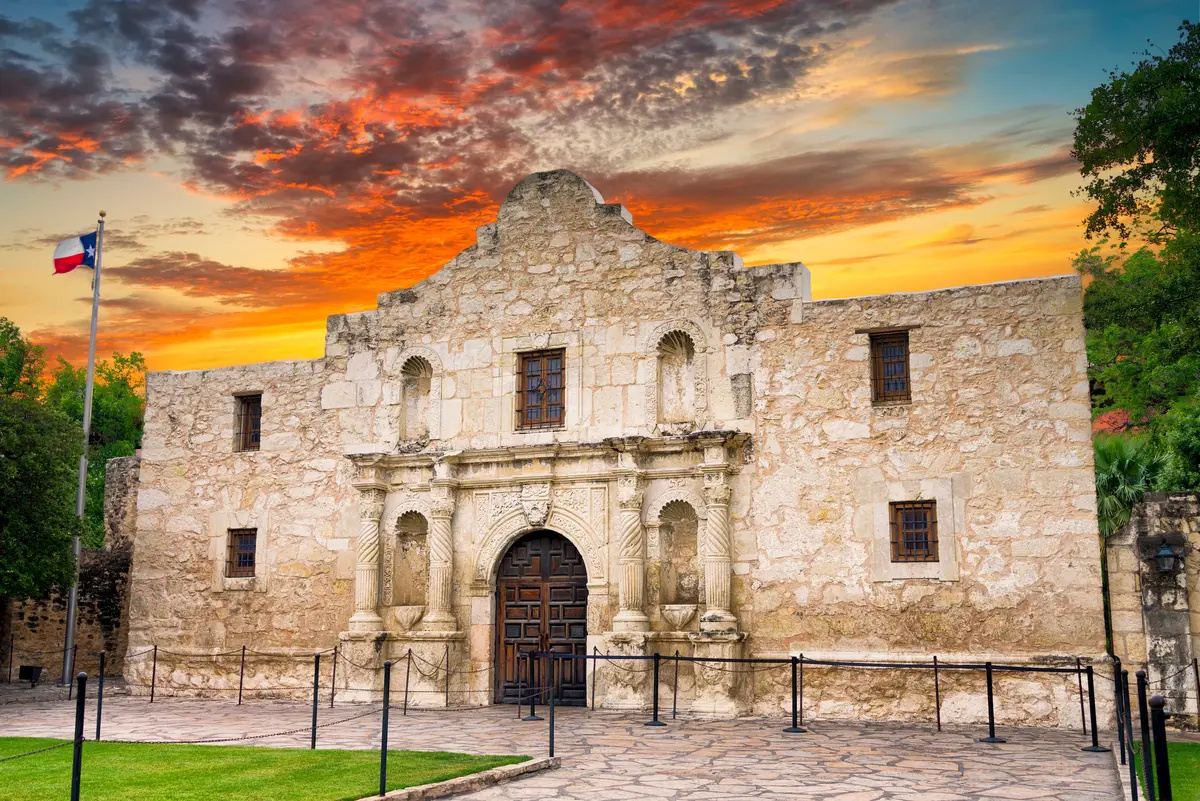
A deep-rooted Spanish colonial city ringed by military bases and the suburbs climbing north toward the Balcones Escarpment. 15 cities including San Antonio, New Braunfels, Schertz.
Explore all 15 San Antonio Metro cities →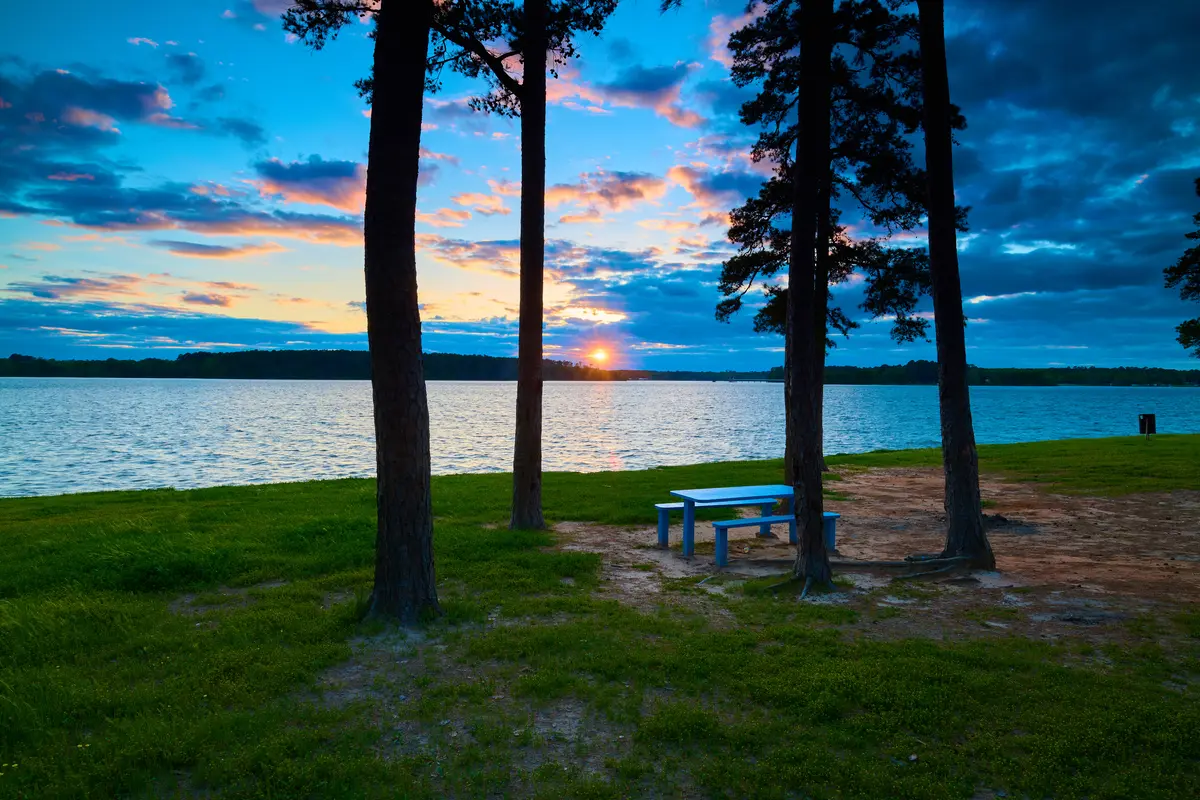
Pine forest, lakes and old county-seat towns across the wettest, greenest corner of the state. 13 cities including Tyler, Longview, Huntsville.
Explore all 13 East Texas cities →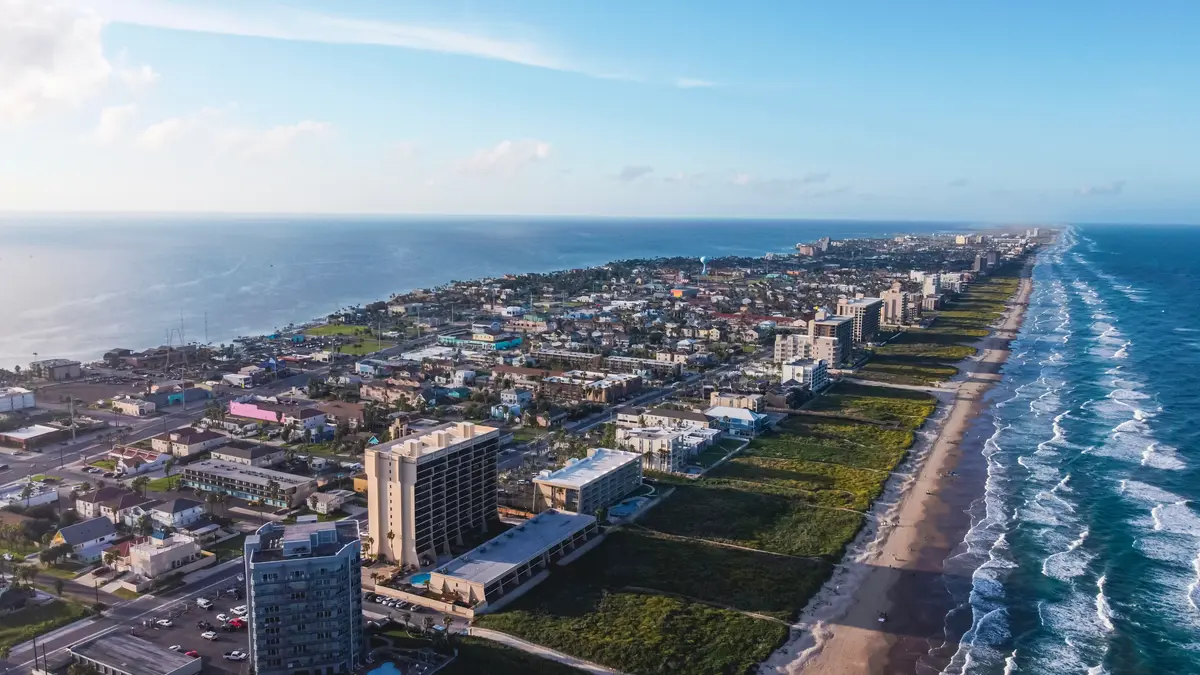
A bilingual, subtropical stretch of border cities and citrus country running from the river out to the Gulf beaches. 11 cities including Brownsville, McAllen, Edinburg.
Explore all 11 Rio Grande Valley cities →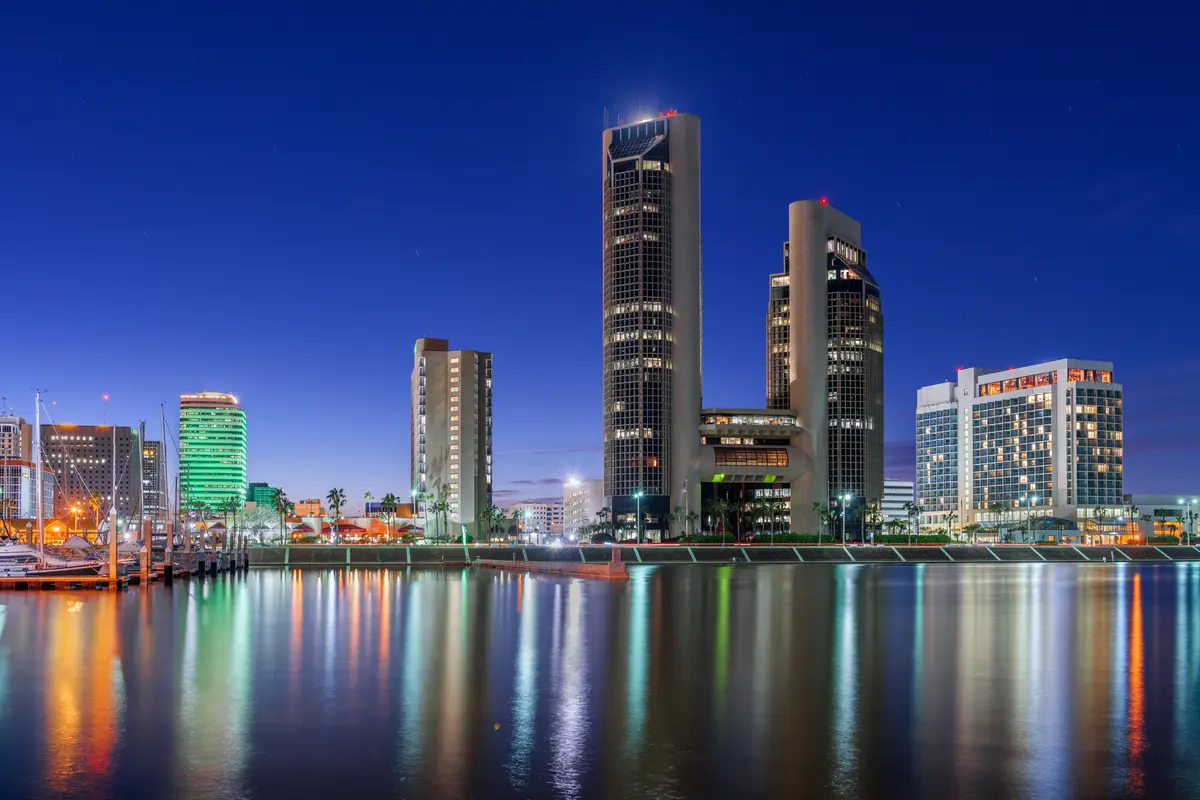
Bay-front cities, refinery towns and barrier-island beaches where the Gulf coast turns south. 7 cities including Corpus Christi, Victoria, Kingsville.
Explore all 7 Coastal Bend cities →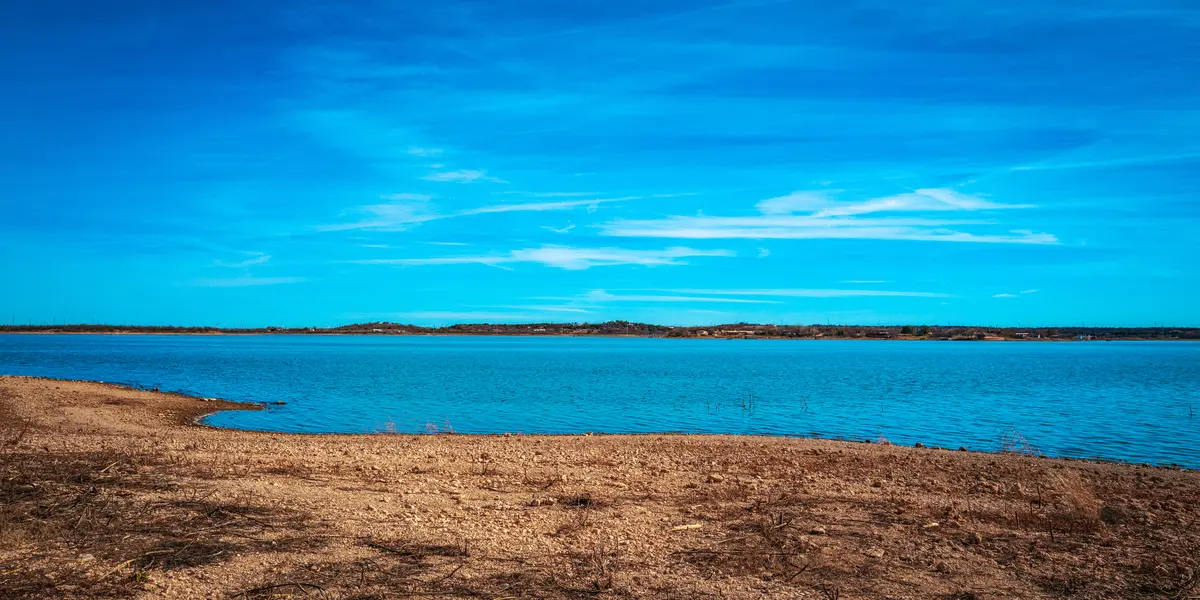
Ranching and university towns spread across the rolling plains of west central Texas. 6 cities including Abilene, San Angelo, Stephenville.
Explore all 6 Big Country cities →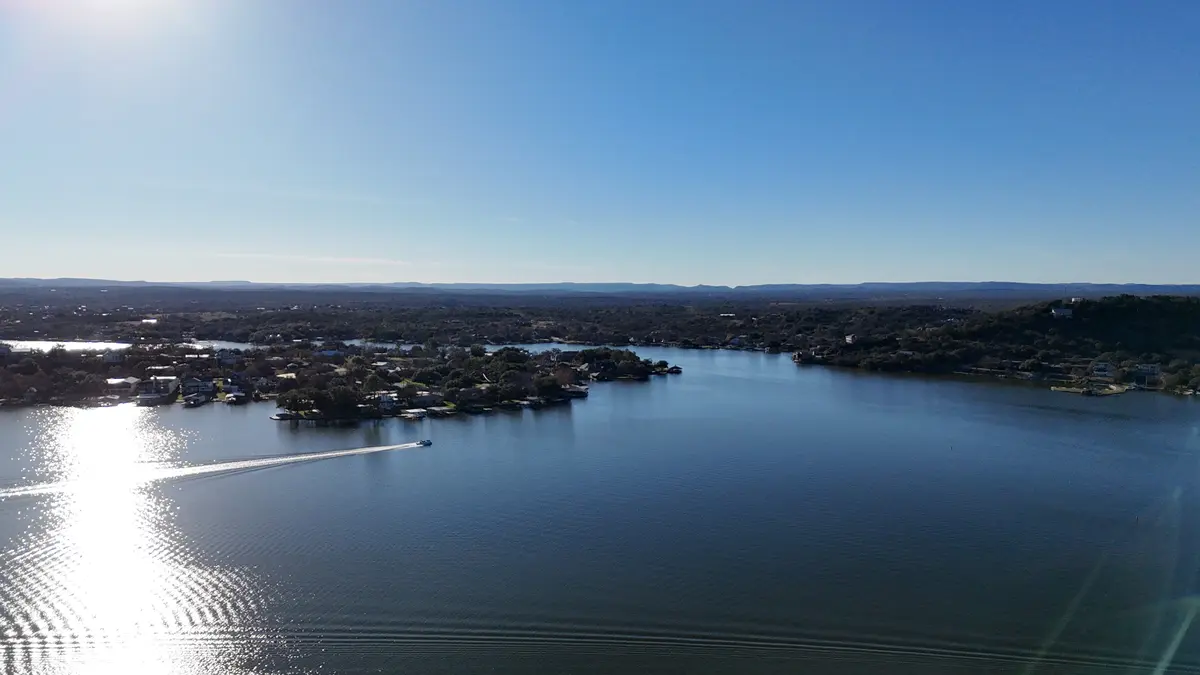
Limestone hills, spring-fed rivers, German heritage towns and the wineries that followed them. 5 cities including Kerrville, Uvalde, Fredericksburg.
Explore all 5 Hill Country cities →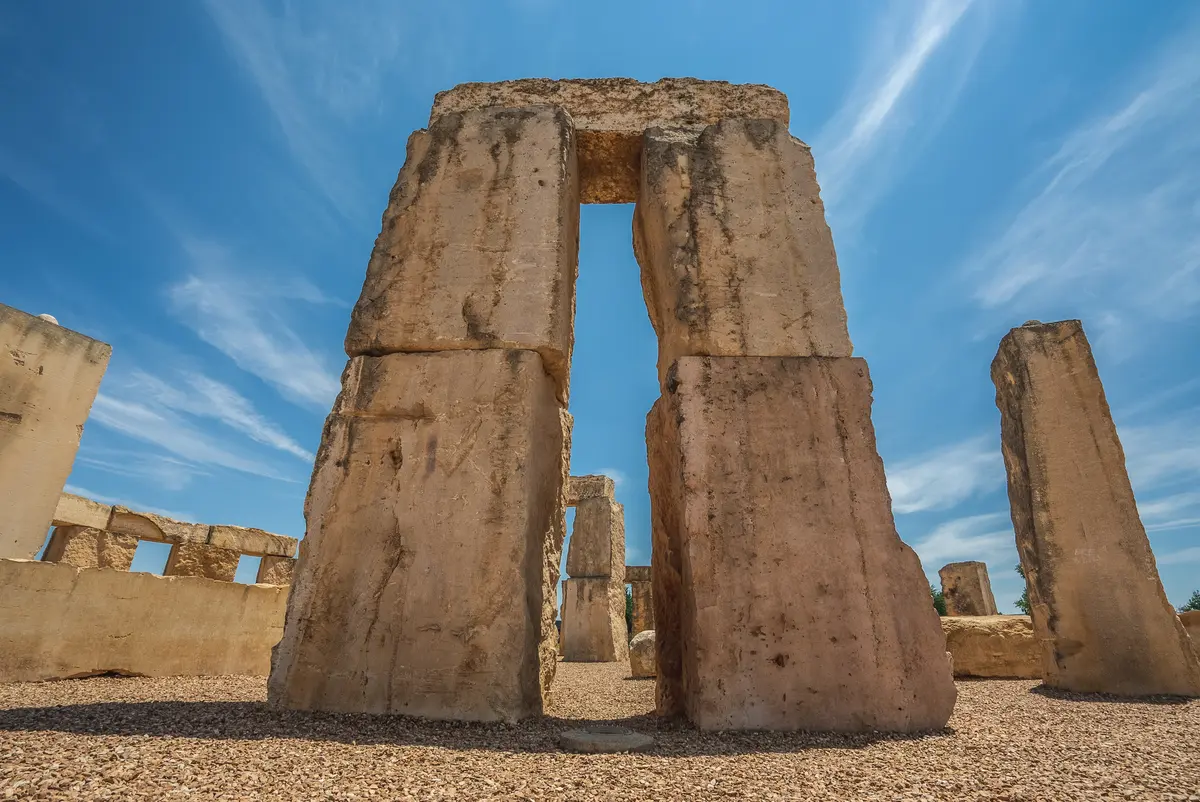
The oilfield cities of far West Texas, where the pay is high and the horizon is wide open. 4 cities including Midland, Odessa, Big Spring.
Explore all 4 Permian Basin cities →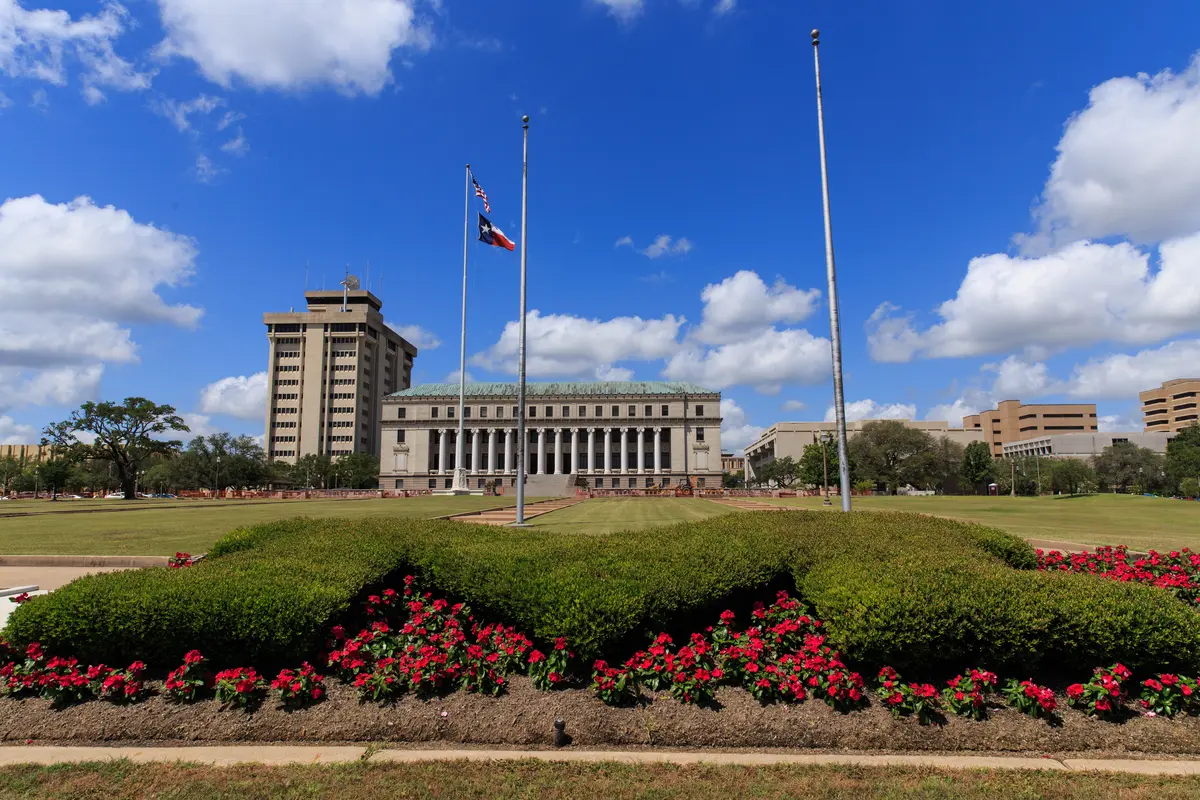
A university-driven pocket of Central Texas surrounded by river-bottom farmland and historic German and Czech settlements. 4 cities including College Station, Bryan, Brenham.
Explore all 4 Brazos Valley cities →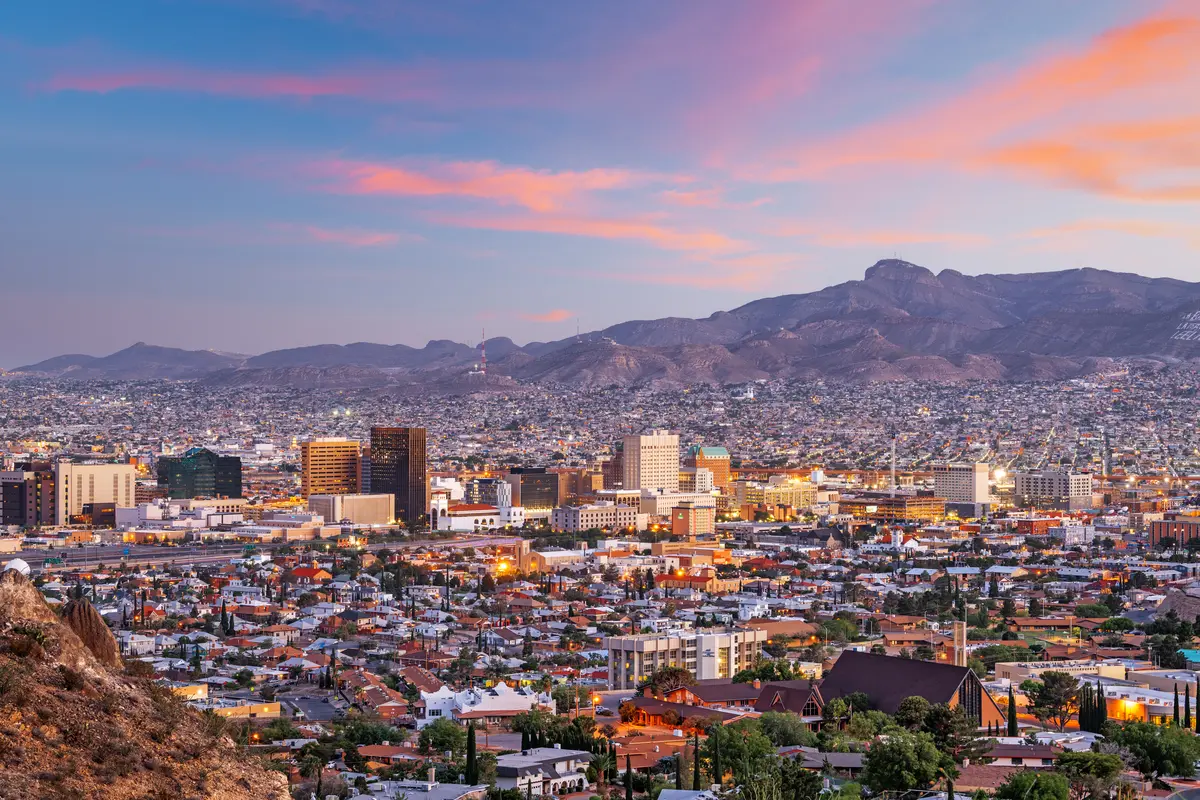
A high-desert border city in the far western corner of the state, closer to three other capitals than to its own. 4 cities including El Paso, Socorro, Horizon City.
Explore all 4 El Paso Borderplex cities →
Flat, high, dry cotton and cattle country at the top of the state, anchored by two university cities. 3 cities including Lubbock, Amarillo, Plainview.
Explore all 3 Panhandle & South Plains cities →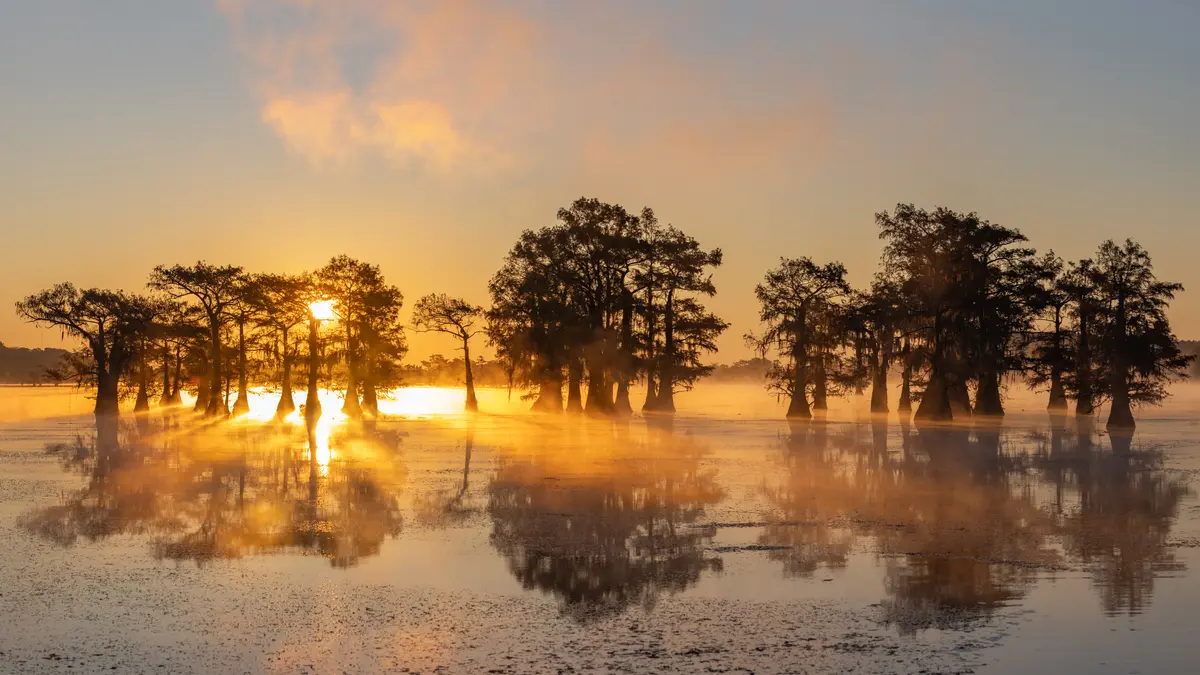
Refinery and shipping towns on the Louisiana line, where Texas starts to feel like the Deep South. 3 cities including Beaumont, Port Arthur, Port Neches.
Explore all 3 Golden Triangle cities →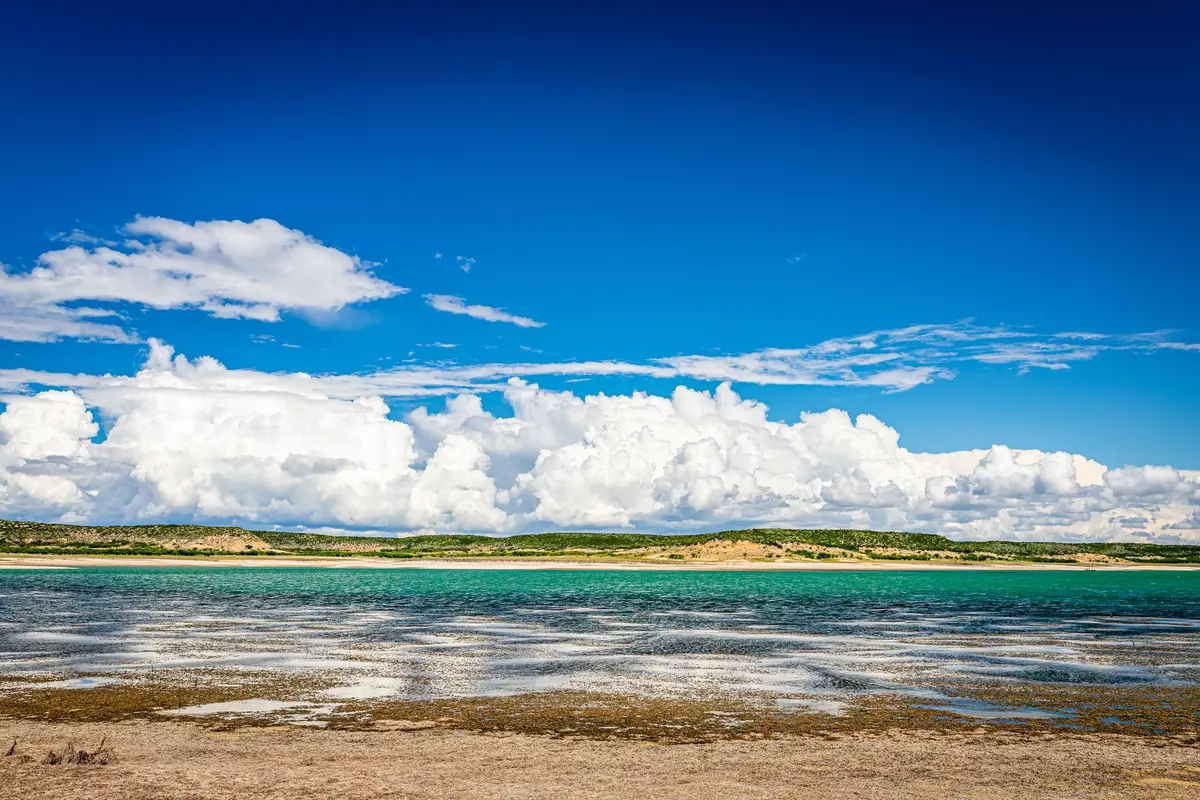
Inland port cities and desert river towns along the stretch of border between the Valley and the Big Bend. 3 cities including Laredo, Del Rio, Eagle Pass.
Explore all 3 Southwest Border Country cities →
Independent small cities on the Red River plains, north and west of the Metroplex. 3 cities including Wichita Falls, Sherman, Denison.
Explore all 3 North Texas cities →Moving to Texas?
Tell us what you need help with and we'll connect you with local resources.
