Most people researching Waco focus on Magnolia Market or Baylor University and miss the thing that surprises nearly every newcomer: this is a genuinely outdoor city. A 416-acre municipal park sits minutes from downtown. The largest lake wholly contained within any U.S. city limits is inside Waco's municipal boundaries. More than 27 miles of named trails thread through the city. And a National Park Service site preserving the bones of Columbian mammoths sits along the Bosque River. None of that is visible from I-35, which is how it stays underestimated.
What makes this work is geography. Waco sits at the confluence of the Brazos and Bosque Rivers, and those two waterways are the backbone of most of the city's best recreation. Cameron Park runs along the bluffs above the Brazos. The Riverwalk traces both banks of the river through downtown. Lake Waco, held by a U.S. Army Corps of Engineers dam to the west, gives residents 8,190 acres of open water and 60 miles of shoreline without leaving city limits. For a city of 147,788 people, that is an unusual amount of accessible water and green space.
The outdoor scene here draws real participants — not just weekend walkers. Cameron Park hosts mountain bike races, trail runs, and ultramarathons that pull a statewide audience and generate more than $1 million per year in local economic impact. That signals something about the trail quality: this is not a groomed nature path. It is technical singletrack rated by a ski-slope difficulty system, running through limestone bluffs, bamboo forests, and cedar groves. And with more than 230 sunny days a year, the weather cooperates most of the time — though the Central Texas summer heat is a real factor that shapes when and how locals actually use these spaces.
Whether you're weighing a move or already under contract, the sections below cover Waco's signature parks, the trail and riverwalk network, Lake Waco, and the seasonal rhythms that shape outdoor life here — including the honest trade-offs that don't show up in a tourism brochure.
Cameron Park: Waco's Outdoor Anchor
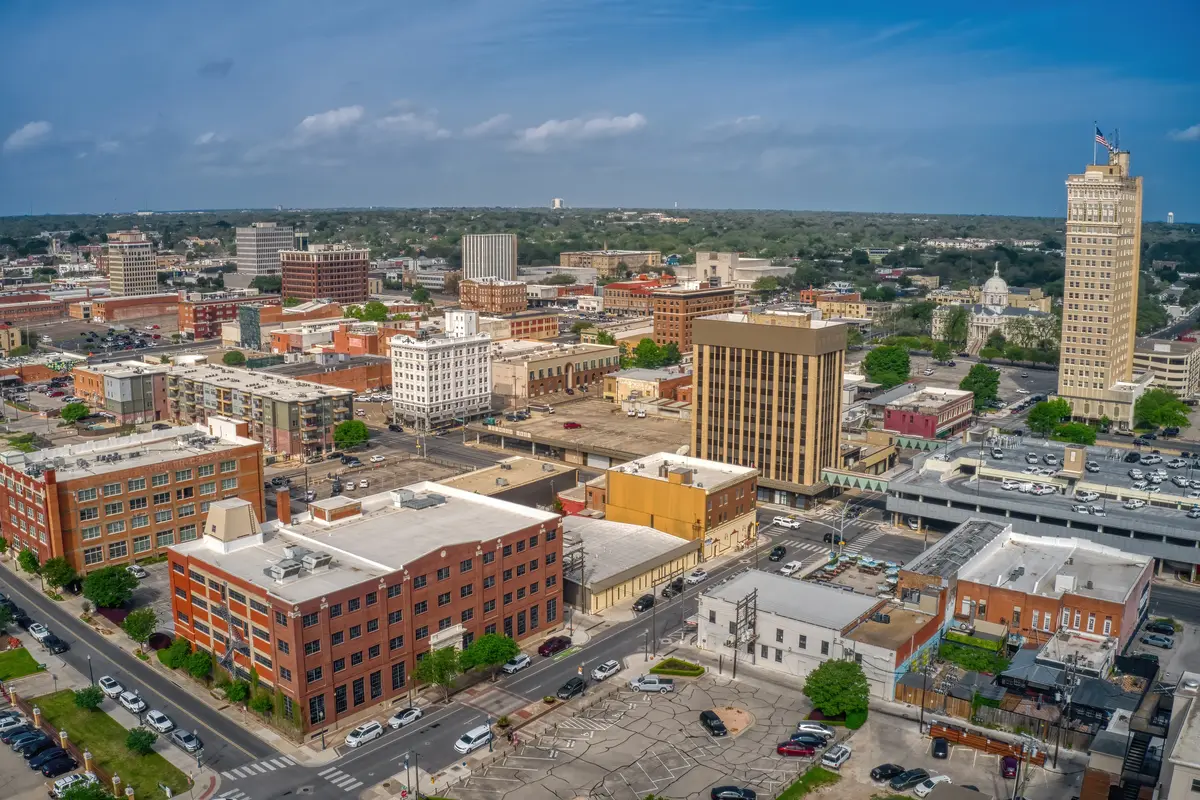
Cameron Park is the kind of city park that makes people question their assumptions about Central Texas. At 416 acres, designated a National Recreation Trail, and sitting at the confluence of the Brazos and Bosque Rivers, it is one of the largest municipal parks in Texas — and it is free, no admission, every day of the year.
The trail network is the main draw for most residents. Approximately 26 miles of multi-use singletrack run through terrain that is genuinely demanding: 100-foot limestone bluffs, hand-crafted bridges, bamboo forests, and cedar groves that make the park feel disconnected from the surrounding city. Trails are rated using a ski-slope system — Green circle through Double Black Diamond — which means beginners have clear entry points and experienced mountain bikers have genuine technical challenges on the same trail system. Hikers, trail runners, and equestrians all share the network.
What Locals Actually Use It For
Circle Point overlook is where residents take visitors who have never been to Waco. The view from the limestone bluffs — Brazos River below, downtown skyline in the distance — is one of those places the city should probably market more aggressively. The park also has a full disc golf course, playgrounds, picnic areas, and updated restrooms and water fountains from recent city renovations that made longer outings more practical.
Cameron Park Zoo occupies 52 acres within the park itself, adjacent to the Brazos River. It houses more than 1,700 animals across over 300 species, holds full accreditation from the Association of Zoos and Aquariums (AZA), and is also a member of the World Association of Zoos and Aquariums (WAZA). The Asian Forest exhibit — Sumatran tigers, orangutans, Komodo dragons — is the signature draw, alongside the Brazos River Country exhibit and a Herpetarium. For families with kids, this is one of the more substantive zoos in the region for a city this size.
The Summer Reality
Here is the friction moment most newcomers don't anticipate: Cameron Park in July and August is genuinely brutal before 8 a.m. Locals who use the trail network seriously — runners, mountain bikers — shift to early morning or evening outings from June through September. The park never closes, but the midday window during peak summer is for the shade-seekers, not the trail runners. If you're moving from a cooler climate, give yourself a full summer to recalibrate your outdoor schedule before you decide what this park is or isn't.
The trail events calendar also means certain weekends — race days, ultramarathon events — bring traffic and parking pressure to a park that wasn't designed around a large event influx. That is a minor inconvenience for residents and a signal of how seriously the trail community takes this place.
The Waco Riverwalk and City Trail Network
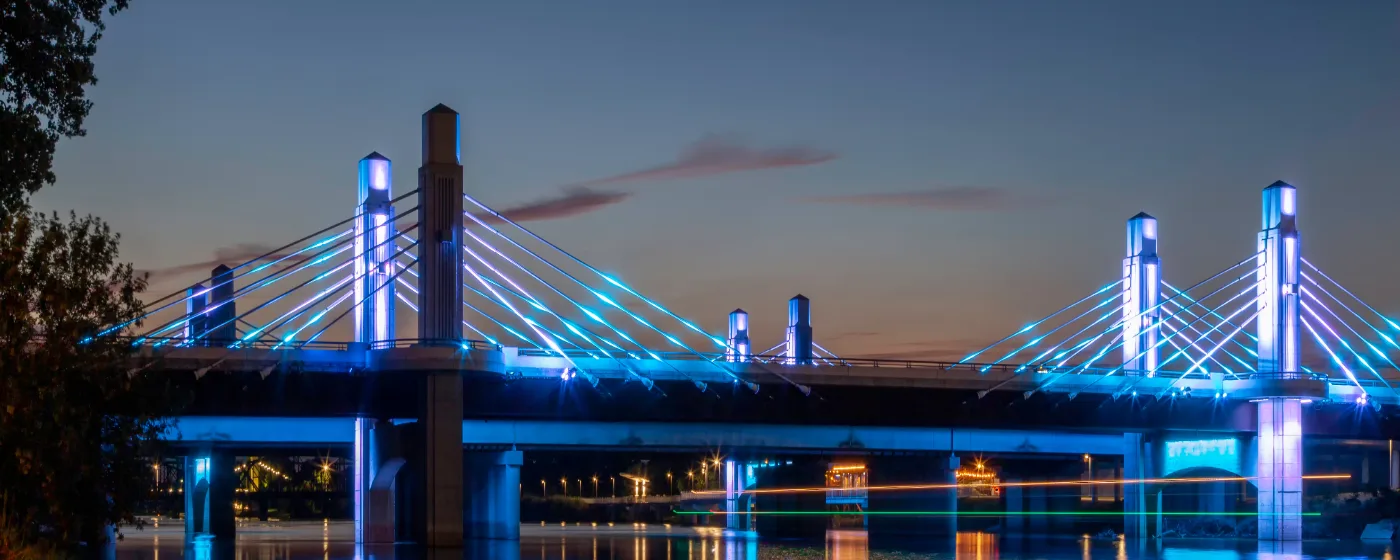
The Riverwalk connects what Cameron Park is at one end to the Baylor University campus at the other, running approximately seven miles of paved, lighted multi-use trail along both banks of the Brazos River. The completed 5.5-mile continuous downtown loop — linking Baylor to Cameron Park via the East Riverwalk section — is the one most residents use for a morning run or evening walk without needing to drive anywhere.
The path passes beneath the Waco Suspension Bridge, one of the city's genuine landmarks, and the west bank stretch includes Indian Spring Park and a Sculpture Zoo featuring animal-themed artworks spaced along the route. McLane Stadium anchors the riverfront south of downtown, and the trail connects to it in a way that makes game-day walks genuinely pleasant rather than a traffic workaround.
Beyond the Riverwalk
Waco's broader trail system adds to this considerably. The Friars Creek Hike & Bike Trail and the Nolan Creek Hike and Bike Trail are part of a citywide network that TrailLink documents as more than nine named trails covering approximately 27 miles total — separate from the Cameron Park singletrack and the Riverwalk itself. That gives the city genuine trail variety: paved urban paths for casual use, technical off-road riding in Cameron Park, and creek-side corridors in between.
The lighting on the Riverwalk matters more than it sounds. In a city with summers as hot as Waco's, a lighted trail that is usable after dark effectively doubles the outdoor recreation window for a large part of the year. Residents who move here from cities with extensive after-dark trail systems will feel at home on the Riverwalk in a way they won't on most of the Cameron Park singletrack, which is not lit.
What You Give Up
The Riverwalk is excellent for what it is — a flat, accessible, urban multi-use path. It is not a trail experience. Anyone moving here expecting Pacific Northwest-style trail diversity will find Cameron Park far more interesting, and Cameron Park far more physically demanding. The honest picture is that Waco has one genuinely world-class trail system (Cameron Park), one very good urban riverwalk, and a supporting network of greenway trails — which is more than most Texas cities its size, but less than what an outdoor-recreation-focused buyer from Colorado or the Pacific Northwest would call comprehensive.
Lake Waco: The Underrated Asset
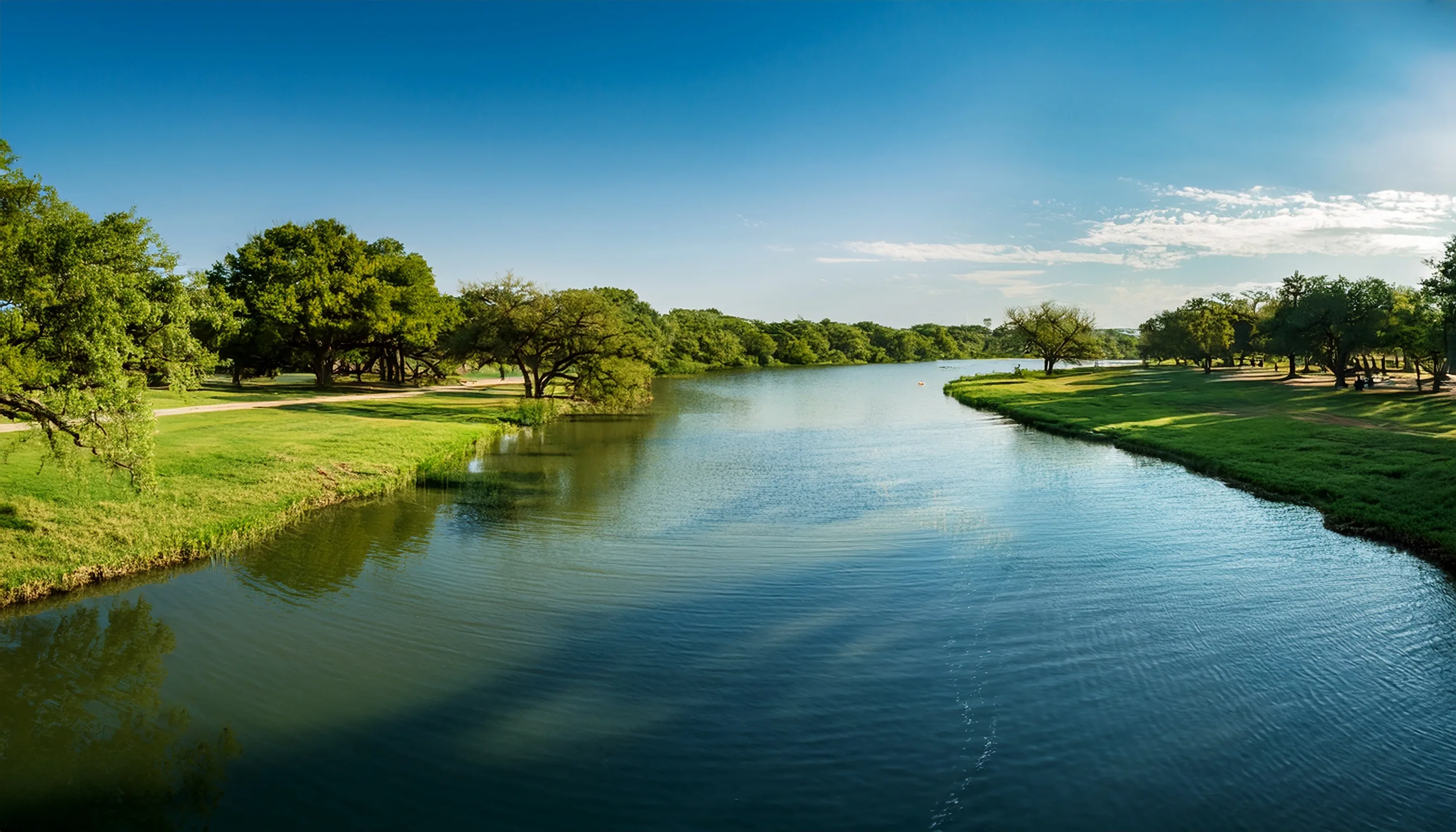
Lake Waco is a legitimate point of civic pride, and it is not well-known outside Central Texas. At 8,190 acres with 60 miles of shoreline and a maximum depth of 100 feet, it is the largest lake located entirely within a single city's municipal boundaries in the United States. The U.S. Army Corps of Engineers manages it. For a mid-sized Texas city, that is an extraordinary amount of open water sitting inside the city limits.
The practical recreation offer is equally broad. Fishing, boating, swimming, camping, hike and bike trails, horseback riding, and hunting are all available across eight wildlife management areas. Texas Parks & Wildlife has deployed artificial freshwater reef structures at three mid-reservoir locations to concentrate sportfish, and the lake supports over 51 species of fish. Ten public boat ramps — maintained by the Corps of Engineers and private marina operators — give anglers and recreational boaters multiple access points without competing for a single launch.
Who Actually Uses It
Lake Waco is not a resort lake. There is no marina district with restaurants and boat rentals lining the shore in the way you'd find at Highland Lakes to the southwest. The character is more working outdoorsman than weekend leisure boater — anglers take it seriously, the wildlife management areas draw hunters, and the camping is utilitarian Corps-of-Engineers style. That is not a criticism; it is a description. Buyers who want a quiet morning on the water without a boat parade will appreciate it. Buyers expecting a built-out lakefront scene will find something different.
The sheer scale of the shoreline also means that the lake feels uncrowded in a way that smaller reservoirs around Texas don't. Sixty miles of shoreline across a single city is enough geography that even a busy weekend doesn't concentrate everyone in the same spot. For residents who fish or kayak, that matters.
Access from the Neighborhoods
The lake sits on Waco's western edge. Buyers prioritizing lake access will find West Waco the most practical base — the geography simply puts you closer to the water. For more on how neighborhood location shapes daily priorities, the best neighborhoods in Waco page breaks down the trade-offs in detail.
Looking to buy in Waco? Estimate your payment.
Enter your numbers to see an estimated monthly mortgage payment.
Estimate only. Excludes HOA fees and mortgage insurance. The interest rate above is a starting point, not a quoted rate — replace it with your own to see real numbers. Insurance is a flat placeholder, not a Waco quote.
Waco Mammoth National Monument and Seasonal Recreation
Waco Mammoth National Monument is the kind of place that makes residents proud in a specific, non-boosterish way. Designated a unit of the National Park Service on July 10, 2015, it preserves the nation's first and only recorded discovery of a nursery herd of Columbian mammoths. The 5-acre dig site sits within 100 acres of wooded parkland along the Bosque River, and visitors view in-situ fossils — bones still in the ground where they fell — from an elevated walkway inside the dig shelter. It draws a steady stream of school groups, paleontology enthusiasts, and curious newcomers year-round, and has built a reputation well beyond Central Texas for a site of its scale.
In October 2024, Baylor University formally donated the fossil collection — thousands of fossils, archived photographs, and decades of research documents — to the National Park Service, and the NPS appointed the site's first permanent site manager, who began in November 2024. That transition matters for the site's long-term future: a permanent NPS manager and a fully donated collection puts Waco Mammoth on more stable institutional footing than it had during its early years as a jointly managed site. For residents, it means the monument is growing, not coasting.
Seasonal Rhythms Worth Knowing
Waco's outdoor life follows a predictable seasonal pattern that newcomers consistently underestimate. Spring — roughly March through May — is the best season, full stop. Temperatures are manageable, wildflowers are out across Central Texas, and both Cameron Park and the Riverwalk are at their most pleasant. Trail races and outdoor events concentrate here for a reason.
Fall is the second good window. October and November bring cooler temperatures that make longer outings on the Cameron Park trail system genuinely comfortable, and Lake Waco fishing picks up as water temperatures drop. The Waco Downtown Farmers Market runs through the warmer months and gives residents a weekly outdoor anchor downtown.
Summer is not the season to evaluate Waco's outdoor life. People who visit in July and leave thinking the city is too hot to be an outdoor city are making a fair observation about July specifically. The locals who use Cameron Park and the Riverwalk most seriously have simply learned to reorganize their days around the heat — early mornings, evenings, and the shade-dense sections of the trail system that the limestone bluffs and cedar canopy actually provide. It is an adjustment, but it is not a dealbreaker for anyone who genuinely values what this park system offers.
Youth Sports and Community Recreation
Organized youth sports and recreation programming anchor family life in Waco beyond the trail and lake systems — for a fuller picture of those programs, see the Waco schools page, which covers youth activities alongside the district overview.
Local Expert Takeaway: Waco's outdoor infrastructure punches well above its weight for a Central Texas city — Cameron Park's 26-mile technical trail system and the 8,190-acre Lake Waco are the two assets that genuinely distinguish it. The Riverwalk is the daily-use connector, and Waco Mammoth National Monument adds something no other Texas city has. The honest caveat is the summer heat: anyone moving here should expect to restructure their outdoor routine around early mornings and evenings from June through September. Once you do that, the trail system and the lake make Waco a far more outdoor-capable city than it looks from the highway.
Quick Takeaways & FAQs
✅ Cameron Park's 26-mile trail network — rated Green through Double Black Diamond — is one of the most technically diverse municipal trail systems in Texas.
⚠️ The summer heat is a real constraint: peak-hour use of Cameron Park from June through September is uncomfortable by most standards, and locals reorganize their entire outdoor schedule around it.
📍 Lake Waco is the largest lake contained entirely within a single U.S. city's limits — 8,190 acres, 60 miles of shoreline, ten public boat ramps, and it rarely feels crowded.
Is Cameron Park really free to use?
How difficult are the trails in Cameron Park?
Can you swim and boat at Lake Waco?
Is the Waco Riverwalk good for running or cycling?
What is the best time of year for outdoor recreation in Waco?
Moving to Texas?
Tell us what you need help with and we'll connect you with local resources.
