What Is Living in Waco, Texas Like?
Maybe you've been priced out of Austin and someone pulled up a Zillow map pointing halfway up I-35. Maybe Baylor brought you here, or L3Harris, or a job offer that made the math suddenly work. Whatever sent you searching, the first thing people notice about Waco is the gap between its reputation and its reality. This is the 24th-largest incorporated city in Texas — 147,788 people, a Baylor campus that shapes the south side of the city, and an economy that no longer leans on a single industry. Waco sits squarely between Dallas-Fort Worth and Austin, equidistant from both along I-35, which means the city absorbs some of the overpressure from both metro markets without fully inheriting their price tags.
The economic picture here is broader than most newcomers expect. Advanced manufacturing runs deeper in Waco than in much of Texas, with aerospace and defense anchored by L3Harris Technologies and a wave of industrial investment — a $1 billion Graphic Packaging International facility, a $400 million Electrolit plant — signaling confidence in the region's long-term trajectory. Baylor University is both the city's largest private employer and its cultural spine, drawing students from across the country and driving demand for everything from rental housing to coffee shops. The Waco Independent School District serves 12,908 students enrolled in 2025-26 and holds a D rating, according to the Texas Education Agency — a fact that steers many families with school-age children toward Woodway or Hewitt, where suburban districts draw their own demand.
The affordability case is real and specific. The typical Waco home price stands at $197,359 (Zillow Home Value Index, July 2026) — a figure that looks almost implausible to anyone relocating from Austin or the Dallas suburbs. The effective property tax rate sits at approximately 1.53%, which is standard for Central Texas. Typical rent runs $1,373 per month (Zillow ZORI, July 2026). Worth noting: the median household income of $54,365 falls below what's needed to buy comfortably at the typical home price, so the affordability story is real but not frictionless. Cameron Park, Lake Waco, and the Brazos River give outdoor life a genuine anchor, and more than 230 sunny days a year means most of it is usable.
Whether you're weighing a first home, a relocation for work, or a slower pace of life than the bigger Texas metros offer, the sections below break down Waco's neighborhoods, housing market, employers, commute patterns, schools, and what weekends here actually look like.
Waco at a Glance
Looking to buy in Waco? Estimate your payment.
Enter your numbers to see an estimated monthly mortgage payment.
Estimate only. Excludes HOA fees and mortgage insurance. The interest rate above is a starting point, not a quoted rate — replace it with your own to see real numbers. Insurance is a flat placeholder, not a Waco quote.
Why Are People Moving to Waco?
The short answer is price and position. Waco sits midway between two of the fastest-growing metros in America, and its home prices reflect neither of them. For buyers leaving Austin or the DFW suburbs, the typical Waco home price represents a fundamental reset — see the cost of living breakdown for the full picture. That affordability gap, combined with genuine job growth, is what's pulling people here.
The Economic Engine
Waco's economy is diversified in a way the city doesn't always market loudly enough. Advanced manufacturing accounts for roughly 14% of the local economy — above both the Texas and national averages — and the employer base spans aerospace and defense (L3Harris Technologies), higher education (Baylor University), healthcare (a major regional health system and Ascension Providence), and municipal government. No single sector dominates, which gives the local job market more resilience than a company town.
Recent industrial investment confirms the trend. A $1 billion Graphic Packaging International facility, a $400 million Electrolit plant, and a $380 million Walmart Manufacturing facility in nearby Robinson have each committed to the region in recent years. These are not speculative announcements — they're funded, site-selected, and reshaping the industrial corridors west and south of the city.
The Magnolia Effect — and Its Limits
Magnolia Market at the Silos, the retail and event campus built by Chip and Joanna Gaines, opened in October 2015 and transformed Waco's national profile almost immediately. What isn't debatable is the downstream effect: more restaurants, more investment in downtown, and a self-reinforcing story that makes recruiting easier.
The catch is that tourist traffic and resident life don't always coexist gracefully. Fall weekends around Baylor homecoming and the annual Silobration event at the Silos draw crowds that can make the downtown core feel more like a destination than a neighborhood. If proximity to that energy is why you're moving here, it's a genuine draw. If you're looking for a quiet central neighborhood, you'll want to factor in the seasonal rhythm.
The Downtown Transformation
Downtown Waco holds 2025 Main Street America™ Accreditation — a real signal, not a marketing award — and a $1.4 billion redevelopment plan is already in motion. The first phase, a $167 million project covering Barron's Branch Park, road improvements, and utility infrastructure, broke ground in 2026. A second phase, budgeted at $621 million, calls for a convention center, a 2,000-seat performing arts venue, and a 350-room hotel. This is the kind of long-cycle investment that tends to pull housing demand toward the urban core before the buildings are even finished.
| Who Moves to Waco | Primary Draw | Best Fit |
|---|---|---|
| Austin or DFW transplants | Home prices well below both metro markets | First-Time Buyers Value |
| Baylor faculty & staff | University employment, campus proximity | Walkable School |
| Remote workers | Low cost of living, fast average commute | Value Quiet |
| Industrial & manufacturing workers | L3Harris, Graphic Packaging, regional plants | Commuter Value |
| Families from larger metros | Space, affordability, slower pace | Families Nature |
| Retirees downsizing from Texas metros | Walkable downtown, arts & culture investment | Quiet Walkable |
The families-from-larger-metros category comes with an asterisk: many end up in Woodway or Hewitt, where suburban school districts draw their own demand and home prices run noticeably higher than Waco's city-wide figure.
What Daily Life Feels Like in Waco
Waco is genuinely mid-size in a way that shapes daily life more than any single amenity. At 147,788 people, it's large enough to have real cultural infrastructure — a zoo, a nationally recognized barbecue scene, Baylor's performing arts calendar — and compact enough that the average commute runs around 16 minutes. That's not a marketing claim; it's a structural reality of a city where most of the major employers cluster within a short drive of the center.
The Neighborhood Reality
The city divides in ways that matter when you're buying. The Baylor-adjacent neighborhoods and downtown run above the city-wide typical home price, while Sanger Heights and North Waco offer entry points below it. West Waco is where newer construction and chain retail have concentrated as the city has grown westward. The full breakdown is on the neighborhoods page — but the headline is that Waco still has relatively affordable pockets close to the urban core, which is unusual for a city with this much tourism momentum.
The School Tradeoff
This is the friction moment most newcomers don't fully anticipate until they're under contract. Waco ISD holds a D rating, according to the Texas Education Agency — with 21% of students reaching math proficiency and 32% reaching reading proficiency on 2024-25 state assessments. That's the honest picture, and it's why the school conversation here almost always ends at Woodway or Hewitt. Both neighboring cities carry their own school districts and home prices that run noticeably higher as a result. For more on how the districts compare, see the schools page.
The Seasonal Texture
Fall is the city's highest-energy season — Baylor students are back, Silobration fills the Silos grounds, and the downtown restaurant scene operates at full capacity. Newcomers who arrive in summer sometimes underestimate how much the city's social tempo depends on the university calendar. By October, the same streets that felt quiet in August are packed. Summer itself is hot and long — Central Texas heat is not abstract — but more than 230 sunny days a year means the outdoor calendar stays full from March through November.
Where People Actually Gather
Cameron Park is the city's outdoor anchor — trails above the Brazos River that locals use year-round, not just on weekends. The Waco Riverwalk connects the urban core to the waterfront. The Waco Downtown Farmers Market draws a consistent crowd through the warm months, and the downtown core — now carrying Main Street America™ Accreditation — has enough independent coffee shops and restaurants to make a car-free morning genuinely possible if you're already living nearby. For most errands outside the downtown core, a car is the practical reality.
The Waco Housing Market Right Now
The typical Waco home price is $197,359 (Zillow Home Value Index, July 2026). That puts Waco well below both of its anchor metros and makes it one of the more accessible mid-size Texas cities for buyers entering the market. Typical rent runs $1,373 per month (Zillow ZORI, July 2026). Both figures are city-wide; some areas price above that median and some below it — the full neighborhood-level breakdown lives on the neighborhoods page.
What the Price Actually Buys
At this price point, buyers in Waco are generally getting older housing stock in the urban core or newer construction on the city's western edge. Sanger Heights and North Waco sit below the city-wide figure and offer bungalows and established lots at genuine entry-level prices. Downtown Waco and the Baylor-adjacent neighborhoods price above the median, reflecting walkability, renovation investment, and proximity to the university. Parkdale and Brookview fall on either side of the midpoint.
The Affordability Tension
The median household income in Waco — $54,365 — runs below the income level needed to buy comfortably at the typical home price, by roughly $13,000. That gap matters. Waco is affordable relative to Austin or Dallas, but it is not unconditionally affordable for buyers working on local wages. Remote workers or dual-income households anchored to metro salaries are in a structurally different position than someone earning a local wage. The effective property tax rate of approximately 1.53% adds to the monthly carrying cost in a way that warrants attention — see the cost of living page for the tax and utility picture.
The Downtown Investment Signal
The $1.4 billion downtown redevelopment plan — with a $167 million first phase already under construction and a $621 million second phase that includes a convention center and hotel — is the kind of sustained public and private commitment that tends to move urban-core prices over a multi-year cycle. Buyers drawn to Downtown Waco or Sanger Heights today are buying ahead of that infrastructure, which is either a reason to move quickly or a reason to proceed thoughtfully, depending on your timeline and risk tolerance. Well-priced homes in the urban core do not tend to sit for long.
Waco Neighborhoods
Waco has several distinct areas — each with its own character and appeal. Here’s a breakdown to help you narrow down where to focus your home search.
🏡 Downtown Waco
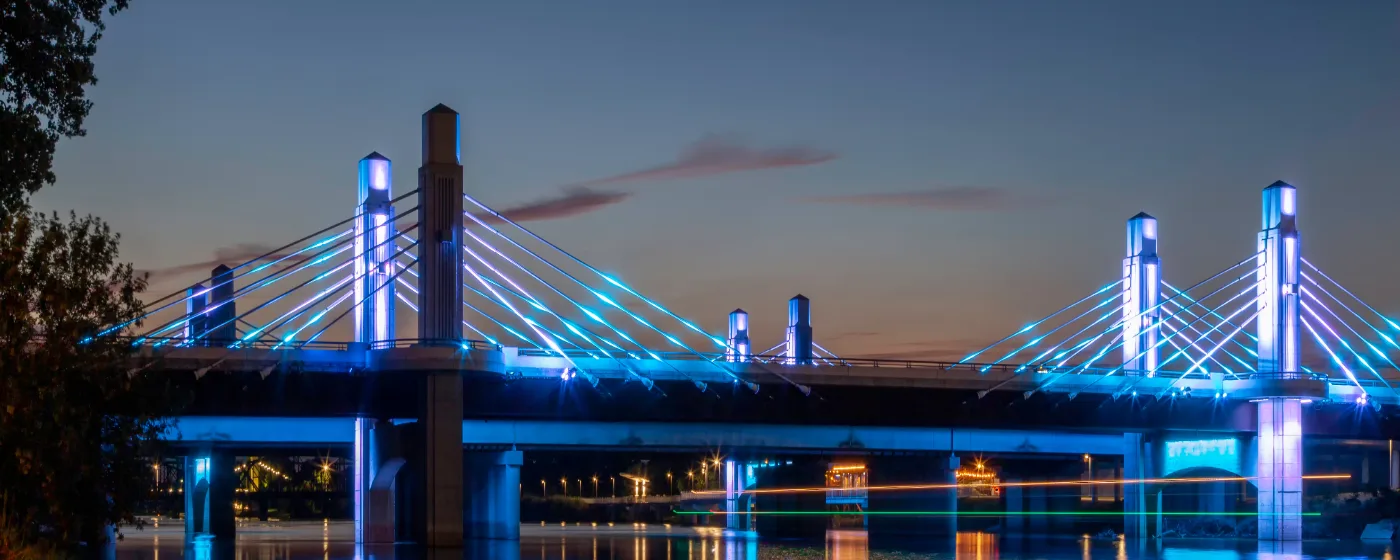
The most walkable part of the city, anchored by the Waco Suspension Bridge and the Riverwalk, with renovated historic buildings and a dining and coffee scene that has grown significantly since the Magnolia era. Home prices here run above the city-wide typical, reflecting the investment momentum and the urban core appeal.
🏠 Castle Heights
An established residential neighborhood with mature tree cover and mid-century housing stock, suited to buyers who want proximity to the urban core without paying downtown premiums. The streets feel distinctly residential, a contrast to the busier corridors nearby.
🌳 Sanger Heights
One of Waco's older in-town neighborhoods, with bungalows and craftsman-style homes on established lots that price below the city-wide median — making it one of the more accessible entry points into the city for first-time buyers who want walkable distance to the urban core.
🏘 Baylor
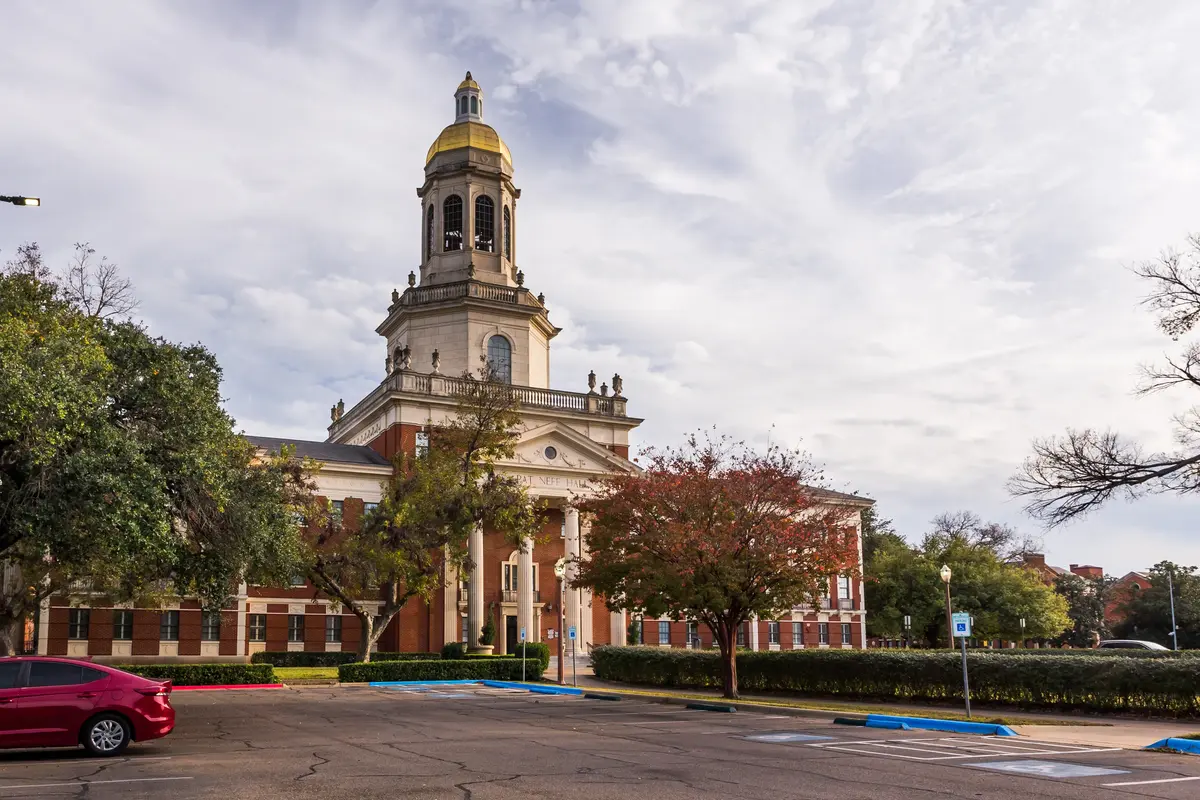
The neighborhoods directly adjacent to Baylor University carry above-median prices and a mix of student-oriented rentals and owner-occupied homes, with the campus's green space, arts venues, and McLane Stadium defining the character of the area.
🏔 West Waco
The city's primary growth corridor for new construction and chain retail, drawing buyers who want newer housing stock and convenient access to shopping without committing to a suburban municipality like Woodway.
🌆 North Waco
A working-class residential area that prices below the city-wide median and offers some of the most affordable detached housing within Waco's city limits, suited to buyers who prioritize space and affordability over proximity to the downtown core.
Pros & Cons of Living in Waco
The Pros
- Home values and cost of living run well below the national average
- Baylor University and the Magnolia brand fuel a growing tourism and downtown-revitalization economy
- Solid aerospace/defense and manufacturing job base (L3Harris, Sanderson Farms, Mars)
- Central location between Dallas and Austin on I-35
The Cons
- Waco ISD carries a state D accountability rating and mixed Niche reviews
- Overall crime, especially property crime, runs above the national average
- Hot, humid summers with tornado/severe-storm risk
Getting Around & Commuting in Waco
Waco's commute story is genuinely one of its advantages. The average commute time runs approximately 16 minutes — well below the national average — and the city's layout means that most of the major employment centers are reachable without navigating long arterial crawls. The overwhelming majority of residents drive, which is the practical reality for a Central Texas city of this size.
The Highway Framework
I-35 is the spine of daily life here. It runs through the city and carries most of the commuter traffic both within Waco and toward the anchor metros — about 95 minutes to Dallas. That midpoint position is genuinely useful: residents who work remotely can reach either metro for in-person meetings without making either direction feel like an expedition. US-84 (Waco Drive) handles east-west movement across the city. Loop 340 gives drivers a way to bypass the central core. SH-6 and SH-31 extend access into the surrounding county and toward the smaller cities in the region.
Within the City
Waco Transit runs a fixed-route bus system, a Baylor University Shuttle, and a demand-response van service for residents with mobility needs — the full system is ADA-accessible with paratransit coverage within three-quarters of a mile of fixed routes. It's a functional urban system, though it's designed primarily for Baylor commutes and inner-city movement rather than regional coverage. Most residents outside the downtown and university corridors will find that errands and commutes depend on a car.
The Waco Riverwalk and Cameron Park's trail network make walking and biking genuinely viable for recreation and for anyone living close to the university or downtown. The city has also awarded contracts to plan a 9-mile Smart Corridor along Franklin Avenue — a federally supported initiative designed for connected and automated vehicle infrastructure — though as of late 2025, it remains in the planning and contracting phase rather than active construction.
The Airport Situation
Waco Regional Airport (ACT) is 8 miles from the city and handles direct regional service. Residents who fly frequently for work tend to make the drive to DFW or Austin-Bergstrom for broader route selection — that's a real consideration for anyone whose job involves regular air travel, and it's worth factoring into a relocation decision before committing to the city.
| Route / Option | Primary Use | Realistic Commute Context |
|---|---|---|
| I-35 (city commutes) | North-south movement within Waco | Most employer-to-home trips under 20 min |
| I-35 to Dallas or Austin | Metro access for remote workers | about 95 minutes to Dallas |
| US-84 (Waco Drive) | East-west cross-city travel | Main arterial connecting west and east sides |
| Loop 340 | Bypass of downtown core | Useful for industrial corridor commutes |
| Waco Transit bus system | Downtown, Baylor, inner-city routes | Practical for university-adjacent residents |
| Waco Regional Airport (ACT) | Regional air travel | 8 miles from city; DFW/AUS for wider routes |
Schools in Waco
Families relocating to Waco have public, private, and higher-education options nearby. Here’s a quick overview.
🎓 School District
Waco Independent School District serves K–12 students across Waco and the surrounding area. Rated D (source: Texas Education Agency, 2025 A-F accountability rating (2024-25 school year)).
🏆 Graduation Rate
The 4-year high-school graduation rate here is approximately 81.1%.
📚 Higher Education
Texas’s public universities — the University of Texas at Austin, Texas A&M University, and the University of Houston — offer four-year degrees statewide, with one of the largest community college systems in the country (50+ public community college districts) providing two-year and workforce programs.
🌐 Online Learning
UT Austin Online and Texas A&M University Online offer fully accredited online degrees for remote learners across the state.
Safety in Waco
A quick look at how Waco compares on the numbers that matter most when weighing a neighborhood or a move.
🛡 Violent Crime
Approximately 4 per 1,000 residents.
🔒 Property Crime
Approximately 22 per 1,000 residents.
Compared to the most recent national figures from the Bureau of Justice Statistics (2024), Waco’s violent crime is above the national average (about 3.7 per 1,000), and property crime is above the national average (about 18.4 per 1,000).
Against Texas as a whole, Waco’s violent crime is about the same as the state average, and property crime is about the same as the state average (Bureau of Justice Statistics, Crime Known to Law Enforcement, 2024 (tables 2 and 3)).
Crime rates can vary a lot within a single city, so the citywide numbers above are only a starting point. Some neighborhoods in Waco run well below these averages, while others run higher — the kind of block-by-block detail that matters most when you’re actually choosing where to live. The full guide below breaks it down neighborhood by neighborhood.
Working in Waco
Waco’s largest employers span several industries — here are some of the anchors of the local job market.
🎓 Waco Independent School District
K-12 education
🏛 City of Waco
Municipal government
🎓 Baylor University
Higher education
🏥 Ascension Providence
Healthcare
🏥 Baylor Scott & White Medical Center – Hillcrest
Healthcare
💼 L3Harris Technologies
Aerospace, defense
Parks & Recreation in Waco
Some of the outdoor spaces that shape everyday life in Waco.
🌱 Cameron Park Zoo
Waco residents don’t have to go far for green space — spots like Cameron Park Zoo are part of everyday life here, whether that’s a morning walk, a weekend hike, or just somewhere to unwind outside. The full guide below covers more of what Waco has to offer for parks and outdoor recreation.
Retiring in Waco
Waco draws retirees for its balance of amenities, outdoor access, and cost. Here’s what to weigh.
🌤 Climate
Waco gets more than 230 sunny days a year, with mild winters and hot summers that stretch well into September. Spring and fall are genuinely pleasant — the kind of weather that makes outdoor morning routines easy. Summer heat is the one genuine adjustment: July and August regularly push above 95°F, and humidity from the Brazos corridor adds to the feel.
🍴 Lifestyle
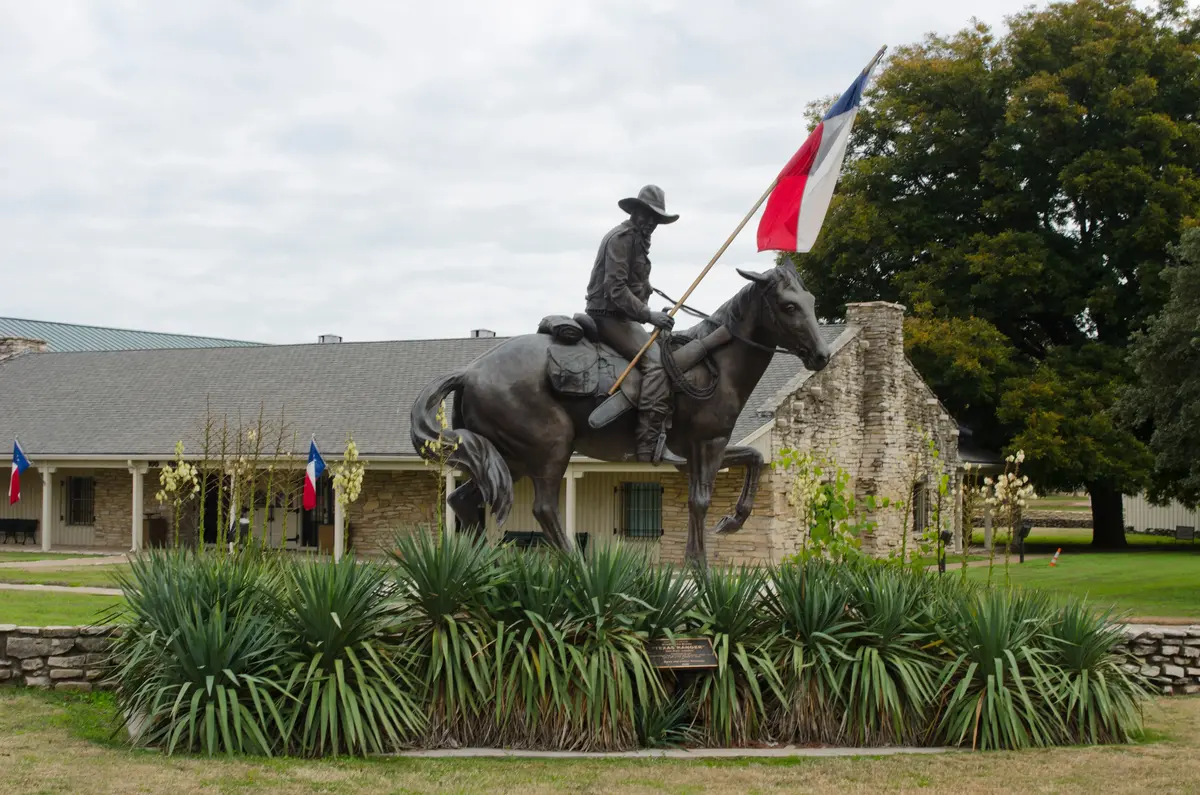
Downtown Waco holds Main Street America™ Accreditation and has a walkable core with independent coffee shops, local restaurants, and the Waco Downtown Farmers Market through the warm months. The Dr Pepper Museum, the Texas Ranger Hall of Fame, and the Waco Mammoth National Monument offer cultural depth that a city this size doesn't always carry. Baylor University's performing arts calendar adds a consistent schedule of concerts, theater, and lectures open to the broader community.
🏚 55+ Communities
No 55+ communities were found in Waco. Retirees looking for dedicated age-restricted communities typically look to the broader Central Texas region or toward the Woodway and Hewitt suburbs.
✈ Getting Around
Most errands in Waco require a car, though the downtown core and Baylor-adjacent neighborhoods are genuinely walkable for daily needs. Waco Regional Airport (ACT) is 8 miles from the city and handles regional routes. Residents who fly frequently for extended travel typically make the drive to a larger hub for broader connections.
🏛 Texas Taxes for Retirees — What to Know
- No state income tax — Texas has no personal income tax — constitutionally protected under Article VIII, Section 24. Social Security, pensions, 401(k)/IRA withdrawals, and annuity payments are all untaxed at the state level, with no state return to file.
- Sales tax is the tradeoff — The state sales tax is 6.25%, and local add-ons bring the combined rate in Waco to 8.25% (Texas Comptroller of Public Accounts, city sales and use tax rates, July 2026). Groceries and prescription drugs are exempt.
- Property taxes — the real tradeoff — Texas’s effective property tax rate averages about 1.40%, among the highest in the country, since property tax (not income tax) funds most local government and schools.
- Over-65 homestead exemption and school-tax freeze — Homeowners 65+ (or disabled) get an additional $60,000 exemption from their home’s value for school district taxes, on top of the general homestead exemption — $200,000 off school taxable value combined, following November 2025’s Proposition 11 (SB 23), which raised the over-65 exemption to $60,000, and Proposition 13 (SB 4), which raised the general homestead exemption to $140,000. Once claimed, your school district tax bill is frozen at that year’s amount and cannot increase as home values rise, and the ceiling can transfer if you move to a new home within Texas.
- Deferral option if cash is tight — Homeowners 65+ can defer property tax payment entirely for as long as they live in the home, rather than paying it currently — interest accrues, but no forced sale.
- No estate or inheritance tax — Texas has no estate tax, no inheritance tax, and no gift tax.
- No separate capital gains tax — Because Texas has no state income tax, capital gains — including on investments and home sales — are not taxed at the state level at all, unlike states such as Washington that tax capital gains separately from income.
Tax laws change frequently and individual situations vary. This is general information, not tax advice — always consult a qualified Texas tax professional or CPA for personalized retirement tax planning.
Weekends & Local Favorites in Waco
Waco punches well above its size on weekends, partly because the tourism infrastructure built around Magnolia Market, Baylor, and the city's historic sites also serves residents. The landmarks that draw out-of-towners are genuinely part of local life — not in a self-conscious way, but because they're well-maintained, walkable from the core, and woven into the city's social fabric.
The Outdoor Anchors
Cameron Park is the most-used green space in the city — trails above the Brazos River bluffs that draw morning runners, weekend hikers, and families throughout the year. Lake Waco sits west of the city and serves as the area's main reservoir for fishing, boating, and waterside recreation. The Waco Riverwalk connects the downtown core to the riverfront along the Brazos, making it the natural route for an evening walk. Cameron Park Zoo sits within the park grounds and draws consistent local use as much as tourist traffic. The Waco Mammoth National Monument preserves a genuine Ice Age discovery site — the nation's only recorded evidence of a nursery herd of Columbian mammoths — and operates as a working paleontological site, not just a display.
History and Culture
The Dr Pepper Museum occupies a restored 1906 bottling plant and is consistently one of the better small-city museum experiences in Texas. The Texas Ranger Hall of Fame and Museum sits near the Waco Suspension Bridge, which spans the Brazos and has been part of the city's skyline since 1870. McLane Stadium, home to Baylor football, anchors the university's riverfront footprint and turns fall Saturdays into a citywide event — UIL athletics run deep here, and Friday nights carry their own rhythm at every level.
Food, Coffee, and the Local Scene
The city's dining and coffee scene has expanded steadily since the Magnolia era began, and several local anchors are worth knowing. Terry Black's Barbecue Waco brings the Austin-based family's serious Central Texas tradition to a city that takes barbecue personally. George's Restaurant Bar & Catering has been a Waco institution for decades — the kind of place longtime residents treat as a baseline. Twisted Root Burger Co. and The Brazos Landing round out the casual end of the scene. Magnolia Table, the Gaines family's full-service restaurant, operates with a wait that reflects its national profile; it's a genuine local spot, but plan accordingly. For coffee, Common Grounds Waco and Dichotomy Coffee anchor the independent scene downtown, Magnolia Press Coffee Co. serves the Silos campus, Bitty & Beau's Coffee brings a meaningful mission alongside its espresso drinks, and Coffee Beanery Richland Mall covers the west side. The Waco Downtown Farmers Market runs through the warm months and is the city's best weekly gathering point for local produce and food vendors.
The Silos and What They Actually Are
Magnolia Market at the Silos is real local commerce, not just a backdrop for Instagram. The grounds include retail, food trucks, and open lawn space that the city uses as a de facto town square on event weekends. Silobration in the fall draws the biggest crowds of the year. The honest note for residents: peak tourist season means parking and traffic near the Silos require patience, and the streets immediately around the campus feel different from the quieter residential blocks a few minutes away.
Local favorites in Waco
Restaurants
- Magnolia Table
- George’s Restaurant Bar & Catering
- Twisted Root Burger Co.
- The Brazos Landing
- Terry Black's Barbecue Waco
Outdoors
- Cameron Park
- Lake Waco
- Waco Riverwalk
- Cameron Park Zoo
- Waco Mammoth National Monument
Coffee
- Bitty & Beau's Coffee
- Common Grounds Waco
- Coffee Beanery Richland Mall
- Magnolia Press Coffee Co.
- Dichotomy Coffee
Farmers Markets
- Waco Downtown Farmers Market
Top Things Locals Say About Waco
The best intel about a city comes from the people who actually live there. Here’s what Waco residents say when newcomers ask the questions everyone’s thinking.
“I knew it was affordable, but I didn't expect to actually like living here. Six months in, I still marvel at a 12-minute drive to work — I spent three years in Austin traffic that made me dread Monday mornings. The fall caught me off guard, though. Silobration weekend, Baylor home games — the city goes from zero to completely packed, and I wasn't ready for how different it felt.”
— Recent Waco home buyer
“What's the most surprising thing about living in Waco?”
How much there actually is to do once you're here. Before I moved, I thought Waco was a stop on the way to Austin. Then I found Cameron Park — real trail hiking above the Brazos, not a groomed park path — and the downtown scene that's been building fast. The Magnolia crowd can be a lot on fall weekends near the Silos, but once you learn to avoid that corridor on event days, the city feels genuinely livable.
“What do locals love most about Waco?”
The pace and the access together. You can get to Dallas or Austin when you need to — about 95 minutes either direction on I-35 — but your daily life doesn't require it. Most people I know are at work in under 20 minutes. There's real barbecue, real outdoor space at the lake and along the Riverwalk, and a downtown that's actually getting better rather than just talking about it. The investment happening along the riverfront is real, and people who've lived here a while can feel the difference.
“What should newcomers to Waco know?”
Don't underestimate the school district question if you have kids. A lot of families end up in Woodway or Hewitt after assuming they'd buy in Waco proper — the Waco ISD rating steers that decision more than anything else. Also: the heat from late May through September is genuine Central Texas heat. Plan your outdoor life around early mornings and evenings, or you'll spend a lot of summer indoors. And get to know Cameron Park early — it's one of the better urban trail systems in the state and most people outside of Texas have no idea it exists.
“How much do you need a car in Waco?”
A car is the practical reality for most of Waco. Waco Transit runs fixed-route buses and the Baylor University Shuttle, and if you're living near the university or in the downtown core you can manage a lot on foot — the Riverwalk, the Farmers Market, the coffee and dining scene on Austin Avenue are all walkable from those neighborhoods. But for grocery runs, the western retail corridors, and anything outside the urban center, you'll be driving. The upside is that the drives are short — most people in Waco don't experience the kind of commute that defines life in Dallas or Austin.
Cities Near Waco
Other communities near Waco worth a look — each with its own character and price point.
| City | Distance | Best For | Vibe | Median Rent | Median Buy |
|---|---|---|---|---|---|
| Woodway | 5 mi | Families prioritizing school districts | Quiet, established, suburban | $2,175 | $385,000 |
| Hewitt | 8 mi | Families and first-time buyers | Affordable suburban, growing | $1,700 | $302,300 |
| Bellmead | 6 mi | Budget-conscious buyers | Working-class, close-in, practical | $1,100 | $200,000 |
More Helpful Guides for Waco
Going deeper on Waco? Our blog series covers everything from first-time buying to retiring here — explore the guides below.
Local Expert Takeaway: Waco's affordability is real, but it's not unconditional. The typical home price of $197,359 (July 2026) attracts buyers from both Austin and DFW, yet the local wage base means the math works most cleanly for remote workers, dual-income households, or buyers bringing equity from a pricier market. The school district rating is the most common reason families end up in Woodway or Hewitt instead — both run noticeably higher on price but carry stronger district ratings. For buyers who can work around that, the combination of a 16-minute average commute, a downtown in active redevelopment, and genuine outdoor infrastructure in Cameron Park and Lake Waco adds up to a quality-of-life case that's hard to find at this price point anywhere in Central Texas.
Quick Takeaways & FAQs
✅ Waco sits midway between Dallas and Austin on I-35, making it a genuinely practical base for remote workers who need metro access without metro prices.
⚠️ Waco ISD holds a D rating from the Texas Education Agency, which pushes many families toward neighboring Woodway and Hewitt — both of which carry higher home prices as a result.
📍 A $1.4 billion downtown redevelopment plan broke ground in 2026, with a performing arts venue, convention center, and major riverfront park in the pipeline — urban-core buyers are getting in ahead of that infrastructure.
Is Waco, Texas a good place to live?
How far is Waco from Dallas and Austin?
What are the best neighborhoods in Waco?
How are the schools in Waco?
What are the major employers in Waco?
Helpful Links for Moving to Waco
Moving to Texas?
Tell us what you need help with and we'll connect you with local resources.
