
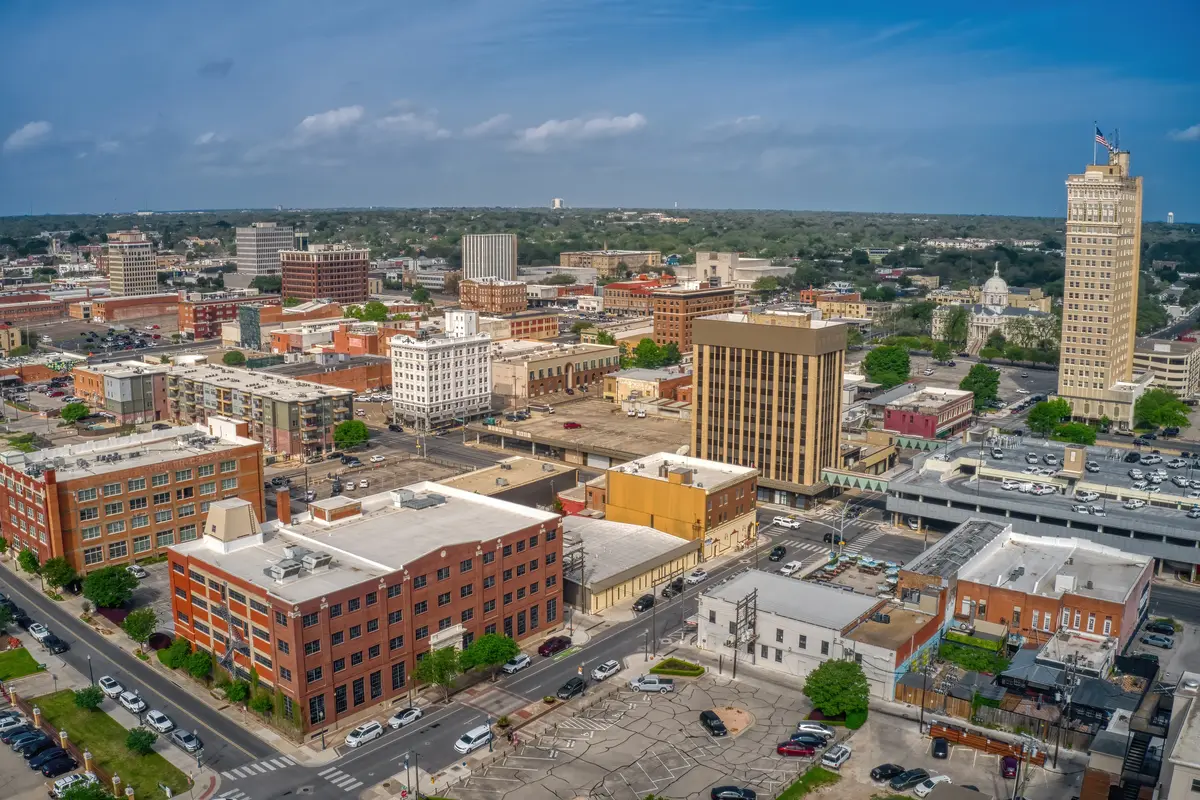
Waco sits squarely in the Central Texas I-35 corridor, about 95 minutes to Dallas and roughly halfway between the Dallas–Fort Worth metro and Austin. That geography made it an affordable commuter city for a generation, and it still does — but the Magnolia Effect changed the calculus. Since Chip and Joanna Gaines put the Silos on the map, Downtown Waco has seen serious investment, historic homes in Sanger Heights have attracted renovation buyers, and the city of 147,788 now competes with neighboring suburbs like Woodway and Hewitt for buyers who want character without the price tag those communities carry.
The economic backbone here is real and diverse: Baylor University shapes the city's rhythm and employs thousands, while the Waco Independent School District, the City of Waco itself, L3Harris Technologies, and two major healthcare systems give the job market more stability than many Central Texas cities its size. Baylor's 12 months of campus activity, including events at the $212.6 million Foster Pavilion that opened in January 2024, means the neighborhoods surrounding the university never really go quiet.
The typical home price in Waco sits at $197,359 (July 2026, Zillow Home Value Index) — a figure that looks remarkable to anyone relocating from a major metro, though it tells only part of the story: the median household income of $54,365 is below the income needed to comfortably carry that price, which means Waco is affordable relative to Texas cities but not a slam dunk for first-time buyers on a local salary. The city logs 230 sunny days a year, Cameron Park and Lake Waco give outdoor life real teeth, and the Waco Riverwalk ties much of it together. For anything the city's independent shops don't carry, a serious shopping run means driving out of town or ordering online.
Whether you're weighing a move or deep in the search, the sections below break down Waco's eight distinct neighborhoods, who each one suits, the honest trade-offs buyers miss, and where renters actually find value.
The Waco Reality
The divide that matters most in Waco isn't east versus west — it's whether you're inside or outside the Waco ISD boundary, and whether you're positioned for the Brazos River corridor or isolated from it. The Waco Independent School District holds a D rating, according to the Texas Education Agency, with 12,908 students enrolled in 2025-26 and 2024-25 state assessments showing 21% of students reaching math proficiency and 32% reaching reading proficiency. Families with school-age children routinely factor charter options, private schools, or neighboring district boundaries into their neighborhood decision — and that filtering shapes where demand concentrates. See the full picture on the Waco schools page.
The second reality is I-35. It runs the length of the city and functions as a hard seam. Neighborhoods to the west — Sanger Heights, Castle Heights, West Waco, Brookview, Parkdale — feel quieter and more residential. Neighborhoods that hug the corridor or sit east of it carry more commercial noise and industrial adjacency. Buying without understanding which side of that seam a home sits on is one of the most common mistakes relocating buyers make here.
Downtown Waco's ongoing 20-year redevelopment plan — a riverside performing arts district, a sports-entertainment ballpark district, a convention center, and a new city hall — broke ground on its first construction phase in 2026. A Form-Based Code covering approximately 88.55 acres of downtown advanced through Waco's planning commission in August 2026. That means buyers in Downtown and adjacent neighborhoods are betting on a neighborhood in active transition, not a finished product. For some buyers that's the opportunity; for others it's the reason to wait.
Neighborhoods at a Glance
| Neighborhood | Best For | Vibe |
|---|---|---|
| Downtown Waco | Walkable Renter | Urban core in active redevelopment; lofts, Silos tourism, Riverwalk access |
| Castle Heights | Luxury Quiet | Curving streets, traffic circles, revival architecture — Waco's most architecturally distinctive neighborhood |
| Sanger Heights | First-Time Value | Historic bungalows and tree-lined streets undergoing active revitalization near Cameron Park |
| Baylor | Commuter Renter | Campus-edge energy, mix of student rentals and owner-occupied homes, year-round activity |
| West Waco | Families Value | Car-dependent suburban feel with park access; adjacent to a large master-planned development |
| North Waco | Value First-Time | Recognized neighborhood association, trails at North Waco Park, Latinx culinary presence |
| Brookview | Value Quiet | Mid-century bungalows close to downtown, leafy and low-key |
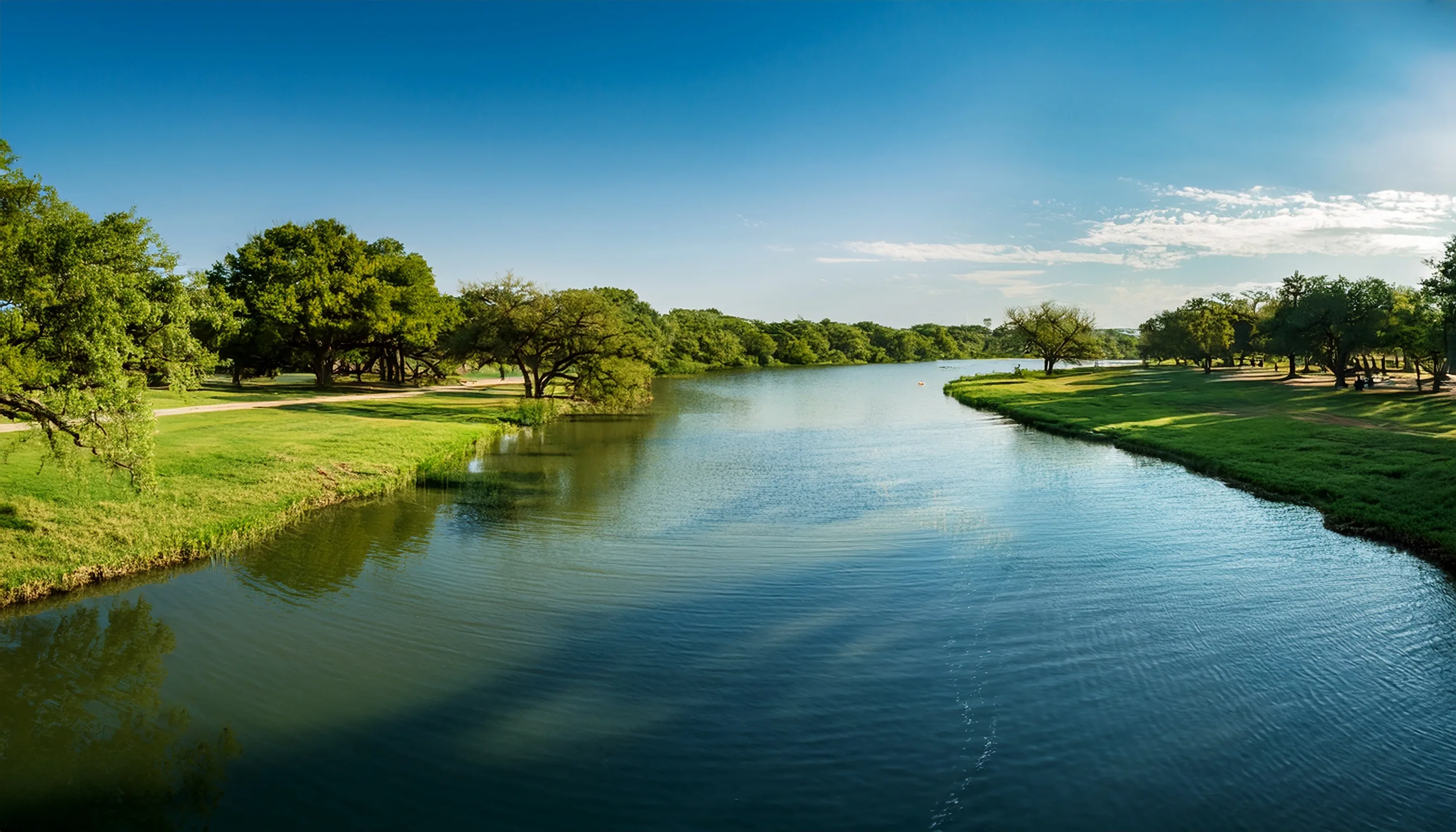
| Parkdale / Viking Hills | Luxury Views Nature | Lake Waco–adjacent, wooded lots, winding roads, country club access |
Waco typical home price: $197,359 (Zillow ZHVI, July 2026). Typical rent: $1,373/mo (Zillow ZORI, July 2026). Neighborhood tiers on this page are relative to these figures.
Best Neighborhood by Buyer Type
| Buyer Type | Best Neighborhood | Why |
|---|---|---|
| First-Time Buyer | Sanger Heights | Below-median pricing combined with historic character and an active neighborhood association makes it Waco's best entry point with upside. |
| Luxury Buyer | Parkdale / Viking Hills | Above-median lake-adjacent homes with wooded lots and country club access command Waco's highest residential price points. |
| Walkability Seeker | Downtown Waco | The only Waco neighborhood where you can reach the Silos, the Riverwalk, the Dr Pepper Museum, and dining on foot. |
| Families with Kids | West Waco | Chapel Park's sports fields and splash pad, lower density, and residential streets away from the industrial eastern edge suit families looking for suburban room. |
| Commuter | Baylor | Central position with quick access to I-35 means shorter drives whether you're heading into campus, downtown, or toward the highway for the Austin or Dallas commute. |
| Large-Lot Buyer | Castle Heights | The 1923-platted neighborhood's curved lots and architectural variety give a spacious, estate feel uncommon in central Waco. |
| Renter | Downtown Waco | The most active supply of loft apartments and mixed-use rentals, with the city's walkable urban core at the front door. |
Looking to buy in Waco? Estimate your payment.
Enter your numbers to see an estimated monthly mortgage payment.
Estimate only. Excludes HOA fees and mortgage insurance. The interest rate above is a starting point, not a quoted rate — replace it with your own to see real numbers. Insurance is a flat placeholder, not a Waco quote.
Most Popular Neighborhoods
1. Downtown Waco
Downtown is the only part of Waco where you can genuinely leave the car parked. Loft apartments and mixed-use buildings sit steps from Magnolia Market at the Silos, the Waco Suspension Bridge, the Dr Pepper Museum, and the Waco Riverwalk — a concentration of walkable destinations no other Waco neighborhood can match. The honest trade-off: you're buying into a construction zone. The 20-year redevelopment plan is real and funded, but a riverside performing arts district and new city hall are still years from finished, and the tourist foot traffic around the Silos is a genuine daily reality rather than a weekend novelty. Homes here price above the city median.
Best for: Renters and buyers who want urban walkability now and are comfortable with the long-term redevelopment bet.
2. Castle Heights
Platted in 1923 and named for the nearby Cottonland Castle, this is Waco's most architecturally coherent neighborhood — curved streets, traffic circles, and a streetscape of Tudor, Colonial, Georgian, Classical, and Mediterranean revival homes recognized by a Texas Historical Commission marker. The curved-street layout is beautiful and intentional, but it also means on-foot access to commercial areas is more complicated than the elegant design suggests. Castle Heights carries no tier in the city's neighborhood data, so price should be investigated lot by lot rather than assumed from the neighborhood name alone.
Best for: Architecture enthusiasts and buyers who prioritize neighborhood character and quiet streets over on-foot access.
3. Sanger Heights
Colcord Avenue is the street people mean when they talk about Sanger Heights — tree-canopied, lined with early 20th-century bungalows, Colonial Revivals, and brick Tudors, and close enough to Cameron Park and the Brazos River to feel genuinely connected to Waco's best outdoor assets. Prices here sit below the city median, and the Sanger Heights Neighborhood Association is actively backing new sidewalks, expanded streets, and improved pedestrian infrastructure — a revitalization effort with real momentum. The honest caveat is that "in progress" means some blocks are further along than others, and the condition of homes varies street to street.
Best for: First-time buyers and renovation buyers who want historic character, below-median pricing, and a neighborhood with upward trajectory.
4. Baylor
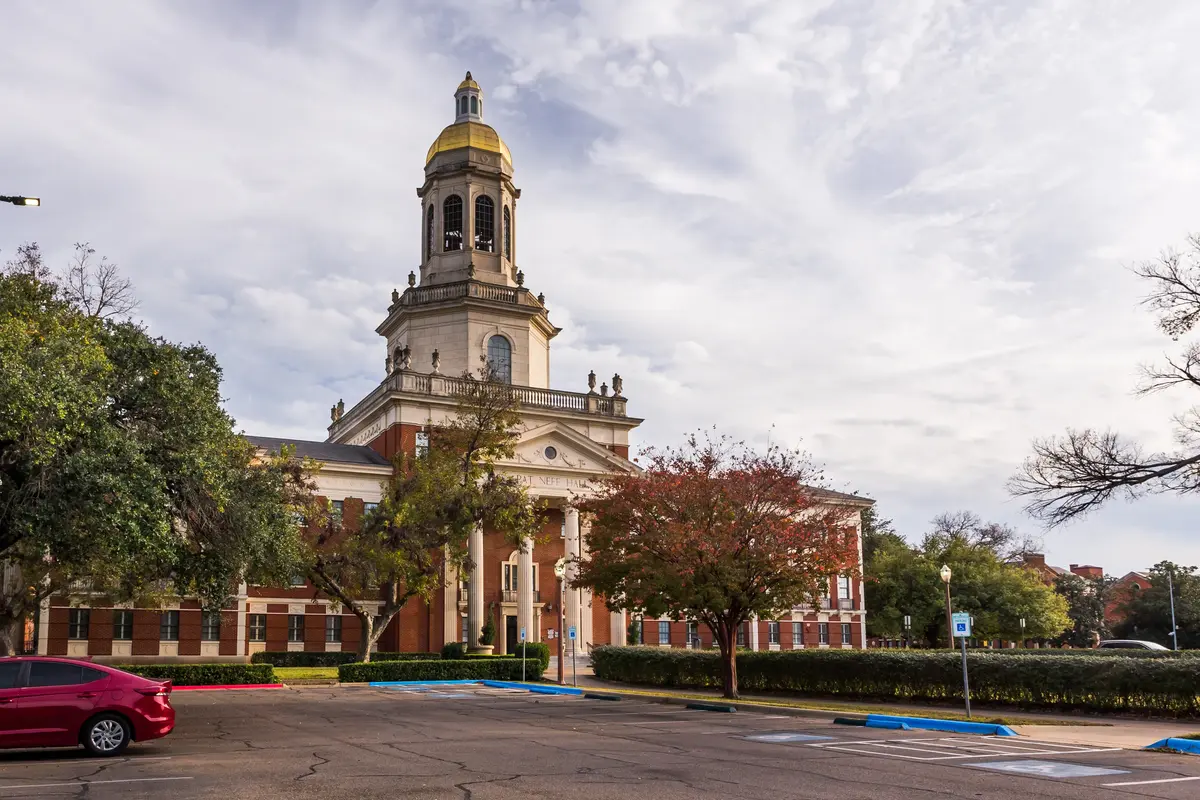
The Baylor neighborhood wraps around the university's campus and carries the energy of a college town within a city — Foster Pavilion events, year-round foot traffic, and a housing stock that mixes pre-1940 homes with newer construction and student rentals. Prices run above the city median, reflecting both the location premium and the strong rental demand that makes this attractive for investors. Parents of prospective Baylor students eyeing nearby housing should know that student-rental concentration is a real factor in certain blocks, and investor-owned properties aren't evenly distributed across the neighborhood.
Best for: Commuters who work on campus, investors targeting student rentals, and buyers who want central Waco access with a lively street-level atmosphere.
5. West Waco
West Waco is unambiguously suburban — car-dependent, lower density, and primarily residential once you get away from the industrial uses on the eastern edge. Chapel Park gives families sports fields and a splash pad, and US-84 (Waco Drive) puts downtown about 10 to 15 minutes away on a clear run. The big story here is forward-looking: the approved West Lake Village master-planned community — 1,223 single-family homes, 20 townhomes, over 250 acres of parks and open space, and Lake Waco trail access — was approved for land adjacent to West Waco, which means the area's character is likely to shift considerably over the next decade. That's upside for long-term holders and a flag for buyers who specifically want established, quiet streets.
Best for: Families with kids who want park access, suburban space, and don't need walkability.
6. North Waco
North Waco has a recognized neighborhood association through the City of Waco and North Waco Park provides trails and picnic areas — a useful anchor for families who want green space without the drive to Cameron Park. Prices here sit below the city median, making this one of Waco's more accessible entry points. The neighborhood carries a Latinx culinary presence that gives the commercial strips a character distinctly different from Waco's more polished corridors. Authoritative data on this neighborhood is thinner than for others on this list, which is itself informative — it's a working residential area that doesn't get much real estate coverage, for better or worse.
Best for: Value-focused buyers and first-time buyers willing to do their own due diligence on a neighborhood the major listing platforms don't cover in depth.
7. Brookview
Brookview offers tree-lined streets of mid-century bungalows close to downtown, with prices that sit below the city median. Crestview Park is the neighborhood's main recreation anchor and serves as the informal gathering point. The trade-off is size and amenities — Brookview is compact and quiet, which suits buyers who want a low-maintenance footprint near the city core, but doesn't offer much in the way of walkable retail or dining. It tends to attract buyers looking for older construction at an accessible price point without the renovation complexity of Sanger Heights.
Best for: Value buyers and downsizers who want manageable square footage, leafy streets, and proximity to downtown without paying a downtown premium.
8. Parkdale / Viking Hills
Parkdale and Viking Hills border Lake Waco, and the winding roads through oaks and cedars give the area a feel that's genuinely different from the rest of Waco — lake views, wooded lots, and Ridgewood Country Club nearby for additional recreation. Prices here run above the city median, making this Waco's closest equivalent to a lake-country suburb. The catch is straightforward: this neighborhood is car-dependent, and SH-6 is your primary route in and out. Buyers expecting lake-town walkability should temper that expectation; this is a residential retreat, not a lakefront village.
Best for: Luxury buyers, nature-oriented buyers, and anyone prioritizing Lake Waco access and wooded privacy over urban proximity.
Common Mistakes Buyers Make in Waco
Treating the District Rating as the Whole Story
The Waco ISD holds a D rating, according to the Texas Education Agency — and buyers who stop there miss the nuance. Individual campuses within a district vary significantly, and many Waco families supplement with charter schools or private options regardless of where they buy. The mistake is choosing a neighborhood based on price and then being surprised by the schooling calculus. Research specific campuses before you go under contract, not after. The full breakdown is on the Waco schools page.
Ignoring Which Side of I-35 the Home Sits On
I-35 is not just a commute artery — it's a noise corridor and a psychological divide. Homes within a few blocks of the highway on either side carry a very different daily experience than homes deeper into Sanger Heights or Castle Heights. Buyers who focus on a neighborhood name without checking proximity to the highway often end up surprised six months in. Pull up satellite view and count blocks before you schedule a showing.
Assuming West Waco's Eastern Edge Is Residential
Industrial uses occupy the eastern portion of the West Waco area. Buyers drawn to West Waco's suburban feel and Chapel Park access occasionally go under contract on homes closer to that industrial seam than they realized. The residential character that makes West Waco attractive is concentrated to the west of that corridor — check the adjacent land uses, not just the immediate block.
Chasing Downtown Square Footage on a Suburban Budget
Downtown Waco's lofts and mixed-use units tend to price above the city median for what is, by square footage, a modest footprint. Buyers accustomed to suburban floor plans sometimes pursue a Downtown address and find the per-square-foot premium doesn't leave room for the finishes or space they expected. If square footage is the priority, Brookview or North Waco deliver meaningfully more for less — the trade-off being that you'll drive to the Riverwalk rather than walk to it.
Best Areas to Rent in Waco
| Area | Ideal For | Trade-off |
|---|---|---|
| Downtown Waco | Young professionals, remote workers who want walkable urban life | Tourist foot traffic around the Silos is constant; the neighborhood is still mid-construction on its long-term vision |
| Baylor Area | Graduate students, university employees, short-term renters | Investor-owned rental stock means quality varies block to block; competition from student demand can push availability down during the academic year |
| Sanger Heights | Renters who want historic character and proximity to Cameron Park | Older housing stock means some units have deferred maintenance; vet the landlord and the building before signing |
| West Waco | Families who need park access and suburban space on a renter's budget | Car-dependent — every errand, every school run, every commute is a drive |
| Brookview / North Waco | Value-focused renters and first-time renters new to the Waco market | Thinner rental inventory than the Baylor or Downtown corridors; fewer professional property managers in the mix |
Waco's rental market is significantly more accessible than Austin or Dallas, but below-median incomes mean affordability is still a real constraint for many local renters — the lowest-cost zones are North Waco and Brookview, where older housing stock and quieter demand tend to keep rents closer to the city floor. See the full rent picture on the cost of living page.
Local Expert Takeaway: Waco's neighborhood map is more layered than its price tag suggests. The real sorting mechanism isn't income bracket — it's whether you're buying into the Brazos River corridor (Downtown, Sanger Heights), the established residential west (Castle Heights, Brookview), the lake-adjacent premium zone (Parkdale/Viking Hills), or the suburban growth edge (West Waco). Buyers who show up thinking 'Waco is affordable everywhere' and skip due diligence on school boundaries, I-35 proximity, and industrial adjacency consistently end up with regrets. The city's typical home price of $197,359 (July 2026) is genuine — but the best buys in this market go to buyers who understand which neighborhood is actually in motion and why.
Quick Takeaways & FAQs
✅ Waco's typical home price of $197,359 (July 2026) is well below what comparable Central Texas cities charge, giving buyers real purchasing power in neighborhoods like Sanger Heights and Brookview.
⚠️ The Waco ISD holds a D rating, according to the Texas Education Agency — families should research individual campuses and charter options before settling on a neighborhood.
📍 Downtown Waco's 20-year redevelopment plan broke ground in 2026, making the urban core a genuine long-term bet — but buyers moving in now should expect active construction and tourist traffic as part of daily life near the Silos.
What is the most affordable neighborhood in Waco to buy a home?
Which Waco neighborhoods are best for families with children?
Is Downtown Waco a good place to buy right now?
How does Waco's neighborhood pricing compare to Woodway and Hewitt?
What's the best area to rent in Waco if I'm new to the city?
Moving to Texas?
Tell us what you need help with and we'll connect you with local resources.
