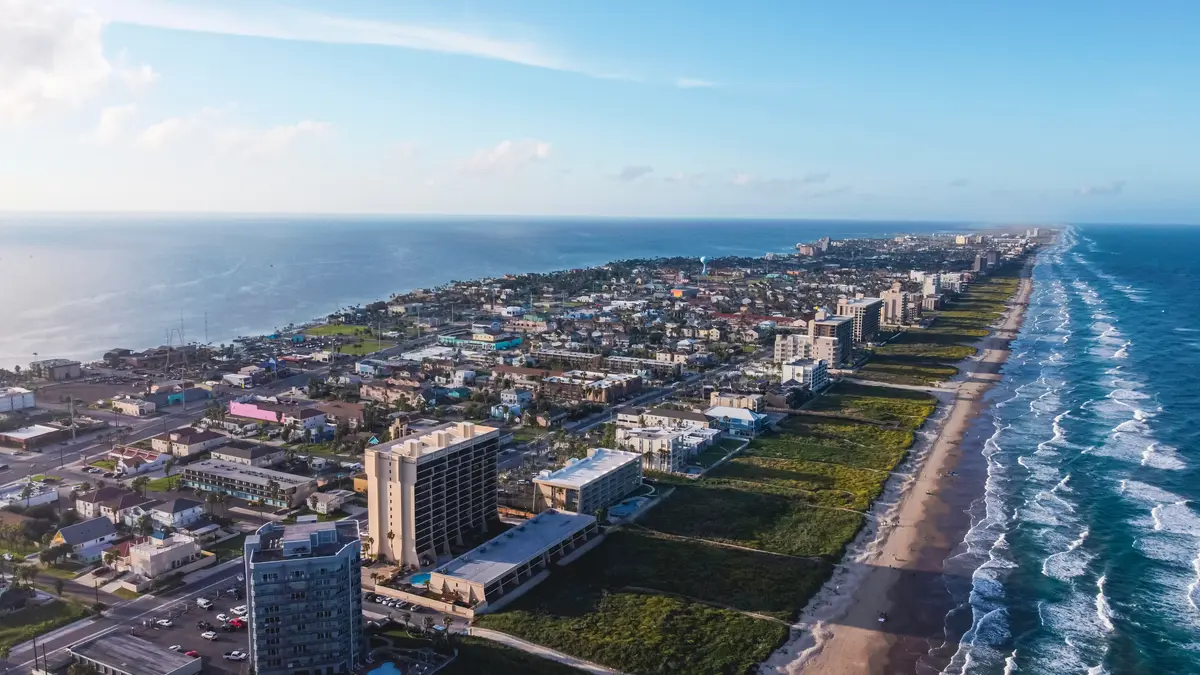
Is the Rio Grande Valley a Good Place to Live?
You're probably here because someone told you the Rio Grande Valley is incredibly affordable — and they're right, in the same way that saying Hawaii is warm is technically accurate but misses the full story. The Valley sits at the southernmost tip of Texas, hemmed in by the Rio Grande and the Gulf coast, and it operates like nowhere else in the state. The workforce is predominantly Spanish-speaking, the international bridges carry daily cross-border commerce that shapes local retail and healthcare, and a SpaceX launch site is reshaping the region's identity faster than most locals expected. If you moved here from Dallas or Houston expecting a slower, cheaper version of what you left, month three will correct that assumption quickly.
The economic backbone here is a web of institutions rather than a single anchor industry. The University of Texas Rio Grande Valley ties together Edinburg and Brownsville. Competing regional hospital systems operate across multiple campuses in Hidalgo County. The school districts — Brownsville Independent School District, McAllen Independent School District, Edinburg Consolidated Independent School District, Pharr-San Juan-Alamo Independent School District — are among the largest employers in their respective cities. Cross-border trade through the Port of Brownsville and the Pharr-Reynosa International Bridge keeps logistics and manufacturing relevant. And the emergence of SpaceX Starbase near Brownsville has begun pulling in aerospace workers who are, in many cases, seeing the Valley for the first time and staying longer than they planned.
Compared to every other Texas region, the Rio Grande Valley sits at the more affordable end of the spectrum — meaningfully below the Austin Metro, Dallas-Fort Worth, Greater Houston, and San Antonio Metro, and more accessible than the Hill Country. That gap is real and it matters for buyers stretching a budget. What the spreadsheet doesn't capture: summer heat that runs deep into October, humidity that makes coastal Texas feel almost mild by comparison, and a healthcare system that is improving but still sends residents to San Antonio for some specialized care. The payoff is a region where your dollar genuinely goes further, the food is exceptional, and the birding is world-class — the migratory flyway through the Valley draws enthusiasts from across North America every winter.
Whether you're weighing Brownsville's historic neighborhoods against McAllen's retail infrastructure, trying to figure out what life in a smaller city like Alamo or San Juan actually looks like day to day, or wondering whether South Padre Island can work as a year-round base rather than a vacation spot, the cities below each have a distinct character. This guide breaks down what makes each one different — who it suits, what it costs, and what nobody tells you before you sign a lease.

Explore All 11 Cities in the Rio Grande Valley
Click into any city for the complete guide — neighborhoods, home prices, cost of living, pros & cons, schools, top employers, and mortgage help.
Brownsville
Brownsville is one of the state's larger cities and the easternmost anchor of the Valley, where history runs deep — Palo Alto Battlefield National Historical Park preserves the site of the first major battle of the Mexican-American War, and the Historic Downtown district still has bones worth walking. The city's identity is shifting fast: SH-4, known locally as Boca Chica Boulevard, now leads to SpaceX Starbase, and the aerospace workforce it attracts is a new variable in a city that has long moved at its own measured pace. Priced near the middle of this region, Brownsville suits buyers who want cultural texture, an international port economy, and room to grow in a city that is genuinely in the middle of a reinvention.
Full Brownsville Guide →
McAllen
McAllen functions as the commercial and medical hub of the Valley — La Plaza Mall draws shoppers from across the region and from northern Mexico, and the density of healthcare providers along its corridors is higher than anywhere else between San Antonio and the border. It is one of the state's larger cities, and it carries itself that way: the McAllen Convention Center hosts events that the smaller Valley cities can't, and Quinta Mazatlan World Birding Center puts serious nature access inside the city limits. Priced near the middle of the region, McAllen is the default landing spot for relocating professionals who want services and infrastructure close at hand without paying Austin or Houston prices.
Full McAllen Guide →
Edinburg
Edinburg is the county seat of Hidalgo County and the home campus of the University of Texas Rio Grande Valley, which shapes everything from the rental market to the pace of life in the surrounding neighborhoods. The Bert Ogden Arena and Robert & Janet Vackar Stadium make it the region's sports and events anchor in a way that surprises people who write it off as a college town. As one of the state's larger cities priced near the middle of the region, Edinburg draws a steady mix of UTRGV faculty and staff, healthcare workers at the major systems clustered here, and families who want suburban neighborhoods like Los Lagos and Hacienda las Fuentes without paying McAllen prices.
Full Edinburg Guide →
Mission
Mission made its name on citrus — La Lomita Chapel and the groves along the river are reminders of that agricultural identity — but today it is better known as the gateway to Bentsen-Rio Grande Valley State Park and the National Butterfly Center, destinations that draw enthusiasts from across the continent and give Mission a different kind of cachet than its neighboring cities. Sharyland Plantation is the neighborhood that gets mentioned first by buyers coming from larger Texas metros, and it sits within a separate independent school district from Mission Consolidated ISD — one that some families move here specifically to access. A mid-size city priced near the middle of the region, Mission rewards buyers who want established neighborhoods, genuine natural assets nearby, and a quieter pace than McAllen, just a short drive east.
Full Mission Guide →
Pharr
Pharr's most important fact for relocating buyers is geographic: the Pharr-Reynosa International Bridge makes it one of the busiest commercial ports of entry in the country, which means logistics and manufacturing activity are woven into the local economy in ways that aren't always visible from the residential side of town. The neighborhoods here — places like Plantation Country Club and Stone Ridge Estates — are largely suburban in character, and the city's price point toward the more affordable end of this region makes it attractive for first-time buyers who want Hidalgo County access without McAllen or Edinburg prices. The school district shared with San Juan and Alamo runs early college high schools here and is the institution most residents talk about when schools come up.
Full Pharr Guide →
Harlingen
Harlingen sits at the geographic and logistical center of the Valley — where I-2 and I-69E cross, which means both McAllen and Brownsville are within a reasonable drive, and Valley International Airport makes it the region's most practical base for people who travel regularly for work. The city has a distinct military heritage: the Iwo Jima Monument and Museum here holds the original model for the famous memorial, and that history still shapes the community's identity. A mid-size city priced near the middle of the region, Harlingen draws retirees, healthcare workers at the regional medical center, and families who want a city with its own identity rather than a satellite of somewhere larger.
Full Harlingen Guide →
Weslaco
Weslaco punches above its size when it comes to natural assets: Estero Llano Grande State Park, one of the World Birding Center's flagship sites, is inside city limits, and the Valley Nature Center and Frontera Audubon Society give residents year-round wildlife access that most mid-size Texas cities simply don't have. The H-E-B regional distribution center here is a significant employer and a signal of Weslaco's role as a logistics node in the middle of the Valley corridor. Priced near the middle of the region, Weslaco suits buyers who want a smaller-city feel, genuine natural surroundings, and easy access along US-83 to both McAllen and Harlingen without committing to either.
Full Weslaco Guide →
San Juan
San Juan's defining landmark is the Basilica of the National Shrine of Our Lady of San Juan del Valle, a regional pilgrimage site that draws visitors from across the country and gives the city a spiritual gravity that is genuinely unusual for a mid-size Texas city. The residential character here is quietly suburban — neighborhoods like Orchards of San Juan and Plantation Heights are comfortable and unpretentious — and the city's position along I-2 puts McAllen and Pharr within easy reach. Priced near the middle of the region, San Juan is a practical choice for buyers who want to stay in Hidalgo County without the name recognition or price premium of its larger neighbors.
Full San Juan Guide →
Alamo
Alamo is a small city with a significant natural asset just outside its edge: Santa Ana National Wildlife Refuge, one of the most important migratory bird sanctuaries in North America, draws birders and naturalists who often end up curious about the town itself. The city is served by the same large school district covering Pharr and San Juan, and the residential fabric is quiet and walkable in the older sections near downtown. Priced near the middle of the region, Alamo is the kind of place that makes the most sense for buyers who want a small-city pace, proximity to McAllen without living in it, and a community where the natural world is genuinely close.
Full Alamo Guide →
Rio Grande City
Rio Grande City is the seat of Starr County and the most remote of the Valley's cities, sitting along US-83 where the Rio Grande bends and the landscape opens up in a way the eastern Valley doesn't. Fort Ringgold and La Borde House give the Historic District real architectural weight, and the international bridge to Camargo keeps the city connected to Mexico in ways that shape local commerce and daily life. Toward the more affordable end of this region on price, Rio Grande City suits buyers who want space, history, and the quieter end of Valley life — and who are honest with themselves that amenities will require a drive.
Full Rio Grande City Guide →- Is Rio Grande City Safe? A Data-Backed Look
- Cost of Living in Rio Grande City
- Best Neighborhoods in Rio Grande City
- Schools in Rio Grande City: A Family Guide
- Parks & Recreation in Rio Grande City
- Retiring in Rio Grande City
- First-Time Homebuyer's Guide to Rio Grande City
- Moving to Rio Grande City from California
South Padre Island
South Padre Island is the only place in this region where the coast is the whole point — the Queen Isabella Causeway connects it to the mainland, and everything about daily life here, from real estate to employment, is shaped by that physical separation. It is a small town that lives a double life: a year-round residential community and one of Texas's most visited beach destinations, and those two identities create real friction around traffic, housing availability, and the seasonal economy that employs many residents. Toward the pricier end of this region, SPI makes sense for buyers who want the beach as a lifestyle rather than a vacation — and who understand that island living comes with island trade-offs.
Full South Padre Island Guide →- Is South Padre Island Safe? A Data-Backed Look
- Cost of Living in South Padre Island
- Best Neighborhoods in South Padre Island
- Schools in South Padre Island: A Family Guide
- Parks & Recreation in South Padre Island
- Retiring in South Padre Island
- First-Time Homebuyer's Guide to South Padre Island
- Moving to South Padre Island from California
Compare Every City in Rio Grande Valley
Full ranked breakdowns across every city in the region — scored and compared side by side.
Local Expert Takeaway: The Rio Grande Valley rewards buyers who move here intentionally — knowing that they are choosing a binational, subtropical, genuinely distinct corner of Texas rather than a cheaper version of somewhere else — and tends to frustrate buyers who arrive expecting the same infrastructure and pace as the state's larger metros.
Frequently Asked Questions
Which city in the Rio Grande Valley is best for families with school-age children?
Is the Rio Grande Valley actually affordable compared to the rest of Texas?
What do people not expect about living in the Rio Grande Valley before they move here?
Can South Padre Island work as a year-round home rather than a vacation property?
How does living in the Rio Grande Valley compare to living in San Antonio or Austin?
Helpful Texas Resources
Explore Other Texas Regions
the Rio Grande Valley is one of 17 distinct regions that make up Texas. Each has its own climate, character, and housing market — explore them all.
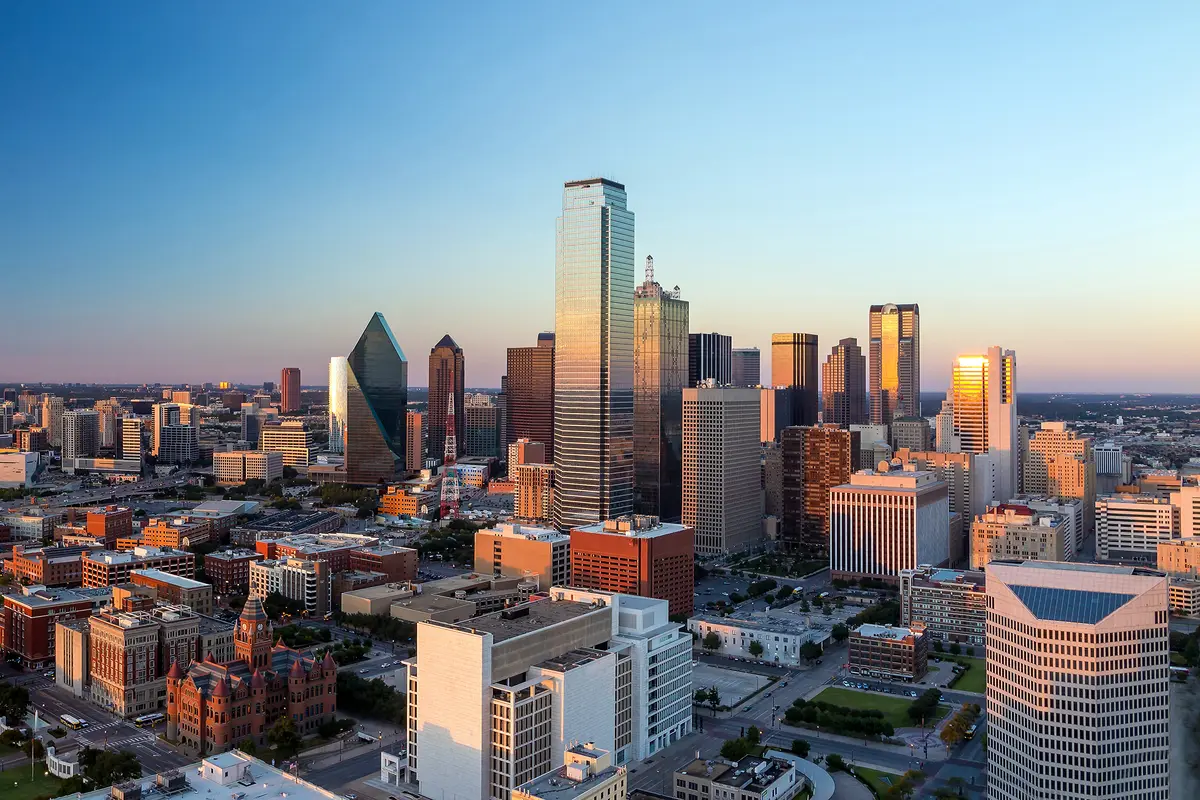
Two downtowns and the whole sweep of suburbs between and around them, from the Collin County job corridor to the ranch country west of Fort Worth. 71 cities including Dallas, Fort Worth, Arlington.
Explore all 71 Dallas-Fort Worth cities →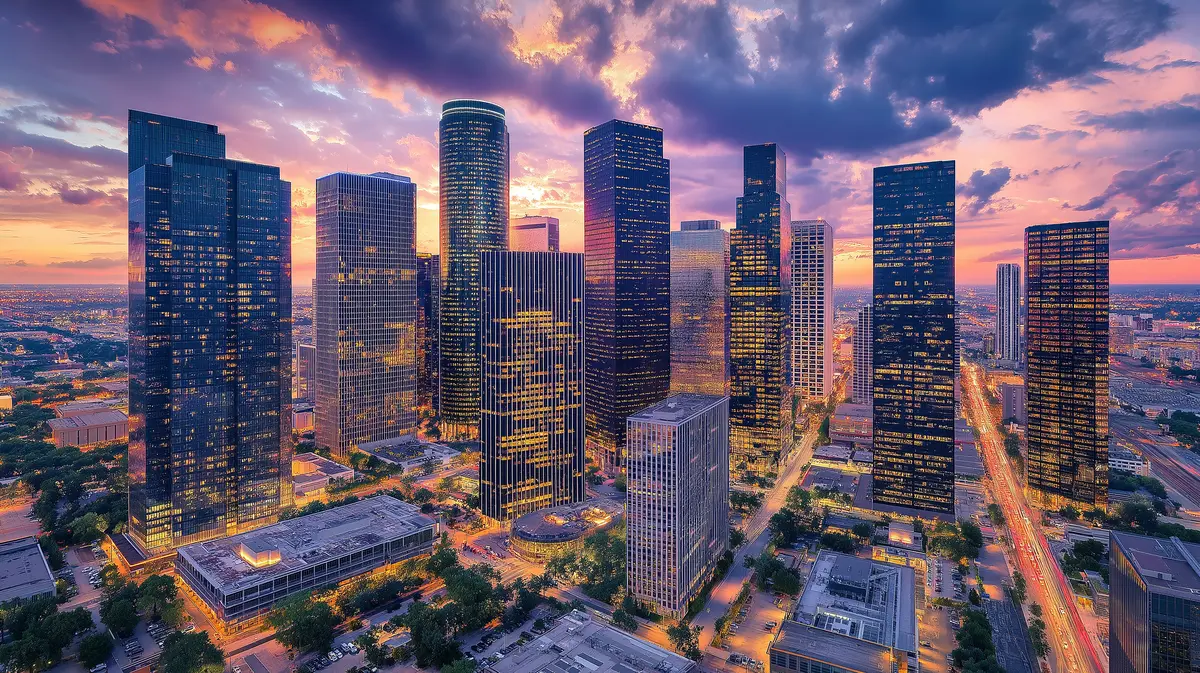
The energy capital and the ring of master-planned communities, bayou suburbs and bay towns that grew up around it. 45 cities including Houston, Cypress, Klein.
Explore all 45 Greater Houston cities →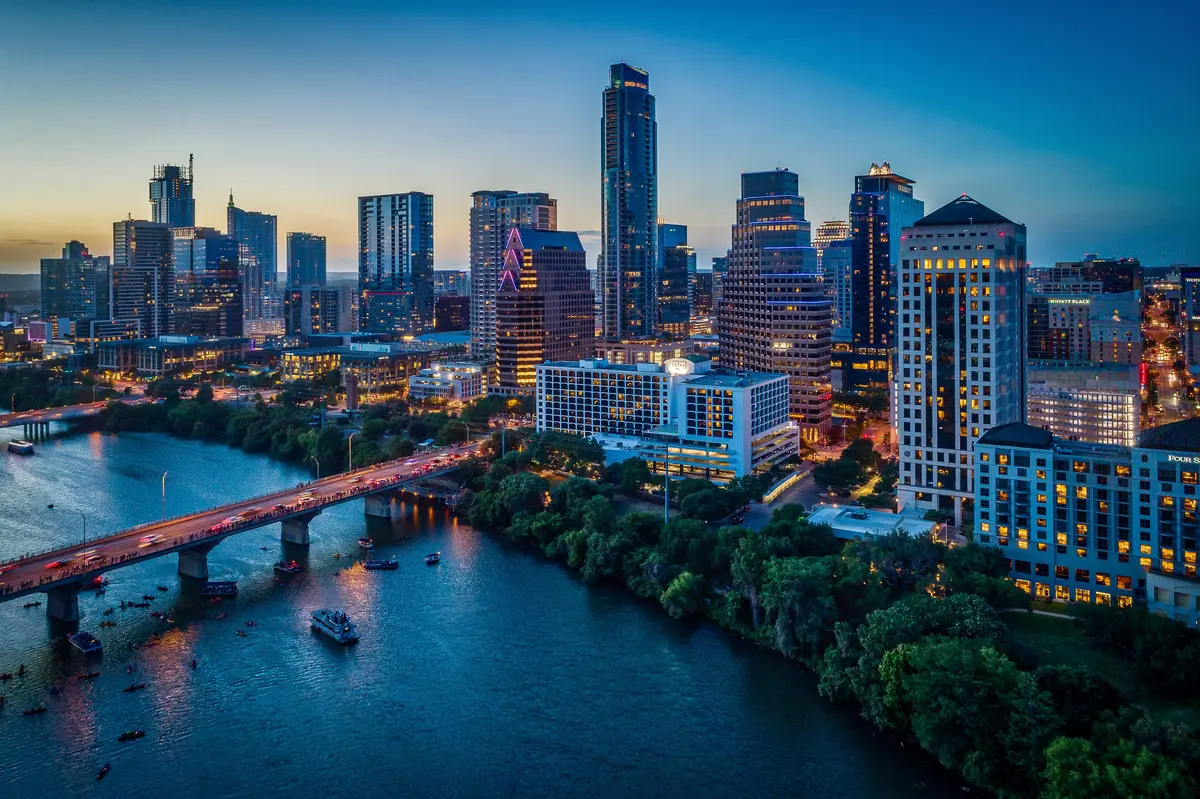
The state capital and the fast-growing corridor of suburbs running north and south of it along the interstate, out into the Colorado River hills. 21 cities including Austin, Round Rock, Georgetown.
Explore all 21 Austin Metro cities →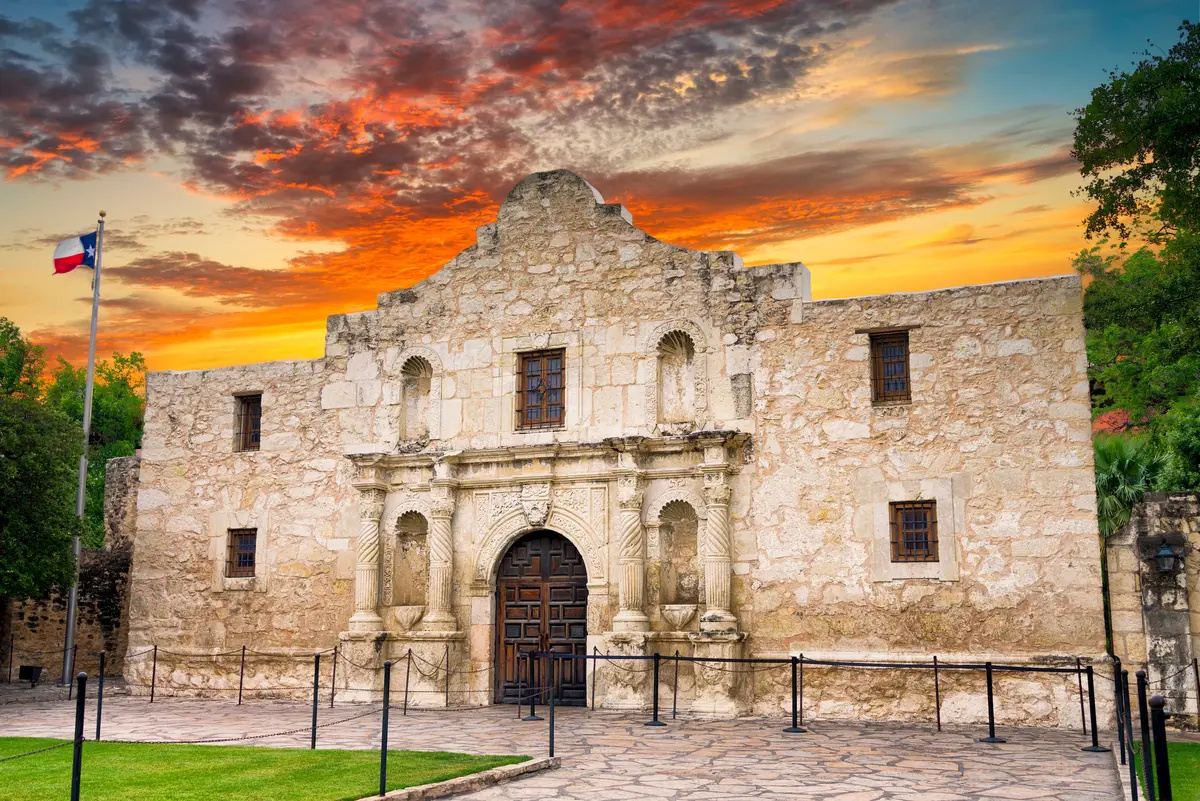
A deep-rooted Spanish colonial city ringed by military bases and the suburbs climbing north toward the Balcones Escarpment. 15 cities including San Antonio, New Braunfels, Schertz.
Explore all 15 San Antonio Metro cities →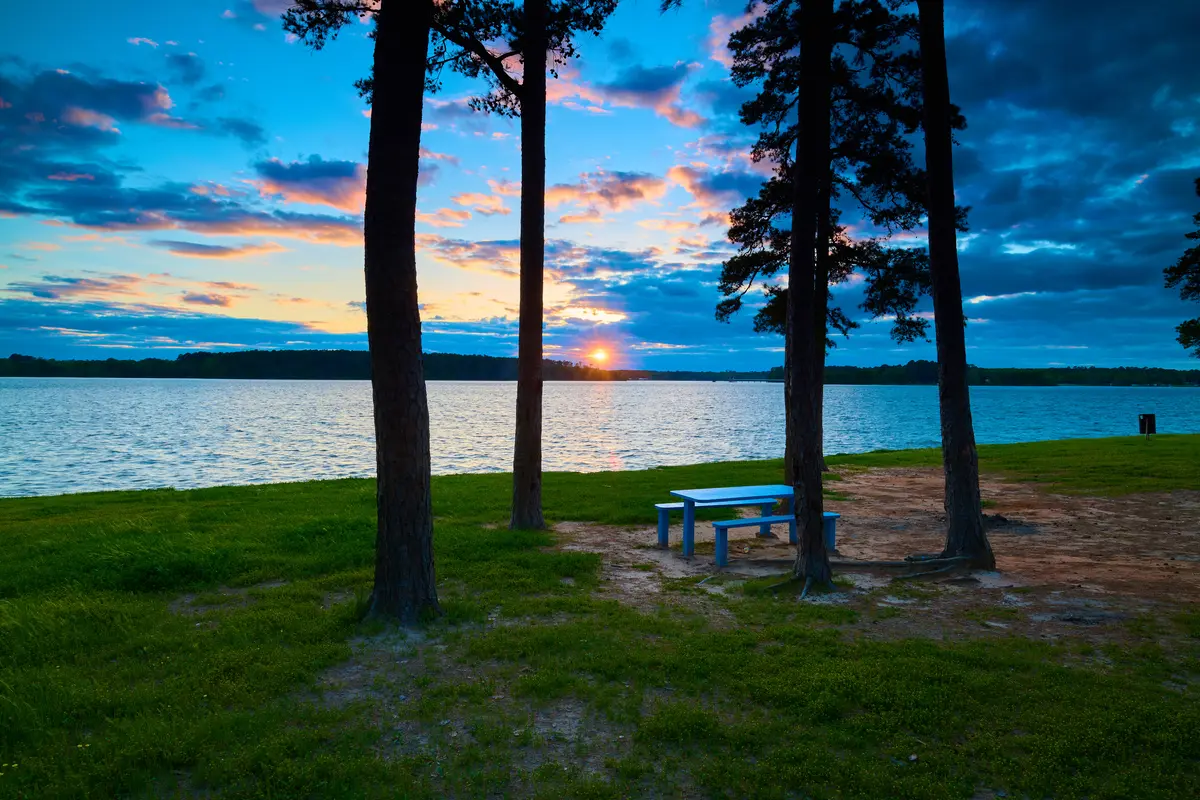
Pine forest, lakes and old county-seat towns across the wettest, greenest corner of the state. 13 cities including Tyler, Longview, Huntsville.
Explore all 13 East Texas cities →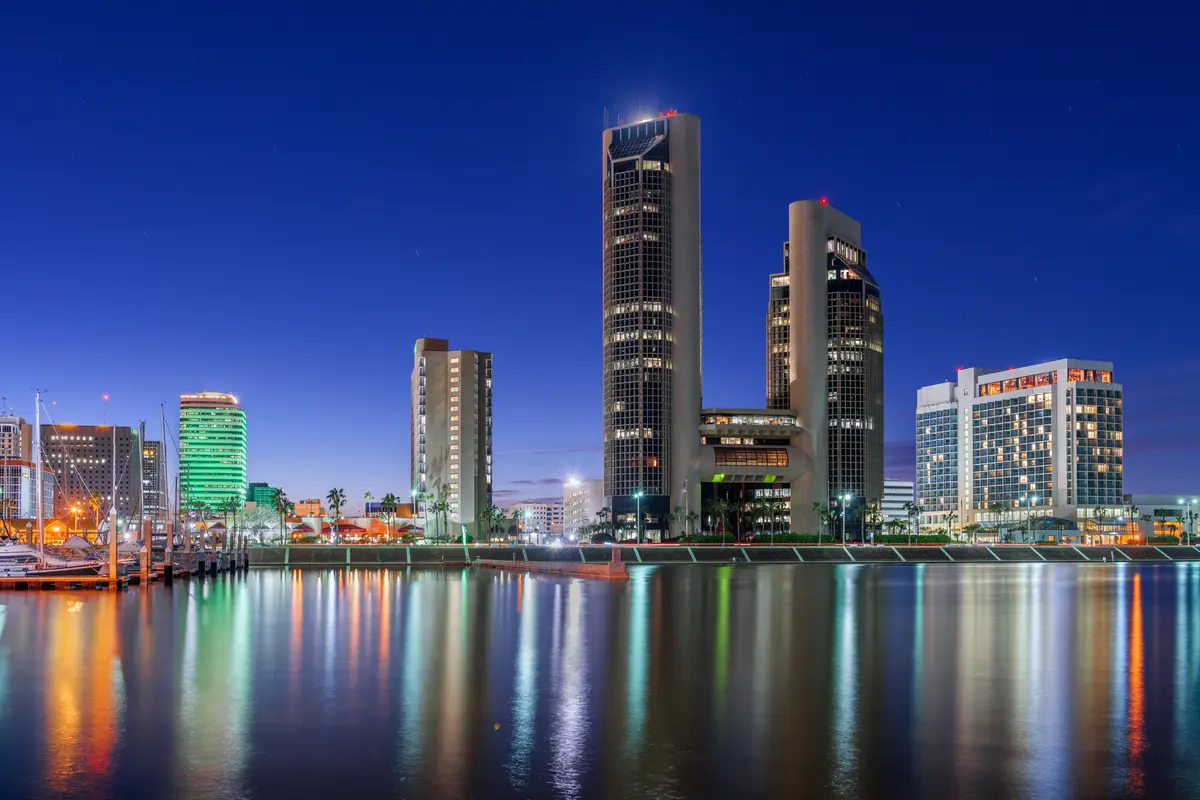
Bay-front cities, refinery towns and barrier-island beaches where the Gulf coast turns south. 7 cities including Corpus Christi, Victoria, Kingsville.
Explore all 7 Coastal Bend cities →
Ranching and university towns spread across the rolling plains of west central Texas. 6 cities including Abilene, San Angelo, Stephenville.
Explore all 6 Big Country cities →
University, hospital and Army-post towns strung along the interstate between the two biggest metros. 6 cities including Killeen, Waco, Temple.
Explore all 6 Waco-Killeen-Temple cities →
Limestone hills, spring-fed rivers, German heritage towns and the wineries that followed them. 5 cities including Kerrville, Uvalde, Fredericksburg.
Explore all 5 Hill Country cities →
The oilfield cities of far West Texas, where the pay is high and the horizon is wide open. 4 cities including Midland, Odessa, Big Spring.
Explore all 4 Permian Basin cities →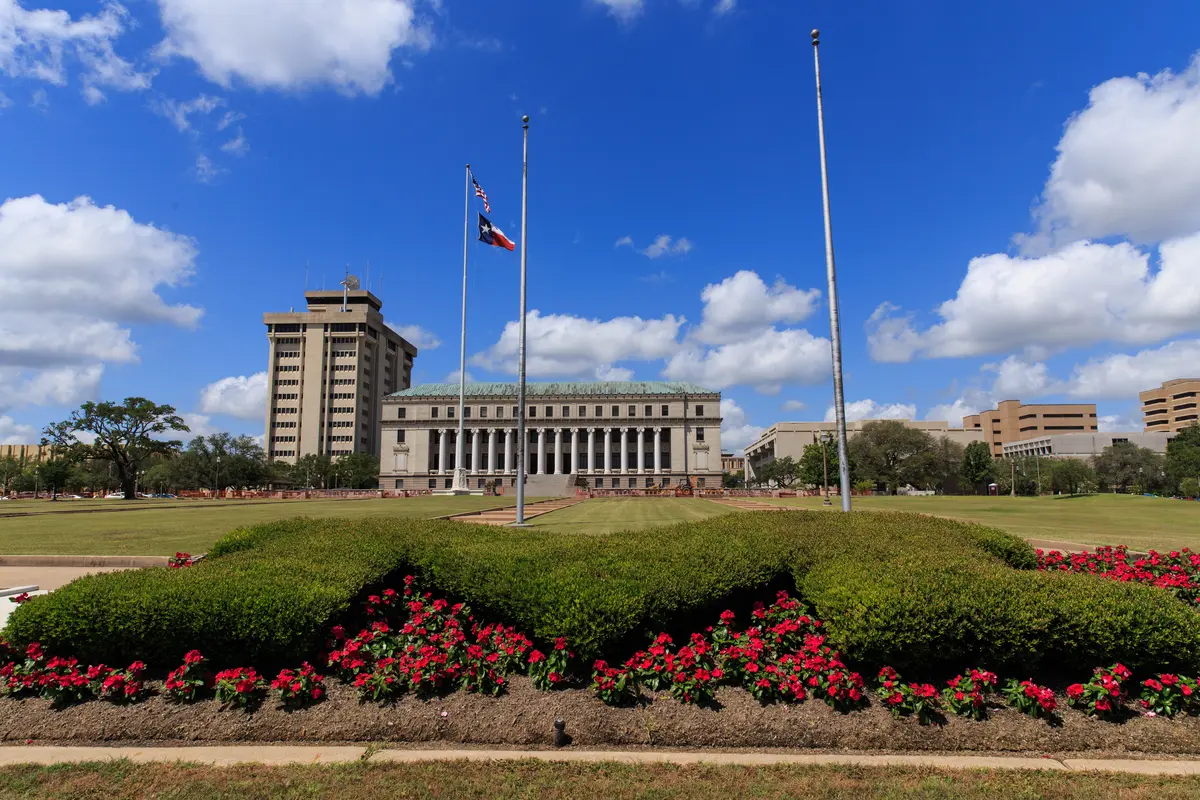
A university-driven pocket of Central Texas surrounded by river-bottom farmland and historic German and Czech settlements. 4 cities including College Station, Bryan, Brenham.
Explore all 4 Brazos Valley cities →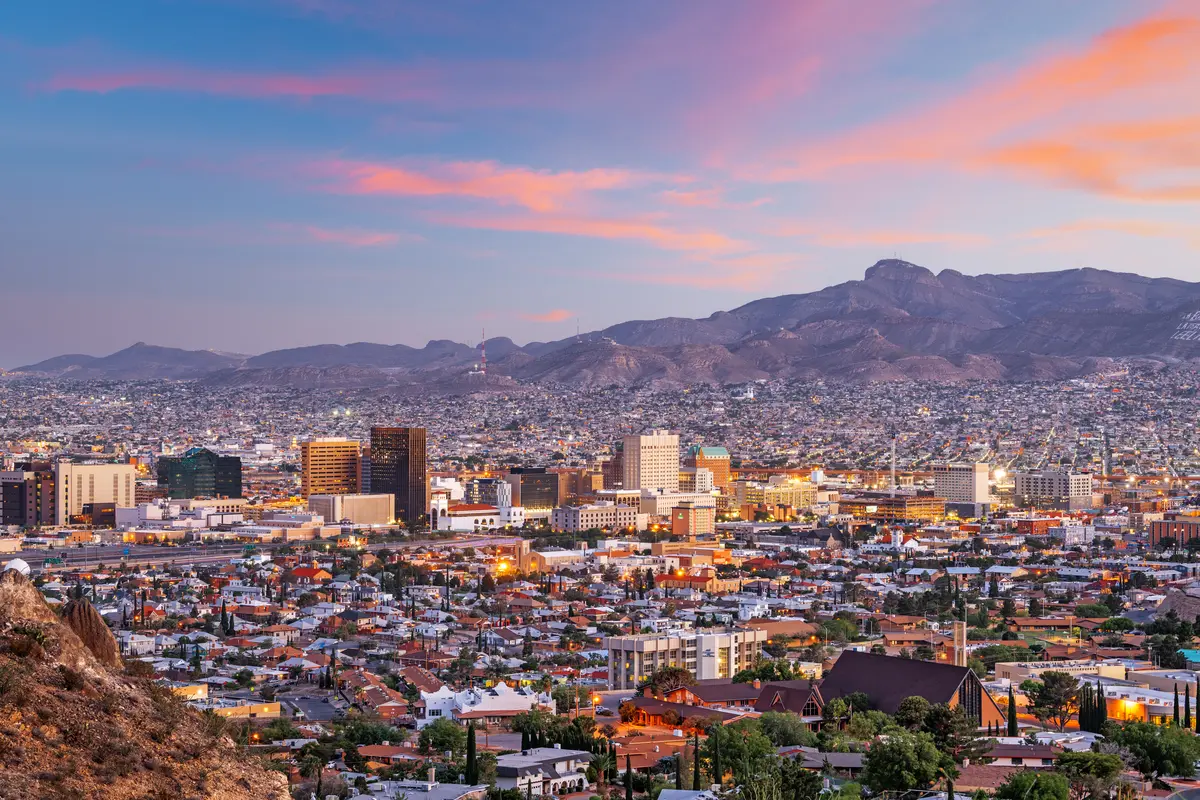
A high-desert border city in the far western corner of the state, closer to three other capitals than to its own. 4 cities including El Paso, Socorro, Horizon City.
Explore all 4 El Paso Borderplex cities →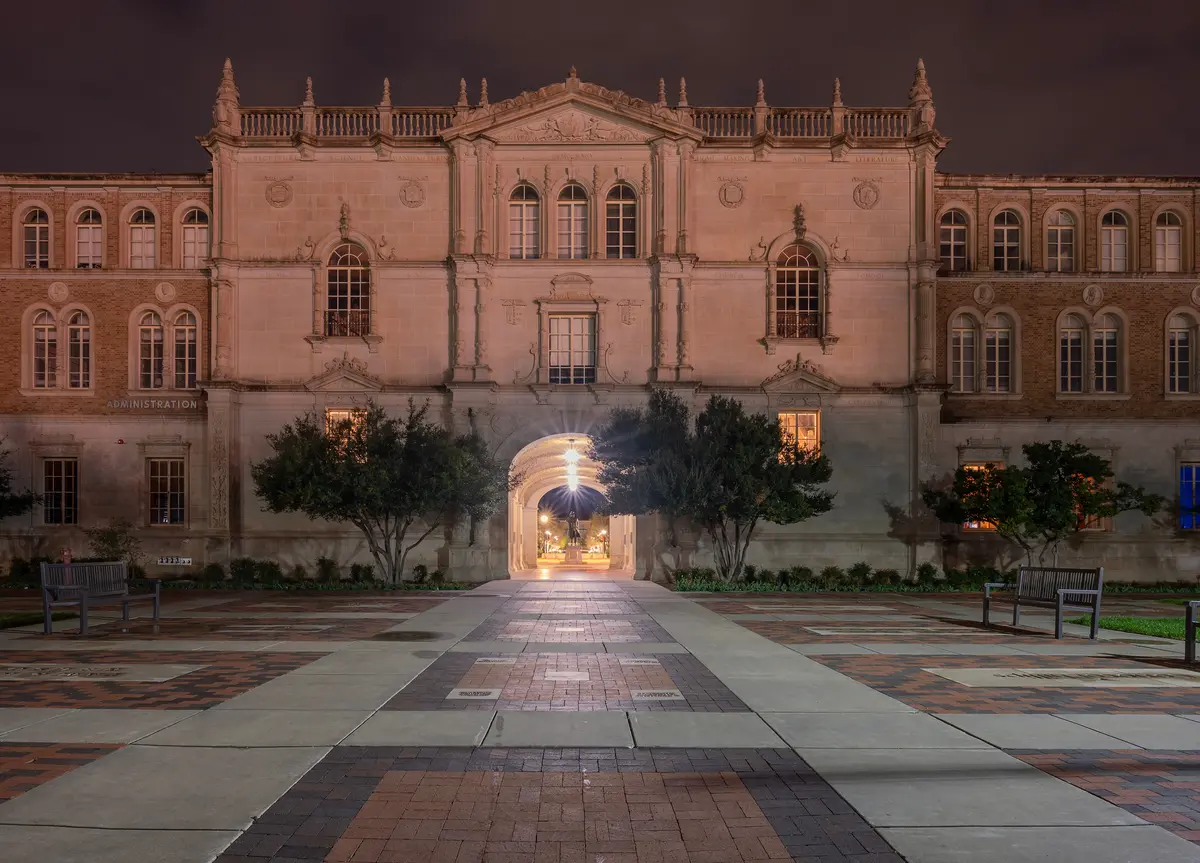
Flat, high, dry cotton and cattle country at the top of the state, anchored by two university cities. 3 cities including Lubbock, Amarillo, Plainview.
Explore all 3 Panhandle & South Plains cities →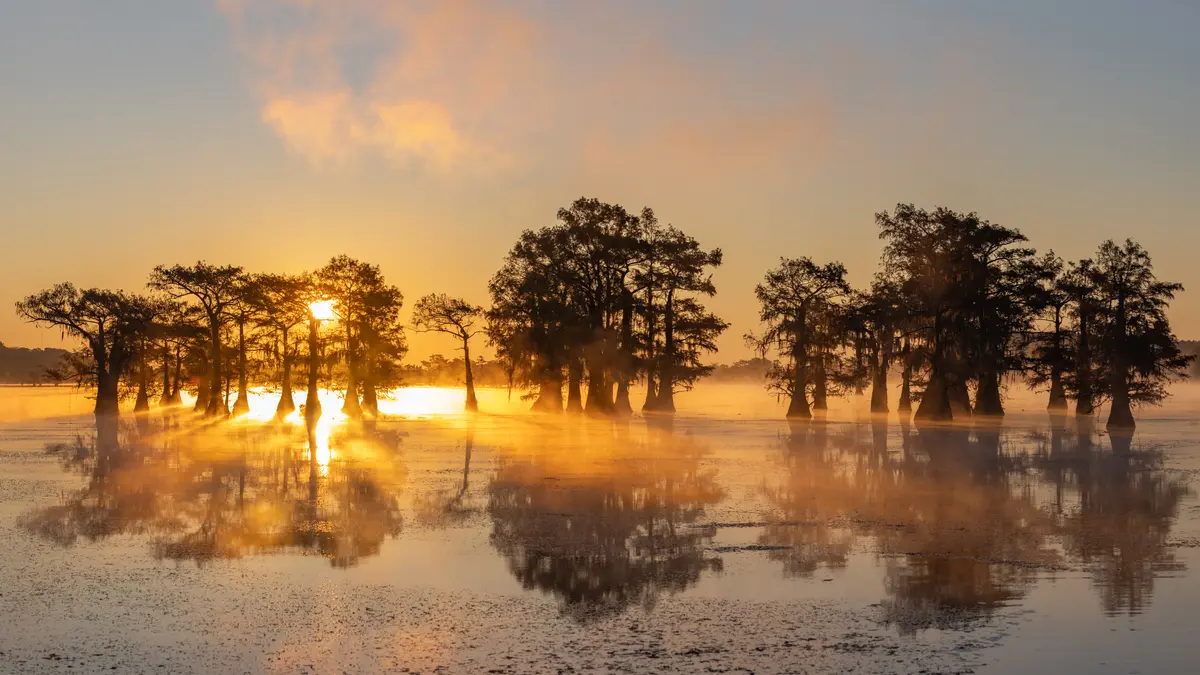
Refinery and shipping towns on the Louisiana line, where Texas starts to feel like the Deep South. 3 cities including Beaumont, Port Arthur, Port Neches.
Explore all 3 Golden Triangle cities →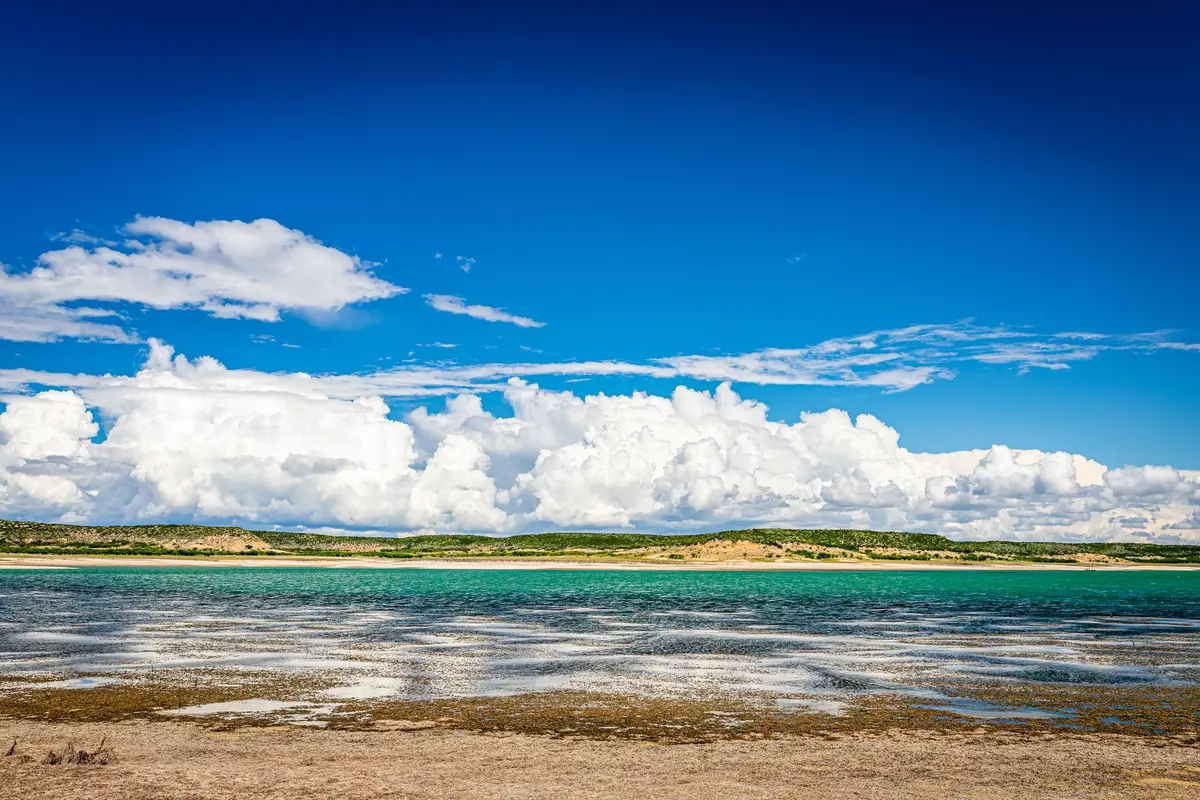
Inland port cities and desert river towns along the stretch of border between the Valley and the Big Bend. 3 cities including Laredo, Del Rio, Eagle Pass.
Explore all 3 Southwest Border Country cities →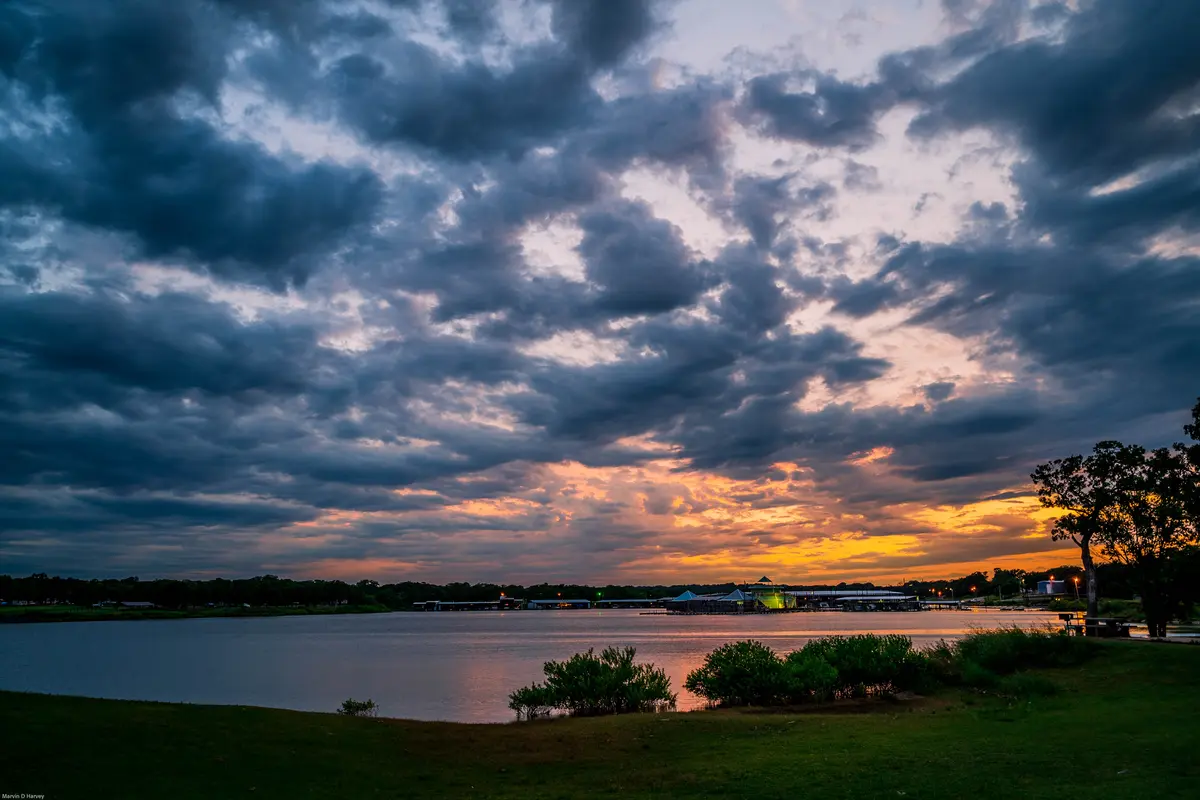
Independent small cities on the Red River plains, north and west of the Metroplex. 3 cities including Wichita Falls, Sherman, Denison.
Explore all 3 North Texas cities →Moving to Texas?
Tell us what you need help with and we'll connect you with local resources.
