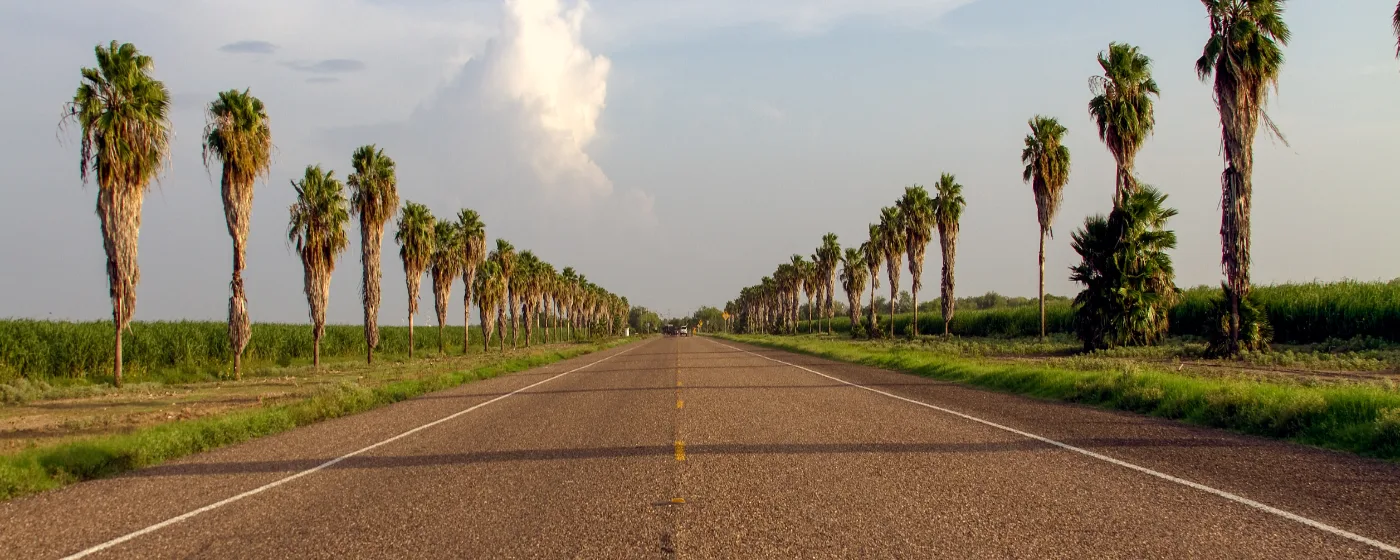
Alamo's outdoor story starts with a number that stops most newcomers cold: 2,088 acres of subtropical wilderness sitting practically at the city's edge, along the Rio Grande. Santa Ana National Wildlife Refuge isn't a pleasant add-on to living here — it's the reason serious birders move to this zip code, and it's the first thing longtime residents tell anyone who asks what they love about the area. For a city of 20,625 people, having one of the top birding destinations in the world within a short drive reshapes what daily life outdoors actually looks like.
The climate does the rest. Alamo logs 225 sunny days a year, which in practice means the municipal pool gets used well into September, the ball fields at Alamo Central Park stay lit on weekday evenings through much of the year, and the wildlife refuges nearby offer meaningful trail time in January when most of the country is iced in. That winter birding window — roughly November through March, when migratory species crowd the Valley — is something residents with a pair of binoculars learn to plan around in the best possible way.
The city's own Parks & Recreation Department runs a tighter program than you might expect for a smaller Texas municipality: 14 athletic fields, a municipal swimming pool with organized swim programs, volleyball leagues, and summer sport programming that covers track, tennis, and aquatics. Alamo Central Park anchors the city's organized athletics, while county-operated green space fills in the neighborhood-scale gaps. And just outside Alamo's boundaries, in nearby Mission, two of the Valley's most-visited outdoor destinations — Bentsen-Rio Grande Valley State Park and Anzalduas Park — put serious trail mileage and Rio Grande fishing well within reach.
Whether you're an early-morning birder, a youth-sports parent, a weekend angler, or someone who simply wants to know where people actually spend Saturday afternoons, this guide covers Alamo's signature parks, the trails worth driving to, the wildlife that defines the region, and the seasonal rhythms that shape outdoor life here year-round.
Alamo Central Park and City Recreation Facilities
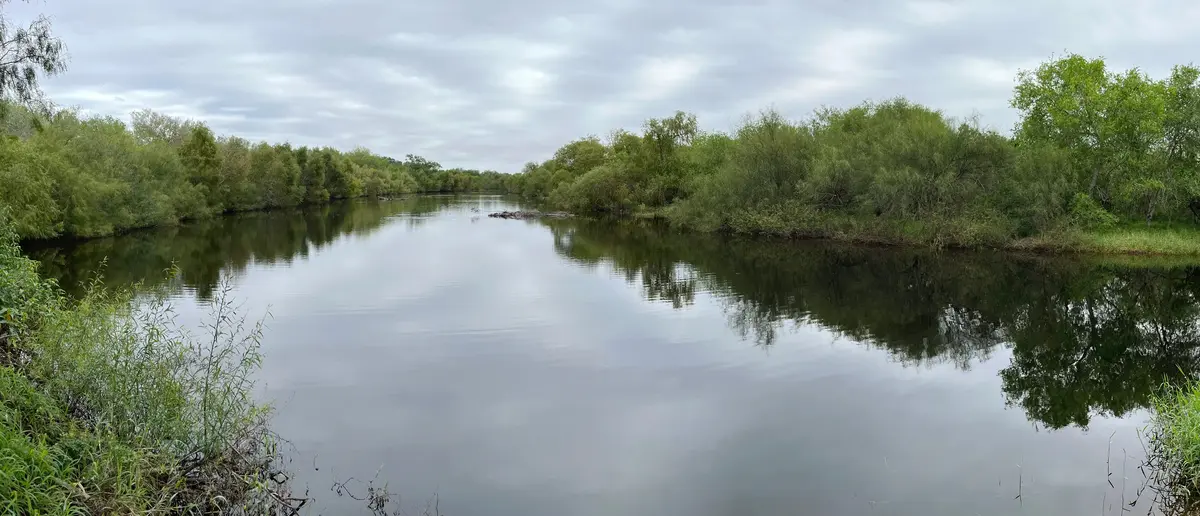
Alamo Central Park is the operational center of the city's athletic life. The complex holds four lighted ball fields built for baseball and softball — each with gated entries, independent access, covered dugouts, bleachers, and a concession stand with restroom facilities. These aren't dusty municipal afterthoughts; the infrastructure here is genuinely functional for organized leagues and tournament play.
Beyond the ball fields, the city maintains a 1.5-acre walk and jog sidewalk park with benches — a small but well-used circuit for residents who want a paved loop without driving somewhere. It's the kind of spot you see in use on a Tuesday morning as often as a weekend.
The Parks & Recreation Department manages 14 athletic fields across the city, all bookable through the city's online recreation portal. Volleyball leagues run through the year, and summer programming expands to include track, tennis, and swimming. The municipal swimming pool is a genuine anchor for warm-weather family life — and in a city where summer heat arrives early and lingers, having organized aquatics close to home matters more than it might elsewhere.
Hidalgo County Precinct 2 also operates Alamo Park, a neighborhood-scale green space with a reservable soccer field. It handles the informal, pickup-game end of the recreation spectrum that a larger athletic complex doesn't always serve well. For youth sports registration and school-affiliated programs, the schools page covers what the Pharr-San Juan-Alamo Independent School District offers through its active UIL athletics programs.
What Locals Know
The lighted ball fields mean evening leagues are a real option even in summer, when daytime heat makes late-afternoon play miserable. Parents with kids in organized baseball or softball quickly learn that the 7 p.m. start time — not the 5 p.m. one — is the one worth showing up fresh for.
Santa Ana National Wildlife Refuge: The Jewel Next Door
Established in 1943, Santa Ana National Wildlife Refuge covers 2,088 acres along the Rio Grande and sits at the convergence of two major migratory flyways. It is the northernmost point for dozens of species whose range extends into Central and South America — a biogeographic fact that makes it genuinely singular among U.S. wildlife refuges. The U.S. Fish & Wildlife Service calls it the jewel of the National Wildlife Refuge System, which sounds like marketing until you stand on the Pintail Lake trail during spring warbler season and see more than 35 species moving through in a single morning.
Year-round residents include green jays, chachalacas, and great kiskadees — birds that announce themselves loudly and are impossible to confuse with anything a visitor might have seen before. For anyone moving here from the Midwest or the Pacific Northwest, the first encounter with a green jay at eye level tends to be a recalibrating moment.
Trails, Access, and What to Expect
The refuge offers 12 miles of foot trails and a 7-mile auto-tour road that cyclists can ride. Named trails — Malachite, Tower, Chachalaca, Willow's Lake, and Pintail Lake — cover different habitats and difficulty levels, from open lakeside routes to denser subtropical forest. An Observation Tower and a Canopy Bridge give elevated sightlines that change the birding experience considerably. A seasonal Nature Tram runs through the refuge for those who want a guided introduction before committing to the trails on foot.
The visitor center shows wildlife films, maintains exhibits on the refuge's ecology, and sells field guides — useful for anyone new to South Texas species. Daily vehicle passes and annual passes are both available at very low cost, which makes it economically reasonable to visit as often as the season and your schedule allow.
The Seasonal Reality
Winter is when the refuge hits its peak for serious birders, drawing visitors from across the country. If you move here and haven't planned for the November-through-March crowd at Santa Ana, the parking situation will surprise you on a weekend morning. Arriving early isn't a suggestion — it's the local rule. Spring warbler migration brings a different kind of intensity, and summer visits are genuinely pleasant if you're on the trail by first light and done before the heat builds.
Nearby Mission: Bentsen State Park and Anzalduas Park
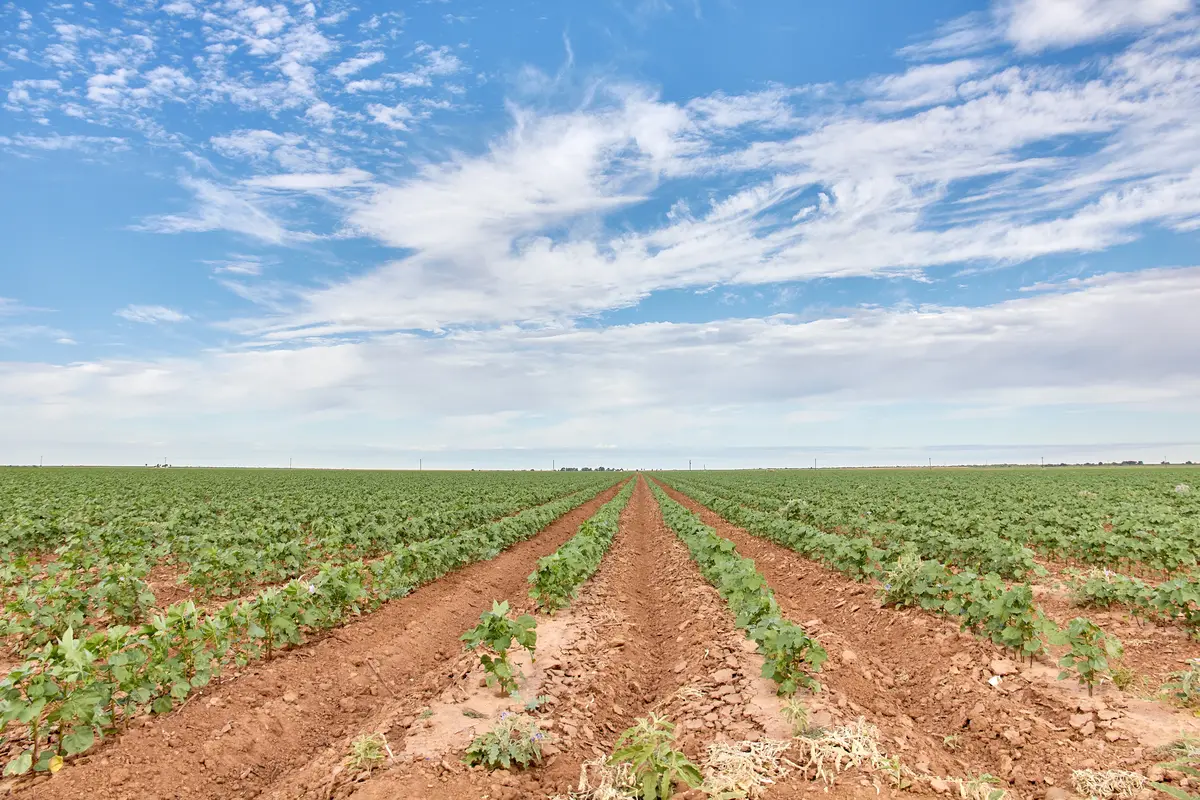
Two of the most-visited outdoor destinations in the Rio Grande Valley sit in nearby Mission, close enough that Alamo residents treat them as practical extensions of the local trail system. Neither is within Alamo's city limits, but both are worth understanding before you move here — they're where residents drive when they want more mileage, river access, or camping.
Bentsen-Rio Grande Valley State Park
Bentsen serves as the headquarters of the World Birding Center and covers 764 acres along the Rio Grande. About 360 bird species have been reported there, drawn to feeding stations, water features, and a two-story, wheelchair-accessible Hawk Observation Tower that gives long sightlines over the river corridor. The park draws crowds from across the region, particularly during peak birding season, which means weekends can feel busy from November through April.
The trail system runs 7 miles, including a 1.8-mile wheelchair-accessible Rio Grande Trail. Cars are not permitted inside the park, so visitors explore on foot, by bicycle (rentals are available on-site), or by tram tour. That no-car policy keeps the interior quieter than most parks of comparable size, which is part of why it works so well for wildlife observation. Primitive campsites with restrooms and showers are available, along with a 60-person group hall — enough infrastructure for an overnight stay or a club event.
Anzalduas Park
Where Bentsen is oriented toward birding and trail hiking, Anzalduas Park in Mission leans toward fishing, picnicking, and family gatherings. The 96-acre riverside park fronts the Rio Grande directly, with a wheelchair-accessible 100-foot fishing pier, a boat ramp, and over 40 barbecue pits spread across the grounds. A gray hawk nests there year-round — a species rare enough that birders make dedicated trips for it — and a large event pavilion handles group reservations. Admission fees are kept low enough to make it a practical spot for regular use, not just special occasions.
The fishing pier and boat ramp make Anzalduas the practical answer for anyone who wants Rio Grande access without the formality of a wildlife refuge. It's a different kind of outdoor experience than Santa Ana or Bentsen — less about checklist species, more about an afternoon on the river with a cooler and a rod.
Looking to buy in Alamo? Estimate your payment.
Enter your numbers to see an estimated monthly mortgage payment.
Estimate only. Excludes HOA fees and mortgage insurance. The interest rate above is a starting point, not a quoted rate — replace it with your own to see real numbers. Insurance is a flat placeholder, not a Alamo quote.
Year-Round Recreation: What the Climate Actually Enables
Alamo gets 225 sunny days a year, and the Rio Grande Valley's subtropical climate eliminates the seasonal shutdown that defines outdoor recreation in most of the country. There is no month here when the trails are closed, the fields are frozen, or the pool is out of the question. What changes instead is the rhythm — which activities make sense in which part of the year, and what the tradeoffs are.
Winter and Spring: The High Season for Nature
From roughly November through March, Alamo-area parks and the wildlife refuges hit their peak for birding and outdoor walking. Temperatures are mild enough for comfortable trail time, and the combination of resident subtropical species and winter migrants makes Santa Ana and Bentsen genuinely world-class during this window. Spring warbler migration — concentrated into a few intense weeks — is the event that draws dedicated birders from across the continent. If you move here expecting quiet trails in February, you'll need to adjust that expectation.
Summer: Pool and Field Season
Summer heat in the Valley is real and worth taking seriously. High temperatures regularly exceed 95°F, and humidity along the Rio Grande corridor makes it feel heavier than an inland desert heat would. The city's response — evening-lighted athletic fields, a municipal pool with organized aquatics, and summer programming through the Parks & Recreation Department — is practical and effective. Most residents who exercise outdoors in summer shift to early morning or post-sunset. The ball fields at Alamo Central Park are genuinely used on summer evenings; the trails at Santa Ana are a different calculation at 2 p.m. in August.
The Honest Tradeoff
What Alamo lacks is mountain terrain, significant elevation change, or the kind of large-acreage city park system you'd find in a Texas city three times its size. The outdoor experience here is defined by flatland trails, subtropical wildlife, and river access — exceptional in those categories, and not pretending to be something it isn't. Residents who move from the Hill Country or the mountains of West Texas find the landscape adjustment more significant than they expected. Those who came for the birds, the warmth, and the access to the Rio Grande tend to stay for exactly those reasons. For a broader look at how Alamo's cost of living and neighborhood character shape day-to-day life, the cost of living page and the neighborhoods guide fill in the rest of the picture.
Local Expert Takeaway: Santa Ana National Wildlife Refuge is the anchor that makes Alamo's outdoor profile genuinely unusual for a city this size — 12 miles of trails and world-class birding, a short drive from most neighborhoods. Inside the city, Alamo Central Park handles organized athletics with real infrastructure: four lighted ball fields, a municipal pool, and online registration for leagues. In nearby Mission, Bentsen-Rio Grande Valley State Park and Anzalduas Park add trail mileage, river fishing, and camping to the mix. The honest summary: if subtropical wildlife, warm-weather recreation, and Rio Grande access matter to you, Alamo over-delivers. If you're expecting mountain trails or a large urban park system, the landscape here is a fundamentally different proposition.
Quick Takeaways & FAQs
✅ Santa Ana National Wildlife Refuge — 2,088 acres of subtropical birding habitat — sits at the edge of Alamo and is one of the top birding destinations in the United States.
⚠️ Summer heat regularly tops 95°F with significant humidity, so most serious outdoor activity happens in early morning or after dark during June through September.
📍 The city's Parks & Recreation Department operates 14 athletic fields and a municipal pool, all bookable through the city's online recreation portal — a more organized system than most small Texas cities maintain.
Is Santa Ana National Wildlife Refuge actually in Alamo, TX?
What are the best trails near Alamo for hiking?
Does Alamo have a public swimming pool?
Is the Rio Grande Valley good for birdwatching, and when should I visit?
What outdoor options are there near Alamo for fishing and river access?
Moving to Texas?
Tell us what you need help with and we'll connect you with local resources.
