
Maybe you've been priced out of McAllen or Mission and someone told you Rio Grande City was worth a look. They weren't wrong — but the story here is more layered than a single low price tag. Rio Grande City sits along the Rio Grande in Starr County, about 50 minutes from McAllen along US-83, and its overall cost of living runs roughly 32.5% below the U.S. average. That figure is real and meaningful. What it doesn't tell you is that roughly 30.8% of residents live below the poverty line — more than double the Texas statewide rate — and that the local economy is anchored by public-sector employers whose wages set a ceiling on what most households can comfortably carry.
The city of 15,451 runs on education and county government. Rio Grande City Grulla ISD is the dominant employer, followed by Starr County Memorial Hospital and Starr County government itself. IDEA Public Schools adds another layer of education-sector jobs. This is not a city with a diversifying private-sector economy dragging wages up; it is a city where the median household income of $44,577 sits well below the Texas median. That context shapes everything about what the housing market, the tax burden, and the everyday cost structure actually mean for someone moving here.
On the numbers, the affordability case is genuine. The typical home price is a fraction of what buyers face in McAllen, Mission, or any major Texas metro. Groceries run noticeably below national averages. The trade-off is a property-tax rate that runs above both the Texas and national medians, a summer electricity bill that spikes hard, and a car-dependent lifestyle that requires most residents to drive for anything beyond local errands. A serious shopping run or a professional appointment often means the drive to McAllen.
Whether you're weighing a first home purchase, relocating for work in the school district or county government, or simply researching whether this part of the Valley fits your budget, the sections below break down Rio Grande City's housing costs, everyday expenses, nearby-city comparisons, and tax picture in full.
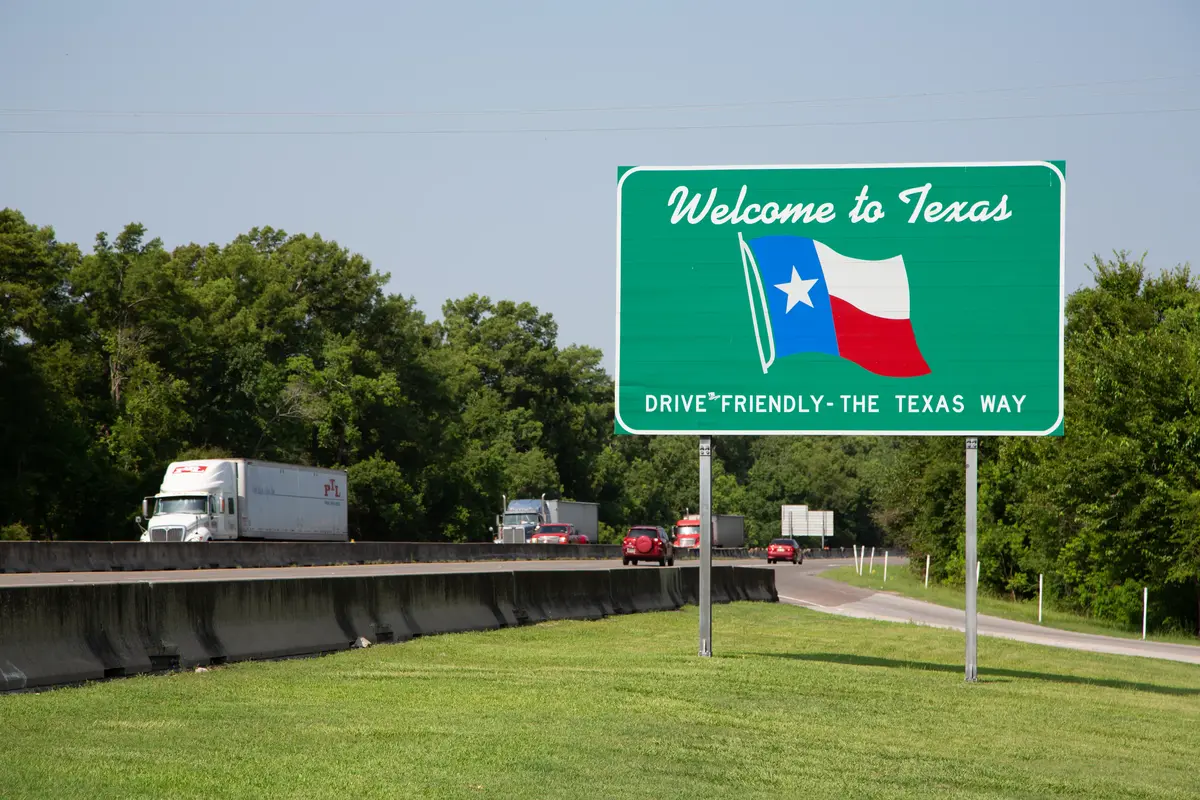
What It Really Costs to Live in Rio Grande City
Rio Grande City is one of the most affordable places to live in Texas by almost any measure. Total living costs — housing, food, transportation, taxes, and other necessities combined — run roughly 32.5% below the U.S. average, according to BestPlaces. That positions it well below not just McAllen and Mission but most mid-size Texas cities.
The driver of that number is housing. The typical home price here is $147,646 (Zillow Home Value Index, July 2026), which is dramatically lower than the broader Rio Grande Valley average and noticeably lower than Roma, McAllen, or Mission. Groceries compound the advantage: food costs run about 11.8% below the national average. These two line items together — shelter and food — are where Rio Grande City earns its affordability reputation.
The honest caveat is that low costs and thin incomes are two sides of the same coin here. The median household income of $44,577 is roughly three-fifths of the Texas median, and the gap between what residents earn and what a comfortable ownership budget requires is real. Affordability here is genuine, but it is built on a narrow economic base — and anyone moving from a higher-wage market should be clear-eyed about what the local job market looks like before counting on earning significantly more than the median. For the full picture on employers and the economy, see the living in Rio Grande City guide.
Housing: Rent vs Buy in Rio Grande City
Buying a home here is within reach at income levels that would price people out of every other Texas metro of consequence. The typical home price of $147,646 (Zillow Home Value Index, July 2026) represents an entry into ownership that requires a far smaller down payment and monthly commitment than McAllen or Mission. Entry-level homes — older construction, smaller lots, no recent updates — can come in noticeably below that figure. Better-finished and newer builds push above it. None of those price tiers attach to specific neighborhoods on this page; the best neighborhoods guide covers where the different housing types cluster.
The property-tax rate deserves careful attention. The effective rate in Rio Grande City is approximately 1.96%, which combines the Starr County base levy with local school district levies. That is meaningfully higher than the Texas state median of approximately 1.48% and considerably above the national median of approximately 1.02%. For a home at the city's typical price, this rate is manageable in absolute dollars — but it bites harder than buyers coming from lower-rate Texas counties expect. Use the mortgage calculator below to model what the rate means at the price point you're actually considering.
Renting is a practical option for newcomers who want to get a feel for the city before committing. The rental stock is mostly single-family homes and small apartment complexes rather than the large multi-family developments you'd find in McAllen. Lease terms tend to be flexible, and competition for units is not as fierce as in larger Valley cities. Buying makes the most financial sense for anyone with stable local employment and a horizon of five or more years — the price point is low enough that equity builds meaningfully even on a modest income. For buyers commuting to McAllen for work, the math gets tighter fast; factor the fuel and time cost of that drive into your real ownership budget.
One thing six-month residents consistently mention: they underestimated the summer electricity bill. The climate is brutal from June through September, and running central air at 75°F around the clock is not optional — it is survival. Average monthly consumption runs around 1,206 kWh annually, but July alone pushes to roughly 1,516 kWh. In a deregulated market served by AEP Texas Central as the grid operator, residents choose their own retail electricity provider, which means shopping plans carefully matters. Budget for a meaningful summer spike; buyers who only looked at annual averages were caught off-guard by their first July bill.

Everyday Costs Beyond Housing in Rio Grande City
| Category | Typical Monthly Cost | Notes |
|---|---|---|
| Utilities | $160–$240/mo | Electricity, gas, water, sewer, trash |
| Groceries | $480–$650/mo | Food at home, household of 2–3 |
| Transportation & Gas | $200–$340/mo | Fuel, and transit where it is a real option |
| Phone & Internet | $110–$175/mo | Mobile plan plus home broadband |
| Misc / Discretionary | $150–$320/mo | Dining out, entertainment, subscriptions |
Non-housing figures are estimates for a household of two to three, not a sourced index; housing is the city-wide typical rent. Refreshed with the rest of the city data.
Groceries are a genuine bright spot. Food costs run approximately 11.8% below the national average, with meats, dairy, produce, and bakery items all priced below comparable national benchmarks. There is real local competition in the food retail market, and the proximity to the border means fresh produce options that don't carry the markup you'd pay in a more isolated rural market. A single-person monthly grocery spend comes in well under what the same basket costs in Austin or Dallas.
Transportation is the line item that catches people off guard. Most daily errands here require a car, and the average commute runs about 19.3 minutes for residents who work locally. Residents working in McAllen face a drive of about 50 minutes each way, which means fuel consumption, vehicle wear, and time costs that add up quickly. Texas levies a state gasoline tax of 20 cents per gallon. Water, garbage, sewer, and recycling are handled by the City of Rio Grande City through municipal services. Electricity is the volatile variable: AEP Texas Central maintains the grid, but residents select their own retail provider in the deregulated market, and locking in a fixed-rate plan before summer is a move experienced locals make early.
Looking to buy in Rio Grande City? Estimate your payment.
Enter your numbers to see an estimated monthly mortgage payment.
Estimate only. Excludes HOA fees and mortgage insurance. The interest rate above is a starting point, not a quoted rate — replace it with your own to see real numbers. Insurance is a flat placeholder, not a Rio Grande City quote.
Rio Grande City vs Nearby Cities: Cost Comparison
| City | Typical Home Price | Typical Rent | Cost vs Rio Grande City |
|---|---|---|---|
| Rio Grande City (this city) | $147,646 | — | — |
| Roma | $190,000 | $750/mo | 29% higher |
| McAllen | $228,710 | $1,276/mo | 55% higher |
| Mission | $218,831 | $1,366/mo | 48% higher |
Source — home prices: Zillow ZHVI, July 2026. Nearby-city figures are the same series, refreshed together.
Rio Grande City sits at the affordable end of the Valley's cost spectrum — Roma, McAllen, and Mission all carry noticeably higher typical home prices, which makes this city the clearest entry point for buyers priced out of the broader region.
Taxes & the Bottom Line for Rio Grande City
The Income-Tax Advantage
Texas levies no personal state income tax. The state constitution restricts passage of one, which means Rio Grande City residents owe nothing on wages or salaries to the state — a structural advantage that benefits every income level but matters most to households earning enough that state income tax would otherwise take a real bite.
Sales Tax
The state base sales tax rate is 6.25%. Local jurisdictions — cities, counties, and special-purpose districts — may add up to 2%, making the maximum combined rate 8.25%. Rio Grande City's combined rate falls within that ceiling; the exact current rate is published by the Texas Comptroller's rate lookup tool. There is no state inheritance or estate tax in Texas.
Property Tax: The Real Offset
The no-income-tax advantage is partially offset by the property-tax rate. At approximately 1.96%, Rio Grande City's effective rate runs above the Texas median and well above the national median. This is the tax that most relocating buyers underestimate — it is baked into the cost of ownership regardless of the home's price, and at a rate nearly double the national median, it represents a genuine ongoing expense even at the low price point discussed in the housing section above.
Who This Budget Fits
Rio Grande City makes the most financial sense for buyers whose employment is local — in the school district, county government, or an institution anchored here — and who are not commuting daily to McAllen. It also fits remote workers whose income is set by a higher-wage market but whose spending can take advantage of Rio Grande City's prices. The household that tends to find it a stretch is one commuting to McAllen for work: the additional transportation cost, combined with the 1.96% property-tax rate on a purchase, narrows the affordability advantage more than the sticker price suggests. For anyone in that situation, running the full numbers — fuel, vehicle costs, time — against a home closer to McAllen is a worthwhile exercise before committing to the drive long-term.

Local Expert Takeaway: Rio Grande City is genuinely one of the lowest-cost places to live in Texas, and the home prices are real — not a rounding error or a distressed-market illusion. The catch is that the local economy is anchored by public-sector wages, the property-tax rate runs above the Texas average, and a summer electricity bill in an AEP Texas Central deregulated market can surprise buyers who only looked at annual averages. The residents who get the most out of this city's affordability are those working locally or remotely, not those commuting an hour each way to McAllen and burning through the savings on fuel and vehicle wear.
Quick Takeaways & FAQs
✅ The typical home price of $147,646 (Zillow Home Value Index, July 2026) is dramatically lower than McAllen, Mission, or any other comparable Texas city — the affordability here is real.
⚠️ The effective property-tax rate of approximately 1.96% runs above both the Texas and national medians, and summer electricity consumption spikes about 26% above the annual average — two costs that regularly catch newcomers off-guard.
📍 Rio Grande City's electricity market is deregulated under AEP Texas Central as the grid operator, meaning residents choose their own retail provider — shopping fixed-rate plans before summer arrives is one of the first moves locals make.
What is the typical home price in Rio Grande City, TX?
How much are property taxes in Rio Grande City?
Does Texas have a state income tax for Rio Grande City residents?
How high are electricity bills in Rio Grande City?
Is Rio Grande City cheaper than McAllen or Mission?
Moving to Texas?
Tell us what you need help with and we'll connect you with local resources.
