
Is Greater Houston a Good Place to Live?
You've probably already heard the pitch: no state income tax, room to spread out, a cost of living that still makes sense compared to the coasts. What nobody tells you before you start clicking through listings is how genuinely different these cities are from each other. The Woodlands and Baytown are technically part of the same metro. They are not the same kind of place — not in price, not in feel, not in who moves there. Greater Houston is less a city with suburbs than a collection of distinct communities that happen to share a highway system, and sorting through them without a map is how people end up buying in the wrong spot.
The economic backbone here is one of the most diversified in the country. Energy dominates — ExxonMobil, Shell, Chevron Phillips Chemical, LyondellBasell, and a constellation of refineries and petrochemical plants anchor communities from Pasadena and Baytown on the Ship Channel to The Woodlands and Sugar Land in the outlying corridors. But aerospace runs a close second: NASA's Johnson Space Center shapes the identity of League City, Friendswood, Seabrook, and Dickinson in ways that go beyond employment. Healthcare is the third pillar, with major institutions spread across the region rather than concentrated in one place. Who moves here tends to reflect those industries — engineers, medical professionals, logistics workers, and increasingly remote workers who want square footage and low taxes without sacrificing proximity to a genuine urban core.
On price, Greater Houston sits in the middle of Texas's regional markets — more accessible than Austin Metro or the Hill Country, and broadly competitive with Dallas-Fort Worth, though what you get for your money varies sharply by city. An affordable entry point in Channelview or La Marque looks nothing like an affordable entry point in Bellaire or Cinco Ranch. The trade-off that shapes daily life more than price, though, is distance. This region is big. A commute that looks reasonable on a map can take twice as long on I-45 or I-10 during peak hours. Where you live relative to where you work — or where your kids' school is, or where the airport sits — matters more here than in almost any other Texas metro.
Whether you're weighing a master-planned community north of the city, a waterfront neighborhood on Galveston Bay, an affordable starter home near the Ship Channel, or a quiet small town on the western fringe, the city grid below breaks down each community in Greater Houston by what it actually offers, who it suits, and where it sits in the region's price landscape.

Explore All 45 Cities in Greater Houston
Click into any city for the complete guide — neighborhoods, home prices, cost of living, pros & cons, schools, top employers, and mortgage help.
Houston
Houston proper is where the region's economic, cultural, and institutional gravity lives — NASA's Johnson Space Center, a world-class medical district anchored by MD Anderson Cancer Center and Houston Methodist, and a downtown skyline that signals a real city, not a suburb pretending to be one. Neighborhoods range from the walkable bungalow streets of Houston Heights and Montrose to the manicured estates of River Oaks and the dense commercial energy of Uptown and the Galleria corridor. It sits toward the more affordable end of the region when you look at the breadth of its inventory, though its priciest enclaves are among the most expensive addresses in Texas.
Full Houston Guide →
Cypress
Cypress has built some of the most polished master-planned communities in Harris County — Bridgeland, Towne Lake, and Fairfield among them — and the Cypress-Fairbanks school district's reputation draws families from across the northwest side. The Boardwalk at Towne Lake and Houston Premium Outlets give the area genuine retail and waterfront-adjacent amenity that most suburbs can't match. Prices sit toward the pricier end of this region, reflecting both the school district's pull and the quality of the newer construction.
Full Cypress Guide →
Klein
Klein sits in a sweet spot that a lot of northwest Houston families land on: good schools through the Klein Independent School District, established subdivisions like Champion Forest and Gleannloch Farms that feel settled rather than freshly bulldozed, and pricing near the middle of the region. The Cypress Creek Greenway runs through the area and gives residents a genuine natural corridor. Commuters heading toward central Houston or the energy corridor tend to find the drive manageable, though not short.
Full Klein Guide →
Pasadena
Pasadena is the industrial heart of the Houston Ship Channel corridor — Chevron's refinery and LyondellBasell's Bayport complex are genuine anchors here, and the city's economy reflects that working-class, petrochemical heritage directly. San Jacinto College gives it an educational anchor that surprises people who write it off as purely industrial. Home prices sit toward the more affordable end of the region, and for buyers who work in the refinery or manufacturing sector and want a short commute without paying Pearland prices, it makes obvious sense.
Full Pasadena Guide →
Pearland
Pearland has grown from a quiet Brazoria County town into one of the region's most in-demand suburban addresses, fueled by its proximity to Houston's major medical district via SH-288, strong schools through Pearland ISD, and a healthcare infrastructure — with multiple hospital campuses in town — that appeals to medical professionals who want to live near where they work. Shadow Creek Ranch and Silverlake set the standard for what master-planned living looks like here. Prices land near the middle of the region, which feels like a relative bargain given the amenities.
Full Pearland Guide →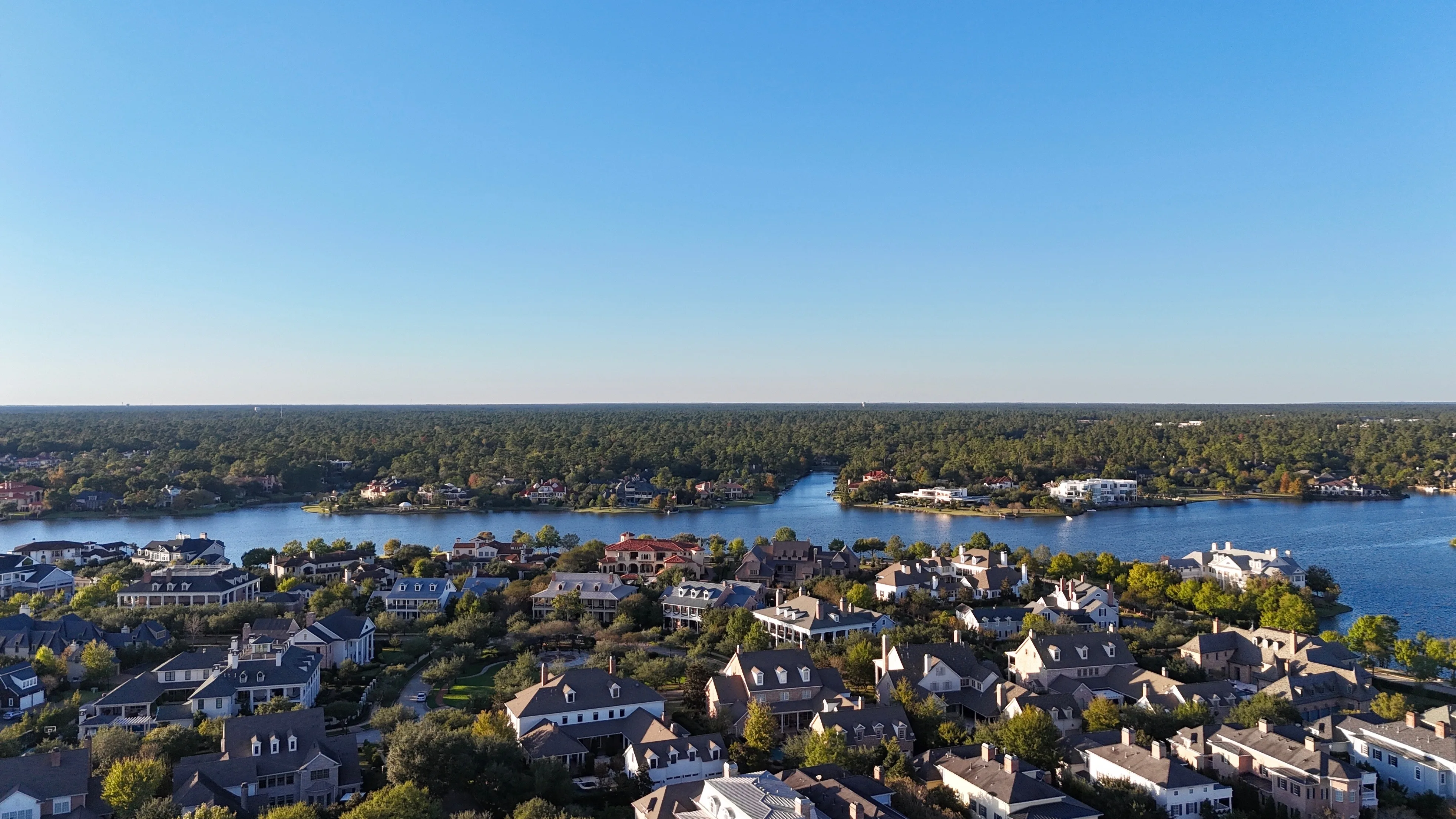
The Woodlands
The Woodlands is the benchmark against which every other master-planned community in Texas gets measured — the Waterway, Cynthia Woods Mitchell Pavilion, Market Street, and a tree canopy that actually earns its name set it apart from communities that use 'master-planned' as a marketing phrase. Conroe ISD serves most of the township, and employers like Chevron Phillips Chemical and Huntsman Corporation mean many residents never leave the area for work. Prices sit toward the pricier end of the region, and the gap between The Woodlands and comparable inventory elsewhere is wide enough that buyers often make the trade-off consciously.
Full The Woodlands Guide →
League City
League City is the quiet overachiever of Galveston County — a genuine city with strong Clear Creek ISD schools, a historic district worth walking, and South Shore Harbour's marina-adjacent lifestyle, all sitting within a reasonable run of NASA's Johnson Space Center in Houston for the aerospace workforce that defines so much of this stretch of I-45. UTMB's League City campus has added healthcare depth the area previously lacked. Prices sit near the middle of the region, which, given the school district's reputation, represents solid value.
Full League City Guide →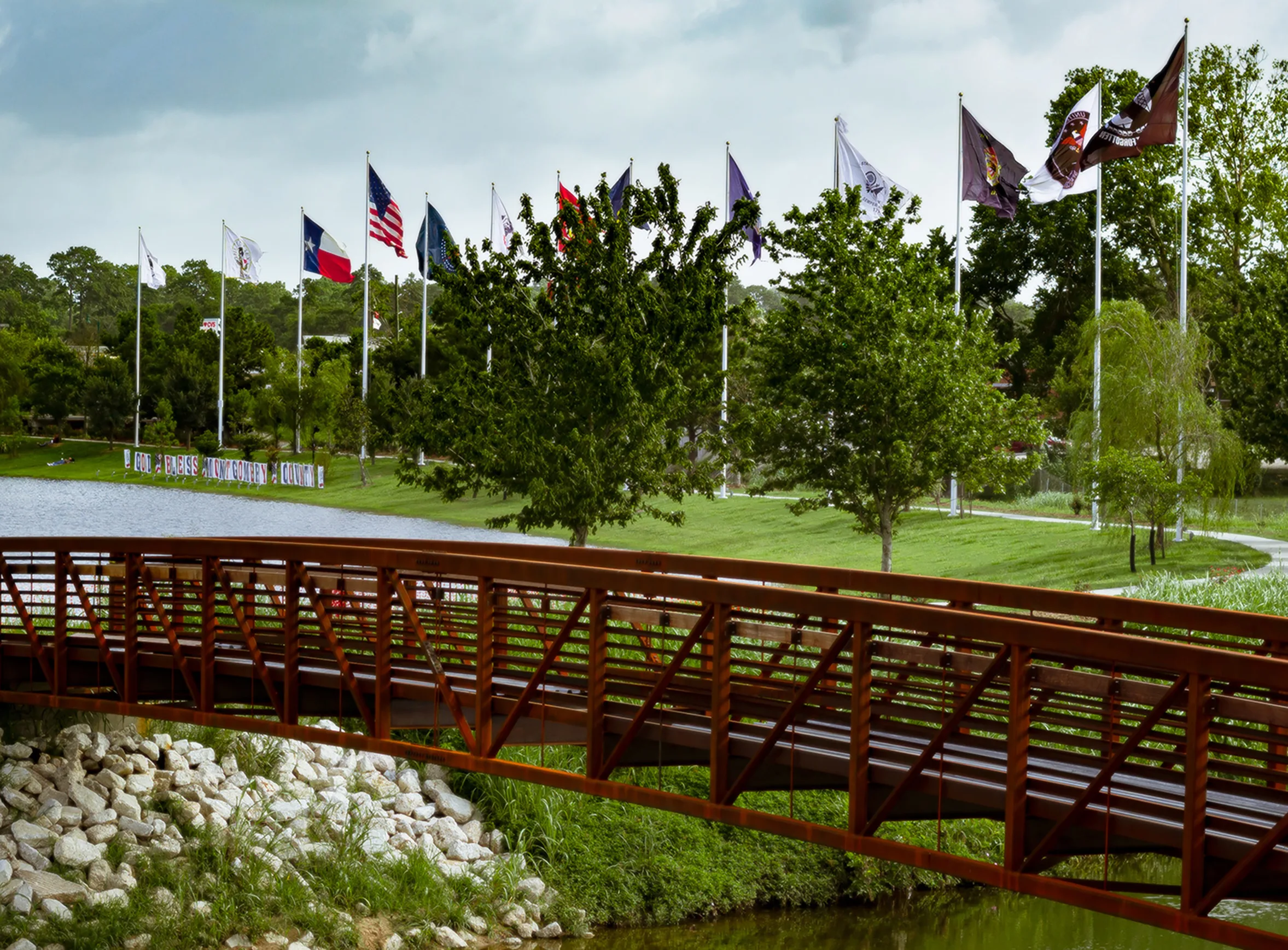
Conroe
Conroe is Montgomery County's urban core — Lake Conroe anchors its recreational identity, the Crighton Theatre and Owen Theatre give it genuine arts infrastructure, and a wave of master-planned communities like Grand Central Park and Artavia have brought in buyers who want Woodlands-adjacent amenities at a step down in price. Conroe ISD serves much of the city. Prices sit near the middle of the region, and the gap in price between Conroe and The Woodlands a few miles south is real enough to drive a lot of purchase decisions.
Full Conroe Guide →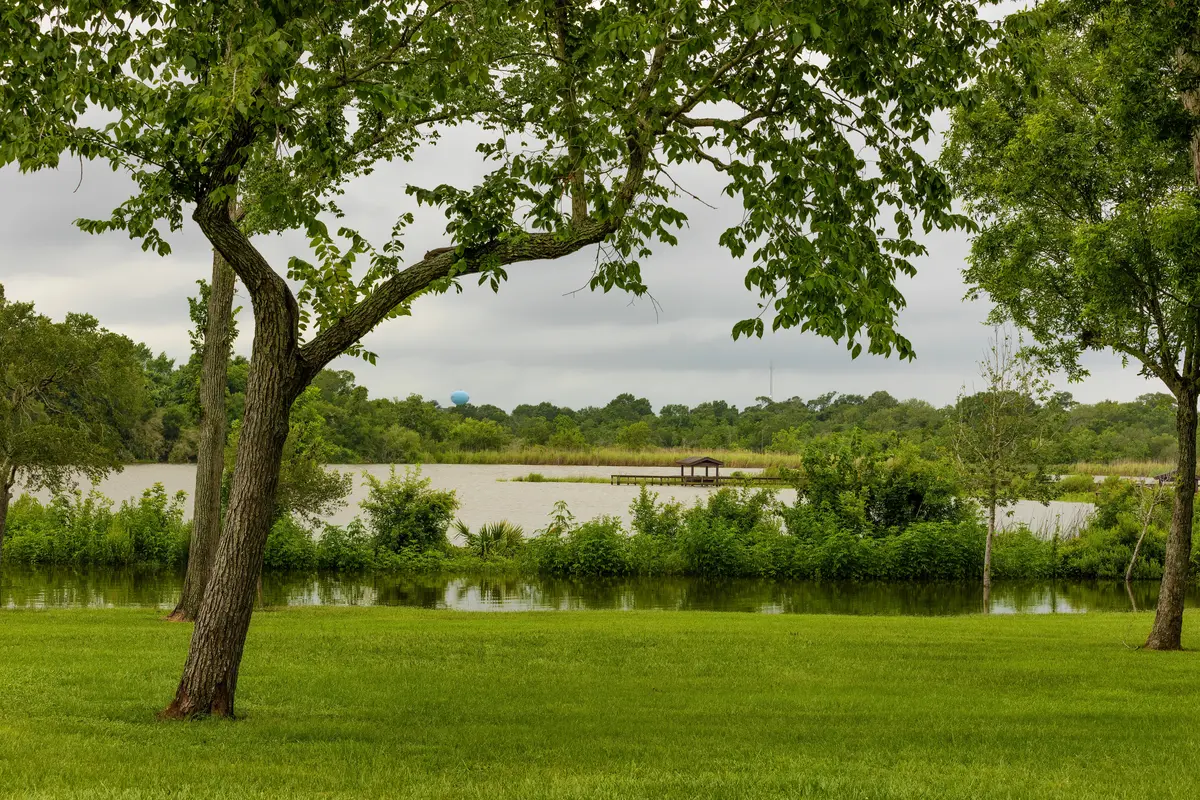
Sugar Land
Sugar Land is Fort Bend County's flagship — First Colony's established streets, Constellation Field's minor league energy, Smart Financial Centre's concert programming, and a commercial infrastructure centered on Sugar Land Town Square combine into something that functions like a city rather than an extended subdivision. Fort Bend ISD consistently draws praise, and the employer base runs from SLB's oilfield technology campus to a full-service hospital in town. Prices sit toward the pricier end of the region, and buyers know it going in.
Full Sugar Land Guide →
Atascocita
Atascocita wraps around Lake Houston in a way that gives it a water-oriented identity — Walden on Lake Houston and Atascocita Shores are built around that premise, and Tour 18 Golf Course gives it a recreational anchor that most mid-size communities can't claim. Humble ISD serves the area. Prices land near the middle of the region, and for buyers who want a lake lifestyle without paying resort-market premiums, Atascocita presents a genuinely competitive case.
Full Atascocita Guide →
Baytown
Baytown's identity is inseparable from the ExxonMobil Baytown Complex — one of the largest petrochemical facilities in the country sits here, and it employs a significant portion of the workforce either directly or through contracting. The Fred Hartman Bridge is the visual anchor of the waterfront, and Baytown Nature Center gives the city a surprising ecological draw along the bay shoreline. Prices sit toward the more affordable end of the region, making it a practical first-home market for energy-sector workers.
Full Baytown Guide →
Missouri City
Missouri City straddles Fort Bend and Harris Counties in a way that gives it access to both school districts — Fort Bend ISD and Houston ISD both serve parts of the city — and Sienna Plantation in its southern reaches has evolved into one of the region's most complete planned communities with its own water park and golf infrastructure. Quail Valley's established neighborhoods on the northern end offer a different pace entirely. Prices land near the middle of the region.
Full Missouri City Guide →
Spring
Spring is where several of Greater Houston's most enduring suburban identities blur together — Champion Forest and Memorial Northwest have been drawing northwest Houston families for decades, Old Town Spring's historic district adds a walkable commercial character that purely residential suburbs lack, and the Spring Creek Greenway gives the area genuine natural depth. ExxonMobil and HP Inc. anchor the employment base for the area's professional households. Prices sit near the middle of the region.
Full Spring Guide →
Kingwood
Kingwood was designed as 'the livable forest' and the pine canopy has had enough time to actually deliver on that promise — the greenway trail system is the real draw, and neighborhoods like Kings Point and Kings Forest back up to it in ways that feel genuinely removed from the rest of the metro. HCA's hospital campus gives the community healthcare infrastructure in town. Prices land near the middle of the region, and the community's established character tends to hold buyers who might otherwise consider newer construction further out.
Full Kingwood Guide →
Fulshear
Fulshear has absorbed a remarkable amount of Fort Bend County's growth pressure in recent years — Cross Creek Ranch, Jordan Ranch, and Tamarron are among the most actively developed master-planned communities in the region, and both Lamar Consolidated ISD and Katy ISD serve parts of the city, which becomes a meaningful school-district decision for buyers depending on which section they're considering. The historic downtown is small but real. Prices sit toward the pricier end of the region, reflecting both the new construction quality and the school districts' reputations.
Full Fulshear Guide →
Texas City
Texas City's identity runs from its industrial waterfront — Marathon Petroleum, Valero, and Dow all operate major facilities here — to the surreal Lago Mar Crystal Lagoon development that dropped a resort-style amenity into a Gulf Coast industrial city. The Texas City Dike extends miles into Galveston Bay and is a genuine local institution for fishing and bay access. Prices sit toward the more affordable end of the region, and for buyers who work in Galveston County's refining and chemical sector, the commute arithmetic is hard to argue with.
Full Texas City Guide →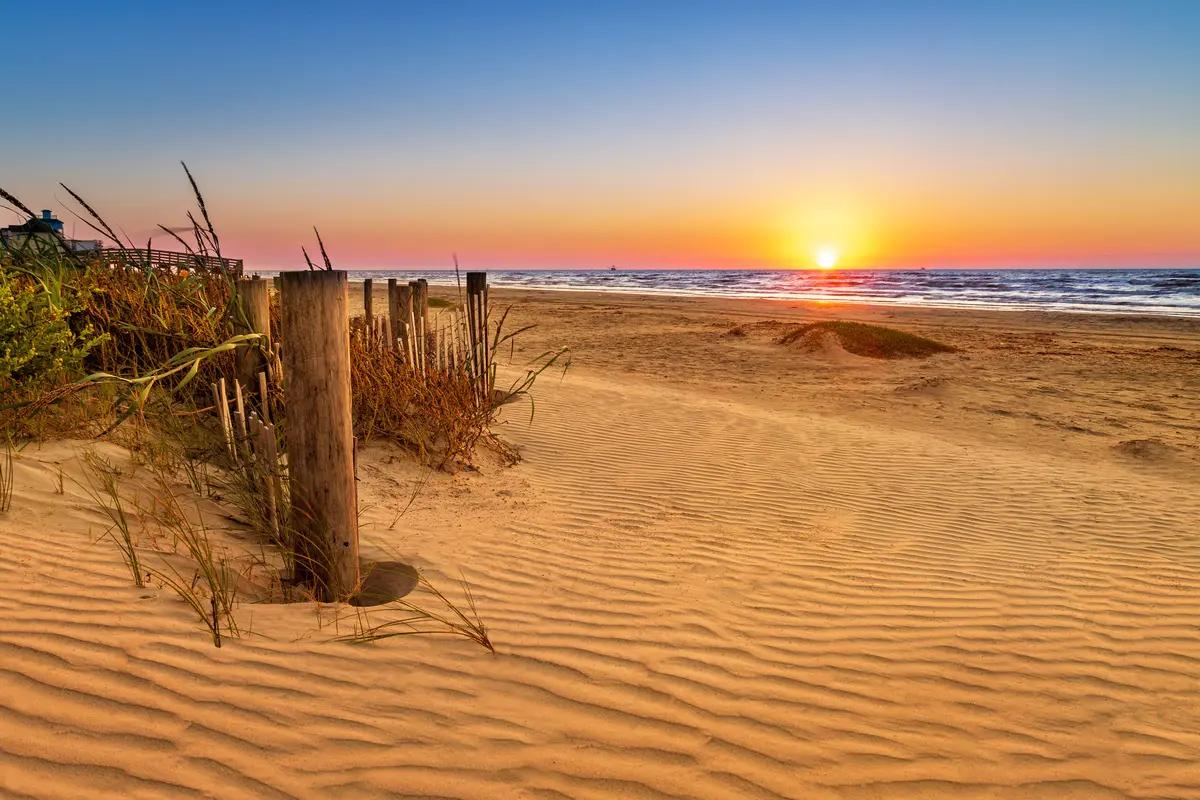
Galveston
Galveston is the one place in this region where the decision to buy is genuinely different in kind — you're buying into an island city with real historic architecture, a working port through Galveston Wharves, a medical university in UTMB, and a tourism economy that shapes everything from traffic patterns to insurance costs. The East End Historic District and Silk Stocking neighborhood offer Victorian housing stock that exists nowhere else in the region. Prices land near the middle of the region, though insurance and elevation considerations make the full cost of ownership calculation here unlike anywhere else in Greater Houston.
Full Galveston Guide →
Channelview
Channelview is a small industrial community built around the Ship Channel — LyondellBasell's Channelview Complex is the dominant presence, and the city's character reflects that directly. For buyers whose work ties them to the refinery and petrochemical corridor east of Houston, the proximity is the point. Prices sit toward the more affordable end of the region. Sheldon Lake State Park nearby offers a natural counterweight to the industrial surroundings.
Full Channelview Guide →
Rosenberg
Rosenberg is Fort Bend County's working-class anchor — the Rosenberg Railroad Museum and a genuine Historic Downtown cultural arts district give it institutional identity beyond its role as a logistics and distribution hub, and Lamar Consolidated ISD connects it educationally to the broader Fort Bend corridor. Seabourne Creek Nature Park is an underappreciated green space for a city of this size. Prices sit near the middle of the region, and buyers who find Fulshear or Sugar Land out of reach often land here.
Full Rosenberg Guide →
Friendswood
Friendswood is one of those communities where the school district is doing most of the heavy lifting in the real estate market — Friendswood ISD's reputation keeps demand steady in a city whose Quaker heritage and mature tree canopy give it a quieter, more deliberately unhurried feel than most of the Bay Area corridor. Stevenson Park and Centennial Park function as genuine community gathering infrastructure. Prices sit toward the pricier end of the region relative to what the square footage looks like on paper.
Full Friendswood Guide →
La Porte
La Porte sits on the Houston Ship Channel's southern edge with Sylvan Beach Park fronting the bay and the San Jacinto Battleground State Historic Site nearby as one of Texas's most significant historical landmarks. LyondellBasell and TotalEnergies both operate major facilities here, so the employment orientation is industrial. Prices sit toward the more affordable end of the region, and the waterfront access — particularly Sylvan Beach — gives buyers something that purely inland affordable markets can't offer.
Full La Porte Guide →
New Caney
New Caney is Montgomery County's fastest-growing fringe community — Valley Ranch Town Center brought genuine retail infrastructure to what was recently a rural crossroads, and Lake Houston Wilderness Park anchors the outdoor recreation identity of the area. Big Rivers Waterpark and Gator Bayou Adventure Park make it an unusual landing spot for families with young children who want space without sacrificing things to do. Prices sit toward the more affordable end of the region, and New Caney ISD serves the community.
Full New Caney Guide →
Deer Park
Deer Park is another Ship Channel industrial community — Shell Chemical, Pemex's refinery, and Dow all operate here — but it has invested in its parks and community infrastructure in ways that Channelview, for example, has not. Dow Park and the Battleground Golf Course give residents recreational anchors, and Deer Park ISD serves the community's schools. Prices land near the middle of the region, which offers good value for buyers whose work is tied to the industrial corridor.
Full Deer Park Guide →
Alvin
Alvin is a Brazoria County small city with a genuine downtown, a community college, and a comfortable distance from Houston's density — TEAM Industrial Services is an unusual anchor for a city this size, and NASA's Johnson Space Center in Houston employs enough Brazoria County residents to make Alvin a realistic commute base for aerospace workers. Prices sit near the middle of the region. The Historic Downtown and Old Alvin Depot are worth understanding as genuine civic assets rather than afterthoughts.
Full Alvin Guide →
Katy
Katy has built one of the region's most recognizable suburban identities — Katy ISD is the gravitational center of its real estate market, Katy Mills Mall and LaCenterra at Cinco Ranch provide genuine retail infrastructure, and communities like Cane Island and Elyson continue to add well-finished inventory. I-10's Katy Freeway is the main artery, and the commute into Houston proper is the central trade-off that Katy buyers negotiate. Prices sit near the middle of the region, though Katy ISD's pull means demand stays consistent.
Full Katy Guide →
Lake Jackson
Lake Jackson is a Brazoria County planned city in the truest sense — Dow built it to house its workforce, and that origin gives it a street grid and community infrastructure unlike anything else in the region. Sea Center Texas and the Gulf Coast Bird Observatory make it an ecological draw for naturalists, and Brazosport ISD and Brazosport College give it educational anchors. Prices land near the middle of the region, and for buyers who want a Gulf Coast lifestyle with actual town character, Lake Jackson is the most underappreciated option on this list.
Full Lake Jackson Guide →
Sienna
Sienna is among the most fully realized master-planned communities in Fort Bend County — Club Sienna's water park, Sawmill Lake Club, and Camp Sienna's sports complex create an amenity infrastructure that feels more like a resort than a neighborhood. Fort Bend ISD serves the community, and Ridge Point High School is the area's secondary anchor. Prices sit toward the pricier end of the region, and buyers who choose Sienna are specifically choosing the lifestyle the amenity package delivers.
Full Sienna Guide →
Dickinson
Dickinson is a Galveston County small city that sits in the commute corridor between Houston and Galveston — aerospace and federal workers tied to NASA, and healthcare workers connected to UTMB, both find it a workable distance from their campuses. Dickinson Bayou runs through the city and gives it natural character. Prices sit toward the more affordable end of the region, which makes it one of the more accessible entry points in a county that includes Galveston's elevated insurance costs.
Full Dickinson Guide →
Angleton
Angleton is Brazoria County's seat — the courthouse and county government infrastructure give it institutional weight beyond its size, and UTMB's Angleton Danbury campus provides healthcare in a county that otherwise sends many residents to Houston. Dow's presence in nearby Freeport shapes the employment landscape for many residents. Prices sit toward the more affordable end of the region, and for buyers who want a genuine small city with civic identity rather than a subdivision grafted onto a rural county, Angleton delivers.
Full Angleton Guide →
La Marque
La Marque sits between Texas City and Galveston on I-45, which means it carries some of the industrial and coastal proximity of both without the pricing of either. The Historic Renaissance District is a genuine revitalization effort rather than a marketing label. UTMB provides healthcare access, and Texas City ISD serves the schools. Prices land toward the more affordable end of the region, making it one of the Galveston County options worth a closer look for buyers who've been priced out of the island itself.
Full La Marque Guide →
Cinco Ranch
Cinco Ranch is a master-planned community that built its reputation on Katy ISD's schools and a lifestyle infrastructure — the Golf Club, the Beach Club, and LaCenterra's outdoor commercial district — that holds property values through market cycles. TX-99 and FM-1093 give it multiple routing options into Houston and toward the energy corridor. Prices sit toward the pricier end of the region, and buyers here are often choosing it specifically because Katy ISD's boundaries fall on this side of the line.
Full Cinco Ranch Guide →
Stafford
Stafford operates without a city property tax — a distinction that gets attention from buyers running cost-of-ownership calculations — and its position inside Fort Bend County gives it access to Fort Bend ISD while the Stafford Municipal School District serves the city's own schools. The BAPS Shri Swaminarayan Mandir is one of the most architecturally significant buildings in the entire region and draws visitors from across Greater Houston. Prices sit near the middle of the region.
Full Stafford Guide →
Bellaire
Bellaire is a small, fully built-out enclave inside Houston's loop — bounded by I-610 and surrounded by the city of Houston on all sides, with the Russ Pitman Park and Nature Discovery Center as its most distinctive community amenity. Lamar High School within Houston ISD is the secondary school for much of the area. Prices sit toward the pricier end of the region, and the buyers who choose Bellaire are typically making a deliberate decision about urban proximity over space.
Full Bellaire Guide →
Humble
Humble punches above its size in one specific way: Jesse H. Jones Park and Nature Center is a genuine regional natural asset that draws visitors from across the northeast metro, not just local residents. Humble ISD anchors the school picture, and proximity to George Bush Intercontinental Airport in Houston is the practical trade-off — convenient for frequent travelers, less so for buyers sensitive to flight patterns. Prices sit toward the more affordable end of the region.
Full Humble Guide →
Tomball
Tomball has done something unusual for a small Harris County city: it has maintained a genuine downtown identity — the Depot Plaza, the Farmers Market, and the German Heritage Museum give Old Town Tomball real character — while also absorbing significant master-planned growth in communities like Villages of Northpointe and Amira. Tomball ISD serves the city. Prices land near the middle of the region, and the combination of a real downtown and good suburban inventory makes it versatile for different buyer types.
Full Tomball Guide →
West University Place
West University Place is one of the most coveted small cities in the region — a walkable, tree-lined enclave inside the loop where the rec center, Colonial Park, and Friends Park form the civic core of a community that functions like a small town while sitting minutes from a world-class medical district and Rice University. Houston ISD's Lamar High School serves secondary students. Prices sit toward the pricier end of the region, and this is among the highest-demand addresses in all of Greater Houston.
Full West University Place Guide →- Is West University Place Safe? A Data-Backed Look
- Cost of Living in West University Place
- Best Neighborhoods in West University Place
- Schools in West University Place: A Family Guide
- Parks & Recreation in West University Place
- Retiring in West University Place
- First-Time Homebuyer's Guide to West University Place
- Moving to West University Place from California
Seabrook
Seabrook's identity is built on its waterfront — the fish markets along Waterfront Drive and Pine Gully Park on the Clear Lake shoreline give it a genuine bay-town character that most of the I-45 corridor lacks. Clear Creek ISD serves the schools, and NASA's Johnson Space Center in Houston is close enough to make the city a realistic landing spot for aerospace households. Prices sit near the middle of the region.
Full Seabrook Guide →
Richmond
Richmond is Fort Bend County's oldest city and its governmental center — the county courthouse, George Ranch Historical Park, and a Historic Downtown that predates the master-planned era give it a sense of Texas history that newer Fort Bend communities can't manufacture. A regional medical center provides healthcare in town. Del Webb Sweetgrass makes it a notable destination for active adults. Prices land near the middle of the region.
Full Richmond Guide →
Dayton
Dayton is Liberty County's largest city and sits at the edge of Greater Houston's commute range — the Trinity River access and a historic downtown give it more character than a purely exurban service town, and Global Tubing and Union Pacific Railroad provide employment anchors unusual for a city this size. ExxonMobil's Baytown complex is the major regional employer for many residents. Prices sit near the middle of the region, and land availability is the main draw for buyers who want room that the inner suburbs cannot provide.
Full Dayton Guide →
Liberty
Liberty is the county seat of Liberty County and the most genuinely small-town entry on this list — the Sam Houston Regional Library, the Liberty County Courthouse, and a library and research center focused on Texas history give it a civic identity well beyond its population. A regional medical center provides local healthcare. Prices sit toward the more affordable end of the region, and Liberty is the right choice for buyers who specifically want small-town Texas life within eventual reach of Houston rather than a suburb that happens to be called a city.
Full Liberty Guide →
Magnolia
Magnolia is a Montgomery County small town growing quickly enough that the phrase 'small town' may not hold much longer — Audubon and High Meadow Ranch are among its established communities, and the Historic Magnolia Depot anchors a downtown that is still finding its footing. Magnolia ISD serves the schools. Prices sit near the middle of the region, and buyers drawn here are typically choosing land, space, and a slower pace over suburban infrastructure.
Full Magnolia Guide →
Jersey Village
Jersey Village is a self-contained small city entirely surrounded by Houston — its own municipal government, Cypress-Fairbanks ISD schools through Jersey Village High School, and Jersey Meadow Golf Course give it a distinctly bounded identity. Clark Henry Park and Carol Fox Park function as the community's civic green spaces. Prices sit toward the pricier end of the region for a community of its size, reflecting the school district's draw and the fully built-out urban-adjacent location.
Full Jersey Village Guide →- Is Jersey Village Safe? A Data-Backed Look
- Cost of Living in Jersey Village
- Best Neighborhoods in Jersey Village
- Schools in Jersey Village: A Family Guide
- Parks & Recreation in Jersey Village
- Retiring in Jersey Village
- First-Time Homebuyer's Guide to Jersey Village
- Moving to Jersey Village from California
Waller
Waller is Waller County's fastest-growing small town — Daikin Comfort Technologies' manufacturing facility and Buc-ee's regional headquarters give it an industrial and retail employment base that most towns its size lack, and Zube Park is the natural gathering point for a community still building its civic infrastructure. US-290 is the main corridor connecting it to Houston. Prices sit near the middle of the region, and the available acreage is the primary draw for buyers who want land without leaving the metro entirely.
Full Waller Guide →
Montgomery
Montgomery is Lake Conroe's quieter, more historically rooted neighbor — the Historic Downtown, Fernland Historical Park, and a small-town atmosphere contrast with master-planned communities like Woodforest and Bentwater that have brought in a different buyer profile over the years. Montgomery ISD serves the schools. Prices sit toward the pricier end of the region in the lake-adjacent communities, and buyers here are typically making a lifestyle choice as much as a real estate decision.
Full Montgomery Guide →
Kemah
Kemah is the one city in the region where the line between destination and place to live is most blurred — the Boardwalk is a genuine regional attraction, the marina district gives it waterfront identity, and the Kemah Lighthouse District adds residential character. Clear Creek ISD serves the schools through Clear Falls High School. Prices sit near the middle of the region, though the tourism economy that makes weekends lively is the same force that complicates the quiet of daily life.
Full Kemah Guide →Compare Every City in Greater Houston
Full ranked breakdowns across every city in the region — scored and compared side by side.
Houston Bay Area
West Houston & Fort Bend
North Houston
Northeast Houston
Local Expert Takeaway: In Greater Houston, picking the right city means resolving three things in the right order: where you work, which school district you need, and how much of the region's price spectrum you can access — because getting those backwards is how people end up with a beautiful house in the wrong commute corridor.
Frequently Asked Questions
Which cities in Greater Houston have the strongest school districts?
Which city in Greater Houston fits which kind of buyer?
Is flooding a real concern throughout Greater Houston, and does it vary by city?
How bad is the commute in Greater Houston, and which cities make it more manageable?
Which Greater Houston cities offer the most affordable entry points without sacrificing basic suburban infrastructure?
Helpful Texas Resources
Explore Other Texas Regions
Greater Houston is one of 17 distinct regions that make up Texas. Each has its own climate, character, and housing market — explore them all.
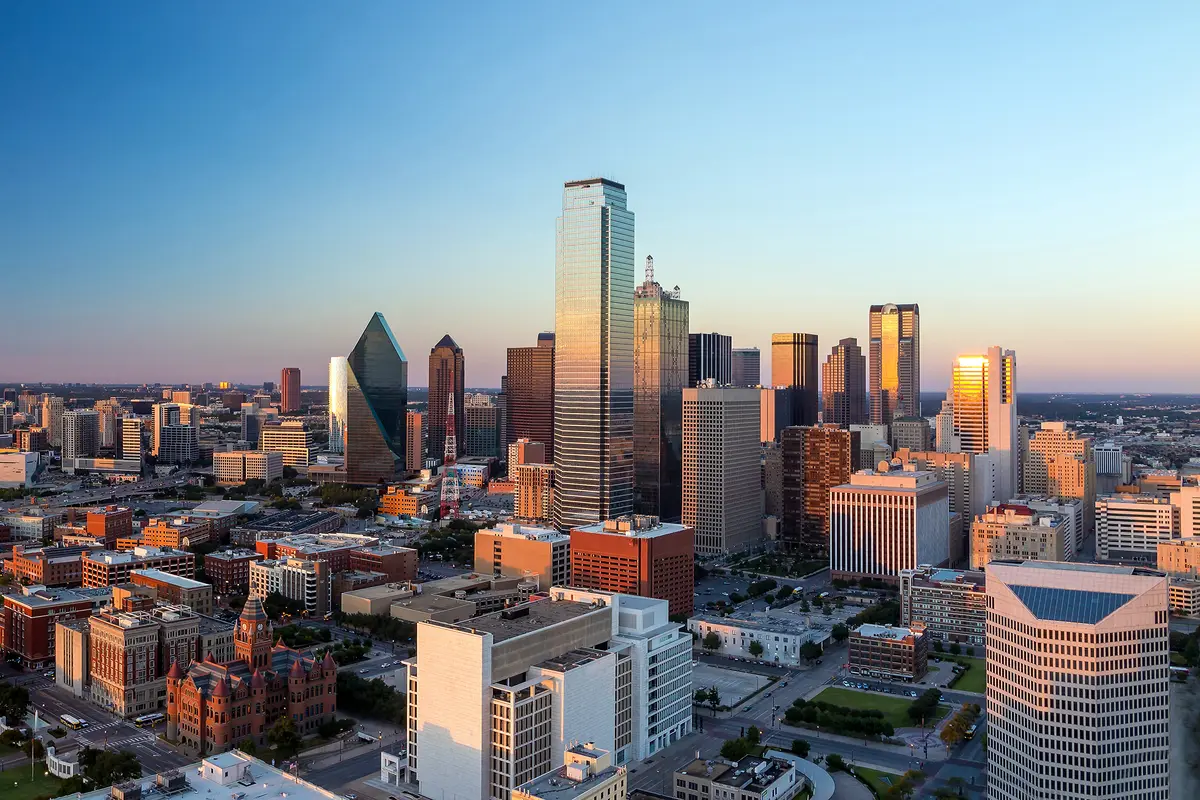
Two downtowns and the whole sweep of suburbs between and around them, from the Collin County job corridor to the ranch country west of Fort Worth. 71 cities including Dallas, Fort Worth, Arlington.
Explore all 71 Dallas-Fort Worth cities →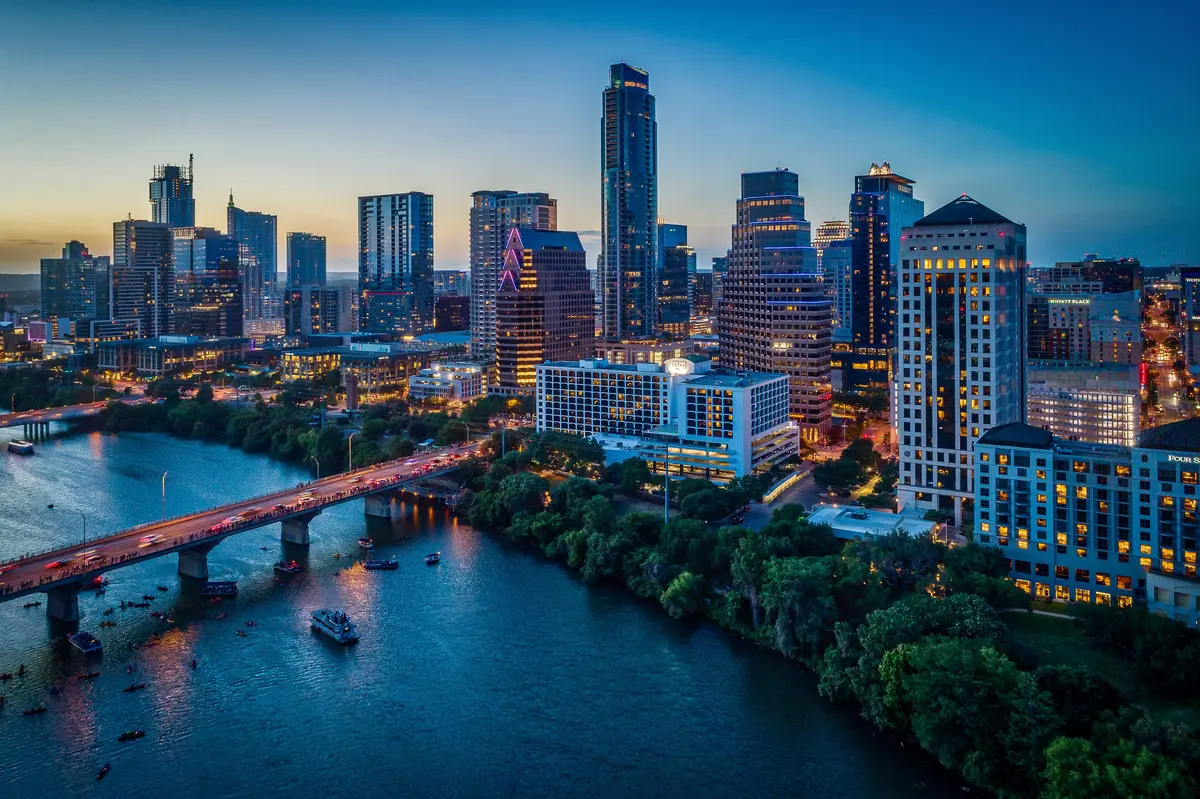
The state capital and the fast-growing corridor of suburbs running north and south of it along the interstate, out into the Colorado River hills. 21 cities including Austin, Round Rock, Georgetown.
Explore all 21 Austin Metro cities →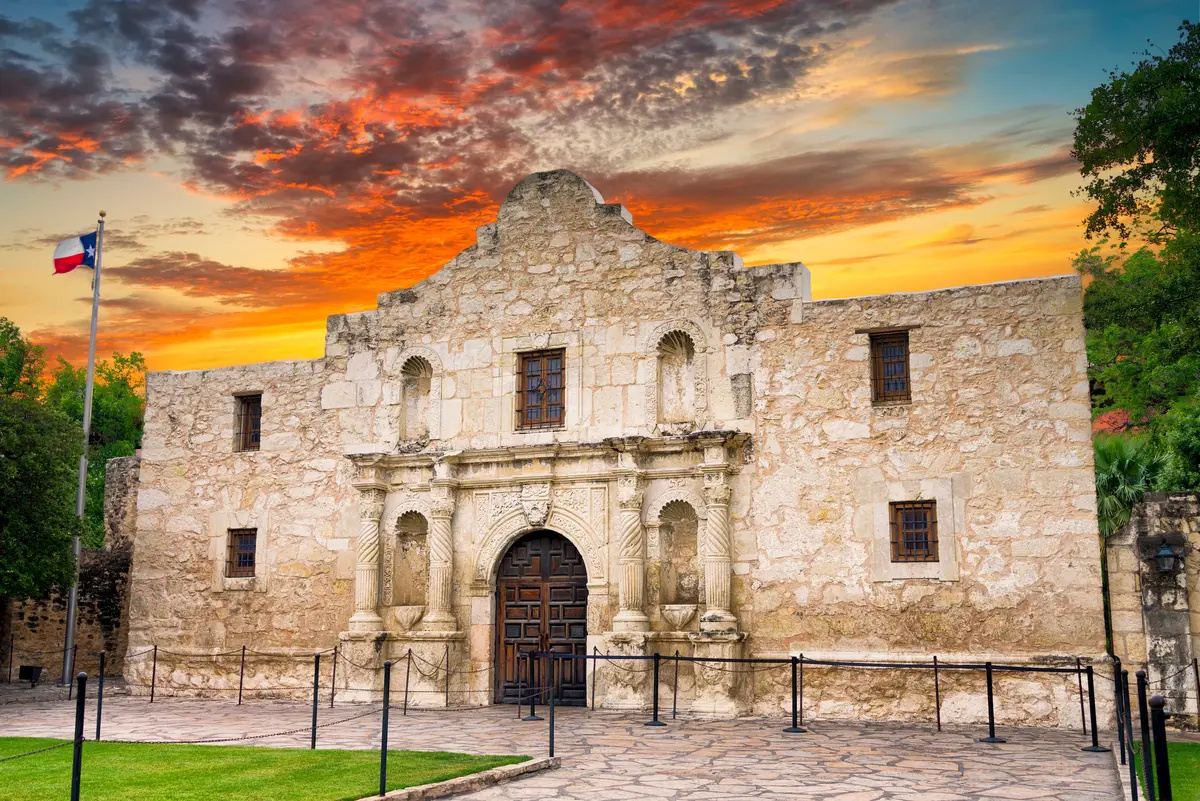
A deep-rooted Spanish colonial city ringed by military bases and the suburbs climbing north toward the Balcones Escarpment. 15 cities including San Antonio, New Braunfels, Schertz.
Explore all 15 San Antonio Metro cities →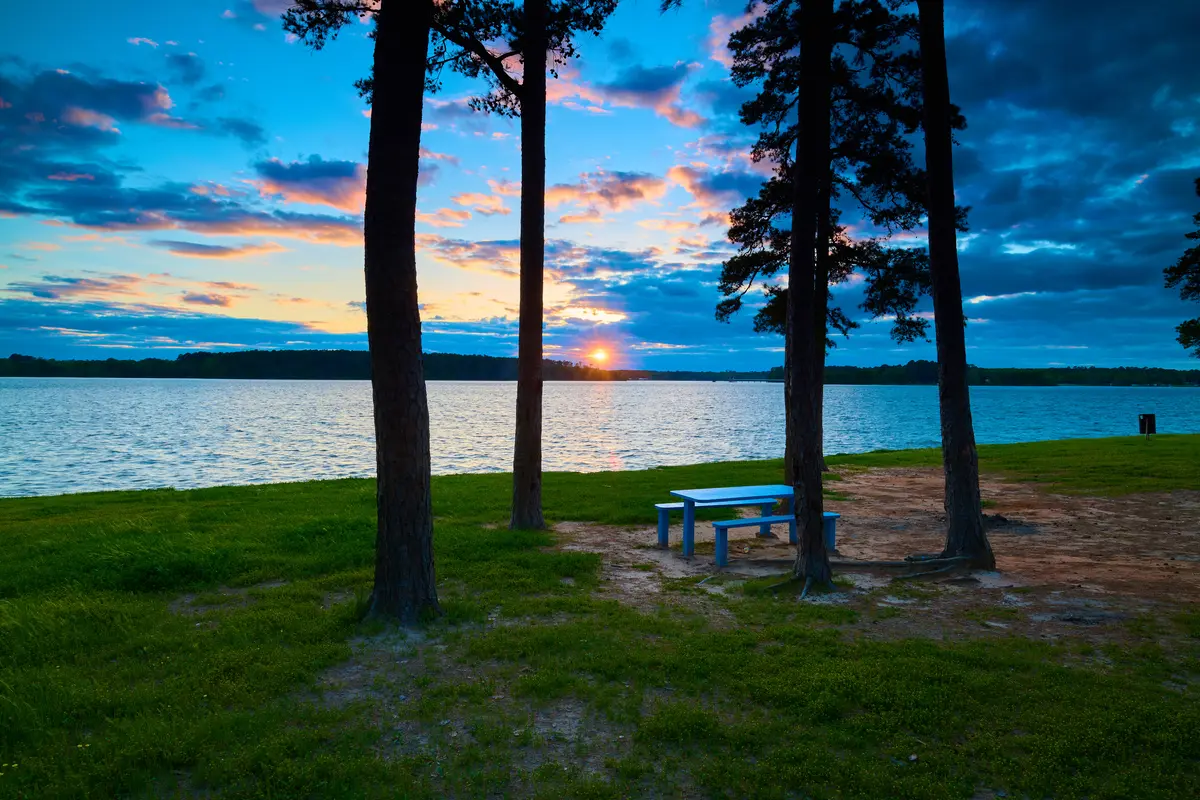
Pine forest, lakes and old county-seat towns across the wettest, greenest corner of the state. 13 cities including Tyler, Longview, Huntsville.
Explore all 13 East Texas cities →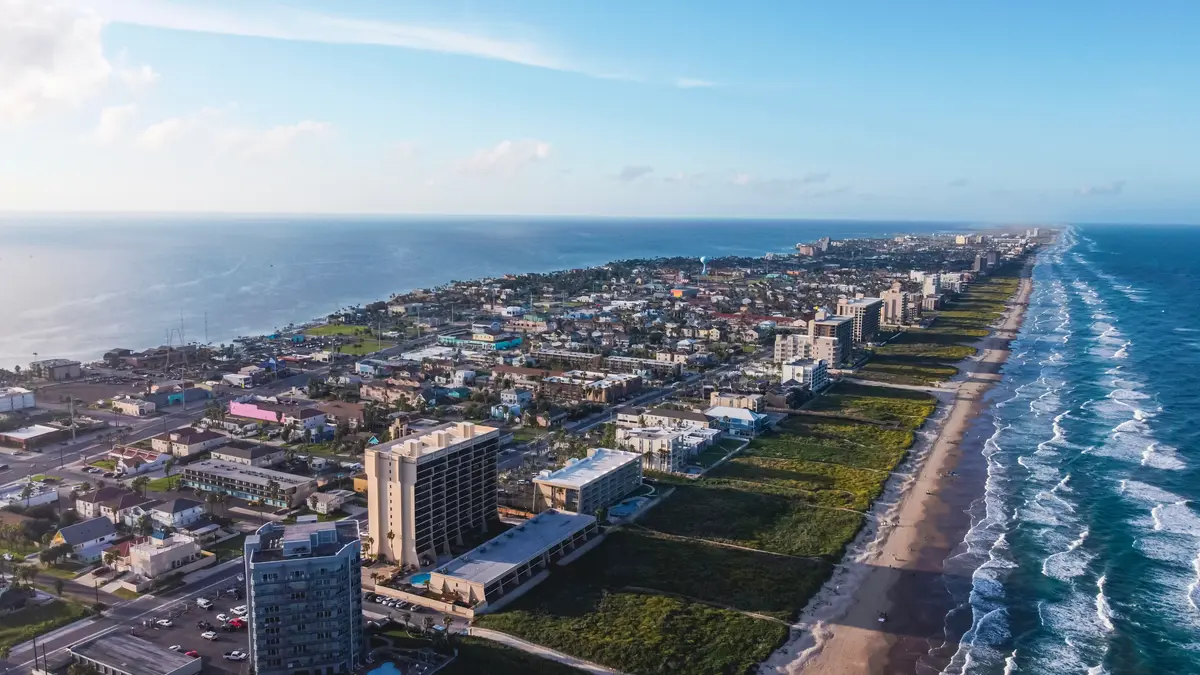
A bilingual, subtropical stretch of border cities and citrus country running from the river out to the Gulf beaches. 11 cities including Brownsville, McAllen, Edinburg.
Explore all 11 Rio Grande Valley cities →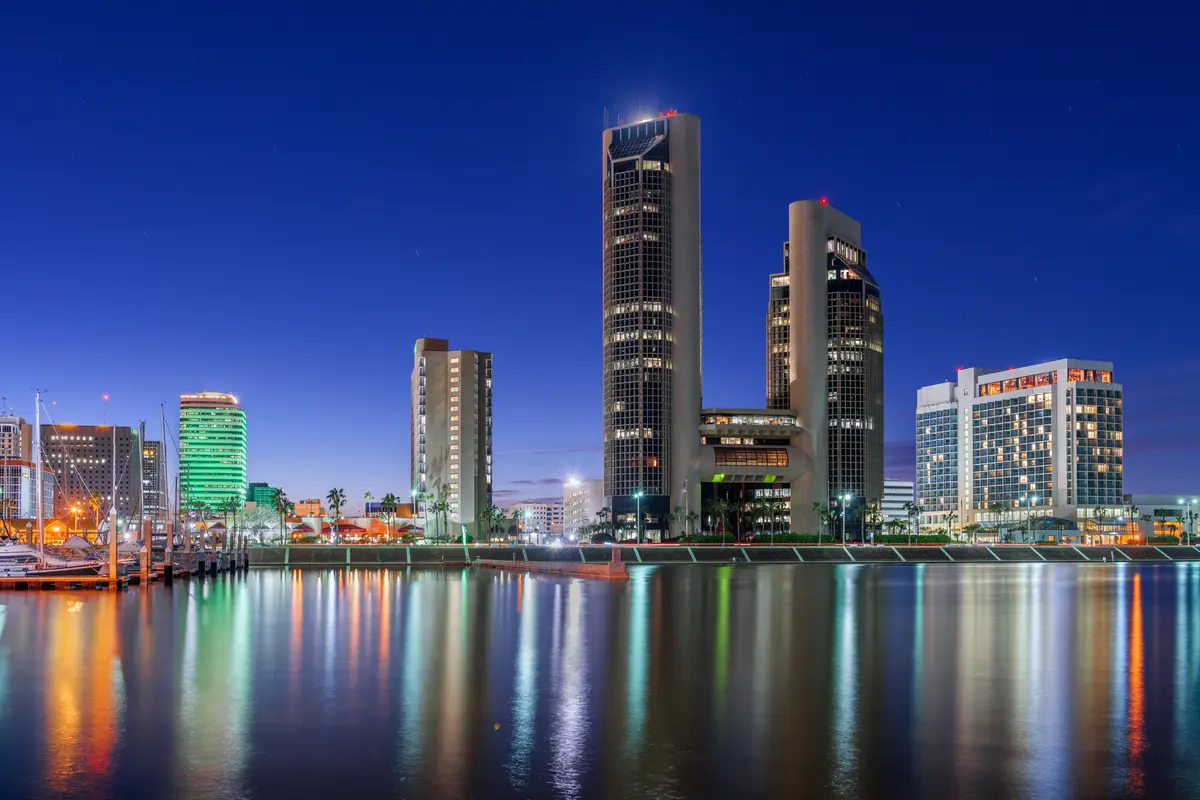
Bay-front cities, refinery towns and barrier-island beaches where the Gulf coast turns south. 7 cities including Corpus Christi, Victoria, Kingsville.
Explore all 7 Coastal Bend cities →
Ranching and university towns spread across the rolling plains of west central Texas. 6 cities including Abilene, San Angelo, Stephenville.
Explore all 6 Big Country cities →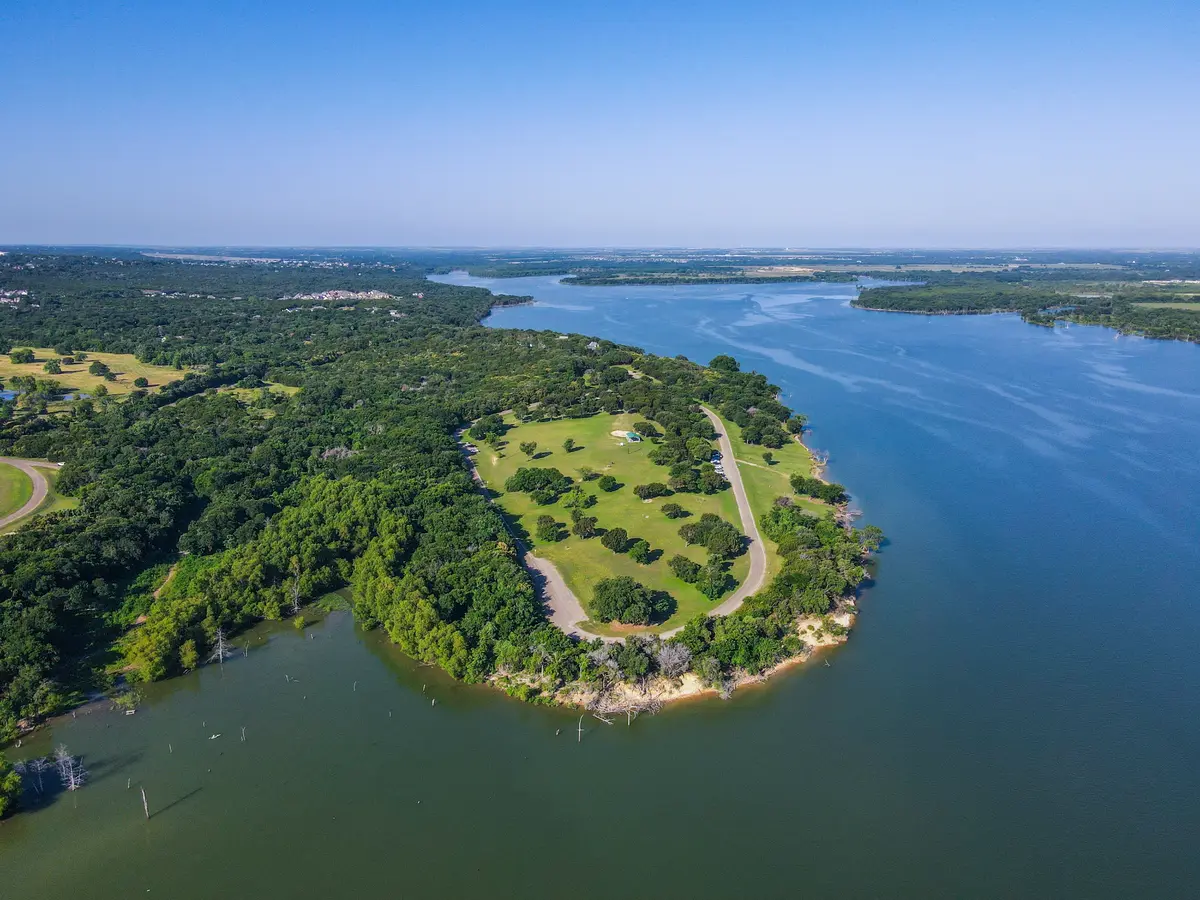
University, hospital and Army-post towns strung along the interstate between the two biggest metros. 6 cities including Killeen, Waco, Temple.
Explore all 6 Waco-Killeen-Temple cities →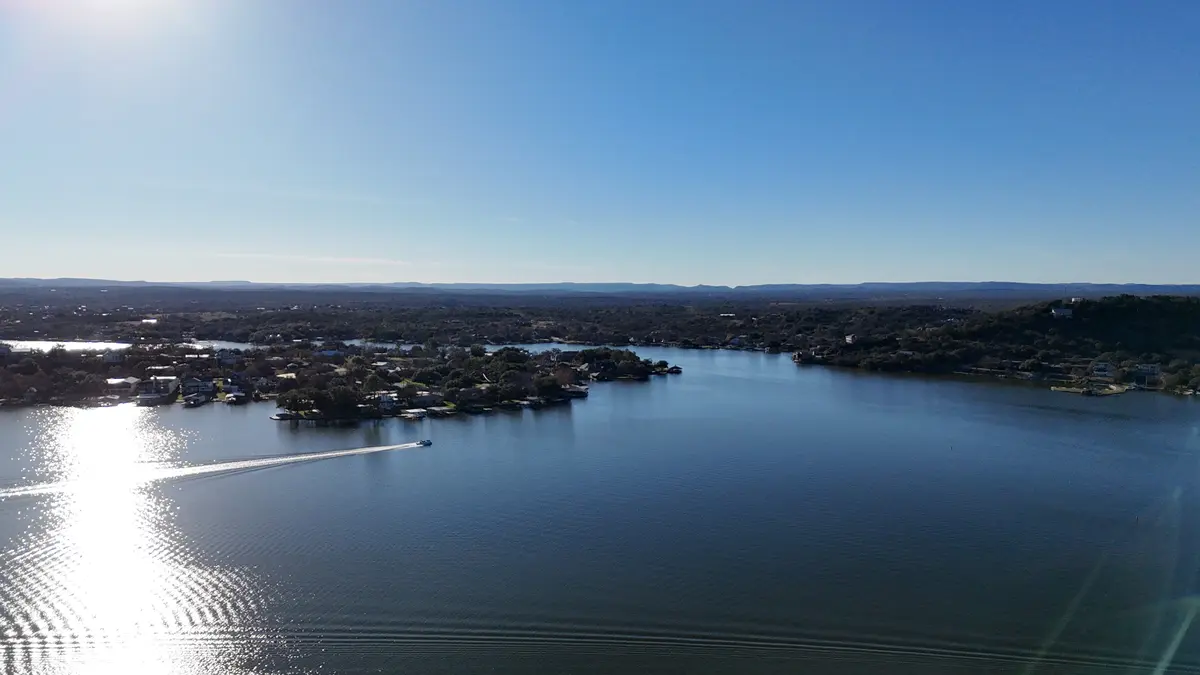
Limestone hills, spring-fed rivers, German heritage towns and the wineries that followed them. 5 cities including Kerrville, Uvalde, Fredericksburg.
Explore all 5 Hill Country cities →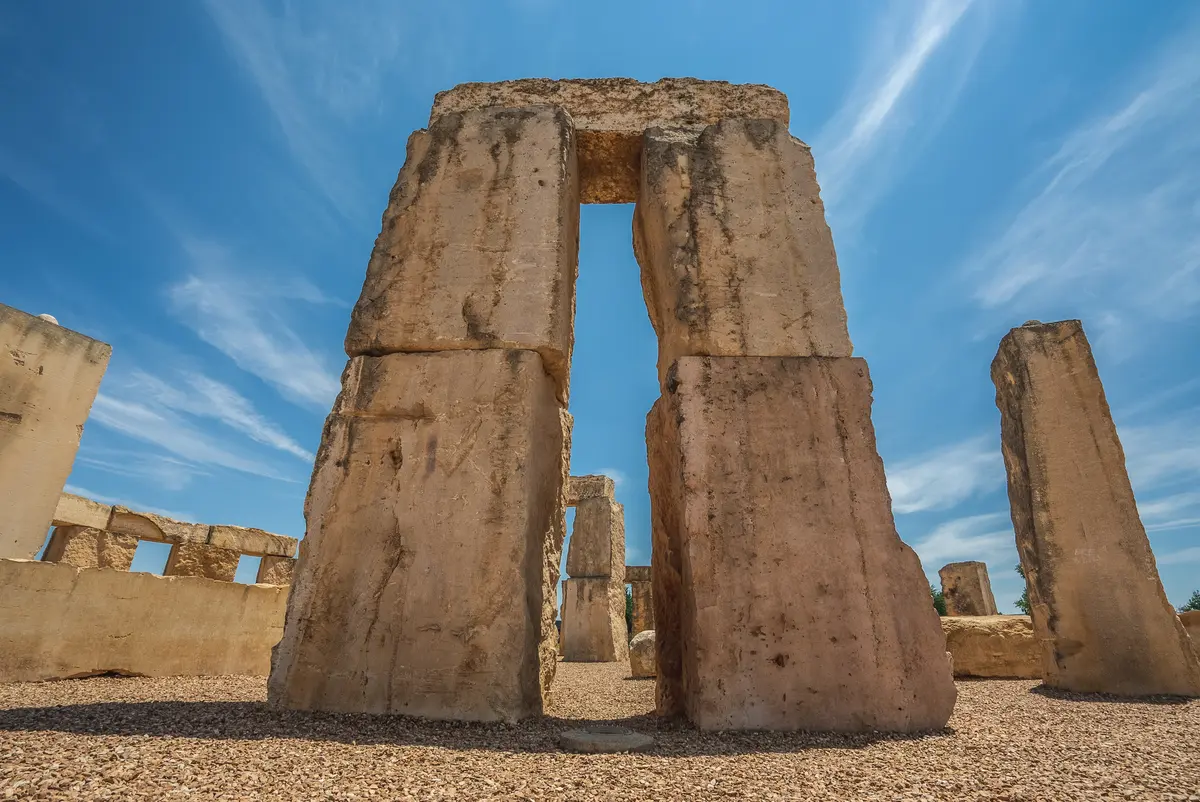
The oilfield cities of far West Texas, where the pay is high and the horizon is wide open. 4 cities including Midland, Odessa, Big Spring.
Explore all 4 Permian Basin cities →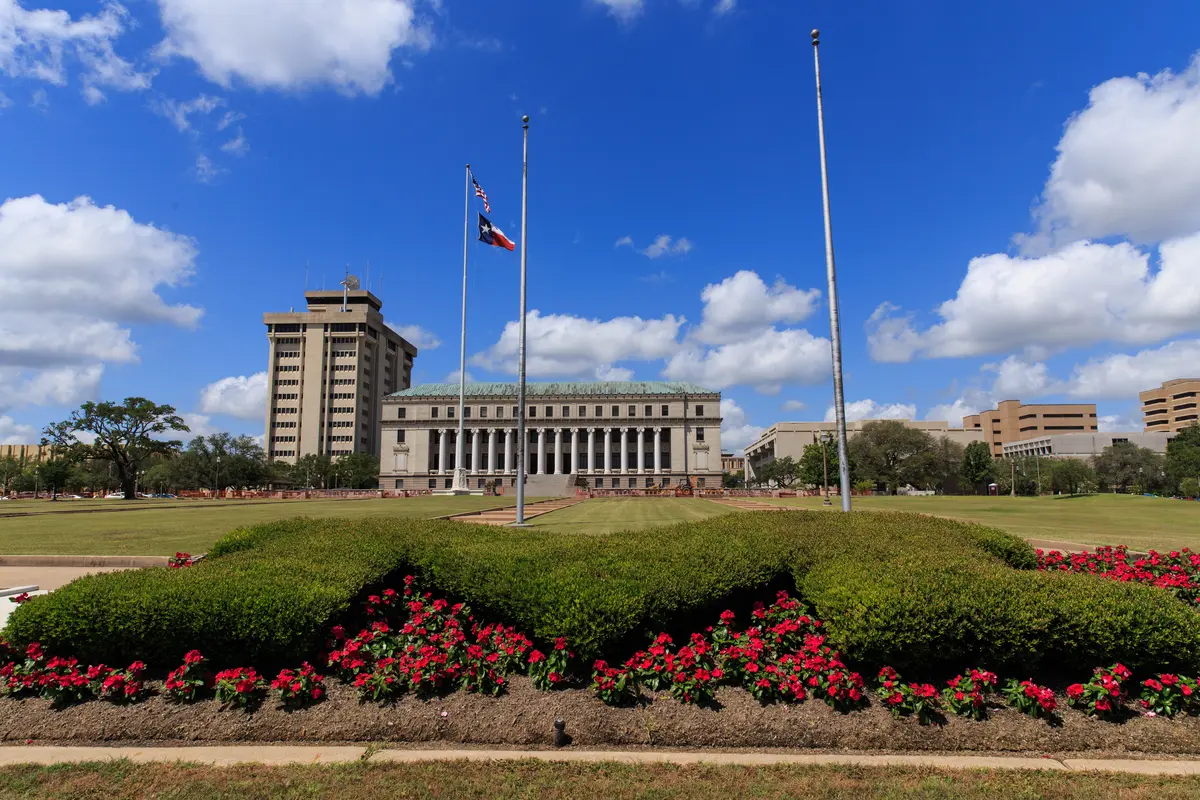
A university-driven pocket of Central Texas surrounded by river-bottom farmland and historic German and Czech settlements. 4 cities including College Station, Bryan, Brenham.
Explore all 4 Brazos Valley cities →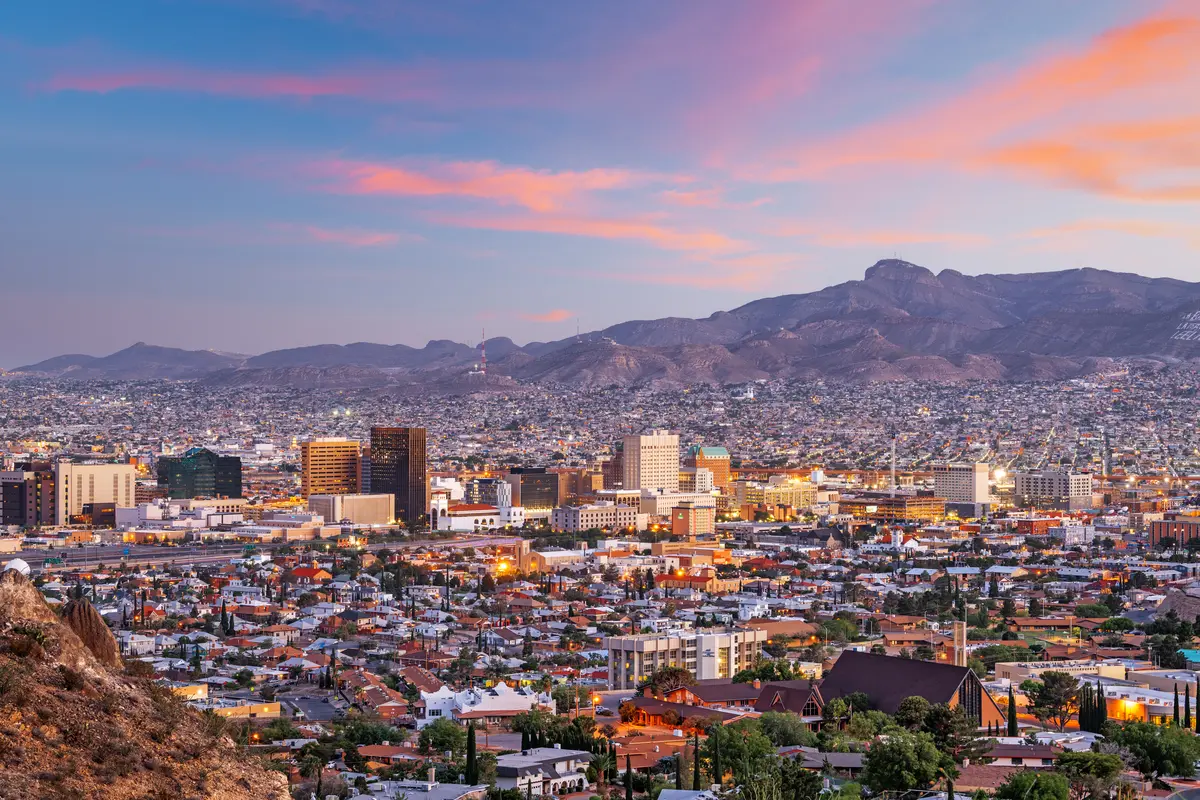
A high-desert border city in the far western corner of the state, closer to three other capitals than to its own. 4 cities including El Paso, Socorro, Horizon City.
Explore all 4 El Paso Borderplex cities →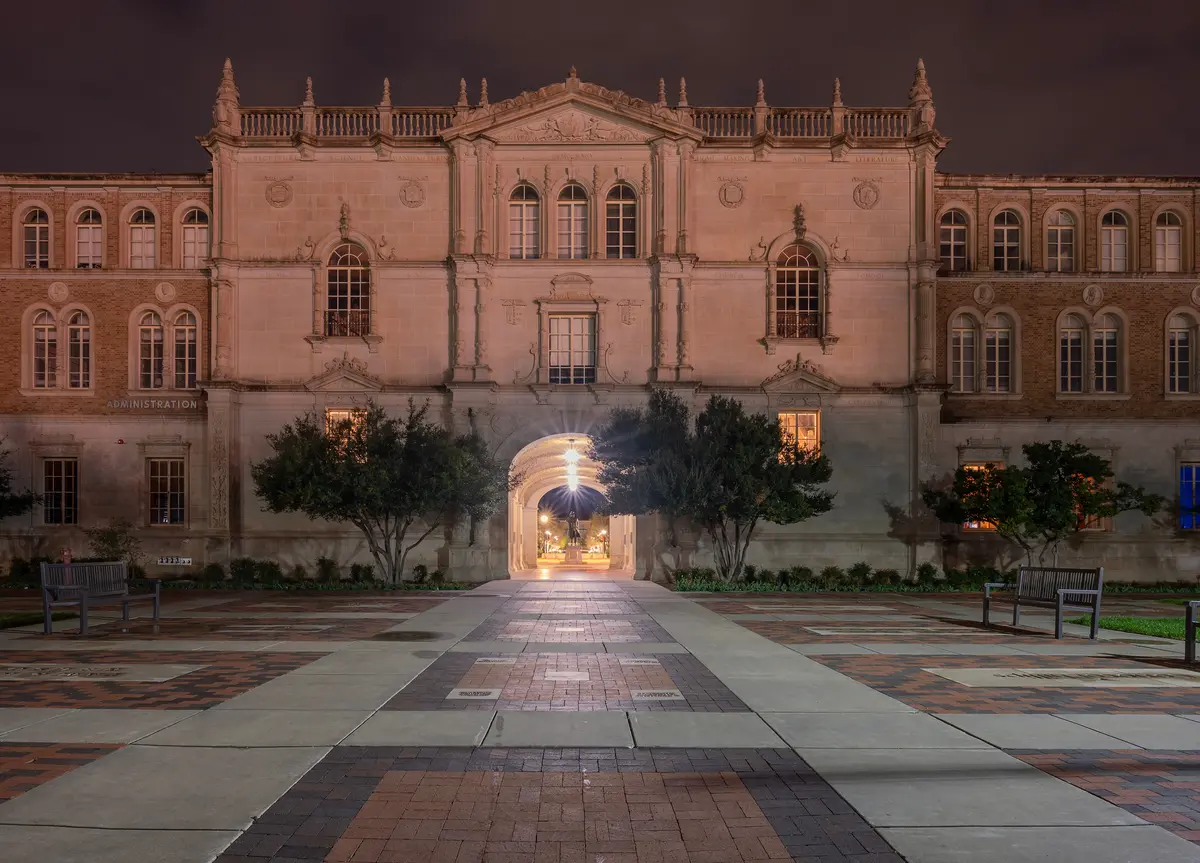
Flat, high, dry cotton and cattle country at the top of the state, anchored by two university cities. 3 cities including Lubbock, Amarillo, Plainview.
Explore all 3 Panhandle & South Plains cities →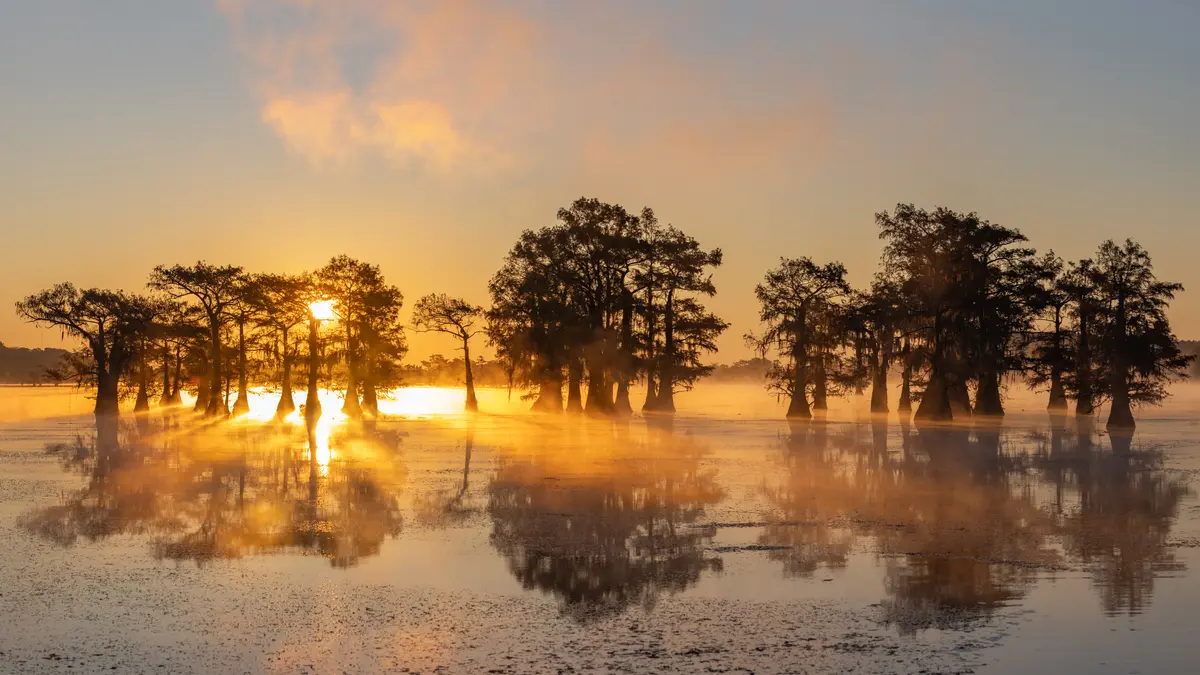
Refinery and shipping towns on the Louisiana line, where Texas starts to feel like the Deep South. 3 cities including Beaumont, Port Arthur, Port Neches.
Explore all 3 Golden Triangle cities →
Inland port cities and desert river towns along the stretch of border between the Valley and the Big Bend. 3 cities including Laredo, Del Rio, Eagle Pass.
Explore all 3 Southwest Border Country cities →
Independent small cities on the Red River plains, north and west of the Metroplex. 3 cities including Wichita Falls, Sherman, Denison.
Explore all 3 North Texas cities →Moving to Texas?
Tell us what you need help with and we'll connect you with local resources.
