
Maybe your company just relocated you to the Houston metro and someone told you to look at Katy. Maybe you've been renting in Houston and you're done watching the math stay wrong. Either way, the pitch for Katy is straightforward: a Katy Independent School District that holds a B rating, according to the Texas Education Agency, a commute that lands you about 40 minutes to Downtown Houston along I-10, and a typical home price that sits noticeably below what Fulshear, Cypress, and Sugar Land are asking. The part nobody leads with is the Municipal Utility District line, the county you happen to land in, and a property tax picture that is more complicated than the headline rate suggests. This guide is built around those details.
Katy is a city of 28,373 people, but the market that surrounds it — master-planned communities stretching west along I-10 and US-90 — behaves like something much larger. The Katy Independent School District serves 95,295 students enrolled in 2025-26, which means the district footprint extends well beyond city limits and is a primary reason families from Houston keep looking this direction. First-time buyers in Texas are competing against a market where entry-level inventory is thin and experienced buyers move quickly. Walking in prepared — with a pre-approval letter, a realistic cash figure, and a clear sense of what the MUD certificate on a given property says — is not a nice-to-have. It is the difference between closing and losing the house.
The typical home price in Katy is $337,000 (Zillow Home Value Index, July 2026). That figure is real, but the effective cost of owning here is shaped by Katy's 2.09% effective property tax rate — and for homes inside a Municipal Utility District, that rate can run 0.5% to 1.0% higher still, depending on the specific district. Texas has no state income tax, which genuinely moves the needle for buyers relocating from California or the Northeast, but the property tax burden is the trade that comes with it. See the full cost-of-living breakdown for how those numbers interact with the median household income here.
Whether you're just starting to think about buying or you already have a lender in mind, the sections below walk through what a first-timer's budget actually buys in Katy, the step-by-step process from pre-approval to closing, a concrete budget snapshot table, and the specific mistakes that derail first-time buyers in this market most often.
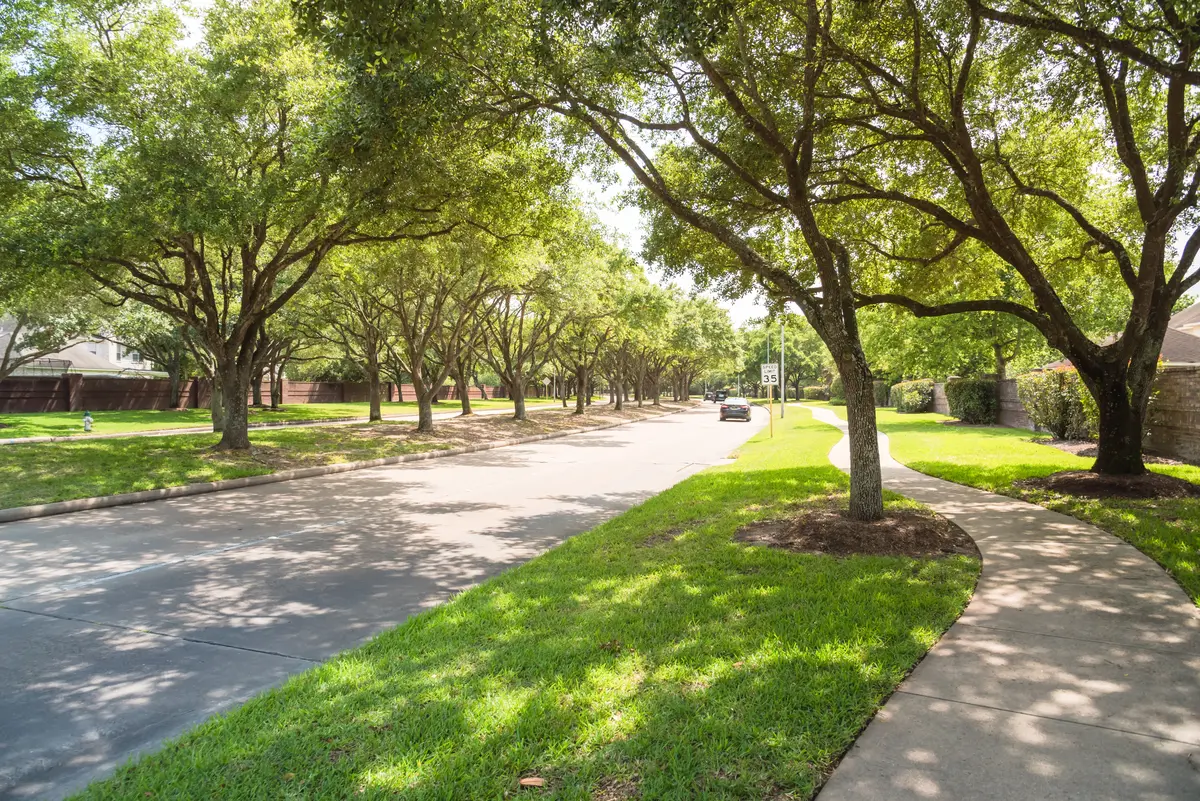
The Katy First-Time Buyer Reality
The typical home price in Katy is $337,000 (Zillow Home Value Index, July 2026). At that price, a first-time buyer using a 3.5% FHA loan needs roughly $11,795 down — manageable on paper, but the cash-to-close picture is wider once you add closing costs running approximately 2–4% of the loan amount. The honest planning number for most first-timers here is somewhere between $20,000 and $30,000 in total liquid cash, depending on the loan type and how much of the closing cost the seller agrees to cover.
Entry-level inventory in Katy skews toward the low-to-mid $200s for older resale homes and the mid-$200s to low $300s for new construction from volume builders. D.R. Horton and Lennar are active in the market across several communities and regularly offer closing cost assistance or mortgage rate buydowns — but the on-site agents at any builder's sales office represent the builder, not you. Bringing your own agent to those visits is not optional; it is how you have someone in the room whose job is your interests.
The market has shifted toward more balance compared to the frenzied pace of a few years ago. Sellers — including builders — are increasingly willing to negotiate on closing cost credits and rate buydowns rather than price alone. That is genuinely useful leverage for a first-timer who is cash-constrained. What has not changed: well-priced homes in the Katy ISD footprint move without sitting long, and the moment you start shopping without a pre-approval letter in hand, you are giving every other buyer in the room a head start.
One financial detail that surprises many first-timers: the median household income in Katy of $107,332 sits just below — by roughly $3,000 — the income typically needed to buy the typical home here at current rates. That gap is narrow enough that a second income, a modest rate buydown, or a slightly lower purchase price can close it. But it is also a signal that Katy is not as effortlessly affordable as the sub-$350K price tag implies, especially once MUD taxes enter the picture. For a full picture of how Katy's neighborhoods compare in character and price tier, that page goes deeper.
The Homebuying Process in Katy, Step by Step
Step 1: Get Your Finances in Order First
A realistic timeline from first preparation to closing keys in your hand runs approximately five months. The first month — often skipped — is reviewing your credit, resolving any errors, and understanding exactly what a lender will see. A 620+ credit score opens conventional loan options with as little as 3% down. A 580+ score qualifies for FHA at 3.5% down. Below 580, your options narrow significantly and your costs rise.
Step 2: Pre-Approval Before You Tour Anything
Pre-approval is not a formality in Katy — it is a filter. Sellers and their agents routinely ask for a pre-approval letter before scheduling showings on competitively priced homes. Getting pre-approved before you visit a single open house also protects you from the most common first-timer mistake: falling in love with a house that is outside your actual loan ceiling.
Because Katy straddles Harris County, Fort Bend County, and Waller County, confirm which county a specific property sits in before you finalize your loan application. Tax rates vary by county. Tell your lender the county early — it affects which rate tables they use to calculate your payment estimates.
Step 3: Shopping — Resale vs. New Construction
Katy offers both tracks in a way that most Texas suburbs don't simultaneously. Communities like Sunterra and Elyson are releasing new phases, and move-in-ready or near-complete new construction homes are available for buyers who cannot wait out a full build timeline. On the resale side, older subdivisions from the 1990s — Nottingham Country, Grand Lakes, Kelliwood — can offer lower combined tax rates than newer MUD-heavy communities, simply because the infrastructure bonds have been partially or fully paid down. That distinction matters more than most buyers realize, and it is entirely invisible in a Zillow listing.
Step 4: The Option Period — Use Every Day of It
Texas purchase contracts include an option period — typically 5 to 10 days — during which you can back out for any reason and receive your option fee back (though not always your earnest money, depending on timing). This is when you order your inspection, request the MUD certificate, and confirm the exact combined tax rate for that specific property. Skipping or shortening the option period to make an offer more competitive is the single most consequential mistake a first-timer can make in this market.
Step 5: Appraisal, Underwriting, and Closing
Once the option period closes, your lender orders the appraisal. If the home appraises below the contract price — more common in fast-moving submarkets — you will need to negotiate a price reduction, cover the gap in cash, or walk away. Underwriting typically takes two to four weeks; your job during this period is to touch nothing: no new credit accounts, no large deposits without a paper trail, no job changes. Closing in Texas is handled by a title company, not an attorney, and you will sign a significant stack of documents. Budget the time; do not schedule a moving truck for the same afternoon.
File your Texas homestead exemption as soon as you close and establish the home as your primary residence. The school district exemption alone — $140,000 off appraised value as of the 2025 tax year — is meaningful on a home in Katy's price range, and the City of Katy adds a 20% exemption on top of that. Missing the filing window means waiting another full year.

How Much Home Can You Afford in Katy
The table below is a planning tool, not a quote. Closing cost estimates use a 2–4% range of the loan amount; actual figures depend on lender, title company, prepaid items, and negotiated seller credits. The scenarios below use approximate purchase prices across the realistic Katy entry-level range. Use the mortgage calculator below the table for a payment estimate at current rates.
| Scenario | Purchase Price | Down Payment | Est. Closing Costs | Cash Needed at Table |
|---|---|---|---|---|
| FHA (3.5%) — entry resale | ~$220,000 | ~$7,700 (3.5%) | ~$4,200–$8,400 | ~$12,000–$16,000 |
| Conventional (3%) — entry resale | ~$220,000 | ~$6,600 (3%) | ~$4,200–$8,400 | ~$11,000–$15,000 |
| FHA (3.5%) — mid resale / new construction entry | ~$280,000 | ~$9,800 (3.5%) | ~$5,200–$10,400 | ~$15,000–$20,000 |
| Conventional (3%) — near city median | ~$337,000 | ~$10,110 (3%) | ~$6,200–$12,400 | ~$16,000–$23,000 |
| FHA (3.5%) — near city median | ~$337,000 | ~$11,795 (3.5%) | ~$6,200–$12,400 | ~$18,000–$24,000 |
| Conventional (5%) — above median / newer community | ~$400,000 | ~$20,000 (5%) | ~$7,200–$14,400 | ~$27,000–$34,000 |
All figures are estimates for planning purposes only. Seller credits, builder incentives, and rate buydowns can meaningfully reduce the cash needed at closing — negotiate for those directly rather than assuming the list price is the final word.
One line item that will not appear in the table above but belongs in your mental budget: the MUD tax. If the home you are buying sits inside a Municipal Utility District, the combined effective property tax rate can run 0.5% to 1.0% above the base rate. On a $337,000 home, that difference is real money annually. A newer community like Elyson typically carries a higher combined rate than an established 1990s subdivision, and the difference is the MUD district line, not the home price. Request the MUD certificate during your option period — every time, on every property.
Looking to buy in Katy? Estimate your payment.
Enter your numbers to see an estimated monthly mortgage payment.
Estimate only. Excludes HOA fees and mortgage insurance. The interest rate above is a starting point, not a quoted rate — replace it with your own to see real numbers. Insurance is a flat placeholder, not a Katy quote.
Common First-Time Buyer Mistakes in Katy
Shopping Before Pre-Approval
In Katy's market, touring homes without a pre-approval letter is not just inefficient — it is a liability. You may fall in love with a home, make an offer, and then discover your actual approval amount is $40,000 lower than what you were mentally budgeting. Worse, a seller will not wait for you to get your paperwork together. Pre-approval first, touring second: no exceptions.
Ignoring the MUD Certificate
This is the most Katy-specific mistake on the list. Two homes on the same street can carry meaningfully different annual tax obligations because they sit in different Municipal Utility Districts. Buyers who compare list prices without comparing MUD rates are comparing the wrong number. During the option period, request the MUD certificate for any property you are under contract on and have your lender recalculate the payment estimate using the actual combined rate — not the county average.
Waiving the Inspection to Compete
The option period exists precisely so that buyers can inspect without losing their right to walk away. Waiving inspection entirely — or shortening the option period so aggressively that a thorough inspection becomes impossible — to make an offer look stronger is a false economy. Foundation issues in the greater Houston area are common, and flood history matters here in a way it does not in drier markets. An inspection that reveals a problem you can negotiate around is worth far more than the option fee you save by skipping it.
Underestimating the County Question
Katy straddles Harris County, Fort Bend County, and Waller County. The county a property sits in affects tax rates, and buyers should confirm the county for any specific home early in the process — not after signing a contract. Tell your lender the county as soon as you identify a target property. This is not a minor administrative detail; it is information that changes the payment estimate and the paperwork your lender prepares.
Skipping the Homestead Exemption Filing
Texas's homestead exemption is one of the most meaningful tax tools available to owner-occupants, and first-time buyers in Katy routinely miss the filing window simply because nobody told them it was not automatic. The school district exemption removes $140,000 from the appraised value used to calculate your tax bill, as of the 2025 tax year. The City of Katy adds a 20% exemption. File as soon as you close. If you miss the deadline, you wait a full year for the savings to kick in.

Local Expert Takeaway: Katy is genuinely accessible for first-time buyers at the entry level, but the headline price of $337,000 (July 2026) is only the starting point. The MUD tax is the variable most buyers miss — a home in Elyson and a home in a 1990s resale subdivision can look identical on a listing sheet and carry meaningfully different annual tax bills. Get the MUD certificate during your option period on every single property. File for the homestead exemption the week you close. And if a builder's sales office in Sunterra or a newer community is where you're shopping, bring your own agent — the on-site team is working for the builder, not for you.
Quick Takeaways & FAQs
✅ Katy's typical home price of $337,000 (July 2026) sits noticeably below nearby Fulshear, Cypress, and Sugar Land, making it one of the more accessible entry points into the Houston metro for first-time buyers.
⚠️ Municipal Utility District (MUD) taxes can add 0.5% to 1.0% to the effective property tax rate beyond the base — a cost that does not appear in most listing searches and can significantly change your monthly payment.
📍 Katy straddles three counties (Harris, Fort Bend, and Waller), and which county a specific property sits in affects tax rates — confirm the county before finalizing your loan application.
What credit score do I need to buy a home in Katy, TX?
What is a MUD tax and how does it affect my home purchase in Katy?
How long does it take to buy a home in Katy from start to finish?
Do new-construction builders in Katy offer deals for first-time buyers?
How do I claim the Texas homestead exemption after closing in Katy?
Moving to Texas?
Tell us what you need help with and we'll connect you with local resources.
