
You have probably done the math at least once, maybe on a napkin, maybe in a spreadsheet — and the numbers keep pointing the same direction. Montgomery, Texas sits in the piney woods of Montgomery County, roughly an hour northwest of downtown Houston along TX-105, at the southern edge of Lake Conroe. It is a small city of 3,105 people with a genuine small-town center, but it sits inside one of the fastest-growing counties in Texas — a county that grew from 620,443 residents at the 2020 Census to an estimated 781,194 by 2025. That growth is not accidental. It is driven in large part by people doing exactly what you are doing right now: weighing whether life here makes more sense than life in California.
What actually drives daily life in Montgomery is the lake. Lake Conroe — 20,118 acres on the West Fork of the San Jacinto River — is not a backdrop; it is the organizing fact of the community. Neighborhoods like Bentwater and Walden on Lake Conroe were built around it. The local economy leans on the school district, municipal government, and retail, but the residential pull is almost entirely about the water, the pace, and the price. Montgomery Independent School District, with 9,722 students enrolled in 2025-26, holds a B rating, according to the Texas Education Agency — a reasonable foundation for families with kids who want a known quantity without paying private-school tuition.
The cost picture is the reason this city keeps showing up in California relocation searches. The typical home value in Montgomery stood at $393,324 as of July 2026 — a figure that sits well below what comparable space costs across most of California. Texas levies no personal state income tax, and the sales tax structure is straightforward. The trade-off is real: Texas property taxes run higher than California's, and summer heat and humidity are genuine lifestyle adjustments, not minor footnotes. But for a Californian buyer who has been watching their purchasing power shrink, the math here tends to land in Montgomery's favor.
Whether you are being relocated, priced out, or simply ready for a different pace, the sections below break down the home price comparison, the tax picture, what the lifestyle shift actually feels like, the climate realities, and what most Californians get wrong before they move.
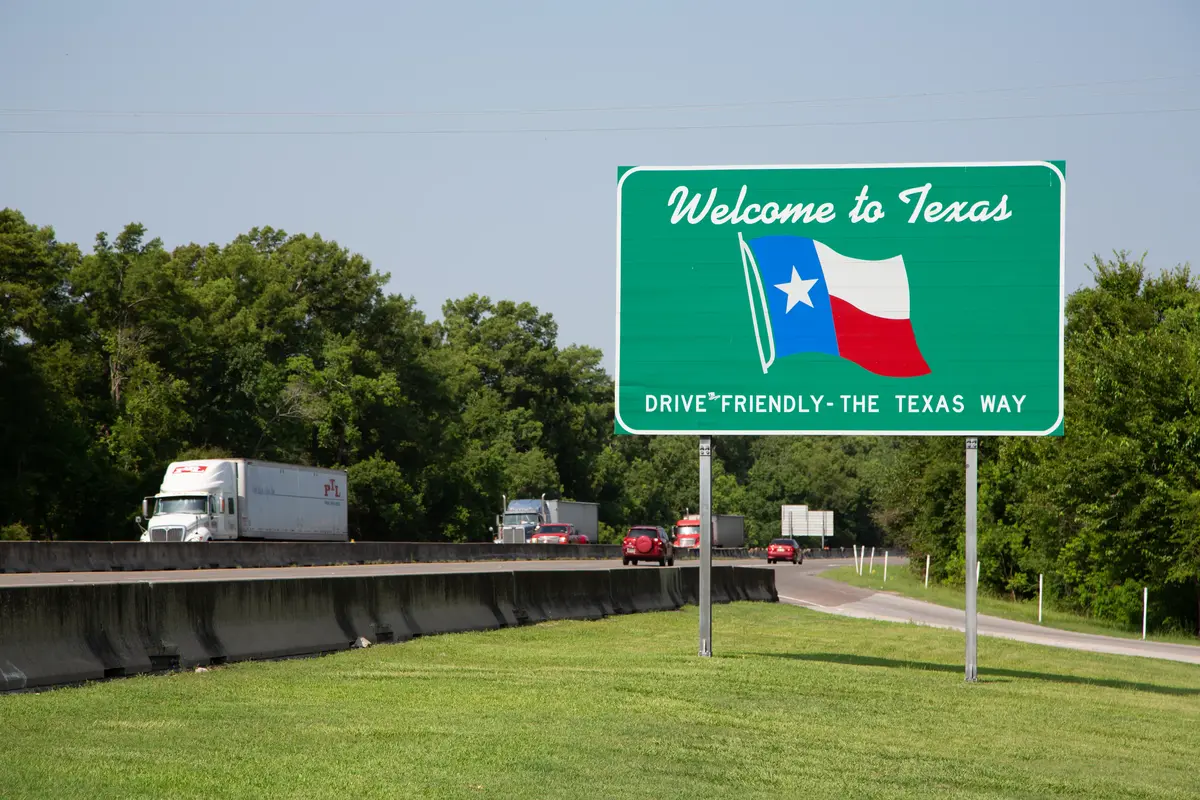
The Home Price Comparison: California vs. Montgomery
The single biggest reason Californians land on Montgomery is the home price gap. California's statewide typical home value of $773,735 (Zillow Home Value Index) is nearly double Montgomery's typical home value of $393,324 as of July 2026. That gap translates directly into what you can buy: a four-bedroom house on a generous lot, often with a community pool or lake access, at a price point that would get you a modest condo in most California coastal markets.
It is worth being precise about what $393,324 actually represents in Montgomery. That is the city-wide typical home value — the number the broad market is centered on. Neighborhoods like Bentwater and Grand Harbor run above that figure, while Walden on Lake Conroe and April Sound tend to come in below it. If your California home has equity to deploy, Montgomery's market gives that equity real purchasing power — the kind that opens doors to waterfront communities or larger lots rather than simply landing you at the median.
The affordability picture has a real constraint, though. The median household income in Montgomery is $70,306, which sits meaningfully below what is needed to comfortably carry the typical home here. Many buyers arriving from California are not constrained by local income — they are bringing equity, remote work salaries, or both. But if you are starting fresh on a local salary, that gap matters, and it is worth running the numbers against the full cost picture including property taxes before you commit.
What Nearby Markets Look Like
Montgomery does not exist in isolation. Conroe, directly to the east, runs noticeably lower on typical home prices — making it a comparison worth running if budget is the primary driver. The Woodlands, the large master-planned community to the southeast, runs noticeably higher. Magnolia, to the southwest, comes in somewhat lower than Montgomery. For a California buyer, all of these markets likely look favorable compared to what you left — but the differences between them shape the lifestyle significantly, and the neighborhood breakdown goes deeper on what each area actually feels like.
| Market | Typical Home Value vs. Montgomery | Best For |
|---|---|---|
| Montgomery | City median (baseline) | Nature Quiet |
| Conroe | Noticeably lower | Value Commuter |
| The Woodlands | Noticeably higher | Luxury Schools |
| Magnolia | Somewhat lower | Families First-Time |
| Willis | Below Montgomery range | Value |
| Shenandoah | Above Montgomery range | Walkable Commuter |
One thing California buyers sometimes overlook: rent here also runs well below what you are used to. The city-wide typical rent sits at $1,903 per month as of July 2026 — a figure that covers the full cost-of-living picture on the cost of living page.
The Tax Shift: More Take-Home, Higher Property Bills
The income tax comparison is the sharpest line in the California-to-Texas calculation. Texas levies no personal income tax — zero, on wages, salaries, dividends, interest, or capital gains. California's brackets are steep enough that higher earners feel the savings immediately, and even middle-income earners see a meaningful difference on their first Texas paycheck. The income-tax savings favor higher earners most directly, but most California households at any income level see their monthly take-home rise when they cross the state line.
The offset is property tax, and Californians need to internalize this before they close. Montgomery's effective property tax rate is 1.36% — nearly double California's effective property tax rate of 0.71%. On a $393,324 home, that is a meaningful annual obligation. California's Proposition 13 framework caps annual assessment increases at 2%, which benefits long-term owners — but the clock resets to purchase price the moment a home changes hands, so a new California buyer gets no particular protection either. In Texas, you get a different tool: the homestead exemption removes $100,000 from your home's taxable value for school district taxes, which takes a real bite out of the bill on a modestly priced home. Seniors 65 and older and disabled veterans qualify for additional exemptions.
Sales Tax: A Narrower Gap Than You Expect
California's statewide base sales tax rate of 7.25% is the floor — most California counties and cities layer additional rates on top of that, pushing combined rates to 9% or 10% in many places. Texas's base state rate is 6.25%, with local additions bringing most areas to 8.25% combined. For most day-to-day purchases, the difference is real but not dramatic. Groceries are not taxed in Texas, which matters for household budgets.
The full tax picture — property, sales, and what Texas does not collect — is detailed on the cost of living page, including how the combined picture stacks up for different income levels. For most California households, the income tax savings are significant, but the exact balance depends on your income and your purchase price — and the property tax rate here is high enough that buyers in lower price brackets should run the full comparison before assuming Texas is cheaper overall.
The Everyday Cost Picture
Beyond taxes and housing, day-to-day spending in Montgomery tends to run below California norms. Groceries, utilities, and local services are all noticeably less expensive than in most California metros. The catch is that Montgomery is a small city, and some categories — dining variety, specialty retail, healthcare specialists — require a drive to Conroe or The Woodlands, which is a different calculus than most California suburbanites are used to. That is worth factoring into the full picture before you decide.

Lifestyle Reset: What Actually Changes When You Move Here
The thing most Californians underestimate is not the heat — they are warned about the heat. It is the pace and the layout. Montgomery has a population of 3,105. There is no urban core to slip into on a Tuesday night. The Historic Downtown Montgomery is genuine and worth walking — Fernland Historical Park anchors its history — but this is not a walkable-streets situation. Essentially every errand, every dinner out, every school pickup involves a car. If your California life was built around a walkable neighborhood or a reliable transit line, that life does not exist here in the same form.
What replaces it is space, water, and community that forms around different things. Lake Conroe is a 20,118-acre recreational lake, and for Montgomery residents it functions as the public park, the weekend destination, and the social anchor simultaneously. Cagle Recreation Area and Stubblefield Lake Recreation Area extend that outdoor access beyond the main lake. Lake Conroe Park is where a lot of that on-the-water life starts. The Montgomery Farmers Market is a genuine local institution — the kind of place where you run into the same people every week and start to feel like you actually live somewhere.
The Commute Reality
Montgomery is not a standalone employment hub. The school district, city government, and retail anchor local jobs, but most residents who work outside the home are driving. The commute reference point here is about 40 minutes to The Woodlands, which gives you access to a much larger employment and retail base. Houston itself is farther. George Bush Intercontinental Airport (IAH) is 44 miles from Montgomery — the primary airport connection for work travel or visits back to California. The living in Montgomery page covers the commute and employer picture in full.
Looking to buy in Montgomery? Estimate your payment.
Enter your numbers to see an estimated monthly mortgage payment.
Estimate only. Excludes HOA fees and mortgage insurance. The interest rate above is a starting point, not a quoted rate — replace it with your own to see real numbers. Insurance is a flat placeholder, not a Montgomery quote.
Climate: Trading Wildfire Season for Heat and Humidity
If you are coming from Northern California, you know what June and July feel like when the hills go brown and the air tastes like smoke. If you are coming from Southern California, you know what it is like to watch the hills behind your neighborhood glow at night. Montgomery does not have that particular anxiety. California leads all states in wildfire risk, with expected annual losses from wildfires totaling $1.4 billion — the only state rated 'very high' by FEMA's National Risk Index. Texas's wildfire expected annual losses run substantially lower.
What Montgomery has instead is summer heat and humidity that Californians consistently underestimate. July and August here are genuinely difficult — not just warm, but a combination of heat and moisture that makes outdoor activity a morning-or-evening proposition for most of the summer. Montgomery sees 203 sunny days a year, which sounds like California and does not feel like it: a significant share of those sunny days are also 95 degrees with 80% humidity. Newcomers from the California coast take a full summer to adjust.
Flood Awareness Is Not Optional
The climate trade-off that matters most for home buyers is flood risk. Montgomery County sits in the Houston metro's broader flood plain geography. Montgomery specifically has a moderate flood risk: 19% of properties are projected to face severe flooding over the next 30 years, and the rate of increase is slower than the national average — which is a relative positive, but not a dismissal. A California buyer accustomed to scrutinizing wildfire insurance should apply the same rigor to flood maps here. FEMA flood zone designation and flood insurance cost should be line items in your due diligence, not afterthoughts.
Winters are the climate dividend. Mild and genuinely comfortable — the kind of January weather that makes you feel like you made a good decision. Freeze events happen but are not a defining feature of life here the way they are in central or west Texas. The lake stays usable for much of the year, which is part of why the waterfront lifestyle actually delivers on its promise rather than being a four-month amenity.
What Six Months In Teaches You
Almost every California transplant says the same thing around month six: they stopped worrying about fire season entirely, and started planning their life around the lake instead of around evacuation routes. The anxiety is different here — a heavy rain event rather than a red-flag wind warning — but for many people the switch is a net positive. The trade-off is real either way; knowing which set of risks fits your life better is part of what this decision is actually about.
Weekends and Local Favorites
Montgomery's weekend life is low-key by California standards and genuinely satisfying by its own. Lake Conroe is the organizing force — whether that means a morning on the water at Cagle Recreation Area, an afternoon at Lake Conroe Park, or a sunset at Monty's Lighthouse with the water in view. The lake supports largemouth bass and crappie fishing, boating, and the kind of waterfront living that makes the relocation feel like a trade-up rather than a step down.
Bentwater earns its reputation among transplants looking for a country club lifestyle. The community offers a fitness center, day spa, tennis courts, and waterfront homes with private docks — the kind of amenities that California buyers associate with a price point significantly higher than what Bentwater actually costs relative to the California market. It runs above the city median, but in California terms it reads as a remarkable value for what it delivers.
Coffee, Food, and the Local Scene
The coffee situation is better than most people expect for a city this size. Luv Coffee is the spot that regulars gravitate toward. Trixie's Coffee Shop has the kind of neighborhood-institution energy that develops when a place has been consistent long enough that people stop noticing it and just show up. Wilderlove Coffee and Roasted Woodforest round out the independent options, and Moss and Co. Market adds a market-café hybrid that fits well with the pace of the community.
For food, Bar-A-BBQ is the answer to the question every California transplant eventually asks — yes, the barbecue is that different from what you had at home, and yes, it matters. Conroe Lake House and Walden's cover casual dining with a local feel. License to Chill Bar & Café is the relaxed, no-pretense version of a neighborhood bar. The full dining range is modest, and a serious shopping trip or a dinner at a wider range of restaurants means heading toward The Woodlands or Conroe — that drive is part of the trade in living somewhere this quiet and this affordable.
The Montgomery Farmers Market is worth making a habit. It is where the community actually gathers in a way that the city's small size makes natural — the regulars know each other, the vendors are local, and it gives the city a civic texture that does not require a large population to exist. Fernland Historical Park adds a layer of genuine history that grounds the city in something older than the lake-community developments. For families thinking about outdoor recreation beyond the lake, Stubblefield Lake Recreation Area extends the options further north.
Why People Leave — and Why Most Stay
The people who move back to California — and some do — usually cite one of two things: the summer heat broke them, or the distance from a major city wore on them over time. Montgomery is genuinely remote from an urban core, and if your life in California was built around density, variety, and proximity to a real city, that absence accumulates. The people who stay almost universally say the same thing: they did not realize how much of their California stress was structural until it was gone. Lower housing costs, no state income tax, a community that is small enough to actually know, and a lake large enough to feel like a real destination — that combination holds for a specific kind of buyer, and it holds well. The full picture of who Montgomery suits best is on the living in Montgomery page.

Local Expert Takeaway: Montgomery is not trying to be a California suburb with Texas taxes. It is a small lake city of 3,105 people where the weekend centers on Lake Conroe, the morning coffee is at Luv Coffee or Trixie's, and the home price — $393,324 typical as of July 2026 — reflects a genuine value gap against California's market. The income tax savings are real and immediate. The property taxes are higher than California's, and the humidity will find you. But the Californians who stay are the ones who came for the space and the pace, not just the spreadsheet — and the lake delivers on that in a way that numbers alone never quite capture.
Quick Takeaways & FAQs
✅ Texas levies zero personal state income tax, which for most California earners translates into meaningful annual savings from day one — and the gap widens with income.
⚠️ Montgomery's effective property tax rate of 1.36% is nearly double California's, and summer heat and humidity are genuine lifestyle adjustments that take most transplants a full year to calibrate to.
📍 About 19% of Montgomery properties carry a projected severe flood risk over 30 years — a number every California buyer accustomed to fire-insurance scrutiny should apply the same rigor to before closing.
How much cheaper are homes in Montgomery, Texas compared to California?
Does Texas really have no state income tax, and how much does that save a California transplant?
Are property taxes really higher in Texas than California?
What should Californians know about flood risk in Montgomery, Texas?
What is the lifestyle like for California transplants in Montgomery — is it a difficult adjustment?
Moving to Texas?
Tell us what you need help with and we'll connect you with local resources.
