
Houston is the largest incorporated city in Texas and one of the few major American metros where a median-priced home still clears under $300,000. That number surprises almost everyone who arrives from California, Seattle, or the Northeast. But the sticker price on a home here is only part of the picture. What catches newcomers off guard is the combination of a property tax rate that sits well above the national norm and a summer electricity bill that can rival a car payment. The trade-off is real, and knowing it before you sign anything is the whole point of this guide.
Houston's economy runs on a short list of enormous employers — Houston Methodist, UT MD Anderson Cancer Center, Shell USA, NASA Johnson Space Center, and the city government itself — plus a vast orbit of energy-sector firms, port operations, and medical research institutions. That employment base has kept the housing market accessible relative to comparable metros. The median household income of $64,813 does the work here that $120,000 would need to do in Austin or Denver, though it is worth noting that the typical home price has outpaced that income, and the gap between what a median-earning household can qualify for and what homes actually cost is real.
Groceries and transportation costs both run noticeably below the national average. What pushes costs upward is the electricity load of a hot, humid Gulf Coast climate, sewer and utility fees that run slightly above the Texas average, and a combined sales tax rate of 8.25%. Texas has no state income tax, which reshapes the whole budget conversation — that one fact alone makes Houston's effective take-home pay look very different from states that take 5–9% off the top.
Whether you are weighing a first purchase, deciding between renting and buying, or trying to understand how Sugar Land or Katy compare on price, the sections below cover Houston's housing costs, everyday expenses, tax picture, and how the city stacks up against its nearest neighbors.
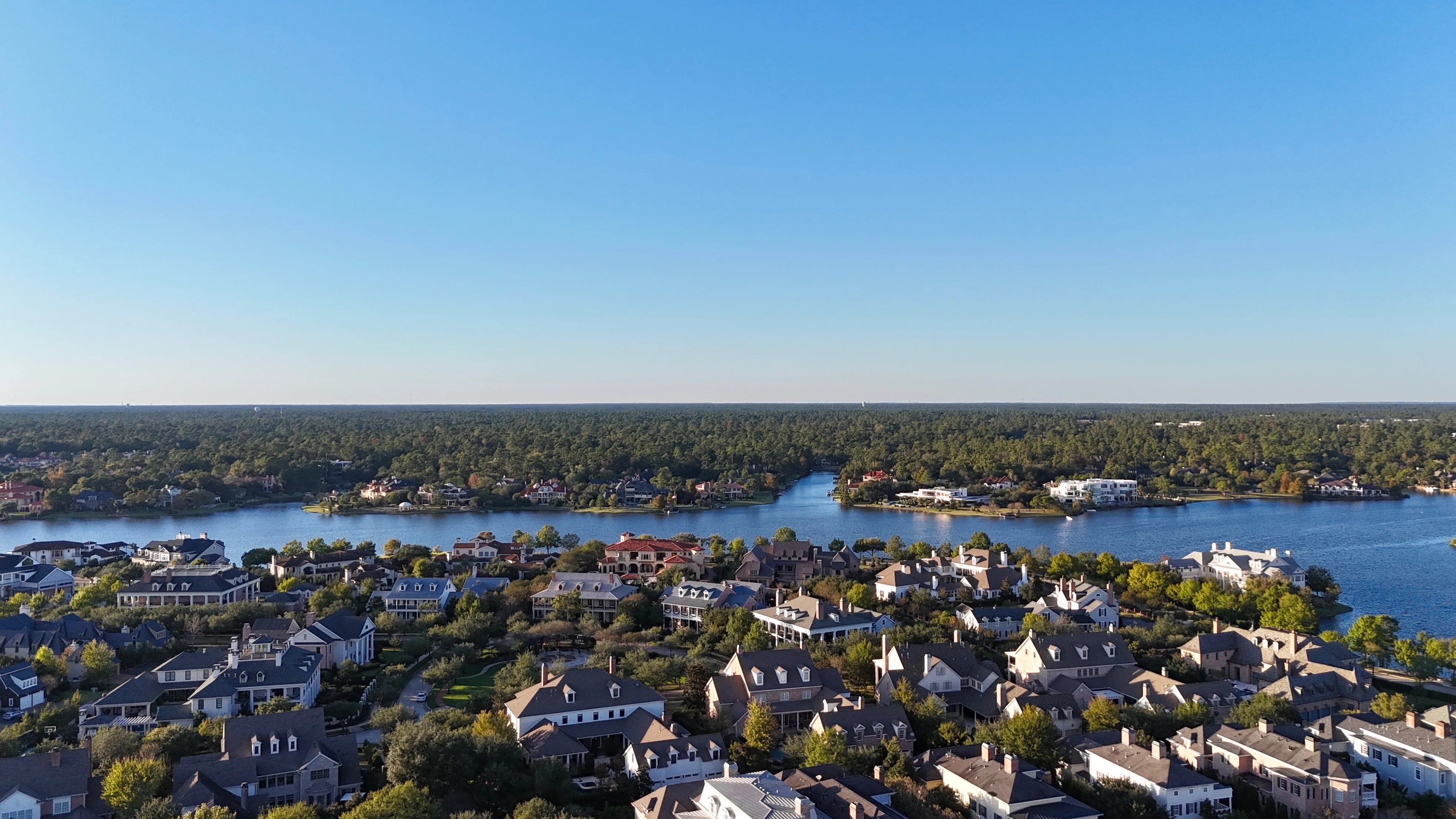
What It Really Costs to Live in Houston
The headline is favorable: Houston's everyday costs run meaningfully below most comparable metros. Compared with Dallas, Austin, or any coastal city, the math works clearly in Houston's favor — housing costs in particular sit well below what buyers face in those markets. That gap is the primary reason people relocating from higher-cost metros feel an immediate sense of financial breathing room.
What drives the affordability is land supply and zoning flexibility. Houston is famously the largest American city without traditional Euclidean zoning, which has kept the housing supply responsive to demand in a way that cities like Austin or Denver simply have not managed. When demand rises, builders build. That dynamic has historically kept prices from the kind of decade-long runup that has made ownership unattainable in other Sun Belt metros.
The honest caveat is that affordability is not uniform across every line item. The summer electricity load of a Gulf Coast climate, a property tax rate that is among the higher ones in the country, and a combined sales tax of 8.25% all take bites that residents from income-tax states do not always anticipate. Houston is genuinely cheaper to live in than most comparable cities — but it requires understanding where the money goes, because it does not go where you might expect.
Housing: Rent vs Buy in Houston
The typical home price in Houston stood at $263,563 (Zillow Home Value Index, July 2026). That figure puts Houston well within reach for buyers who would be priced out of Sugar Land, Katy, or The Woodlands, where prices run noticeably higher. Entry-level homes — older construction, smaller footprints, some deferred maintenance — can be found starting below $200,000 in parts of the city, though buyers willing to stretch into that range should budget carefully for insurance and potential flood-zone costs, both of which are meaningful in Harris County.
Neighborhoods like River Oaks, Memorial, Montrose, Uptown, and Midtown all trade above the city-wide typical price; Sharpstown sits below it. If you want a full breakdown of what each area looks and feels like, the best neighborhoods guide covers that in detail. What matters for a budget conversation is that the city-wide figure reflects a wide range — there is genuine affordability here alongside genuinely premium options.
The effective property tax rate in Houston is approximately 1.46%. On the typical home, that is a meaningful annual cost — the interactive calculator below this section will give you the actual dollar figure based on your purchase price. Texas homeowners on a primary residence qualify for a homestead exemption; following voter approval in November 2025, Proposition 13 raised the statewide school tax exemption from $100,000 to $140,000 (effective retroactively for the 2025 tax year), which does reduce the taxable assessed value and, by extension, the bill. Seniors and disabled homeowners saw their additional exemption rise from $10,000 to $60,000 under Proposition 11 passed at the same election.
Renting in Houston makes sense for people who are still orienting to the city's geography, those expecting a relocation within a few years, or anyone who wants to test a neighborhood before committing. The city-wide typical rent runs $1,561/mo (Zillow, July 2026). At that rent level, versus a purchase at the typical home price, the buy-vs-rent math is closer than in many markets — but the property tax rate, insurance costs in a flood-prone metro, and the upfront costs of ownership all weigh on the buying side of the ledger. For a household earning near the median, ownership is achievable but requires disciplined budgeting; the gap between the median household income and the income needed to qualify comfortably for the typical home price is real, roughly $40,000.

Everyday Costs Beyond Housing in Houston
| Category | Typical Monthly Cost | Notes |
|---|---|---|
| Housing (typical rent) | $1,561/mo | City-wide typical rent. Buying? Use the calculator above for a mortgage estimate. |
| Utilities | $190–$290/mo | Electricity, gas, water, sewer, trash |
| Groceries | $550–$750/mo | Food at home, household of 2–3 |
| Transportation & Gas | $200–$380/mo | Fuel, and transit where it is a real option |
| Phone & Internet | $110–$180/mo | Mobile plan plus home broadband |
| Misc / Discretionary | $250–$500/mo | Dining out, entertainment, subscriptions |
Non-housing figures are estimates for a household of two to three, not a sourced index; housing is the city-wide typical rent (Zillow ZORI, July 2026). Refreshed with the rest of the city data.
Groceries in Houston run below the national average, and the competition among large-format grocery chains, international markets, and discount retailers keeps prices genuinely competitive for a metro of this size. A weekly farmers market and other local produce options give residents access to fresh local goods, though the broader grocery picture is driven by everyday retail competition rather than specialty market pricing.
Electricity is where Houston surprises people. Houston sits inside Texas's deregulated electricity market, meaning residents can shop competing plans and lock in competitive rates — a dynamic that holds per-kilowatt-hour costs below the national average. The catch is consumption. Houston's hot, humid summers push typical residential electricity usage well above the Texas average, and air conditioning is the single largest driver. Monthly electricity bills in Houston range from around $120 in mild months to $275 or more during peak summer, depending on home size and plan. Average total monthly utilities (electricity, water, sewer, and trash) run approximately $240, slightly below the national average despite sitting slightly above the Texas city average. Transportation costs run below the national average; most residents commute by car, and gasoline prices in the Houston area have historically stayed below the U.S. average.
Looking to buy in Houston? Estimate your payment.
Enter your numbers to see an estimated monthly mortgage payment.
Estimate only. Excludes HOA fees and mortgage insurance. The interest rate above is a starting point, not a quoted rate — replace it with your own to see real numbers. Insurance is a flat placeholder, not a Houston quote.
Houston vs Nearby Cities: Cost Comparison
| City | Typical Home Price | Typical Rent | Cost vs Houston |
|---|---|---|---|
| Houston (this city) | $263,563 | $1,561/mo | — |
| Sugar Land | $449,277 | $2,068/mo | 70% higher |
| The Woodlands | $630,000 | $1,800/mo | 139% higher |
| Katy | $337,000 | $1,999/mo | 28% higher |
Source — home prices: Zillow ZHVI, July 2026; rent: Zillow ZORI, July 2026. Nearby-city figures are the same series, refreshed together.
Sugar Land, Katy, and Pearland each offer their own appeal as suburban alternatives, but all of them carry higher typical home prices than the city itself — the table below shows how the numbers compare across the metro.
Taxes & the Bottom Line for Houston
Texas levies no personal state income tax. Wages, investment income, retirement distributions, and Social Security are all exempt at the state level — and Texas voters have made a future income tax constitutionally difficult, requiring a two-thirds legislative supermajority plus a statewide voter referendum to pass. For a household moving from California, New York, or Oregon, that single fact reshapes the effective cost of living more than any line item on a grocery receipt.
The offset is a combined sales tax rate of 8.25% — the 6.25% state levy plus up to 2% from Houston-area local additions, which together hit the state-allowed maximum for major Texas cities. Residents pay it on most retail purchases, restaurant meals, and many services. It is worth building into any budget comparison, especially for households that spend heavily on discretionary goods.
The effective property tax rate of approximately 1.46% is the number that earns the most discussion among newcomers. It is not the highest in Texas — some suburban school districts run higher — but it is meaningfully above what buyers from lower-tax states are accustomed to. The homestead exemption on a primary residence provides real relief, particularly after the 2025 voter-approved increase to the school tax exemption. The calculator after the housing section above gives the most useful picture of what the combined rate means for a specific purchase price.
The bottom line: Houston fits buyers and renters who want a major American city's job market, cultural depth, and infrastructure at a price point that most comparable metros can no longer offer. It rewards people who go in with clear eyes on the property tax and the summer electricity bill — both of which are real, predictable, and manageable with the right expectations. It tends to stretch budgets for households near the median income who are also trying to carry flood insurance on top of the standard ownership costs, or for anyone who assumed that a low home price automatically means low carrying costs. It does not — but for the majority of people who move here and understand the full picture, Houston delivers on the financial case that brought them.
For a deeper look at how the schools and safety picture affects long-term value, see the schools guide and the safety overview.

Local Expert Takeaway: Houston's financial case is straightforward once you reframe the budget: skip the income tax line and add a serious property tax line and a summer electric bill that runs higher than most newcomers expect. The typical home at $263,563 (July 2026) is genuinely attainable for dual-income households, and the deregulated electricity market means shopping your plan actually matters — locking a competitive fixed-rate plan before summer arrives is one of the first things experienced Houston homeowners do. The 2025 homestead exemption expansion is a real benefit for primary-residence buyers; make sure your closing attorney files the paperwork in your first year.
Quick Takeaways & FAQs
✅ Houston's everyday costs — groceries, transportation, and housing — run noticeably below most major metros, giving households real financial breathing room compared to Austin, Dallas, or any coastal city.
⚠️ The effective property tax rate of approximately 1.46%, combined with summer electricity bills that can reach $275/month or more, adds carrying costs that a low purchase price alone does not reflect.
📍 Texas has no state income tax, and the 2025 voter-approved homestead exemption increase raised the school tax exemption to $140,000 for primary-residence owners — file that paperwork in your first year.
Is Houston actually affordable compared to other major Texas cities?
How much are property taxes in Houston?
What does a typical electric bill look like in Houston?
Is it better to rent or buy in Houston right now?
Does Houston have a state income tax?
Moving to Texas?
Tell us what you need help with and we'll connect you with local resources.
