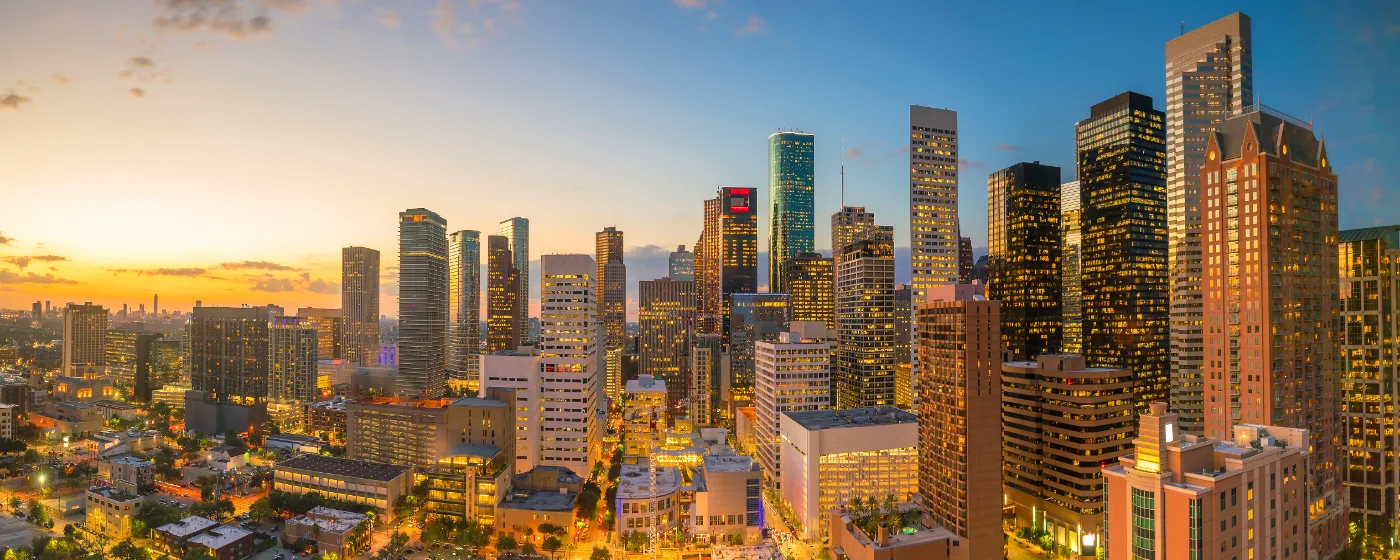
Houston's flatness is an asset most newcomers miss. There are no hills to compete with, no dramatic topography to dominate the landscape — so the city built its green infrastructure into the waterways themselves. The result is a bayou-threaded park system that doesn't feel like a single park at all; it feels like the entire city is slowly being rewoven with greenspace. A 150-mile trail network along nine major bayous was approved and funded to connect neighborhoods across a city of millions in a way that no single park could do alone.
What makes this concrete to daily life is the sheer scale of what's already finished. Memorial Park covers roughly 1,500 acres just inside Loop 610 — widely recognized as the largest urban park in Texas — with more than 30 miles of trails. Buffalo Bayou Park delivers 160 acres of hike-and-bike paths, public art, and water access within a short distance of downtown. Hermann Park sits between the Museum District, Rice University, and the Texas Medical Center, drawing crowds from across the region every week. These aren't afterthoughts; they're civic anchors.
The honest caveat is Houston's climate. With 204 sunny days a year — and a stretch from June through September that is genuinely brutal — the rhythm of outdoor Houston is different from anywhere in the Mountain West or Pacific Northwest. Early mornings on the trails fill up fast because nobody is there at noon in August. The flip side is that winters here are mild enough that running, cycling, and paddling continue year-round in a way that a Chicago or Denver resident would find almost disorienting.
Whether you're weighing a move here or already have a lease signed, the sections below cover Houston's signature parks, its trail and bayou network, water recreation, and what seasonal recreation looks like across the calendar year.
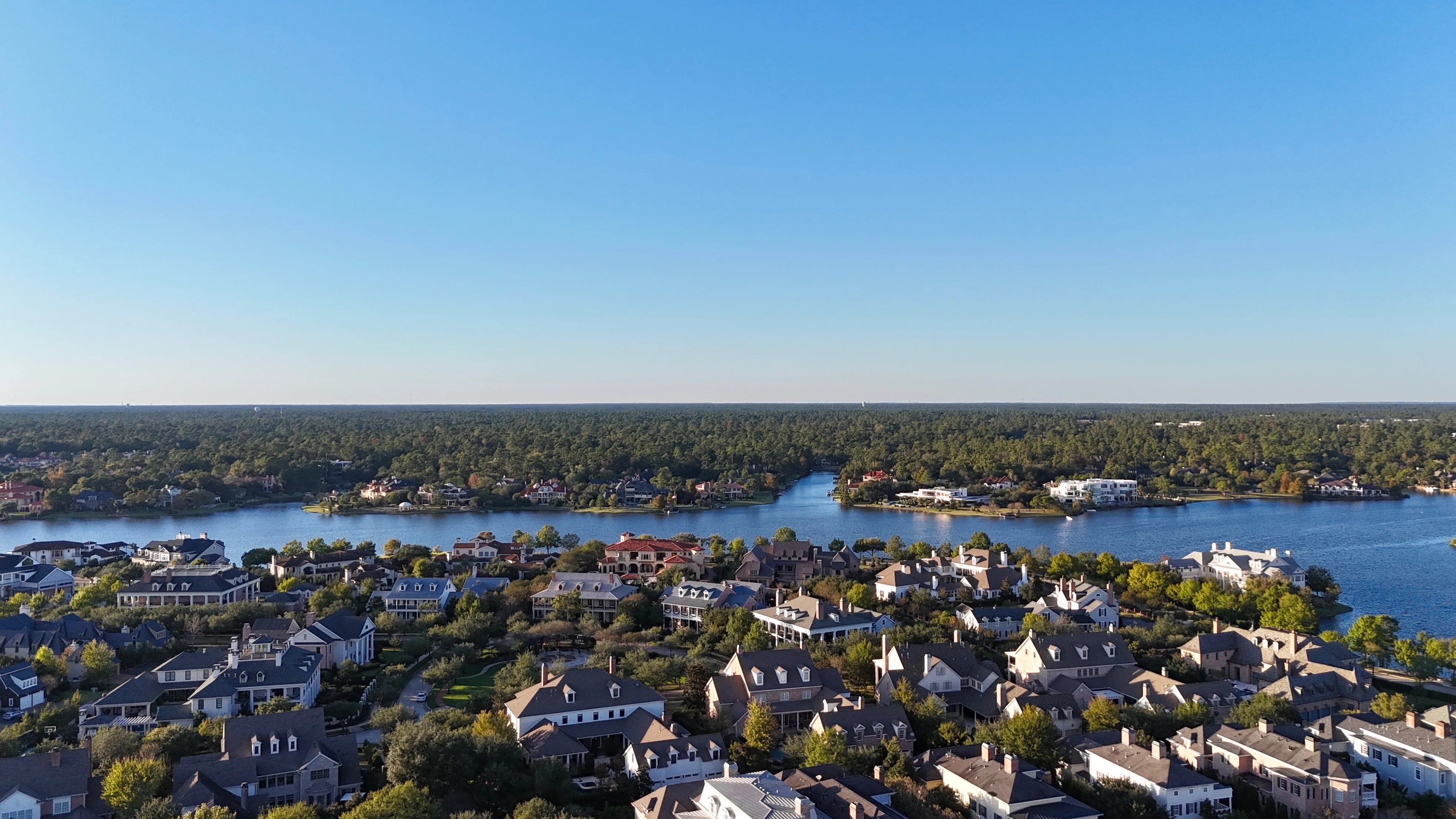
The Signature Parks: What Locals Actually Use
Three parks define Houston's outdoor identity, and each serves a fundamentally different purpose in daily life. Understanding which one suits your routine matters — they are not interchangeable.
Memorial Park: The Runner's and Cyclist's Anchor
Memorial Park is where Houstonians train. Its primary trail loop is a three-mile circuit that sees heavy use on any given day — a number that sounds like hyperbole until you show up on a Saturday morning and can't find a parking spot. Beyond the loop, more than 30 miles of trails spread through the park's 1,500 acres, ranging from soft-surface wooded paths to purpose-built mountain-biking terrain. Tennis, softball, track, and sand volleyball round out the active-use infrastructure.
The Kinder Land Bridge — completed in 2023 — connects the park's north and south sections over Memorial Drive, eliminating the road crossing that used to break up longer runs and rides. A $50.5-million Memorial Groves project is expected to be completed in 2027, honoring the park's history as World War I's Camp Logan and adding a new playground, visitor center, and trail improvements. This is a park mid-investment, getting better rather than coasting.
Hermann Park: The Cultural Green Space
Hermann Park's 445 acres function as the living room for the Museum District and Texas Medical Center neighborhoods. The Houston Zoo, Miller Outdoor Theatre, a Japanese Garden, a golf course, and a jogging track make it one of the more programmatically dense parks in the South. The 2024 opening of the Commons — a $52-million, 26-acre renovation — added a splash pad, carousel, beer garden, fishing deck, and new picnic pavilions to the park's southwest edge.
The visitor mix at Hermann Park is genuinely different from Memorial's. You'll see medical residents on lunch breaks, families with young children at the zoo, and retirees at the Japanese Garden — often all on the same afternoon. It is less of a fitness park and more of a civic gathering place.
Discovery Green: The Downtown Social Hub
Discovery Green is 12 acres of deliberately programmed urban park, hosting a packed calendar of free events year-round — concerts, cultural festivals, fitness classes, movie nights. The 1-acre Kinder Lake at its center anchors a water play area for children and a pair of dog runs. Each winter, Houston's only outdoor ice rink operates here; each spring, an outdoor roller rink takes its place. For residents living or working downtown, Discovery Green functions less like a park and more like an outdoor community center you didn't have to pay for.
| Park | Size | Best For | Signature Feature |
|---|---|---|---|
| Memorial Park | ~1,500 acres | Nature Commuter | 30+ miles of trails; Kinder Land Bridge |
| Hermann Park | 445 acres | Families Quiet | Houston Zoo, Miller Outdoor Theatre, Japanese Garden |
| Discovery Green | 12 acres | Walkable Transit | Free events year-round; seasonal rinks |
| Buffalo Bayou Park | 160 acres | Nature Views | 5.6-mile trail loop; paddle rentals; public art |
Buffalo Bayou and the Bayou Greenways Network
Buffalo Bayou Park is the city's most photographed green space — and for good reason. The 160-acre park stretches roughly 2.3 miles west of downtown, and the Sandy Reed Memorial Trail traces both banks of the bayou in a 5.6-mile paved loop, crossing at several pedestrian bridges that frame the downtown skyline in a way that doesn't feel accidental. Paddle craft and bike rentals are available in the park, along with a dog park, public art installations, a nature play area, and two visitor centers.
What most newcomers don't realize is that Buffalo Bayou Park is only the most polished segment of a much longer waterway corridor. The Buffalo Bayou Partnership stewards parks and trails along 10 miles of the bayou, and a $310-million Buffalo Bayou East expansion broke ground to extend the system four more miles eastward from downtown. The Japhet Creek Park section of that expansion has already opened, featuring an entry plaza, native plantings, and new trails. Lunar cycle lighting and a new pedestrian bridge are part of the full buildout — this is infrastructure being built at a scale that almost no American city is attempting with a single waterway right now.
The Bigger Picture: A Connected Greenway System
The Bayou Greenways initiative — a partnership between Houston Parks Board and the City of Houston — is the frame around all of it. The program approved a 150-mile trail network linking nine major bayous, giving residents access to roughly 3,000 acres of greenspace across the city's neighborhoods. For someone buying a home in Houston, proximity to a completed bayou trail segment is becoming a real quality-of-life variable, the same way proximity to a light-rail stop matters in other cities.
The network is not finished, and the quality varies significantly by segment. Some sections are beautifully maintained multi-use paths; others are still gaps in the system. If trail access matters to your daily routine, it's worth looking at which bayou corridors are complete near any neighborhood you're considering — the neighborhoods page covers which areas sit closest to finished greenway segments.
What Longtime Residents Know
After a heavy rain, the bayou trails flood. Not occasionally — regularly. During and after tropical systems or prolonged rain events, sections of Buffalo Bayou Park in particular go underwater, sometimes for days. Nobody who moves here from a drier climate expects this in month one. The trails come back clean and the park recovers quickly, but planning a morning bayou run and finding the path submerged is a genuine Houston experience you will have more than once.
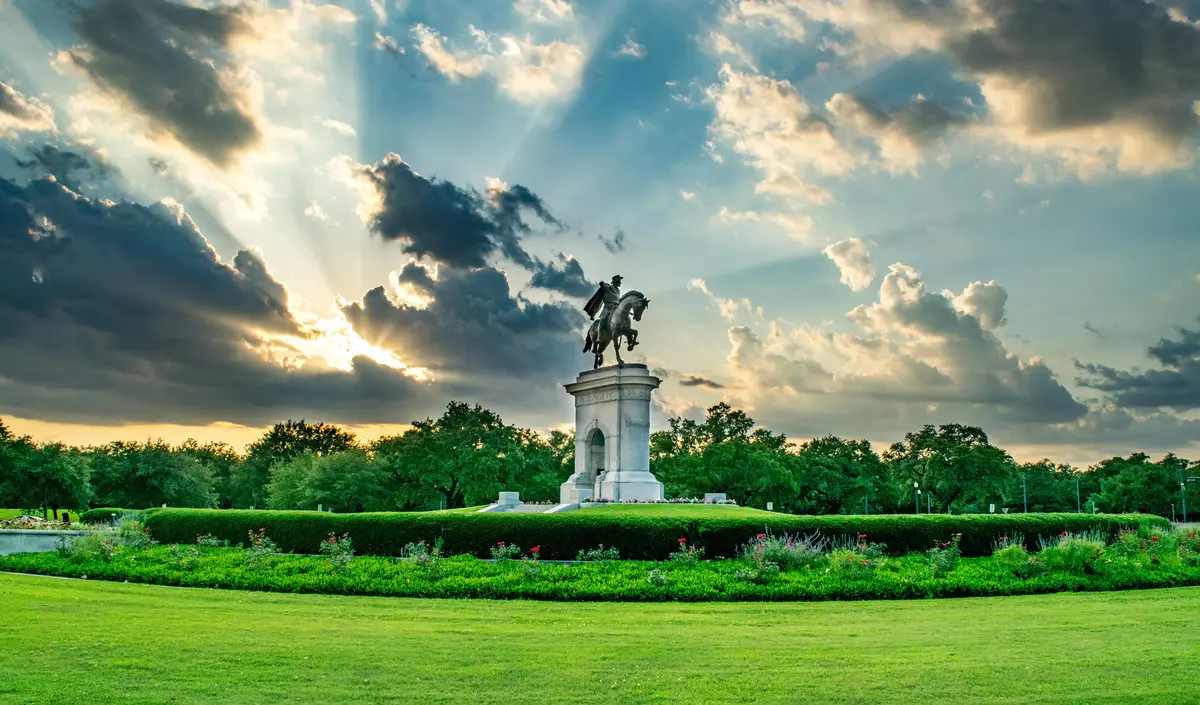
Water Recreation: Paddling, Fishing, and Houston's Bayou Life
Houston's flat topography means its waterways are slow-moving and accessible — conditions that favor paddling over whitewater and casual fishing over technical angling. The bayou system is the backbone of it, but the city's water recreation options have expanded meaningfully in recent years.
The Greens Bayou Paddling Trail
In October 2025, the Texas Parks and Wildlife Department designated a 7.7-mile stretch of Greens Bayou as the state's 90th official paddling trail — putting a stretch of wooded, slow-moving water in northeast Houston on the same official map as trails across the state. The full route takes between two and three and a half hours to paddle and is designed for all skill levels. The wooded banks make it feel considerably more remote than its urban location suggests.
Buffalo Bayou Park also offers paddle craft rentals directly in the park, making it the most accessible entry point for first-time bayou paddlers. You can rent a kayak or canoe without bringing your own gear and be on the water within the park's trail corridor.
Hermann Park Commons: A Fishing Deck and More
The 2024 Hermann Park Commons renovation added a fishing deck to the park's southwest edge — a small but genuinely used amenity for residents near the Texas Medical Center and Museum District who want low-key water access without leaving the city. The 26-acre Commons renovation also brought the splash pad, which has become the default summer destination for parents with young children in that part of town.
The Honest Water Recreation Picture
Houston is not a lake city. There is no large reservoir or natural lake within the city that functions the way Lady Bird Lake does in Austin or White Rock does in Dallas. Residents who want open-water boating, waterskiing, or lake-based recreation typically drive to larger reservoirs outside the city — both meaningful drives from most Houston neighborhoods. The bayou system is genuinely excellent for paddling and nature observation; it is not a replacement for a lake if that's the kind of water recreation you're used to.
Looking to buy in Houston? Estimate your payment.
Enter your numbers to see an estimated monthly mortgage payment.
Estimate only. Excludes HOA fees and mortgage insurance. The interest rate above is a starting point, not a quoted rate — replace it with your own to see real numbers. Insurance is a flat placeholder, not a Houston quote.
Seasonal Recreation and What a Year Outdoors Looks Like Here
Houston's outdoor calendar is the inverse of almost everywhere else in the country. The months when most cities are most active outdoors — July and August — are the months when Houston residents retreat inside during the middle of the day. The months when most cities are least active — January through March — are when Houston outdoor life is at its most pleasant.
October Through April: Peak Season
Fall arrives later than the calendar suggests — September still runs hot — but by mid-October the temperatures drop into a range that makes long runs, all-day bike rides, and outdoor events genuinely comfortable. Memorial Park's trails stay busy through April. Hermann Park's Miller Outdoor Theatre runs programming through the warm-weather stretch. Discovery Green's event calendar is densest in this window.
Winter rarely produces conditions that shut outdoor activity down. Freezing events happen — the 2021 freeze was severe and unusual — but most years, January and February are mild enough for regular trail use. This is the clearest lifestyle advantage Houston holds over cities further north.
May Through September: The Management Phase
The heat is real and it is not just uncomfortable — it is a genuine health variable. Outdoor fitness in Houston during summer means early morning or late evening, full stop. The trails at Memorial Park fill between 6 and 8 a.m. and largely empty by 9. Residents who moved here from the Pacific Northwest or the Mountain West consistently say the summer adjustment takes longer than they expected — usually a full year before the routine feels natural rather than forced.
Discovery Green's water play area and the Hermann Park Commons splash pad become the primary family-outdoor destinations from May onward. Youth sports seasons — the city has active UIL athletics programs that run across many schools — are structured around the heat, with fall and spring seasons dominant over summer. For families with school-age children, the sports calendar often shapes the family's outdoor routine more than the parks themselves; the schools page covers how extracurricular programming works across Houston ISD.
The Upgrade Underway
The park system you'd move into today is not the finished version. The Buffalo Bayou East expansion's full trail buildout was underway as of late 2025, the Memorial Groves completion is funded through 2027, and continued Bayou Greenways construction means the system will be meaningfully better in three to five years than it is right now. The investments are already committed and moving, and neighborhoods adjacent to new greenway segments tend to feel that improvement before the listings do.
Local Expert Takeaway: Houston's park system is better than its reputation — and still getting better. The Bayou Greenways network, the Buffalo Bayou East expansion, and the Memorial Groves project are all funded and in progress, which means the city's trail infrastructure is on a clear upward trajectory. The practical advice for anyone relocating here: find out which bayou corridor is nearest to any home you're seriously considering, and check whether that segment is finished. A completed greenway out your door changes daily life here in a way that a park three miles away doesn't. Memorial Park and Buffalo Bayou Park are both world-class by any honest measure. Discovery Green and the new Hermann Park Commons make downtown and the Medical Center neighborhoods far more livable than they were ten years ago. The heat is real and the flooding is real — work with both, and Houston's outdoor life is genuinely good.
Quick Takeaways & FAQs
✅ Memorial Park's 1,500 acres and 30-plus miles of trails make it one of the most usable large urban parks in the country — the primary trail loop alone draws heavy crowds every morning of the week.
⚠️ Summer heat from June through September limits peak outdoor hours to early morning and evening; newcomers from cooler climates consistently say the adjustment takes a full year.
📍 The Bayou Greenways program approved a 150-mile connected trail network along nine bayous — proximity to a finished segment is already a real quality-of-life variable when choosing a neighborhood.
Is Buffalo Bayou Park safe to use regularly?
Does Houston flood badly enough to close the trails?
What is the Bayou Greenways project and how far along is it?
Can you paddleboard or kayak inside the city of Houston?
What is Discovery Green and is it really free?
Moving to Texas?
Tell us what you need help with and we'll connect you with local resources.
