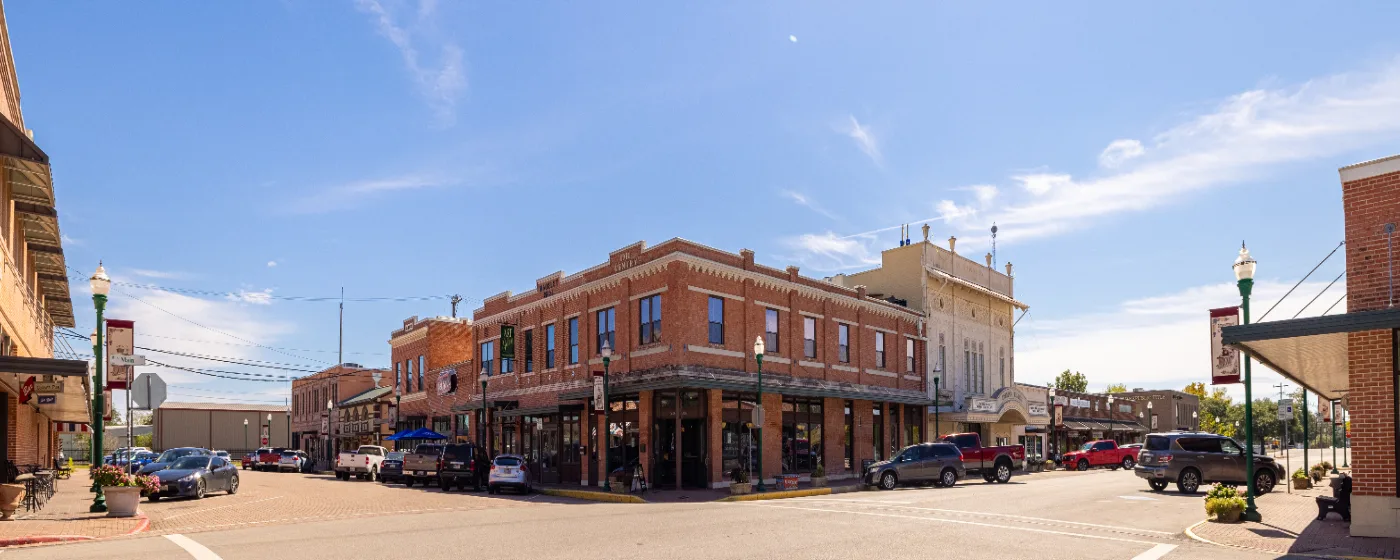
Most cities this size borrow their outdoor identity from a park system. Conroe borrows it from a lake. Lake Conroe — 22,000 acres, 157 miles of shoreline — sits at the edge of the city and shapes the way residents think about weekends, retirement, and where they want their backyard to point. It is not a bonus amenity. It is the reason a significant share of people choose Conroe over any other Houston-area suburb at a comparable price point.
What surprises many newcomers is how much recreation exists beyond the water. The city operates 26 parks across its footprint, anchored by the 204-acre Carl Barton Jr. Park. W.G. Jones State Forest — one of the largest working urban forests in the country — sits within or adjacent to the city. And to the north and west, Sam Houston National Forest adds a wilderness buffer that most Texas suburbs of 119,564 people simply do not have. The combination is genuinely unusual for a city this close to a major metro.
The climate shapes the outdoor calendar in ways newcomers from drier states underestimate. With 205 sunny days a year, Conroe gets long stretches of usable outdoor weather, but summer humidity runs high and intense. Most locals shift their trail time to early mornings from June through September and reclaim the afternoons come October. That seasonal rhythm is worth understanding before you assume you'll be hiking at 2 p.m. in July.
Whether you're evaluating a neighborhood near the water or just trying to understand what a weekend here looks like, the sections below cover Conroe's signature parks, the lake in detail, the surrounding forest trails, and the seasonal recreation that fills out the year.
Lake Conroe: The Water Recreation Anchor
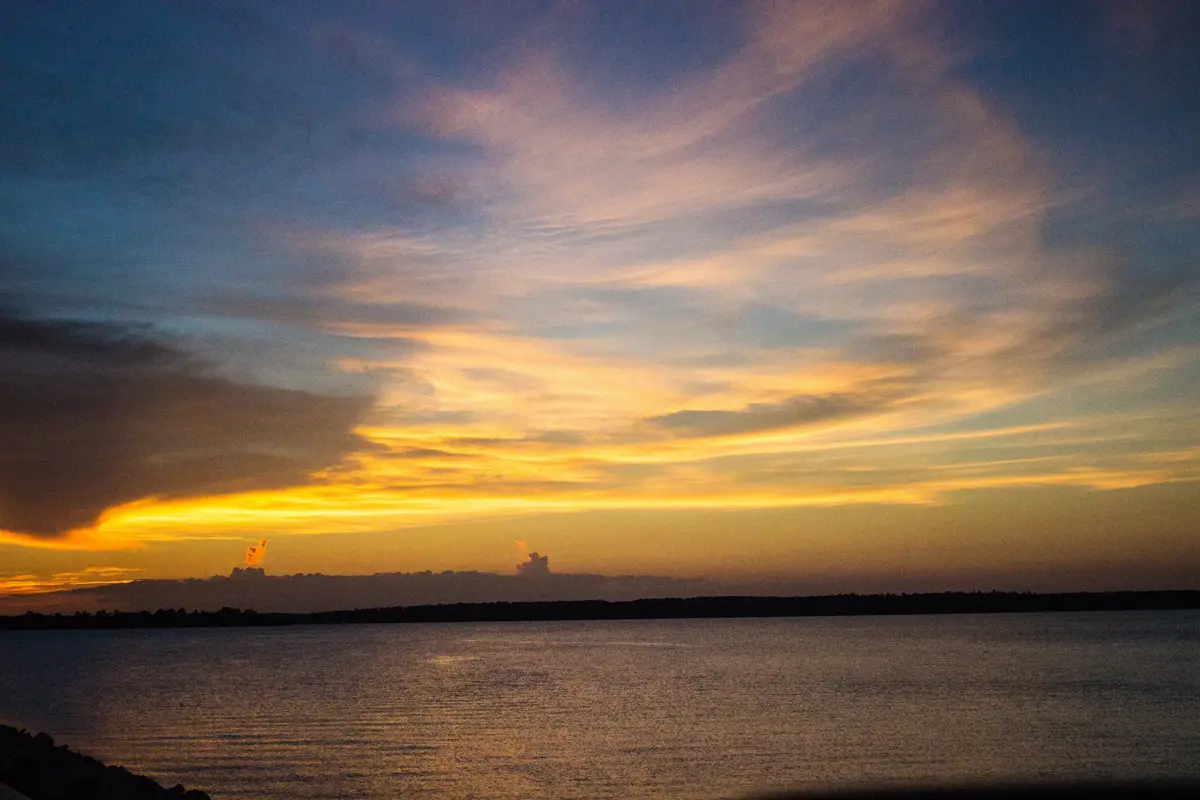
No single fact about Conroe's outdoor life matters more than this: the lake is enormous. At 22,000 acres with 157 miles of shoreline, Lake Conroe functions less like a neighborhood amenity and more like a defining geographic feature — one that puts watersports, serious fishing, and lakeside living within reach of everyday residents, not just weekend visitors.
The watersport options are broad. Waterskiing, wakeboarding, jet skiing, and sailing all happen regularly on the main body of water, and the lake is large enough that different users can spread out without constant conflict. Several public boat ramps provide access for residents who trailer their own boats, and the Sam Houston National Forest maintains two paved public ramps plus a small launch at the Stubblefield Lake area along the lake's northwest shore.
Fishing is taken seriously here. Texas Parks and Wildlife rates largemouth bass, catfish, hybrid striped bass, and bluegill fishing as excellent on Lake Conroe, with crappie coming in at good. Largemouth bass is the most-pursued sportfish, and the window from early spring through mid-fall is when most anglers put in their hours near marinas and boat docks in the shallower coves.
What Locals Know About the Lake
The honest friction: lake access is not uniformly easy. Much of the shoreline is developed, and getting on the water without a boat means relying on public ramp access or the marina areas. If you're buying a home with lake access already built in, that changes your experience significantly — and it changes the price, too, which is covered in detail on the neighborhoods page.
What doesn't show up in the marketing: summer boat traffic peaks on holiday weekends and can make the main channels feel crowded. Locals who know the lake tend to go early or shift to weekday mornings from Memorial Day through Labor Day. If you're new here and expecting a quiet Saturday on the water in July, adjust your expectations before you launch.
City Parks: From Carl Barton Jr. to Candy Cane Park
Carl Barton Jr. Park is the largest municipal park in the city at 204 acres, and it earns that distinction with actual range: walking and jogging trails, a multi-purpose biking and hiking trail, softball, baseball and soccer fields, a fitness course, fishing access, and public art installations throughout. It's one of 26 parks spread across the Conroe area, but it's the one that most consistently draws residents from across the city.
Candy Cane Park takes a different approach. The 24-acre downtown park functions as a civic hub rather than a purely recreational space. It houses the Heritage Museum of Montgomery County, the C.K. Ray Recreation Center, the Conroe Senior Center, and the city-operated waterpark — all within the same compact footprint.
The Waterpark
The Conroe Waterpark at Candy Cane Park is a genuine family draw during the warmer months. Multi-story slide towers offer five twisting and speed slide options, alongside a zero-depth children's wading pool with an aquatic play unit. The adjacent youth-adult pool adds volleyball and a basketball goal. For families with school-age children, this is the kind of city-operated facility that makes a hot Texas summer manageable without a lake lot.
John Burge Park
On the city's northwest side, John Burge Park offers a quieter 39-acre alternative. The park's design leans ecological — native landscaping, a 5,700-gallon rainwater harvest system, an outdoor learning center with amphitheater-style seating, and over a mile of trails through rolling terrain. It tends to draw residents who want a trail walk without the sports-field energy of Carl Barton Jr.
For families weighing youth sports leagues and school-adjacent activities, the schools page covers Conroe ISD's active UIL athletics programs and what recreational programming looks like at the district level.
| Park | Size | Key Features | Best For |
|---|---|---|---|
| Carl Barton Jr. Park | 204 acres | Multi-use trails, sports fields, fitness course, fishing, public art | Families Nature |
| Candy Cane Park | 24 acres | Waterpark, recreation center, senior center, Heritage Museum | Families Walkable |
| John Burge Park | 39 acres | Native landscaping, amphitheater, rainwater harvest, trail network | Nature Quiet |
| Stewarts Creek Park | — | Creek-side green space, neighborhood park | Families |
| Carriage Hills Park | — | Neighborhood park, recreational green space | Families |
Forests and Trails: W.G. Jones and Sam Houston National Forest
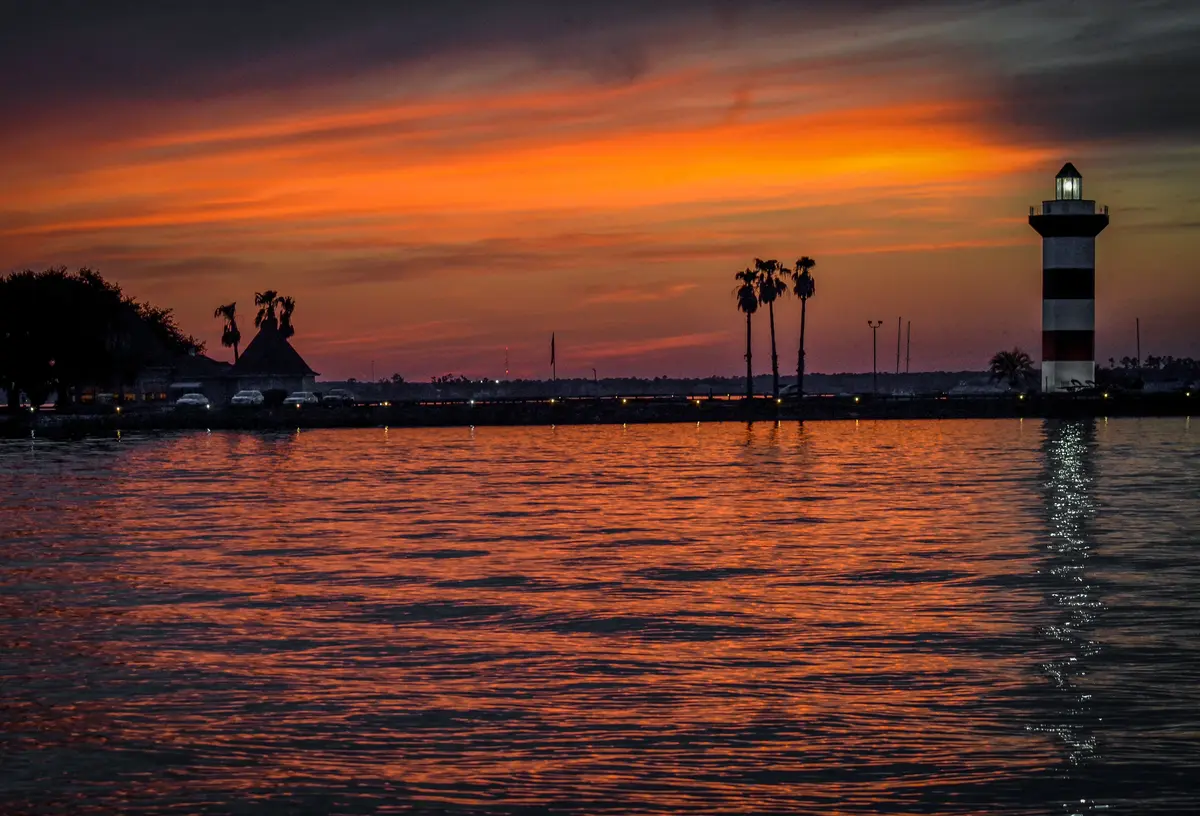
The two-forest situation around Conroe is something newcomers consistently underestimate until they move here. W.G. Jones State Forest sits essentially within the urban fabric of the city — 1,722 acres of working forest surrounded by Conroe, The Woodlands, and Montgomery County on all sides. That's a free, year-round hiking and nature destination that most suburb-dwellers in Texas drive an hour to reach. Here it's a short trip from most neighborhoods.
The Sweetleaf Nature Trail inside W.G. Jones consistently earns top ratings among trail users in the region, and the forest's multi-use trail system accommodates both hikers and equestrian riders. Fishing ponds and picnic areas add to the draw. The ecological standout: the forest maintains protected habitat for the endangered red-cockaded woodpecker, a species that draws serious birders from across the Houston metro.
Sam Houston National Forest
Sam Houston National Forest is the larger wilderness context. It borders approximately 40 miles of Lake Conroe's shoreline to the north and west, and its 128-mile Lone Star Hiking Trail is the trail corridor serious hikers in this region know by name. A 27-mile section carries designation as a National Recreation Trail. Primitive camping is permitted off-trail outside deer hunting season, which makes overnight trips realistic for residents who don't want to drive to the Hill Country for a backcountry experience.
The Cagle Recreation Area, on the lake's western shore within the national forest, adds a camping dimension that most city parks don't offer: 47 full-service RV campsites, a developed boat ramp, and hiking and bicycle trails with lake views. Reservations go through Recreation.gov. It's not inside Conroe's city limits, but residents treat it as part of their extended backyard.
What You Give Up
The trail system here is not the dense, paved multi-use network you'd find in a Pacific Northwest suburb. Lone Star Hiking Trail is largely natural surface and requires navigation skills. W.G. Jones trails are unpaved and shared with horses, which changes the footing after rain. If you're coming from a city with an extensive paved greenway system and expecting the same experience, the adjustment is real. What you get instead is genuine forest — which is a fair trade, depending on what you want from an outdoor life.
Looking to buy in Conroe? Estimate your payment.
Enter your numbers to see an estimated monthly mortgage payment.
Estimate only. Excludes HOA fees and mortgage insurance. The interest rate above is a starting point, not a quoted rate — replace it with your own to see real numbers. Insurance is a flat placeholder, not a Conroe quote.
Seasonal Recreation and What the Calendar Looks Like
The outdoor calendar in Conroe doesn't run the way it does in most Texas cities because of what surrounds the city. Spring is the high season — mild temperatures, the lake's best fishing window, and the trail systems at their most pleasant. Serious anglers target largemouth bass from early spring through mid-fall, and the weather between March and May is what residents most often describe as the payoff for tolerating August.
Summer is functional rather than peak. The waterpark at Candy Cane Park does its heaviest business from late May through the end of summer, and the lake sees the most recreational boat traffic during the same stretch. Trail use shifts to early morning, and the forest provides shade that helps extend the usable window — but anyone who moves here from a cooler climate should expect to restructure their outdoor habits around the heat and humidity rather than push through it.
Fall: The Season That Surprises People
Fall is the season most newcomers don't anticipate being this good. October and November bring genuinely comfortable outdoor conditions, lower lake traffic, and the region's most distinctive seasonal event: the Texas Renaissance Festival. The festival grounds are about 25 miles from Conroe in the Todd Mission area, and Visit Conroe serves as its official gateway partner. It draws crowds from across the Houston metro and beyond across eight themed weekends, with hundreds of vendors and multiple stages — for residents, autumn weekends carry an event-season energy that doesn't exist in most Houston suburbs of comparable size.
Winter is mild enough that trails and the lake stay active. W.G. Jones State Forest draws birders year-round and is free to enter, which keeps it accessible during slower months when paid recreation winds down. The Lone Star Hiking Trail sees less traffic in winter, which is actually when conditions are most manageable for multi-day trips.
The One Thing to Plan Around
After six months here, most newcomers say the same thing about fall: they didn't budget enough time for it. The window between late September and early December is when the lake, the trails, and the local event calendar all converge, and it moves faster than expected. Plan the camping reservation at Cagle, the Renaissance Festival trip, and the lake fishing days before October arrives — by the time the weather turns, those weekends fill.
For a fuller picture of what daily life and commuting look like for residents, the living in Conroe guide covers the city's economic backbone and what drives people to settle here.
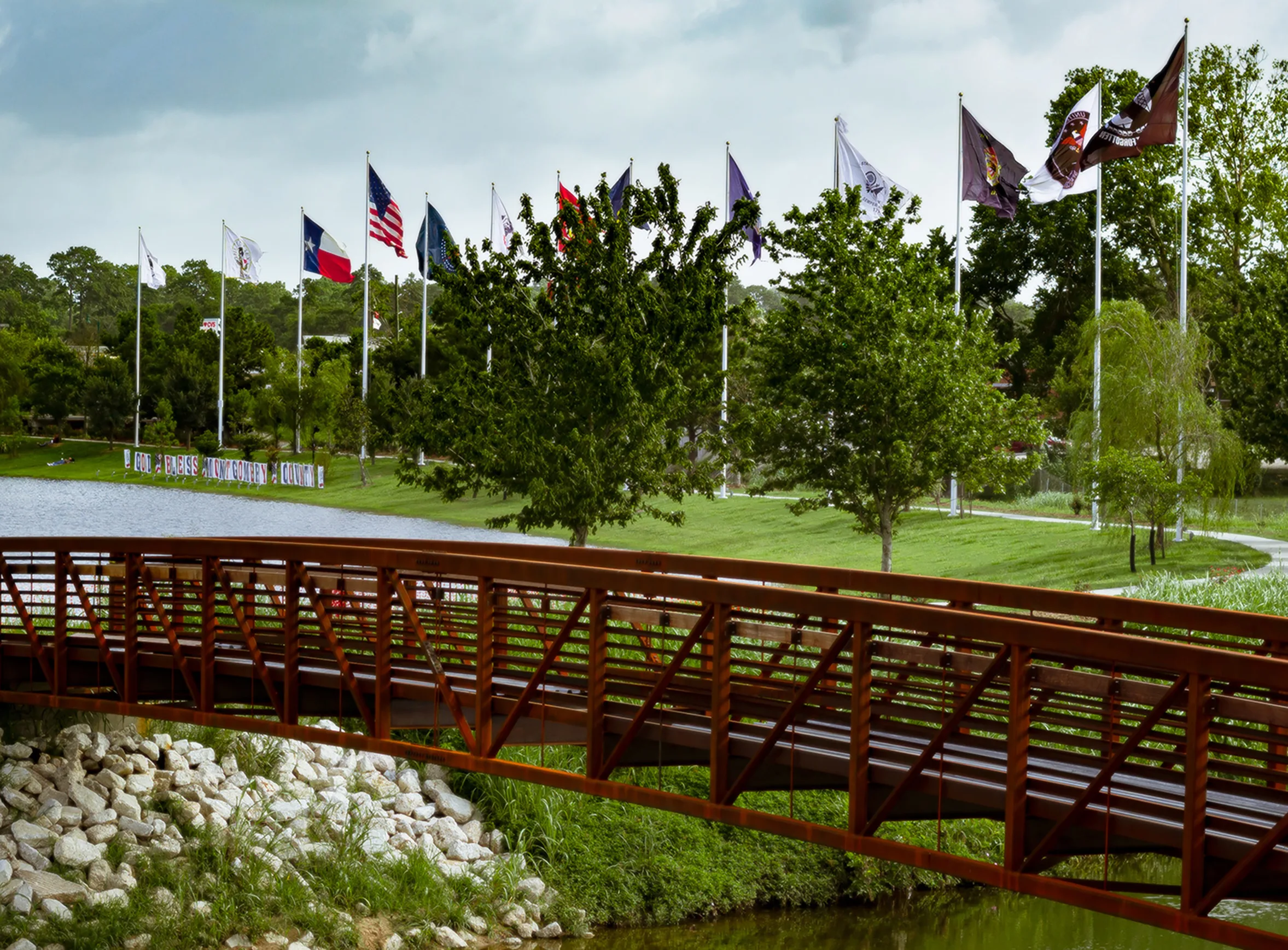
Local Expert Takeaway: Conroe's outdoor life is built around two things most Texas suburbs don't have in combination: a working-class lake with real fishing and watersport access, and a genuine forest buffer that starts at the city's edge. Carl Barton Jr. Park handles the everyday recreation needs for most families, Candy Cane Park fills the summer gap with the city waterpark, and W.G. Jones State Forest gives trail hikers something within reach year-round at no cost. The Lone Star Hiking Trail in Sam Houston National Forest is the regional trail corridor serious walkers and overnight hikers should put on the list before they arrive. Fall is the outdoor season that consistently catches newcomers off guard — plan around October and November, not June.
Quick Takeaways & FAQs
✅ Lake Conroe's 22,000 acres and 157 miles of shoreline make water recreation — boating, fishing, waterskiing — a genuine part of everyday life here, not just a weekend drive.
⚠️ Summer heat and humidity are real constraints: trail use effectively shifts to early mornings from June through September, and anyone expecting a temperate outdoor climate year-round will need to adjust.
📍 W.G. Jones State Forest — 1,722 acres, free to enter, within the city's urban footprint — is one of Conroe's most underused assets by newcomers who don't know it exists until they've already unpacked.
Is Lake Conroe good for fishing, and do you need a boat?
What is the best hiking trail near Conroe?
Does Conroe have a waterpark?
What is the Texas Renaissance Festival and how close is it to Conroe?
How many parks does Conroe have, and which one should families use most?
Moving to Texas?
Tell us what you need help with and we'll connect you with local resources.
