
Sugar Land surprises people who expect a generic Houston suburb. At 107,726 residents, it is the 41st-largest incorporated city in Texas, and its master-planned communities — First Colony, Telfair, Riverstone — come with manicured amenities, top-rated schools, and price tags that reflect all of it. The typical home here runs noticeably above what you'd pay in Missouri City, Stafford, or Richmond. What you get in return is a city that functions: low crime by Texas standards, a strong school district, and easy access to I-69 (Southwest Freeway) and SH-99 (Grand Parkway) for the commute into Houston.
The economic backbone is a mix of oilfield technology, education, and municipal services. SLB, ChampionX, and CVR Energy anchor the private sector, while Fort Bend Independent School District — with 78,062 students enrolled in 2025-26 — is among the largest employers in the city. The district holds a B rating, according to the Texas Education Agency. The median household income of $110,028 reflects a professional class that skews toward engineering, healthcare, and energy, and the demographics are genuinely diverse, with a large South Asian community and a significant East Asian community that have reshaped the dining, retail, and cultural life of the city over the past two decades.
Groceries in the Houston–Sugar Land metro run below the national average, and Texas's lack of a state income tax and relatively competitive electricity rates offset some of what housing takes. The catch, beyond housing itself, is that Sugar Land is deeply car-dependent: most daily errands require a vehicle, and the costs that come with that — gas, insurance, maintenance — are real line items in any budget here. A typical monthly utility bill covering electricity, water, wastewater, and trash runs roughly $224 for moderate usage, and summer electricity costs climb well above that during the June-through-September peak.
Whether you're deciding between Sugar Land and a closer-in Houston neighborhood, weighing it against Missouri City or Richmond, or just trying to understand what your dollar actually buys here, the sections below break down housing, everyday costs, the nearby-city comparison, and the tax picture that shapes every budget in this city.

What It Really Costs to Live in Sugar Land
Sugar Land is not a cheap suburb, but it is not as expensive as the Houston metro's most prestigious addresses either. The typical home price of $449,277 (Zillow Home Value Index, July 2026) sits meaningfully above what buyers pay in neighboring Missouri City, Stafford, and Richmond — and that premium is almost entirely explained by what the master-planned communities here deliver: HOA-maintained common areas, newer construction, highly rated schools, and a general order to the built environment that Fort Bend County's older suburbs don't always match.
What makes the overall picture more manageable than the home price alone suggests is Texas's structural advantage: no state income tax means a household earning $110,028 keeps more of every paycheck than an equivalent earner in California, New York, or Oregon would. Food costs and energy rates run below national averages. The honest trade is that housing — both buying and renting — is the dominant cost driver, and the median household income here falls short of what's needed to comfortably carry the typical purchase by a meaningful margin. For buyers who can bridge that gap, Sugar Land's overall cost structure is genuinely competitive for what it offers. For those stretching to afford it, the math is tighter than the suburb's polished appearance might suggest.
Crime costs matter too, indirectly — lower crime means lower insurance rates and fewer hidden costs. Sugar Land records a violent crime rate of 1 per 1,000 residents and a property crime rate of 14 per 1,000 residents, well below both the state and national figures. For a full breakdown of safety data, see the Sugar Land safety page.
Housing: Rent vs Buy in Sugar Land
The typical home price of $449,277 (July 2026) is the anchor number for any buy-vs-rent calculation here. Entry-level homes in Sugar Land — older construction, smaller footprints, or locations farther from the newest master-planned phases — can be found below that figure, but they are not dramatically cheaper. Buyers looking for the most affordable access points should consult the Sugar Land neighborhoods guide for specifics on where value clusters geographically.
The effective all-in property tax rate across all taxing entities is approximately 1.64%. That rate covers the city, Fort Bend County, the school district, and any applicable municipal utility district — all of which stack in Texas rather than appearing as a single line. It is a real cost that buyers frequently underestimate when they focus only on the purchase price. The interactive mortgage calculator below this section will help you model the full monthly picture at current rates.
One additional housing cost that is close to unavoidable in Sugar Land: homeowners association fees. Master-planned communities cover most of the city, and nearly every neighborhood carries one. Annual fees vary by subdivision and the amenities included — pools, walking trails, community centers — and the range is wide enough that it should be a line item in any comparison between specific communities.
The city-wide typical rent runs $2,068 per month (Zillow, July 2026). For buyers who are new to the area, renting first to learn which master-planned community actually fits your lifestyle before committing to a purchase is a decision many Sugar Land residents say they wish they had made. The neighborhoods here feel similar from a distance and quite different once you're living in one.
When Renting Makes More Sense
If your timeline in Sugar Land is under two years, or if you're relocating for work and uncertain about permanence, renting first is the clearly rational move. Transaction costs on a purchase — closing costs, HOA transfer fees, the time it takes for appreciation to offset those — make short-horizon buying a losing trade in most market conditions. The rent-to-price ratio here also doesn't strongly favor buying over renting on a pure cash-flow basis, which means the case for buying rests on stability and long-term equity, not on renting being obviously wasteful.
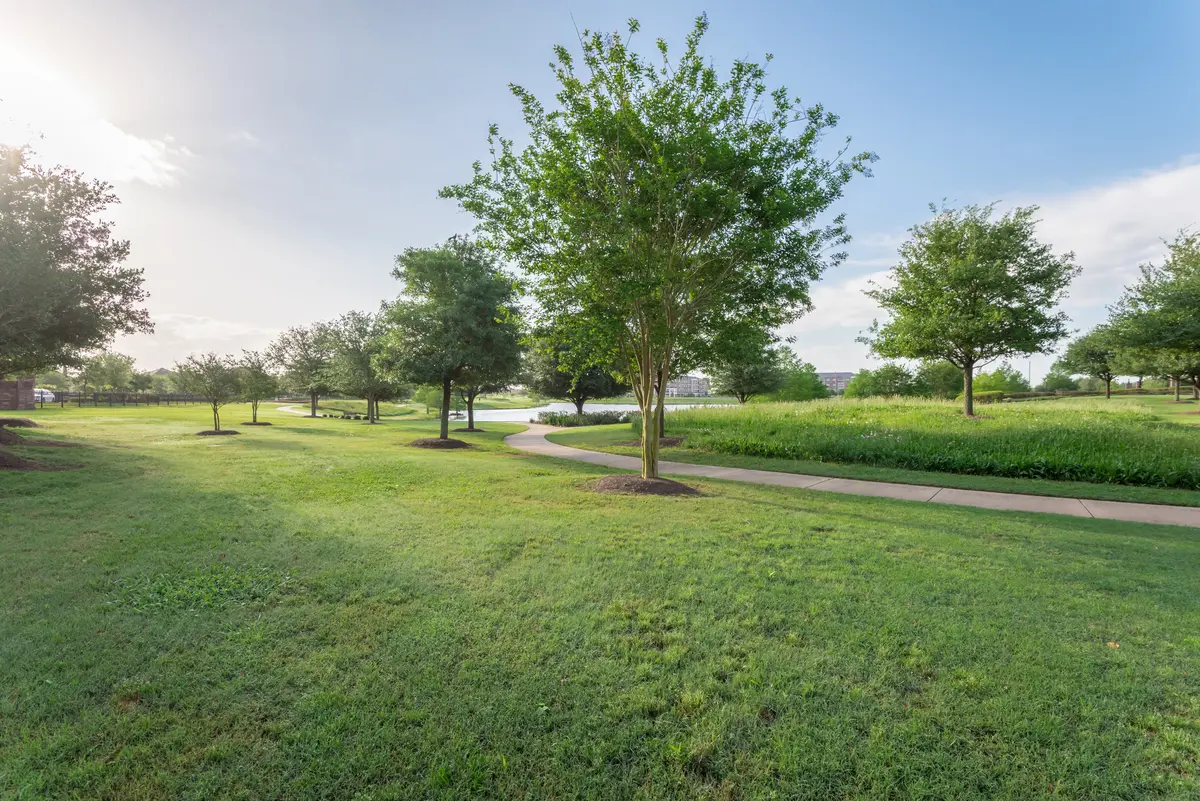
Everyday Costs Beyond Housing in Sugar Land
| Category | Typical Monthly Cost | Notes |
|---|---|---|
| Housing (typical rent) | $2,068/mo | City-wide typical rent. Buying? Use the calculator above for a mortgage estimate. |
| Utilities | $190–$310/mo | Electricity, gas, water, sewer, trash |
| Groceries | $600–$850/mo | Food at home, household of 2–3 |
| Transportation & Gas | $220–$380/mo | Fuel, and transit where it is a real option |
| Phone & Internet | $110–$180/mo | Mobile plan plus home broadband |
| Misc / Discretionary | $250–$500/mo | Dining out, entertainment, subscriptions |
Non-housing figures are estimates for a household of two to three, not a sourced index; housing is the city-wide typical rent (Zillow ZORI, July 2026). Refreshed with the rest of the city data.
The Houston climate is what drives the non-housing budget more than anything else here. Sugar Land sits in Fort Bend County's flat, humid coastal plain, and the summers are long and punishing — June through September regularly demands serious air conditioning in homes that are often large by national standards. Monthly electricity costs can climb significantly during peak summer months, particularly in the larger houses that define the newer master-planned subdivisions. Sugar Land sits in Texas's deregulated electricity market, so residents can shop among competing retail electricity providers, which gives motivated households a real tool for managing that bill. CenterPoint Energy serves as the grid utility regardless of which provider you choose.
Groceries in the Houston–Sugar Land metro run below the national average, and the city's diverse population has attracted a wide range of grocery options — international markets alongside conventional chains — that keep food costs competitive. Transportation is a genuine line item: Sugar Land is car-dependent, meaning virtually every errand and commute involves a vehicle. Fort Bend Transit operates weekday commuter park-and-ride routes from two locations in the city toward Downtown Houston, the Texas Medical Center, and Greenway Plaza — a real option for five-day-a-week downtown commuters who can work the schedule — but it covers a narrow slice of the trips most residents actually need to make. For everything else, you are driving. The commute to Downtown Houston takes about 35 minutes on I-69 (Southwest Freeway), though that figure assumes reasonable traffic conditions and not the weekday morning peak.
Looking to buy in Sugar Land? Estimate your payment.
Enter your numbers to see an estimated monthly mortgage payment.
Estimate only. Excludes HOA fees and mortgage insurance. The interest rate above is a starting point, not a quoted rate — replace it with your own to see real numbers. Insurance is a flat placeholder, not a Sugar Land quote.
Sugar Land vs Nearby Cities: Cost Comparison
| City | Typical Home Price | Typical Rent | Cost vs Sugar Land |
|---|---|---|---|
| Sugar Land (this city) | $449,277 | $2,068/mo | — |
| Missouri City | $336,838 | $2,132/mo | 25% lower |
| Stafford | $301,545 | $1,578/mo | 33% lower |
| Richmond | $380,221 | $1,833/mo | 15% lower |
Source — home prices: Zillow ZHVI, July 2026; rent: Zillow ZORI, July 2026. Nearby-city figures are the same series, refreshed together.
Missouri City, Stafford, and Richmond all come in noticeably lower than Sugar Land on typical home prices — making Sugar Land one of the pricier suburban choices in the southwest Houston corridor — but the gap in schools, amenities, and master-planned infrastructure is the reason most buyers who can afford it still choose Sugar Land over its neighbors.
Missouri City offers a meaningful entry-point advantage with comparable Texas tax treatment, and its proximity to Sugar Land means access to many of the same commercial corridors. Stafford's appeal is partly structural: it levies no city property tax, which keeps the all-in rate lower than Sugar Land's approximate 1.64% effective figure, and it draws residents who prioritize that bottom line over master-planned community amenities. Richmond, farther southwest along the corridor, runs noticeably cheaper still and suits buyers who want space and quiet over walkable community infrastructure. Pearland, to the southeast of Houston, offers a similar master-planned feel to Sugar Land at a lower price point, though without the same Fort Bend ISD school boundary advantage that draws so many families here specifically.
Houston's inner loop is a different calculation altogether — prices vary enormously by neighborhood, walkability and transit access are genuinely available in a way they are not in Sugar Land, but the trade-off is a more urban environment and schools that require more research on a campus-by-campus basis. For buyers considering that comparison, the Sugar Land living guide covers the lifestyle distinctions in more depth.
The consistent theme across all these comparisons: Sugar Land's premium is real and consistent. Buyers pay it for the Fort Bend ISD school district, the master-planned amenities, and a crime profile that is low by any Texas suburban standard. For households relocating from higher-cost metros, the premium looks reasonable. For buyers moving laterally within the Texas market, it requires a deliberate decision that the extras are worth it.
Taxes & the Bottom Line for Sugar Land
Texas levies no state personal income tax. For a household at or above the local median income, that is one of the most consequential financial facts about living here — a structural advantage that doesn't show up in simple price comparisons. A family coming from California or New York can reasonably expect their take-home pay to rise in a way that offsets a meaningful share of Sugar Land's housing premium.
The sales tax picture is less flattering. The combined rate in Sugar Land is 8.25% — the 6.25% Texas state rate plus a 2% city add-on. That applies to most retail purchases and adds up on big-ticket buying. Texas also taxes groceries at a lower effective rate than general merchandise, which softens the impact slightly, but the 8.25% combined rate is something to budget for explicitly.
On property taxes: the effective all-in rate of approximately 1.64% is real and should not be minimized. Texas funds public schools heavily through property taxes, which is exactly why the rate stacks the way it does — city, county, school district, and sometimes a municipal utility district all drawing from assessed value. The city's own portion of that rate is among the lowest for Texas cities of comparable size, but the all-in figure is what matters for a buyer's budget, not any one layer of it.
Who Sugar Land's Budget Actually Fits
The honest read: Sugar Land works financially for dual-income professional households, for buyers relocating from high-tax states who can translate the income-tax savings into mortgage capacity, and for anyone whose employer anchors them to the southwest Houston corridor and who values the school district and community infrastructure enough to pay for it. The median household income here falls short of the income needed to comfortably carry the typical home price — that gap is real, and it means the city skews toward above-median earners even among its own residents.
Who tends to find it a stretch: single-income households at or below the median income, first-time buyers who haven't built equity elsewhere, and anyone coming from a lower-cost Texas city who assumes suburban Fort Bend County prices will match those of less-polished suburbs in the corridor. The home prices here reflect genuine demand, and that demand hasn't softened much. For buyers on a tighter budget, Missouri City and Richmond offer meaningfully lower entry points with their own advantages — and the neighborhoods guide and the first-time homebuyer page walk through what those trade-offs look like on the ground.

Local Expert Takeaway: Sugar Land's cost structure is more manageable than its home prices make it look — Texas's no-income-tax structure, competitive electricity rates, and below-average grocery costs all work in your favor. The real budget pressure is the housing number itself: at $449,277 typical (July 2026), the purchase price outpaces what the median household income here can comfortably carry, which means this city genuinely works best for dual-income professional households or buyers bringing equity from another market. Add homeowners association fees, the 1.64% effective property tax rate, and the car costs that come with a car-dependent city, and you have a full picture that rewards people who do the math carefully before making an offer.
Quick Takeaways & FAQs
✅ Texas's no-state-income-tax structure meaningfully boosts take-home pay for Sugar Land residents, especially those relocating from high-tax states.
⚠️ The typical home price of $449,277 (July 2026) outpaces what the local median household income can comfortably carry — the city skews toward above-median earners even among its own residents.
📍 Sugar Land's deregulated electricity market lets residents shop competing providers, a genuine tool for managing the high summer cooling bills that the Fort Bend County climate demands.
Is Sugar Land expensive compared to the rest of Texas?
What is the property tax rate in Sugar Land?
How much does it cost to rent in Sugar Land?
How high are utility bills in Sugar Land?
Does Sugar Land have a state income tax?
Moving to Texas?
Tell us what you need help with and we'll connect you with local resources.
