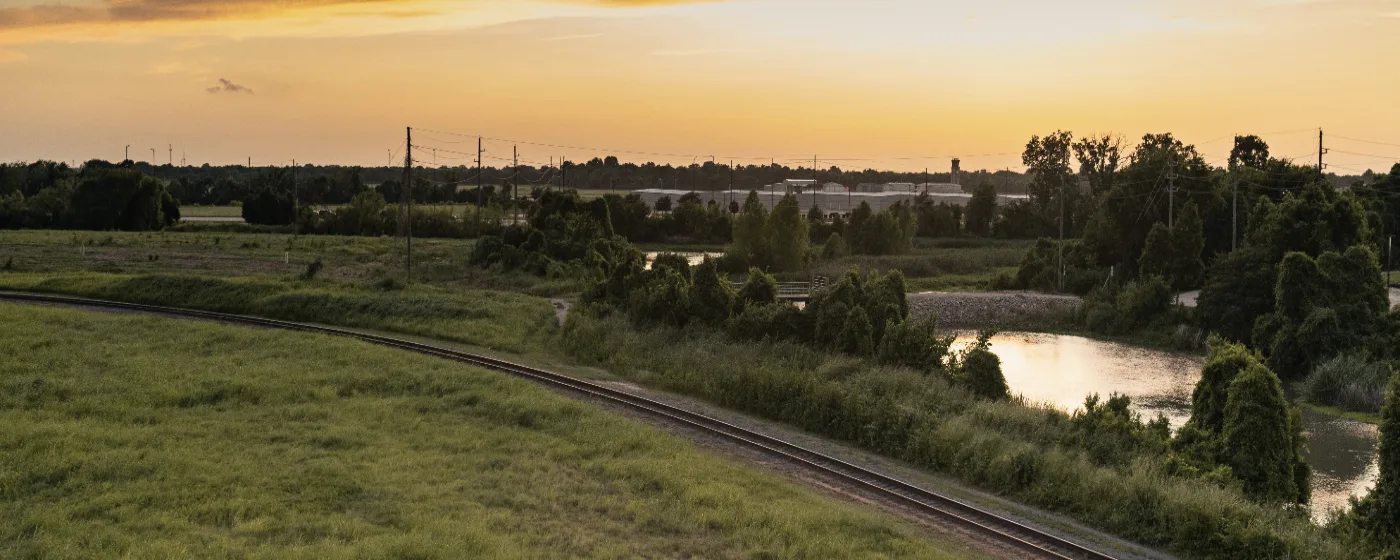
Sugar Land doesn't market itself as a retirement destination — and that's part of the honest appeal. It's a 107,726-person city in Fort Bend County, southwest of Houston, built around master-planned neighborhoods, a genuine hospital system inside city limits, and a tax structure that treats retirees unusually well. What surprises people who move here from states like California or Illinois isn't the weather — it's how far a fixed income actually stretches once you remove state income tax from the equation entirely.
The city runs along I-69 (Southwest Freeway) and US-90A, with SH-99 forming its western edge — a geography that makes errands, medical appointments, and day trips to Houston genuinely manageable. Houston Methodist Sugar Land Hospital sits inside city limits, not a county over. The school district — Fort Bend ISD, with 78,062 students enrolled in 2025-26 — is one reason many retirees first moved here decades ago to raise children, and one reason adult children nearby now draw grandparents to follow. The cultural mix is notably diverse, with a particularly strong South and East Asian community that supports an unusually broad restaurant scene for a suburb of this size.
Cost of living sits below what you'd encounter in Houston's inner-loop neighborhoods or the Woodlands, and well below what most retirees are fleeing in coastal California metros. The effective property tax rate runs approximately 1.64%, which is notable for Texas — the state has no income tax to offset it — but the 2025 voter-approved senior exemptions change that calculation significantly for homeowners 65 and older. For the full cost picture, the cost of living page breaks down the numbers in detail.
Whether you're weighing a move from out of state or deciding between Sugar Land and a nearby Houston-area city, the sections below cover healthcare access, the retiree tax picture, walkability, the downsizing market, and how Sugar Land stacks up against its neighbors.
Why Retirees Are Choosing Sugar Land
The retirees who land well in Sugar Land share a few things in common: they want genuine medical infrastructure without driving into Houston, they value low crime relative to a large metro, and they're comfortable in a car-dependent suburb with pockets of genuine walkability. Sugar Land delivers on all three. It's not a walkable beach town or a mountain escape — it's a well-run, amenity-rich suburban city where the logistics of later life are unusually well-handled.
The honest case against it starts with the heat. Summers here are long, humid, and genuinely limiting — outdoor activity between June and September often means early mornings or evenings only. The city averages 208 sunny days a year, but Houston-area humidity makes many of those days feel more punishing than the sun count suggests. Retirees who imagined spending afternoons walking the neighborhood sometimes find themselves indoors for months at a stretch.
The price point also requires a clear-eyed look. The typical home in Sugar Land sold for $449,277 as of July 2026 (Zillow Home Value Index), and the median household income here sits below what's needed to buy at that level on a standard mortgage. Retirees moving from higher-cost states often find Sugar Land affordable by comparison — but it is not an inexpensive city outright. Those who thrive here typically arrive with equity from a prior home sale, are downsizing from a larger house, or have a pension or portfolio that supplements Social Security. For a deeper look at what those income dynamics mean day to day, the cost of living page has the full breakdown.
Healthcare & Medical Access in Sugar Land
For most retirees, the single most important infrastructure question is: what happens when something goes seriously wrong? In Sugar Land, the answer is better than in almost any suburb of its size in Texas. Houston Methodist Sugar Land Hospital is inside city limits — not a regional affiliate, not an emergency-only facility, but a full-service, acute-care campus that has earned consistent recognition as one of the stronger hospitals in the Houston metro.
The scale of the facility matters. The campus includes 347 medical, surgical, and intensive care beds across three patient towers, 27 operating rooms, a stand-alone orthopedics and sports medicine facility, and a dedicated Cancer Center. The hospital carries a broad specialist bench for a city this size, with recognized programs in cancer care, heart and vascular services, orthopedics and sports medicine, neurology and neurosurgery, and women's health. For retirees managing chronic conditions or facing age-related procedures, that specialty depth — locally — is genuinely rare.
The hospital holds Magnet Recognition from the American Nurses Credentialing Center, is an accredited cancer center through the American College of Surgeons Commission on Cancer, and carries chest pain center accreditation through the Society of Cardiovascular Patient Care. These aren't marketing designations — they indicate the kind of quality oversight that matters when outcomes are on the line.
The honest limitation: for highly complex neurosurgery, transplant programs, or subspecialty cancer care at the very highest level, the Texas Medical Center in Houston — one of the largest medical complexes in the world — remains the reference destination. The drive is roughly the same as getting to Downtown Houston depending on traffic. Most retirees will never need what's there, but it is there, and it's closer from Sugar Land than from most Texas suburbs.
The Retiree Budget in Sugar Land
Texas's retirement tax picture is straightforward: zero state income tax. Social Security benefits, pension income, IRA withdrawals, and 401(k) distributions all face no state-level taxation. That single fact reshapes monthly cash flow for retirees arriving from high-income-tax states — particularly California, New York, or Illinois — in a way that a simple cost-of-living comparison often understates.
Property taxes in Texas are higher than the national median, and Sugar Land's effective rate runs approximately 1.64%. That's a real cost. But for homeowners 65 and older, voter-approved constitutional amendments passed in November 2025 — the largest expansion of senior property tax relief in Texas history — changed the math substantially. Seniors now qualify for a $140,000 standard homestead exemption plus an additional $60,000 over-65 exemption from school district taxes, totaling a $200,000 combined school-tax exemption. Critically, Texas also allows seniors to freeze school property taxes so they cannot increase once the exemption is claimed. Both changes apply retroactively to the 2025 tax year. Texas also has no estate or inheritance tax — a 2025 constitutional amendment prohibited new estate, inheritance, and gift taxes going forward.
Day-to-day spending in Sugar Land reflects its suburban character. Grocery options are diverse and competitive, with a strong selection of South and East Asian specialty grocers that keep ingredient costs lower than you'd expect. Healthcare co-pays and out-of-pocket costs tend to track national averages for Medicare supplement holders. The bigger line item for most retirees is transportation: Sugar Land is fundamentally car-dependent, and carrying one or two vehicles is a practical necessity for most households. That said, Sugar Land launched a microtransit pilot program in March 2025 — the first of its kind in the Texas Gulf Coast region — covering 18 square miles and connecting hospitals, park-and-ride stops, and major shopping centers. The service was explicitly designed around census data identifying elderly and disabled residents, and rides are bookable by phone as well as app. Fort Bend Transit also provides bus routes connecting Sugar Land to Downtown Houston, the Texas Medical Center, and Greenway Plaza via I-69. For retirees willing to plan around transit, car dependence can be reduced, if not eliminated.
Looking to buy in Sugar Land? Estimate your payment.
Enter your numbers to see an estimated monthly mortgage payment.
Estimate only. Excludes HOA fees and mortgage insurance. The interest rate above is a starting point, not a quoted rate — replace it with your own to see real numbers. Insurance is a flat placeholder, not a Sugar Land quote.
Walkability, Community & Staying Active in Sugar Land
Sugar Land is not a city where you park the car and walk to everything — no honest account of it says otherwise. Most errands require driving, and neighborhoods like Riverstone, Telfair, and New Territory are designed around cul-de-sacs and collector roads rather than pedestrian grids. That changes meaningfully once you are in the Sugar Land Town Square area, where a genuine walkable core exists: restaurants, coffee, a library branch, and the Smart Financial Centre are all reachable on foot from nearby homes.
A $15.54 million Federal Transit Administration grant accepted by City Council in October 2025 funds two phases of the Sugar Land Trail project, aimed at building a walkable and bikeable corridor under the US-59 corridor and beyond. Phase 1 was scheduled to break ground in January 2026. That project matters for retirees because it begins to stitch together parts of the city that are currently disconnected on foot.
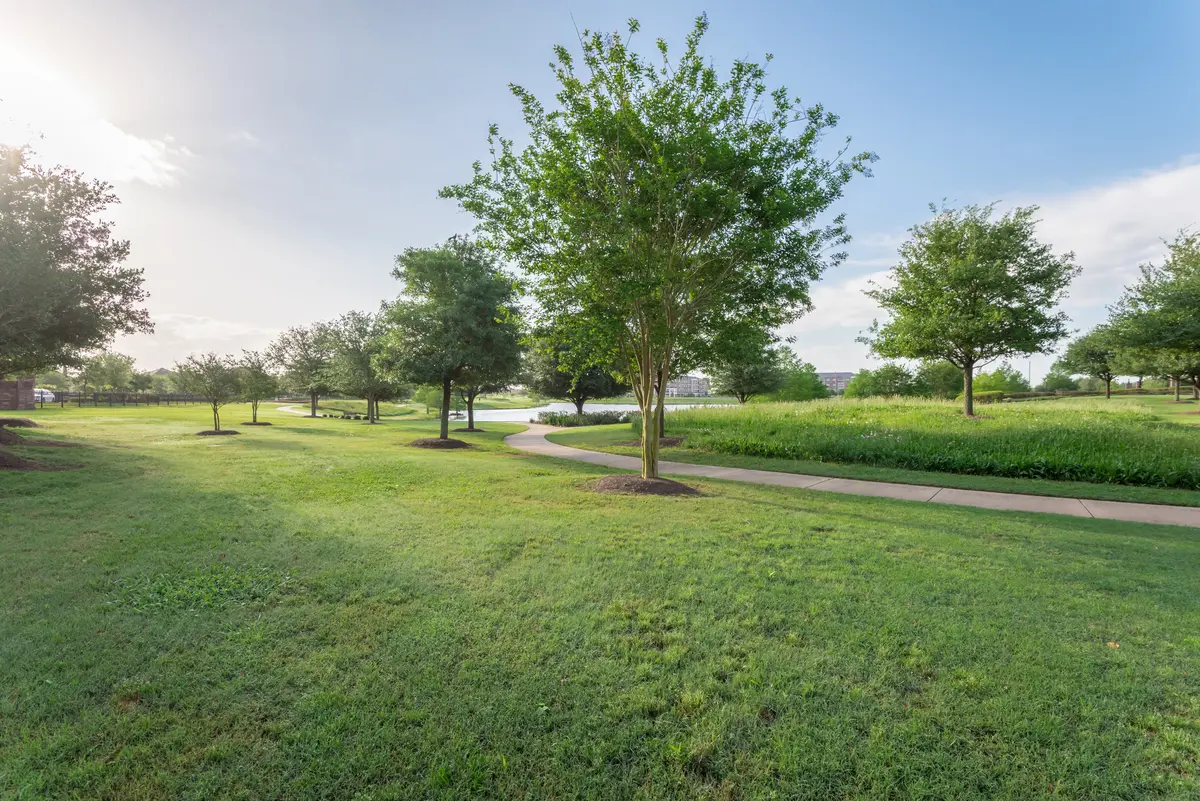
For active retirees, the parks system is a genuine strength. The city maintains 27 parks covering 1,174 acres of developed parkland and more than 35 miles of trails. Cullinan Park alone spans over 750 acres, with birdwatching across more than 200 species, fishing, kayaking, and nature trails. Oyster Creek Park offers creek-side walking, bridges, and landscaped gardens. Sugar Land Memorial Park and First Colony Community Park round out the options for low-impact daily exercise. The terrain is flat — not a single meaningful hill — which matters for retirees with joint concerns or balance issues.
The city operates the T.E. Harman Center, a dedicated senior adults facility run through the Parks & Recreation Department. Beyond city programming, Sugar Land's cultural diversity produces an active landscape of community organizations, religious congregations, cultural associations, and volunteer networks. The Fort Bend County library system has branches accessible to Sugar Land residents. Retirees who get involved tend to do so through one of those channels rather than through a single central hub — it's a distributed social life, which suits some people and frustrates others.
One thing newcomers underestimate: summer heat genuinely reorganizes daily life here. Retirees who plan to walk trails, garden, or play golf often find those activities compressed into a narrow morning window from roughly May through September. The social scene — morning coffee meetups, evening programs at the Harman Center, indoor activities — fills the gap, but outdoor retirement living the way you'd imagine it in, say, the Texas Hill Country looks different here.
Right-Sizing: Downsizing in Sugar Land
Sugar Land's housing stock was built almost entirely across three decades of master-planned development, which means it skews toward large, two-story family homes. Finding single-level living takes deliberate searching — it exists, but it's a smaller slice of the market than retirees sometimes expect after seeing the neighborhood photos.
The clearest single-level opportunities cluster in older sections of established neighborhoods like Sugar Creek and First Colony, where patio homes and smaller ranch-style builds appear more frequently. Sweetwater and Avalon, both running above the city-wide typical home price, tend toward larger homes on larger lots — still desirable for some downsizers who want space and privacy, less so for those trying to reduce maintenance. New Territory sits at the city median and offers a wider mix of floor plans, including some single-level builds worth looking at.
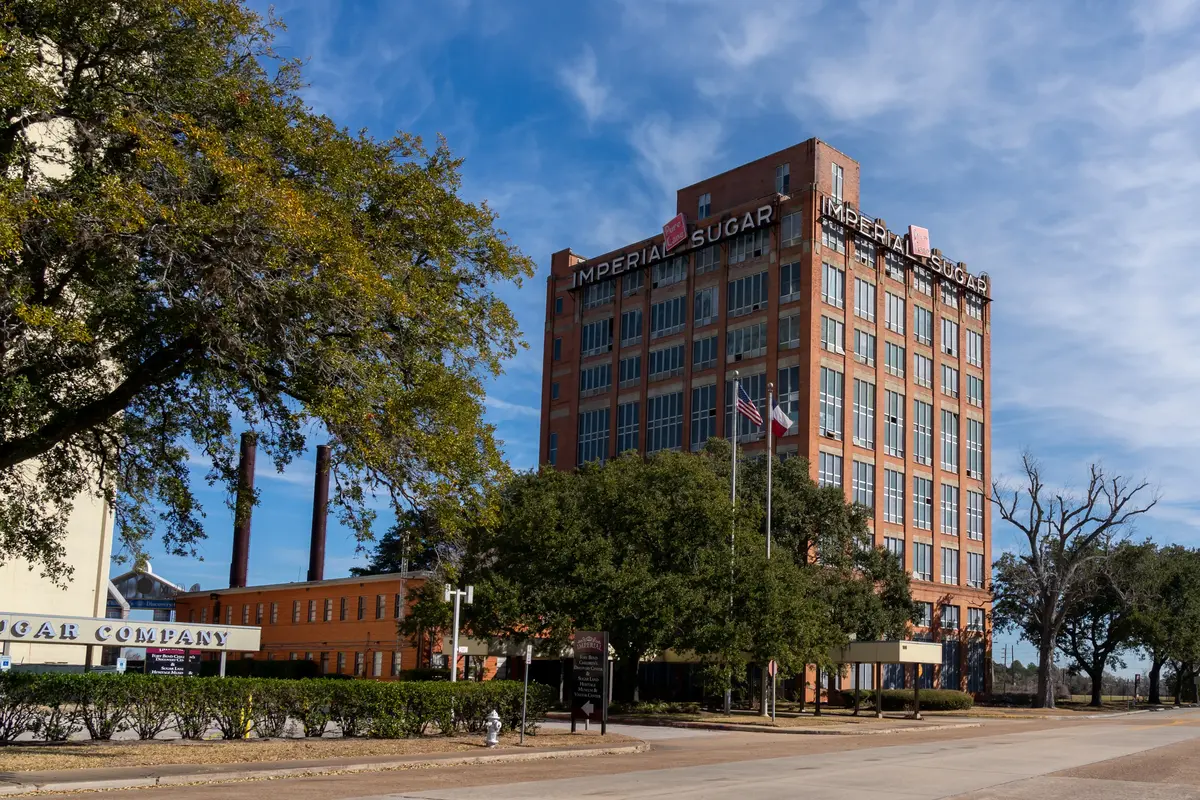
Condominiums are present but not abundant. Sugar Land is not a high-density condo market — buyers accustomed to a wide selection of lock-and-leave urban condos will find the options limited. The Town Square area and the redeveloped historic sugar refinery site have added some attached and mixed-use residential, representing the city's closest analog to urban-style living.
No 55+ age-restricted communities were found in Sugar Land. The city has assisted living and memory care facilities for those who need that level of support, but there is no active-adult homeownership community with an age restriction inside city limits. Retirees who specifically want a 55+ neighborhood with shared amenities and deed restrictions will need to look at nearby communities — Richmond and areas further along SH-99 have more to offer in that category. For a detailed look at which neighborhoods match different buyer profiles and price positions, the best neighborhoods page has the breakdown.
Sugar Land vs Nearby Retirement Destinations
| City | Cost vs Sugar Land | Primary Hospital | Walkability | Senior Living Depth | Overall Retirement Fit |
|---|---|---|---|---|---|
| Sugar Land | Anchor | Houston Methodist Sugar Land — full-service, in-city, with a strong specialist bench | Car-dependent overall; walkable Town Square core; flat terrain | Assisted living present; no 55+ homeownership communities | Strong for medical access and tax advantages; limited 55+ stock |
| Missouri City | Noticeably lower | Regional urgent care and outpatient; major care means driving to Sugar Land or Houston | Car-dependent; fewer walkable nodes | Some senior housing options; thinner than Sugar Land | Good value entry point; healthcare trade-off is real |
| Richmond | Noticeably lower | Limited local options; regional care accessible via I-69 | Historic downtown is walkable; overall still car-dependent | More 55+ community options in the surrounding corridor | Best if 55+ community access or lower price point is the priority |
| Rosenberg | Noticeably lower | Regional access only; Sugar Land's hospital is the nearest major facility | Very car-dependent; limited walkable retail | Some senior housing; less developed than Sugar Land | Affordable entry; works if budget is the primary driver |
| Stafford | Noticeably lower | Close to Sugar Land's hospital system; benefits from proximity | Car-dependent; commercial corridor character | Limited dedicated senior options | Practical for budget-conscious retirees who want Sugar Land's services nearby |
| Houston (inner loop) | Pricier | Texas Medical Center — world-class, unmatched specialty depth | Neighborhood-dependent; some genuinely walkable districts | Extensive assisted living and senior community options | Best for retirees prioritizing walkability or highest-level specialty care |
The pattern is clear: Missouri City, Richmond, Rosenberg, and Stafford all come in noticeably cheaper than Sugar Land, but each involves a meaningful trade-off on healthcare access — Sugar Land's in-city hospital is the dominant medical resource for that entire corridor, so retirees in neighboring cities often drive here anyway for anything serious.
Richmond is the most interesting nearby alternative for retirees specifically seeking a 55+ homeownership community, with more active-adult options along the SH-99 corridor than Sugar Land itself offers. Rosenberg and Stafford work for retirees whose primary consideration is keeping housing costs as low as possible while staying in Fort Bend County's tax environment.
Houston's inner loop beats Sugar Land on walkability in certain neighborhoods and offers the Texas Medical Center for the highest-complexity specialty care — but it costs more, requires navigating a genuinely large city, and lacks Sugar Land's quiet suburban character. For retirees who want a manageable scale of life with exceptional nearby medical access and Texas's favorable tax structure, Sugar Land is the hardest combination to beat in this part of the Houston metro.
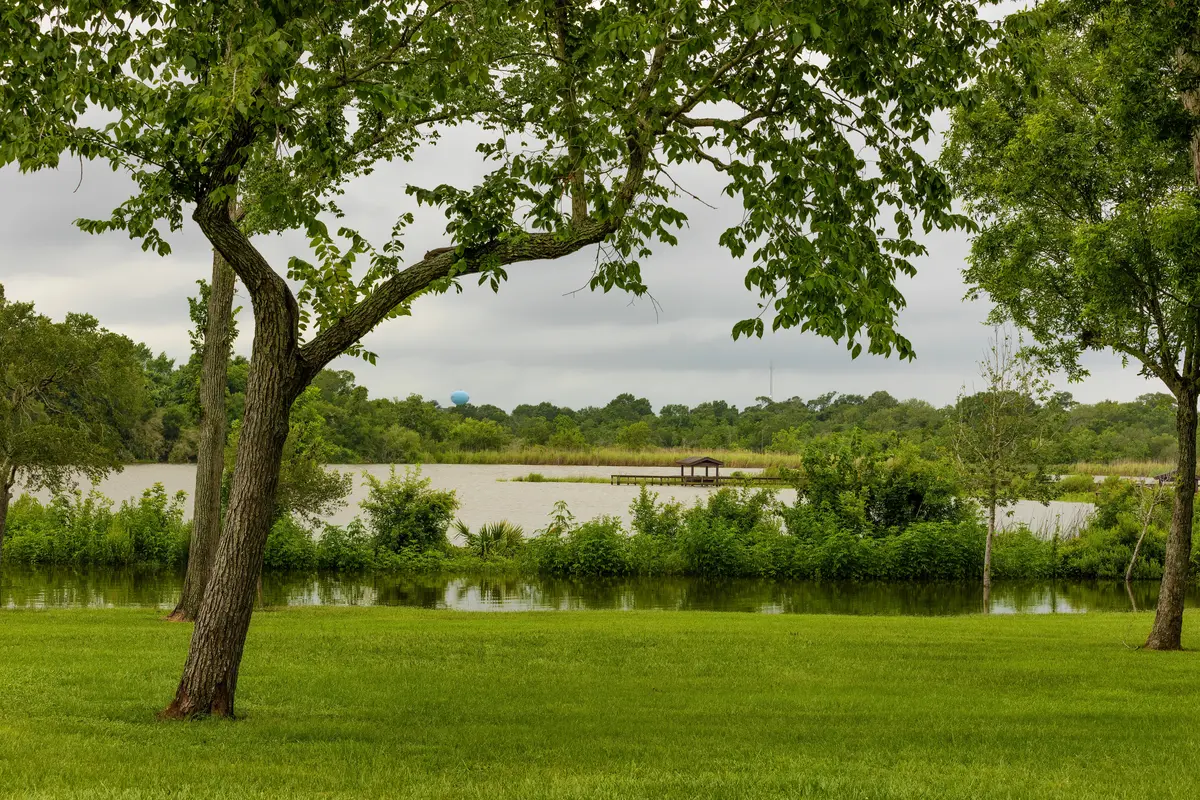
Local Expert Takeaway: Sugar Land is a practical retirement choice, not a romantic one. The T.E. Harman Center gives retirees a real community anchor, Cullinan Park offers 750 acres of flat, car-free nature, and Houston Methodist Sugar Land Hospital — a full-service acute-care campus with a broad specialist bench — is inside city limits rather than a highway drive away. The 2025 senior property tax exemptions meaningfully offset the city's 1.64% effective rate. What Sugar Land doesn't offer: a 55+ homeownership community, abundant single-level housing, or the kind of walkability that lets you leave the car at home. If those priorities are non-negotiable, look at Richmond for the 55+ communities or Houston's inner loop for walkability. If your checklist starts with medical access, tax efficiency, and a well-run suburb with genuine cultural diversity, Sugar Land checks those boxes better than almost anything else in Fort Bend County.
Quick Takeaways & FAQs
✅ Houston Methodist Sugar Land Hospital — a full-service acute-care campus with 347 beds and recognized specialty programs — sits inside city limits, giving retirees exceptional medical access without leaving the city.
⚠️ No 55+ age-restricted homeownership communities exist inside Sugar Land's city limits, which is a real gap for retirees specifically seeking that kind of active-adult neighborhood.
📍 Texas's 2025 voter-approved senior exemptions now give homeowners 65 and older a combined $200,000 school-tax exemption plus a property tax freeze on school taxes — a major budget advantage that takes effect in the year you turn 65.
Does Sugar Land have a senior center?
Are there any 55+ communities in Sugar Land?
How good is the healthcare in Sugar Land for retirees?
What property tax breaks are available for retirees in Sugar Land?
Can you get around Sugar Land without a car as a retiree?
Moving to Texas?
Tell us what you need help with and we'll connect you with local resources.
