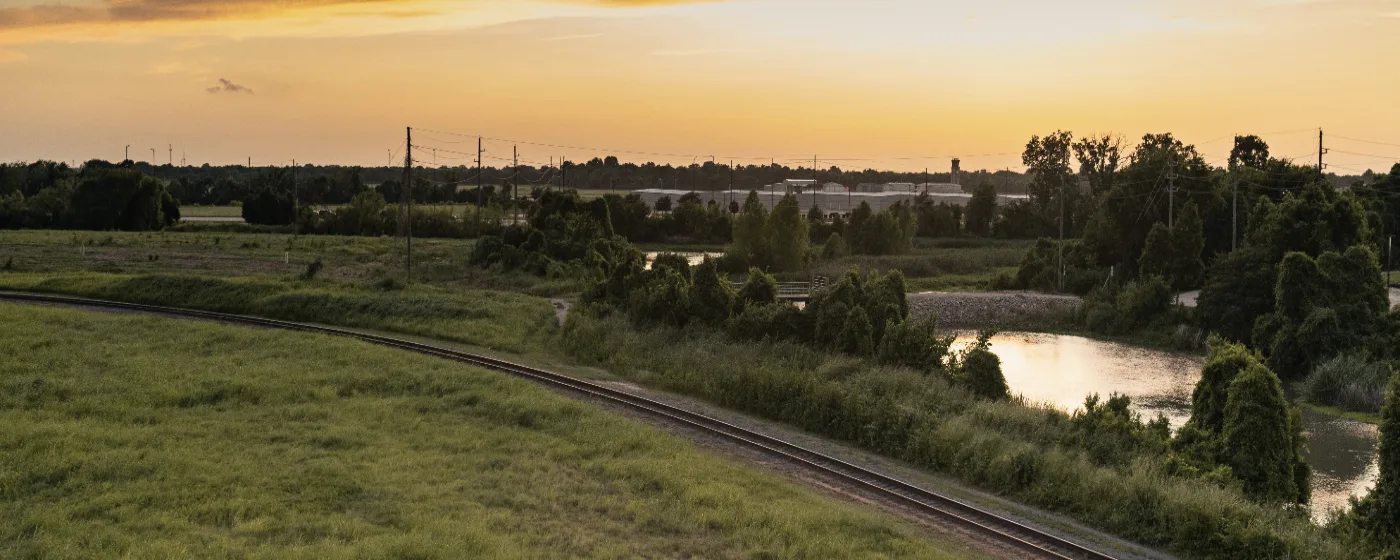
Most people moving to Sugar Land from out of state picture a sprawling Houston suburb with big-box retail and freeway noise. What catches them off guard — usually within the first few weeks — is the green. The city's Parks & Recreation Department maintains 27 parks covering 1,174 acres of developed parkland, and over 35 miles of hike and bike trails thread through neighborhoods in a way that feels genuinely intentional. This is not park infrastructure added as an afterthought; it was built as a selling point, and it shows.
The outdoor system here skews toward nature, water, and trails rather than stadium-scale facilities. Sugar Land sits in Fort Bend County along the Brazos River, and the geography gives the park system something most Houston suburbs cannot replicate: a real riverfront park, a 754-acre nature preserve, and a creek corridor that doubles as the city's social spine. With 208 sunny days a year, residents use these spaces through most of the calendar — not just the brief stretches when Texas weather cooperates.
Families with kids, nature walkers, mountain bikers, kayakers, and birders all find something specific here. The variety is wider than the city's size would suggest, and the quality of individual facilities — particularly Cullinan Park and Oyster Creek Park — punches well above the suburban average. The trade-off, and it is real: Sugar Land does not have a lake in the recreational sense, and summer heat compresses serious outdoor activity into early mornings and evenings from roughly June through September.
Whether you're deciding whether to relocate or just figuring out what daily life outside the house looks like, the sections below cover Sugar Land's signature parks, trail network, water recreation, and organized sports facilities in detail.
Signature Parks: The Four Worth Knowing First
Sugar Land's park system has 27 properties, but four stand apart in scale and what they offer. Understanding these four tells you almost everything you need to know about outdoor life in the city.
Cullinan Park — The Nature Preserve
At 754 acres, Cullinan Park is one of the largest nature parks in the Houston metro. It operates as a genuine preserve, not a manicured lawn with a walking loop, and the difference is immediately obvious when you arrive. The landscape is wetland and prairie — White Lake sits at the center, accessible via a newly renovated boardwalk with replaced decking and handrails, an observation tower, and a 0.33-mile loop trail around the water's edge.
The park logs 276 bird species and 378 plant species, and the Texas Parks & Wildlife Department includes it on the statewide birding trail as part of the Katy Prairie Loop. White ibises, great blue herons, great egrets, and snowy egrets are regulars. American alligators are resident in White Lake, most visible in spring and summer — something newcomers from outside the South find genuinely startling the first time. Over 4 miles of paved and natural trails run through the preserve; the trails here are pedestrians only, no bicycles.
Best for: birders, nature walkers, anyone who wants genuine Texas wetland habitat without leaving city limits.
Sugar Land Memorial Park — The Riverfront
The 150-acre Memorial Park runs along the Brazos River and is the city's most versatile outdoor space. Two large pavilions, a Veterans Memorial, an enclosed playground, and a pull-up bar station give it a community-center quality. The lake inside the park is stocked for fishing, and the city operates a boat launch here for kayaking and canoeing.
Trail options split two ways: the South Meadow Loop covers the easier terrain, while the Justin P. Brindley Trail is a dedicated mountain biking route. The adjacent Pawm Springs Dog Park adds 6 acres specifically for off-leash use. This is the park Sugar Land residents are most likely to use on a regular basis because of the sheer range of what it offers in a single visit.
Best for: families, dog owners, kayakers, mountain bikers, anyone who wants a full-afternoon park rather than a quick walk.
Oyster Creek Park — The Creek Corridor
Oyster Creek Park is 111 acres built around a 3-mile paved hike-and-bike trail that runs along the creek, connects to Lost Creek Park, and stays lighted until 10 p.m. — that late-evening lighting is one of the most practically useful features in a city where summer heat rules out midday exercise. The trail passes a rock-lined pond with a 300-foot natural boulder fountain, cascading waterfalls, a bridge overlooking the creek, and several public art installations.
The amphitheater along the creek serves as a venue for city-sponsored community festivals and can be reserved for private events. Emergency call boxes placed along the trail length are a small but meaningful touch. This is the park where Sugar Land residents show up on weekday evenings — it has the energy of a neighborhood gathering space rather than a destination park.
Best for: evening walkers and runners, families wanting a scenic trail with real amenities, anyone attending a community event.
Brazos River Park — The Disc Golf and Bike Park
At 67 acres, Brazos River Park is smaller than the other three but earns its place on this list for a specific reason: it has 3.6 miles of paved trails, a disc golf course, mountain biking trails, and a stage area for events, plus a mosaic tile public art display made of recycled glass that functions as one of the more distinctive visual landmarks in the city's park system. BBQ grills and picnic areas make it a reasonable weekend afternoon destination.
Best for: disc golfers, mountain bikers, anyone wanting a park with a slightly more active, less formal character.
Trails: 35 Miles Across the City
Sugar Land's trail network covers over 35 miles of paved, natural, and mountain bike routes — a figure the city updated as of 2022 on its official Parks & Trails page, and the most current and comprehensive count available. These trails are not all connected into one continuous loop, but several of the major parks link to adjacent properties, creating longer routes for riders and walkers who want them.
Trail Types and Where to Find Them
| Trail / Location | Distance | Surface | Notable Feature |
|---|---|---|---|
| Oyster Creek Park Trail | 3 miles | Paved | Lighted until 10 p.m.; connects to Lost Creek Park |
| Memorial Park — South Meadow Loop | 2.5 miles total | Paved / natural | Along the Brazos River; easy terrain |
| Justin P. Brindley Trail (Memorial Park) | Part of 2.5 mi system | Natural (dirt) | Dedicated mountain bike route |
| Cullinan Park Trails | 4+ miles | Paved and natural | Pedestrians only; boardwalk over White Lake |
| Brazos River Park Trails | 3.6 miles | Paved | Includes disc golf and mountain bike routes |
| Eldridge Park Trails | ~0.4 miles | Paved | Loop around the 5-acre fishing pond |
Mountain Biking Specifically
Mountain biking has a more developed infrastructure here than most flat suburban cities manage. The Justin P. Brindley Trail at Memorial Park is the flagship, but the city has also built a 22,426-square-foot pump track at The Crown Festival Park — one of the more specific and genuinely useful investments for riders who want technique work rather than distance. Oyster Creek Park adds another off-road option. The city has partnered with the Fort Bend Mountain Biking Association to continue expanding the network, which suggests the infrastructure will grow rather than stagnate.
What to Know Before You Go
The lighted trail at Oyster Creek Park is one of the practical answers to the summer heat problem — a 9 p.m. walk in late July is genuinely pleasant in a way that 2 p.m. is not. For longer rides and walks, early morning is the consistent answer from locals who use the trails regularly. The flat terrain throughout the city means the trails are accessible for most fitness levels; the trade-off is that the flatness also means no shade-producing topography, so sun exposure on exposed sections can be significant in warmer months.
Water Recreation: Kayaking, Fishing, and Where to Launch
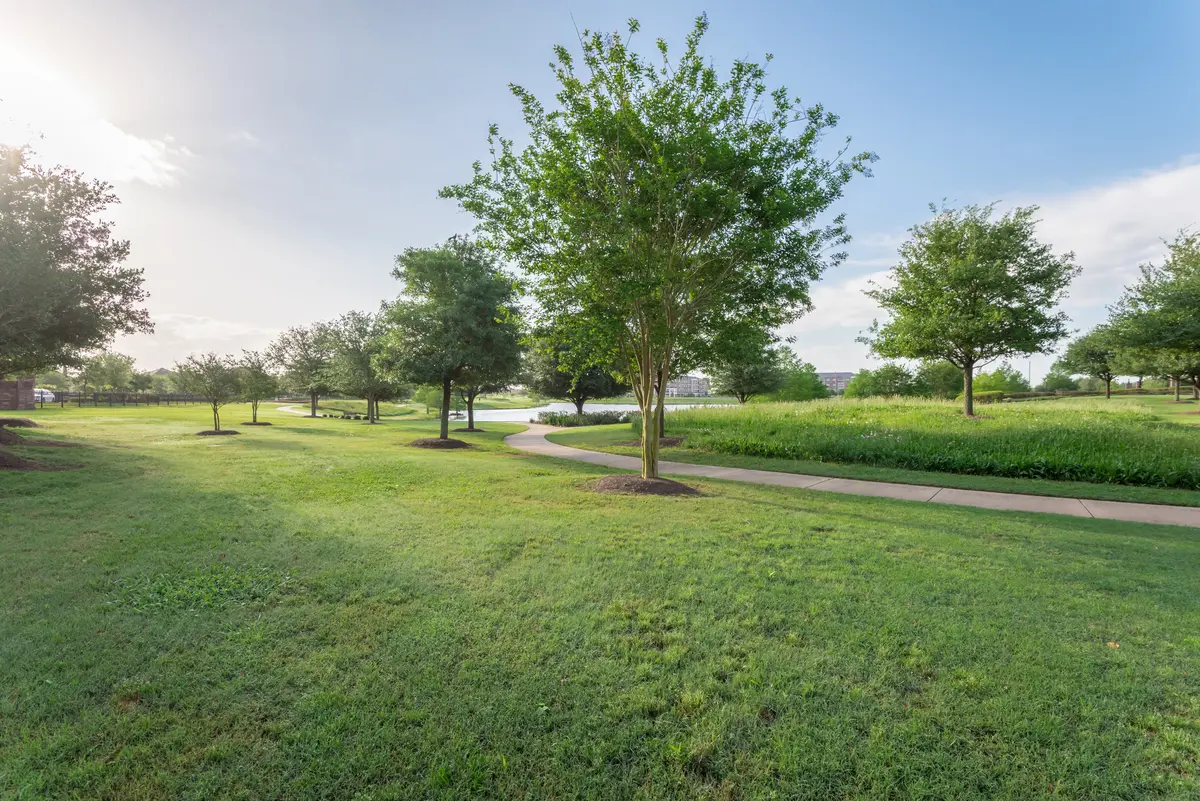
For a landlocked suburb, Sugar Land has a surprisingly usable water recreation program. The city operates boat launches at two parks — Sugar Land Memorial Park and Cullinan Park — both set up for kayaking and canoeing rather than powerboats. The Brazos River adjacency is the geographic foundation for this, but Cullinan Park's White Lake adds a second, very different kind of paddling environment.
Fishing Locations
Freshwater fishing is available at five parks: Memorial Park, Eldridge Park, Sugar Mill Park, Cullinan Park, and Thomas L. James Park. Eldridge Park's 5-acre pond receives semi-regular fish stockings from the Texas Parks & Wildlife Department, making it one of the more consistent options for families. The fishing pier there overlooks the pond directly. A Texas freshwater fishing license is required for anyone over 17 — something first-time Texas residents often miss until they arrive at the water.
The Cullinan Park Water Experience
Kayaking in White Lake at Cullinan Park is a genuinely different experience from what you get at Memorial Park. The preserve setting means you are paddling through wetland habitat with active wildlife — the alligators that are visible from the boardwalk are present in the water too. This is not a concern that keeps most paddlers away, but it is something worth knowing before you put a kayak in for the first time. The combination of birding and paddling in the same visit is one of the things Cullinan offers that nothing else in the city replicates.
Swimming Options
The city's Municipal Pool at City Park covers the summer swimming season. A splash pad at RiverPark serves younger kids through the warmer months. These are the city's two dedicated aquatic facilities; most residents with pools have them at home, which is common throughout the Houston suburbs. If a community pool or splash pad is high on your list for kids, these cover the basics — but they are not a substitute for a neighborhood recreation center with an indoor pool.
Looking to buy in Sugar Land? Estimate your payment.
Enter your numbers to see an estimated monthly mortgage payment.
Estimate only. Excludes HOA fees and mortgage insurance. The interest rate above is a starting point, not a quoted rate — replace it with your own to see real numbers. Insurance is a flat placeholder, not a Sugar Land quote.
Sports Facilities, Organized Recreation, and Kids' Activities
Sugar Land's organized sports infrastructure is scaled for a city of 107,726 people with a high concentration of families with kids. The parks that serve youth leagues are purpose-built rather than repurposed open space, and the facilities show it.
First Colony Community Park — Baseball and Softball
First Colony Community Park is a 22-acre facility that functions almost entirely as a baseball and softball complex: nine fields (seven with lighting), multiple batting cages, two concession stands, a universally accessible playground and pavilion, and 368 parking spaces. It serves as home to First Colony Little League and the Greater Sugar Land Pony Colt League. The parking capacity alone signals how heavily this park gets used on game nights — the lot fills for league play, and arriving early is a habit worth forming quickly if your kids are in a league here.
Eldridge Park — Soccer
Eldridge Park dedicates 43 acres almost entirely to soccer: 10 fields, a large playground, a picnic pavilion, and the fishing pond with pier. The GFI Soccer Academy operates here, which means the fields see both organized recreational league play and structured academy training. For families relocating from markets where club soccer infrastructure is strong, this level of commitment to a single sport in a single park is worth noting. Youth athletics in the Fort Bend ISD system connect into this kind of park infrastructure through active UIL athletics programs across the district.
The Crown Festival Park — The Newer Addition
The Crown Festival Park is where the pump track lives, and it functions as Sugar Land's multi-use events and recreation space beyond what the creek corridor and nature preserve parks offer. The 22,426-square-foot pump track there is the largest single investment in dedicated mountain bike infrastructure the city has made, and it sits alongside a stage area that hosts community events through the year.
What Newcomers Discover After Six Months
The thing most new residents don't anticipate is how the park system becomes the social infrastructure of daily life. The Oyster Creek trail at dusk, Memorial Park on a Saturday morning, the baseball fields in spring — these are the places where you actually meet your neighbors. Sugar Land's planned-community character, which can feel anonymous when you first arrive, dissolves faster at the parks than anywhere else. The parks are not a bonus feature here; they are genuinely how the city functions as a community.
For a full look at neighborhood character and which areas sit closest to specific parks, see the Sugar Land neighborhoods guide.
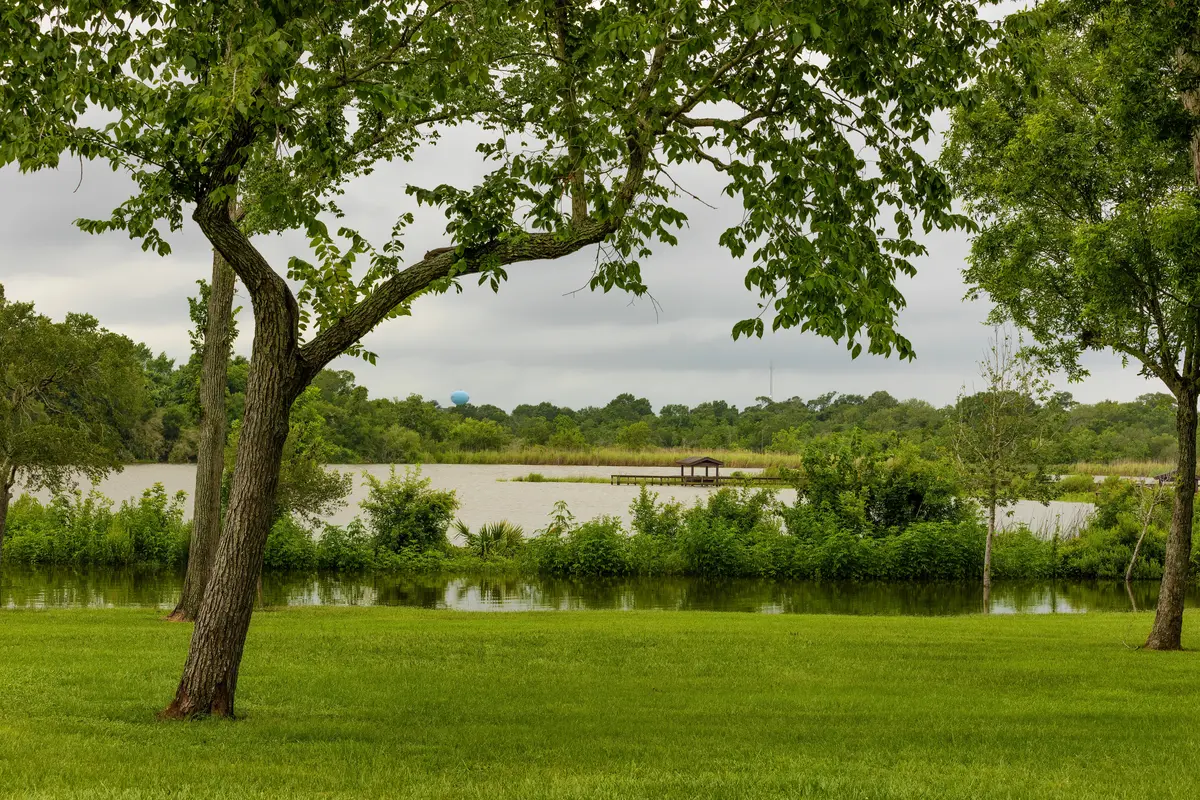
Local Expert Takeaway: Sugar Land's outdoor system is built around four flagship parks — Cullinan Park for serious nature and birding, Memorial Park for riverfront versatility, Oyster Creek Park for the everyday evening trail, and Brazos River Park for disc golf and mountain biking. Over 35 miles of trails connect much of the city, and the late-evening lighting at Oyster Creek is one of the genuinely smart design decisions for a place where summer heat is a real constraint. If outdoor access is a significant factor in your move, Sugar Land delivers more than its suburban reputation suggests — the 754-acre Cullinan preserve alone puts it in a different category from most Houston-area cities.
Quick Takeaways & FAQs
✅ Sugar Land maintains 27 parks across 1,174 acres — including Cullinan Park, one of the largest nature preserves in the Houston metro at 754 acres with 276 bird species on record.
⚠️ Summer heat compresses prime outdoor hours into early mornings and evenings; the Oyster Creek Park trail stays lighted until 10 p.m., which is the practical answer most locals land on.
📍 Kayak and canoe launches operate at both Sugar Land Memorial Park and Cullinan Park — freshwater fishing is available at five separate parks, with Eldridge Park's pond stocked by Texas Parks & Wildlife.
How many parks and trails does Sugar Land have?
Can you kayak or canoe in Sugar Land?
Is Cullinan Park good for birding?
Where do kids' sports leagues play in Sugar Land?
Is Sugar Land good for outdoor recreation given the Texas heat?
Moving to Texas?
Tell us what you need help with and we'll connect you with local resources.
