
La Porte sits on the southeastern edge of the Houston metro, wedged between Galveston Bay and the petrochemical corridor along TX-225. Its costs run below what you'd pay in the western and northwestern suburbs on most budget lines — housing most of all, but also groceries and everyday services. What makes that meaningful is the combination: no state income tax leaves more of every paycheck in your pocket, and the home prices here are a real departure from the sticker shock in many other parts of the metro. The catch is that you are buying into a car-dependent city where summer electricity bills run higher than most of the country expects.
The economic engine here is the industrial waterfront. LyondellBasell, TotalEnergies, and the broader chemical manufacturing complex along the Ship Channel are major employers, as is the La Porte Independent School District and the City of La Porte itself. Many residents also commute to Baytown or into Houston proper. The city draws buyers who want waterfront proximity, stable blue-collar and technical wages, and a Southeast Texas lifestyle that doesn't require a 45-minute surface-street crawl just to reach an affordable neighborhood.
Groceries, transportation, and everyday services all run at or below national averages. The one budget line that surprises newcomers is utilities: Houston's humidity drives air-conditioning loads that push annual electricity consumption well above what someone moving from the Pacific Northwest or the Midwest would expect — even though the per-kilowatt rate itself is competitive in Texas's deregulated market. Property taxes run at an effective rate of approximately 1.46%, which is typical for the Houston area but noticeably higher than what buyers from most other states are used to paying.
Whether you're deciding between La Porte and Deer Park, weighing a buy-versus-rent call, or just trying to understand whether your income can support a home purchase here, the sections below cover housing costs, everyday expenses, how La Porte stacks up against its neighbors, and the full tax picture.
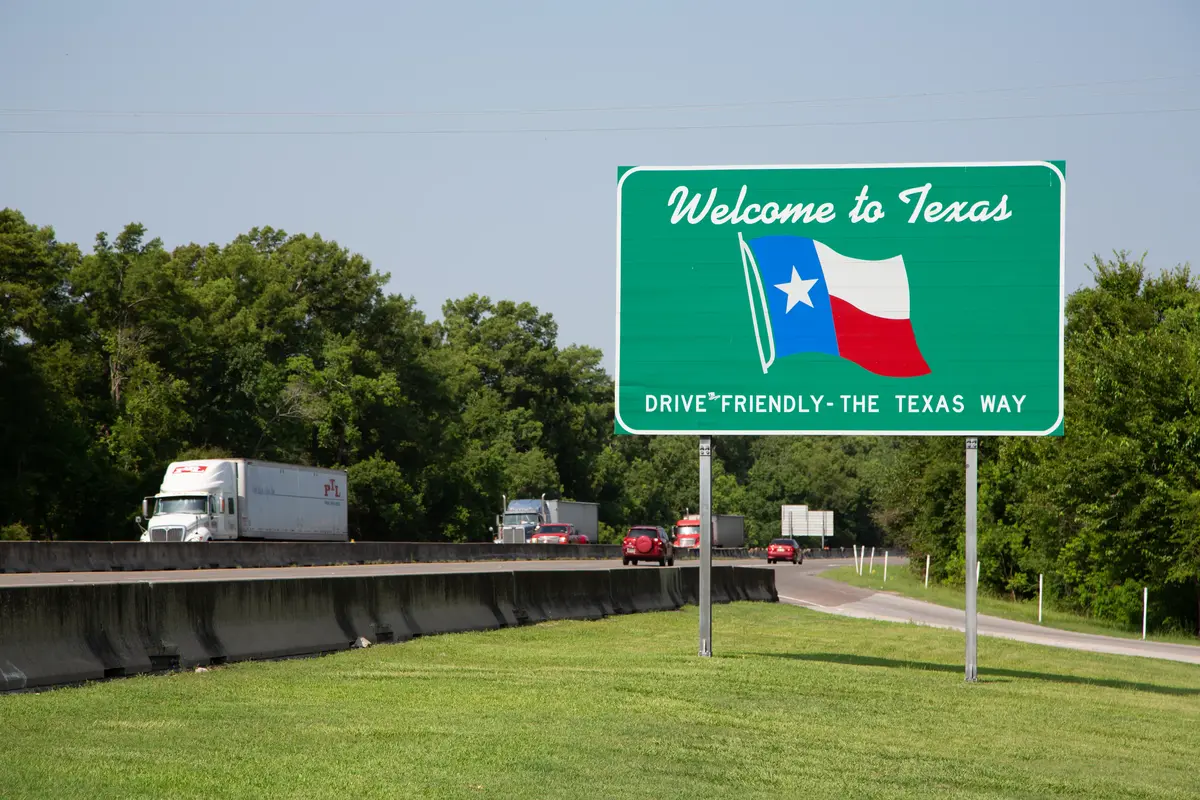
What It Really Costs to Live in La Porte
Across most spending categories, La Porte runs modestly below the national average — housing is the headline reason, but groceries and transportation both follow the same pattern. Utilities are the exception: the cooling load from Houston's Gulf Coast summers means households here spend more on electricity than residents of drier or cooler markets, even when the underlying rate is competitive.
The median household income in La Porte is $80,753. That figure sits close to — but just under — what's needed to carry the typical home here at current rates, so the margin is real but not wide. Buyers who come in with a solid down payment or a dual income are in better shape than those stretching on a single salary. For the full picture on financing and loan programs, the first-time buyer guide covers that ground in detail.
The honest posture is this: La Porte is affordable by Houston-metro standards, and the tax structure tilts in buyers' favor. But it rewards careful budgeting more than it punishes ambition — the numbers work comfortably for dual-income households and industrial workers earning above the median, and more tightly for single-income households right at it.
Housing: Rent vs Buy in La Porte
The Zillow Home Value Index placed La Porte's typical home price at $257,347 in July 2026. That is the anchor number for every housing decision in this city — and relative to the Houston metro overall, it represents genuine value. Entry-level homes — older construction, smaller lots, some deferred maintenance — can be found meaningfully below that figure, while newer builds and waterfront-adjacent properties push well above it. The best neighborhoods guide walks through where different price points cluster geographically.
The city-wide typical rent runs $1,659 per month (Zillow ZORI, July 2026). That makes renting a real option for households who haven't accumulated a down payment or who aren't sure they want to stay in La Porte long-term — the monthly gap between a mid-range rent and a mortgage on the typical home is narrow enough that the decision genuinely depends on your timeline and flexibility rather than being a clear financial slam-dunk either way.
On the ownership side, the effective property tax rate is approximately 1.46%. Texas has no state income tax, which softens the sting, but the annual property tax obligation here is real and should be factored into every budget conversation. Owner-occupants who file for the Texas homestead exemption — which Harris County, La Porte ISD, and the City of La Porte all offer — can reduce their taxable assessed value, which brings the real-world bill below the headline rate. Filing that exemption the year you close is one of the most straightforward ways to reduce your annual tax load.
Buying makes more sense in La Porte if you plan to stay at least four to five years, have a meaningful down payment, and can claim the homestead exemption. Renting is the more flexible call for anyone who might relocate for work — which is worth thinking about if your employment is tied to the petrochemical sector, where project-based transfers are common. The interactive mortgage calculator below shows how the numbers pencil out at current rates for the typical home price.

Everyday Costs Beyond Housing in La Porte
| Category | Typical Monthly Cost | Notes |
|---|---|---|
| Housing (typical rent) | $1,659/mo | City-wide typical rent. Buying? Use the calculator above for a mortgage estimate. |
| Utilities | $190–$290/mo | Electricity, gas, water, sewer, trash |
| Groceries | $520–$720/mo | Food at home, household of 2–3 |
| Transportation & Gas | $220–$380/mo | Fuel, and transit where it is a real option |
| Phone & Internet | $110–$185/mo | Mobile plan plus home broadband |
| Misc / Discretionary | $230–$480/mo | Dining out, entertainment, subscriptions |
Non-housing figures are estimates for a household of two to three, not a sourced index; housing is the city-wide typical rent (Zillow ZORI, July 2026). Refreshed with the rest of the city data.
The climate is the biggest variable in La Porte's non-housing budget. Summer air-conditioning demand runs from May through October with little relief, and while electricity rates in Texas's deregulated market run below the national average, total monthly bills run higher than most newcomers expect because of sheer consumption. Choosing your retail electricity provider carefully when you move in matters more here than it would in a city with a single regulated utility.
Groceries run below the national average, and La Porte has enough retail competition to keep food costs in check without requiring a long drive. The city is car-dependent — TX-146 and TX-225 carry most of the commuter load, and while Harris County Transit operates fixed-route bus service with connections to the broader Houston network, most residents budget for fuel and vehicle costs as their primary transportation line item. For more on commute patterns and traffic, the living in La Porte guide covers that in full.
Looking to buy in La Porte? Estimate your payment.
Enter your numbers to see an estimated monthly mortgage payment.
Estimate only. Excludes HOA fees and mortgage insurance. The interest rate above is a starting point, not a quoted rate — replace it with your own to see real numbers. Insurance is a flat placeholder, not a La Porte quote.
La Porte vs Nearby Cities: How the Costs Compare
| City | Typical Home Price | Typical Rent | Cost vs La Porte |
|---|---|---|---|
| La Porte (this city) | $257,347 | $1,659/mo | — |
| Deer Park | $281,493 | $1,695/mo | 9% higher |
| Pasadena | $218,827 | $1,407/mo | 15% lower |
| Baytown | $246,742 | $1,569/mo | 4% lower |
Source — home prices: Zillow ZHVI, July 2026; rent: Zillow ZORI, July 2026. Nearby-city figures are the same series, refreshed together.
La Porte sits in a cluster of Southeast Houston communities — Deer Park, Pasadena, Baytown, Seabrook, and Shoreacres — that each offer slightly different price points and community character. All share Texas's no-income-tax advantage and similar property tax structures, so the real differences come down to housing stock, school district reputation, and proximity to water.
Within that cluster, La Porte's typical home price comes in noticeably below Deer Park and well below Seabrook, which carries a waterfront premium that pushes costs into a different category. Pasadena tends to run modestly below La Porte — it is the entry point into the corridor for buyers prioritizing the lowest possible purchase price. Baytown is roughly comparable to La Porte on home costs, and Shoreacres, a small unincorporated pocket, tends to come in below both.
The trade-off between these cities is rarely just price. Deer Park draws families with school-age children specifically for its school district reputation — the premium you pay there is at least partly a school premium, not just a housing-market quirk. Seabrook buyers are typically after the waterfront lifestyle and are priced into it accordingly. Buyers who want the lowest entry point with a reasonable commute to the Ship Channel tend to land in Pasadena or the western edge of La Porte itself.
What La Porte offers in this comparison is a middle position that combines real affordability with more amenities and a stronger commercial base than the smaller surrounding communities. For buyers who have done the comparison and want to dig into specific neighborhoods, the best neighborhoods guide breaks down the city's internal geography in detail.
Taxes & the Bottom Line for La Porte
Texas has no state individual income tax. Every dollar you earn here is taxed only at the federal level, which meaningfully increases take-home pay compared with states that layer a 4–10% state income tax on top. For a household at the La Porte median, that advantage is substantial over the course of a year and is a significant reason why La Porte's overall cost picture stays competitive despite elevated property taxes.
The combined sales tax rate in La Porte reaches up to 8.25%, composed of the 6.25% Texas state base rate plus local add-ons. That's on the higher end nationally, but Texas exempts most unprepared groceries and prescription drugs — two of the largest household spending categories — which blunts the impact in practice. Dining out, retail purchases, and services are all subject to the full rate.
Property taxes are the trade-off Texas makes for its income-tax posture. The effective rate here is approximately 1.46% — consistent with the broader Harris County area. Homestead exemptions reduce the taxable base for qualifying owner-occupants, so the rate you pay in practice is lower than the headline figure if you file correctly. The calculator above handles the math against the home price covered in the housing section.
The honest bottom line: La Porte fits buyers who prioritize take-home pay over low property taxes, who can carry a car-dependent lifestyle, and who don't need to be in a higher-amenity suburb. Dual-income households and petrochemical or industrial workers earning above the median will find the numbers work comfortably. Anyone weighing a move from a high-tax state will find the math shifts sharply in La Porte's favor on a total-tax basis. For the full picture on fixed-income budgeting and retirement considerations, the retiring guide covers those specifics.

Local Expert Takeaway: La Porte's affordability story is real but specific: the home price is well below the Houston metro's western and northern suburbs, there's no state income tax, and groceries run below the national average. The budget pressure points are property taxes at approximately 1.46% and summer electricity bills that catch newcomers off guard — Houston's humidity means your AC runs hard from May through October, even when the underlying rate is below the national average. Buyers who file for the Texas homestead exemption and shop their electricity provider at move-in will be better positioned than those who accept the default on either. The margin between the median household income and what's needed to carry the typical home is close, so this city rewards careful budgeting more than it punishes ambition.
Quick Takeaways & FAQs
✅ La Porte's typical home price of $257,347 (July 2026) sits well below what comparable square footage would cost in the Houston metro's western suburbs, making it one of the more accessible bay-area communities in the region.
⚠️ The effective property tax rate of approximately 1.46% is typical for Harris County but will surprise buyers relocating from most other states — factor it into your monthly budget before you make an offer.
📍 Texas's deregulated electricity market means you choose your own retail provider when you move in — shopping rates at that moment can meaningfully lower a utility bill that otherwise runs above average due to the region's intense summer cooling demand.
Is La Porte, TX affordable compared to the rest of the Houston metro?
What is the property tax rate in La Porte, TX?
What is the typical rent in La Porte, TX?
Does Texas have a state income tax, and how does that affect living in La Porte?
Why are utility bills higher in La Porte if Texas electricity rates are below average?
Moving to Texas?
Tell us what you need help with and we'll connect you with local resources.
