
The Woodlands has a well-earned reputation as one of the best-planned communities in Texas — and that reputation comes with a price. If you've been looking at homes here after spending time in Spring or Conroe, the jump can feel jarring. The Woodlands isn't the most expensive market in the Houston metro, but it operates in a different tier than almost everything around it. Understanding what actually drives the cost — and what doesn't — is the starting point for figuring out whether this place fits your budget or not.
The economic foundation here is real. Chevron Phillips Chemical and Huntsman Corporation anchor the local employer base, and Conroe Independent School District is a significant reason families target this zip code specifically. The community draws a mix of energy-sector professionals, remote workers priced out of the Houston urban core, and corporate relocatees. The median household income of $140,701 reflects that. What it also reflects is a community where the price of a typical home now runs noticeably ahead of what the median earner can comfortably carry.
Outside of housing, the picture looks more manageable. Groceries run slightly below the national average, gas prices at the pump are consistently competitive, and Texas's lack of a state income tax does real work in the monthly budget. This is a modestly above-average cost city, not an extreme one, once you get past the housing line item — and the gap between The Woodlands and its neighbors is almost entirely explained by real estate, not by what you pay at the grocery store or on your utility bill.
Whether you're relocating from out of state, moving up from a Houston-area apartment, or deciding between The Woodlands and one of the nearby cities, the sections below break down housing, utilities, groceries, transportation, taxes, and how The Woodlands stacks up against the alternatives.
What It Really Costs to Live in The Woodlands
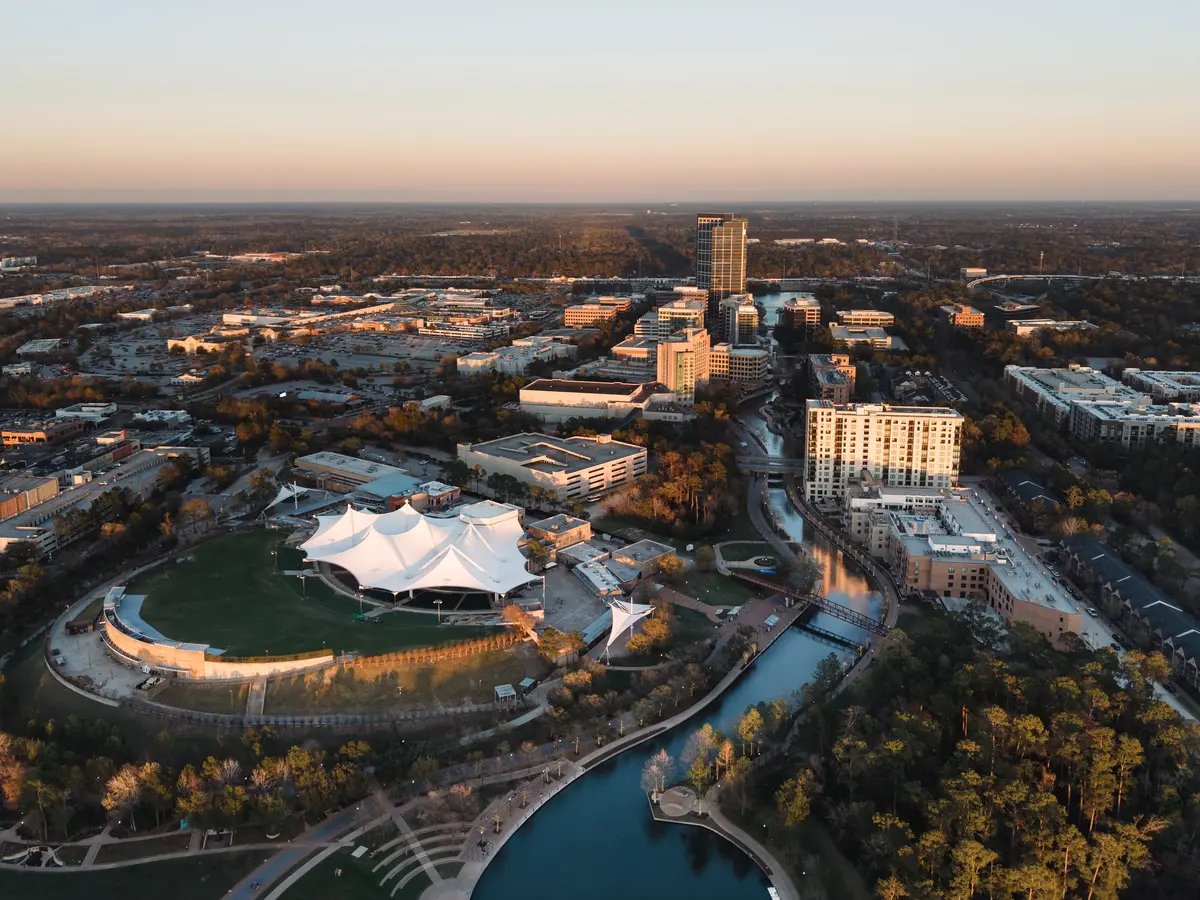
The honest summary: The Woodlands costs about as much as you'd expect for a master-planned community with strong schools, 28 miles of trails, and the Cynthia Woods Mitchell Pavilion as the town's entertainment anchor. It is meaningfully more expensive than Spring, Conroe, and Shenandoah — the three cities most buyers compare it to — and the gap is almost entirely explained by housing.
The typical home price here puts The Woodlands well above the surrounding market and above the Houston metro's broader price range. Housing is the clear outlier in the budget; groceries, transportation, and everyday miscellaneous costs land at or slightly below national averages. The premium you pay here is almost entirely a real estate premium, not a broader lifestyle tax.
Who feels that most? Buyers coming in from California or the Northeast sometimes find The Woodlands surprisingly affordable in relative terms. Buyers stepping up from Conroe or Spring feel the opposite. The median household income here is $140,701, and even that figure — strong by Texas standards — falls short of what's needed to buy comfortably at the typical price point. That gap is worth sitting with before you make an offer. For the full neighborhood-by-neighborhood breakdown of what different parts of The Woodlands feel like relative to each other, see the best neighborhoods guide.
Housing: Rent vs Buy in The Woodlands
Buying here means accepting that entry-level inventory is limited and genuinely competitive. The lowest-priced single-family detached homes in The Woodlands — typically older construction from the late 1970s and 1980s in the community's earliest villages — start in the low-to-mid $400,000s. From there, the range climbs steadily to the community's typical home price. Townhomes and patio homes offer a lower entry point for buyers willing to give up square footage.
The effective property tax rate here is approximately 1.38%, based on Montgomery County property records. That said, residents quickly discover that The Woodlands has layers to its tax structure. Because the community is served by Municipal Utility Districts (MUDs), the total combined rate — stacking MUD, school district, county, and Township levies together — ranges from approximately 2.01% to 2.59% depending on where specifically in The Woodlands you buy. Village by village, this can create meaningful differences in the annual tax load on identical home values. It's worth pulling the specific combined rate for any property you're seriously considering, not just the county's effective average.
All homeowners qualify for a 3% homestead exemption on the Township's portion of the tax bill. Senior and disabled residents receive an additional $50,000 exemption, which is a real number at these price points.
Renting makes sense in The Woodlands if you're arriving for a corporate relocation and want 12 months to learn the villages before committing, or if you're uncertain whether the commute south on I-45 toward Houston works for your day-to-day. The rental market here skews toward apartments and townhomes rather than single-family homes — most of the detached inventory is owner-occupied. Expect rents to reflect the same premium the purchase market does. Use the calculator below to stress-test a specific purchase scenario against current rates.

Everyday Costs Beyond Housing in The Woodlands
| Category | Typical Monthly Cost | Notes |
|---|---|---|
| Utilities | $190–$300/mo | Electricity, gas, water, sewer, trash |
| Groceries | $500–$700/mo | Food at home, household of 2–3 |
| Transportation & Gas | $200–$340/mo | Fuel, and transit where it is a real option |
| Phone & Internet | $110–$180/mo | Mobile plan plus home broadband |
| Misc / Discretionary | $280–$550/mo | Dining out, entertainment, subscriptions |
Non-housing figures are estimates for a household of two to three, not a sourced index; housing is the city-wide typical rent. Refreshed with the rest of the city data.
The climate shapes the utility bill more than almost anything else. Summers in The Woodlands are long, humid, and hot — the kind that push single-family homes to average roughly 1,225 kWh of electricity per month, with August bills running more than twice what you'd pay in March. Texas's deregulated electricity market means you can shop among more than 120 competing retail plans delivered through CenterPoint Energy, which genuinely helps — comparing plans at renewal can make a material difference in what you pay. Apartments and townhomes typically use 30 to 50 percent less electricity than detached homes, which is worth remembering if you're sizing a rental budget. Water comes through the MUD system, and a typical household's combined water and sewer bill runs in a reasonable range relative to similarly sized Texas communities.
Beyond utilities, the everyday costs that catch newcomers off guard are transportation-related. This is not a walkable community in the traditional sense — most errands require a car, and the commute south toward Downtown Houston runs through toll sections of SH-99 (Grand Parkway) and I-45. Those tolls add up over a five-day work week and belong in any honest transportation budget. The Woodlands Express Park & Ride does offer a bus alternative for commuters heading downtown, which some residents use to sidestep both the tolls and the parking costs in the city. Gas prices here run consistently below the national average, which provides modest relief on a commute-heavy budget. Groceries also come in slightly below the national average. George Bush Intercontinental Airport (IAH) is 23 miles away — close enough for frequent travelers to feel the convenience.
Looking to buy in The Woodlands? Estimate your payment.
Enter your numbers to see an estimated monthly mortgage payment.
Estimate only. Excludes HOA fees and mortgage insurance. The interest rate above is a starting point, not a quoted rate — replace it with your own to see real numbers. Insurance is a flat placeholder, not a The Woodlands quote.
The Woodlands vs Nearby Cities: What the Cost Gap Looks Like
| City | Typical Home Price | Typical Rent | Cost vs The Woodlands |
|---|---|---|---|
| The Woodlands (this city) | $630,000 | — | — |
| Spring | $369,011 | $1,780/mo | 41% lower |
| Conroe | $315,986 | $1,579/mo | 50% lower |
| Shenandoah | $530,075 | $1,995/mo | 16% lower |
Source — home prices: Redfin median sale price, March 2026. Nearby-city figures are the same series, refreshed together.
Spring is the most direct comparison, and the price difference is substantial. Both communities sit along the same I-45 corridor, both have access to Conroe ISD schools in some areas, and the commute time south toward Houston is similar. What Spring doesn't have is The Woodlands' master-planned infrastructure, cohesive village design, or the same concentration of high-end amenities. That gap in finish is reflected almost entirely in the home price, not in what you pay for groceries or gas.
Conroe offers even more daylight on housing cost. It shares the Conroe ISD school district — which is a genuinely meaningful overlap — but it functions as a smaller city with its own commercial core rather than a master-planned amenity community. Buyers who prioritize the school district over the specific planning and amenities of The Woodlands sometimes land in Conroe and find the trade works for them. The commute south runs slightly longer from Conroe, and the community feel is meaningfully different.
Shenandoah is the quiet outlier. It's a small city that borders The Woodlands and shares some of its amenity proximity, with a lower combined tax rate than most of The Woodlands' MUD-served areas and a lower typical home price. It lacks the trail network, the village structure, and the full scale of Woodlands amenities, but buyers who want to be close without paying the full premium sometimes look here seriously.
The pattern across all three alternatives is consistent: the housing cost drops noticeably, and almost everything else in the daily budget stays roughly the same. The Woodlands premium is a real estate premium, full stop. The comparison below shows the specific figures side by side.
Taxes & the Bottom Line for The Woodlands
Texas's most buyer-friendly tax feature is the one everyone already knows: no state income tax. For a household earning close to the local median, that's a meaningful annual saving compared with peers in California, Oregon, or the Northeast — and it's a legitimate reason The Woodlands attracts out-of-state relocatees who can compare take-home pay directly rather than gross salary.
The sales tax picture is less favorable. The combined rate in The Woodlands Township area reaches 8.25% — a 6.25% Texas state base plus local additions. That's not unusual for the Houston metro, but it's not nothing on large purchases. Texas offsets its lack of income tax partly through this mechanism, and buyers moving from low-sales-tax states should adjust their mental model accordingly.
Property tax is where the math gets genuinely complicated. The effective rate of approximately 1.38% sounds reasonable, but the stacking of MUD, school district, county, and Township levies means the real combined rate on most properties in The Woodlands sits between 2.01% and 2.59%. At the typical home price here, the annual property tax obligation is a significant line item — one that the interactive calculator above can model precisely once you know the rate for a specific address.
The bottom line: The Woodlands fits buyers who have the income to absorb a purchase at the community's typical price point with its associated carrying costs, who value the school district, the trail system, and the community infrastructure enough to pay the premium over Conroe or Spring, and who work in the energy sector or can work remotely or tolerate the commute south. It tends to stretch for buyers whose household income falls meaningfully below the local median — even with Texas's favorable income-tax posture, the housing cost is the number that does or doesn't work, and that number is not soft. Buyers who need to trade some of the polish for a lower price find that Spring and Conroe offer the same commute corridor for noticeably less. For how the tax and cost picture shifts for retirees or those on fixed income, the retiring in The Woodlands guide covers that angle directly.
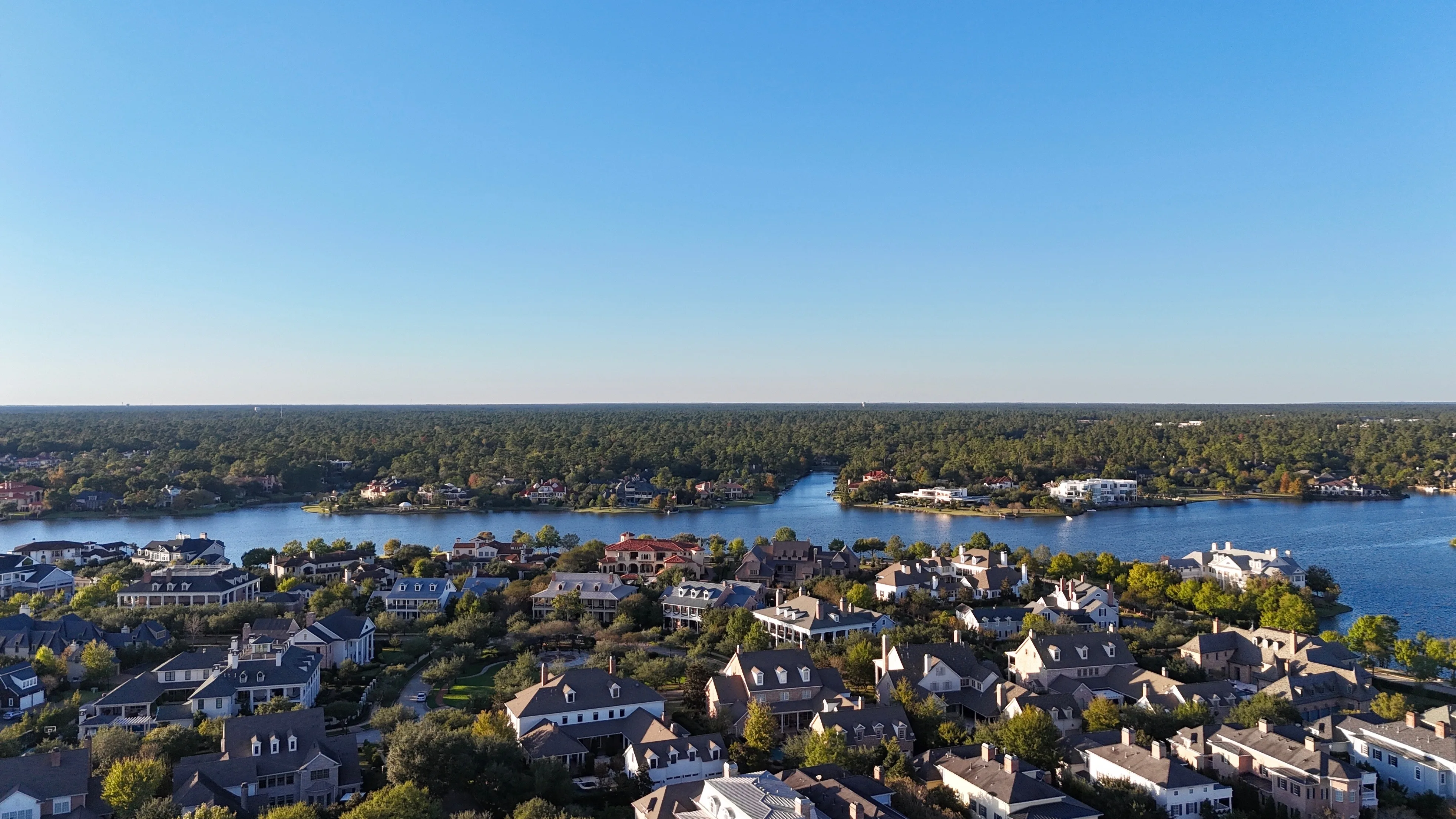
Local Expert Takeaway: The Woodlands costs what it costs for a reason: the trail network, the Conroe ISD schools, Market Street, and the Waterway are the product of decades of intentional planning that competing suburbs haven't replicated. The premium is real — the typical home price sits well ahead of Spring and Conroe — but outside of housing, your day-to-day costs run close to or below the national average when you shop electricity plans and take advantage of Texas's below-average gas prices. The honest question isn't whether The Woodlands is expensive. It is. The question is whether the income and the lifestyle math work for your specific situation — and the MUD-layered property tax rate, which can reach 2.01% to 2.59% combined, is the one number most buyers underestimate until closing.
Quick Takeaways & FAQs
✅ Texas's no-income-tax policy meaningfully improves take-home pay for households earning at or above the local median of $140,701, partly offsetting the community's housing premium.
⚠️ The combined property tax rate — stacking MUD, school district, county, and Township levies — can reach 2.01% to 2.59% depending on which part of The Woodlands you buy, well above the 1.38% effective rate figure most buyers see first.
📍 The Woodlands Express Park & Ride gives commuters a real alternative to the tolled sections of SH-99 and I-45 on the daily run toward Downtown Houston — worth factoring into a transportation budget before you assume you'll drive every day.
Is The Woodlands expensive compared to the rest of Texas?
What is the property tax rate in The Woodlands?
How much do utilities cost in The Woodlands?
Is it cheaper to live in Spring or Conroe than The Woodlands?
Does Texas's no-income-tax policy make The Woodlands more affordable?
Moving to Texas?
Tell us what you need help with and we'll connect you with local resources.
