Home ›
Blog ›
Best for Remote Workers in West Houston & Fort Bend County, Texas — Every City Ranked
If you're choosing between these cities, the decision usually comes down to what remote work actually costs you — not just the home price, but the property tax bill that arrives every year, how far you'll drive when a client meeting requires a real flight, and whether the neighborhood around you has enough going on to make working from home feel sustainable rather than isolating. West Houston and Fort Bend County stretch from the inner loop out through master-planned communities and into genuinely rural small towns, and that spread produces a wide range of answers to each of those questions.
Cities farther from Houston's core tend to carry lower home prices, but services, broadband infrastructure, and amenity density thin out as distance grows — and property tax rates do not necessarily follow the same pattern, because overlapping local districts set the rate independently of how far you are from downtown. Cities with strong broadband infrastructure and walkable daily-life options tend to carry steeper home prices and, in many cases, heavier property tax burdens, because Texas funds its schools and roads locally rather than through a state income tax. The sections below walk through each city on the factors that matter most to someone building a remote-work life here: connectivity, taxes, airport runs, what you can afford, and what daily life actually looks like.
How This Ranking Was Built
Each city is scored 1-10 on every dimension below against a fixed statewide scale — never against the other cities in this region — then combined into one weighted Composite score out of 10.
Internet Speed — 25%Weighted contribution to the composite score, graded 1-10 against a fixed statewide scale.
Tax Burden — 20%Weighted contribution to the composite score, graded 1-10 against a fixed statewide scale.
Airport Access — 20%Weighted contribution to the composite score, graded 1-10 against a fixed statewide scale.
Affordability — 20%Weighted contribution to the composite score, graded 1-10 against a fixed statewide scale.
Quality of Life — 15%Weighted contribution to the composite score, graded 1-10 against a fixed statewide scale.
Top 13 Cities: Best for Remote Workers Snapshot
Ranked by overall composite score. Click any city to jump to the full breakdown.
| # | City | Composite | Internet | Property Tax | Median Price |
|---|
| 1 | Cypress
Harris County | 7.6/10 | 10 | 6.8 | $407,233 |
| 2 | Sugar Land
Fort Bend County | 6.7/10 | 8.2 | 4.7 | $449,277 |
| 3 | Stafford
Fort Bend County | 6.1/10 | 4.4 | 5.9 | $301,545 |
| 4 | Missouri City
Fort Bend County | 5.8/10 | 7.3 | 2.3 | $336,838 |
| 5 | Rosenberg
Fort Bend County | 5.3/10 | 6.3 | 2.3 | $316,001 |
| 6 | Richmond
Fort Bend County | 5.0/10 | 4.0 | 4.7 | $380,221 |
| 7 | Katy
Harris County | 5.0/10 | 5.4 | 1 | $337,000 |
| 8 | Bellaire
Harris County | 5.0/10 | 4.8 | 4.1 | $1,183,035 |
| 9 | West University Place
Harris County | 5.0/10 | 4.2 | 6.2 | $1,853,360 |
| 10 | Fulshear
Fort Bend County | 4.9/10 | 6.9 | 4.6 | $504,786 |
| 11 | Waller
Waller County | 4.2/10 | 2.3 | 4 | $284,351 |
| 12 | Sienna
Fort Bend County | 4.2/10 | 5.1 | 2.3 | $529,712 |
| 13 | Cinco Ranch
Fort Bend County | 3.5/10 | 4.5 | 1 | $540,842 |

Property Tax
6.8/10
out of 10
Airport Access
7.3/10
out of 10
Affordability
3.9/10
out of 10
Quality of Life
10/10
out of 10
Median Price
$407,233
2026 market price
Cypress is where large-suburb infrastructure meets a price point that, while well above what you'd pay deeper in Texas, still lands below the inner-loop enclaves. A $407,233 typical home price reflects demand from families and remote workers who want a full suburban ecosystem — the kind of place where broadband provider choice is genuine and shared workspace options exist because the population base supports them. The property tax picture here includes MUD district overlays that push the carrying cost above what the home price alone suggests, so pricing that into your monthly budget before shopping is essential.
Cypress suits remote workers who want maximum connectivity options and a dense suburban lifestyle without paying inner-loop prices. It has more in common with a small city than a bedroom community, and the range of everyday amenities reflects that scale. Buyers who need occasional access to George Bush Intercontinental Airport will find it a manageable run from here.
Property Tax
4.7/10
out of 10
Airport Access
7.7/10
out of 10
Affordability
3.3/10
out of 10
Quality of Life
10/10
out of 10
Median Price
$449,277
2026 market price
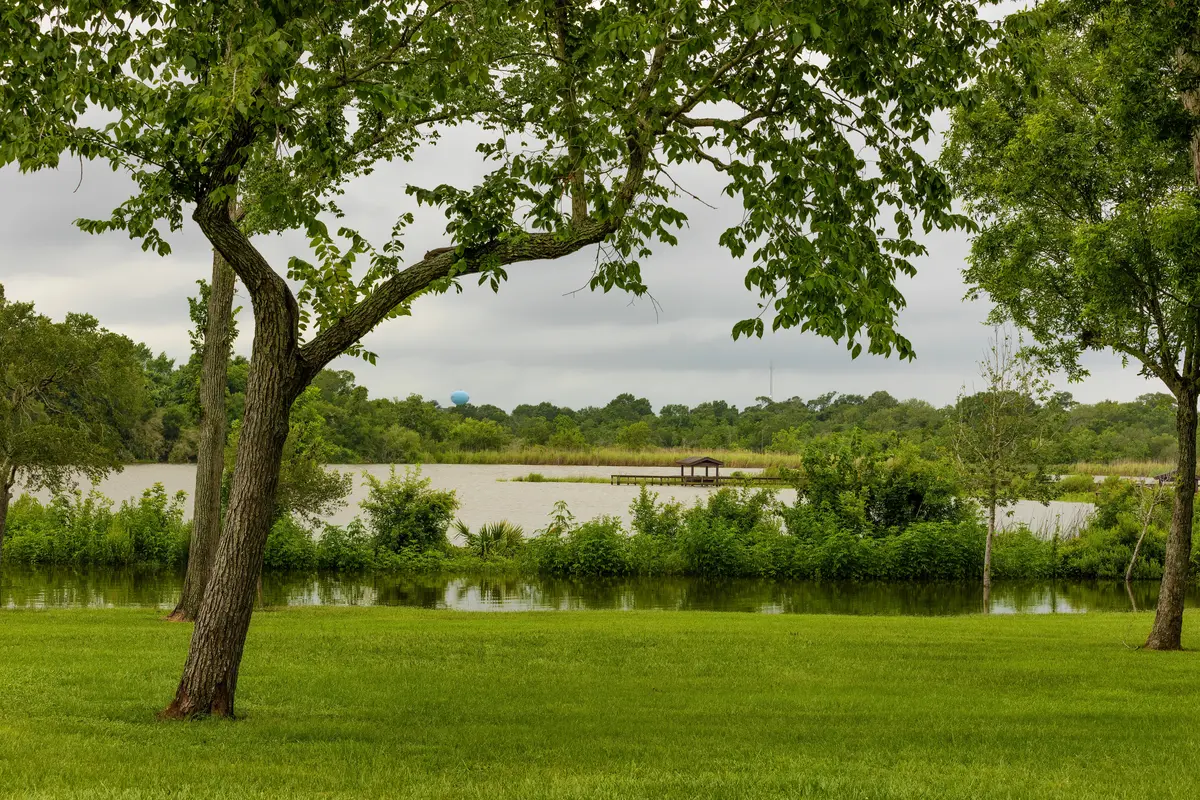
Sugar Land, the 41st-largest incorporated city in Texas, carries a $449,277 typical home price that reflects its standing as one of the more polished suburban destinations in Fort Bend County. Its population base supports solid broadband infrastructure and a genuine range of dining, parks, and retail that most remote workers find meaningful for daily quality of life. The property tax rate here runs on the higher side, which is worth pricing carefully on top of already-elevated home costs.
This city tends to suit remote workers who value a full-service suburban environment and proximity to Hobby Airport for business travel. The combination of amenity variety and airport access makes it competitive for buyers who travel occasionally and want a real lifestyle outside working hours. Buyers coming from Stafford or Missouri City will find Sugar Land's service density noticeably higher.
Property Tax
5.9/10
out of 10
Airport Access
8.4/10
out of 10
Affordability
6.3/10
out of 10
Quality of Life
6/10
out of 10
Median Price
$301,545
2026 market price
Stafford, the 169th-largest incorporated city in Texas, stands out in this region for one structural reason: there is no city property tax. That said, the overall effective rate — set by the county, school district, and other overlapping districts — still lands at a moderate level, so the savings are real but not dramatic. At a $301,545 typical home price, Stafford offers a more accessible entry point than most of its Fort Bend neighbors, and Hobby Airport is notably close — one of the shorter suburb-to-airport drives in the Houston area.
Stafford is a practical choice for remote workers whose work-from-home setup is already sorted and who need a shorter airport run than Sugar Land or Missouri City provides. The trade-off is that at this population size, broadband provider options are more limited, and the local amenity mix is decent rather than exceptional. Buyers who want a lower home price without moving far from Houston's core will find Stafford worth a close look.
Property Tax
2.3/10
out of 10
Airport Access
8.1/10
out of 10
Affordability
5.4/10
out of 10
Quality of Life
5/10
out of 10
Median Price
$336,838
2026 market price
Missouri City, the 56th-largest incorporated city in Texas, balances mid-range home prices with a population size that supports reasonably strong broadband infrastructure. Its $336,838 typical home price is above the comfortable midpoint for Texas but below the premium suburbs, and the city covers the everyday bases that remote workers rely on. The property tax rate here is one of the heavier ones in this group — Fort Bend County's overlapping districts add up — and that carrying cost deserves serious attention before budgeting.
Remote workers who want proximity to Hobby Airport without paying Sugar Land prices will find Missouri City a reasonable compromise. The local amenity mix covers the basics — parks, restaurants, some outdoor space — without matching the variety that larger neighbors offer. Buyers moving from Rosenberg or Richmond will notice a step up in infrastructure and daily-life options here.
Property Tax
2.3/10
out of 10
Airport Access
6.7/10
out of 10
Affordability
5.9/10
out of 10
Quality of Life
5/10
out of 10
Median Price
$316,001
2026 market price
Rosenberg, the 89th-largest incorporated city in Texas, has a working-town character that sets it apart from the master-planned communities closer to Houston. A $316,001 typical home price reflects that — demand here follows local wages and local needs more than commuter-suburb dynamics. Broadband options are adequate for a city of this size, though remote workers should confirm what's available at a specific address rather than assuming metro-level provider choice.
The property tax burden in Rosenberg runs heavy by Texas standards, which narrows the affordability advantage that the home price alone would suggest. Hobby Airport is a longer drive from here than from Stafford or Missouri City, making this city a better fit for remote workers who travel only occasionally. Buyers who want a quieter, more rooted community character — rather than a master-planned suburb — tend to find Rosenberg the more authentic version of that in this region.
Property Tax
4.7/10
out of 10
Airport Access
7/10
out of 10
Affordability
4.4/10
out of 10
Quality of Life
5/10
out of 10
Median Price
$380,221
2026 market price
Richmond, the 210th-largest incorporated city in Texas, is the county seat of Fort Bend County and carries a home price that reflects some of that historic, central positioning: a $380,221 typical home price for a small city. At that population size, broadband infrastructure is more limited than in larger neighbors, so remote workers should treat provider verification at a specific address as a non-negotiable step before committing. The property tax rate runs above average for Texas, which adds meaningful cost on top of already above-average-for-a-small-city home prices.
Richmond suits buyers who want to be in the heart of Fort Bend County — close to government services, a historic downtown feel, and a reasonable drive to Hobby Airport — without paying Sugar Land prices. The local amenity count is decent but not a standout, which means remote workers who need a rich daily-life ecosystem outside working hours may feel the limitations. Buyers comparing Richmond to Rosenberg will find similar pricing but a different character: Richmond has more of a civic-center feel, Rosenberg more of a working-town commercial strip.
Property Tax
1/10
out of 10
Airport Access
6.2/10
out of 10
Affordability
5.4/10
out of 10
Quality of Life
7.3/10
out of 10
Median Price
$337,000
2026 market price
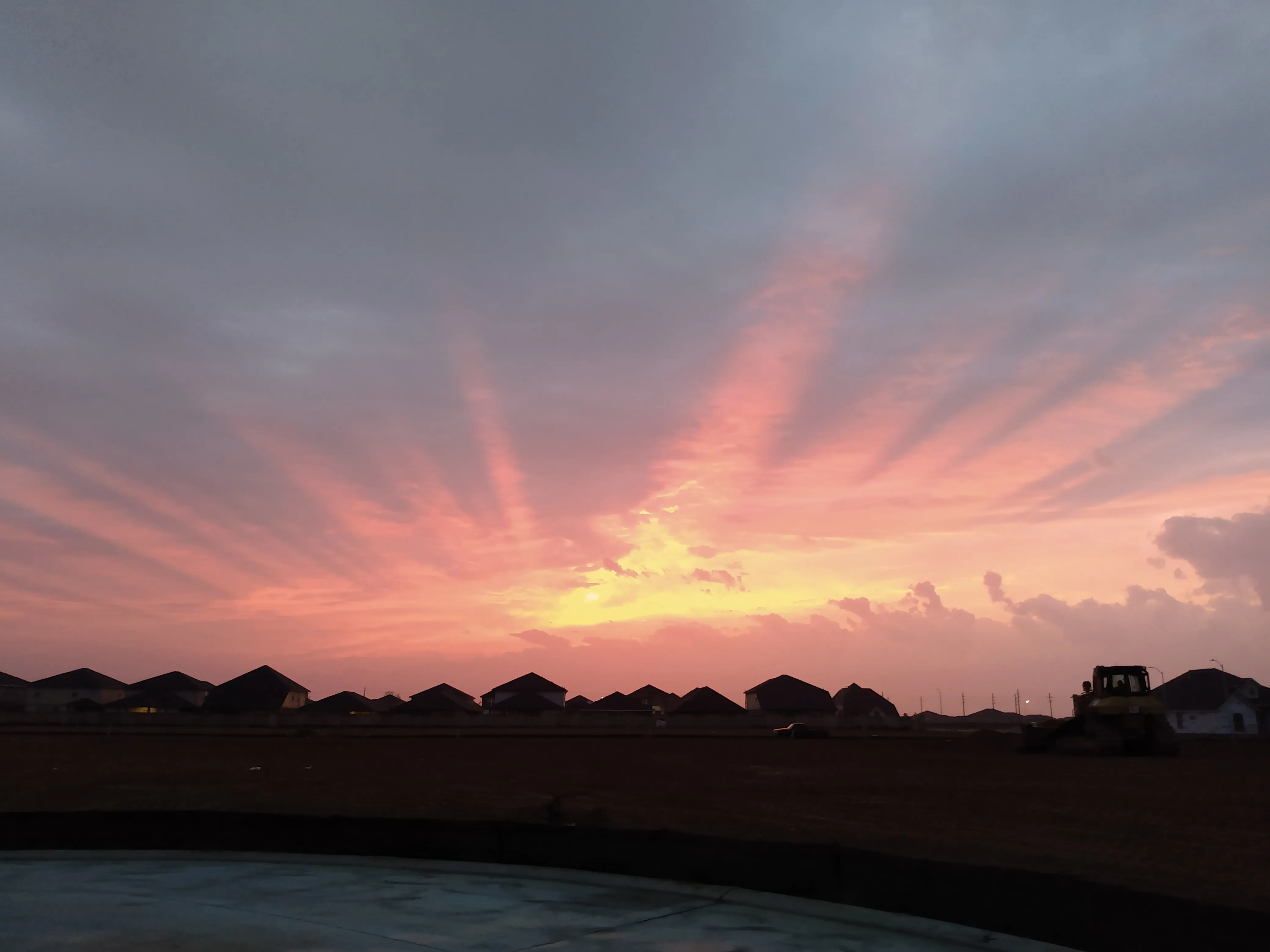
Katy, the 120th-largest incorporated city in Texas, is best known as a family-oriented suburb along I-10, and its $337,000 typical home price reflects steady demand from that base. At its population size, broadband availability is generally decent, though not at the level of a larger city, and remote workers should confirm provider options for a specific address. The property tax rate here is among the steepest in this comparison — the overlapping district structure pushes it to a level that meaningfully raises the true monthly cost of ownership beyond what the purchase price implies.
Remote workers who are less sensitive to airport access — Hobby is a longer drive from Katy than from closer-in suburbs — and more focused on suburban lifestyle quality will find a solid offering here. The mix of parks, retail, and restaurants is stronger than the smaller towns on this list. Buyers comparing Katy to Cypress will find a similar suburban character but a heavier tax burden in Katy.
Property Tax
4.1/10
out of 10
Airport Access
9.2/10
out of 10
Affordability
1/10
out of 10
Quality of Life
6/10
out of 10
Median Price
$1,183,035
2026 market price
Bellaire, the 174th-largest incorporated city in Texas, punches well above its size in one specific category: airport access. Hobby Airport is closer from Bellaire than from nearly any other city in this comparison, making it a genuine advantage for remote workers who fly frequently for client work. At a $1,183,035 typical home price, the entry cost is dramatically steep, and the property tax rate adds meaningfully to an already substantial carrying cost.
Bellaire is a realistic option only for remote workers with a substantial housing budget who place high value on inner-loop location and minimal airport friction. The local amenity mix — parks, restaurants, outdoor spots — is solid for a small city but does not match what the price point might lead buyers to expect. Buyers weighing Bellaire against West University Place will find similar inner-loop positioning but a very different price level and community character.
Property Tax
6.2/10
out of 10
Airport Access
9.7/10
out of 10
Affordability
1/10
out of 10
Quality of Life
3.5/10
out of 10
Median Price
$1,853,360
2026 market price
West University Place, the 196th-largest incorporated city in Texas, carries a $1,853,360 typical home price driven by inner-loop demand, top-tier school district reputation, and extremely limited land supply. Hobby Airport is a short drive from here — genuinely convenient for frequent flyers — and the property tax rate lands near the middle of the Texas range, which provides some relative relief given the home values involved. At this population size, broadband infrastructure is adequate but not at the level of larger suburbs.
West University Place suits a narrow profile of remote worker: someone with a very high housing budget who prioritizes inner-loop walkability, prestige, and airport proximity over local amenity variety. The local dining and park options are limited for a city at this price point. Buyers comparing this to Bellaire will find similar airport convenience but a step up in price and a smaller, quieter community feel.
Property Tax
4.6/10
out of 10
Airport Access
5.8/10
out of 10
Affordability
2.6/10
out of 10
Quality of Life
4/10
out of 10
Median Price
$504,786
2026 market price
Fulshear, the 63rd-largest incorporated city in Texas, is one of the fastest-growing communities in the Houston area, and its $504,786 typical home price reflects that momentum. Its population now supports reasonably strong broadband infrastructure, and it is the only city in this comparison with named 55+ communities — Bonterra at Cross Creek Ranch and Del Webb Fulshear — for remote workers approaching that life stage. The tax picture here is complicated by MUD and PID special districts that push the effective rate noticeably above what Fort Bend County alone would suggest.
Fulshear is most appealing to remote workers who want a new-construction suburban environment with good connectivity and don't mind a longer drive to Hobby Airport. The dining and outdoor amenity base is growing but still limited compared to more established suburbs. Buyers comparing Fulshear to Sienna will find similar price levels but a larger city with more infrastructure and provider choice.
Property Tax
4/10
out of 10
Airport Access
5.7/10
out of 10
Affordability
6.8/10
out of 10
Quality of Life
2.5/10
out of 10
Median Price
$284,351
2026 market price
Waller, the 373rd-largest incorporated city in Texas, is at the rural end of this region — a genuinely small town where the home price of $284,351 reflects real distance from the Houston core rather than a neighborhood trade-off. At that population size, broadband provider options are limited, and remote workers who rely on a fast, redundant connection should confirm what is actually available at a specific address before buying. The airport situation means a longer drive to George Bush Intercontinental, which is the more natural option from this part of the region.
Waller is a realistic fit for remote workers whose internet needs are modest, who work mostly asynchronously, and who genuinely want a small-town Texas pace over a suburban one. The local amenity count is limited — most errands and dining involve a drive — and the property tax rate runs on the higher side despite the rural setting. Buyers comparing Waller to Cypress will find a dramatically different density, infrastructure, and daily-life ecosystem.
Property Tax
2.3/10
out of 10
Airport Access
7.9/10
out of 10
Affordability
2.3/10
out of 10
Quality of Life
2.5/10
out of 10
Median Price
$529,712
2026 market price
Sienna is a master-planned community in Fort Bend County built around on-site amenities — pools, trails, and neighborhood parks — rather than an independent commercial core. At a $529,712 typical home price, it competes with Fulshear and Cinco Ranch in the premium tier, and like both of those communities, it carries overlapping MUD and LID district tax burdens that push the effective rate to among the highest in the state. Hobby Airport is a reasonable drive from here, which is a genuine advantage for remote workers who travel frequently. The 55+ community Regency at Sienna is the only named 55+ option within the community.
Sienna suits remote workers who prioritize a polished, amenity-rich neighborhood environment and occasional easy airport access, and who can absorb a heavy property tax line in their monthly budget. The independent dining and outdoor options outside the community itself are limited, so buyers who want a vibrant off-campus daily life should factor that in. Buyers comparing Sienna to Fulshear will find similar pricing but a more inward-facing community design in Sienna.
Property Tax
1/10
out of 10
Airport Access
6.1/10
out of 10
Affordability
2.1/10
out of 10
Quality of Life
3.5/10
out of 10
Median Price
$540,842
2026 market price
Cinco Ranch is a master-planned community where the lifestyle is defined almost entirely by the neighborhood itself — its lakes, trails, and recreational amenities — rather than a walkable commercial district nearby. The $540,842 typical home price sits at the premium end of this comparison, and the property tax burden compounds that: Fort Bend County's overlapping district structure produces a rate that is among the highest anywhere in Texas, which adds a substantial ongoing cost to an already premium purchase. Broadband infrastructure at this population size is decent but not at the level of larger suburban cities.
Cinco Ranch tends to suit remote workers who want a highly polished, family-oriented neighborhood environment and who have already accounted for the tax burden in their budget planning. The local standalone amenity base outside the community is limited, and Hobby Airport is a longer drive than from closer-in suburbs. Buyers comparing Cinco Ranch to Sienna will find a similar community-first design philosophy but different highway access and a slightly larger population base.
Property tax in this region is the cost most remote workers underestimate — it varies by the overlapping districts a specific parcel falls inside, not just the city, so confirm the exact rate for any address before you make an offer. Broadband infrastructure follows population size here, which means the smaller, more affordable towns are also the ones where you should verify provider options at a specific address before committing.
Want to see what's for sale in these neighborhoods?
Sign up for listing alerts — get notified when homes hit the market.
Get Listing Alerts →
Frequently Asked Questions
Which cities in this region give remote workers the most reliable broadband infrastructure?
Broadband infrastructure in this region follows population size closely. Cypress, with its large suburban population, supports the widest range of provider options. Sugar Land also supports strong infrastructure given its population. At the smaller end — Waller, Richmond, and Bellaire — options are more limited and vary by address. No matter which city you're considering, confirm which providers actually serve a specific address before you buy, because availability within a city can vary significantly by street.
Which cities have the heaviest property tax burden for remote workers to budget for?
Texas has no state income tax, so property tax is the primary recurring cost of homeownership, and it varies by the overlapping districts — county, school district, MUD, PID — that a specific parcel falls inside. Katy, Sienna, Cinco Ranch, and Missouri City carry some of the heavier effective rates in this group. Cypress also runs above average due to MUD district overlays. West University Place and Stafford sit closer to the middle of the range. Always confirm the exact rate for a specific address with the county appraisal district before making an offer.
Which city is the best fit for a remote worker who flies frequently for work?
West University Place and Bellaire have the shortest drives to Hobby Airport of any city in this comparison, making them the most practical choices for frequent flyers — though both carry steep home prices. Sienna and Missouri City offer a reasonable drive to Hobby at more moderate price points. Cypress is better positioned for George Bush Intercontinental. Waller and Fulshear have longer airport runs, which matters if you're catching early flights regularly.
Are there any 55+ communities in this region for remote workers approaching retirement?
Fulshear has two named 55+ communities: Bonterra at Cross Creek Ranch and Del Webb Fulshear. Sienna has one: Regency at Sienna. No 55+ communities were found in Cypress, Sugar Land, Stafford, Missouri City, Rosenberg, Richmond, Katy, Bellaire, West University Place, Waller, or Cinco Ranch. If a 55+ community is important to your search, Fulshear currently offers the most options in this region.
Which city offers the best balance of home price and daily-life quality for a remote worker?
That balance depends heavily on what daily life means to you. Sugar Land offers a wide amenity base — dining, parks, outdoor spots — at a price point below the inner-loop cities, though the tax burden is real. Stafford gives a lower home price and a short airport run but fewer local amenities. Cypress offers the deepest suburban lifestyle infrastructure in the group. Buyers who want a quieter, more rural character at a lower price point tend to land on Rosenberg or Waller, with the trade-off being fewer local options and, in Waller's case, more limited broadband infrastructure.
Moving to Texas?
Tell us what you need help with and we'll connect you with local resources.

Todd Davidson
About the Author
Todd Davidson is the founder of The Move Genie, a premier digital resource offering in-depth city guides, neighborhood profiles, and localized market insights for communities nationwide. Drawing on an extensive background in home financing and real estate, he established the platform to streamline the relocation process, helping families make confident, data-driven decisions when comparing new areas.