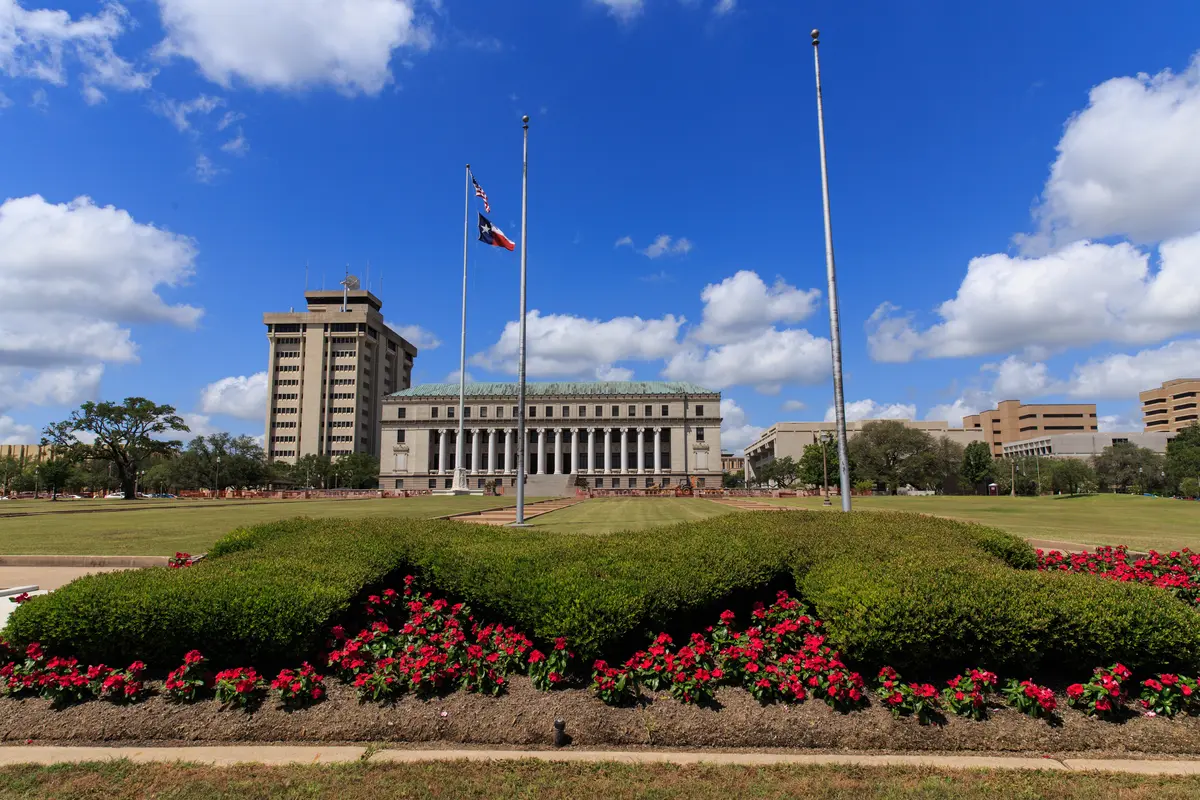
Is the Brazos Valley a Good Place to Live?
You're probably not choosing between the Brazos Valley and Houston or Austin in the abstract — you're choosing because something specific pulled you here. A job offer tied to Texas A&M. A lower price point than the Austin Metro or Greater Houston. A preference for a place that feels like a real community rather than an outer ring of a sprawling metro. The honest answer is that the Brazos Valley delivers on all three, with a catch worth naming before you start touring houses: this region is genuinely college-town-centric, and if you're not connected to Texas A&M in some way — as a student, employee, vendor, or fan — you'll want to understand how much that shapes the rhythm of daily life, the housing market, and even the traffic.
Texas A&M University is the axis everything else rotates around. Kyle Field draws crowds that transform College Station on fall Saturdays into something that surprises even longtime residents. The George H.W. Bush Presidential Library and Museum anchors the campus as a civic institution, not just an academic one. Bryan sits immediately adjacent, with its own school district, its own employers in food manufacturing and healthcare, and a downtown that has developed genuine identity independent of the university. Brenham and Navasota sit further out — Brenham in Washington County along US-290, Navasota in Grimes County along SH-6 — and each functions more as a self-contained small town than as a suburb of anything.
Within Texas, the Brazos Valley sits near the middle of the state's price spectrum — more affordable than Greater Houston and well below the Austin Metro, though not at the floor the way the Rio Grande Valley or the Panhandle are. That positioning has made the region attractive to buyers priced out of larger metros who still want access to a strong employer base, university-level healthcare, and a community with real amenities. What you give up is a certain kind of urban density — there is no major league sports, no international airport a short drive away, and no Sixth Street or Montrose equivalent. What you get instead is a place where a reasonable budget still buys a real house, and where the pace of a weekday morning is genuinely different from what most Texas metros offer.
The cities below are genuinely different from one another, not interchangeable dots on a map. Whether you're drawn to the energy of a university city, the character of a recovering historic downtown, the quiet of a small-town main street, or a rural edge where industrial employers anchor the economy, there's a version of the Brazos Valley that fits. The grid below breaks down each city — what kind of place it is, who tends to put down roots there, and what the day-to-day actually looks like.
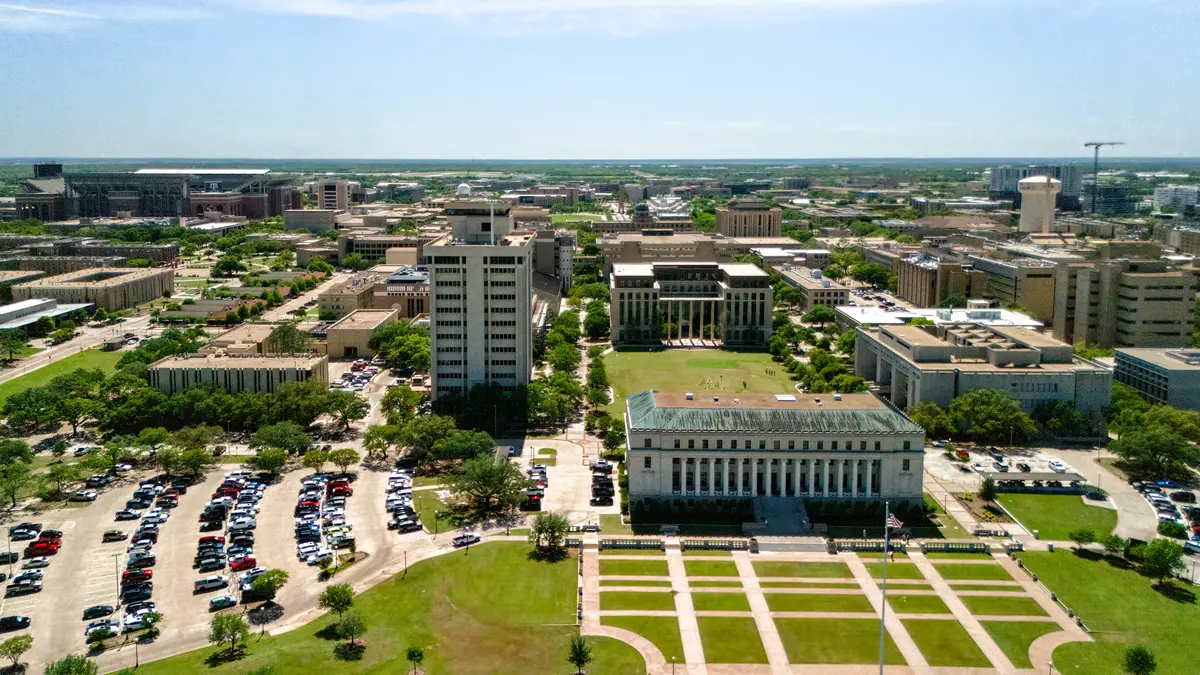
Explore All 4 Cities in the Brazos Valley
Click into any city for the complete guide — neighborhoods, home prices, cost of living, pros & cons, schools, top employers, and mortgage help.
College Station
College Station is the largest city in the region and the one most shaped by a single institution — Texas A&M defines the skyline, the economy, the event calendar, and frankly the traffic on fall Saturdays near Kyle Field. The Wolf Pen Creek Amphitheater and The Gardens at Texas A&M give the city genuine civic anchors beyond campus, and neighborhoods like Pebble Creek and Castlegate offer established residential character that holds up even during the years when enrollment swells. Prices here sit near the middle of the region, and the presence of two major healthcare systems alongside the university means the job base is broader than a typical college town.
Full College Station Guide →- Is College Station Safe? A Data-Backed Look
- Cost of Living in College Station
- Best Neighborhoods in College Station
- Schools in College Station: A Family Guide
- Parks & Recreation in College Station
- Retiring in College Station
- First-Time Homebuyer's Guide to College Station
- Moving to College Station from California

Bryan
Bryan is the older of the two cities that share a metro area with College Station, and it has spent the last decade building something the university side of the line doesn't really have: a walkable historic downtown with independent identity. The Eastside Historic District and Downtown Bryan's Carnegie History Center give the city a sense of place that predates the university era, while Traditions and Miramont offer newer residential options for buyers who want proximity to College Station without paying a premium to be right on its edge. Prices sit near the middle of the region, and employers like Wayne-Sanderson Farms and Bryan ISD mean the local economy isn't entirely dependent on what happens across town at A&M.
Full Bryan Guide →
Brenham
Brenham is the Brazos Valley city that surprises people who've only driven through it on US-290 — Blue Bell Creameries is headquartered here, the visitor center draws people from across the state, and the Downtown Brenham Historic District and The Antique Rose Emporium give the main street genuine texture. Blinn College District and Germania Insurance provide employment anchors beyond the school district, and neighborhoods like Vintage Farms and Heritage Oaks offer the kind of quiet residential character that's hard to find at this price point anywhere closer to Austin or Houston. It's a small city that functions on its own terms, not as a satellite of anything.
Full Brenham Guide →
Navasota
Navasota is the smallest city in this group and the one that functions most squarely as an industrial small town, with NOV Inc. and Ellwood Texas Forge providing manufacturing employment alongside the school district and a local hospital. The Historic Downtown on Washington Avenue and the La Salle Monument give the city a history that runs deeper than most towns its size, and the Blues Alley mural is the kind of detail that signals a community with something to say about itself. Prices here are near the middle of the region, and buyers who want a quiet, grounded small-town life within reach of the Bryan-College Station metro often find Navasota worth a closer look than it first appears.
Full Navasota Guide →Compare Every City in Brazos Valley
Full ranked breakdowns across every city in the region — scored and compared side by side.
Local Expert Takeaway: The Brazos Valley rewards buyers who do the work of distinguishing its cities from one another — College Station and Bryan are genuinely different places, and Brenham and Navasota are different again — so resist the urge to treat this as a uniform region and instead identify which city's particular character matches the life you're actually trying to build.
Frequently Asked Questions
Which city in the Brazos Valley is the best fit for families with kids in public schools?
Is the Brazos Valley affordable compared to the rest of Texas?
Do you have to be connected to Texas A&M to enjoy living in the Brazos Valley?
What are the trade-offs of living in the Brazos Valley compared to Houston or Austin?
Is the Brazos Valley a good fit for remote workers?
Helpful Texas Resources
Explore Other Texas Regions
the Brazos Valley is one of 17 distinct regions that make up Texas. Each has its own climate, character, and housing market — explore them all.
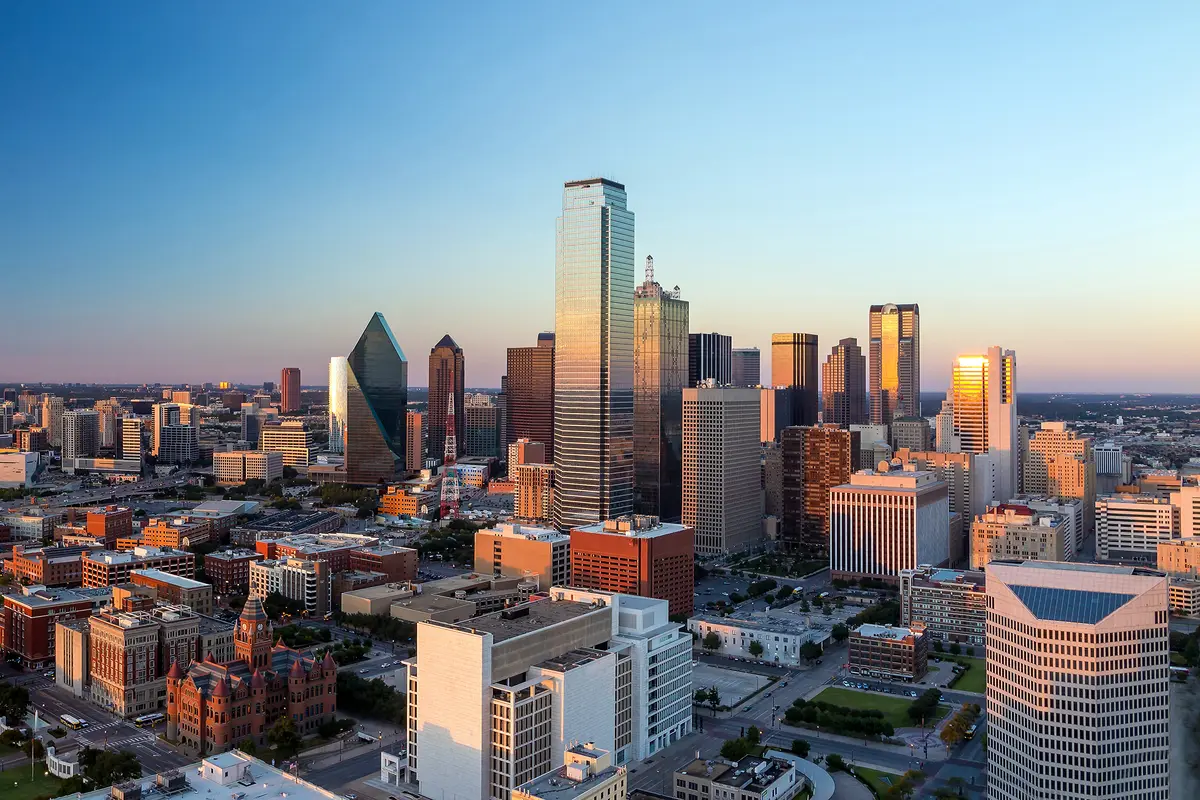
Two downtowns and the whole sweep of suburbs between and around them, from the Collin County job corridor to the ranch country west of Fort Worth. 71 cities including Dallas, Fort Worth, Arlington.
Explore all 71 Dallas-Fort Worth cities →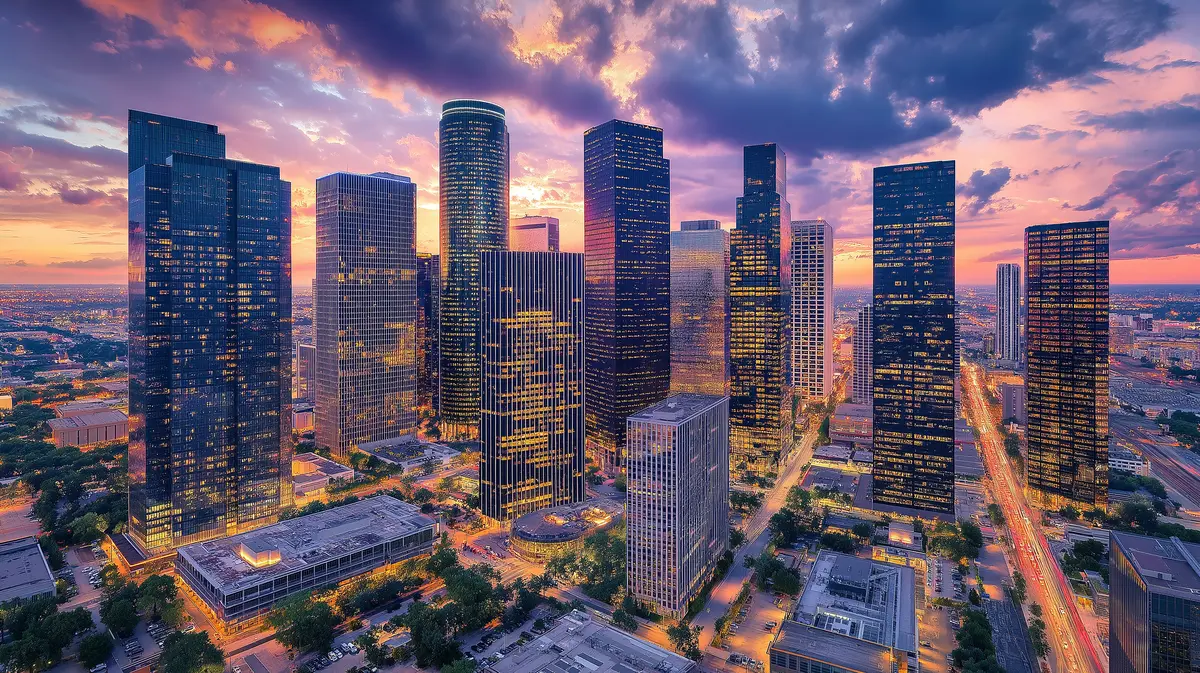
The energy capital and the ring of master-planned communities, bayou suburbs and bay towns that grew up around it. 45 cities including Houston, Cypress, Klein.
Explore all 45 Greater Houston cities →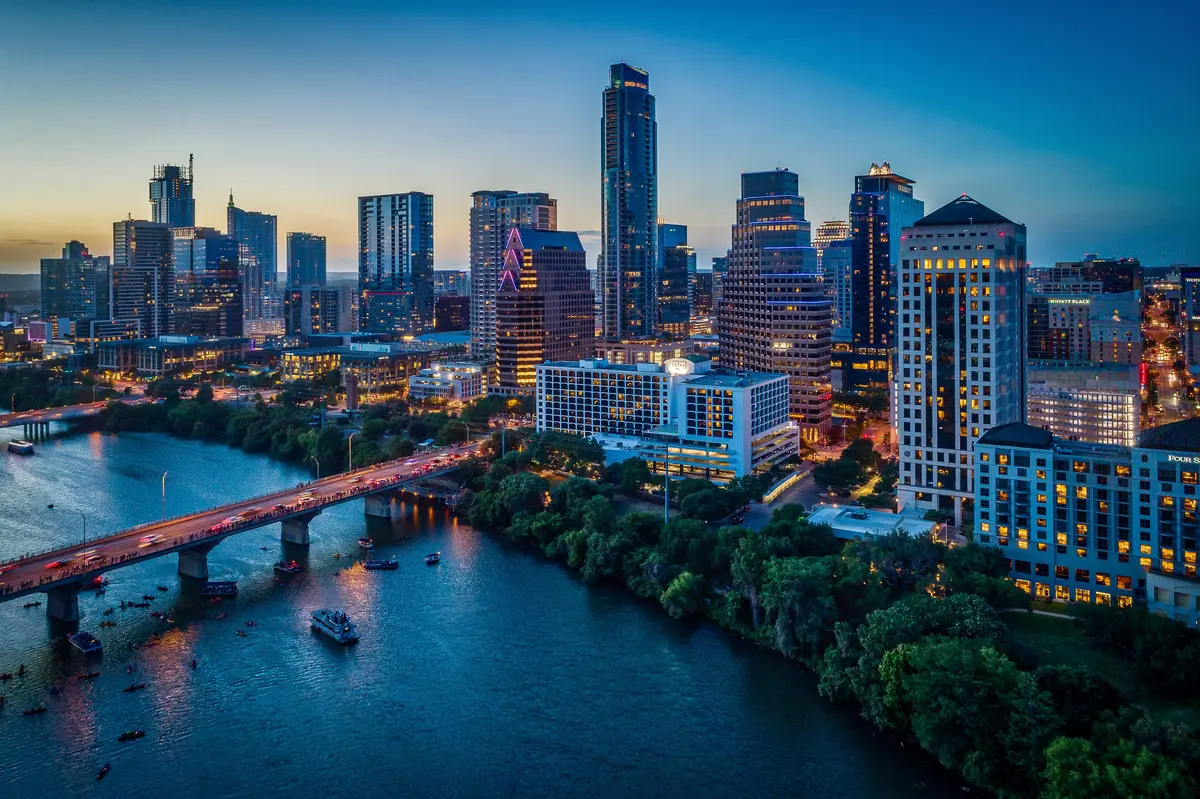
The state capital and the fast-growing corridor of suburbs running north and south of it along the interstate, out into the Colorado River hills. 21 cities including Austin, Round Rock, Georgetown.
Explore all 21 Austin Metro cities →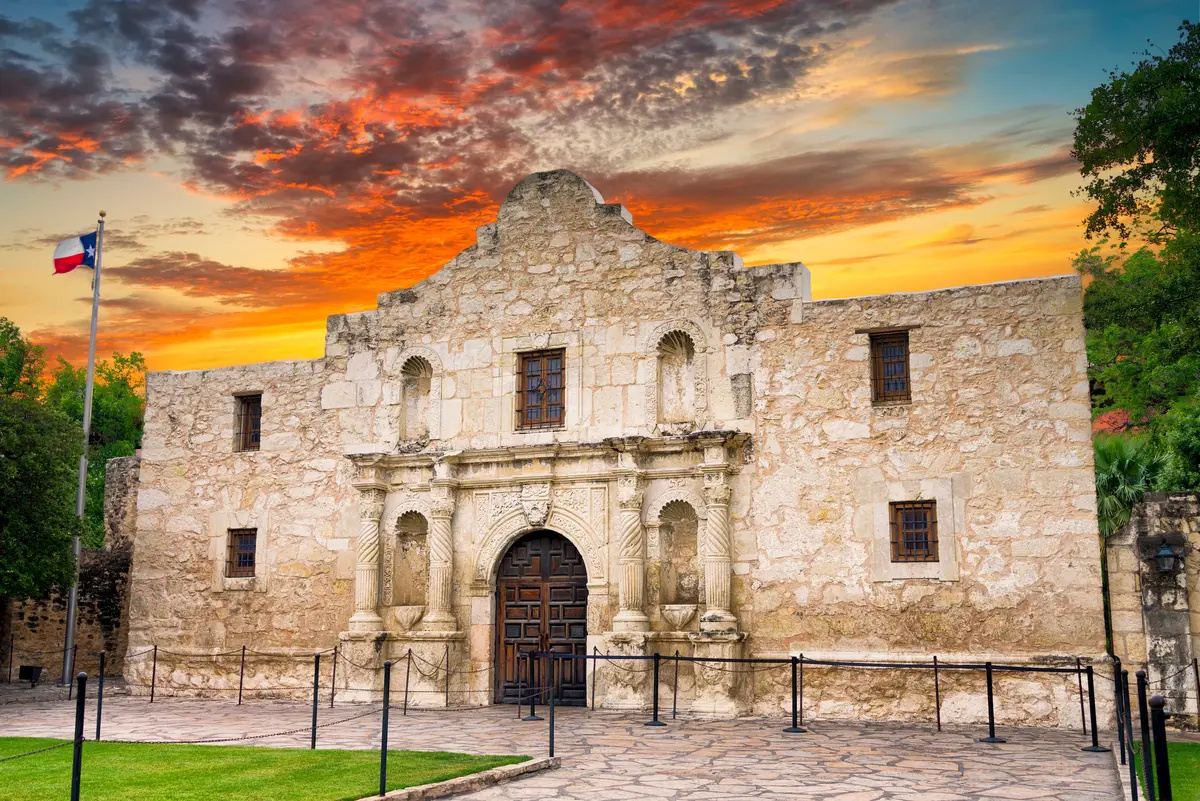
A deep-rooted Spanish colonial city ringed by military bases and the suburbs climbing north toward the Balcones Escarpment. 15 cities including San Antonio, New Braunfels, Schertz.
Explore all 15 San Antonio Metro cities →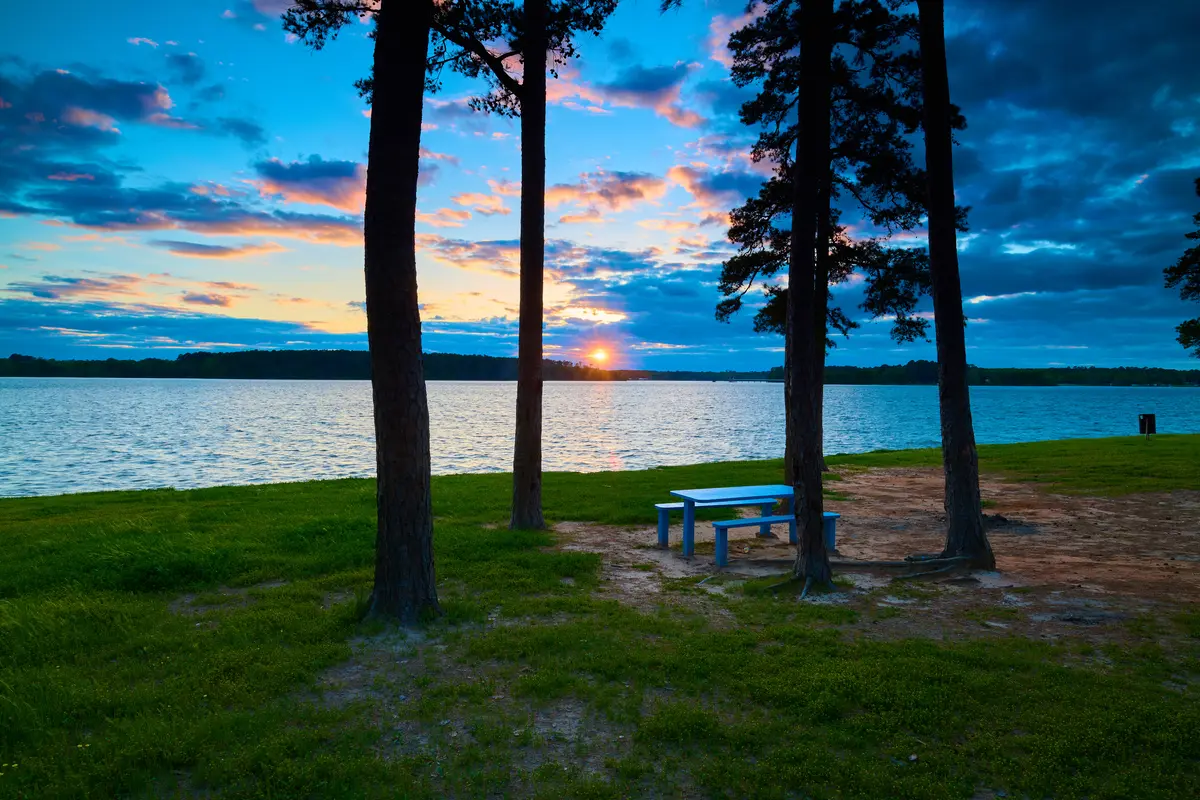
Pine forest, lakes and old county-seat towns across the wettest, greenest corner of the state. 13 cities including Tyler, Longview, Huntsville.
Explore all 13 East Texas cities →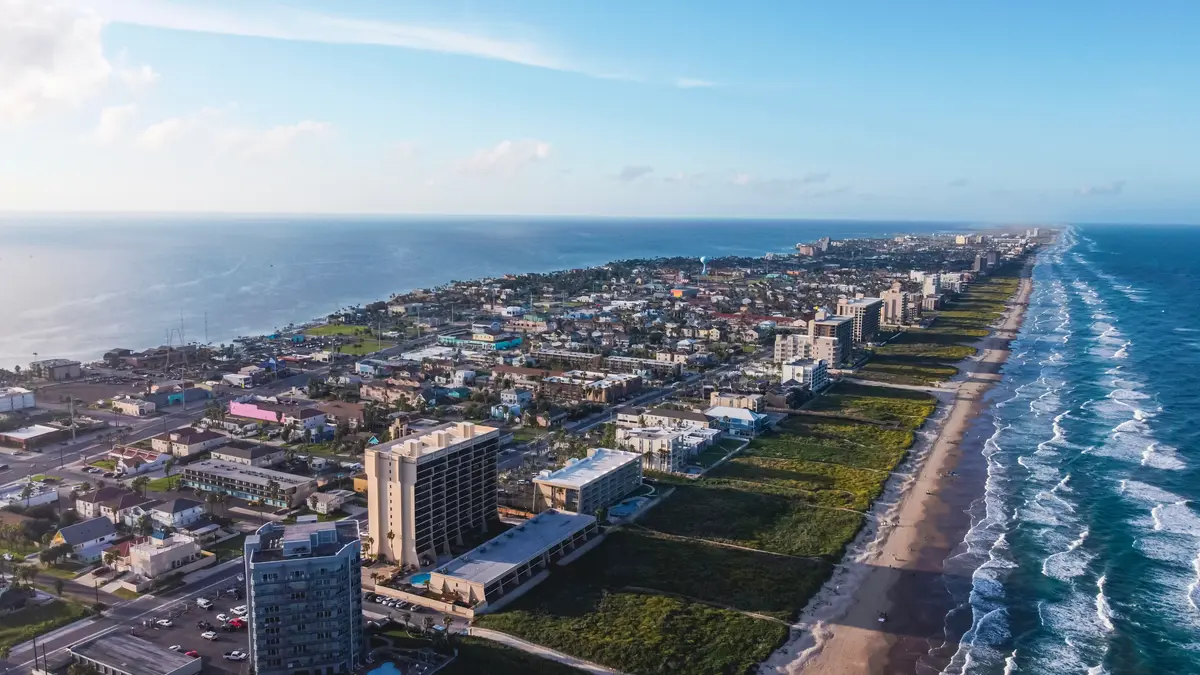
A bilingual, subtropical stretch of border cities and citrus country running from the river out to the Gulf beaches. 11 cities including Brownsville, McAllen, Edinburg.
Explore all 11 Rio Grande Valley cities →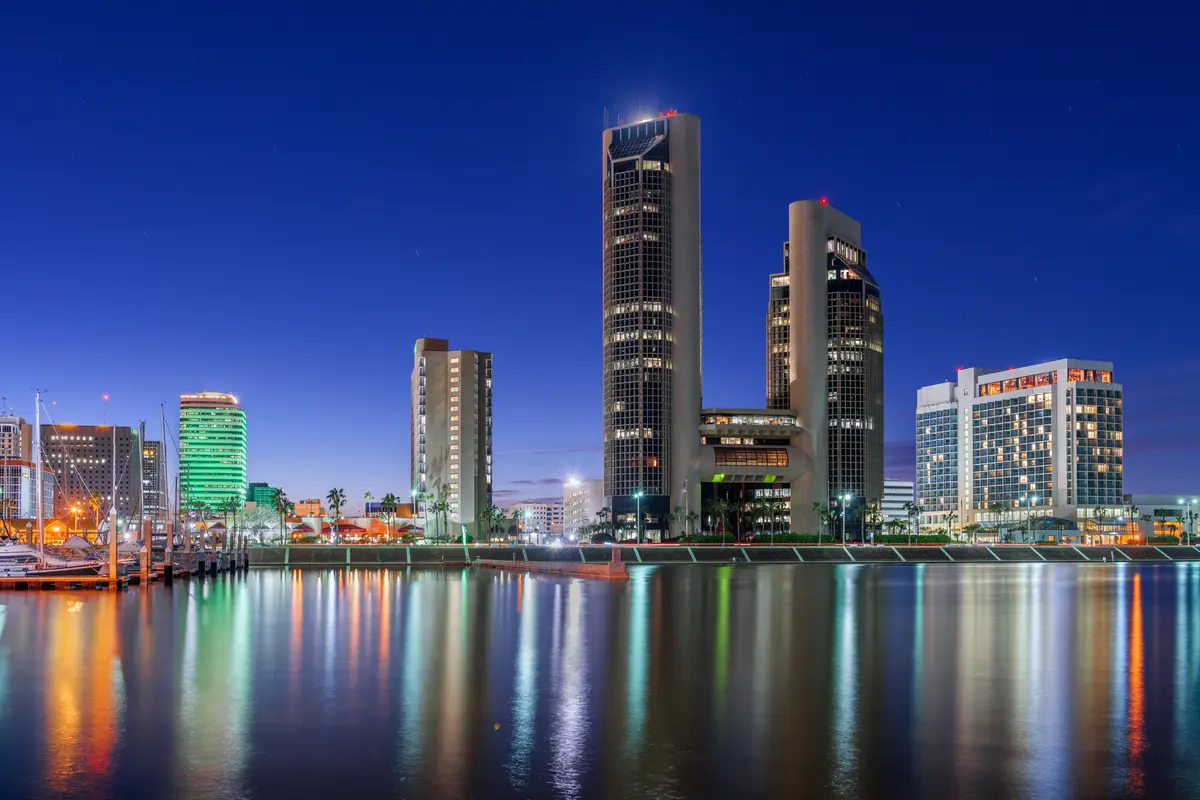
Bay-front cities, refinery towns and barrier-island beaches where the Gulf coast turns south. 7 cities including Corpus Christi, Victoria, Kingsville.
Explore all 7 Coastal Bend cities →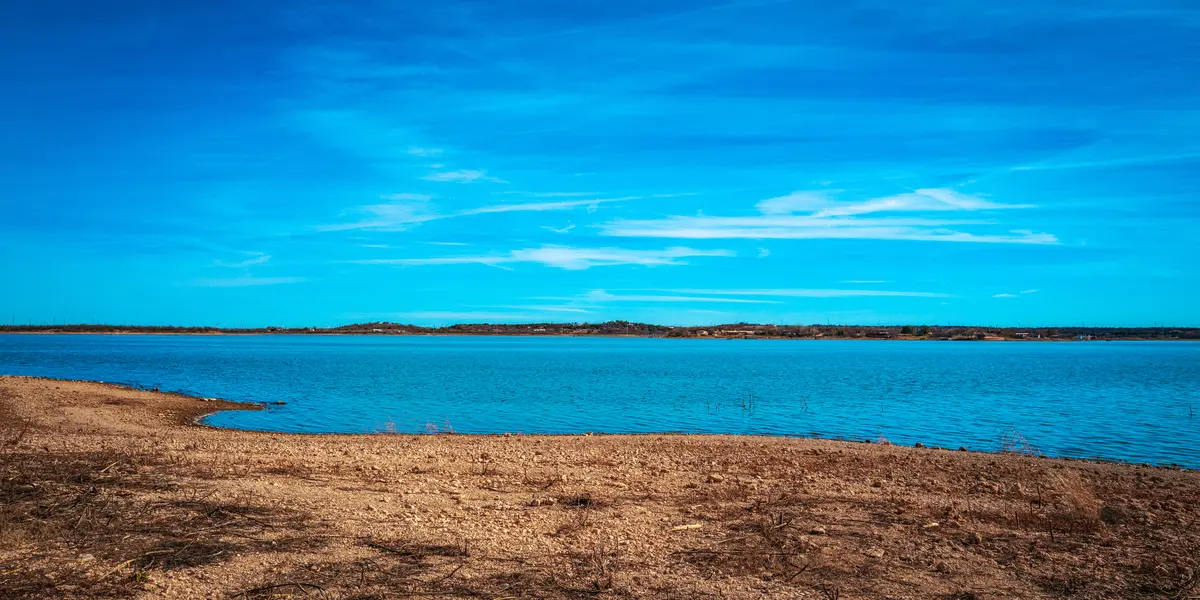
Ranching and university towns spread across the rolling plains of west central Texas. 6 cities including Abilene, San Angelo, Stephenville.
Explore all 6 Big Country cities →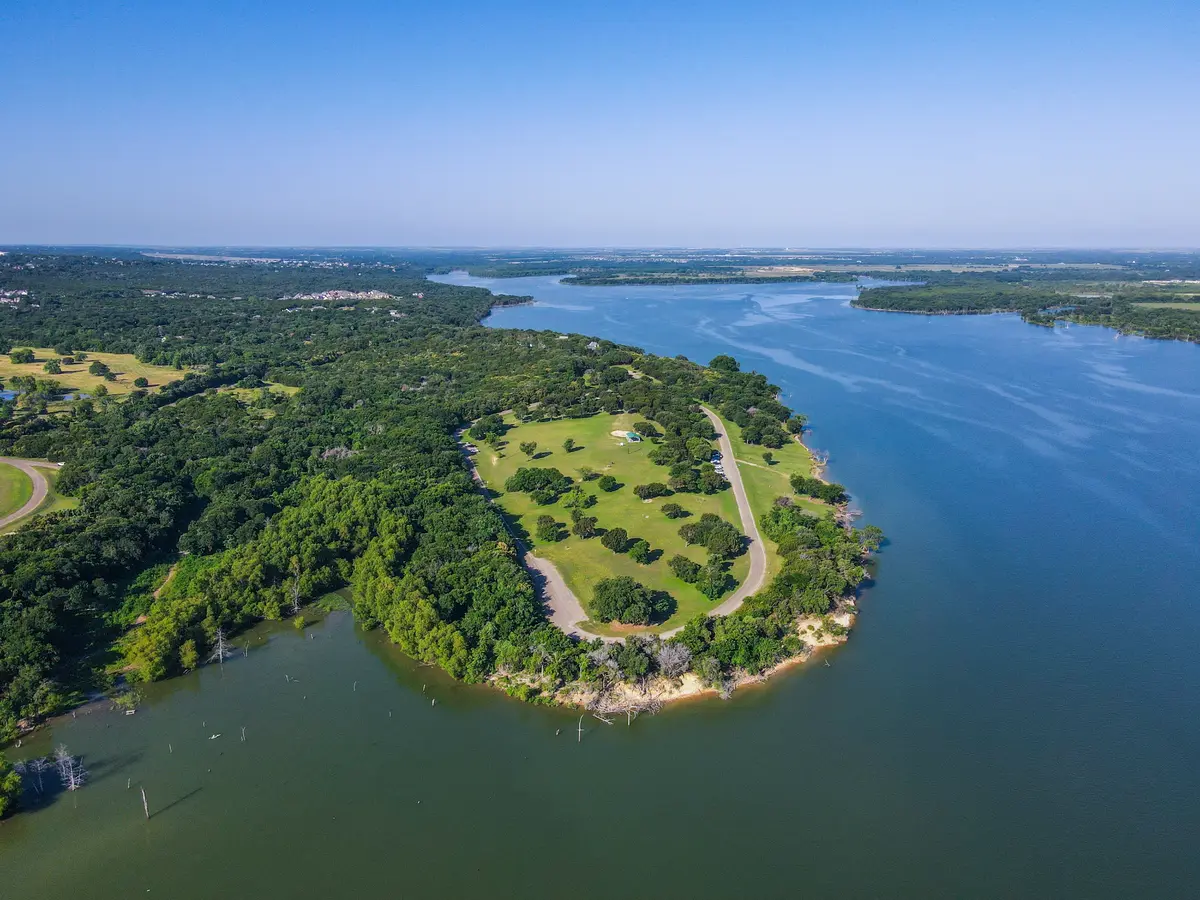
University, hospital and Army-post towns strung along the interstate between the two biggest metros. 6 cities including Killeen, Waco, Temple.
Explore all 6 Waco-Killeen-Temple cities →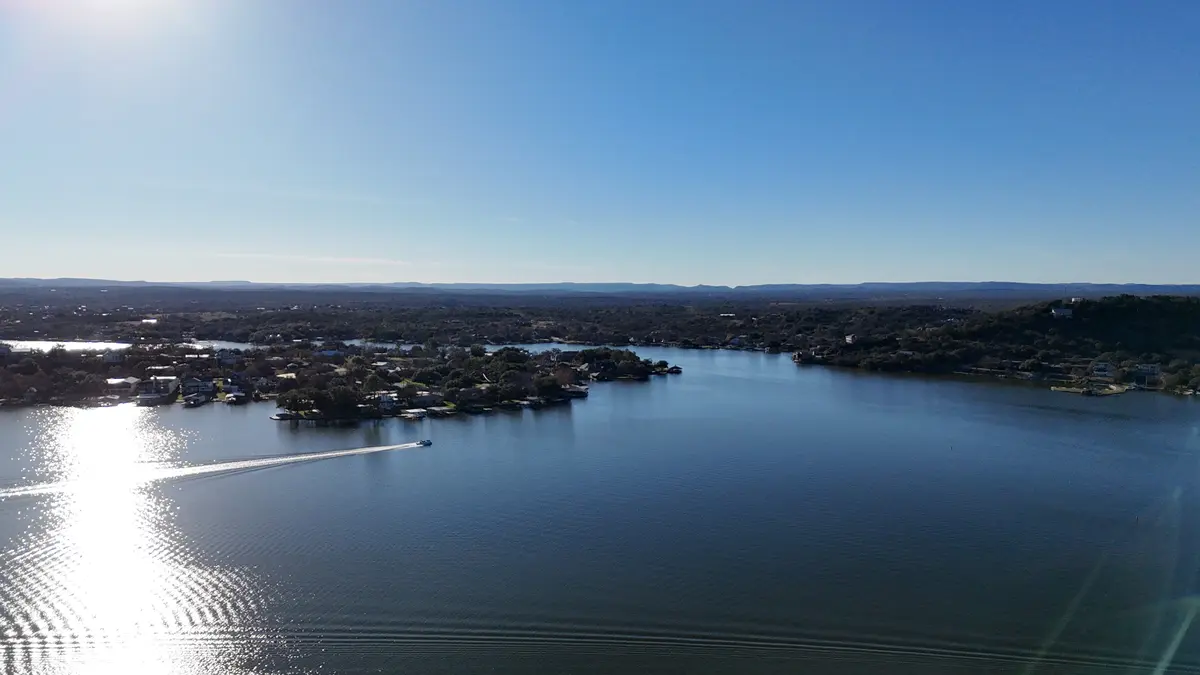
Limestone hills, spring-fed rivers, German heritage towns and the wineries that followed them. 5 cities including Kerrville, Uvalde, Fredericksburg.
Explore all 5 Hill Country cities →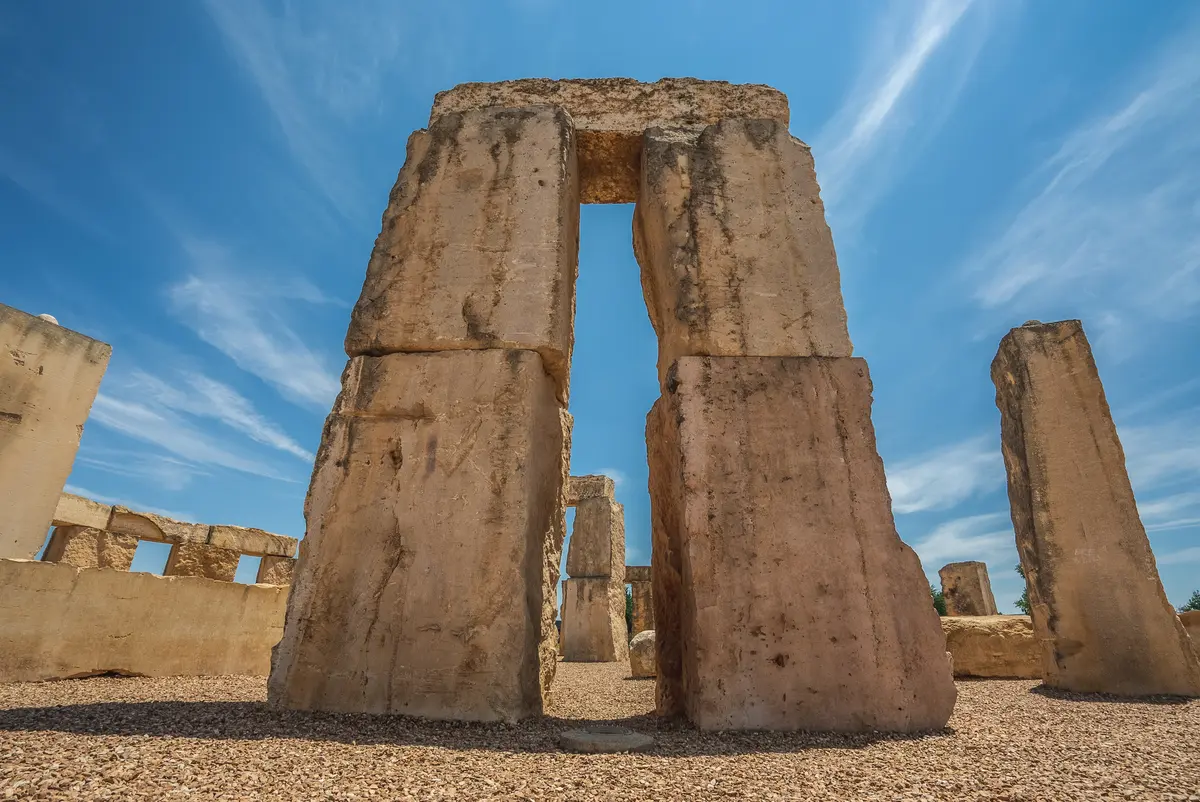
The oilfield cities of far West Texas, where the pay is high and the horizon is wide open. 4 cities including Midland, Odessa, Big Spring.
Explore all 4 Permian Basin cities →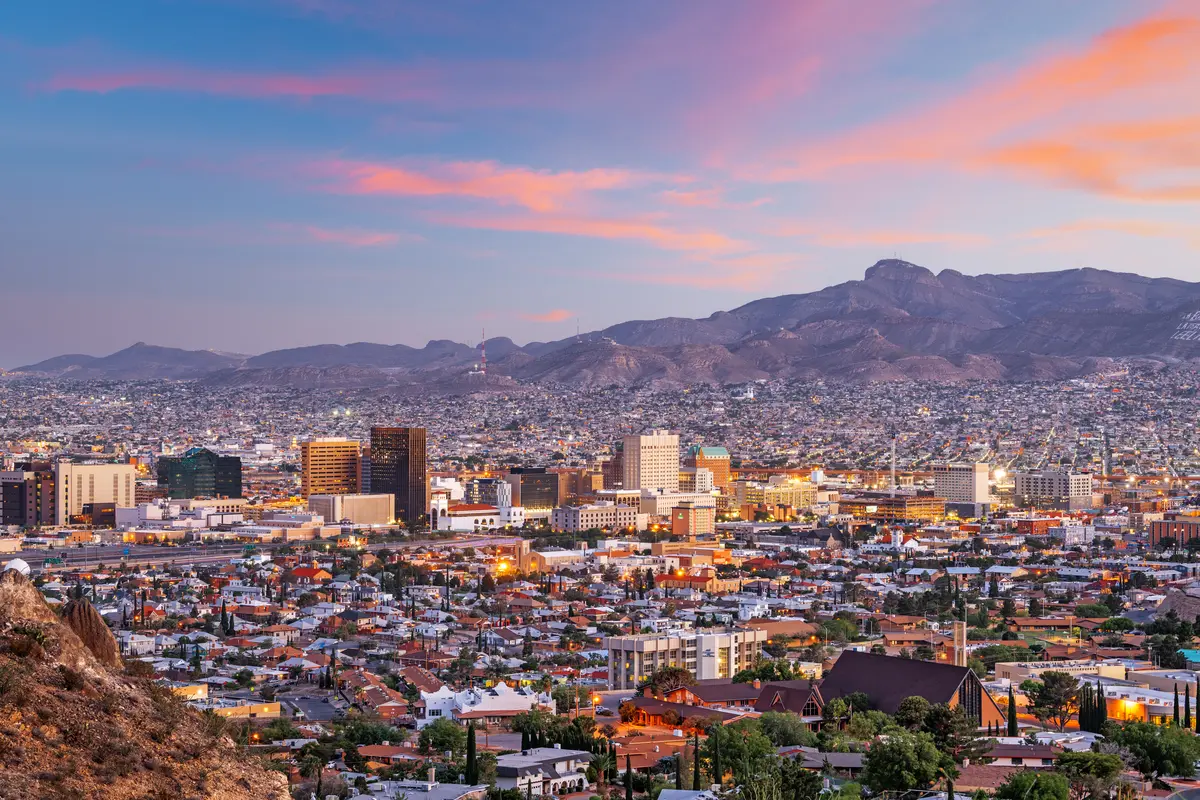
A high-desert border city in the far western corner of the state, closer to three other capitals than to its own. 4 cities including El Paso, Socorro, Horizon City.
Explore all 4 El Paso Borderplex cities →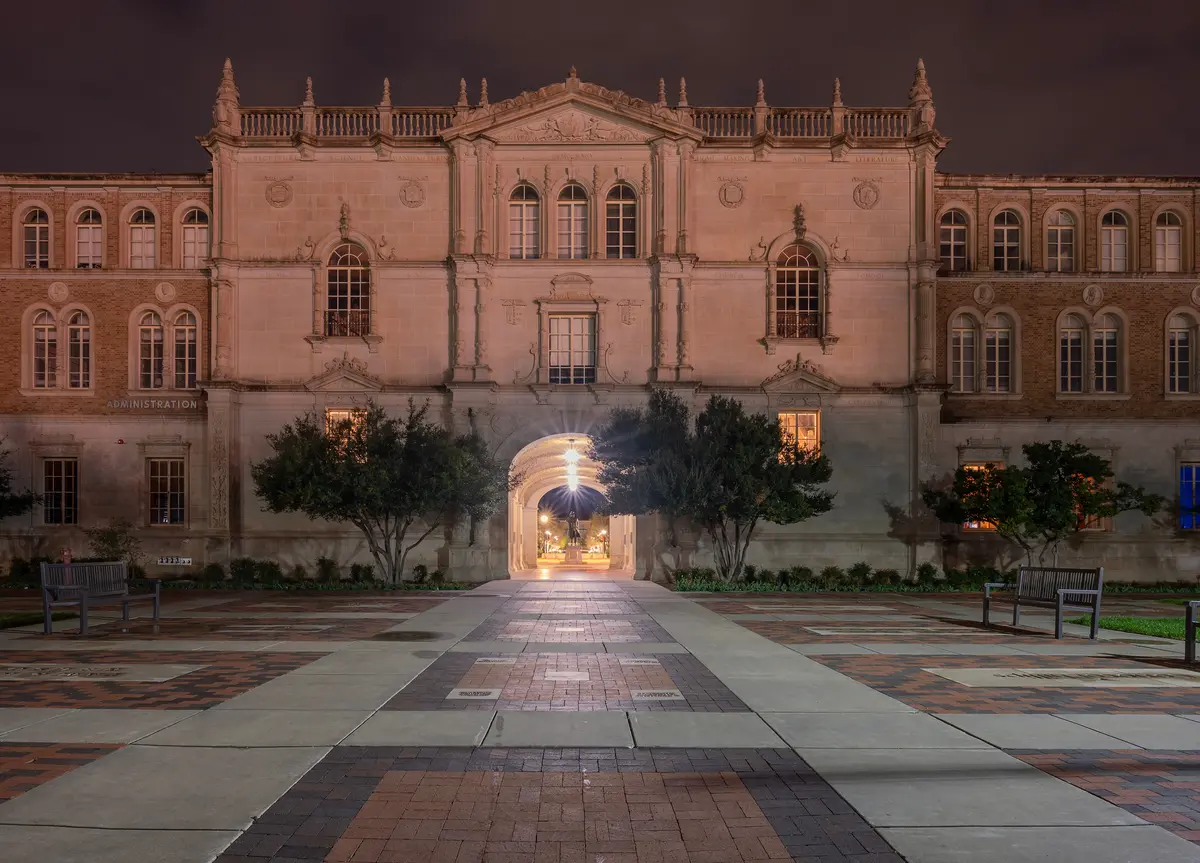
Flat, high, dry cotton and cattle country at the top of the state, anchored by two university cities. 3 cities including Lubbock, Amarillo, Plainview.
Explore all 3 Panhandle & South Plains cities →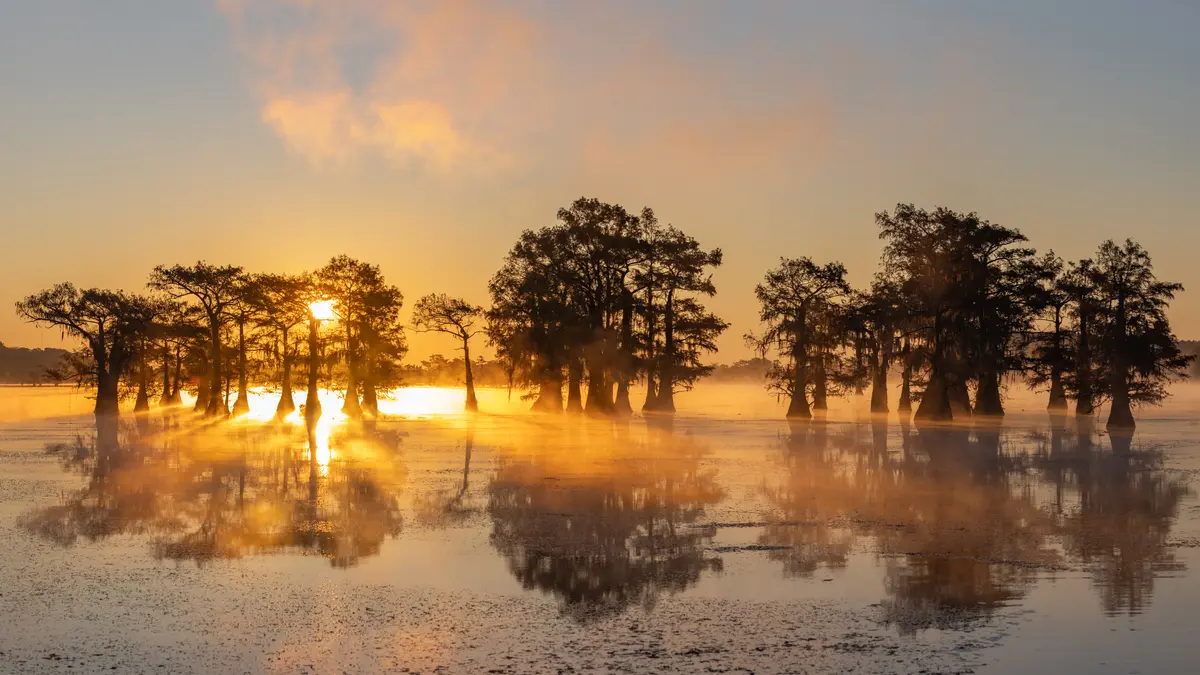
Refinery and shipping towns on the Louisiana line, where Texas starts to feel like the Deep South. 3 cities including Beaumont, Port Arthur, Port Neches.
Explore all 3 Golden Triangle cities →
Inland port cities and desert river towns along the stretch of border between the Valley and the Big Bend. 3 cities including Laredo, Del Rio, Eagle Pass.
Explore all 3 Southwest Border Country cities →
Independent small cities on the Red River plains, north and west of the Metroplex. 3 cities including Wichita Falls, Sherman, Denison.
Explore all 3 North Texas cities →Moving to Texas?
Tell us what you need help with and we'll connect you with local resources.
