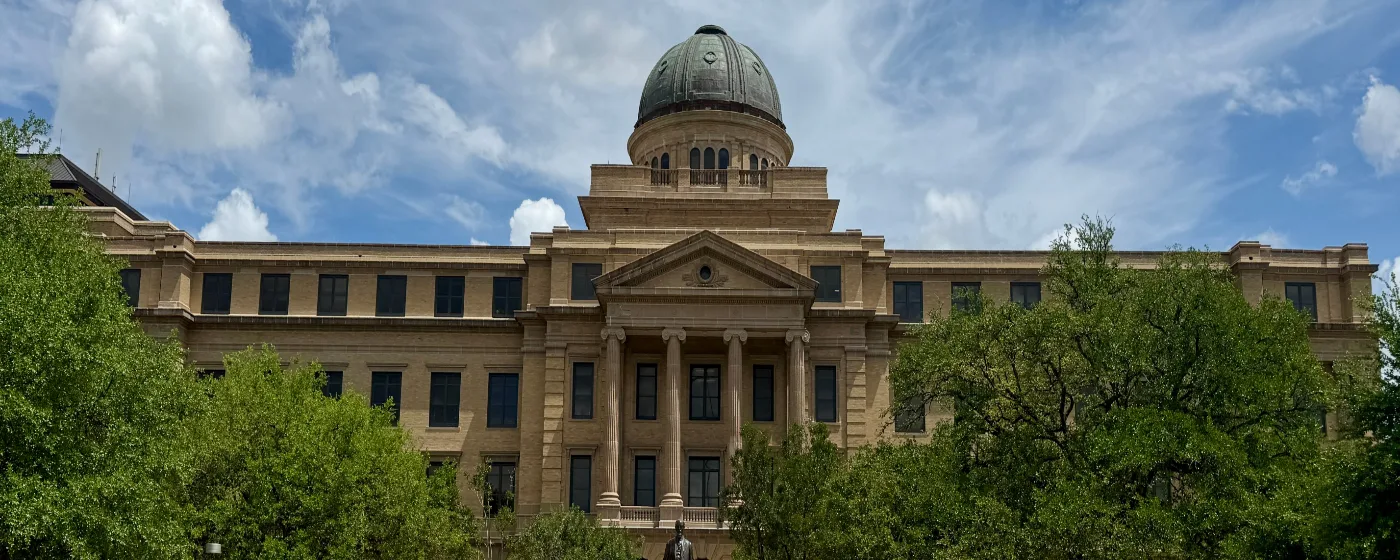
Forbes named College Station one of the best places to retire in 2025, and the reasons go beyond the obvious ones. Yes, Texas skips the state income tax entirely, and yes, the typical home price — $349,346 as of July 2026 — sits well below what retirees are leaving behind in Austin, Denver, or the coasts. But what actually draws people here and keeps them is something harder to quantify: a college town with a calendar full of events, a full-service hospital inside city limits, and a community culture rooted in the particular loyalty that Texas A&M inspires. The Brazos Valley is flat, the summers are genuinely hot, and the city of 127,472 is unmistakably shaped by the university — all things worth knowing before you commit.
The economic backbone here is Texas A&M University, one of the largest universities in the country by enrollment, and the institutions and employers that cluster around it. Baylor Scott & White Medical Center – College Station operates inside city limits, adding a healthcare anchor that smaller Texas towns simply cannot match. The city's median household income runs at $50,900, skewed down by the large student population — a figure that tells you more about the college demographic than it does about the retirees quietly buying in Pebble Creek or Castlegate II. The people who move here in retirement tend to be Aggie alumni returning to a place they already love, or practical Texans who want a city with real medical infrastructure at a price that doesn't require liquidating everything.
Daily costs on a fixed income are manageable. Texas collects no state income tax on Social Security, pensions, IRA withdrawals, or 401(k) distributions, and homeowners 65 and older can freeze their school district property taxes once they file the appropriate exemption. The effective property tax rate of approximately 1.57% is the main cost to watch; for the full budget breakdown, the cost of living page covers groceries, utilities, and how that rate translates to monthly carrying costs. Outdoor life here means Lick Creek Park, Wolf Pen Creek Park, and access to Lake Bryan — not hiking mountains, but a walkable, bikeable city with 209 sunny days a year and a parks system that actually gets used.
Whether you're weighing College Station against Bryan next door, a smaller Hill Country town, or simply trying to understand what retirement here actually looks like day to day, the sections below cover healthcare access, the retiree tax picture, walkability, downsizing options, and an honest side-by-side with nearby alternatives.
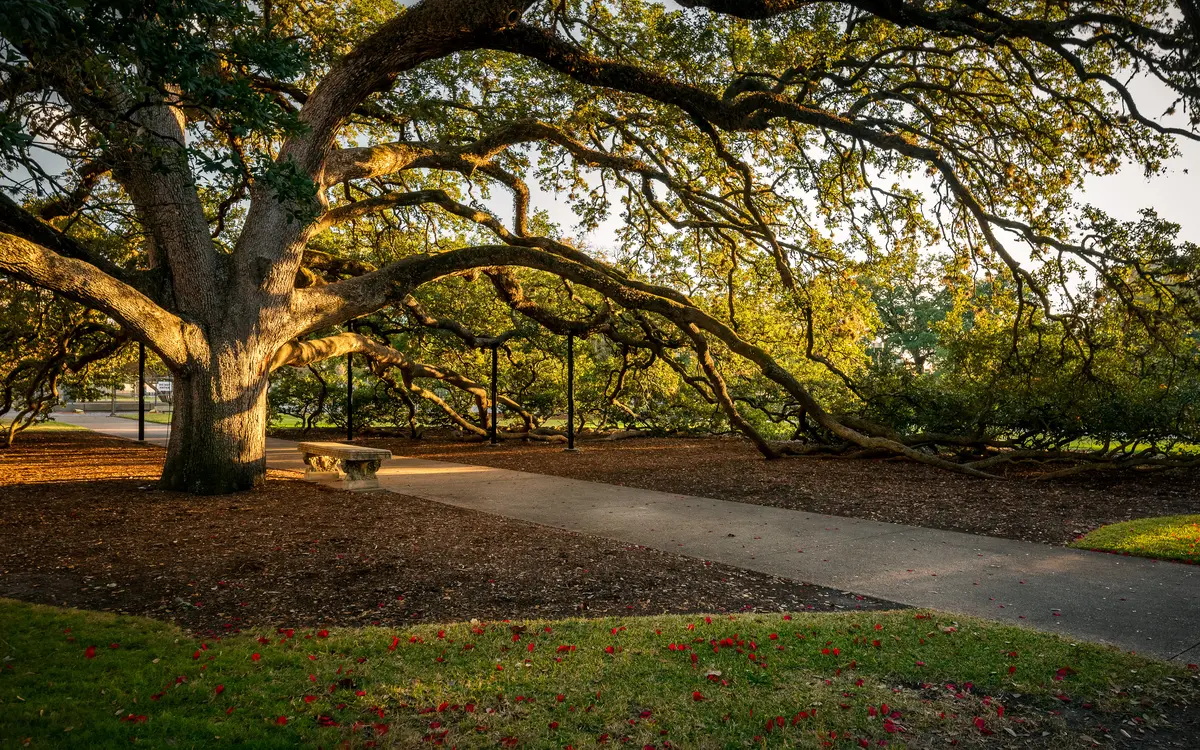
Why Retirees Are Choosing College Station
The case for College Station in retirement is genuinely strong for a specific kind of person. If you want a mid-sized Texas city with a full hospital system, a nationally recognized university on your doorstep, a functioning arts and events calendar, and home prices that leave room in the budget — this city delivers all of it. The typical home price of $349,346 (July 2026) is approachable by Texas standards, and the university means concerts, lectures, athletic events, and a sense of civic energy that most towns this size never develop.
The honest version is narrower. College Station is a college town first, and the rhythms of the academic calendar — game-day traffic on Kyle Field Saturdays, a city that empties in August and floods in September — are part of daily life year-round. Retirees who find that energy invigorating thrive here. Those hoping for a quiet small-town pace may find the traffic on Texas Avenue and the constant churn of a 127,472-person city more than they bargained for.
Summer heat is the other honest conversation. College Station sits in the Brazos Valley with temperatures that regularly push into the upper 90s from June through September and humidity that makes those numbers feel worse. Retirees managing heat-sensitive health conditions should factor that in seriously. For everyone else — particularly the large contingent of Aggie alumni who simply want to come home — the combination of affordable real estate, medical infrastructure, and university-town culture is hard to beat in Texas at this price point. For a broader picture of who else finds College Station a good fit, the living in College Station overview covers the full buyer landscape.
Healthcare & Medical Access in College Station
For retirees, healthcare proximity is often the deciding factor — and College Station's position here is genuinely strong. Baylor Scott & White Medical Center – College Station operates inside city limits. It is a full-service hospital with a 24-hour emergency room, a broad specialist bench for a city this size, stroke and cardiac certifications, and trauma designation. The adjacent Medical Plaza adds an outpatient surgery center, a sleep center, and outpatient rehabilitation services — meaning many post-acute and specialty needs can be handled without leaving the city.
The outpatient clinic network extends the coverage further. The Baylor Scott & White clinic system in College Station spans geriatrics, rheumatology, cardiology, oncology, neurology, orthopedics, sleep medicine, and eye care. For retirees managing multiple chronic conditions, having that specialty depth within a short drive — rather than a two-hour round trip — is a meaningful quality-of-life difference.
CHI St. Joseph Health College Station Hospital is a second full-service hospital in the area, which means the city is not dependent on a single health system. That redundancy matters in a region where the next major academic medical center is significantly farther away.
The honest limitation: College Station is not Houston or Dallas. Highly subspecialized care — complex cardiac surgery, rare cancer protocols, major transplant programs — will mean a trip. The drive to Houston is about 100 minutes. For the vast majority of retiree healthcare needs, what's available locally is substantial and competitive with cities twice College Station's size. For retirees who need frequent access to a quaternary academic medical center, that distance is a real trade-off worth building into the decision.
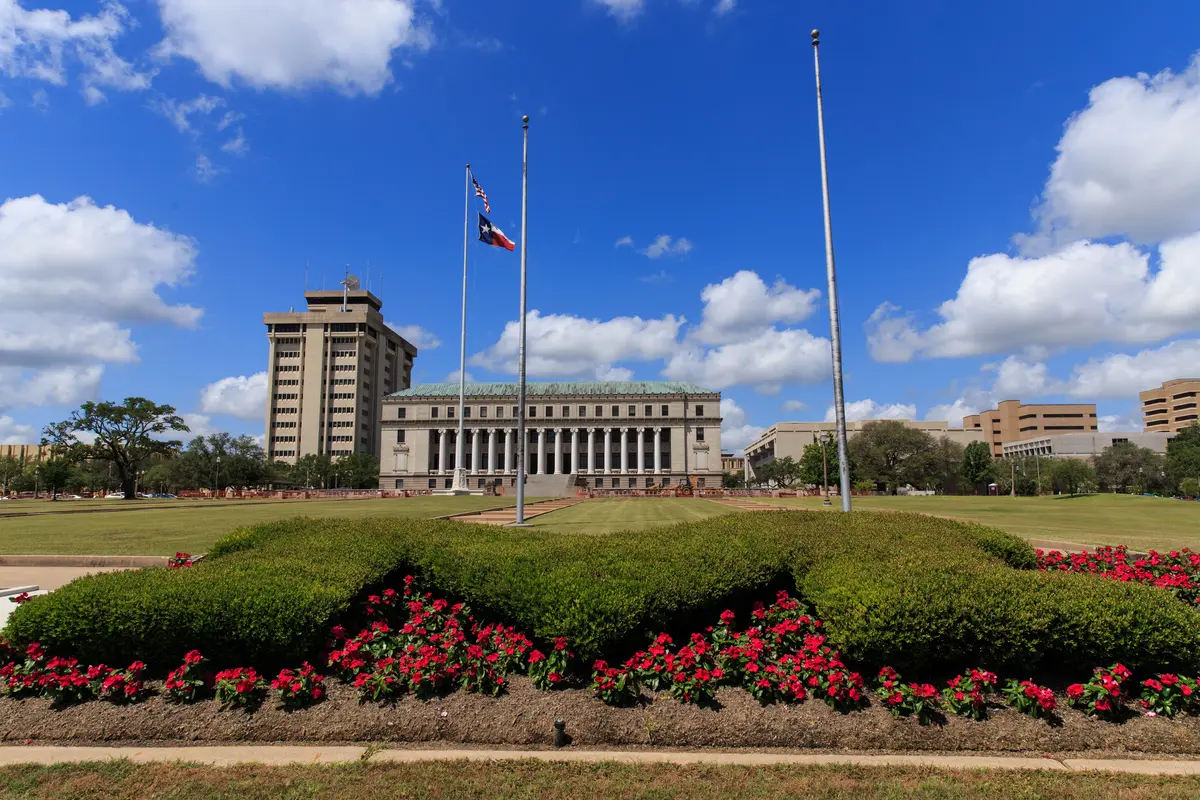
The Retiree Budget in College Station
Texas's tax posture for retirees is one of the best in the country, and College Station captures all of it. The state levies no income tax on Social Security, pensions, IRA withdrawals, or 401(k) distributions — every dollar of retirement income arrives untaxed at the state level. There is no state estate tax or inheritance tax either. For retirees moving from California, the Midwest, or the Northeast, this difference alone can be worth several hundred dollars a month in retained income.
Property taxes require attention. The effective rate in College Station runs approximately 1.57%, which is meaningful on a home at the city's typical price point. The significant offset for older buyers: Texas homeowners aged 65 or older can claim an enhanced homestead exemption, and their school district taxes are frozen — they cannot increase as long as the owner occupies the home. That freeze is more valuable than it looks, because it converts a variable cost into a predictable one at exactly the stage of life when budget certainty matters most. File the exemption with Brazos County as soon as you close and turn 65; the savings compound over time.
Day-to-day living costs on a fixed income are generally manageable. Groceries, utilities, and healthcare copays in the Brazos Valley run close to Texas norms — not as cheap as a small rural town, but noticeably below what most major metros charge. The cost of living page has the full breakdown on utilities, groceries, and transportation costs. The calculator below can model what carrying a home here looks like at current rates — use it rather than any specific payment figure, because those move with the market.
Looking to buy in College Station? Estimate your payment.
Enter your numbers to see an estimated monthly mortgage payment.
Estimate only. Excludes HOA fees and mortgage insurance. The interest rate above is a starting point, not a quoted rate — replace it with your own to see real numbers. Insurance is a flat placeholder, not a College Station quote.
Walkability, Community & Staying Active in College Station
College Station is a car-dependent city for most daily errands — that is the honest baseline. Most grocery runs, medical appointments, and shopping trips require driving, and the street network outside the university core is built for cars rather than pedestrians. The city is actively working on this: an Active Transportation Master Plan was approved to improve walking, biking, and micromobility infrastructure across high-use corridors near the Texas A&M campus. But that work is ongoing, and anyone relocating now should expect to drive for most errands.
The terrain helps where the infrastructure doesn't. College Station is flat — genuinely, thoroughly flat — which makes walking and cycling comfortable for older adults who can manage distance but not hills. Wolf Pen Creek Park and the surrounding trail system are well-used by older residents, and Lick Creek Park on the south side of the city offers several miles of natural trail. Aggie Park near the campus gives retirees a well-maintained greenway connected to the university's cultural calendar.
The social infrastructure is real and growing. The Meyer Senior Citizen & Community Center offers daytime programming including art classes and card games, and the draw is genuine — residents report that people drive well over an hour from surrounding communities specifically to use it. The Brazos Transit District provides regional bus service for the area, including on-demand transportation options for seniors who prefer not to drive.
The university is the social engine most retirees don't fully anticipate until they arrive. The George H.W. Bush Presidential Library and Museum hosts lectures and exhibits year-round. Kyle Field fills on game days with a stadium atmosphere that is, depending on your disposition, either electric or overwhelming. Wolf Pen Creek Amphitheater draws music and events through the warmer months. The Aggieland Farmers Market is a consistent weekly gathering point. For retirees who want a social calendar built around culture, athletics, and community — rather than manufactured amenity — College Station is unusual in what a city of its size provides.
Right-Sizing: Downsizing in College Station
No 55+ deed-restricted communities were found within College Station city limits. That is not a disqualifier — it is a context that shapes the downsizing search here. Retirees looking to right-size will be shopping the general market, with an emphasis on single-level homes, patio homes, and low-maintenance options spread across neighborhoods like Castlegate II and Pebble Creek, both of which carry a higher share of newer single-story construction compared to the older core of the city.
The Langford is the most significant senior-specific option currently operating. It is a nonprofit continuing care retirement community (CCRC) operated by Methodist Retirement Communities, offering independent living, assisted living, and memory support on a single campus, with skilled nursing available through its sister community in Bryan. The Langford serves residents who want a full continuum of care in one setting — a different value proposition than a deed-restricted neighborhood, but one that matters especially for couples where one partner has more complex care needs than the other.
The bigger news for anyone planning ahead: Texas A&M University announced a public-private partnership with Varcity to develop Varcity at Texas A&M, a residential retirement community planned for roughly 14 acres near the main campus. The project — 260 units including townhomes, villas, stacked flats, and apartments — broke ground with leasing activity announced for 2026 and an opening targeted for winter 2027. Residency is open to the public, not limited to Aggie alumni. Planned amenities include pickleball courts, e-bike checkout, co-working spaces, a lecture hall, and priority access to university sports and arts events; residents would also have the ability to audit Texas A&M courses and access the AggieSpirit bus system. Verify current leasing and construction status directly with the developer before making any decisions based on timeline.
For buyers who want a conventional single-level home rather than a rental or CCRC, the inventory exists — it simply requires working with an agent who knows which subdivisions carry the highest concentration of accessible, low-maintenance construction. Patio home sections within larger planned communities are the place to start that conversation. The neighborhoods page covers where those pockets tend to concentrate.
College Station vs Nearby Retirement Destinations
| City | Cost vs College Station | Primary Hospital | Walkability | Senior Living Depth | Overall Retirement Fit |
|---|---|---|---|---|---|
| College Station | Anchor | Baylor Scott & White Medical Center – CS (full-service, in-city, broad specialist bench) | Car-dependent; flat terrain; improving bike/pedestrian infrastructure | The Langford (CCRC); Varcity at TAMU opening targeted winter 2027 | Strong for active retirees who want university culture and in-city healthcare |
| Bryan | Noticeably lower | CHI St. Joseph Health (full-service, adjacent city) | Similar car dependence; older commercial core | Some assisted living and skilled nursing options | Good value alternative; shares most College Station amenities; less university energy |
| Navasota | Noticeably lower | No major hospital in city; dependent on College Station or Houston systems | Small-town walkable downtown; limited daily errands on foot | Limited dedicated senior living options | Best for retirees prioritizing affordability and rural quiet over medical access |
| Caldwell | Noticeably lower | No major hospital; closest care is College Station or Waco | Small town; car required for most needs | Thin senior living inventory | Appealing only if maximum affordability outweighs healthcare proximity concerns |
| Hearne | Noticeably lower | No in-city hospital; dependent on surrounding regional systems | Very limited; primarily rural | Minimal dedicated senior services | Not a strong retirement fit for most buyers; better as a rural property option |
| Waco | About the same | Ascension Providence, Baylor Scott & White Hillcrest (two full hospital systems) | More walkable downtown core than College Station; flat terrain | Several established CCRCs and 55+ options | Strong alternative for retirees who want more urban infrastructure and two hospital systems |
Bryan is the most natural comparison to College Station — it sits immediately adjacent, shares most of the same medical infrastructure, and comes in noticeably cheaper on home prices. Retirees who want the financial breathing room and don't need the university-campus atmosphere will often land there instead.
Navasota and Caldwell offer real affordability, but the trade-off is meaningful: neither has a hospital within the city, which matters most when a health event happens at 2 a.m. and every minute of response time counts. For retirees in good health who are comfortable with the drive to College Station for care, those towns are worth a look. For anyone managing ongoing cardiac, neurological, or oncology needs, the calculus tilts strongly toward staying closer to Baylor Scott & White.
Waco is the strongest alternative for retirees who want a genuine city with multiple hospital systems, more established senior living depth, and a downtown that functions without a car for at least some errands. It is not dramatically cheaper than College Station, but it offers a different quality of life — more urban, less campus-driven. The decision between the two usually comes down to whether you want the Texas A&M calendar or not.
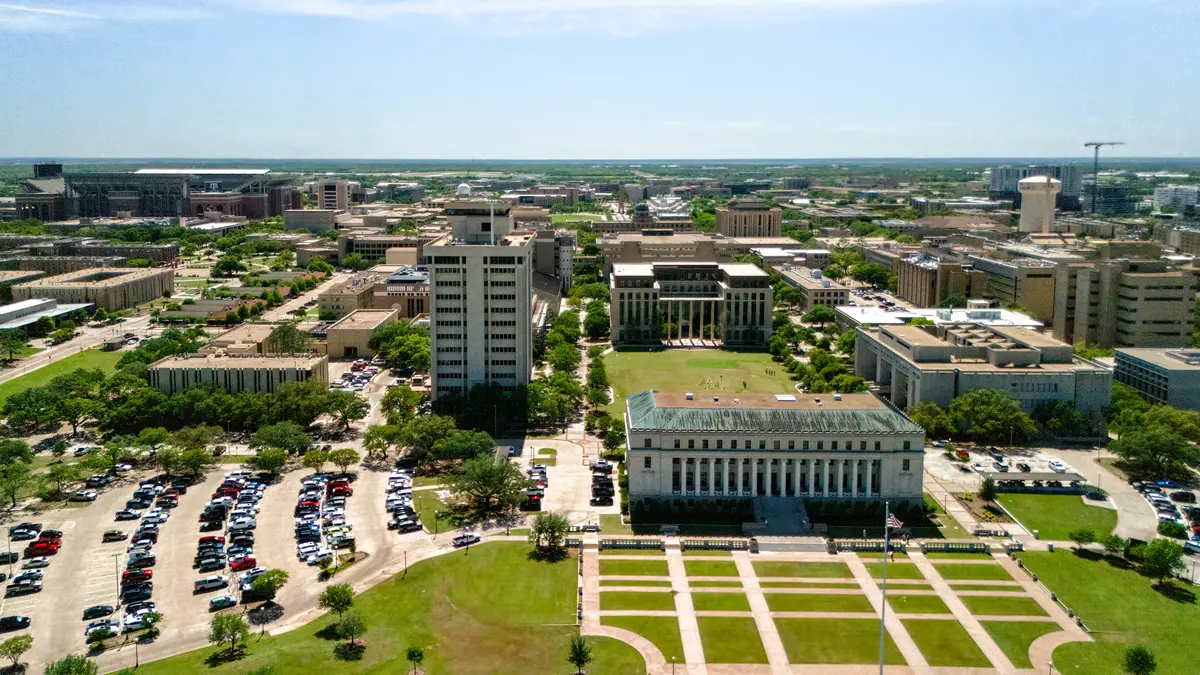
Local Expert Takeaway: College Station's retirement story is anchored by two things most comparably priced Texas cities cannot offer: a full-service hospital with a 24-hour emergency room and a broad specialist bench inside city limits, and a university that generates a social calendar most retirees have to move to a major metro to find. The Meyer Senior Citizen & Community Center draws people from over an hour away for a reason — the programming is real and the community shows up for it. Texas's income-tax and property-tax-freeze policies make the financial case straightforward. The honest caution is summer heat that runs from June through September and a city pace set by the university's academic year. Retirees who move here thinking it will feel like a small town are sometimes surprised; retirees who move here because they want exactly this — Aggie culture, accessible healthcare, and a community with energy — tend to stay.
Quick Takeaways & FAQs
✅ Texas collects no state income tax on Social Security, pensions, or retirement account withdrawals, and homeowners 65+ can freeze their school district property taxes — two of the strongest retirement tax benefits in the country.
⚠️ The effective property tax rate of approximately 1.57% is the main ongoing cost to plan around, and summer heat from June through September is a genuine quality-of-life factor for retirees managing heat-sensitive conditions.
📍 Varcity at Texas A&M — a 260-unit retirement community planned near the campus — broke ground with a winter 2027 opening targeted; verify current leasing and construction status directly with the developer before making plans around it.
Is College Station a good place to retire if I'm not an Aggie?
What are the property tax benefits for seniors in College Station?
What senior living options exist in College Station?
How good is the healthcare in College Station for retirees?
How does retirement in College Station compare to nearby Bryan?
Moving to Texas?
Tell us what you need help with and we'll connect you with local resources.
