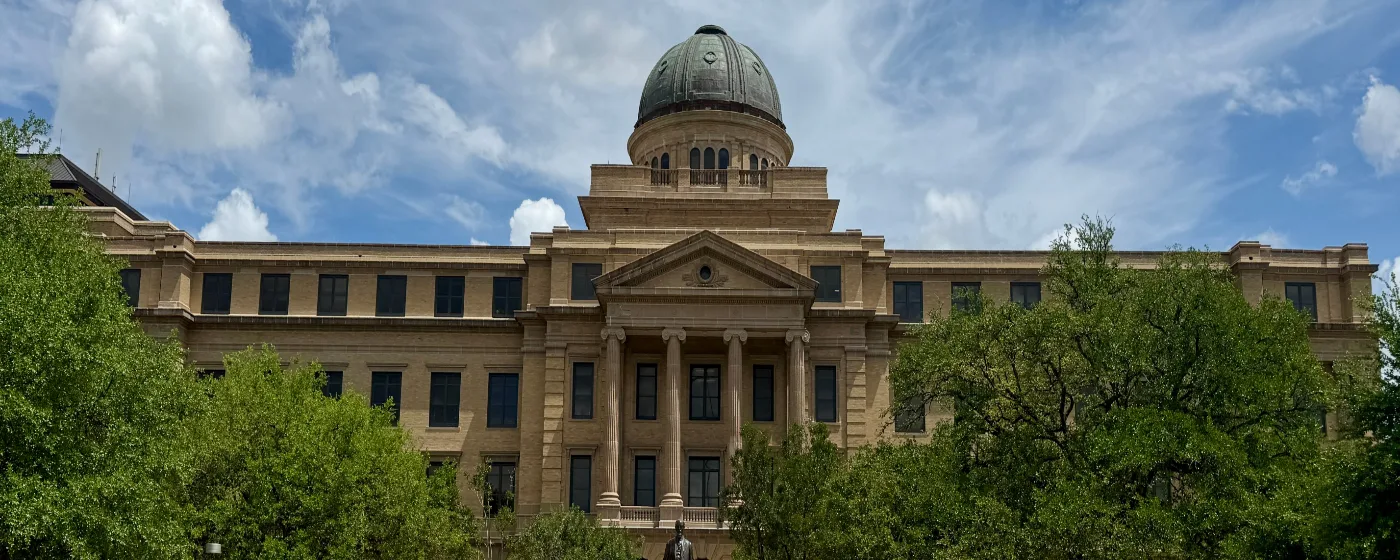
Maybe your company is sending you to work with Texas A&M. Maybe you've been renting near campus for three years and finally want to stop writing rent checks. Whatever brought you to this decision, College Station is a market that rewards buyers who do their homework — and surprises those who don't. The typical home price here is $349,346 (Zillow Home Value Index, July 2026), which sits noticeably below national norms, but that number can mislead you if you treat it as a ceiling rather than a midpoint. Entry-level homes exist well below it; the Southside Historic District runs above it. Where you buy matters as much as what you pay.
Texas A&M University is the gravitational center of this economy — its Brazos Valley economic impact reached $3.5 billion in a recent fiscal year, and the institution supports roughly one in four jobs in the region. That makes College Station unusual for a mid-sized Texas city: housing demand here is anchored by a research university, two major hospital systems, and a growing technology sector that includes a confirmed $55 million Terfab chipmaking facility. That employment base is both the city's strength and a first-time buyer's complication — investor landlords compete for the same entry-level homes you're shopping, because rental demand near campus never really softens. The cost of living page covers the income and tax picture in full, including the effective property tax rate of 1.57% and what Texas's homestead exemption does for your first-year bill.
The cost of living in College Station runs roughly 14–16% below the national average, with housing costs sitting noticeably below the U.S. norm — which is why buyers priced out of Austin or Houston often land here with relief. The catch is that the median household income of $50,900 falls short of what's needed to comfortably carry the typical home at current rates, which means budgeting honestly before you tour is not optional. Lick Creek Park, Wolf Pen Creek Park, Veterans Park and Athletic Complex, and the trails threading through established neighborhoods give the city an outdoors culture that punches above its price point.
Whether you're buying your first home after years of renting near campus or relocating from out of state, the sections below walk through what your budget actually buys here, the step-by-step process local to this market, a plain-numbers affordability table, and the specific mistakes that cost first-timers the most in College Station.
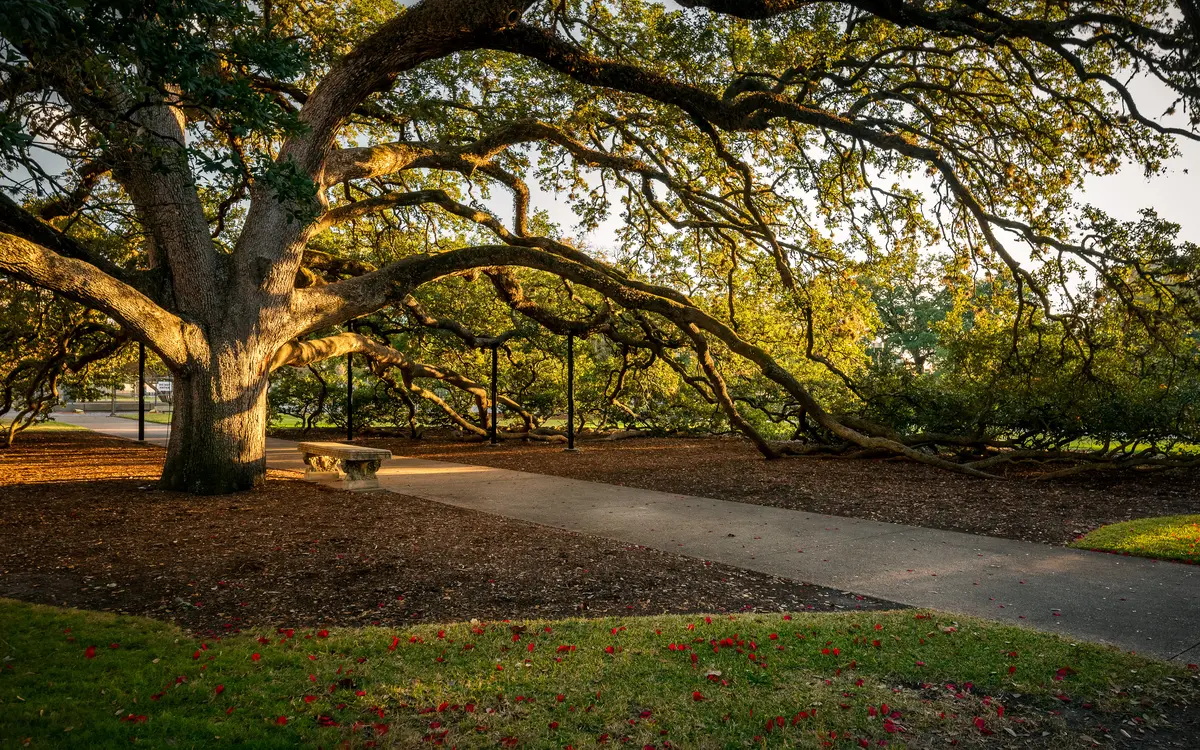
The College Station First-Time Buyer Reality
The typical home price in College Station is $349,346 (Zillow Home Value Index, July 2026). That figure is approachable by Texas standards, but it sits roughly $51,000 above what a household earning the city's median income can comfortably carry at current rates — and that gap is the clearest signal that budgeting honestly before you tour is not optional. Many first-time buyers here are university employees, healthcare workers, or young professionals who have solid, stable income but haven't yet built much savings for a down payment or closing costs. For those buyers, the math is tight, and understanding where it breaks before you fall in love with a house is the most important preparation you can do.
Entry-level inventory in College Station tends to cluster in the low-to-mid $200s for older construction, smaller square footage, or homes in areas closer to Bryan. The Southside Historic District runs above the city median and suits buyers looking for character and walkability who have more equity to bring in. For buyers whose budget tops out in the lower ranges, the neighborhoods page explains which areas to target and why the right side of the city makes a real difference.
The competitive reality first-timers underestimate: investor landlords are an active force in this market. Because Texas A&M drives sustained rental demand from tens of thousands of students, landlords and small investors compete directly for the same homes you're shopping. Well-priced properties in good condition rarely wait. That doesn't mean you need to waive inspection — you don't — but it does mean that showing up pre-approved, knowing your ceiling, and being ready to move is not overcautious. It's just how this market works.
The Homebuying Process in College Station, Step by Step
Step 1: Get Pre-Approved Before You Tour Anything
This is where most first-timers in College Station lose before they start. The market here draws competing offers from investors and relocation buyers who already know their numbers. A pre-approval letter — not a pre-qualification, which is softer — is your entry ticket. Talk to at least two lenders: a local bank or credit union familiar with Brazos County, and a national lender you can compare against. The difference in rate and fees between lenders can be meaningful at this price point.
Step 2: Know What Loan Program Fits You
FHA loans (3.5% down, with mortgage insurance) are the most common path for first-timers here. Conventional loans with 3% down are available if your credit score is strong — typically 620 minimum, though lenders prefer higher. VA loans apply if you have military service and can be powerful: zero down, no mortgage insurance. USDA loans cover some rural areas, but College Station proper does not qualify. Confirm eligibility with your lender early, not after you're already emotionally invested in a property.
Step 3: Work With a Local Buyer's Agent
A buyer's agent costs you nothing directly in Texas — the seller typically covers the commission — and in a market where investor offers move fast, local agent relationships matter. An agent who knows whether a property has drainage issues or whether a listing has been sitting because of a roof concern is worth more than any search algorithm.
Step 4: Make a Competitive Offer
In College Station, well-priced homes in desirable neighborhoods attract multiple offers. Your offer should come with your pre-approval letter attached. Don't open with a lowball hoping to negotiate — you'll lose the house. The one contingency first-timers sometimes feel pressure to waive is the inspection. Don't. The appraisal contingency matters too: if the home appraises below contract price, you'll need to make up the gap in cash or renegotiate.
Step 5: Inspection, Appraisal, and the Path to Closing
Texas doesn't mandate a home inspection, but skipping one in College Station is a mistake — the city has older construction in some neighborhoods that can carry deferred HVAC, foundation, or plumbing issues. Budget for a general inspection and, if the home is older, a separate sewer scope. After inspection, your lender orders the appraisal. From signed contract to closing typically runs 30–45 days. Final walkthrough happens the day of or before closing, and you'll bring a cashier's check or wire for your closing costs.
The step first-timers most commonly get wrong locally: they schedule tours before they have a pre-approval in hand, fall in love with a home, then lose three to five days scrambling to get a letter — during which another buyer closes the deal. Pre-approve first. Tour second. That sequence is non-negotiable here.
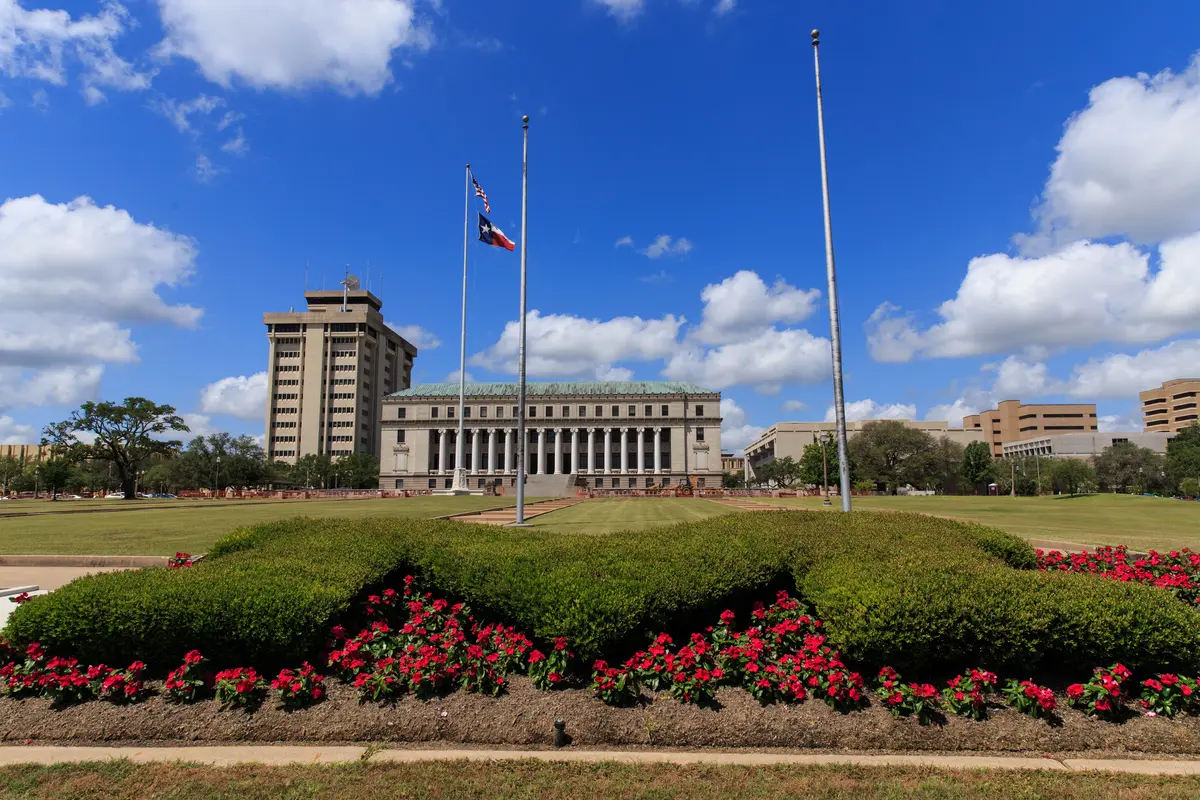
How Much Home Can You Afford in College Station
Closing costs in Texas typically run between 2% and 5% of the purchase price, covering lender fees, title and escrow, prepaid insurance, property tax escrow, and inspections. A Brazos County breakdown looks roughly like this: lender fees and appraisal around 1%–2% of purchase price, title and closing fees around 0.5%–1%, prepaids and escrow in the range of $2,000–$4,000, and inspections and survey adding another few hundred to around $1,500. The Texas Department of Insurance reduced title insurance premium rates by 6.2% effective March 2026 — the first reduction in over a decade — which modestly trims one line item. The table below uses 3% as the closing cost estimate for the lower scenarios and 2.5% for higher ones, which is conservative and realistic for this market.
One local financial advantage worth knowing early: Texas has no state income tax, and first-time buyers who occupy their home as a primary residence can file for the Texas homestead exemption. That exemption reduces your taxable home value by $140,000 for school district taxes — the largest component of your property tax bill — and caps annual taxable-value increases at 10% once in place. File it the first January after you close. It is the single most impactful paperwork move a new Texas homeowner makes, and a surprising number of first-timers miss the first filing window.
| Scenario | Purchase Price | Down Payment | Est. Closing Costs | Cash Needed at Table |
|---|---|---|---|---|
| FHA (3.5% down) — entry level | $220,000 | $7,700 (3.5%) | ~$6,600 (3%) | ~$14,300 |
| Conventional (3% down) — entry level | $220,000 | $6,600 (3%) | ~$6,600 (3%) | ~$13,200 |
| FHA (3.5% down) — mid-range | $299,000 | $10,465 (3.5%) | ~$8,970 (3%) | ~$19,435 |
| Conventional (3% down) — at city median | $349,346 | $10,480 (3%) | ~$10,480 (3%) | ~$20,960 |
| Conventional (5% down) — at city median | $349,346 | $17,467 (5%) | ~$8,734 (2.5%) | ~$26,201 |
| Conventional (10% down) — move-up entry | $420,000 | $42,000 (10%) | ~$10,500 (2.5%) | ~$52,500 |
These are estimates, not quotes — your actual closing costs vary by lender, title company, and loan program. The interactive calculator below lets you model monthly payments at current rates once you know your down payment scenario.
One note on the affordability math: the city's median household income of $50,900 falls notably short of what's needed to carry the typical home here at standard debt-to-income ratios. That gap is real, and it means many first-time buyers in College Station are either dual-income households, have savings from a prior rental period, or are stretching on the lower end of the price range. If your income is at or below the city median, focus your search on the entry-level scenarios in the top rows of this table — and talk to your lender about what debt-to-income ratio they'll work within before you set a price ceiling.
Looking to buy in College Station? Estimate your payment.
Enter your numbers to see an estimated monthly mortgage payment.
Estimate only. Excludes HOA fees and mortgage insurance. The interest rate above is a starting point, not a quoted rate — replace it with your own to see real numbers. Insurance is a flat placeholder, not a College Station quote.
Common First-Time Buyer Mistakes in College Station
Mistake 1: Touring Without a Pre-Approval Letter
This is the most common and most costly mistake first-timers make in this market. Because investor buyers are active here — drawn by the university's sustained rental demand — a desirable listing priced correctly can draw multiple offers within days. If you tour without pre-approval and find the right house, you will lose it while your lender gets paperwork together. Agents here will also prioritize showing homes to buyers who are demonstrably ready. Pre-approval is not a formality; it's the starting line.
Mistake 2: Waiving the Inspection to Win a Bidding War
Some buyers in competitive situations feel pressure to waive the inspection contingency to make their offer more attractive. In College Station, this is a mistake with real consequences. The city has a mix of housing ages — some neighborhoods have stock from the 1970s and 1980s with aging HVAC systems, slab foundation quirks, and galvanized plumbing that won't show up until after closing. A general inspection and, on older homes, a sewer scope are the most important few hundred dollars you'll spend in the transaction. Sellers who won't accept an inspection contingency at all are worth scrutinizing more carefully, not less.
Mistake 3: Ignoring the School Boundary and Commute Reality
College Station Independent School District holds a B rating, according to the Texas Education Agency — but individual campus assignments matter within that district, and school boundaries here don't always follow the neighborhood lines you'd expect. A home on one side of a street can feed into a different elementary than the house directly across from it. Before you make an offer, confirm the exact campus assignment at the district's boundary lookup, not from what the listing agent tells you. Buyers commuting toward Houston should also test their actual drive at rush hour before buying in an outlying section of the city — SH-6 and SH-30 carry the bulk of commuter traffic, and congestion near the university district during class-change hours is a different experience than a weekend test drive. The living in College Station page covers the commute picture in full.
Mistake 4: Underestimating How Much Cash You Need at Closing
First-timers consistently underbudget the cash needed at the closing table. The down payment is the number everyone plans for; the closing costs are what catch people off guard. On a $300,000 home in Brazos County, 3% closing costs add roughly $9,000 on top of your down payment — and that's before prepaid homeowner's insurance, your first property tax escrow deposit, and any inspection fees paid out of pocket ahead of closing. Build your cash reserve to cover the down payment plus at least 3% for closing costs, plus a small buffer for inspection and appraisal fees paid before closing day. And file your homestead exemption the first January after you close — the $140,000 reduction in taxable value for school district taxes is the most straightforward tax advantage Texas gives homeowners, and missing the filing window means waiting a full year to claim it.
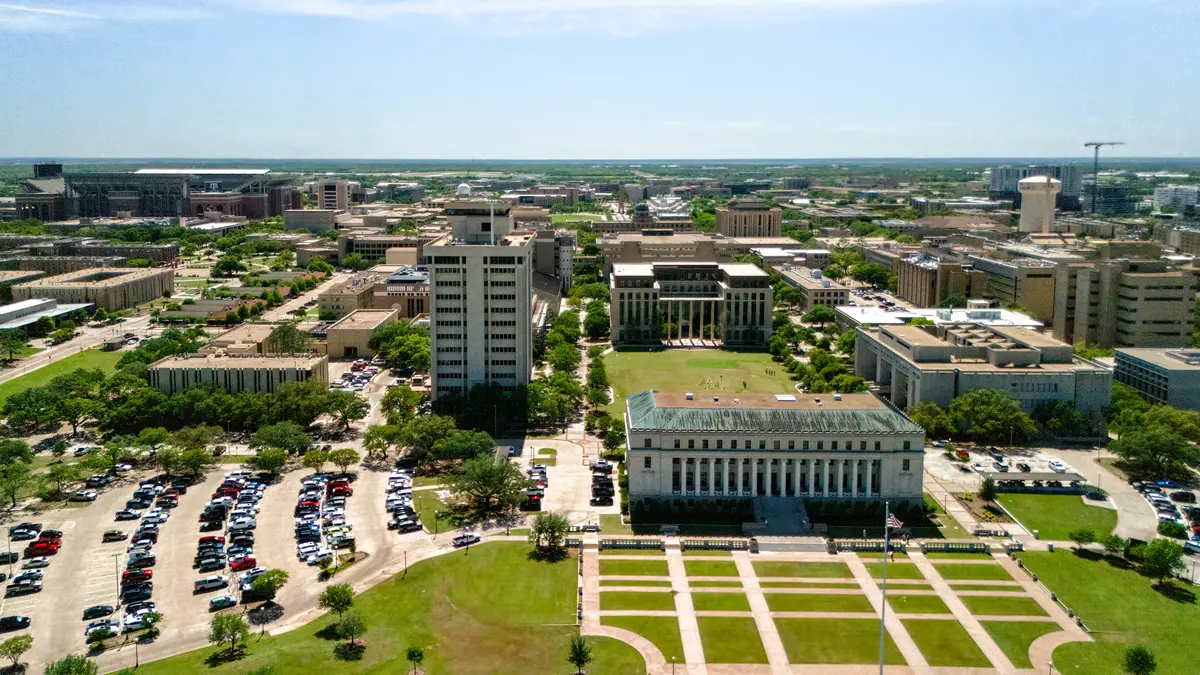
Local Expert Takeaway: College Station's housing market is more competitive than its price tag suggests. Investor buyers from the local rental market compete directly for the same entry-level homes first-timers want, which means pre-approval is your first move — not your third. The Texas homestead exemption is the most underused tool in a first-timer's kit here: file it the January after you close and you'll immediately reduce your school district tax bill on $140,000 of assessed value, with a 10% annual cap on future appraisal increases protecting you from the tax spikes that hit newer-to-Texas owners hardest. The Southside Historic District is the one neighborhood the data places clearly above the city median — worth knowing if that's where your search lands you.
Quick Takeaways & FAQs
✅ College Station's typical home price of $349,346 (July 2026) sits noticeably below national norms, giving first-time buyers more purchasing power than they'd find in comparable university towns in coastal states.
⚠️ The median household income in College Station falls notably short of what's needed to comfortably carry the typical home at current rates — budget honestly and get pre-approved before touring.
📍 File your Texas homestead exemption the first January after closing: it reduces your school district taxable value by $140,000 and caps future appraisal increases at 10% per year — missing that filing window is one of the most common and costly first-year mistakes new homeowners make here.
What credit score do I need to buy a home in College Station?
How much do closing costs typically run in College Station?
What is the Texas homestead exemption and how does it help first-time buyers in College Station?
Is it harder to buy a home near Texas A&M because of competition from investors?
What loan programs are available to first-time buyers in College Station?
Moving to Texas?
Tell us what you need help with and we'll connect you with local resources.
