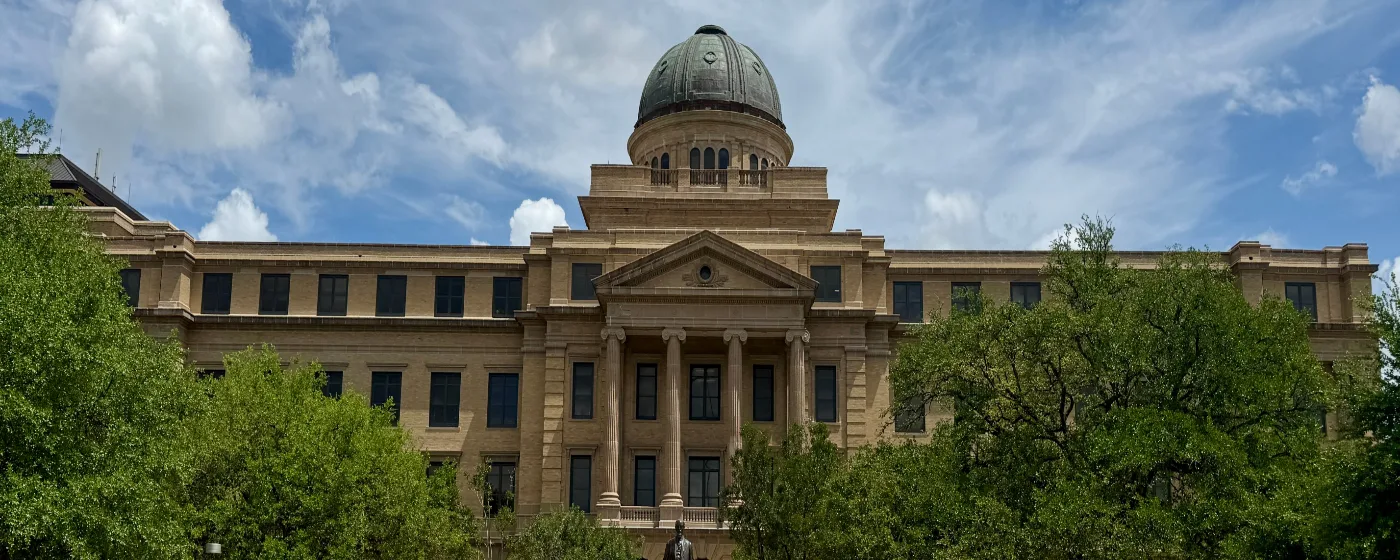
Most Californians who land in College Station say the same thing within the first few weeks: they didn't realize how much of their paycheck was going to Sacramento until it stopped. The absence of a state income tax is the headline, but the fuller picture is more interesting — a city of 127,472 anchored by Texas A&M University, growing faster than almost any comparably sized city in the country, and priced so far below the California coast that buyers who couldn't afford a starter home in Fresno find themselves with options they hadn't seriously considered. College Station sits in Brazos Valley, about 100 minutes to Houston by road, and its daily rhythm is shaped almost entirely by the university that defines it.
Texas A&M isn't just the city's largest employer — it's the reason the city exists, the reason the population keeps growing, and the reason the local economy held steadier through recent national disruptions than most mid-sized Texas cities. The Bryan–College Station metro area reached approximately 287,500 people in 2024, a 25.3% increase since 2010. The College Station Independent School District holds a B rating according to the Texas Education Agency (2025 A-F accountability rating for the 2024-25 school year) and serves a community that skews younger than most Texas cities, drawing families who came for university jobs and stayed. California movers have been a consistent and visible part of that growth, drawn by the income tax difference and a home price gap that is wide enough to change a household's financial picture in a single transaction.
The cost of living gap between College Station and most California markets is real and measurable across categories. Housing is the widest divide: College Station's typical home value was $349,346 as of July 2026 (Zillow Home Value Index), a figure that belongs in a different conversation than California's statewide typical home value of $773,735. Everyday expenses — groceries, gas, dining — run noticeably below what most Californians are used to paying, and the city's typical rent of $1,416 per month (Zillow ZORI, July 2026) makes the renter-to-owner math work in a way it simply doesn't in most California markets. The trade-off is that College Station is genuinely inland Texas: summers are long and humid, the nearest beach is a real drive, and the restaurant and arts scene, while growing, is not Los Angeles or San Francisco.
Whether you're weighing a job offer from the university, following a partner, or simply done with California prices, the sections below break down College Station's tax picture, home-buying realities, neighborhood character, daily life, and the honest trade-offs that only come up after someone has lived here for a year.
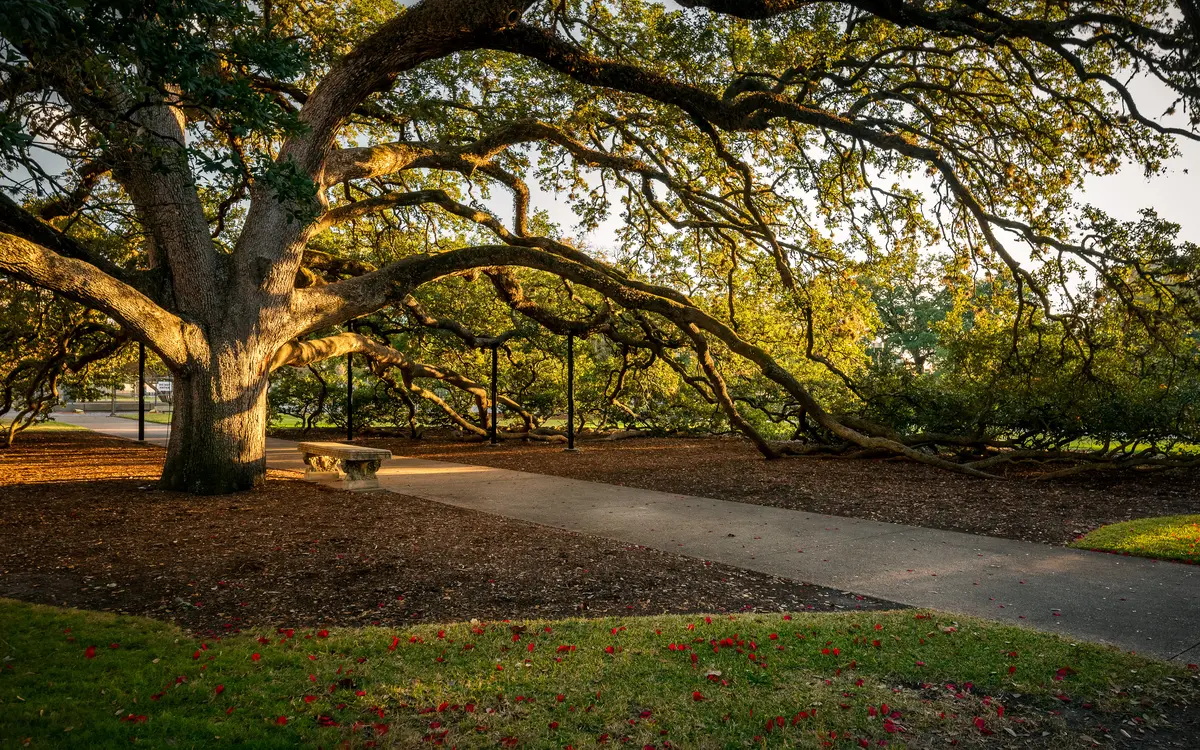
The Tax Shift: What Leaves Your Paycheck in Texas vs. California
The single biggest financial change for most Californians moving here is the one that restructures a household budget in a single tax year: you stop paying state income tax on the day you establish Texas residency. California's top state income tax rate of 13.3% — a 12.3% base rate plus a 1% Mental Health Services surcharge on income above $1 million — is the highest top rate of any U.S. state, according to the Tax Foundation. Texas has no state income tax at all.
For everyday earners, this isn't just a headline. A single filer earning $100,000 pays roughly $5,200 in California state income tax and zero in Texas, according to third-party tax calculator estimates — an illustrative difference of approximately $5,200 per year. At $150,000, that gap widens to roughly $9,000–$9,500 annually. These are estimates from independent calculators, not official tables, and individual results vary by deductions and filing status — but the directional reality is not in dispute.
The Property Tax Trade-Off
Here is where Californians need to pause before celebrating. California's effective property tax rate of 0.71% is among the lowest in the nation, largely because Proposition 13 caps assessments. Texas imposes no such cap. College Station's effective property tax rate runs at 1.57% — more than double the California rate — because counties, school districts, and special districts each levy independently.
On a home purchased at College Station's July 2026 typical value of $349,346, that rate produces a meaningfully larger annual tax bill than a California owner would pay on a comparable assessed value. The important context: most California owners are taxed on a purchase price from years or decades ago, not the current market value. A Californian who bought their home in 2015 is being taxed on 2015's assessment, protected by Prop 13. Moving to Texas resets that clock entirely — you are taxed on what you paid, immediately.
For recent California buyers who purchased near market highs, the math often still favors Texas because the home itself costs so much less. On a home purchased at a fraction of a California price, even a higher rate produces a lower bill. But for long-time California homeowners whose assessed values are far below current market, the Texas property tax is a genuine transition cost worth modeling before you sign.
Sales Tax: Closer Than You Think
California's statewide base sales tax rate of 7.25% is the highest state-level base rate in the nation, according to the California Department of Tax and Fee Administration — but local additions push many California counties well above 9% and past 10% in some areas. Texas has a state base of 6.25% with local additions capped at a combined maximum of 8.25%. In practice, most College Station purchases land in the 8.0–8.25% range — slightly below what most Californians were paying at the register, but not dramatically different on everyday transactions.
Home Prices: The Number That Changes the Conversation
California's statewide typical home value of $773,735 (Zillow Home Value Index) is the starting point for understanding what College Station means to a California buyer. College Station's typical home value was $349,346 as of July 2026 (Zillow Home Value Index). That gap is not a rounding error — it reflects a fundamentally different housing market.
What that difference means practically depends on where in California you're coming from. A buyer priced out of coastal California finds College Station's numbers almost disorienting at first. A buyer leaving the Central Valley or Inland Empire finds less of a shock, but still a meaningful step down in price. Your California equity, if you're carrying any, goes a long way here.
What the Entry Points Look Like
College Station doesn't have the inventory depth of a larger Texas city, and the university's influence on demand means well-priced homes in established neighborhoods attract serious interest quickly. The Southside Historic District — the city's most walkable and characterful older area — runs above the city-wide median and is the neighborhood where California buyers who want urban texture tend to start their search. Castlegate and Pebble Creek draw families who want newer construction and more space. Southwood Valley is one of the city's most established residential areas, with mature trees and a range of home sizes.
One honest note for California buyers: the cost-of-living picture is genuinely favorable, but College Station's median household income is $50,900 — well below the income level needed to carry the typical home at current prices. The city's affordability reputation is real compared to California, but it is not a low-cost market by local wage standards. Remote workers bringing California salaries often find themselves with more purchasing power here than any local comparable buyer.
Renting First Is Common
Many California transplants rent for a year before buying — a strategy that makes particular sense here because the city's layout and neighborhood personalities take time to read. The typical citywide rent runs at $1,416 per month (Zillow ZORI, July 2026). That figure covers a broad range, from student-adjacent apartments near campus to family-sized homes in quieter subdivisions. For more on how neighborhoods compare, the best neighborhoods guide breaks down what each area actually feels like to live in.
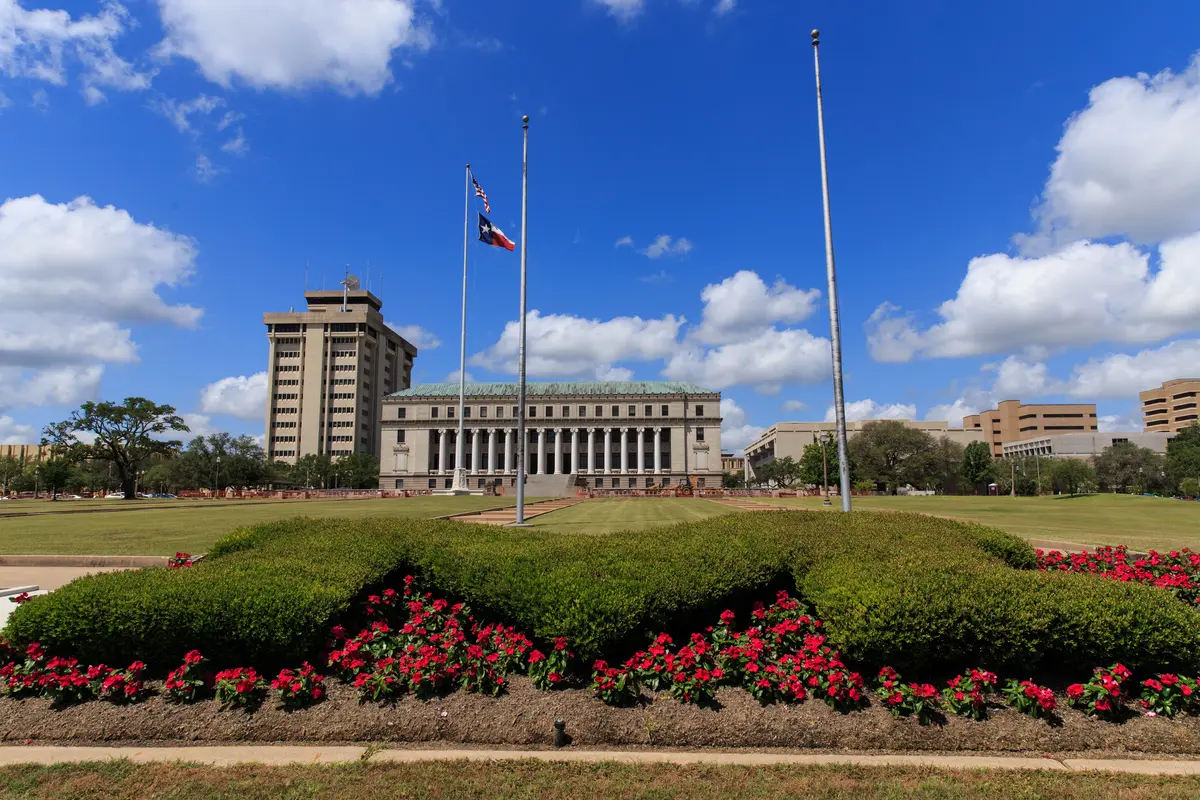
What Daily Life Costs — Beyond the Mortgage
Housing is the headline, but the everyday cost gap between College Station and California is real across categories. Groceries run noticeably below what most Californians pay — a cart that cost $200 at a California store tends to ring up meaningfully less here, and that consistency across weekly shopping adds up faster than any single line item suggests. Dining out follows the same pattern, not just at the casual end but at sit-down restaurants.
The city's typical monthly costs reflect this: utilities average around $147 per month, a grocery budget for one person runs approximately $372 per month, and transportation costs average around $113 per month. Phone and internet service averages around $155 per month combined. These figures run noticeably below what most Californians in major metros were spending on the same categories, and the cumulative effect across a full year is substantial.
The Commute Picture
The average daily commute in College Station runs approximately 17.4 minutes by car. Most errands here mean a drive — the city's layout is built around personal vehicles, and residents coming from California cities where walking or transit was realistic should factor that shift into their daily routine math. The roughly 100-minute drive to Houston matters for anyone whose work requires occasional travel to a major metro.
Insurance and the Weather Factor
Homeowner's insurance in Texas runs higher than in coastal California for most buyers — the region's weather patterns, including hail and the occasional severe storm, push premiums above what many transplants expect. Budget for this before you finalize your monthly math; the cost-of-living page covers the full breakdown.
The weather adjustment is real and worth naming plainly. College Station gets 209 sunny days a year — not the year-round mild ideal that California buyers sometimes imagine Texas to be. Summers are genuinely hot and humid, stretching from May into October. Winters are mild by most standards but can bring hard freezes. The 2021 winter storm that knocked out power across Texas hit this region too, and that experience prompted many residents to invest in backup generators — a cost category that doesn't exist in most California household budgets.
Looking to buy in College Station? Estimate your payment.
Enter your numbers to see an estimated monthly mortgage payment.
Estimate only. Excludes HOA fees and mortgage insurance. The interest rate above is a starting point, not a quoted rate — replace it with your own to see real numbers. Insurance is a flat placeholder, not a College Station quote.
Neighborhoods, Schools, and the University's Gravity
Understanding College Station's geography means understanding that Texas A&M University is not just a landmark — it is the organizing principle of the city. Neighborhoods closer to campus tend to have higher rental density and more student traffic. Neighborhoods farther from campus, in areas like Pebble Creek, Castlegate, and Williams Creek, feel more like conventional suburban Texas: quieter streets, larger lots, and a resident population that is mostly families and long-term owners.
The Southside Historic District attracts buyers who want older homes with character and genuine on-foot access to campus, Wolf Pen Creek Park, and the restaurant scene. Edelweiss and Edelweiss Gartens draw families who want newer construction in a quieter setting. The Village of Indian Lakes and Emerald Forest offer established tree cover and a range of home sizes that appeal to buyers coming from California who want space without the ultra-suburban feel of the newest subdivisions.
Schools
The College Station Independent School District holds a B rating according to the Texas Education Agency (2025 A-F accountability rating for the 2024-25 school year) and 13,952 students enrolled in 2025-26. On 2024-25 state assessments, 58% of students reached math proficiency and 62% reached reading proficiency. Those figures are honest middle-of-the-road numbers — not a district that dominates state rankings, but one with active UIL athletics programs, strong university proximity that draws credentialed teachers, and a community that takes the schools seriously. For a detailed look at individual schools and boundary maps, see the schools guide.
California buyers with school-age children should know that the district boundary lines here matter in ways that aren't always obvious on a map. Some streets that look like the same neighborhood feed different elementary schools. Verifying the exact school assignment for a specific address before making an offer is standard practice and worth doing early.
The University Effect on Daily Life
If you have no connection to Texas A&M, the university's cultural gravity takes some getting used to. Kyle Field holds over 100,000 people and on home game Saturdays it transforms the city in ways that affect traffic, parking, restaurant wait times, and hotel availability for anyone visiting. Locals who don't follow football learn the game schedule anyway, because it governs the practical reality of getting around town six to eight times a fall.
Weekends, Local Favorites, and What Californians Actually Miss
College Station is not a city that tries to replicate urban California. The outdoor infrastructure is genuinely good for a mid-sized inland Texas city — Lick Creek Park covers several hundred acres of bottomland forest with serious trail mileage, Wolf Pen Creek Park and Amphitheater anchors an outdoor concert venue and greenway in the middle of the city, and Veterans Park and Athletic Complex is where a significant share of the city's youth sports and recreational leagues operate. Lake Bryan is the closest water recreation option for boating and swimming. Aggie Park, developed adjacent to the Texas A&M campus, added a major new public green space that draws families on evenings and weekends.
The food scene is anchored by a mix of local institutions and university-adjacent dining. Fuego Tortilla Grill is a College Station institution that most residents eventually form a strong opinion about. Willie's Grill & Icehouse carries the Texas casual outdoor-dining energy that feels like a cultural requirement in this part of the state. Napa Flats Wood-Fired Kitchen handles the sit-down end of the local scene. Casa do Brasil brings Brazilian churrasco to the rotation, and Dixie Chicken — steps from campus — has been a local landmark long enough that generations of Aggies have a story about it.
For coffee, Sweet Eugene's and Stella Southern Cafe are the two spots that come up most consistently among long-term residents. Gogh Gogh Coffee Company, 1541 Pastries and Coffee, and la Gabriella Coffeeshop & Pastries round out a local coffee scene that is genuinely independent and more developed than a city this size might suggest. The Aggieland Farmers Market is the weekend anchor for locally sourced produce and food vendors. George H.W. Bush Presidential Library and Museum on the Texas A&M campus is one of the more genuinely interesting civic attractions in the region.
What Californians Miss — Honestly
Six months in, most California transplants name the same three things: the coast, the produce variety they got at California farmers markets, and a certain casual outdoor culture that College Station approximates but doesn't quite replicate. A serious shopping trip means driving out of town for anything the local retail mix doesn't carry. The arts and music scene, while present through the university, is smaller than what most coastal Californians are used to.
The summers — the first one especially — are a genuine adjustment. The humidity is the part nobody fully prepares for, and it turns what might be a pleasant 95-degree day in a dry California climate into something significantly harder to be outside in. People who leave College Station after a few years tend to cite either a job change pulling them to a larger Texas city, or the pull of family back in California that distance makes harder to ignore. What they almost never cite is the price or the taxes — because on those two things, College Station delivers exactly what it advertises.
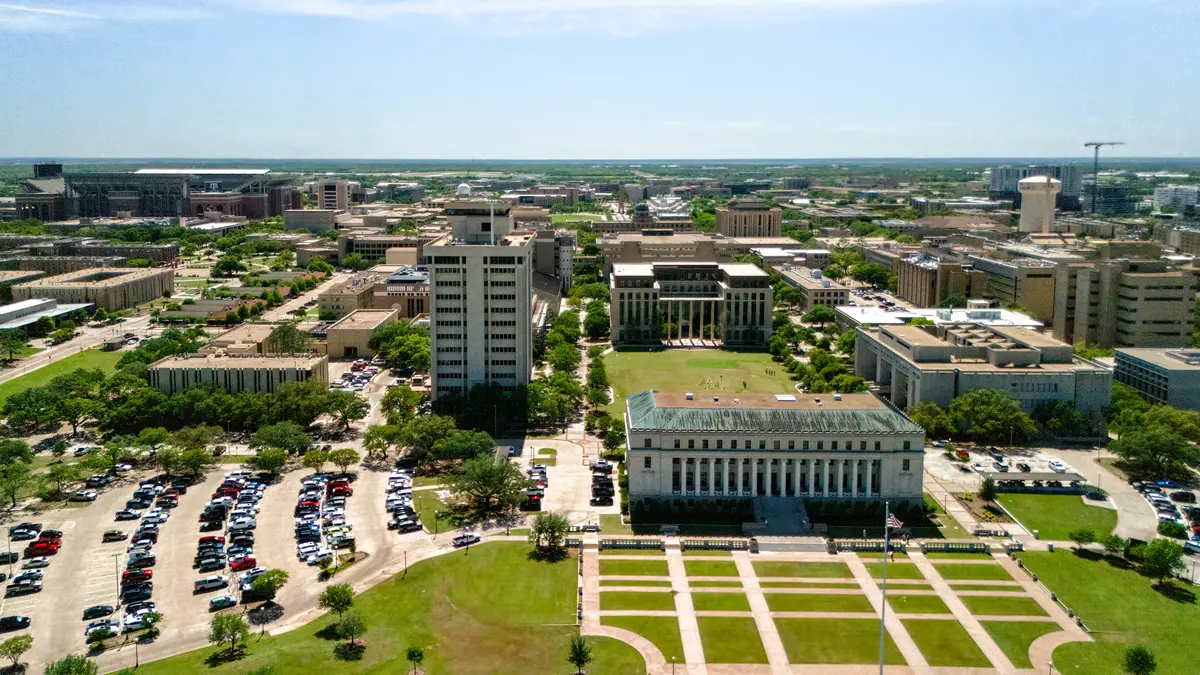
Local Expert Takeaway: California buyers who run the numbers on College Station often do a double-take on the income tax line before they look at anything else — zero state income tax is the kind of change that restructures a household budget in a single tax year. The property tax rate is genuinely higher than what Proposition 13-protected California owners paid, and that trade-off is worth modeling carefully on your specific situation. But the home price gap between College Station's $349,346 typical value (July 2026) and California's statewide typical home value of $773,735 is so wide that for most buyers, the total annual cost of ownership still comes out well below what they were spending in California. Walk Lick Creek Park on a Tuesday afternoon, watch Aggie Park fill up on a Saturday morning, and give yourself one full summer before you decide whether the humidity is something you can live with. Most people answer yes.
Quick Takeaways & FAQs
✅ Texas levies no state income tax, which means a California household earning $150,000 keeps an estimated $9,000–$9,500 more per year the moment Texas residency is established.
⚠️ College Station's effective property tax rate of 1.57% is more than double California's effective rate of 0.71% — buyers who have been protected by Proposition 13 for years should model this carefully before closing.
📍 Kyle Field holds over 100,000 fans, and on Texas A&M home game Saturdays the city's traffic, parking, and restaurant wait times shift dramatically — learning the football schedule is a practical necessity even for residents with no interest in the game.
How much less will I pay in state income tax if I move from California to College Station?
Is College Station's property tax rate really higher than California's?
What is the typical home price in College Station compared to California?
What do Californians find hardest about adjusting to College Station?
Is the College Station school district good enough for families moving from California?
Moving to Texas?
Tell us what you need help with and we'll connect you with local resources.
