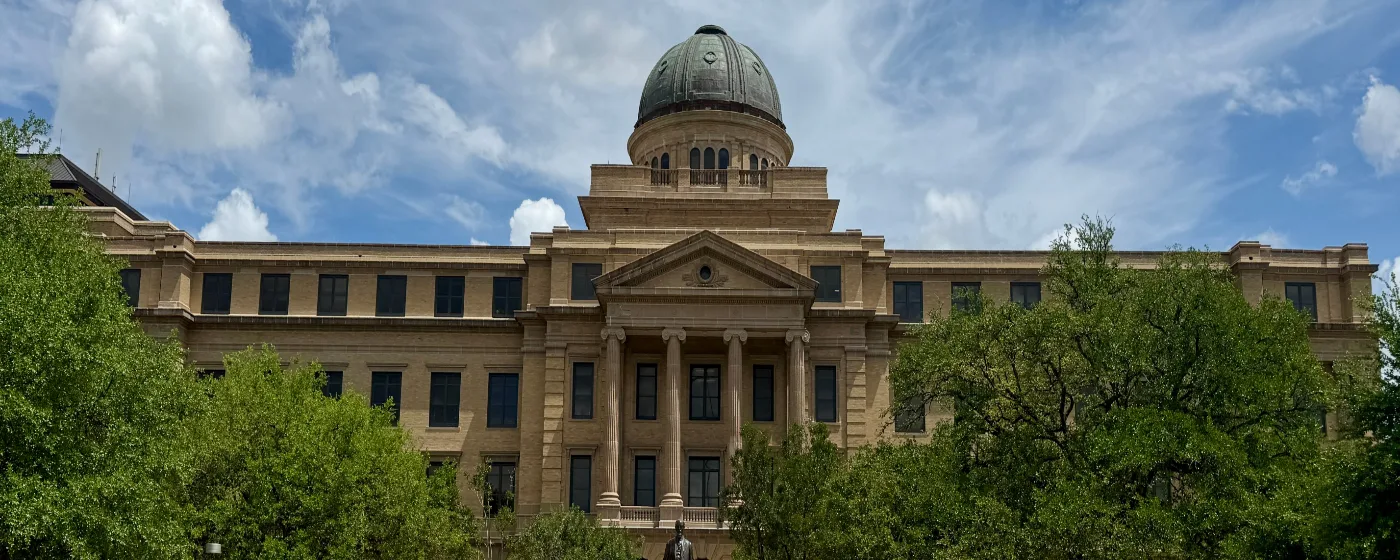
College Station gets described as a college town, and that's accurate as far as it goes — Texas A&M's campus sets the physical and cultural center of the city. But what surprises people who move here for reasons beyond the university is the depth of the outdoor infrastructure. A city of 127,472 with a 523-acre nature preserve inside its limits, a major lake within easy driving distance, and a park system that genuinely serves hikers, cyclists, birders, and tournament-level athletes in separate facilities is not what most people picture when someone says "Brazos Valley."
The city's parks budget reflects a community that takes outdoor access seriously. Lick Creek Park, Wolf Pen Creek, Veterans Park and Athletic Complex, and the newer Aggie Park on the Texas A&M campus each serve a different kind of resident — the trail runner, the concert-goer, the youth soccer family, the weekend angler. None of them feel like afterthoughts. College Station sits far enough from Houston that residents don't treat the city as a bedroom community — the parks and recreation system is part of what keeps people here on weekends, rather than driving south.
The climate shapes all of it. With 209 sunny days a year and mild winters by Texas standards, the usable outdoor season stretches well beyond what you'd get farther north. Summer heat is real — late July and August trail runs start at first light for a reason — but spring and fall deliver the kind of weather that makes an evening at Wolf Pen Creek's amphitheater, stage positioned over the water, feel like something you'd plan a week around. The parks fill on football Saturdays when the campus draws crowds from across the region, but the rest of the time the trails and fields absorb the city's population without crowding.
Whether you're relocating for Texas A&M, evaluating the broader Brazos Valley, or just researching what weekends actually look like here, the sections below cover College Station's signature parks, trail network, water recreation at Lake Bryan, and the seasonal rhythms that define outdoor life in this corner of Texas.
Lick Creek Park: 523 Acres of Native Texas Landscape
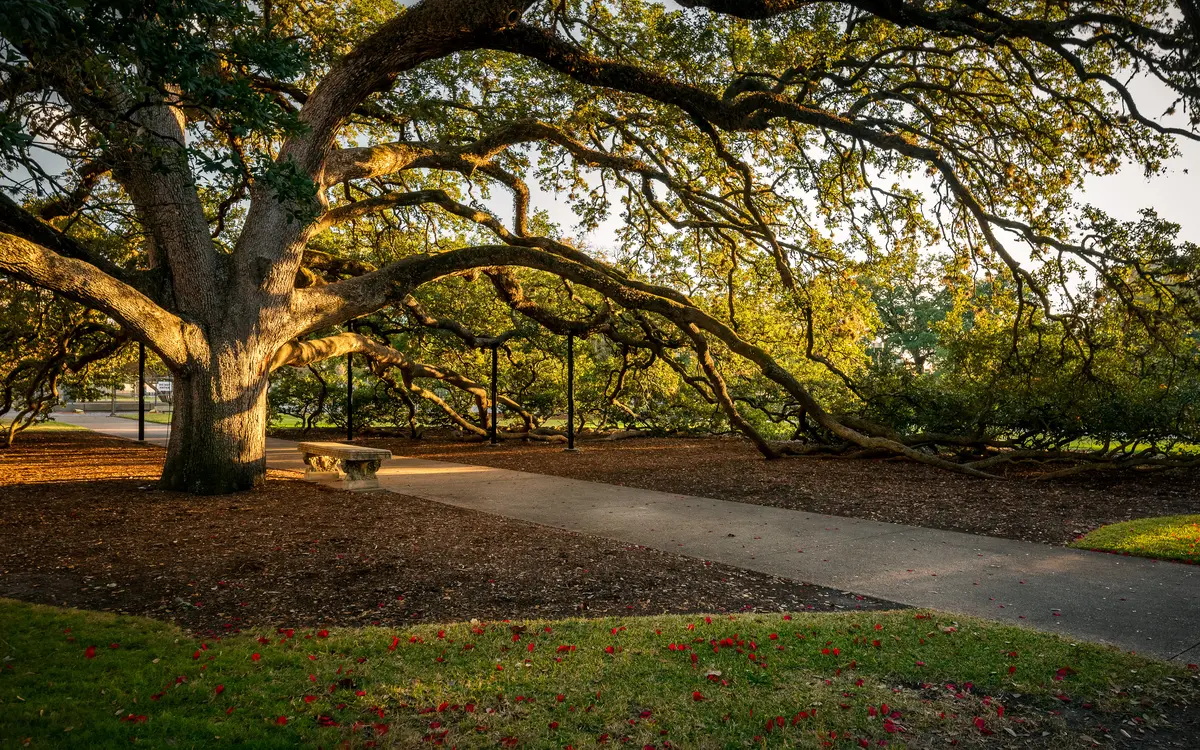
Most cities this size don't have anything like Lick Creek Park. The 523-acre nature preserve sits within College Station's city limits and functions as the kind of wild, unmanicured green space that takes decades to protect and minutes to fall in love with. Five miles of marked trails wind through bottomland hardwoods and upland habitat, open to hikers, cyclists, equestrians, and trail runners on the same network.
What makes Lick Creek ecologically unusual is the Navasota Ladies' Tresses orchid — an endangered native species found in only a handful of locations in Texas, and one of them is here. The park's habitat supports it, which is part of why the preserve has been protected from development pressure that has reshaped other parts of the city.
The Gary Halter Nature Center anchors the park experience. Named after a former College Station mayor, the 2,400-square-foot facility includes a meeting room, an outdoor classroom, a small amphitheater, native plant displays, and a monarch butterfly garden. It's the kind of facility that turns a trail run into something you can take your kids to and actually teach them something.
Birding and Migration Season
Lick Creek draws serious birdwatchers year-round, but migration season is when the park gets genuinely competitive — in the best sense. Painted buntings and hummingbirds pass through seasonally, and the tree canopy along the creek bottom concentrates species in ways that open grassland parks can't match. If birding is part of your outdoor life, this park is a meaningful reason to look seriously at College Station.
The honest limitation: the trail network, while high quality, is five miles. Serious long-distance trail runners will exhaust it and need to supplement with Lake Bryan's trail system or point-to-point routes. But for the kind of daily park visit that defines a neighborhood's quality of life, Lick Creek is among the better urban nature preserves in this part of Texas.
Wolf Pen Creek and Veterans Park: The City's Social and Athletic Core
If Lick Creek is where you go to be alone with the trees, Wolf Pen Creek Park is where you go to be part of something. The 63-acre park runs a paved 2.7-mile trail system through a creek corridor, and the open-air amphitheater — stage positioned over water — seats up to 7,000 on the lawn. It's one of those outdoor venues where the setting does most of the work.
The park also hosts a nine-hole disc golf course and a 10-acre open festival site that draws food events, community gatherings, and the kind of loosely organized weekend activity that makes a neighborhood feel lived-in. The trail is genuinely usable: paved, accessible, and connected enough that it draws strollers and cyclists alongside joggers.
What's Coming at Wolf Pen Creek
In June 2025, the City Council reviewed a proposed master plan to expand the park significantly — adding shaded amphitheater seating, a splash pad, dedicated food truck pads, updated restrooms, and redesigned entry gates. No funding had been allocated at the time of that review. It's worth watching, but worth treating as a proposal rather than a certainty until the city moves money behind it.
Veterans Park and Athletic Complex
Veterans Park operates at a different scale entirely. The 150-acre complex contains 13 multi-purpose athletic fields — four of them synthetic turf — five natural grass softball fields, batting cages, and over 1,500 parking spaces. It draws local recreation leagues, regional tournaments, and national competitions. If you're moving here with school-age kids involved in organized sports, this is the facility that will shape your weekend calendar. For more on youth sports programming and leagues tied to the park, see the schools and youth activities page.
Within Veterans Park, 12 acres are set aside for the Brazos Valley Veterans Memorial — a different kind of outdoor space. Life-sized bronze statues, a Wall of Honor, interpretive panels, and the Lynn Stuart Pathway tracing American military history make it one of the more substantive memorial landscapes in the region. It's the kind of place that earns a slower visit than most parks get.
| Park | Acreage | Primary Use | Signature Feature | Best For |
|---|---|---|---|---|
| Lick Creek Park | 523 acres | Nature preserve, trails | Endangered orchid habitat; Gary Halter Nature Center | Nature Families |
| Wolf Pen Creek Park | ~63 acres | Trail, events, recreation | Amphitheater with stage over water; disc golf | Walkable Families |
| Veterans Park & Athletic Complex | 150 acres | Organized sports, memorial | 13 athletic fields; Brazos Valley Veterans Memorial | Families Athletes |
| Aggie Park | 20 acres | Campus green space, events | 2-acre stocked lake with Kyle Field views | Walkable Views |
| Lake Bryan | Regional lake | Water recreation, trails | 20+ miles of mountain bike/hiking trails; boat ramp | Nature Outdoors |
Lake Bryan and Water Recreation: The Brazos Valley's Outdoor Anchor
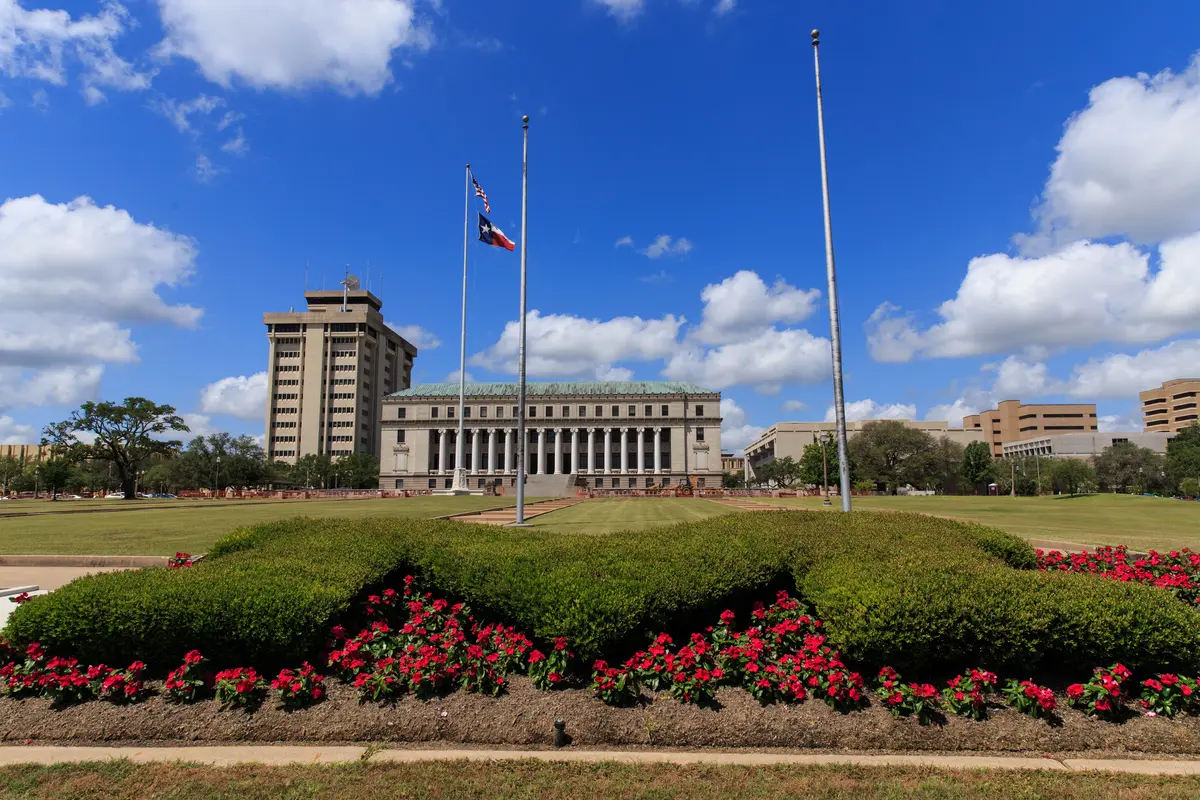
Lake Bryan sits just outside College Station in Bryan, owned and operated by Bryan Texas Utilities. It's consistently promoted by the city's official tourism sources as the area's primary water recreation destination, and once you see the facility, it's obvious why — it's Brazos County's only public boat ramp, and the surrounding land carries more than 20 miles of mountain biking and hiking trails.
Fishing is the main draw for a lot of people: largemouth bass, crappie, catfish, and redfish are present in the lake, and the trail system gives anglers who prefer fishing on foot real options. Paddleboarding has become a popular use of the calmer coves. Camping is available with RV hookups on concrete pads, picnic tables, fire rings, and outdoor grills — the kind of infrastructure that makes an overnight trip genuinely comfortable rather than just possible.
The Honest Case for Lake Bryan
There is a per-person daily admission fee, with children under a certain age free, and annual vehicle passes are available for frequent visitors — check the official Lake Bryan site for current pricing before you go. The lake is open every day of the year, which matters in a climate where January afternoons can be warm enough for a trail ride. That year-round access, combined with the trail mileage, makes it a facility that earns regular use rather than occasional visits.
The mountain biking trail system is the detail most newcomers miss. More than 20 miles of dedicated trail is a serious number for a flatlands county — the terrain isn't dramatic, but the mileage and variety keep experienced riders engaged. If cycling is part of your outdoor routine, Lake Bryan extends your options considerably beyond the paved urban trail network inside College Station.
One thing worth understanding: Lake Bryan is in Bryan, not College Station. The two cities share a metro area and many residents don't notice the municipal boundary in daily life. But it is not a College Station city park, and its long-term management reflects Bryan Texas Utilities' priorities rather than the College Station parks department. That has been stable and well-managed for years; it's simply a distinction worth knowing as a resident.
Looking to buy in College Station? Estimate your payment.
Enter your numbers to see an estimated monthly mortgage payment.
Estimate only. Excludes HOA fees and mortgage insurance. The interest rate above is a starting point, not a quoted rate — replace it with your own to see real numbers. Insurance is a flat placeholder, not a College Station quote.
Aggie Park, Seasonal Rhythms, and What Daily Outdoor Life Actually Looks Like
Aggie Park opened on the Texas A&M campus in September 2022, and it filled a gap that the university's green space had always had: a purpose-built gathering place that functions on non-game days. The 20-acre park includes walking trails, an outdoor amphitheater, an event lawn, a terraced water feature, and an event pavilion. The 2-acre lake at its center is stocked for catch-and-release fishing — largemouth bass and rainbow trout — and positioned to frame a view of Kyle Field across the water.
The tailgating infrastructure — dedicated areas, public Wi-Fi, modern restrooms — means the park transforms on football Saturdays in ways that most city parks never experience. But the quieter version of Aggie Park, on a Tuesday morning with students and early-morning walkers, is equally worth knowing about. It has become one of the genuinely pleasant places to spend an hour in College Station without needing a reason.
The Seasonal Reality of Outdoor Life Here
Spring and fall are when the parks earn their reputation. March through May and October through November deliver the weather that makes evening trail runs, amphitheater concerts, and lake trips feel effortless. Summer asks more of you — most serious trail users are out before 8 a.m. from late June through early September, and the midday heat genuinely discourages casual use of exposed facilities.
Migration season at Lick Creek draws birdwatchers from outside the county. The Wolf Pen Creek amphitheater season concentrates outdoor social life in a way that gives the city a kind of rhythm — residents plan around it. The Aggieland Farmers Market offers a weekly touchpoint for produce and local goods that doubles as one of the more reliable spots to run into neighbors.
What Moves People Out — and What Keeps Them
People who leave College Station after a few years often cite the summer heat as a cumulative factor rather than a single event — it's the third August, not the first, that wears on them. The lack of a large natural lake within city limits is a real gap for people who moved from places with water-access suburbs. Lake Bryan fills much of that need, but requiring a drive for water recreation is a different lifestyle than having it at the end of the street.
What keeps people — and what surprises those who expected a one-dimensional college town — is the combination of Lick Creek's genuine wildness, Veterans Park's organized athletic infrastructure, and the university campus as a de facto public amenity. The George H.W. Bush Presidential Library and Museum adds a cultural layer that makes College Station feel like more than its enrollment figures suggest. For neighborhood-level detail on which parts of the city put you closest to these parks, see the neighborhoods guide.
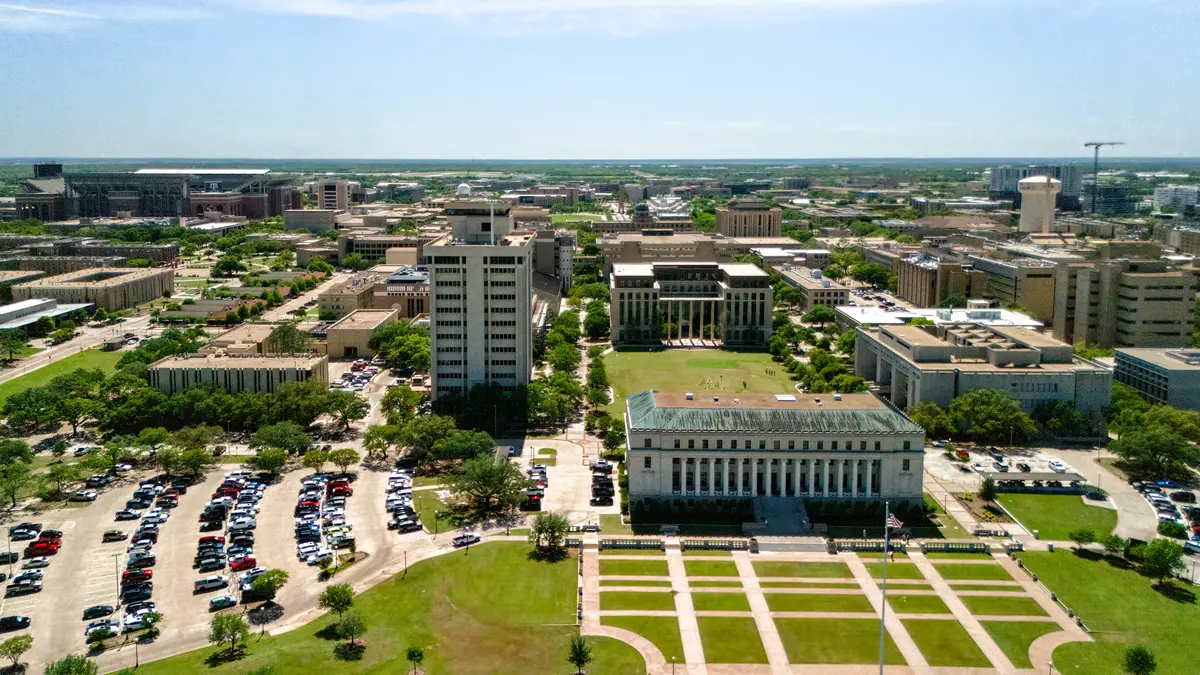
Local Expert Takeaway: Lick Creek Park is the outdoor asset most relocating buyers underestimate — 523 acres of protected native habitat with an endangered orchid population, five miles of multi-use trail, and a nature center named after a former mayor, all inside city limits. Pair that with Wolf Pen Creek's amphitheater (stage over water, 7,000-person lawn capacity), Veterans Park's tournament-grade athletic fields, and Lake Bryan's 20-plus miles of mountain bike trail a short drive away, and College Station's outdoor infrastructure is quietly one of the stronger packages in this part of Texas. The summer heat is the honest trade-off — build your trail and lake habits around early mornings from late June through August, and the rest of the year you'll wonder why more people aren't talking about this.
Quick Takeaways & FAQs
✅ Lick Creek Park protects 523 acres of native Texas habitat — including an endangered orchid — inside the city limits, with five miles of multi-use trail open to hikers, cyclists, and equestrians.
⚠️ Summer heat is real and cumulative: serious trail users are on the paths before 8 a.m. from late June through early September, and the midday hours genuinely discourage casual park use.
📍 Lake Bryan, a short drive from College Station, is the only public boat ramp in Brazos County and carries more than 20 miles of dedicated mountain biking and hiking trails, open every day of the year.
Is Lick Creek Park good for beginners or is it more of an advanced trail system?
Do you need a reservation to visit Lake Bryan, and is there an admission fee?
What fish can you catch at Lake Bryan and at Aggie Park?
Does College Station have enough outdoor recreation for someone who isn't a Texas A&M fan?
What's the best season for outdoor recreation in College Station?
Moving to Texas?
Tell us what you need help with and we'll connect you with local resources.
