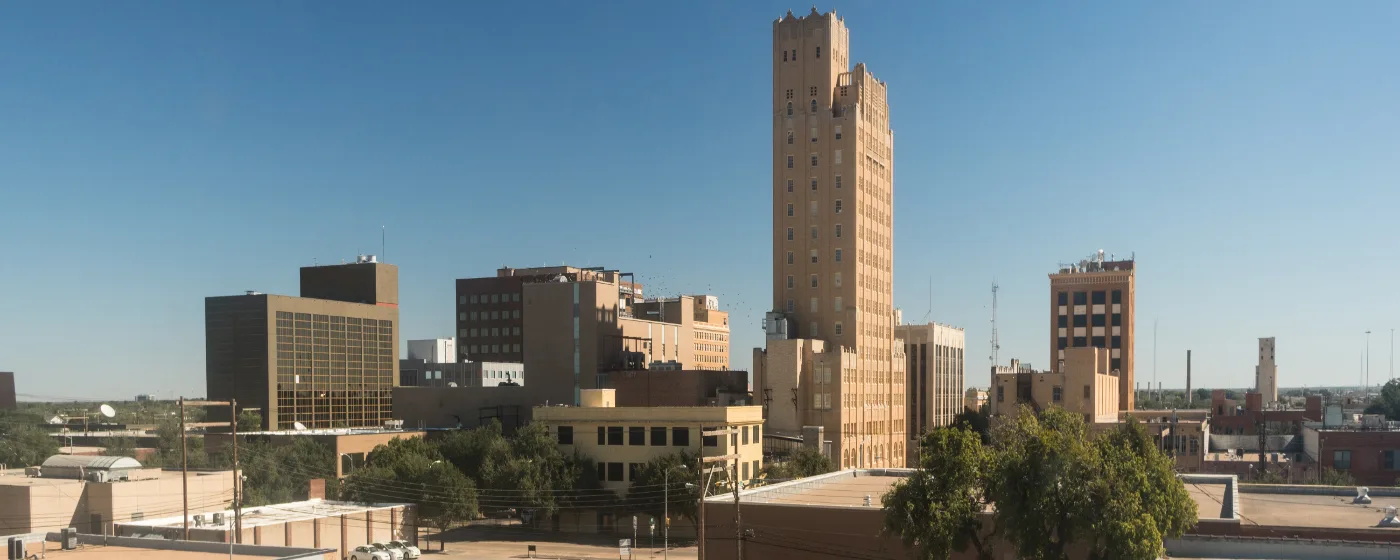
You've probably done the math on coastal retirement and come up short. Abilene doesn't show up on the glossy lists of best retirement destinations, but retirees who land here from Dallas, the Midwest, or California often describe the same quiet surprise: a city of 131,588 with a genuine hospital system, three universities, a functioning arts scene, and home prices well below what most of the country pays for far less. The tension you'll need to resolve before moving here is simple — this is West Texas, and a car is not optional. If you're prepared for that, the tradeoffs start looking very favorable.
The city's economic spine is Dyess Air Force Base, Hendrick Health, and three universities: Abilene Christian University, Hardin-Simmons University, and McMurry University. That combination matters for retirees in ways beyond employment — it means performing arts, lecture series, continuing education, and a community calendar that punches above the city's weight. Hendrick Health, the dominant healthcare employer, is also the institution that keeps most retirees from having to leave town for serious medical care. The school district, Abilene Independent School District, holds a C rating, according to the Texas Education Agency, which is worth knowing if grandchildren factor into your location decision.
Cost of living is the headline. Groceries and healthcare services both run below the national average, and housing in Abilene is considerably cheaper than in most Texas metros — the typical home price sits at $222,710 (Zillow Home Value Index, July 2026), which is the kind of number that lets retirees buy outright, reduce a mortgage dramatically, or free up cash flow for healthcare or travel. On balance, Abilene's cost structure is one of the more retiree-friendly in the state. For a full breakdown of cost of living in Abilene, the dedicated page has the detail.
Whether you're weighing Abilene against San Angelo, considering a move from a higher-cost Texas city, or relocating from out of state entirely, the sections below cover what retirement here actually looks like: healthcare depth, the tax picture, what a retiree budget buys, how walkable and social the city is, downsizing options, and an honest comparison with nearby alternatives.
Why Retirees Are Choosing Abilene
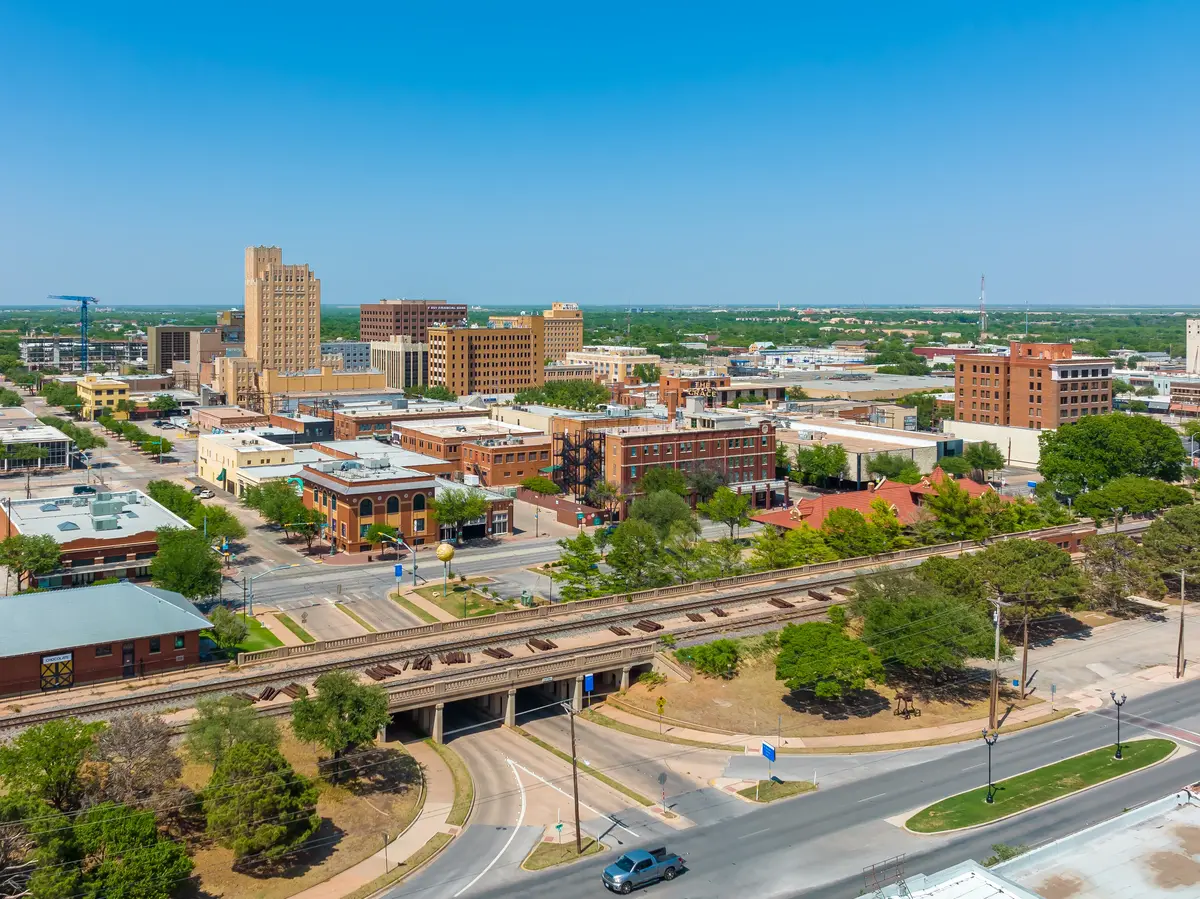
The retirees who do best in Abilene tend to share a few traits: they want to own a home outright or carry a very small mortgage, they value having a real hospital close by rather than a 90-minute drive to the nearest specialist, and they're comfortable — or even relieved — to leave behind the pace of a larger metro. At a typical home price of $222,710 (Zillow Home Value Index, July 2026), a retiree selling a modest home in virtually any major Texas metro can arrive debt-free and still have money left over.
The city also rewards retirees who want intellectual and cultural engagement without paying big-city prices for it. Three universities running year-round events, a renovated Historic Paramount Theatre, the Grace Museum, and Frontier Texas! give the calendar more depth than the city's size would suggest. For retirees who want to volunteer or stay connected to community institutions, Abilene has the civic infrastructure of a city that has been a regional hub for West Central Texas for generations.
The honest case against Abilene is equally short. If you cannot or do not want to drive, this city will frustrate you — most errands require a car, and the public transit network (CityLink) is genuinely limited for anyone used to walkable urban living. Summers are long and hot. And if your retirement picture includes proximity to children or grandchildren in a major metro, Abilene's nearest major city, Fort Worth, is roughly 150 miles away. For buyers who want to comparison-shop neighborhoods before committing, the geographic spread of the city matters more than it would in a denser place.
Healthcare & Medical Access in Abilene
Abilene's strongest retirement argument may be its hospital system. Hendrick Medical Center — inside city limits and the nearest hospital — is a Level III trauma center licensed for 564 beds. In December 2025, it earned the state's highest stroke-center designation from the Texas Department of State Health Services, making it the top-level stroke facility in the stretch between Fort Worth and Lubbock. For retirees weighing a small-city move, that designation is not a marketing claim — it represents a measurable difference in time-to-treatment for one of the most time-sensitive medical emergencies older adults face.
The system goes deeper than a single campus. Hendrick Medical Center South — a separate 231-bed facility in Abilene — earned its own stroke facility certification in the same December 2025 announcement, giving the city two stroke-certified hospitals. Hendrick Health's specialty services include a cancer center, a rehabilitation hospital, a cardiovascular program, neurosurgery, and hospice care. That's the kind of specialty depth usually found in cities significantly larger than Abilene.
Where Abilene does show its limits is in truly advanced subspecialty care. Highly specialized procedures — organ transplants, complex pediatric surgery, certain cancer protocols — will still require travel to Dallas, Fort Worth, or Houston. Retirees managing serious or complex chronic conditions should map out their specific care team before committing to a move here. But for the broad range of conditions that send older adults to the hospital most often — cardiac events, orthopedic issues, stroke — Abilene's system is meaningfully stronger than most cities of its size.
The Retiree Budget in Abilene
Texas's tax posture for retirees is about as favorable as any state in the country. There is no state income tax, which means Social Security benefits, pension payments, 401(k) and IRA distributions, and other retirement income are entirely free from state-level taxation. You still owe federal income tax on applicable income, but no Texas state return is required at all.
Property taxes deserve an honest look. The effective rate in Abilene runs approximately 1.98% — higher than many retirees moving from states with lower rates will expect. Texas homeowners age 65 and older, however, qualify for a senior homestead exemption and a school-district property-tax ceiling, which freezes the school-tax portion of their bill even as home values rise. That freeze is significant in a city where the school district is typically the largest component of the property-tax bill. Apply the year you turn 65; it does not apply automatically. For the full property and income tax picture, the cost-of-living page has the breakdown.
Texas also has no estate or inheritance tax — voters approved a 2025 constitutional amendment making that prohibition essentially permanent — which matters for retirees doing estate planning. The offsetting item on the fixed-income ledger is sales tax: the combined state-plus-local rate in Abilene can reach 8.25%, which adds up meaningfully on everyday purchases. Groceries run below the national average and healthcare services do as well, both of which help stretch a fixed income. On balance, Abilene's cost structure is one of the more retiree-friendly in the state once the full picture is taken in.
Looking to buy in Abilene? Estimate your payment.
Enter your numbers to see an estimated monthly mortgage payment.
Estimate only. Excludes HOA fees and mortgage insurance. The interest rate above is a starting point, not a quoted rate — replace it with your own to see real numbers. Insurance is a flat placeholder, not a Abilene quote.
Walkability, Community & Staying Active in Abilene
Abilene is a car-dependent city, and retirees should internalize that before they arrive. Most daily errands require a vehicle. The city does operate CityLink — a public transit system with fixed routes, a flexible on-demand option called ZipZone/On Call, and ADA paratransit service bookable through a mobile app — but it is a backup system, not a primary one. Retirees who plan to give up driving entirely will find the city a genuinely difficult place to age in place without family support or a plan for transportation.
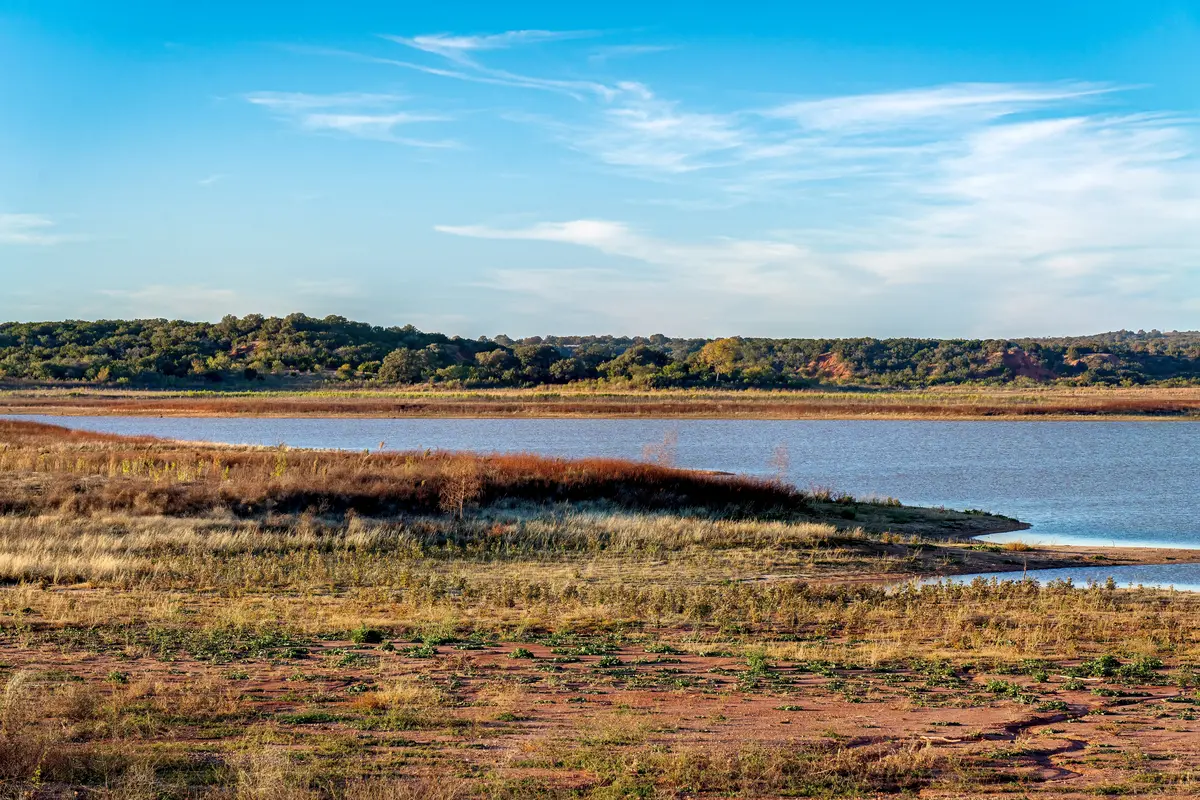
What Abilene offers instead of walkable streets is a surprisingly active community life for a city of its size. Three universities mean a steady calendar of lectures, concerts, theater productions, and continuing-education programs that retirees can access without being enrolled. The Abilene Farmer's Market draws a regular crowd through the growing season. Redbud Park and Nelson Park serve as neighborhood gathering anchors, and Abilene State Park — a 529-acre reserve adjacent to Lake Abilene — is a legitimate outdoor asset for retirees who hike, camp, or simply want to watch wildlife without a long drive. Lake Fort Phantom Hill and Kirby Lake add further options for fishing and walking trails close to the city.
The college-town undercurrent is the part that surprises new arrivals most. Six months in, retirees who expected a quiet West Texas city often find themselves attending a Hardin-Simmons concert series, volunteering with a university-affiliated organization, or taking a continuing-education course at Abilene Christian University. The Grace Museum and Historic Paramount Theatre anchor the arts calendar downtown. For retirees who moved here primarily for cost and healthcare and discovered community as a bonus, that's a common enough pattern to count as something Abilene consistently delivers.
Right-Sizing: Downsizing in Abilene
No 55+ communities were found in Abilene. That is the clearest way to state what the research turned up, and it matters if an age-restricted community with shared amenities and a built-in social structure is part of your retirement plan. The closest equivalents are assisted living and independent living facilities — not the same thing as a 55+ neighborhood, and typically oriented toward residents who need some level of care rather than active adults who simply want a smaller home.
What Abilene does have is a genuine stock of single-story homes that suits the downsizing market. The city's housing was built predominantly in eras that favored ranch-style construction, and single-level homes on modest lots — without stairs, without large yards to maintain — are more common here than in many Sun Belt markets where mid-century ranches have been scraped and replaced. Neighborhoods like Elmwood and Sayles Boulevard offer that older ranch stock at prices below the city median, which is already low. Neighborhoods in the Chimney Rock and River Oaks areas carry prices above the city median and typically reflect newer or more recently updated construction.
Patio homes and smaller-footprint attached housing exist in Abilene but are not abundant. Buyers specifically seeking a lock-and-leave lifestyle — where exterior maintenance is handled — should plan to search carefully and be patient. The inventory picture at any given moment is something a local agent can speak to, but this is not a market saturated with condominium or townhome product the way a larger Texas metro would be. For retirees weighing the full neighborhood and housing landscape, starting with the neighborhoods that skew below the median on price and toward older construction will usually surface the best downsizing candidates.
Abilene vs Nearby Retirement Destinations
| City | Cost vs Abilene | Primary Hospital | Walkability | Senior Living Depth | Overall Retirement Fit |
|---|---|---|---|---|---|
| Abilene | Anchor | Hendrick Medical Center (Level III trauma, top-tier stroke certification) | Car-dependent; limited transit | No 55+ communities; assisted living available | Strong on cost, healthcare, and culture; weak on walkability and age-restricted options |
| San Angelo | About the same | Shannon Medical Center (regional hospital) | Car-dependent; slightly more compact core | Some 55+ and senior community options | Comparable cost; similar healthcare tier; slightly more senior-community inventory |
| Sweetwater | Noticeably lower | Rolling Plains Memorial Hospital (smaller regional) | Very car-dependent; small-town scale | Very limited | Lowest cost nearby; trade off is significantly less healthcare depth and amenities |
| Brownwood | Noticeably lower | Regional hospital access; smaller facility | Car-dependent; small downtown core | Limited | Budget-friendly; suitable for retirees with minimal medical complexity and family nearby |
| Lubbock | Pricier | University Medical Center (academic medical center) | Car-dependent; larger grid layout | Multiple 55+ communities available | Better for retirees who want an academic medical center and more senior-community options |
| Midland | Pricier | Midland Memorial Hospital (regional) | Car-dependent; spread-out city | Some senior community options | Energy-economy volatility; higher prices; better suited to retirees with oil-sector connections |
Sweetwater and Brownwood offer the lowest costs in the region, but the healthcare trade-off is real — neither has the specialty depth or trauma designation that Hendrick Medical Center carries, which matters more as retirees age. San Angelo is the closest comparison to Abilene in overall profile: similar costs, a solid regional hospital, and a slightly more walkable core, though it lacks Abilene's university ecosystem. Lubbock beats Abilene on both 55+ community inventory and hospital sophistication, with an academic medical center that handles cases Hendrick transfers out — if access to subspecialty care without long-distance travel is the priority, Lubbock makes a credible case at a higher price point. Midland's costs run higher and its economy is more volatile; it suits a narrow profile of retiree. For most retirees balancing cost, healthcare access, and community depth, Abilene sits at the strongest intersection of all three within its part of West Texas.

Local Expert Takeaway: Abilene is one of the few small Texas cities where a retiree can buy a single-story home outright for well under $250,000, walk into a stroke-certified hospital within city limits, and fill a week with university lectures, farmers market visits, and evenings at the Historic Paramount Theatre — without paying for any of it with a state income tax bill. The catch is honest and consistent: you will drive everywhere, 55+ community options don't exist here, and anyone needing truly specialized subspecialty care will eventually make the trip to Fort Worth or Dallas. Know that going in, and Abilene's retirement math is hard to argue with.
Quick Takeaways & FAQs
✅ Hendrick Medical Center earned the state's highest stroke-center designation in December 2025, making it the top-level stroke facility between Fort Worth and Lubbock — unusually strong healthcare coverage for a city of Abilene's size.
⚠️ The effective property tax rate runs approximately 1.98%, which is higher than many retirees expect from Texas; the age-65 school-tax freeze helps, but it should be factored into any budget before you commit.
📍 No 55+ age-restricted communities were found in Abilene — retirees who want that built-in social structure and shared-amenity setup will need to look at Lubbock or San Angelo instead.
Is Abilene a good place to retire on Social Security alone?
What is the nearest hospital to Abilene, and how good is it?
Are there any 55+ communities in Abilene?
How does Abilene compare to San Angelo for retirement?
What are the property tax implications for retirees in Abilene?
Moving to Texas?
Tell us what you need help with and we'll connect you with local resources.
