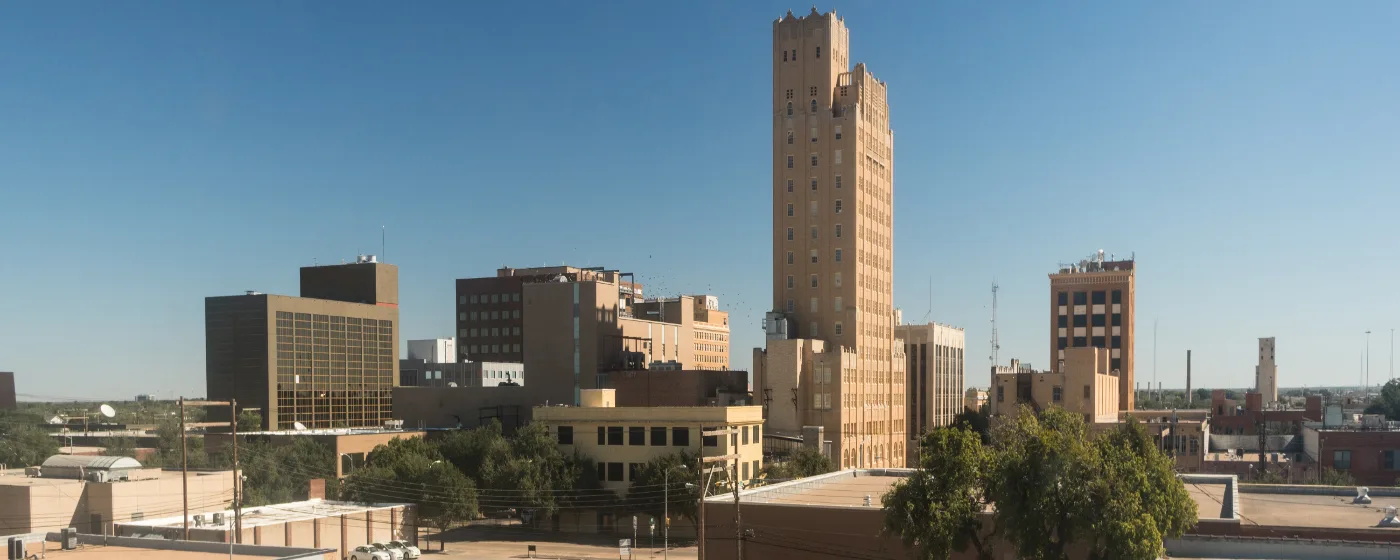
If you're choosing between neighborhoods in Abilene, the decision often comes down to a single question: does Wylie ISD matter to you? That one answer sorts the city's buyer pool more cleanly than price, commute, or lot size. Abilene covers a surprising amount of geographic and social variety for a city of 131,588 — from oil-boom-era estates along Sayles Boulevard to brand-new farmhouse builds on the Far Southside, and from a military-heavy corridor near Dyess Air Force Base to a lakeside enclave that genuinely feels rural while still carrying a city address.
The economic engine here is a combination of Dyess Air Force Base, Hendrick Health, Abilene Christian University, Hardin-Simmons University, and Great Lakes Cheese — a mix that keeps the rental market active and produces a steady flow of relocating military families, university faculty, and healthcare workers who all land in different parts of the city. The Abilene Independent School District serves most of the city and holds a C rating, according to the Texas Education Agency, which is why the Far Southside's position inside Wylie ISD drives persistent buyer demand. That school-district divide is the most consequential geographic fact for buyers with school-age children.
Abilene's typical home price of $222,710 (July 2026) sits well below the Texas major-metro average, which makes it a logical landing spot for buyers priced out of Dallas-Fort Worth. The catch is that the median household income of $62,720 is slightly below what it takes to carry the typical home here — meaning affordability is real but not as automatic as the sticker price suggests. The city's effective property tax rate of 1.98% is worth factoring into any budget comparison. Day-to-day life leans heavily on a car: Abilene Regional Airport (ABI) is seven miles from the center of town, CityLink bus service covers select corridors, and the nearest major metro is Fort Worth at roughly 150 miles. For more on cost of living in Abilene, that page has the full picture.
Whether you're a Dyess transferee with 60 days to find housing, a first-time buyer trying to decode the school-boundary map, or a remote worker who wants a historic house and a manageable cost base, the sections below break down Abilene's eight neighborhoods, who each one suits, the honest trade-offs, and where renters get the most for their money.
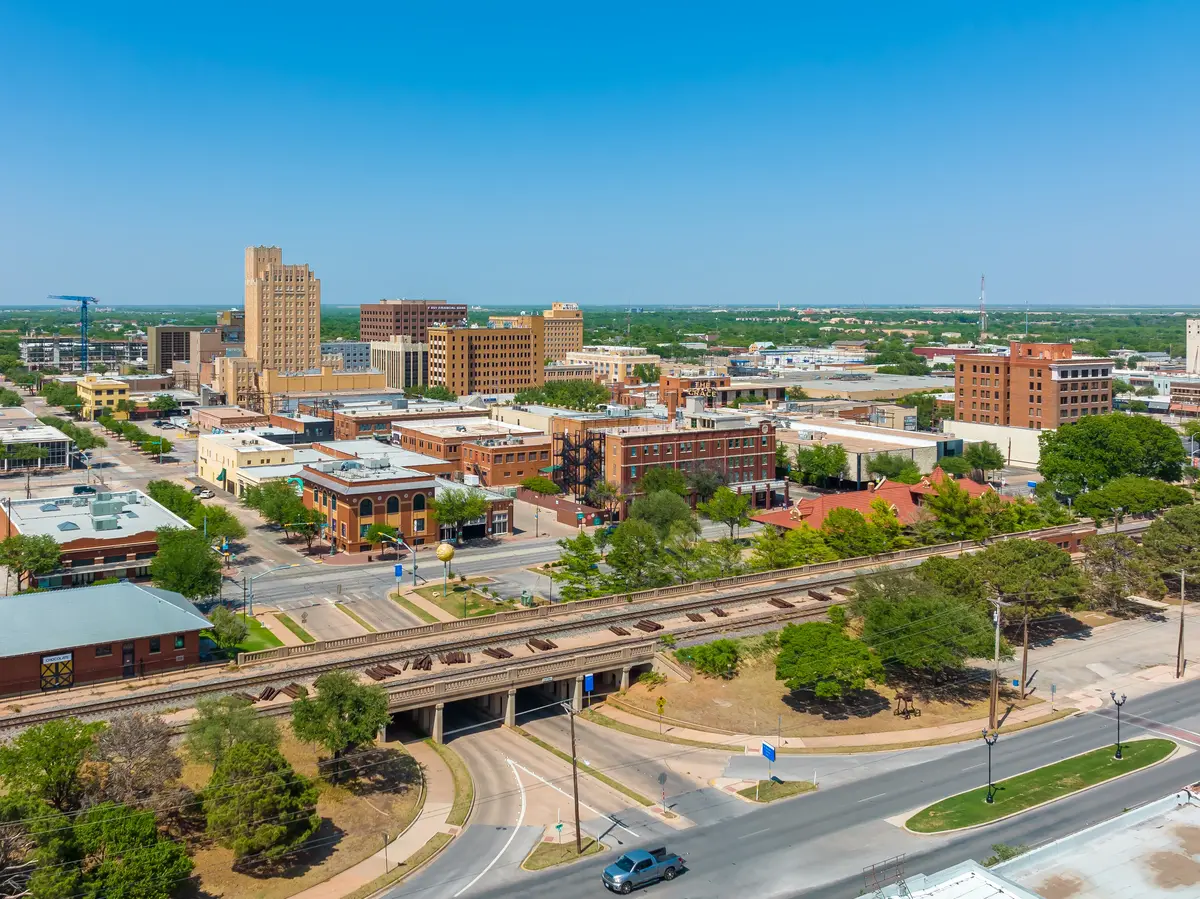
The Abilene Reality
The divide that shapes every Abilene home search is the school-district boundary between Abilene ISD and Wylie ISD. Most of the city falls inside Abilene ISD, which holds a C rating, according to the Texas Education Agency. The Far Southside is the main corridor where Wylie ISD takes over, and families who prioritize school ratings have been driving sustained demand there for years — enough to make it one of the city's most active buying zones.
Geography reinforces this split. The southwest quadrant — Chimney Rock, River Oaks, and Brookhollow — contains Abilene's highest-income residential stock, built up during the oil-boom decades and anchored by the Abilene Country Club. The northwest corridor along US-83 (Winters Freeway) and near TX-Loop 322 serves a different population entirely: active-duty military personnel from Dyess Air Force Base who need quick access to the base and don't plan to stay for more than a few years. Park Central, sitting squarely in that corridor, ranks in the 98.9th percentile of U.S. neighborhoods for active military presence — a figure that explains both its rental density and its turnover rate.
The third axis is vintage versus new. Buyers who want architectural character — Craftsman bungalows, Queen Anne details, Arts and Crafts cottages — look at Elmwood and Sayles Boulevard, both of which offer older homes below the city median. Buyers who want new construction with HOA infrastructure and suburban amenities go south, toward the Far Southside. Trying to find all three things — great schools, historic character, and a price below the city median — in the same block doesn't work in Abilene. The trade-offs are real, and knowing which one you're willing to make is the most useful thing you can do before your first showing.
Neighborhoods at a Glance
| Neighborhood | Best For | Vibe |
|---|---|---|
| Westwood / Westwood Richland | Value Commuter | Mid-century brick ranches with mature trees and easy freeway access; relaxed and established |
| Far Southside (Wylie ISD area) | Families School | New-construction subdivisions with HOA amenities; suburban, safe, and school-driven |
| Chimney Rock | Luxury Nature | Upscale 1980s–90s homes near a golf course and Kirby Lake; professional and quiet |
| River Oaks / Brookhollow | Luxury Quiet | Wide streets, large lawns, classic brick estates; the established prestige address |
| Park Central | Commuter Renter | High military-household density near the base; practical and transient-friendly |
| Elmwood | First-Time Walkable | Pre-war character homes with winding streets and a genuine arts sensibility |
| Sayles Boulevard | First-Time Character | Abilene's original prestige street; historic architecture close to downtown at a below-median price |
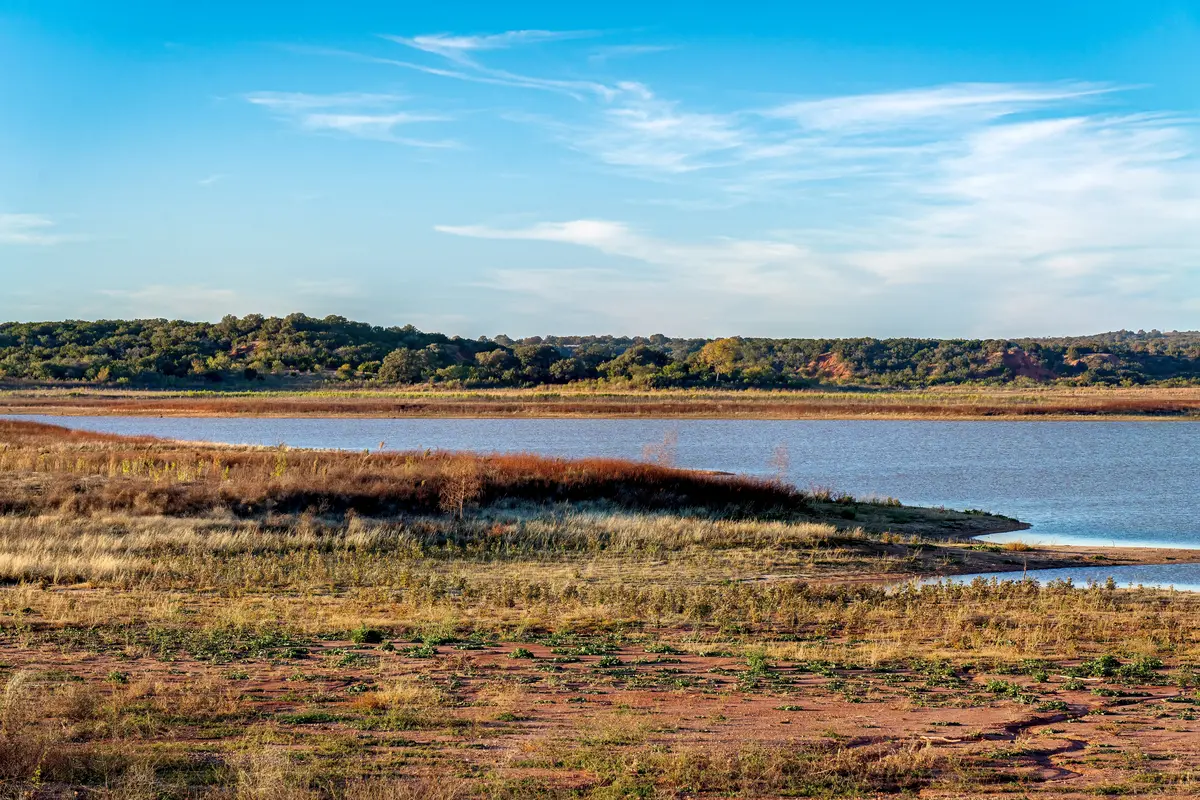
| Lytle / Lytle Lake | Privacy Nature | Lake-anchored enclave with a rural feel inside city limits; mix of older homes and custom builds |
Abilene typical home price: $222,710 (Zillow ZHVI, July 2026). Typical rent: $2,017/mo (Zillow ZORI, July 2026). Neighborhood tiers on this page are relative to these figures.
Best Neighborhood by Buyer Type
| Buyer Type | Best Neighborhood | Why |
|---|---|---|
| First-Time Buyer | Elmwood | Below-median pricing and genuine architectural character make Elmwood the strongest value story for buyers entering the market without needing the newest construction. |
| Luxury Buyer | Chimney Rock | The combination of Kirby Lake, the Abilene Country Club's Fairway course, and a household income profile that skews heavily toward professional and executive earners sets Chimney Rock apart at the upper end of the market. |
| Walkability Seeker | Sayles Boulevard | Oscar Rose Park, with its splash zone, recreation centers, and skate park, sits inside the neighborhood, and downtown is about a mile away — a short walk by Abilene standards. |
| Families with Kids | Far Southside (Wylie ISD area) | All four Wylie ISD schools sit within a two-and-a-half-mile radius of the area, and master-planned communities like Elm Creek at Wylie deliver the pool and trail infrastructure parents want. |
| Dyess Commuter | Park Central | The neighborhood's position near US-83 (Winters Freeway) and TX-Loop 322 makes it the most practical address for base personnel who prioritize a short drive over long-term equity. |
| Large-Lot Buyer | Lytle / Lytle Lake | Lytle is the only neighborhood in the city that combines city-limit convenience with lot sizes and a setting that residents genuinely describe as feeling more rural than suburban. |
| Renter | Park Central | Military-household turnover keeps rental inventory moving, and proximity to Dyess means property managers here are accustomed to BAH-aligned lease terms. |
Looking to buy in Abilene? Estimate your payment.
Enter your numbers to see an estimated monthly mortgage payment.
Estimate only. Excludes HOA fees and mortgage insurance. The interest rate above is a starting point, not a quoted rate — replace it with your own to see real numbers. Insurance is a flat placeholder, not a Abilene quote.
Most Popular Neighborhoods
1. Westwood / Westwood Richland
Brick ranch homes from the 1950s and '60s sit on generous corner lots in subdivisions like Richland Acres, Green Acres, Woodlawn, and Park Plaza — most with long driveways or carports and Elm Creek threading through the back edge. CityLink bus stops are scattered through the area, which is relatively unusual for Abilene. The catch: the homes show their age, and buyers expecting modern layouts in older bones will often need to budget for updates.
Best for: Budget-conscious buyers who want a substantial mid-century lot, mature trees, and a short hop to US-277 (Winters Freeway) or I-20 without paying above-median prices.
2. Far Southside (Wylie ISD area)
This is where farmland has been converting into master-planned communities at a steady pace, with Elm Creek at Wylie offering a pool, splash pad, and walking trails alongside traditional and farmhouse-style architecture. Southridge adds a gated option with larger lots near US-83. The school-district premium is real and reflects both Wylie ISD demand and HOA infrastructure — buyers who don't need Wylie ISD should run the numbers carefully before assuming the suburbs are the cheapest option.
Best for: Parents with school-age children who want Wylie ISD, newer construction, active HOA amenities, and the city's strongest safety profile.
3. Chimney Rock
Subdivisions like Woodlake, Fairway Oaks, and Canyon Rock Court represent the 1980s-and-90s build-out of southwest Abilene, with brick and contemporary single-family homes alongside the Abilene Country Club's Fairway course and Kirby Lake. The neighborhood's working population skews heavily toward executive, management, and professional roles — a meaningful signal about what resale competition looks like here. The trade-off is that homes above the city median in an established upscale pocket can sit longer when the broader market cools.
Best for: Professionals and executives who want an established upscale address, golf-course access, and proximity to Kirby Lake without the newness premium of the Far Southside.
4. River Oaks / Brookhollow
Three postwar subdivisions — Tanglewood, Brookhollow, and River Oaks — make up this corridor, developed when Abilene was riding an oil-boom expansion in the 1950s and '60s. Tanglewood carries the largest homes in the group, typically in the 3,000–5,000 square-foot range, with a private clubhouse and outdoor pool. Buyers should know that these are above-median homes with decades-old bones: the character is real, but so are the deferred maintenance cycles that come with postwar construction.
Best for: Buyers who want the city's original prestige address, wide quiet streets, mature trees, and classic brick-and-stone craftsmanship at an above-median but not extravagant price.
5. Park Central
The 98.9th-percentile ranking for active military presence tells you most of what you need to know: this is a neighborhood organized around Dyess Air Force Base access, with US-83 (Winters Freeway) and TX-Loop 322 providing the route. The college-enrollment rate reflects proximity to Abilene's university corridor as well. The honest downside is turnover — high military and student concentration keeps the neighborhood transient, which limits the community stability that longer-term homeowners often want.
Best for: Active-duty personnel on a short rotation who need a practical commute to Dyess and don't want to be locked into a neighborhood they'll leave in two years.
6. Elmwood
A range of early-twentieth-century architectural styles — Arts and Crafts, Midcentury Modern, American Foursquare, Colonial and Spanish Revival — line narrow winding streets divided by Elm Creek, and the area sits roughly three miles from downtown. At a below-median price point, Elmwood offers more architectural personality per dollar than almost anywhere else in the city. The practical limit is the age of the housing stock: inspections here routinely surface foundation, plumbing, or electrical issues that newer-build buyers aren't prepared for.
Best for: First-time buyers, history enthusiasts, and renovation-tolerant buyers who want genuine character, a walkable street-level feel, and a below-median entry point.
7. Sayles Boulevard
Platted in the 1890s and built out through the 1920s boom, Sayles Boulevard is Abilene's most architecturally significant residential street — Queen Anne, Craftsman bungalow, and Colonial Revival homes designed by prominent local architects, documented by the Society of Architectural Historians. Oscar Rose Park anchors the neighborhood with a splash zone, two recreation centers, and a skate park, and downtown sits about a mile away. Pricing runs below the city median, which means buyers are getting historically significant real estate at a discount — but that discount comes with the upkeep demands that century-old homes always carry.
Best for: Buyers who prioritize architectural history, walkable proximity to downtown and Oscar Rose Park, and a below-median price on a home with genuine civic significance.
8. Lytle / Lytle Lake
The lake is the organizing principle here — boating and fishing define the lifestyle, and the mix of Tudor and Colonial Revivals alongside Craftsman and contemporary custom builds gives the neighborhood more architectural variety than almost anywhere else in the city. Residents consistently describe the feeling as rural despite the city-limits address, and the Taylor County Expo Center nearby adds a distinctly West Texas character. Above-median pricing reflects the lake premium, and buyers should know the lake's character shapes access in ways that aren't always obvious from a listing.
Best for: Buyers who want a lake-anchored lifestyle, large-lot privacy, and an above-median home that feels genuinely removed from the suburban grid.
Common Mistakes Buyers Make in Abilene
Treating All of Southwest Abilene as Interchangeable
Chimney Rock and River Oaks look similar on a map — both are southwest, both run above the city median, both have mature trees and classic brick construction. But the stock is a generation apart: River Oaks is postwar 1950s and '60s, Chimney Rock is 1980s and '90s. Buyers who bid on one expecting the maintenance profile of the other get surprised at inspection. Walk both before you decide, and budget accordingly for the age you're choosing.
Assuming the Wylie ISD Premium Isn't Worth It
The Far Southside's strong buyer demand leads some buyers to filter it out on price alone, then buy inside Abilene ISD without fully weighing the school-rating difference. If you have school-age children and you're comparing neighborhoods, the Wylie ISD boundary deserves a hard look before you assume a lower price tag is the better deal. The school-rating gap — and its effect on resale demand — doesn't close just because a home is $20,000 cheaper.
Underestimating Renovation Costs in Elmwood and Sayles Boulevard
Both neighborhoods price below the city median and deliver genuine architectural character, which makes them easy to romanticize. What the listing photos don't show is the foundation work, outdated wiring, cast-iron plumbing, and moisture issues that come standard with homes approaching or exceeding 100 years old. Buyers who stretch their purchase budget to get into Elmwood or Sayles Boulevard and don't reserve a meaningful renovation cushion often find the discount evaporates within the first two years.
Buying in Park Central Without Accounting for Turnover
Park Central's military-community character is a strength for Dyess personnel on active orders — but it's a resale complication for buyers who plan to hold a home for five or more years and then sell to a civilian market. High turnover suppresses the neighborhood stability and long-term appreciation that owner-occupant buyers typically expect. If your assignment ends and the next buyer pool is also almost entirely military renters, your exit strategy narrows. Know that going in.
Best Areas to Rent in Abilene
| Area | Ideal For | Trade-off |
|---|---|---|
| Park Central / Near Dyess | Active-duty military on BAH; short-term renters who want base proximity | High turnover and a transient community feel; limited long-term neighborhood stability |
| Westwood / Westwood Richland | Renters who want a larger mid-century footprint, mature trees, and CityLink bus access | Older housing stock means renters may encounter deferred maintenance issues faster than in newer builds |
| Far Southside / Wylie ISD corridor | Families who want to rent in a newer subdivision with HOA amenities and Wylie ISD schools | Rents run higher than the city-wide typical, reflecting school demand and new-construction overhead |
| Elmwood / Sayles Boulevard | Singles, couples, and students who want architectural character and proximity to downtown at a lower cost | Older homes mean more maintenance surprises; some landlords in this segment defer upkeep longer than they should |
| Chimney Rock / River Oaks | Professionals and executives who want a quiet, established address near the country club corridor | Rental inventory in this zone is thin — houses turn over less often, so competition for available units is real |
Abilene's city-wide typical rent reflects solid demand driven by Dyess Air Force Base, three universities, and Hendrick Health — meaning landlords in most of these zones don't need to compete aggressively on price. For the full rental market picture and city-wide figures, that page breaks it down in more detail.

Local Expert Takeaway: The single most useful thing to know before you tour homes in Abilene: decide whether Wylie ISD is a requirement, then build your neighborhood list from there. If it is, the Far Southside is your zone — newer construction, community amenities like the Elm Creek at Wylie pool and trail system, and the city's strongest school ratings. If it isn't, southwest Abilene's Chimney Rock and River Oaks corridor offers the city's strongest established-luxury address, while Elmwood and Sayles Boulevard deliver genuine architectural history at below-median prices for buyers who can stomach a renovation budget. Park Central works for Dyess personnel who need a practical commute over everything else, and Lytle Lake is the one address in the city where you get city services alongside a lake and a lot size that actually feels like land.
Quick Takeaways & FAQs
✅ Abilene's typical home price of $222,710 (July 2026) puts real homeownership within reach in one of the most affordable cities in West Central Texas.
⚠️ The school-district divide between Abilene ISD and Wylie ISD is the most consequential neighborhood decision families with kids will make — and it comes with a real price premium on the Wylie side.
📍 Park Central ranks in the 98.9th percentile nationally for active military household presence, making it the most practical rental zone for Dyess Air Force Base personnel — but a difficult long-term hold for civilian buyers.
Which Abilene neighborhood has the best schools?
What is the safest neighborhood in Abilene, TX?
Where do military families live near Dyess Air Force Base?
Is Chimney Rock the most expensive neighborhood in Abilene?
Which Abilene neighborhoods offer the best value for first-time buyers?
Moving to Texas?
Tell us what you need help with and we'll connect you with local resources.
