
People moving to West Texas from the Hill Country or the Metroplex often expect flat, featureless, and hot. Abilene delivers the hot — 243 sunny days a year and summers that are not for the faint-hearted — but the outdoor infrastructure here is genuinely more substantial than the landscape's reputation suggests. The city maintains 17 park and trail locations covering roughly 1,000 acres, and that footprint spans everything from a 529-acre state park to neighborhood splash pads within a short drive of most ZIP codes. The Big Country is not the Rockies, but it rewards people willing to learn its rhythms.
What shapes outdoor life in Abilene is the water. Three lakes sit within or just outside city limits — Lake Fort Phantom Hill to the north, Kirby Lake to the south, and Lake Abilene inside the state park — and each one serves a different constituency. Anglers work all three. Birders camp out at Kirby Lake. Sailors and water-skiers head to Fort Phantom. That variety is real, and it is one of the stronger arguments for outdoor life here that the city does not always market loudly enough.
The catch is seasonality and conditions. Lake Fort Phantom Hill is subject to moderate to severe level fluctuations, and Texas Parks and Wildlife had closure alerts there as recently as October 2025. Abilene State Park's canoe and kayak rental kiosk also closes when Lake Abilene drops. Summer heat means trail use peaks in the early morning and near dusk, not midday. Moving here without building that seasonal awareness into your outdoor routine is the adjustment most newcomers underestimate.
Whether you are drawn by the fishing, looking for a state park to camp in on weekends, or just want to know which parks work best for families with kids, the sections below cover Abilene's signature parks and green spaces, water recreation, trails, and what outdoor life actually looks like across the seasons.
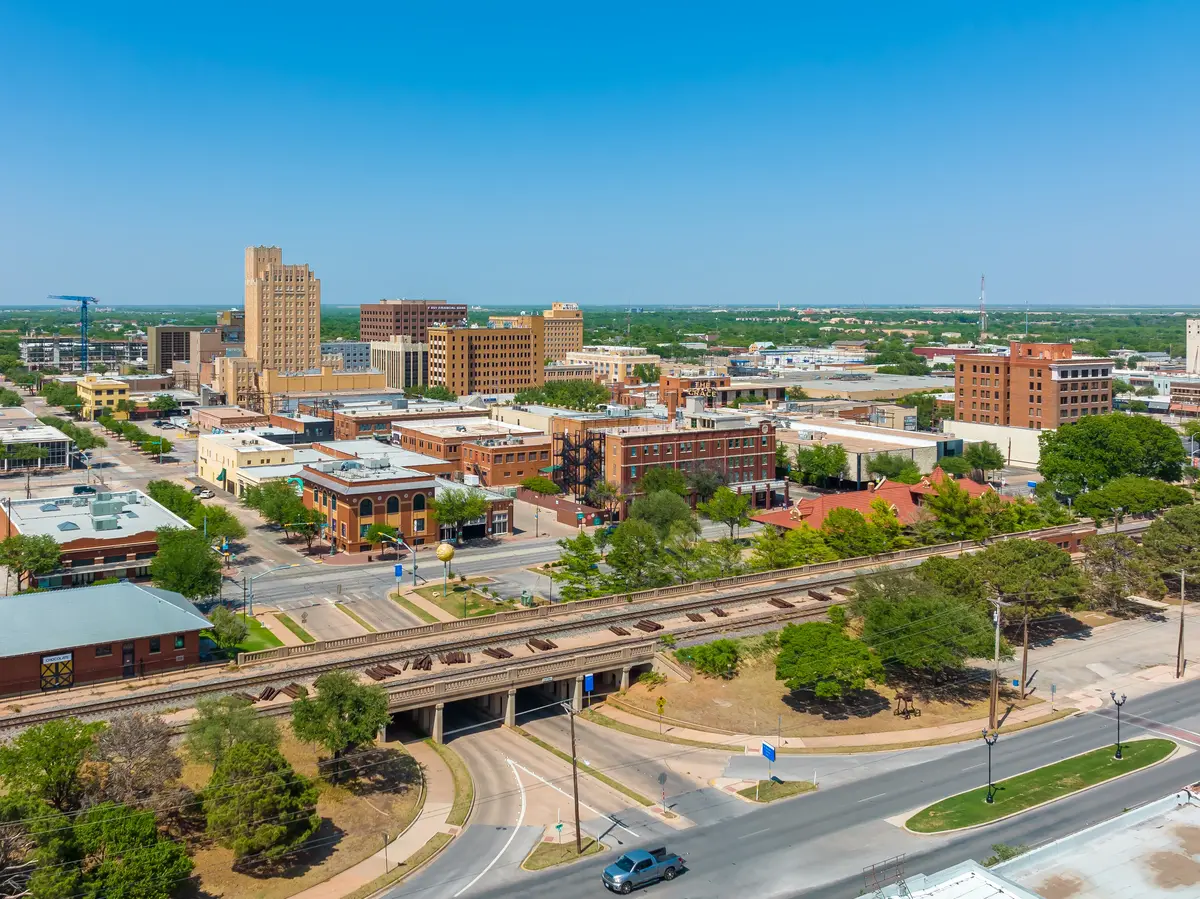
Signature Parks: Nelson, Redbud, and the Zoo
Nelson Park — formally Grover Nelson Park — is where Abilene keeps its biggest civic amenities in one place. At over 174 acres, it is the city's largest park, and it sits adjacent to the Abilene Zoo, making the two function as a single destination for families spending a full day outdoors.
The park itself includes a 20-acre lake, five baseball and softball fields, two playgrounds, a walking and running track, a disc golf course, and a large splash pad. It is free and genuinely all-ages in a way that is rare for a single site. The disc golf course draws a consistent crowd on weekday mornings, and the track around the lake is one of the more pleasant flat walks in the city — shaded in sections and busy enough to feel safe for solo runners.
The Abilene Zoo occupies 16 acres within Nelson Park and is AZA-accredited, housing over 800 animals representing more than 175 species. It is owned by the City of Abilene and supported by the Abilene Zoological Society. The zoo runs seasonal events including a fall festival with a petting zoo, live creature shows, and a hay-bale maze — the kind of calendar anchor that families with young kids will end up marking every year.
Redbud Park
Redbud Park, at 128 acres, is the other anchor on the multi-use side of the system. It draws a crowd for its fields and open space, but the Redbud Splash is the specific reason parents with younger kids know it well. The splash pad covers 2,852 square feet and features 18 water elements including two slides and a large dumping bucket — the largest of Abilene's six city-operated splash pads. On a 100-degree July afternoon, that matters.
The city runs splash pads at Nelson Park, Redbud Park, Scarborough Park, Arthur Sears Park, Stevenson Park, and Valentine Park — all free. The geographic spread means most neighborhoods in Abilene have one reasonably close, which is a meaningful quality-of-life detail for families with young children during the summer months.
The Outdoor Sculpture Walk
One thing that surprises people after a few months in Abilene: the city hosts the longest-running outdoor sculpture exhibition of its kind in Texas. About 20 permanent sculptures by award-winning Texas artists are placed along the railroad corridor through the center of town and at other locations around the city. It is not a formal trail, but it rewards anyone who walks or bikes the corridor and pays attention.
| Park | Size | Key Features | Best For |
|---|---|---|---|
| Nelson Park | 174+ acres | 20-acre lake, disc golf, splash pad, ball fields, track | Families Nature |
| Redbud Park | 128 acres | Large splash pad, open fields, trails | Families Quiet |
| Abilene Zoo (in Nelson Park) | 16 acres | 800+ animals, 175+ species, seasonal events | Families |
| Kirby Lake Nature Park | Lakeside | Birding, fishing, nature trails | Nature |
| Will Hair Park | Neighborhood | Wildflower spotting, green space | Quiet Nature |
| Abilene State Park | 529.4 acres | Trails, camping, historic pool, horse trails, water rentals | Nature Families |
Water Recreation: Three Lakes, Three Different Purposes
The honest answer on water recreation in Abilene is that all three lakes require you to pay attention to conditions. None of them is a guaranteed experience year-round. That said, when conditions cooperate, the variety they collectively offer is legitimately good for a mid-sized Texas city far from a coast or major river system.
Lake Fort Phantom Hill
Lake Fort Phantom Hill is the largest and most activity-dense of the three. The 4,213-acre reservoir north of Abilene was impounded in 1938 on Elm Creek and supports sailboating, water skiing, windsurfing, and fishing. It is one of the few lakes in this part of Texas where you regularly see sailboats, and on a windy spring afternoon — which West Texas delivers reliably — the lake earns that reputation.
Fishing holds up well. Largemouth bass, white crappie, blue catfish, flathead catfish, white bass, and hybrid striped bass are all present, and the lake has a solid local following for crappie in particular. One non-negotiable: zebra mussels have been confirmed in the reservoir, and Texas law requires clean-drain-dry protocols for any equipment that goes in or comes out. Anyone trailering a boat here needs to build that into their routine.
Water levels fluctuate — Texas Parks and Wildlife characterizes the variation as moderate to severe, and the lake had active closure alerts as recently as October 2025. Check current conditions before you load the trailer.
Kirby Lake
Kirby Lake plays a different role entirely. Swimming is not permitted here, and that keeps the energy quiet and purposeful. Anglers come for catfish, bass, and carp. Birders come for everything else. Herons, egrets, pelicans, desert cardinals, ducks, and shorebirds have all been documented, especially on the east side of the lake in early morning. The Abilene Convention & Visitors Bureau specifically highlights Kirby Lake as one of the city's stronger birding spots, and local birders will tell you the same. It is the kind of lake that rewards patience over activity.
Lake Abilene at the State Park
Lake Abilene, inside Abilene State Park, offers canoe and kayak rentals through a kiosk near the water — though this is subject to seasonal lake-level closures, so check current TPWD conditions before planning a paddle-focused trip. The lake setting inside the park is quieter than Fort Phantom and more scenic than Kirby, surrounded by mesquite and native stone structures built in the 1930s. For people who want flat-water paddling without powerboat traffic, it is the best of the three options when it is accessible.
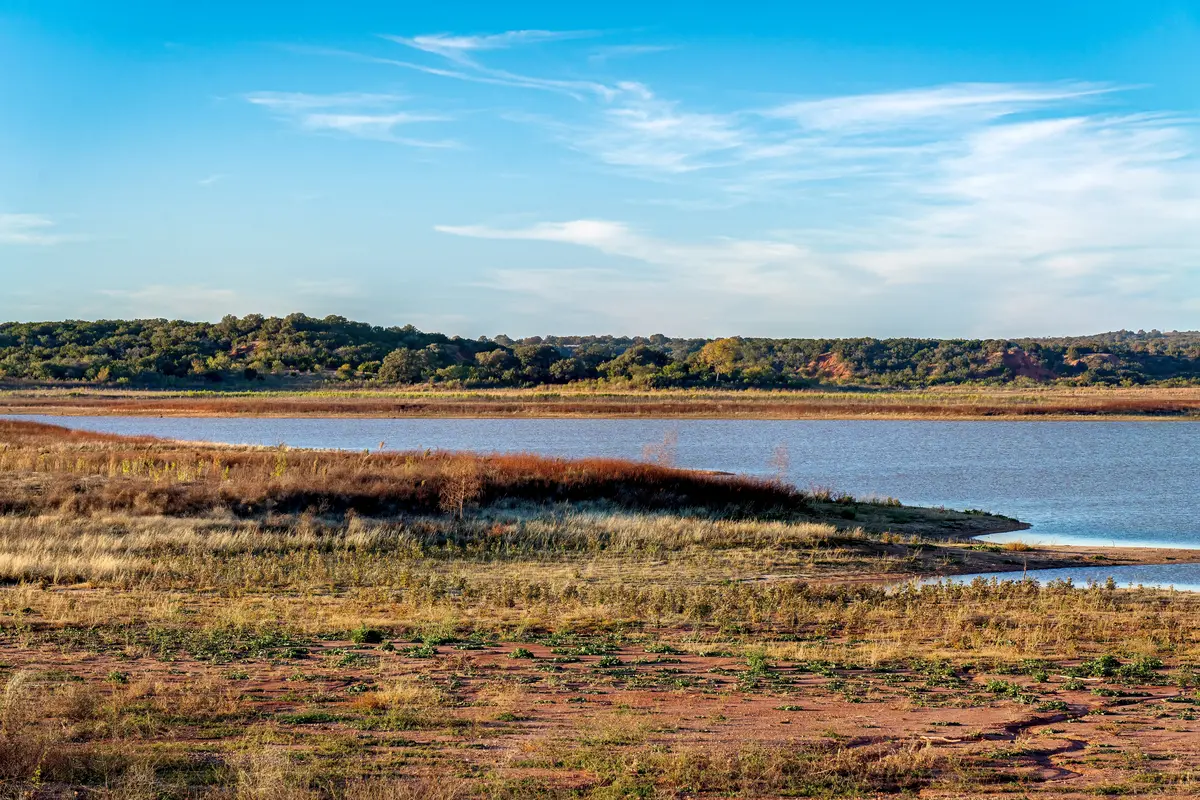
Abilene State Park: The Weekend Anchor
Abilene State Park covers 529.4 acres in Taylor County and draws consistently from across the region — not surprising when you consider it is the closest state park to a city of Abilene's size and offers camping, trails, water, and history in one destination. The Texas Parks and Wildlife Department manages it, and the park is distinct enough architecturally from most Texas state parks that first-time visitors usually comment on it.
The Historic Infrastructure
The park's infrastructure was built in the early 1930s, and those native stone structures — shelters, walls, the historic swimming pool — have outlasted nearly a century of West Texas weather. The pool is one of the only historic stone swimming pools of its era still in active use in Texas. It is a summer-only amenity, but it draws locals who treat it as a seasonal tradition rather than a novelty.
Trails and Riding
The park has over 5 miles of hiking and biking trails through mesquite woodlands and open grasslands — terrain that reads as understated until you spend a few hours in it and start noticing the bird activity and native plant diversity. The mesquite here is not just scenery; it is habitat. Separately, the park maintains over 5 miles of horse trails on the lake side, making it one of the few state parks in this region with a genuinely usable equestrian system.
Ranger-led nature trail tours are available on request, which is the kind of amenity that sounds minor until you are trying to get young kids interested in a landscape that does not immediately announce itself. A ranger who knows the park changes the experience considerably.
Camping
Camping options include tent sites, RV sites, screened shelters, and yurts. The yurts in particular tend to book out ahead on weekends — families who discover them rarely camp any other way at this park. If you are planning a weekend trip with kids during the school year, booking ahead is the standard practice among locals who use the park regularly. That is the kind of detail that surprises people after their first failed attempt to show up and find a spot.
Looking to buy in Abilene? Estimate your payment.
Enter your numbers to see an estimated monthly mortgage payment.
Estimate only. Excludes HOA fees and mortgage insurance. The interest rate above is a starting point, not a quoted rate — replace it with your own to see real numbers. Insurance is a flat placeholder, not a Abilene quote.
Weekends & Local Favorites: How Abilene Actually Uses Its Outdoors
What locals actually do outdoors in Abilene is shaped more by the heat calendar than anything else. From roughly May through September, serious outdoor activity happens before 9 a.m. or after 6 p.m. The parks are not empty in the middle of the day — the splash pads are genuinely packed — but trail use, fishing, and birding all shift to the margins of the day during the hottest months. Newcomers who plan a midday hike in July find out quickly.
Where Families Gather
Nelson Park is the default gathering place for a cross-section of Abilene on any given weekend morning. The track around the lake draws runners and walkers, the ball fields run youth leagues through most of the year, and the zoo next door makes it easy to turn a morning errand into a full-day outing. It is not a polished urban park — it has the worn-in feel of a place that actually gets used — and that is part of why it works.
Redbud Park functions more as a neighborhood anchor for the families who live near it. It is large enough to feel open and quiet enough to not feel like a destination park. The splash pad there is the main draw for the under-10 crowd in summer.
The Farmers Market Connection
The Abilene Farmer's Market draws a consistent weekly crowd and tends to land people outdoors in a way that connects to the broader park and green-space culture of the city. It is worth knowing about as context for how residents use public space, not just as a place to buy produce.
Dining After the Outdoors
After a morning at Nelson Park or an afternoon at Abilene State Park, the local dining scene provides easy landing spots. Lytle Land & Cattle Company is the standard post-outdoors dinner for groups who want something substantial. Beehive Restaurant draws a consistent crowd for its scratch cooking. Taylor County Taphouse works for anyone who wants to debrief over a beer after a long day on the water. Belle's Chicken Dinner House and Galveston Seafood Company round out the options for a city this size. For coffee before a morning trail run, Monks Coffee Shop, Front Porch Coffee Company, Mezamiz Coffee House, Statesman Coffee, and Mad Coffee & More all have their regulars — early-morning outdoor culture and good independent coffee tend to develop together in cities like this, and Abilene has both.
One honest note for anyone considering Abilene from a bigger metro: the outdoor scene here is good for the size and geography, but it is not limitless. People who need a new mountain range or a new trail system every month will exhaust the local options. People who are looking for a manageable, accessible, lower-cost outdoor life — one where the state park is 30 minutes away and the lakes are free to fish — will find more here than they expected. See the full picture on what daily life in Abilene is really like.
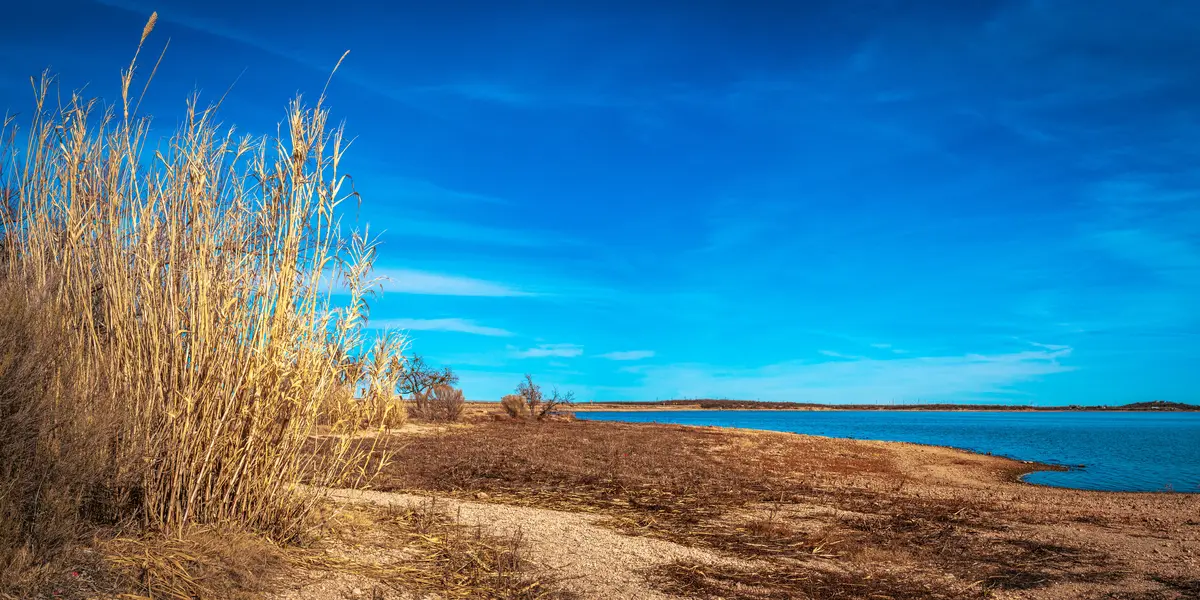
Local Expert Takeaway: Abilene's outdoor life is built around its three lakes and the state park, and the locals who use it well all operate on the same knowledge: check Lake Fort Phantom Hill's water levels before you trailer a boat, book Abilene State Park yurts well ahead of a holiday weekend, and plan your trails for early morning from May through September. Nelson Park is where the city shows up on a Saturday — the zoo, the disc golf, the track, the ball fields all in one free space. Kirby Lake is a well-kept local secret for birders willing to sit quietly on the east bank at dawn.
Quick Takeaways & FAQs
✅ Abilene State Park's historic stone swimming pool is one of the only pools of its era still in active use in Texas — a genuine local landmark worth the trip.
⚠️ Lake Fort Phantom Hill is subject to moderate to severe water-level fluctuations, and had active closure alerts as recently as October 2025 — always check conditions before heading out.
📍 The city operates six free splash pads spread across Abilene's neighborhoods, making summer heat manageable for families with young kids no matter where they live.
Is Abilene State Park worth visiting if I'm moving to Abilene?
Can you swim at Lake Fort Phantom Hill or Kirby Lake?
What fish species can I catch in Abilene's lakes?
Are there free parks and outdoor spaces for families in Abilene?
Is Abilene a good city for birdwatching?
Moving to Texas?
Tell us what you need help with and we'll connect you with local resources.
