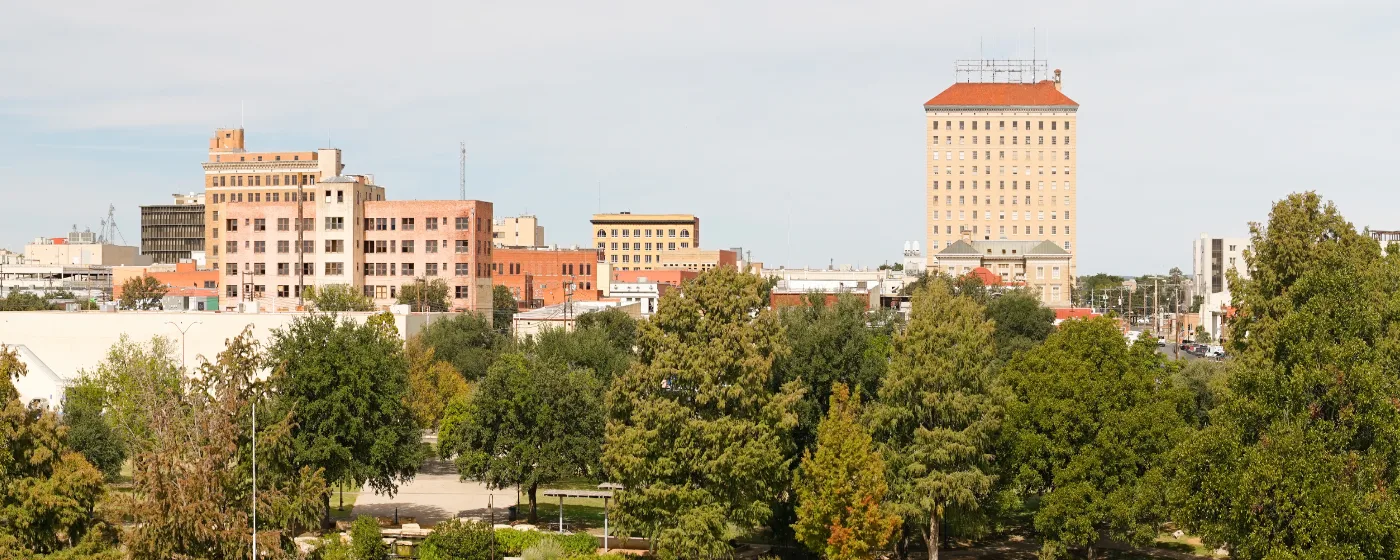
You've probably done the math against wherever you're coming from. San Angelo's overall cost of living runs approximately 17% below the U.S. average — not marginally cheaper, genuinely cheaper — and that gap shows up across nearly every line item, housing most of all. The city of 100,640 sits in West Central Texas, anchored by US-67, US-87, and US-277, and far enough from any major metro that prices have never been pressured upward the way they have in Austin or San Antonio. That distance is both the reason the numbers look the way they do and the trade-off you'll spend the most time thinking about.
The economic foundation here is unusually stable for a city this size. Goodfellow Air Force Base drives a steady base of military households and federal contracting jobs. Shannon Health employs a substantial local workforce. Angelo State University, the San Angelo Independent School District, and the City of San Angelo itself round out a public-sector core that keeps the local economy resilient through national downturns. Ethicon Inc., a medical device manufacturer, anchors the private-sector side. That employer mix means housing demand stays consistent — not speculative — which is part of why prices here have stayed grounded.
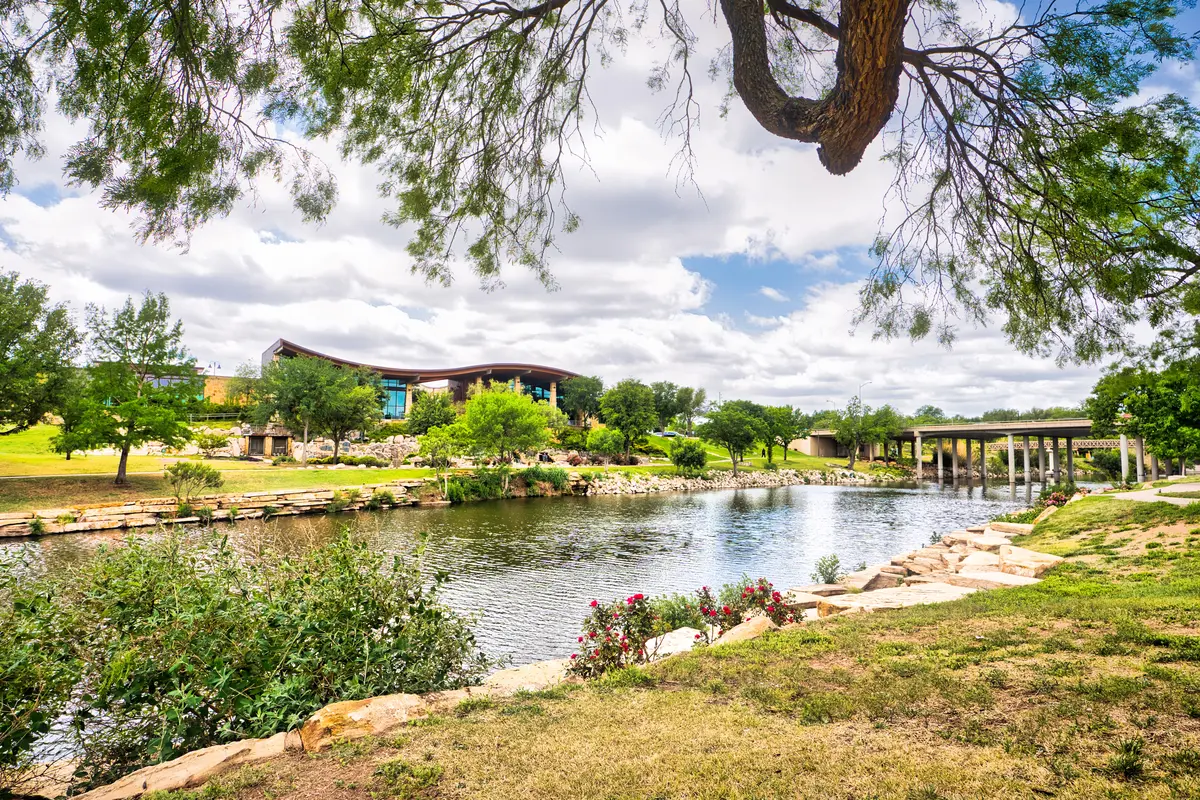
On the lifestyle side, San Angelo punches above its weight for a city of its size. The Concho River Walk threads through downtown, San Angelo State Park sits at the edge of the city, and Lake Nasworthy gives the city a genuine recreational draw that most comparably priced Texas cities simply don't have. The median household income of $65,864 is at or above what's needed to buy the typical home here — a ratio that's genuinely rare in the current market. Most errands in San Angelo mean a drive, and gasoline has historically tracked above the Texas statewide average due to the city's distance from major fuel distribution corridors, so the transportation line in your budget deserves more than a placeholder.
Whether you're deciding between San Angelo and a larger Texas city, weighing rent against buying, or trying to understand where your paycheck actually goes, the sections below break down housing costs, everyday expenses, the tax picture, and how San Angelo compares to nearby markets.
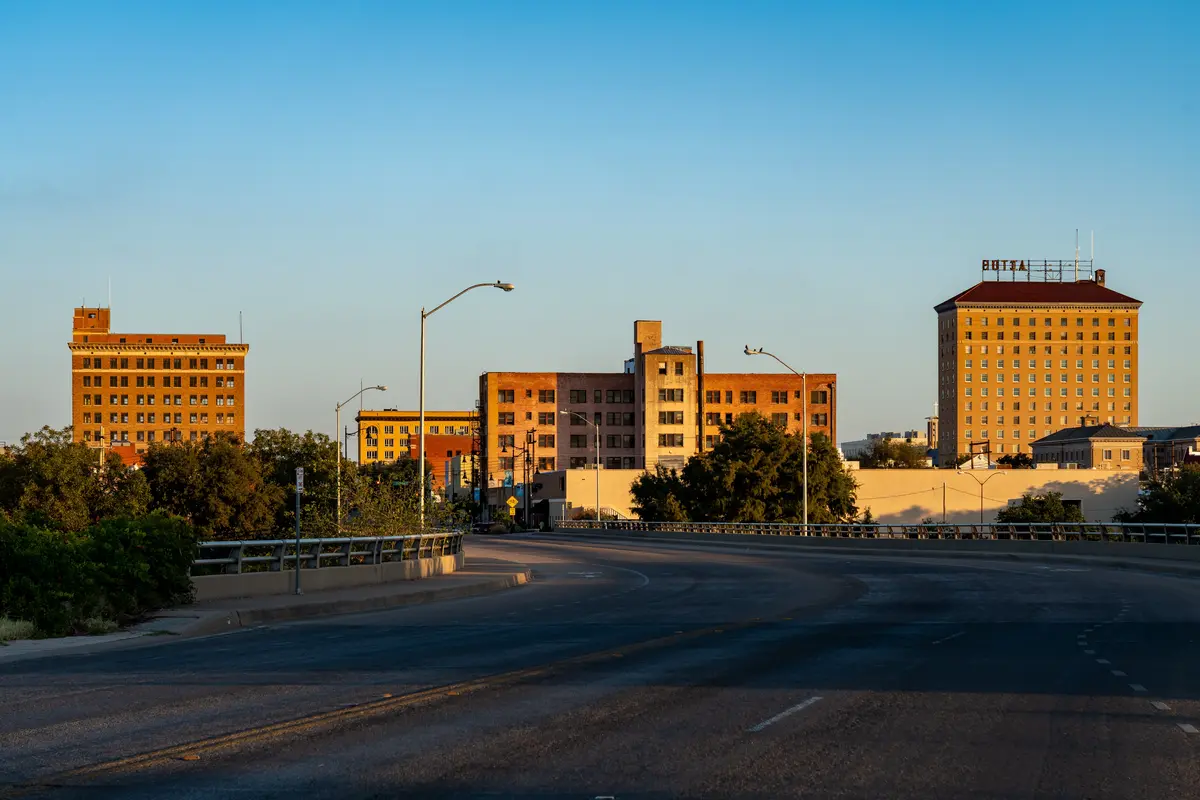
What It Really Costs to Live in San Angelo
San Angelo's affordability isn't a marketing claim — it's structural. The city sits far enough from Texas's major growth corridors that land costs have never spiked the way they have in the Triangle cities, and the employer base, while stable, doesn't generate the kind of bidding-war demand that inflates prices in tech-heavy markets. The result is a total cost of living that indexes roughly 17% below the national average, with housing, groceries, and everyday goods all pulling in the same direction.
Groceries run about 6% below the national average. Clothing costs roughly 2% less. These aren't transformative gaps, but they compound. The bigger number is housing — both the purchase price and what it implies for your monthly obligations — which is why the housing section below deserves your closest attention.
The honest tension in the San Angelo cost picture is transportation. Most errands require a car, and fuel costs have historically tracked above the Texas statewide average — a product of the city's distance from major fuel distribution infrastructure. Residents who commute long distances or own multiple vehicles feel this acutely. For everything else on the ledger, though, San Angelo is genuinely one of the more affordable mid-sized cities in the state. For a broader look at the job market and employer base that shapes these numbers, see the living in San Angelo overview.
Housing: Rent vs Buy in San Angelo
The typical home in San Angelo was priced at $214,811 (Zillow Home Value Index, July 2026). That's a number that would be entry-level in Austin or a rounding error in Dallas, but in San Angelo it represents a genuinely attainable purchase for a household earning near the city median. The fact that the median household income here is at or above the income needed to buy the typical home is not something most Texas cities can say right now.
Entry-level inventory — older construction, smaller footprints — starts noticeably below that figure. Parts of the city on the east side and near older established corridors tend to be where the most accessible price points cluster, though the specifics of which neighborhoods sit above, at, or below the city median are worth reading in the neighborhoods guide before you narrow your search. The Bluffs, Southland, and Lake Nasworthy all run above the city median; Lake View and PaulAnn (East Angelo) sit below it.
The effective property tax rate in San Angelo is approximately 1.20%. Texas has no state income tax, so property tax is the primary direct tax on ownership — and at 1.20%, it's within the normal Texas range, though Texas property taxes as a whole run above the national average. On a home at the city's typical price, that rate is meaningful but not punishing, and it's worth running through the mortgage calculator below to see how it lands against your specific down payment and loan scenario.
Renting makes sense in San Angelo if you're arriving with Goodfellow orders for a defined tour, if you're still getting oriented before committing to a neighborhood, or if you're waiting out a career transition. The city-wide typical rent is $1,332 per month (Zillow ZORI, July 2026), which runs modestly below the national average and reflects the same downward pressure that keeps purchase prices accessible. The rent-to-own math here is favorable: buyers who can manage a down payment and want to stay more than a few years will almost always come out ahead purchasing rather than renting, given where prices and rents currently sit relative to each other.

Everyday Costs Beyond Housing in San Angelo
| Category | Typical Monthly Cost | Notes |
|---|---|---|
| Housing (typical rent) | $1,332/mo | City-wide typical rent. Buying? Use the calculator above for a mortgage estimate. |
| Utilities | $195–$310/mo | Electricity, gas, water, sewer, trash |
| Groceries | $520–$720/mo | Food at home, household of 2–3 |
| Transportation & Gas | $160–$280/mo | Fuel, and transit where it is a real option |
| Phone & Internet | $110–$185/mo | Mobile plan plus home broadband |
| Misc / Discretionary | $220–$450/mo | Dining out, entertainment, subscriptions |
Non-housing figures are estimates for a household of two to three, not a sourced index; housing is the city-wide typical rent (Zillow ZORI, July 2026). Refreshed with the rest of the city data.
West Texas summers are long, intense, and expensive to cool. Summer temperatures routinely push into triple digits, and electricity bills track accordingly in June through August. San Angelo sits in Texas's deregulated electricity market, so residents in Tom Green County can shop among dozens of licensed retail electricity providers — and actively shopping your rate plan at renewal can make a real difference over a full summer. AEP Texas North handles the physical delivery, regardless of which provider you choose.
Total monthly utility costs — electricity, water, wastewater, and trash combined — run approximately $245 for a typical household. That figure is roughly 8–10% above the average for comparable Texas cities, and the driver is water and wastewater charges, not electricity. San Angelo's semi-arid climate means water infrastructure is expensive to maintain, and that cost flows through to residents. Groceries at the local level benefit from Texas's exemption of most staples from sales tax, so your weekly food bill avoids the combined 8.25% rate that applies to other purchases. On fuel: budget the transportation line generously. San Angelo has historically ranked at the higher end of Texas cities for gasoline prices, a direct consequence of its distance from major fuel distribution corridors, and most daily trips require a car.
Looking to buy in San Angelo? Estimate your payment.
Enter your numbers to see an estimated monthly mortgage payment.
Estimate only. Excludes HOA fees and mortgage insurance. The interest rate above is a starting point, not a quoted rate — replace it with your own to see real numbers. Insurance is a flat placeholder, not a San Angelo quote.
San Angelo vs Nearby Cities: Cost Comparison
| City | Typical Home Price | Typical Rent | Cost vs San Angelo |
|---|---|---|---|
| San Angelo (this city) | $214,811 | $1,332/mo | — |
| Christoval | $260,000 | $1,000/mo | 21% higher |
| Wall | $275,000 | $1,050/mo | 28% higher |
| Mertzon | $220,000 | $950/mo | About the same |
Source — home prices: Zillow ZHVI, July 2026; rent: Zillow ZORI, July 2026. Nearby-city figures are the same series, refreshed together.
San Angelo's position in West Central Texas puts it in a region where most smaller surrounding communities — including Christoval and Wall — actually price above the San Angelo median, while Mertzon comes in at roughly the same level; the full comparison with home prices and rent figures is in the table below.
Taxes & the Bottom Line for San Angelo
Texas's most advertised financial feature is real and it matters here: there is no personal state income tax. For a household earning near San Angelo's median of $65,864, that represents a genuine and recurring advantage compared to living in California, Oregon, or any other income-tax state. The state recoups some of that through property taxes — Texas property taxes run above the national average as a category — but at San Angelo's approximately 1.20% effective rate, the net position for most households is still favorable.
The combined sales tax rate is 8.25%, built from the 6.25% Texas state base, a 0.5% Tom Green County layer, and a 1.5% city add-on. That's at the ceiling of what Texas allows and is worth factoring into any major purchase. Grocery staples are exempt under Texas law, which softens the daily impact, but clothing, electronics, and home furnishings all land at the full rate.
Put it together and San Angelo makes the most sense financially for households that are buying rather than renting long-term, that own one or two reliable vehicles and budget the transportation line accordingly, and that value the no-income-tax environment enough to absorb slightly higher property and sales taxes than they might find in other states. The home price noted in the housing section above puts ownership within reach for a household earning at or near the city median — which is genuinely unusual in today's Texas market.
Who tends to find it a stretch? Renters who are price-sensitive and comparing against larger metros with more competitive apartment stock may find the rent-to-income ratio less compelling than the ownership math. Households that drive significant daily miles will feel the fuel-cost drag more acutely than the overall cost index suggests. And anyone expecting walkable errands will need to recalibrate — most daily needs require a car trip. For buyers evaluating the full financial picture, the first-time homebuyer guide covers loan programs and down payment considerations in detail.
Local Expert Takeaway: San Angelo's cost advantage over the national average is real, but it's not evenly distributed across every line item. Housing and groceries are the clear wins — the typical home at $214,811 (July 2026) is attainable at median income in a way that almost no Texas city above 50,000 people can claim. Utilities run slightly above what you'd expect for a Texas city of this size, driven by water costs rather than electricity, and fuel will cost you more per gallon than in most Texas cities given San Angelo's distance from major distribution corridors. The no-income-tax environment is the tax story worth leading with; the 8.25% sales tax is the footnote worth reading before a big purchase. Drive the numbers through the calculator below, and don't forget to shop your electricity provider rate every renewal cycle — in a West Texas summer, that one habit pays for itself.
Quick Takeaways & FAQs
✅ San Angelo's typical home price of $214,811 (July 2026) is attainable at median household income — a genuinely rare affordability ratio in today's Texas market.
⚠️ Transportation costs run meaningfully above the national average: most daily errands require a car, and gasoline prices have historically tracked above the Texas statewide average due to the city's distance from fuel distribution corridors.
📍 San Angelo sits in Texas's deregulated electricity market, meaning residents can shop competing retail providers for rate plans — a useful lever in a city where summer cooling bills are the biggest utility variable.
How does San Angelo's cost of living compare to the rest of Texas?
What is the typical home price in San Angelo right now?
Does San Angelo have a state income tax?
What are average utility costs in San Angelo?
Is it cheaper to rent or buy in San Angelo?
Moving to Texas?
Tell us what you need help with and we'll connect you with local resources.
