
You've probably done the Texas affordability math a dozen different ways. But Brownwood sits in a category most relocation calculators struggle to place: a genuine working-class West Central Texas city where the numbers are not inflated by tech-sector migration, out-of-state demand, or resort proximity. The Zillow Home Value Index put the typical home price at $172,876 as of July 2026. That figure is not a starting point for negotiation — it is the ballpark where most deals actually close. For buyers arriving from a larger Texas metro, it requires a genuine recalibration of what square footage and lot size are supposed to cost.
The city's economic backbone is manufacturing and public-sector employment — 3M, Kohler Co., and Superior Essex Communications anchor the industrial side, while the Brownwood Independent School District and the City of Brownwood represent the largest slice of public-sector jobs. Howard Payne University adds a small-college presence that keeps the population younger than many towns its size. The median household income of $48,981 reflects a community where most residents earn wages rather than salaries, and where keeping fixed costs low is not a lifestyle choice — it is a practical necessity for most families.
Brownwood's everyday costs run below national averages across most categories — housing most dramatically, but groceries, transportation, and utilities all land below the U.S. mean in typical months. The exception is summer electricity: a climate that delivers brutal July heat means cooling costs spike hard in the warmest months, and newcomers accustomed to milder summers are often caught off guard by that seasonal jump.
Whether you are considering a move or simply comparing options across the Big Country region, the sections below walk through Brownwood's housing market, rent-versus-buy calculus, everyday non-housing costs, how the city stacks up against nearby towns, and the full Texas tax picture — so you know exactly what your budget is signing up for.
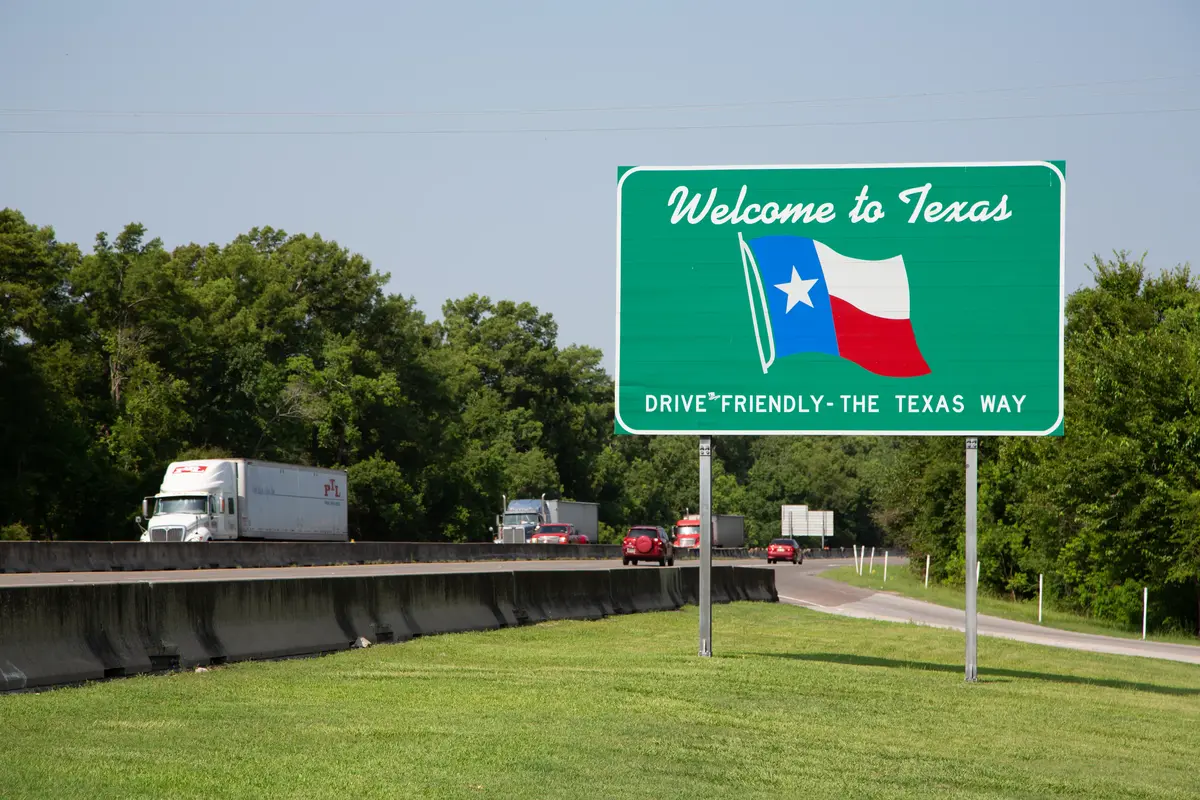
What It Really Costs to Live in Brownwood
The honest posture on Brownwood is this: it is one of the more affordable cities in Texas, full stop. Monthly cost data across every major category — housing, groceries, transportation, utilities — runs below the national average, and housing leads that gap by a wide margin. This is not marketing language. It reflects a city where prices have been set by a median household income of $48,981, because that is the local economy those prices are serving.
What drives the gap is primarily housing. Brownwood's home prices and rents are dramatically below national and Texas benchmarks, which is the kind of difference that changes the math on whether a single-income household can own rather than rent, or whether a dual-income couple can pay off a mortgage in their working years rather than carrying it into retirement. The non-housing categories — groceries, transportation, and everyday goods — all land below the U.S. mean as well, though by smaller margins than housing.
The honest caveat is that the income picture keeps affordability relative. The median household income here falls short of what is typically needed to comfortably carry the typical home at current rates. Brownwood is affordable compared to Austin or Dallas; it is not inexpensive in the abstract sense that anyone earning the local median can stretch easily. What it offers is genuine, durable value for buyers who bring equity from elsewhere, earn above the local median, or are willing to manage a tight but workable budget. For a deeper look at neighborhood character and the geographic factors that shape values across the city, the best neighborhoods guide covers the tradeoffs area by area.
Housing: Rent vs Buy in Brownwood
The typical home in Brownwood was priced at $172,876 as of July 2026, according to the Zillow Home Value Index. Entry-level properties — older construction, smaller lots, homes that need cosmetic work — can be found well below that figure. Move-in-ready homes with updated kitchens and larger square footage push toward and past the median. The city is compact enough that the spread between its most affordable and its most polished inventory is narrower than in larger Texas markets.
The effective property tax rate runs approximately 1.96%, which is above the national average but consistent with Texas's broader posture of funding local services through property taxes rather than income taxes. That rate is the single most important non-mortgage number for buyers to model carefully — on a home near the typical price, it adds a meaningful line item to annual ownership costs. The calculator below will show you the monthly picture at any price and down payment.
Renting in Brownwood is genuinely inexpensive by any Texas standard. One-bedroom apartments average roughly $891 per month, and two-bedroom units come in around $1,076 — well below the Texas one-bedroom state average of approximately $1,256. For someone newly arrived, or uncertain about committing to the local job market, renting is a defensible short-term strategy. But the math shifts quickly: at Brownwood's price level, a buyer with a reasonable down payment can often land a monthly ownership cost that competes with or beats local rents, without the exposure that comes with renting in a city where home prices are rising fast. Brownwood is not that city — values here move slowly — which means the urgency to buy before being priced out is lower than in most Texas metros, and waiting a year to orient yourself is not the mistake it would be in Austin or Fort Worth.
One note on affordability that buyers sometimes overlook: the gap between the median household income and the income needed to carry the typical home here is real but modest — roughly $8,000. That gap closes faster than you might expect with a larger down payment, a dual income, or by targeting entry-level inventory rather than the median. It is worth running the numbers honestly before assuming ownership is out of reach.

Everyday Costs Beyond Housing in Brownwood
| Category | Typical Monthly Cost | Notes |
|---|---|---|
| Utilities | $185–$270/mo | Electricity, gas, water, sewer, trash |
| Groceries | $520–$700/mo | Food at home, household of 2–3 |
| Transportation & Gas | $160–$280/mo | Fuel, and transit where it is a real option |
| Phone & Internet | $110–$180/mo | Mobile plan plus home broadband |
| Misc / Discretionary | $200–$420/mo | Dining out, entertainment, subscriptions |
Non-housing figures are estimates for a household of two to three, not a sourced index; housing is the city-wide typical rent. Refreshed with the rest of the city data.
Electricity is the utility category that matters most in Brownwood, and the one that surprises the most newcomers. Brownwood falls under Oncor Electric Delivery's service territory, and Texas's deregulated retail electricity market means you can shop among competing providers — a real advantage that most residents underuse. Typical monthly bills run in the $135–$167 range based on average usage, but July rewrites that math: homes here average roughly 1,498 kWh that month, about 39% above the annual monthly average, because cooling a house in a West Texas summer is not a minor line item. Budget for a meaningful summer spike if you are coming from a climate where air conditioning is optional rather than essential. Winter heating costs are comparatively mild.
Groceries in Brownwood run modestly below the national average — not dramatically so, but enough to be noticeable on a monthly household budget. Transportation costs also land below the national mean. Brownwood is a city where most daily errands mean a drive, and vehicle ownership is the practical reality for nearly every household. The city is compact enough that most residents work within it, keeping daily fuel costs manageable for those who live and work locally. For anyone commuting outward — the drive to Abilene takes roughly 75 minutes — fuel costs become a real budget line worth modeling.
Looking to buy in Brownwood? Estimate your payment.
Enter your numbers to see an estimated monthly mortgage payment.
Estimate only. Excludes HOA fees and mortgage insurance. The interest rate above is a starting point, not a quoted rate — replace it with your own to see real numbers. Insurance is a flat placeholder, not a Brownwood quote.
Brownwood vs Nearby Cities: Cost Comparison
| City | Typical Home Price | Typical Rent | Cost vs Brownwood |
|---|---|---|---|
| Brownwood (this city) | $172,876 | — | — |
| Early | $180,000 | $1,000/mo | 4% higher |
| Bangs | $140,000 | $900/mo | 19% lower |
| Blanket | $120,000 | $850/mo | 31% lower |
Source — home prices: Zillow ZHVI, July 2026. Nearby-city figures are the same series, refreshed together.
Brownwood sits at the affordable end of the Big Country region, and the contrast with nearby cities is worth understanding before you narrow your search. Early, which borders Brownwood to the south, comes in at roughly the same price level — it shares much of the same housing stock and employment base, and buyers comparing the two are often splitting hairs. Bangs and Blanket, smaller towns in the county, land noticeably lower on both home prices and rents, but they offer a thinner range of services and a longer drive for most daily needs.
Abilene, the largest city within practical commuting range, offers a broader job market and considerably more retail — but buyers pay noticeably more for both the home and the rent. The engine's comparison table below shows the full side-by-side picture with current figures. Stephenville attracts buyers who want a smaller-town base while commuting toward the DFW corridor, and its prices reflect that demand premium. San Angelo draws families who want more amenities than Brownwood offers, with a corresponding step up in cost.
Brownwood's position — affordable housing, a self-contained job market, and a full suite of local services — is the combination that most buyers from outside the region underestimate until they run the actual numbers. It is not the cheapest option in the county, but it is the one where affordability and livability are in closest balance.
Taxes & the Bottom Line for Brownwood
The Texas Tax Posture
Texas levies no individual state income tax. That single fact changes the affordability calculation for anyone relocating from California, Illinois, Oregon, or any other state with a meaningful income tax burden. On a household income of $48,981, the absence of a state income tax represents real, immediate take-home pay that the headline salary comparison with other states often obscures.
The state sales tax sits at 6.25%, with local jurisdictions permitted to add up to 2% — bringing the maximum combined rate to 8.25%. Brown County and the City of Brownwood collectively reach that ceiling, so buyers should factor a combined 8.25% sales tax rate into spending on vehicles, appliances, and other major purchases. It is not punishing by national standards, but it is not invisible either.
Property Taxes: The Real Trade-Off
The effective property tax rate of approximately 1.96% is Texas's version of a trade-off. No income tax has to be funded somehow, and property taxes carry much of that load. On a home priced near the typical value discussed earlier, this rate adds a substantial annual figure that the interactive calculator above can model at your specific purchase price. Buyers coming from states with sub-1% effective property tax rates feel this most acutely in year one.
The Texas homestead exemption softens the blow modestly for primary residences — it removes a portion of assessed value from the taxable base, which matters most at the lower end of the market where Brownwood's inventory is concentrated. Seniors and disabled homeowners get additional exemptions that can meaningfully reduce the annual bill; the retiring in Brownwood guide covers that picture in more detail.
Who Brownwood's Budget Actually Fits
Brownwood's cost structure fits buyers and renters who want Texas-level tax treatment — no income tax, deregulated utilities they can shop — combined with a housing market that does not require a six-figure income to participate in. Retirees with fixed income and paid-off or nearly paid-off homes find the overall cost picture attractive, as long as they model the property tax rate carefully. Remote workers earning above-local wages in a below-average-cost city are the other group that comes out clearly ahead here.
Who finds it a stretch: buyers carrying significant debt into the purchase, households relying solely on the local median income without equity from a prior home, and anyone budgeting on the assumption that Texas property taxes are low rather than merely different from the income-tax alternative. The overall picture is genuinely affordable, but the property tax line and the summer utility spike are the two numbers that most often catch newcomers off guard. Go in with eyes open on both, and Brownwood's cost of living is among the more defensible in the state.

Local Expert Takeaway: Brownwood's affordability is real, not manufactured. A typical home under $175,000, one-bedroom rents under $900, groceries and transportation below the national average — these are not outliers, they reflect a city priced for the wages its employers actually pay. The catch is twofold: the effective property tax rate of approximately 1.96% adds up fast, and summer electricity bills in a city that bakes under West Texas heat can run well above the rest of the year. Buyers who model those two numbers honestly — and who bring some equity or income above the local median — will find Brownwood one of the stronger value propositions in Central Texas.
Quick Takeaways & FAQs
✅ Brownwood's typical home price of $172,876 (July 2026) puts homeownership within reach for buyers who would be priced out of nearly any larger Texas market.
⚠️ The effective property tax rate of approximately 1.96% is the single biggest cost surprise for newcomers — Texas has no income tax, but it collects through property, and Brownwood's rate is above the national average.
📍 Summer electricity costs are the hidden line item in Brownwood's budget: homes here average roughly 1,498 kWh in July, about 39% above the annual monthly average, because West Texas heat drives an outsized cooling load from June through September.
Is Brownwood, TX an affordable place to live?
What is the typical home price in Brownwood, TX?
How much does it cost to rent in Brownwood?
What are the property taxes like in Brownwood, TX?
Does Brownwood have high utility costs?
Moving to Texas?
Tell us what you need help with and we'll connect you with local resources.
