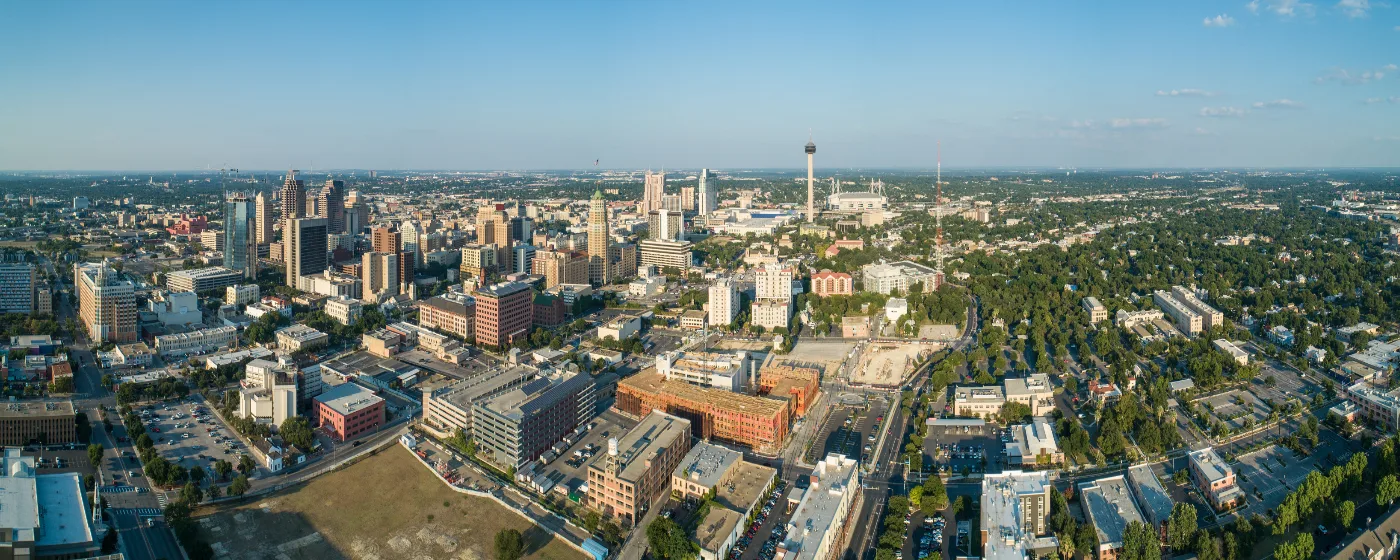
Maybe your company is relocating you to Joint Base San Antonio. Maybe you've been priced out of Austin and someone told you San Antonio is the affordable alternative. Either way, the first thing to understand is that San Antonio — the 2nd-largest incorporated city in Texas, with a population of 1,548,422 — is genuinely enormous, and the neighborhoods you're choosing between feel like different cities. Getting the geography wrong before you sign a lease or make an offer is easy, and it's the most expensive mistake relocating buyers make here.
The economic backbone runs deeper than most newcomers expect. Joint Base San Antonio is the city's largest employer, followed by H-E-B's corporate headquarters, USAA, University Health, Methodist Healthcare System, and Toyota Motor Manufacturing Texas. That mix — military, healthcare, finance, and manufacturing — creates a stable, recession-resistant job base that attracts a wide range of buyers. The San Antonio Independent School District, which holds a C rating according to the Texas Education Agency, covers the urban core; but several of the city's most sought-after neighborhoods fall inside North East ISD or Northside ISD, and those boundary lines matter enormously when you're comparing options. The schools page breaks down the district-by-district picture in full.
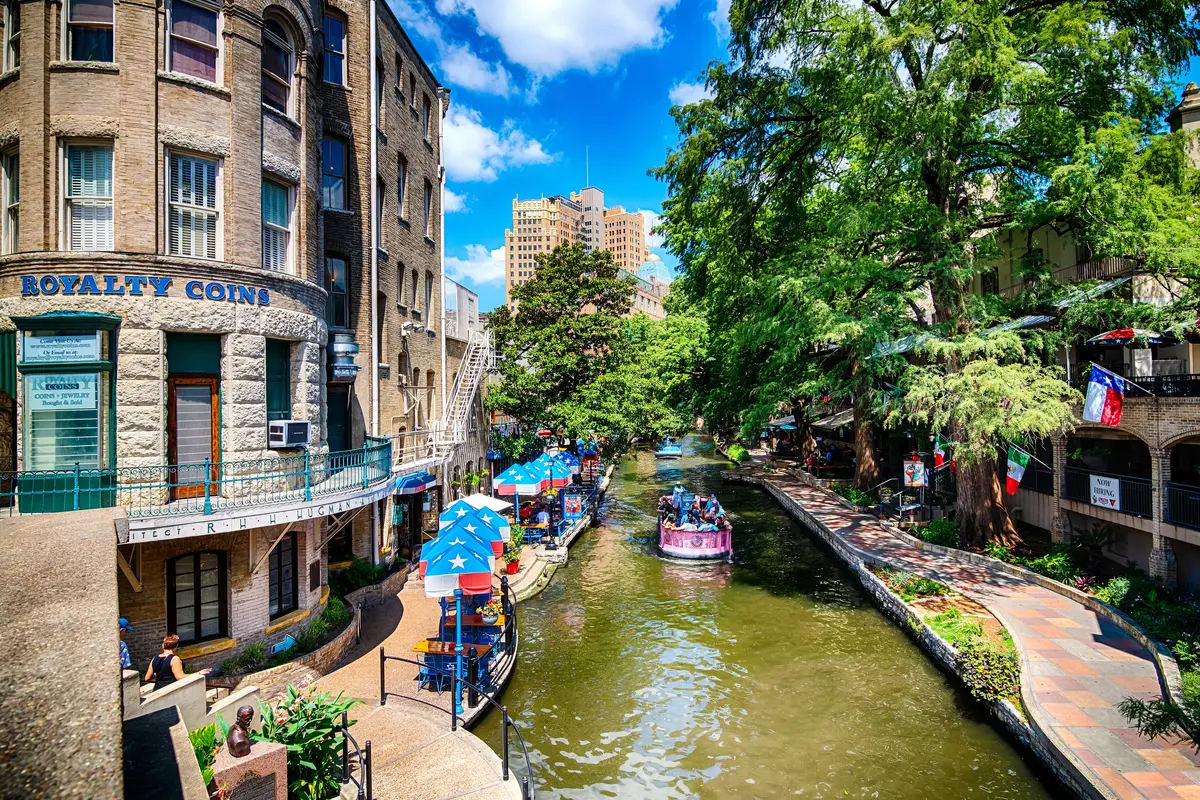
The typical home price in San Antonio is $249,689 (July 2026), which makes it noticeably more affordable than New Braunfels, Schertz, or Boerne — but the median household income of $65,056 still runs below what's needed to carry that purchase comfortably at current rates. More on affordability on the cost-of-living page. Daily life here means 220 sunny days a year, easy access to Brackenridge Park, the San Antonio River Walk, Government Canyon State Natural Area, and McAllister Park — and a car culture that is real but softening in walkable pockets near the Pearl and Southtown.
Whether you're buying your first home or your fifth, the sections below break down San Antonio's eight most established neighborhoods, who each one suits, where buyers go wrong, and which areas make sense for renters right now.
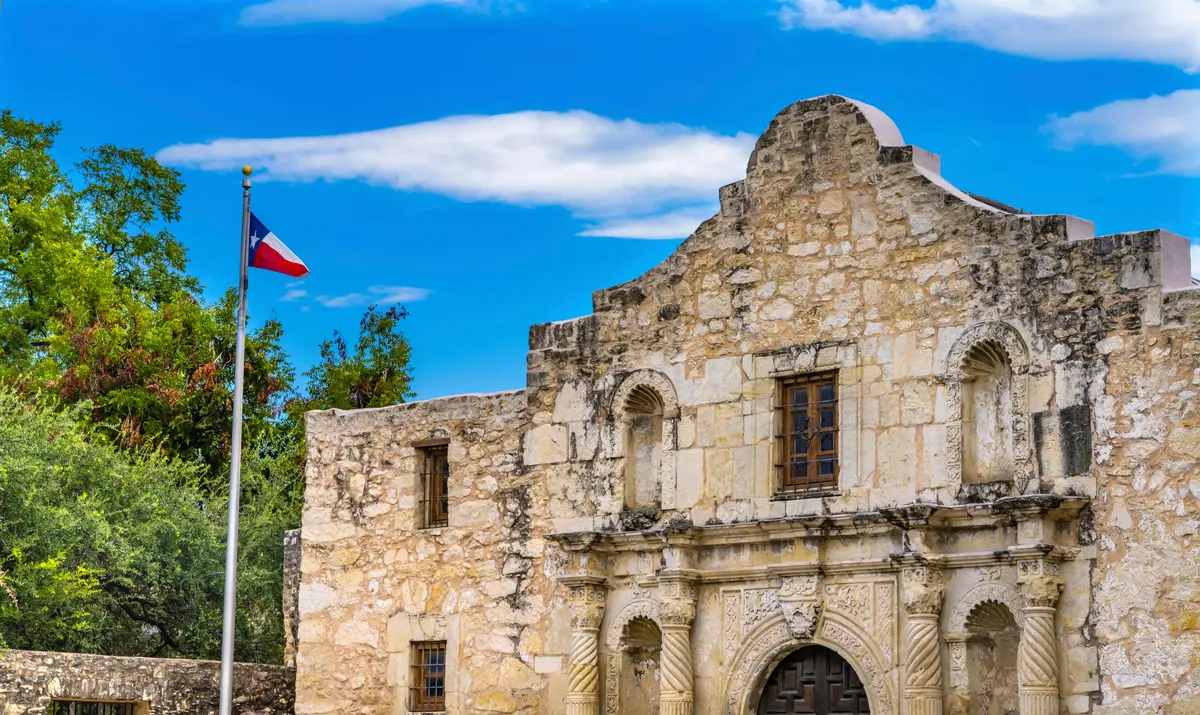
The San Antonio Reality
The most consequential divide in San Antonio is not between north and south — it's between which school district your address sits in. North East ISD (Stone Oak), Northside ISD (Alamo Ranch, much of the Northwest Side), and the San Antonio Independent School District (urban core neighborhoods) produce meaningfully different school experiences, and the boundary lines don't always follow the corridor or zip code you'd assume. Buyers who shop by neighborhood name without confirming their ISD assignment discover the mismatch at closing.
Loop 1604 functions as a psychological and practical ring road. Inside it, neighborhoods are older, denser, and more architecturally varied — Monte Vista's late-Victorian mansions, Midtown's Victorian bungalows, the Pearl's converted brewery campus. Outside it, especially to the northwest, you get master-planned communities with newer construction, HOA governance, and a fully suburban feel. The commute dynamics differ just as much: driving inward from Stone Oak or Alamo Ranch during morning rush means navigating US-281 or SH-151 into a city that was not designed for this much traffic.
The River Walk and the Pearl act as magnetic anchors for the urban core neighborhoods. If walkable streets, independent restaurants, and weekend-on-foot access matter to you, the Pearl District and Southtown will feel fundamentally different from anywhere north of Loop 1604 — and not just in price. Buyers who prioritize square footage and school ratings often end up north of the loop. Buyers who prioritize lifestyle and commute often end up inside it. Understanding which trade-off you're actually making before you start touring saves weeks of confusion.
Neighborhoods at a Glance
| Neighborhood | Best For | Vibe |
|---|---|---|
| Stone Oak | Families Commuters | Fully built-out master-planned suburb with over 40 sub-communities; strong retail and school infrastructure along US-281 |
| Southtown / King William Historic District | Walkable Renters | San Antonio's original arts district; 25 blocks of National Register mansions anchored by First Friday and Second Saturday art walks |
| Alamo Ranch | Families First-Time | Largest master-planned community in the city; newer construction, Northside ISD, and proximity to SeaWorld and Six Flags Fiesta Texas |
| Monte Vista | Walkable Luxury | National Register historic district just north of downtown; walkable to Brackenridge Park and the Pearl, with some of the city's most architecturally significant homes |
| Midtown (Tobin Hill / Five Points / Beacon Hill / Alta Vista) | Walkable Transit | Urban historic corridor between downtown and Alamo Heights; Victorian bungalows, French Eclectic architecture, and a growing dining scene anchored by proximity to the Pearl |
| The Pearl District | Walkable Renters | 22-acre redeveloped brewery campus; the most walkable address in the city, where independent restaurants, the Pearl Farmers Market, and the Museum Reach River Walk trail are all on foot |
| The Dominion | Luxury Privacy | 24-hour guarded gated community in northwest San Antonio; private roads, golf course estates, and the Dominion Country Club |
| Northwest Side / Medical Center | Commuters Families | Practical, highway-accessible area anchored by one of the country's largest medical complexes; close to McAllister Park and Eisenhower Park |
San Antonio typical home price: $249,689 (Zillow ZHVI, July 2026). Typical rent: $1,390/mo (Zillow ZORI, July 2026). Neighborhood tiers on this page are relative to these figures.
Best Neighborhood by Buyer Type
| Buyer Type | Best Neighborhood | Why |
|---|---|---|
| First-Time Buyer | Alamo Ranch | Newer construction under the city-wide typical price point, Northside ISD schools, and a built-out commercial corridor reduce the uncertainty that stings first-time buyers in fixer-upper zones. |
| Luxury Buyer | The Dominion | 24-hour guarded security, private roads, golf course estates, and the most prestigious address in San Antonio's northwest quadrant. |
| Walkability Seeker | The Pearl District | San Antonio's most walkable address puts independent restaurants, the Pearl Farmers Market, and the Museum Reach River Walk trail within walking distance — no car needed for most daily needs. |
| Families with Kids | Stone Oak | North East ISD schools, a fully built-out retail and medical corridor, and a range of HOA communities give families exactly the suburban infrastructure they're looking for. |
| Commuters | Northwest Side / Medical Center | Direct access to I-10, Loop 1604, and US-281 makes it the shortest drive to the medical employment corridor for anyone whose daily work is in healthcare. |
| Large-Lot Buyers | Monte Vista | Full city blocks of late-Victorian and Craftsman homes on generous lots — with proximity to Brackenridge Park and the Pearl that no suburban large-lot neighborhood can match. |
| Renters | Midtown (Tobin Hill / Five Points) | The broadest mix of rental stock — bungalows, duplexes, and newer apartments — in a walkable urban corridor within easy reach of downtown and the Pearl. |
Looking to buy in San Antonio? Estimate your payment.
Enter your numbers to see an estimated monthly mortgage payment.
Estimate only. Excludes HOA fees and mortgage insurance. The interest rate above is a starting point, not a quoted rate — replace it with your own to see real numbers. Insurance is a flat placeholder, not a San Antonio quote.
Most Popular Neighborhoods
Stone Oak
Bexar County's first master-planned community — established in 1985 on former ranchland just west of US-281 and north of Loop 1604 — is now a collection of more than 40 separate sub-communities, each with its own HOA structure, lot sizes, and price variation. The infrastructure that emerging communities elsewhere spend a decade promising is already here: schools, a medical corridor, a dense retail parkway, and an H-E-B Plus. The catch is that commuting inward on US-281 during weekday mornings is a genuine grind, and Stone Oak's prices run above the city median. Best for: Families prioritizing North East ISD schools and a fully suburban, built-out lifestyle.
Southtown / King William Historic District
Southtown grew out of a neighborhood revitalization effort in the early 1990s and now encompasses five sub-neighborhoods — King William, Collins Garden, Lavaca, Lone Star, and Roosevelt. The King William Historic District is San Antonio's first residential historic district, 25 blocks of National Register mansions originally built by wealthy German immigrants in the late 1800s. The city's longest-running art walks — First Friday and Second Saturday — are based here, which is both a draw and a source of weekend foot traffic that some residents find more festival than neighborhood. Best for: Arts-oriented buyers and renters who want a walkable, historically grounded urban address.
Alamo Ranch
The largest master-planned community in San Antonio sprawls across more than 3,000 acres off SH-151 and Loop 1604, with subdivisions built mostly in the last two decades under Northside ISD. The proximity to SeaWorld San Antonio, Six Flags Fiesta Texas, and Government Canyon State Natural Area makes weekends genuinely convenient for families — but that highway access cuts both ways, because the area sits far enough from downtown that most errands require a car and most commutes require patience. Prices here sit around the city median, making it among the more accessible entry points into the city's newer housing stock. Best for: Families with kids who want newer construction, Northside ISD, and outdoor recreation nearby.
Monte Vista
Designated a local historic district in 1975 and placed on the National Register of Historic Places in 1998, Monte Vista sits just north of downtown with walkable access to Brackenridge Park, the Pearl District, and the San Antonio River Walk extension. The housing stock — full-block lots, late-Victorian architecture, Craftsman homes — is the kind that draws buyers who've given up looking for it in newer construction, and it comes with prices above the city median that reflect both the land and the location. The honest trade-off is that historic designation brings renovation restrictions: you can't replace windows or modify a roofline without navigating a review process. Best for: Architecture-driven buyers who want walkable access to downtown San Antonio's best amenities without sacrificing lot size.
Midtown (Tobin Hill / Five Points / Beacon Hill / Alta Vista)
This historic urban corridor between downtown and Alamo Heights packs four distinct sub-neighborhoods into a compact zone: Victorian bungalows in Beacon Hill, French Eclectic and Neoclassical homes in Alta Vista, and the dining-forward urban energy of Tobin Hill, which borders downtown and sits within walking distance of the Pearl. Prices across this corridor run above the city median, and the rental market here is the most varied in the urban core — bungalows, duplexes, and newer apartment buildings within blocks of each other. What you trade for the walkable streets is older infrastructure: plumbing, electrical panels, and foundation quirks are common in pre-1950s stock, and buyers who skip a thorough inspection often find out why that matters. Best for: Urban lifestyle buyers and renters who want walkable streets, genuine architectural character, and proximity to both downtown and the Pearl.
The Pearl District
The 22-acre redevelopment of the Pearl Brewery — which operated from 1883 to 2001 — produced what is now San Antonio's most walkable address. You can reach independent restaurants, the Pearl Farmers Market, the Culinary Institute of America's San Antonio campus, Hotel Emma, and the Museum Reach River Walk trail entirely on foot, without getting in a car. Most of the residential options here are apartments and condos rather than single-family homes, so buyers looking for a yard and a garage will find the inventory thin. Best for: Renters and condo buyers who want San Antonio's most walkable, amenity-dense urban address.
The Dominion
San Antonio's most exclusive gated address sits in the northwest quadrant of the city, behind 24-hour guarded security and private roads, with estates that frequently feature golf course views and the Dominion Country Club nearby. Home prices here run well above the city median — this is not a neighborhood where you'll find a starter home or a compromise — and the HOA governance is among the most structured in the city. The trade-off for the security and prestige is a genuine distance from downtown's cultural core: most errands and evenings out involve a real drive. Best for: Luxury buyers who prioritize security, privacy, and golf-course estate living over urban proximity.
Northwest Side / Medical Center
The Northwest Side anchors around one of the country's largest medical complexes along the I-10 corridor — a practical consideration for anyone employed by a regional health system whose daily commute is measured in minutes rather than exits. McAllister Park and Eisenhower Park give the area genuine outdoor recreation within city limits, which softens what can otherwise feel like a purely functional, highway-oriented part of town. The housing stock here is diverse in age and style, and the area is among the more practical choices for healthcare workers who want proximity to work without paying the premium of the historic inner neighborhoods. Best for: Healthcare-sector commuters, retirees, and practical buyers who want highway access and outdoor recreation without a long drive to work.
Common Mistakes Buyers Make in San Antonio
Assuming the ISD Follows the Zip Code
San Antonio's school district boundaries cut across zip codes and sometimes across the same street. A home on one side of a corridor may feed into North East ISD; the house across it feeds into San Antonio ISD. Buyers who shop by zip code or neighborhood name without confirming their exact assignment — via the district's own address lookup — sometimes discover the mismatch after they've already made an offer. If the school district is a meaningful factor in your decision, verify the address directly with the district before you make a move.
Underestimating the US-281 and Loop 1604 Commute
Stone Oak and other communities north of Loop 1604 look geographically close to downtown on a map. During weekday morning rush, US-281 southbound tells a different story. The drive that looks like 20 minutes on a Sunday afternoon can stretch to 45 or more when the corridor is at capacity, and it's one of the most consistent complaints from buyers who chose the north side for space and school ratings without accounting for daily time on the road. If your employer is in the medical center or downtown, test that commute before you commit to a north-side address.
Chasing Square Footage and Missing the Historic-District Restrictions
Monte Vista and King William are two of San Antonio's most desirable addresses, and the homes are genuinely large by inner-city standards. What the listings don't lead with is the renovation review process that comes with historic designation. Replacing windows, modifying a facade, or adding on without Historic Design and Review Commission approval can stall a project for months. Buyers who purchase a historic-district home with immediate renovation plans and no awareness of the process often find their timeline and budget reset by the first permit application.
Treating Alamo Ranch as a Suburban Suburb of Somewhere Else
Alamo Ranch's size and master-planned layout can make it feel like a self-contained suburb of a larger city, but its distance from downtown San Antonio is real. Buyers who move there expecting to slip into downtown easily for weekend dinners or cultural events typically recalibrate after a few months. The community is best understood on its own terms — as a northwest San Antonio neighborhood that is genuinely convenient to the outdoor and entertainment anchors along SH-151 and Loop 1604, not as a shortcut to the urban core.
Best Areas to Rent in San Antonio
San Antonio's city-wide typical rent is $1,390/mo (Zillow ZORI, July 2026), but that figure masks real variation across the city's rental zones. The Pearl and Midtown command the highest rents in the urban core; the northwest suburbs and the Medical Center corridor offer more practical options for renters whose priority is proximity to work rather than walkable streets.
| Area | Ideal For | Trade-off |
|---|---|---|
| The Pearl District / Midtown | Walkable Transit | The most walkable rental zone in the city, with independent restaurants and the River Walk trail within reach on foot; expect the highest rents in the urban core and limited parking |
| Southtown / King William | Renters Walkable | Historic character, art-walk culture, and proximity to downtown; older building stock means HVAC and plumbing quirks are common in older apartment buildings |
| Stone Oak Corridor | Families Commuters | Newer apartment complexes with strong amenities and North East ISD access; US-281 southbound is genuinely difficult during morning rush |
| Northwest Side / Medical Center | Commuters Value | Practical highway access and proximity to a major regional health employer; the area trades walkable streets and urban character for functional convenience |
| Alamo Ranch Area | First-Time Families | Newer rental stock in a family-oriented master-planned setting near SeaWorld and Government Canyon; a serious drive from downtown for anything cultural or urban |
San Antonio's rental market rewards knowing your priority before you start searching. Renters who need walkable streets and don't own a car should focus on the Pearl and Midtown zone; renters who commute to the medical center and want newer apartments will find more options — and likely better value — on the northwest side.
Local Expert Takeaway: The most underrated move in San Antonio is buying in the Midtown corridor — Tobin Hill, Beacon Hill, Five Points, or Alta Vista — before the rest of the market figures out what's there. You get genuine architectural character, walkable access to the Pearl and downtown, and prices that still run closer to the city median than anything in Stone Oak or Monte Vista. The catch is that older homes require real due diligence: foundation reports, updated electrical panels, and a plumber who knows cast iron are non-negotiable parts of the process here. Get the inspection, hire the specialists, and don't let the neighborhood's charm override the structural homework.
Quick Takeaways & FAQs
✅ San Antonio's typical home price of $249,689 (July 2026) makes it noticeably more affordable than most nearby cities, including New Braunfels, Schertz, and Boerne.
⚠️ The school district boundary — not the neighborhood name or zip code — is the single most important variable to verify before making an offer in San Antonio, because ISD lines cut across corridors in ways that don't follow any obvious geographic logic.
📍 The Pearl District is San Antonio's most walkable address, where independent restaurants, a farmers market, and the Museum Reach River Walk trail are all reachable on foot — putting it in a different category from every other neighborhood on this list.
What is the best neighborhood in San Antonio for families?
Is Southtown San Antonio safe to live in?
What are the most walkable neighborhoods in San Antonio?
How much does a home cost in San Antonio's best neighborhoods?
What should I know about school districts before buying in San Antonio?
Moving to Texas?
Tell us what you need help with and we'll connect you with local resources.
